Moving to a new city feels like landing on a new planet. The streets are strange, the silence is loud, and every closed door can feel like a personal rejection. It’s a moment that asks for bravery, a quiet courage that whispers, "Keep going." I know because I’ve been there. My first apartment felt like a museum of past failures, and my social circle was a ghost town. I felt stuck, adrift in a sea of unfamiliar faces.
But then I discovered a secret, something as simple and profound as picking up a single piece of litter: it's a lot easier to clean up someone else's mess than your own. In doing so, you somehow clean up a part of yourself. This isn't just another generic list. This is a battle plan for belonging, written in a fearless style because finding your community is a true act of courage. It’s a guide to transforming yourself by serving others, turning loneliness into leadership, and proving that making a real impact is not only possible, it’s the most fun you’ll ever have.
This article is your roadmap. It details the best ways to meet people in a new city, not as a chore, but as the beginning of your next great adventure. We'll skip the surface-level advice and give you actionable strategies, from joining community cleanups in Chicago's vibrant neighborhoods to finding your crew through shared passions and purposeful projects. Each step is a brave 'yes' waiting to happen. You’re not lost, you're just getting started. Let’s begin your story.
1. Volunteer-Based Community Groups and Meetups
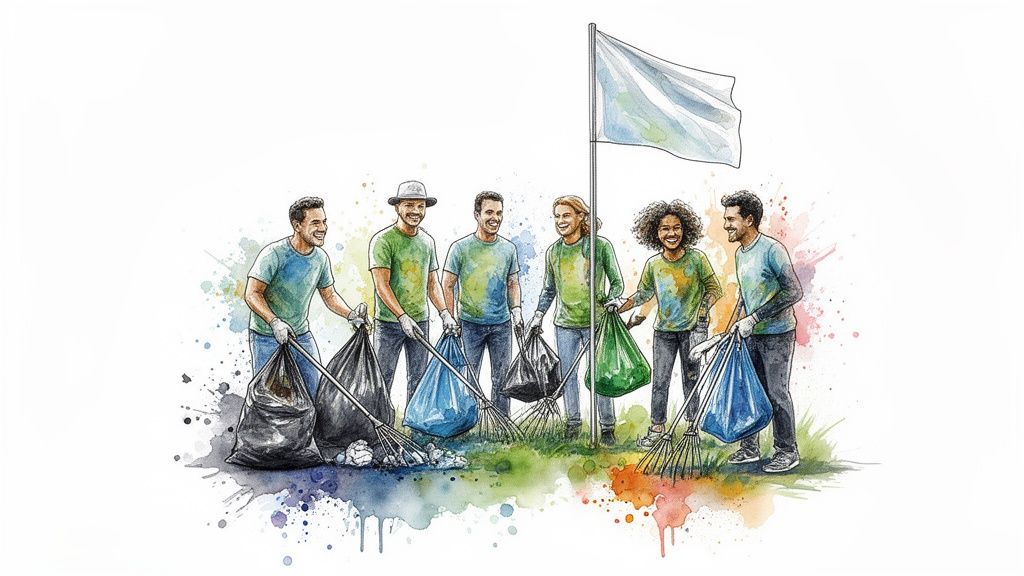
Imagine showing up to a park, not as a stranger, but as part of a team with a shared mission. This is the magic of volunteer-based community groups. Instead of the forced small talk you might find at a bar, you're immediately united by a common purpose, whether it's cleaning a local park, restoring a nature preserve, or supporting a community garden. This approach transforms a simple act of service into one of the most effective and soul-fulfilling ways to meet people in a new city.
The beauty of this method is that connection happens naturally. When you're working side-by-side, picking up litter or planting flowers, conversations flow easily from the task at hand to shared interests and life stories. It removes the pressure of "networking" and replaces it with genuine collaboration. Repeated interactions at weekly or monthly events build familiarity and turn acquaintances into true friends.
Why It Works
This method is powerful because it’s built on shared values and consistent effort. You’re not just meeting people; you're building something better together, creating a tangible, positive impact you can all see and feel proud of. This shared sense of accomplishment is a powerful foundation for lasting friendships.
“When your hands are busy doing good, your heart opens up. The friendships you make while serving your community are forged in purpose and kindness, creating bonds that go deeper than a casual chat over coffee.”
How to Get Started
- Find Your Cause: Look for groups focused on an activity you genuinely care about. In Chicago, organizations like Litter Caterpillars host weekly trash pickups in all 50 wards, making it incredibly easy to join a friendly crew and make an immediate impact.
- Commit to Consistency: Try to attend the same group's events regularly. This is how you move from being a new face to a familiar one.
- Show Up Ready to Connect: Arrive with a positive attitude, introduce yourself to the organizers, and don't be afraid to strike up a conversation with the person working next to you. A simple "Wow, we're making a real difference here!" can be the perfect opener.
If you’re ready to dive in, you can learn more about how to find volunteer work in your area and start your journey today.
2. Neighborhood Exploration Events
What if getting to know your new city felt less like a chore and more like a grand adventure? Neighborhood Exploration Events turn the daunting task of learning a city’s layout into an exciting, mission-driven scavenger hunt. Instead of wandering aimlessly, you join a group dedicated to visiting every single part of the city, achieving a tangible goal like a cleanup or a beautification project in each area. This isn't just about sightseeing; it's about actively shaping the character of your new home.
This method brilliantly combines discovery with purpose. As you travel from one neighborhood to the next, you’re not just a tourist. You're a contributor, a builder, and a partner in progress. The shared experience of exploring new streets, finding hidden gems, and making a measurable impact in every community creates an incredible sense of camaraderie. You’ll learn the city’s geography while building meaningful connections with people who are just as adventurous and community-minded as you are.

Why It Works
This is one of the best ways to meet people in a new city because it gamifies the process of community building. It taps into our natural love for exploration and accomplishment. Completing a map or a "passport" of neighborhoods fosters a unique and powerful shared history among participants, transforming a group of strangers into a tight-knit crew of city explorers.
“Exploring your city one neighborhood at a time with a team is like building a story together. Each community you serve becomes a chapter, and the friendships you forge along the way become the heart of your personal narrative in a new place.”
How to Get Started
- Find a Mission-Driven Group: Look for organizations with a city-wide goal. In Chicago, Litter Caterpillars is pioneering this concept with their mission to host cleanups in all 50 city wards, offering a perfect way to explore diverse communities while making them cleaner.
- Track Your Progress: Create a personal map or checklist to mark off the neighborhoods you've visited. This visual representation of your journey adds a fun, motivating element to your experience.
- Embrace the Journey: Go to each event with an open mind, ready to learn about the area's history and culture. Ask questions, talk to locals, and celebrate the unique character of every place you visit.
To see how this works in action, you can learn more about these powerful community engagement strategies and get inspired to start your own urban adventure.
3. Social Media Community Building
Imagine scrolling through your feed and stumbling upon a post that radiates pure joy: a group of people, laughing and high-fiving, surrounded by bags of collected litter with a beautifully clean park in the background. This isn’t just a post; it’s an open invitation to join a movement. This is the power of social media community building, where platforms like Instagram and Facebook are used to document a group's journey, celebrate its impact, and create an infectious energy that draws new people in.
This approach turns a digital feed into a living story of connection and purpose. It broadcasts the culture of a group, showing not just the work being done, but the friendships being formed and the fun being had. By showcasing the real, tangible results and the genuine camaraderie, it creates a powerful sense of FOMO (fear of missing out) that inspires people to stop scrolling and start participating. This is one of the most dynamic and modern ways to meet people in a new city.
Why It Works
This method thrives on visual storytelling and social proof. When potential members see authentic photos and videos of people just like them making a difference and having a blast, it removes the uncertainty of joining a new group. The consistent documentation of positive experiences builds trust and makes the idea of showing up feel less like a risk and more like joining a party with a purpose.
“A picture of a clean park is nice, but a video of people laughing while cleaning it is an invitation. Your social feed can be more than an archive; it can be a beacon, signaling to others that this is where the fun, friendship, and fulfillment is.”
How to Get Started
- Follow and Engage: Find local groups on Instagram or Facebook. In Chicago, following the Litter Caterpillars provides a masterclass in this, with their vibrant posts of weekly cleanups and member highlights that perfectly capture their welcoming spirit.
- Share the Story: When you attend an event, take a picture or a short video and share it. Tag the group and the location. Your personal post becomes a testimonial that can inspire your own followers to join the cause.
- Amplify the Mission: Don’t just be a passive observer. Like, comment on, and share the group's posts. Your engagement helps their story reach more people who are also looking for connection and a way to contribute.
If you’re ready to see this in action, check out how local groups are using social media to build vibrant communities and find your next adventure.
4. Themed Events and Identity Markers
Think of your favorite sports team. It’s more than just a game; it’s a shared identity. The jerseys, the chants, the collective roar of the crowd all create a powerful sense of belonging. This same psychological principle can be harnessed to create incredibly strong social bonds, making it one of the most unique and effective ways to meet people in a new city. When a group shares visual symbols, traditions, or even a theme song, it transforms from a simple gathering into a unified tribe.
This approach taps into our innate human desire to belong to something bigger than ourselves. Creating a distinct culture with flags, matching gear, or special traditions gives members a sense of pride and exclusivity. It’s not just about showing up; it’s about being part of an identity. This shared culture becomes an instant conversation starter and a foundation for deep, meaningful connections that feel both fun and profound.

Why It Works
This method is powerful because it gives people a story to tell and a team to root for. A shared identity makes every interaction feel more significant and turns participation into a memorable experience. It fosters a level of camaraderie that goes beyond typical social mixers, building a community that feels more like a family.
“When you put on that shared t-shirt or wave that common flag, you’re not just an individual anymore. You are part of a movement, a story, a family. This shared identity is the glue that turns a group of strangers into a force for good.”
How to Get Started
- Look for Groups with Strong Culture: Seek out communities that have a clear identity. In Chicago, Litter Caterpillars exemplifies this with their vibrant flags, badges for achievements, and even a theme song, creating a welcoming and spirited atmosphere at every event.
- Embrace the Symbols: Don’t be shy about participating in the group's traditions. Wear the gear, learn the chant, and celebrate the shared milestones. This is your invitation to fully belong.
- Help Build the Identity: The best group cultures are co-created. Suggest a new tradition, design a fun badge idea, or help tell the group's origin story. Your contribution will deepen your own sense of connection and ownership.
You can get inspired by exploring more community building activities for adults and see how these small symbols create a massive impact.
5. Structured Mentorship and Buddy Systems
Walking into a room full of strangers can feel like the first day of school all over again, no matter how old you are. A structured mentorship or buddy system acts as your personal guide, pairing you with a seasoned member who can show you the ropes. This approach intentionally creates a one-on-one connection, transforming your first experience from intimidating to inviting. It’s like being handed a map and a friendly co-pilot for your new social journey.
Instead of navigating group dynamics alone, you have an instant ally. This person is there to introduce you to others, answer your questions, and share the unwritten rules of the group. It’s one of the most thoughtful and effective ways to meet people in a new city because it builds a foundational friendship right away, giving you the confidence to branch out and form even more connections. The anxiety of being the “new person” simply melts away.
Why It Works
This method is powerful because it’s built on intentional inclusion and personal welcome. It removes the guesswork and initial awkwardness, making a newcomer feel seen, valued, and immediately part of the community. Having a designated buddy ensures you don’t fall through the cracks and gives you a safe, reliable point of contact.
“Being paired with a buddy is like being given a key. It doesn’t just unlock the door to a new group; it unlocks the confidence within yourself to step through it. That first friendship becomes the cornerstone for the entire community you'll build.”
How to Get Started
- Seek Out Structured Groups: Look for organizations that explicitly mention mentorship or buddy programs for new members. Professional networks, larger running clubs, and some faith-based groups often have these systems in place.
- Ask for a Guide: If a group you like doesn't have a formal program, don't be afraid to ask an organizer. Say something like, "I'm new here and would love to get to know people. Is there anyone you'd recommend I connect with to learn more about the group?"
- Be a Great Mentee: When you're paired up, come with curiosity. Ask your buddy about their experience, what they love about the group, and for introductions to others. This proactive approach shows you’re genuinely interested in becoming part of the community.
6. Spatial Community Hubs and Gathering Spaces
Imagine turning a forgotten, trash-filled lot into a vibrant park where neighbors gather for barbecues and kids play safely. This is the power of creating a spatial community hub, a physical “home base” that solidifies the bonds you form while volunteering. It’s about taking shared effort and giving it a permanent address, a place that belongs to everyone who helped build it and serves as a constant reminder of your collective impact.
This approach elevates a series of events into a lasting legacy. When a group has a dedicated space, whether it’s a community garden, a revitalized park, or even a designated corner cafe, it fosters a profound sense of ownership and belonging. It’s no longer just a place you go to volunteer; it’s your spot. This transforms casual meetups into a true, grounded community, offering one of the most rewarding ways to meet people in a new city.
Why It Works
This method works because it anchors social connections to a physical place. You’re not just building friendships; you’re building a landmark together. Having a shared space encourages spontaneous gatherings and deeper relationships beyond scheduled events. It’s the difference between being guests at an event and being hosts in your own home.
“When a community claims a space, it’s not just about pulling weeds or painting benches. It’s about planting roots. The space becomes a living symbol of your shared story, a place where every hello feels like coming home.”
How to Get Started
- Identify Potential: Look for underutilized spaces in your neighborhood that your group could adopt or improve. In Chicago, the Litter Caterpillars transformed an abandoned lot in Englewood into Caterpillar Park, a beautiful example of community-led revitalization.
- Host Gatherings: Use the space for post-cleanup celebrations, potlucks, or casual weekend meetups. A simple cooler of drinks and some music can turn a cleanup site into a social hub.
- Empower the Group: Involve everyone in the design and maintenance process. Let volunteers suggest ideas for benches, gardens, or murals. This shared ownership is the secret ingredient that turns a location into a cherished community asset.
7. Deliberately Inclusive Events Across Socioeconomic and Demographic Lines
Imagine a gathering that doesn’t just happen in a community but is built with and for the entire community, erasing the invisible lines that often keep us apart. This is the power of deliberately inclusive events, which are intentionally designed to bring together people from all walks of life. Instead of staying in familiar social bubbles, you're joining a movement that actively breaks down barriers, whether they’re based on income, race, or neighborhood. This is more than just meeting people; it’s about building a city where everyone truly belongs.
The magic here is in the intention. By consciously choosing to hold events in underserved areas, scheduling for working families, and ensuring activities are free, these groups create a space where genuine connection can flourish. Friendships form not just over shared hobbies, but over a shared commitment to equity and understanding. You meet people you might never have crossed paths with, enriching your perspective and building a more resilient, interconnected community.
Why It Works
This approach is one of the most profound ways to meet people in a new city because it’s rooted in justice and shared humanity. It moves beyond surface-level diversity to create authentic integration. When you join a group committed to showing up for every single neighborhood, you become part of the solution, forging bonds based on mutual respect and a collective vision for a better, more equitable city.
“True community isn't built by accident; it's built on purpose. When you intentionally create spaces where everyone is seen, valued, and welcomed, the connections you make are not just social, they are transformational.”
How to Get Started
- Seek Out Bridge-Builders: Look for organizations that explicitly state their commitment to equity and serving all communities. In Chicago, Litter Caterpillars embodies this by hosting cleanups in all 50 city wards, especially those that are often overlooked.
- Check Their Values: Explore an organization's mission statement. Do they talk about removing barriers like cost, transportation, or childcare? This is a strong indicator of their commitment.
- Show Up with an Open Heart: Arrive ready to listen, learn, and connect with people whose life experiences may be different from yours. Ask questions like, "What do you love most about this neighborhood?" to open the door to meaningful conversations.
8. Challenge-Based and Adventure Elements
Some connections aren't just made; they're forged in the face of a challenge. Imagine standing shoulder-to-shoulder with new friends, not just picking up litter, but doing it in a swirling blizzard or a determined downpour. This is the heart of challenge-based connection, where overcoming a shared obstacle becomes the very thing that binds you together. It reframes meeting people from a simple social activity into an epic adventure.
This approach attracts a certain kind of person: resilient, spirited, and ready for anything. When the weather gets tough, the stories get better. These shared experiences of braving the elements or tackling a difficult task create a powerful sense of camaraderie. You aren't just acquaintances; you're teammates who have a "war story" to tell, and that's a connection that sticks.
Why It Works
This method is one of the best ways to meet people in a new city because it bypasses superficial small talk and goes straight to building trust and shared memories. Facing a physical challenge together accelerates bonding, creating a story of triumph you all get to own. It's not about what you say, but what you accomplish side-by-side.
"True character is revealed in a storm. The friendships you forge while facing down a challenge together are built on a foundation of mutual respect and shared grit. You don't just find friends; you find your crew."
How to Get Started
- Embrace the Adventure: Look for groups that explicitly welcome a challenge. In Chicago, Litter Caterpillars is famous for its motto of cleaning up in all 50 wards, rain or shine, in blizzards and heat waves. This "come what may" attitude turns a simple cleanup into a memorable quest.
- Find Your Thrill: Search for adventure sports clubs, obstacle course training groups like Tough Mudder, or outdoor education programs. These communities are built around pushing limits and supporting each other.
- Lean into the Story: When you show up, come with a spirit of adventure. A simple "Well, this is going to be a story for the grandkids!" can instantly connect you with others who share that same brave, fun-loving energy.
9. Strategic Partnerships with Local Nonprofits and Institutions
Imagine your small community group suddenly having the reach and resources of a much larger organization. This isn't a fantasy; it's the power of strategic partnerships. Instead of trying to grow your circle one person at a time, you can connect with established local nonprofits, businesses, and universities, tapping into their networks to find like-minded people. This approach amplifies your impact and introduces you to entire communities who are already passionate about making a difference.
This method transforms your search for connection from a solo mission into a collaborative effort. By aligning with organizations that share your values, you're not just finding individuals; you're joining a city-wide movement. A local business might sponsor your cleanup event, bringing its employees who are eager to volunteer, or a university might promote your group to students looking for service hours. These partnerships create a powerful ripple effect, making it one of the most efficient ways to meet people in a new city.
Why It Works
This approach works because it's built on mutual benefit and shared goals. Established institutions lend you credibility and a wider audience, while you offer them a tangible, fun way to engage their own members in community service. This creates a win-win scenario where everyone involved feels invested, leading to stronger, more diverse connections and a greater collective impact on your city.
"True community isn't built in isolation. It's woven together through threads of collaboration. Partnering with others is like opening a door to a hundred new friendships at once, all united by a desire to do good."
How to Get Started
- Identify Aligned Partners: Make a list of local businesses, schools, or other nonprofits whose missions resonate with yours. In Chicago, Litter Caterpillars actively partners with corporate groups and neighborhood associations, creating tailored volunteer days that are a blast for everyone.
- Create a Simple Proposal: Draft a one-page "partnership packet" that clearly explains who you are, what you do, and what the benefits are for them (e.g., team-building, brand visibility, community goodwill).
- Start with a Small "Ask": Propose a single joint event or a specific in-kind donation, like a coffee shop providing refreshments for your volunteers. Success here builds trust for bigger collaborations. A simple "We'd love to host your team for a cleanup day!" can be the start of a beautiful friendship.
10. Progression and Leadership Development Pathways
Joining a group is a great first step, but what happens when you’re ready for more? The most vibrant communities don't just welcome new faces; they create clear pathways for members to grow into leaders. This transforms your involvement from a casual hobby into a meaningful journey of personal development, making it one of the most profound and best ways to meet people in a new city. It’s the difference between being a passenger and learning to pilot the ship.
This approach deepens your connection to both the mission and the people. When you take on more responsibility, like leading a project or mentoring a newcomer, your investment grows exponentially. You’re no longer just showing up; you’re actively shaping the group’s future. This shared ownership fosters an incredible sense of camaraderie and turns fellow volunteers into a trusted inner circle.
Why It Works
Growth is a powerful magnet for connection. When you and others are striving together, learning new skills, and celebrating each other's progress, you build relationships based on mutual respect and shared ambition. This structure provides a tangible sense of purpose that goes beyond simple socializing, creating a resilient network of friends who empower one another.
“True community isn’t just about belonging; it’s about becoming. When a group invests in your growth, you invest your heart right back, forging friendships that are built on shared purpose and personal transformation.”
How to Get Started
- Seek Groups with Structure: Look for organizations that have clear roles. In Chicago, groups like Litter Caterpillars offer defined progression from a participant (Caterpillar) to a leader (Butterfly), giving you a clear path to follow.
- Voice Your Interest: Don’t wait to be asked. If you’re enjoying a group, tell the organizers you’re interested in helping more. Ask, "What would it take for me to lead a small project or help with new member orientation?"
- Embrace the Challenge: Take on "stretch" assignments. Volunteer to lead a breakout session, manage the social media for an event, or organize a carpool. Stepping up is the fastest way to become an indispensable part of the core team.
10-Point Comparison: Ways to Meet People in a New City
| Approach | Implementation Complexity 🔄 | Resource Requirements ⚡ | Expected Outcomes 📊⭐ | Ideal Use Cases 💡 | Key Advantages ⭐ |
|---|---|---|---|---|---|
| Volunteer-Based Community Groups and Meetups | Medium — recurring coordination and leadership | Low — volunteer time, meetup platforms, minimal budget | Strong local bonds, steady volunteer retention, visible community impact | Regular cleanups, local civic engagement, newcomer socializing | Sustainable volunteer energy; low barrier; repeated interactions |
| Neighborhood Exploration Events | Medium–High — routing, transport, safety planning | Moderate — transport logistics, mapping, planning time | Broadened city familiarity, memorable place-based experiences | Onboarding newcomers, city discovery, outreach to neglected areas | Teaches geography; reaches underserved neighborhoods; memorable |
| Social Media Community Building | Low–Medium — content cadence and moderation | Low — time for content, basic tools, minimal spend | Increased awareness/recruitment, documented history, remote engagement | Recruitment, storytelling, amplifying events and impact | Low-cost reach; viral potential; builds pre-event belonging |
| Themed Events and Identity Markers | Low — design and occasional production | Low–Moderate — merch, creative assets, small production costs | Strong group identity, higher recognition and social media traction | Building belonging, visual recruitment, celebratory events | Instant solidarity; shareable visuals; emotional investment |
| Structured Mentorship and Buddy Systems | High — matching, training, and tracking systems | Moderate — coordinator time, mentor training materials | Higher newcomer retention, faster onboarding, durable one-on-one bonds | New member integration, inclusion-focused programs, retention drives | Personalized welcome; leadership development; reduced anxiety |
| Spatial Community Hubs and Gathering Spaces | High — permits, maintenance, ongoing management | High — space costs, upkeep, equipment storage | Sense of place, spontaneous interaction, logistical base for activities | Long-term community building, tool storage, social hubs | Physical “home base”; recruiting hub; increased visibility |
| Deliberately Inclusive Events Across Socioeconomic and Demographic Lines | High — targeted outreach, accommodations, evaluation | Moderate–High — outreach, transport support, training | Cross-class friendships, increased equity, deeper social impact | Equity initiatives, citywide service, work in marginalized areas | Reduces segregation; transforms relationships; social justice impact |
| Challenge-Based and Adventure Elements | Medium — safety planning and risk management | Moderate — safety gear, trained leaders, contingency planning | High bonding, memorable experiences, attracts adventurous volunteers | Recruiting active/younger demographics; creating compelling stories | Strong engagement; shareable content; personal growth and resilience |
| Strategic Partnerships with Local Nonprofits and Institutions | Medium — relationship building and formal agreements | Moderate — staff time, coordination, shared resources | Expanded reach, credibility, resource and funding opportunities | Scaling impact, accessing institutional networks, fundraising | Institutional support; resource multipliers; recruitment pipelines |
| Progression and Leadership Development Pathways | High — structured programs, training, governance | Moderate–High — training, coordinator time, recognition costs | Sustainable leadership pipeline, increased retention, capacity building | Long-term sustainability, volunteer career paths, leadership cultivation | Clear advancement; reduces burnout; builds organizational capacity |
Stop Searching for Your People and Start Building with Them
Moving to a new city can feel like you’ve been dropped into the middle of an ocean. You see islands of people everywhere, laughing in cafes, jogging in parks, and gathering in homes, but you’re just treading water, trying to figure out how to swim to shore. This guide was designed to be your life raft, but more than that, it’s a blueprint for building your own island.
We've explored ten powerful currents that can carry you to connection, from joining volunteer groups and exploring neighborhood events to leveraging social media and finding a mentor. Each path, whether it’s a structured cleanup, a hobby-based club, or an adventure challenge, shares a secret ingredient: shared purpose. This is the core takeaway. The most profound, lasting friendships aren't forged over small talk at a bar; they are built, brick by brick, through shared effort, shared laughter, and shared investment in something bigger than yourselves.
The Tom Sawyer Effect: Turning Work into Play
Remember the story of Tom Sawyer? He was tasked with the boring chore of whitewashing a fence. Instead of complaining, he reframed the work as a rare and exciting privilege. Soon, his friends were begging him for a turn, even paying him for the opportunity. This is the magic we’re talking about. The best ways to meet people in a new city aren’t about finding the perfect party. They’re about finding a fence to paint together.
When you join a community cleanup, you’re not just picking up litter. You are painting a brighter future for your neighborhood, and every person beside you is a co-artist. This is the ultimate mindset shift:
- Stop looking for an invitation. Start creating the event.
- Stop waiting for a "perfect fit." Start with a simple, brave "yes."
- Stop searching for your people. Start building with the people right in front of you.
This approach transforms the daunting task of "making friends" into a joyful adventure of "building community." It takes the pressure off and replaces it with a sense of purpose.
Your First Brave Step
The journey from newcomer to neighbor doesn't happen overnight. It’s a series of small, courageous steps. It's showing up to that volunteer event even when you feel awkward. It's introducing yourself to someone new, knowing they might be just as nervous as you are. It’s choosing action over anxiety.
Like a caterpillar, we are all in a constant state of transformation. You moved to this new city to grow, to change, to become a new version of yourself. Service is how you build your cocoon. It’s the work that strengthens you, connects you, and ultimately, helps you grow your wings.
So, where do you begin? Don’t get overwhelmed by the options. Pick just one path from this list that sparks a flicker of excitement. Take a deep breath and take the first step. Send the email. Sign up for the event. Show up. Your city isn’t just a collection of streets and buildings; it’s a garden waiting for you to help it grow. Your community is waiting. We’re waiting. Be brave, do the work, and watch how quickly your world changes, starting with you.
Ready to take that first brave step and have fun doing it? Join Litter Caterpillars for a Chicago neighborhood cleanup and meet amazing people who are turning community service into a city-wide adventure. Find your next event and your future friends at Litter Caterpillars.
Leave a Reply