
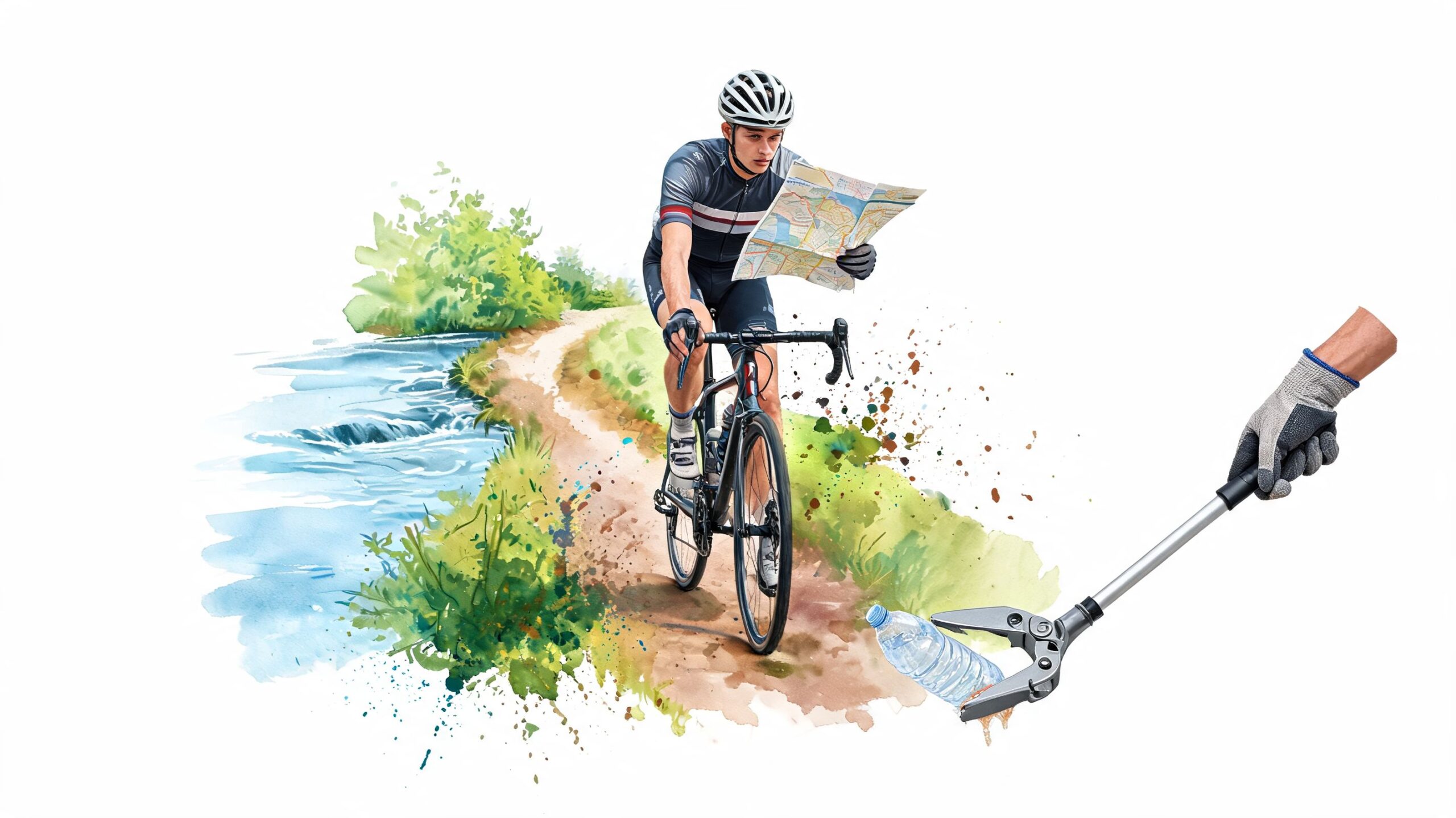
I stepped onto the dupage river greenway trail on a cold March morning with fingers already going numb. A paper cup rattled in the reeds beside the path, and by the time I reached the next bend, I understood that this trail asks for more from you than a casual stroll.
Finding Your Way by Getting a Little Lost
The first time I really met this trail, the sky had that flat gray color that makes every sensible person stay in bed. I had a hat pulled low, mud on my shoes within minutes, and that tiny inner voice that says, why am I doing this today?
Then the trail started doing what good trails do. It stopped arguing with me and let me walk.
Bare branches leaned over the corridor. Wet ground held the smell of thawing earth. The river flowed gently off to the side like it had all day to wait for me to catch up. That kind of morning strips away the fantasy version of outdoor life. No postcard light. No perfect temperature. Just you, your breath, the path, and whatever mood you brought with you.
I like days like that because they tell the truth.
The trail gets more honest in rough weather
On a warm blue-sky Saturday, almost any path can charm you. A windy day in early spring is different. You notice puddles. You notice the slick leaves pressed into the edge of the pavement. You notice the branch hanging low enough to make you duck. You notice that a chip bag trapped in brush can bother you more than it should.
That's when the dupage river greenway trail starts to feel alive instead of staged.
I've learned that a little discomfort often sharpens the memory. A cold headwind wakes you up. A surprise drizzle gives the day some plot. Even a wrong turn or a muddy shoulder becomes part of the story you tell later. Easy outings blur together. The awkward ones stay with you.
Practical rule: If the weather is safe, go anyway. You'll remember the day better, and you'll pay closer attention to the trail under your feet.
Small hardship changes how you see the place
I've walked paths in perfect conditions and forgotten them by dinner. I still remember that gray morning because I had to earn it a little. When you show up on a day that isn't begging for visitors, you notice the work a trail needs. You see where litter snags in grass. You see where runoff carries debris toward the river. You see the gap between a place being open and a place being cared for.
That shift matters.
The dupage river greenway trail isn't just a route from one point to another. It's a corridor that changes with season, rain, wind, and human use. Some days it feels generous. Some days it feels blunt. Both are good. Both teach you something.
So if you arrive and the wind bites your ears or the clouds look unfriendly, don't turn around too fast. Walk a little farther than you planned. Let the day be imperfect. Getting a little lost, in weather or in thought, is often how you start finding your way.
Mapping the DuPage River Greenway Trail
The first time I helped organize a cleanup on a river trail, the map mattered less than the pinch point. We found it where a bend in the path narrowed near the water and wind-blown cups collected in the weeds. Ten volunteers with grabbers and contractor bags could clear that stretch in under an hour, but only because we knew how the route fit together before we showed up.
That is how I read the DuPage River Greenway Trail now. Part outing, part working map.
Start with one segment you can remember
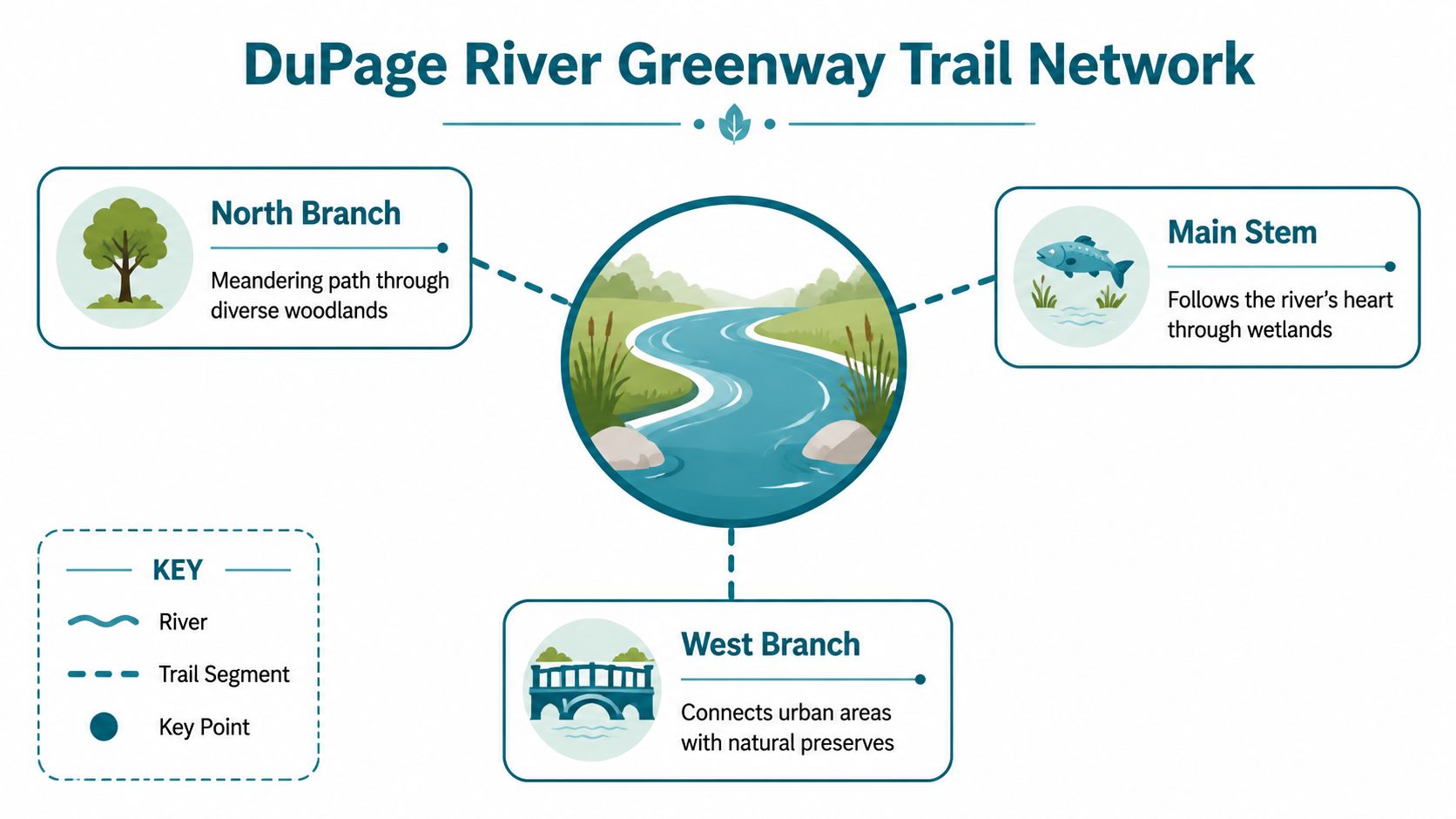
Bolingbrook gives you a clear mental picture. The local stretch runs along the East Branch of the DuPage River, linking Royce Road near Route 53, Hidden Lakes Historic Trout Farm, and Indian Boundary Park. It is paved and built for shared use, so you can picture walkers, runners, bikes, strollers, and cleanup crews all using the same corridor with a little courtesy.
That kind of route is easy to hold in your head because it has landmarks with names, not just a line on a screen. Road. River. Trout farm. Park.
Once you can repeat those anchors from memory, the trail stops feeling vague. It becomes a place you can use and care for.
The greenway works like a chain of local stories
Regional trails rarely make sense all at once. You learn them in pieces. One town shows you a riverside path that feels friendly for a first walk. Another gives you a longer connector that makes more sense on a bike. Soon the whole system starts to click because each segment teaches you the next one.
That is also how service grows. A person who picks up litter on one reliable mile often comes back with a friend, then a bucket, then a simple plan.
If you have walked a larger corridor such as the Des Plaines River Trail near Chicago, you already know the pattern. You do not memorize every turn on day one. You learn the backbone, then your favorite access points, then the spots that need attention after a windy weekend.
Map it with a volunteer's eye
A recreational map asks where you can go. A cleanup map asks where help will matter most.
I use three checks before I invite anyone out:
| Question | What to look for | Why it matters |
|---|---|---|
| Where does the group gather? | A named park, visible trailhead, easy parking | People arrive calm, not frustrated and late |
| Where will trash collect? | River bends, fence lines, bridge edges, low spots after rain | You spend your energy where debris actually piles up |
| Where can people pause or turn back? | Restrooms, benches, short out-and-back options | New volunteers stay comfortable and are more likely to return |
That small shift changes the whole outing. You are no longer tracing a path just to finish it. You are reading the corridor like a steward.
For the DuPage River Greenway Trail, the river is the constant reference point. Follow that, remember the named anchors, and mark a few likely cleanup zones on your phone or a printed map. After one visit, you will know enough to come back with purpose.
How to Access Your Trail Adventure
The first cleanup I ever led on a river trail started with six people standing around a trunk full of grabbers, asking the least glamorous question in outdoor life. Where do we park so nobody begins the morning annoyed?
That question matters here too. Access shapes the whole day. If the first five minutes feel calm, people stay open to the place. If the start feels confusing, they rush, miss the river, and head home before the trail can do its work.
Two smart starting points
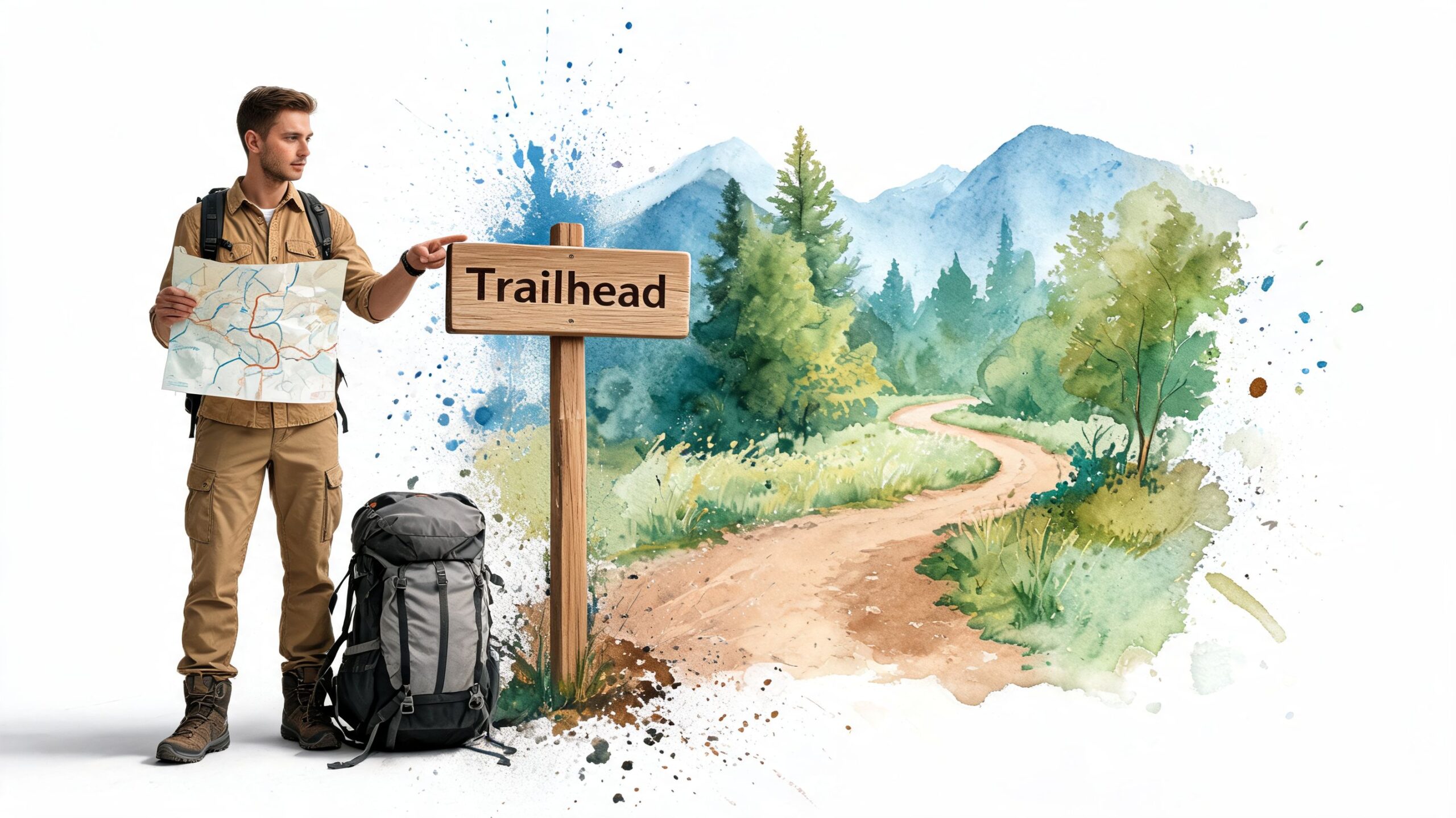
For a first visit, I would start with Hidden Lakes Historic Trout Farm or Indian Boundary Park. Both are the kind of access points that lower the friction of a first outing. You can arrive, get oriented, use the restroom, and step onto the trail without turning the morning into a scavenger hunt.
They serve different moods.
Hidden Lakes feels like the better choice for a slower outing, especially if you want time to look around, notice where the river pulls your attention, and spot the edges where litter tends to gather after a windy day. Indian Boundary Park suits an out and back with cleaner rhythm. If I were bringing a new volunteer, a teenager earning service hours, or a friend who says they are "just coming to help for one hour," I would probably choose the start that feels easiest to read at a glance.
That first impression carries weight. People are more likely to come back when the trail greets them kindly.
How I choose a trailhead for recreation or service
I do not pick an access point by name alone. I picture the end of the outing.
If I am walking for quiet, I want the start that settles me down fast. If I am running, I want an access point that lets me find a steady rhythm without constant stops. If I am showing the trail to someone new, I want the lot, the path, and the first decision point to be obvious.
Cleanup days need one more layer of thought. Bags get heavier on the way back. Mud clings to gloves. Someone always finds something awkward, a tire scrap, a soggy bundle of cans, a length of plastic fencing, and suddenly the distance from trail to car matters more than scenery.
So I use a short filter:
- For a solo walk: choose the access point that feels easiest to read on arrival.
- For a run or bike outing: choose the one that gives you a clean out and back.
- For first-time visitors: choose restrooms, visible parking, and a simple path from lot to trail.
- For a cleanup: choose the place that makes unloading and hauling filled bags back to the car less miserable.
Simple choices save energy for the trail itself.
A first visit that actually teaches you something
On your first trip to the dupage river greenway trail, skip the urge to cover a huge stretch. Start at one known access point. Walk far enough to learn the feel of the corridor, notice where people naturally slow down, and mark any spots where debris collects near edges, bridge approaches, or low ground. Then turn back while the day still feels fresh.
That is how a casual visit turns into stewardship.
I have watched this happen over and over. Someone comes out for "just a walk," notices bottles tucked into grass at a bend, comes back next week with one grocery bag, and a month later is texting friends about a cleanup date. The trail gives you a job if you pay attention.
If you like building a day around nearby preserves and practical service, this Aurora forest preserve outing guide with the same stewardship mindset fits well with that approach.
Bring less than you want to bring. Bring better shoes than you think you need.
Coming without a car
Getting here without a car takes planning, but it can be done with patience and a willingness to piece the trip together. I would treat it like a small expedition. Handle the train or bus segment first, then decide whether the final stretch works best on foot or by rideshare.
For cleanup volunteers, that usually means packing lighter and planning a shorter route. One bucket, gloves, water, and a firm turnaround time beat overcommitting and dragging too much gear across a long approach.
There is something good in that extra effort. You arrive with intention. You notice more. And if you spend even one hour leaving a small stretch cleaner than you found it, the trip home feels different.
The Trail Under Your Feet
The first time I brought a cleanup bucket onto this stretch, I noticed the pavement before I noticed the river. My wheels did not rattle. My ankles did not hunt for stable ground. I could carry gloves, a grabber, and a half-full bag without feeling like the trail was fighting me for every step.
That matters more than people think.
On this section, the path feels broad, paved, and forgiving. You can settle into a walking rhythm fast. A bike rolls cleanly. Two friends can talk side by side without drifting into that awkward shoulder-to-shoulder shuffle. For a volunteer morning, that kind of surface changes the whole tone. You spend less energy dealing with footing and more energy paying attention to what the edges are holding.
What pavement changes
I have seen this play out with new volunteers. Put someone on rough ground with a trash bag, and their focus narrows to roots, mud, and balance. Put that same person on a paved shared-use trail, and their eyes lift. They start spotting fishing line near brush, bottles caught where grass meets asphalt, and snack wrappers pinned against a bridge approach.
Pavement also makes stops easier. You can set down a bucket, sort recyclables from trash, tie off a bag, and keep moving. If a child joins for part of the route, or an older neighbor wants to help for thirty minutes, the trail gives them a fair shot at contributing without turning the outing into a test of agility.
Runners and walkers will feel that predictability in different ways. Walkers get steadier footing and easier conversation. Runners get a consistent cadence, though long efforts still ask you to pay attention to your legs. Cyclists get flow. Cleanup crews get a practical work surface.
Matching surface to activity
Here is how this ground tends to behave in real use:
| Activity | How the surface feels | Best use on this trail |
|---|---|---|
| Walking | Steady and low-stress | Good for scouting litter pockets and talking while you move |
| Running | Consistent underfoot | Good for shorter training efforts or run-walk outings |
| Biking | Smooth and efficient | Good for covering more ground and checking several access points |
| Cleanup walks | Easy for tools, bags, and frequent stops | Good for small groups, families, and first-time volunteers |
The width helps too. On a narrow path, every bag pickup becomes a traffic problem. Here, people can pass, pause, and work around each other with less fuss. Courtesy gets easier when the trail gives you enough room to practice it.
Read the path like a volunteer
I do not judge this kind of trail by mileage first. I judge it by how well it holds a morning's purpose.
A short outing works well if you are carrying tools, checking conditions, or bringing someone who is new to cleanup work. A medium outing gives you enough time to notice patterns. Where cans collect after a windy week. Where flooded edges leave debris behind. Which bend looks clean from a distance but tells a different story when you slow down. Long outings have their place, but they ask for more planning, more water, and a more honest read on your energy.
That is one of the quiet gifts of the dupage river greenway trail. The surface lowers the barrier to entry, then leaves the deeper part up to you. You can come here for a smooth walk and leave with a fuller bag than you expected. You can show up to get exercise and end up feeling responsible for a half mile of river corridor. Sometimes purpose starts with something as ordinary as good footing.
Sights and Seasons Along the River
One April morning, I stepped off the trail with a trash bag and came back twenty minutes later with three water bottles, a rusted bait tin, and a kid's blue sandal that had wintered in the reeds. The river smelled like thawed mud and leaf mold. Red-winged blackbirds were already staking claims in the cattails. Nothing about it looked polished, but the place felt awake, and so did I.
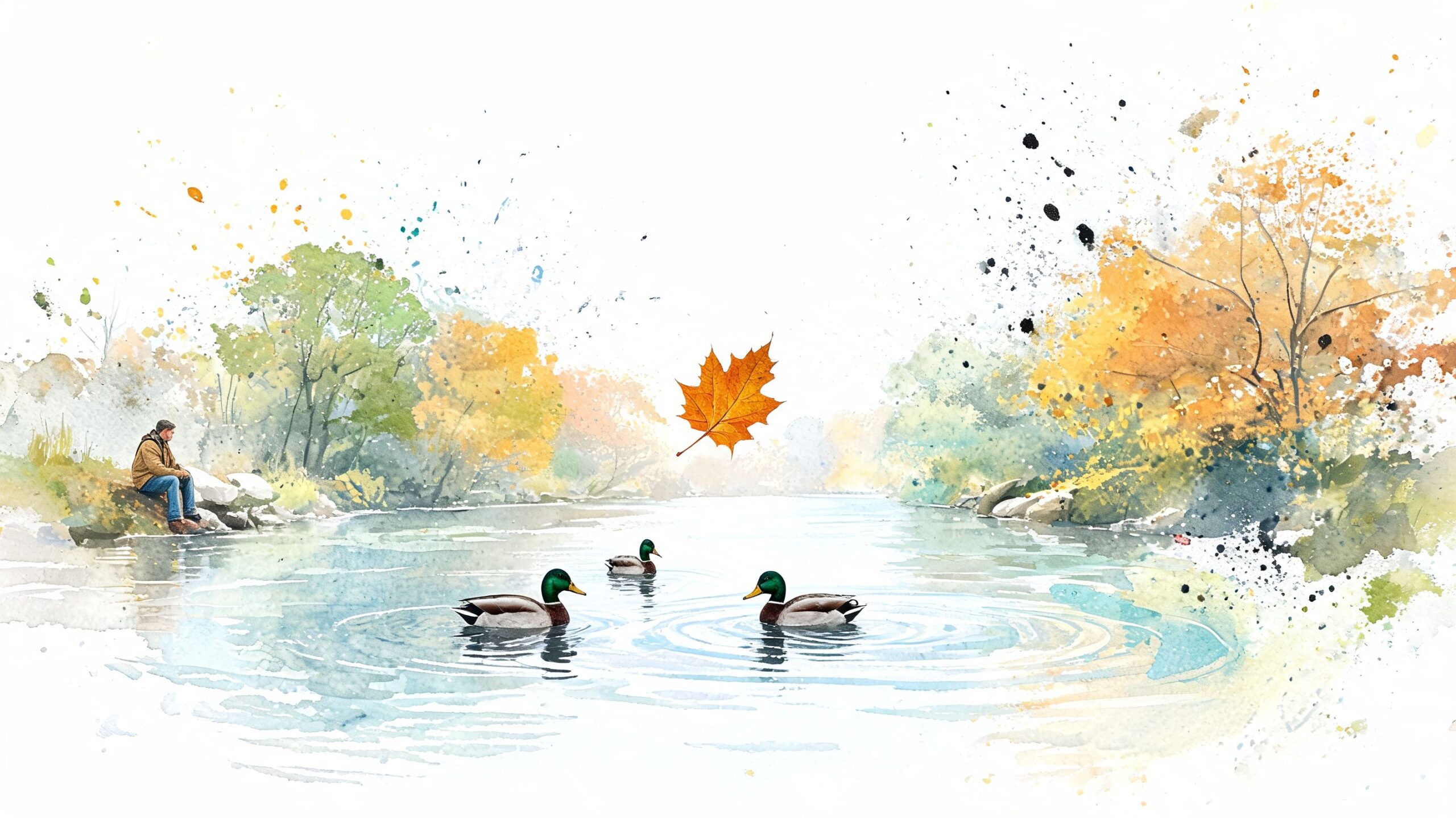
That is part of the trail's hold on people. You do not get one fixed version of the dupage river greenway trail. You get a corridor that shifts from wetland hush to open river light, from green abundance to bare winter structure. Come often enough and you start recognizing not just scenery, but patterns. Where floodwater leaves a line of plastic. Where ducks gather when the current slows. Which patch of prairie looks ordinary in July and catches low gold light in October.
Spring and summer on the trail
Spring has loose edges. Water slips out of its usual lines. The soil gives off that cold, rich smell that says the ground is working again. Trees have not leafed out enough to hide everything, so you can watch the river and the brush at the same time.
For cleanup walks, spring is honest. Winter exposes what people dropped and what water carried in. A volunteer group can cover a short stretch and come away with a clear result, lighter banks, cleaner shoulders, one less mess working its way downstream. That kind of morning changes people. A teenager who showed up because a parent made them starts asking for a second bag. A neighbor who came for exercise starts noticing the same problem spot every week.
Summer tells a different story. Shade starts to matter. The trail grows louder with tires, footfalls, bird calls, and families moving toward the next bend. Hidden Lakes Historic Trout Farm adds another layer to the experience. You feel the age of human use here, not as a museum lesson, but as a reminder that this corridor has always been shaped by hands, choices, and care.
I like summer evenings best. The heat backs off. Swallows cut across the water. Someone up ahead slows at the river and points something out to a child. If you are carrying gloves and a few spare bags, that is often when a casual walk turns into a small act of service.
Fall and winter change what you notice
Autumn sharpens attention. Leaves scrape over the pavement. Gaps open in the greenery, and the river shows itself again. Seed heads dry out, grasses fade, and the whole corridor starts speaking in texture instead of lush color.
It is a good season for people who want to train their eyes.
You can spot the places where wind gathers cups and wrappers. You can see where a recent rain pushed debris into brushy corners. You can also see beauty with less competition around it. A heron at the edge of dark water. Sunlight on reeds. One yellow cottonwood leaf stuck to wet pavement like it was placed there on purpose.
Winter strips the trail down even further. Branches draw clean lines against the sky. Wetlands go quiet. Snow, when it comes, turns every tossed object into a bright accusation. A red glove, an aluminum can, a torn snack wrapper. If you have ever wanted to show a new volunteer why stewardship matters, take them out after a snowfall. The river corridor makes the lesson plain.
This video catches some of that river-trail feeling in motion.
What I tell people to notice
The people who build a real bond with this trail usually start by paying attention in specific ways.
- Listen for seasonal sound shifts: Bare branches rattle differently than full summer canopy, and wetlands carry bird calls farther on cold mornings.
- Study the margins: Reeds, muddy edges, brush piles, and grassy shoulders hold wildlife sign, flood debris, and the litter that cleanup crews can remove in one outing.
- Pause where habitats meet: Open water beside woodland or prairie beside wet ground changes the feel of the trail fast. Those transition points often become the most memorable stops.
- Read ordinary objects closely: A cluster of drifted cans, a line of seed heads bent one direction, duck tracks in soft mud. They show how wind, water, and people move through the corridor.
Some of my strongest days on this trail started under a flat gray sky. A cold afternoon can make one patch of sunlight feel like a reward. A quiet winter walk with a half-full trash bag can do more for your mood than a perfect-weather stroll where you notice nothing.
That is why I keep coming back with both curiosity and work gloves. The dupage river greenway trail gives you beauty, but it also gives you a chance to leave a stretch of river better than you found it. For a lot of us, that is where the deeper part begins.
Planning Your Hike Bike or Run
People get stuck because they ask the wrong question. They ask, what's the best way to do the dupage river greenway trail? There isn't one best way. There's only the best fit for the day you have.
I like to plan by energy, company, and purpose. That keeps the route honest.
Three outing blueprints
The easy family walk
Start from a known access point with restrooms. Keep the distance short enough that curiosity stays ahead of complaints. Let kids stop at bridges, water edges, or open views. If they want to pick up a stray wrapper with gloves on, even better. They'll remember doing something, not just being taken somewhere.
The steady run
Use a clean out-and-back from a simple trailhead. Don't make your training run a navigation challenge. A paved path helps you lock into rhythm, and a river corridor gives your mind something to follow when your legs start bargaining with you.
The bike spin
This works best when you want flow rather than technical riding. Check your tires, bring water, and ride with enough patience to share the trail well. River trails reward people who can soften their speed now and then and see where they are.
A simple decision table
| If your day looks like this | Choose this style |
|---|---|
| You have under two hours | Short out-and-back from a known parking area |
| You want low stress | Walk or easy ride on a paved segment |
| You need training structure | Repeatable run with a clear turnaround |
| You're bringing new people | Start where restrooms and parking are easy |
| You want more meaning | Bring gloves and carry out a little litter |
The plan I use most often
My favorite trail plan is humble. I arrive with water, one extra layer, and enough time to not rush. I walk first, because walking teaches me the day. If the trail feels lively and my body feels good, I stretch the outing. If wind, mud, or crowds make the path feel off, I keep it shorter and enjoy what's there.
That approach almost always beats overplanning.
Field note: Leave room for the trail to make one decision for you. Maybe you stop longer by the river. Maybe you turn around early. Maybe you bring home a bag of trash instead of chasing distance.
That flexibility is what turns a route into a practice. You stop trying to conquer the trail and start learning how to return to it well.
Become a Guardian of the Greenway
The shift from user to caretaker is small on paper. In real life, it changes everything.
You walk a trail one day and notice a bottle in the reeds. The next time, you bring gloves. After that, you start carrying an extra bag in your car. Soon the trail is no longer just a place you visit. It's a place you help.
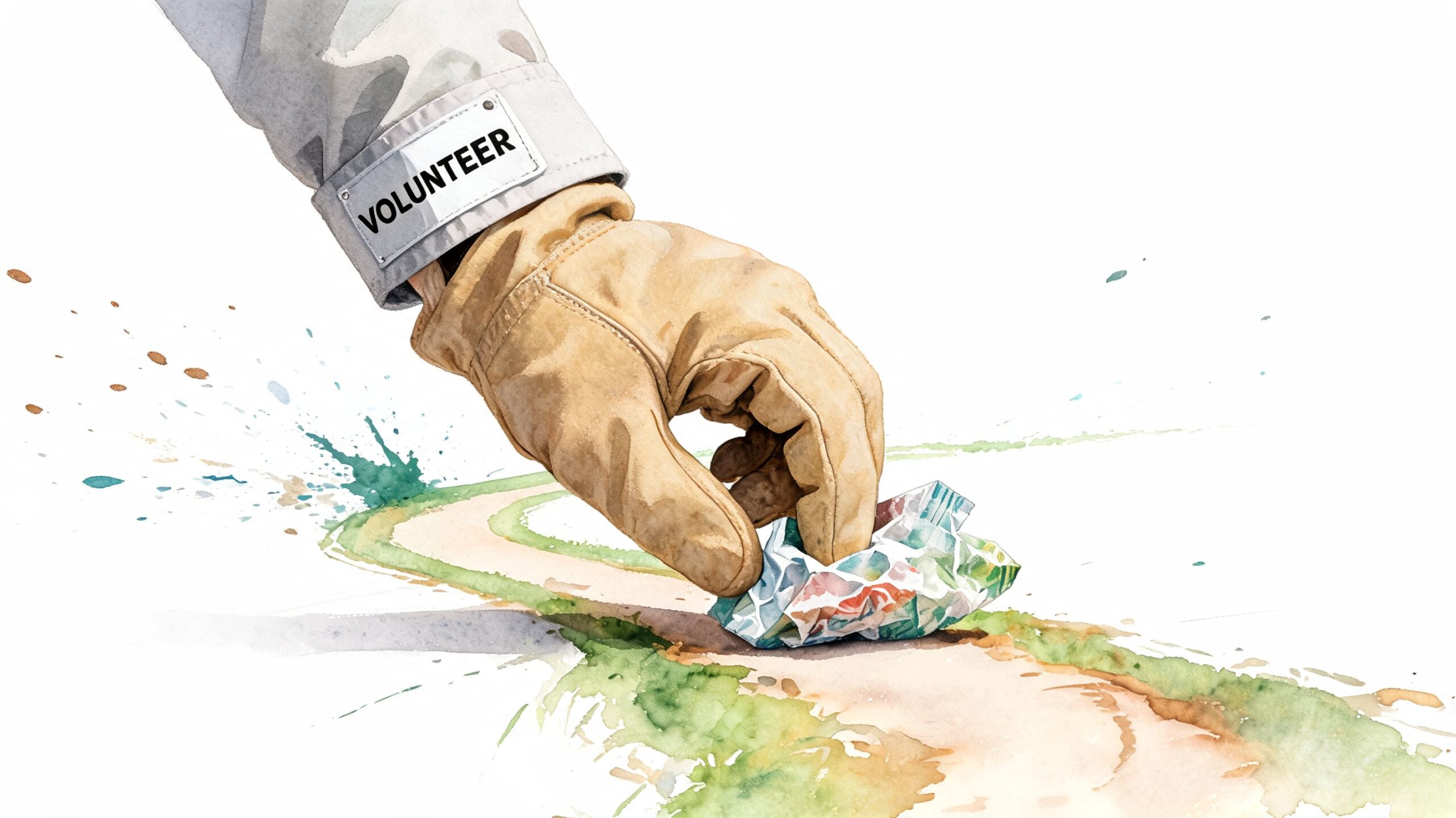
The practical case is clear. Trail guides usually focus on scenery and recreation, but the DuPage River Greenway overview on Komoot notes a gap in public information about litter patterns and seasonal cleanup needs, even though the route is described there as an expanding 42-mile regional corridor. That means ordinary volunteers can do useful work by noticing what glossy guides skip.
Why cleanup work changes you
I've seen this happen again and again. Someone shows up thinking they're doing a small good deed, and halfway through the morning they look different. More alert. Less self-absorbed. More rooted.
Cleanup work is physical and simple. Bend. Grab. Sort. Bag. Repeat. That rhythm can quiet a noisy mind. It also gives you fast proof that your effort mattered. A patch of trail that looked ignored now looks cared for because you were there.
There's something else too. Picking up trash strips away the fantasy that caring for public space is somebody else's job. It becomes your job, at least for an hour.
A clean stretch of trail feels good. Being one of the people who made it clean feels better.
How to run a small cleanup well
You don't need a giant operation to do this. A tiny, well-run outing beats a messy big one.
Here's the setup I trust:
- Bring the right gear: Work gloves, sturdy trash bags, water, closed-toe shoes, and a grabber if you have one. A five-gallon bucket can help with glass or awkward items.
- Keep the group small at first: Two to six people is easy to manage. You can communicate clearly and stay aware of each other.
- Work one short segment: Don't spread out across the whole trail. Pick a manageable stretch and do it thoroughly.
- Stay visible and cautious: Watch for bikes, runners, slick shoulders, and any trash near water or roads. Skip anything that feels unsafe to retrieve.
- Sort your ending before you start: Know where bags will go after pickup. Nothing kills momentum like a full trunk and no disposal plan.
The mindset matters as much as the bags
If you treat cleanup like punishment, people feel it. If you treat it like a mission with a little pride and a little play in it, people come alive. I always think of Tom Sawyer and the fence. Energy is contagious. So is reluctance.
You want bravery, but not recklessness. Kindness, but not chaos.
A good cleanup leader does four things well:
- Names a meeting point clearly
- Brings extra gloves
- Keeps people away from risky spots
- Ends while everyone still feels good
That last one matters. Finish with a win, not exhaustion.
If you want ideas for making river cleanups safer and more organized, this practical guide on how to clean up rivers is a useful companion mindset. Keep the plan simple. Respect the water. Protect volunteer energy.
What to expect from your first one
Your first cleanup probably won't feel cinematic. It may feel awkward. Someone will ask where to put cigarette butts. Somebody else will find something weird. You might spend more time talking than collecting. That's okay.
The point isn't perfection. The point is beginning.
A trail doesn't need your grand theory. It needs your hands, your time, and your willingness to care for one small piece of it today.
If this kind of work calls to you, Litter Caterpillars is a good place to find people who treat cleanup as adventure, friendship, and real service. Join a weekend effort, bring your gloves, and see what happens when you leave a place better than you found it.
Leave a Reply