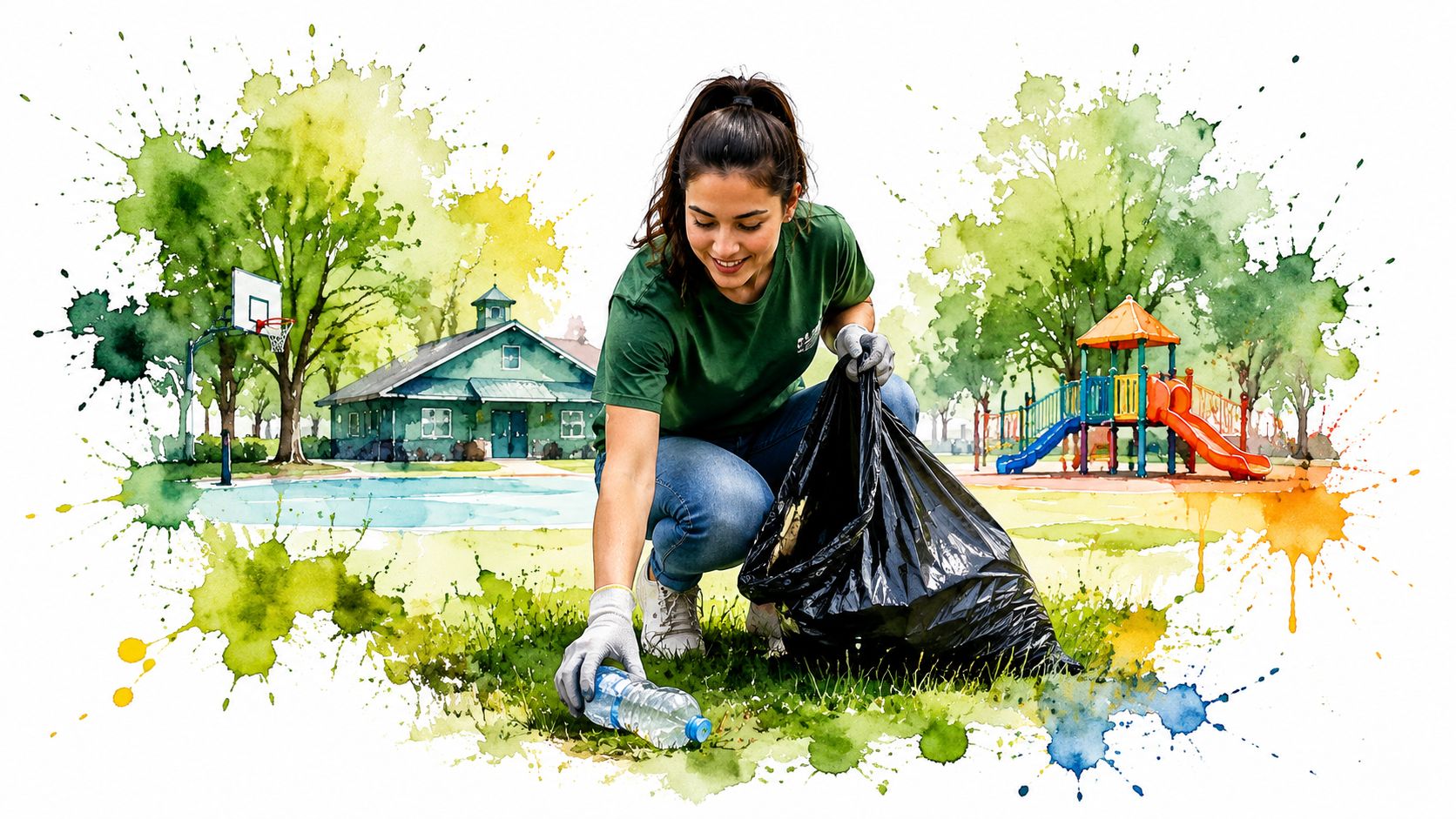
I remember the first time I stopped at Amundsen Park with a grabber in one hand and a trash bag in the other. A basketball rolled across the court, a kid shouted from the playground, and I thought, this is how a neighborhood tells you whether people still care.
Discovering Your Neighborhood Anchor
Some places don't look dramatic when you first pull up. They look ordinary. A fieldhouse. A few courts. A playground. A patch of city life doing its job.
Then you stand there for a minute, and the place starts talking.
Amundsen Park is a Chicago Park District facility at 6200 W. Bloomingdale Ave. in the Austin/Galewood area. That's the official description. Fine. Useful. But it doesn't tell you what it feels like to watch people drift in from surrounding blocks with strollers, gym shoes, grocery bags, and that tired-but-still-trying look most Chicagoans know by heart.
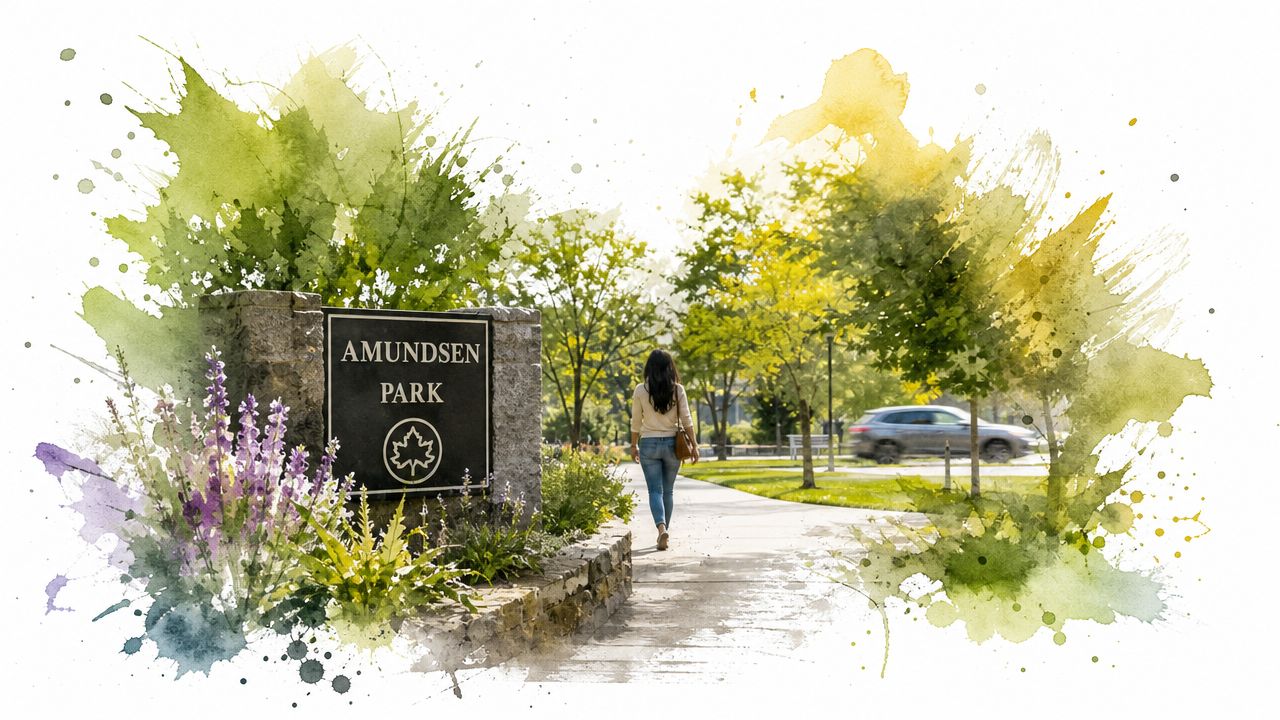
The moment a park stops being background
I drive past a lot of parks in this city. It's a common urban experience. You catch a fence line out of the corner of your eye, maybe a baseball backstop, and you keep moving. Amundsen Park Chicago can be that kind of place if you let it. Background. Scenery. Something for other people.
I don't think that's good enough.
A neighborhood park is where you prove to yourself that you still know how to show up. You go outside. You meet somebody. You carry something heavier than your phone. You do one useful thing before noon, and your whole day changes shape.
If you want to get a feel for parks across the city, I like browsing Chicago park guides from Litter Caterpillars before I head out. It helps me read a place better once I'm on the ground.
A park looks simple until you ask who depends on it.
Why this one gets under your skin
Amundsen Park has a fieldhouse, and that matters more than people think. A fieldhouse means the park isn't only for nice weather. It means activity doesn't disappear the second Chicago acts like Chicago. Cold day, windy day, gray day, wet day. People still have somewhere to go.
I care about that because I've seen what happens when public spaces feel neglected. People pull back. They stop trusting the place. They stop expecting much from each other. Trash starts to feel normal, and normal is dangerous.
I tell new volunteers when we walk into a park like this:
- Look at the entrances first. That's where people form their first opinion.
- Watch where people slow down. Benches, courts, gates, corners. That's where litter piles up.
- Notice who is here. Kids, parents, seniors, ballplayers, people cutting through. A park has a rhythm if you're paying attention.
Amundsen Park isn't just grass and equipment. It's one of those places where you can restart your mood, your habits, even your social circle if you've been drifting too long.
The Story Behind the Name
I like names that make you earn them.
When I first heard "Amundsen," I didn't think about a park sign. I thought about ice, maps, risk, and a guy stubborn enough to venture where others wouldn't. That's Roald Amundsen, the Norwegian explorer who lived from 1872 to 1928, and Chicago attached his name to public life fast. Amundsen High School opened in 1929, one year after his death.
That detail sticks with me because cities don't name things by accident. Somebody decided the name meant action. Somebody wanted that word on a building where young people would walk in every day.
Exploration isn't only snow and flags
I don't care much for fake inspiration. You know the kind. Big words, no dirt on the shoes. But I do like the idea that exploration can shrink down to city size and still stay real.
You don't need a ship frozen into polar ice. You need curiosity and a little nerve.
For me, urban exploring looks like this:
- Turn off the autopilot. Walk into a park you've ignored for years.
- Learn the ground. Figure out where people gather, where they play, where they retreat.
- Do something useful once you arrive. Pick up litter. Ask a question. Say good morning.
Street rule: Exploration counts more when you come back with your hands dirty.
Why the name fits the work
Amundsen Park Chicago isn't the North Pole. Good. Most of us don't need a fantasy. We need a mission we can complete.
A neighborhood cleanup has its own kind of expedition energy. You scan the terrain. You move as a team. You solve small problems fast. You deal with weather, awkward moments, and the occasional weird surprise near a fence line. Then you leave the place better than you found it.
That's enough adventure for a Saturday morning. And unlike a lot of modern life, it's real.
What You Will Find at Amundsen Park
The first time I walked Amundsen with cleanup eyes on, I saw a kid cutting across the open grass with a soccer ball under one arm, two guys already shooting on the court, and a grandmother easing a stroller toward the playground. Three different reasons to be there. One park holding all of it together.
That is what you need to notice before you pick up a single piece of trash.
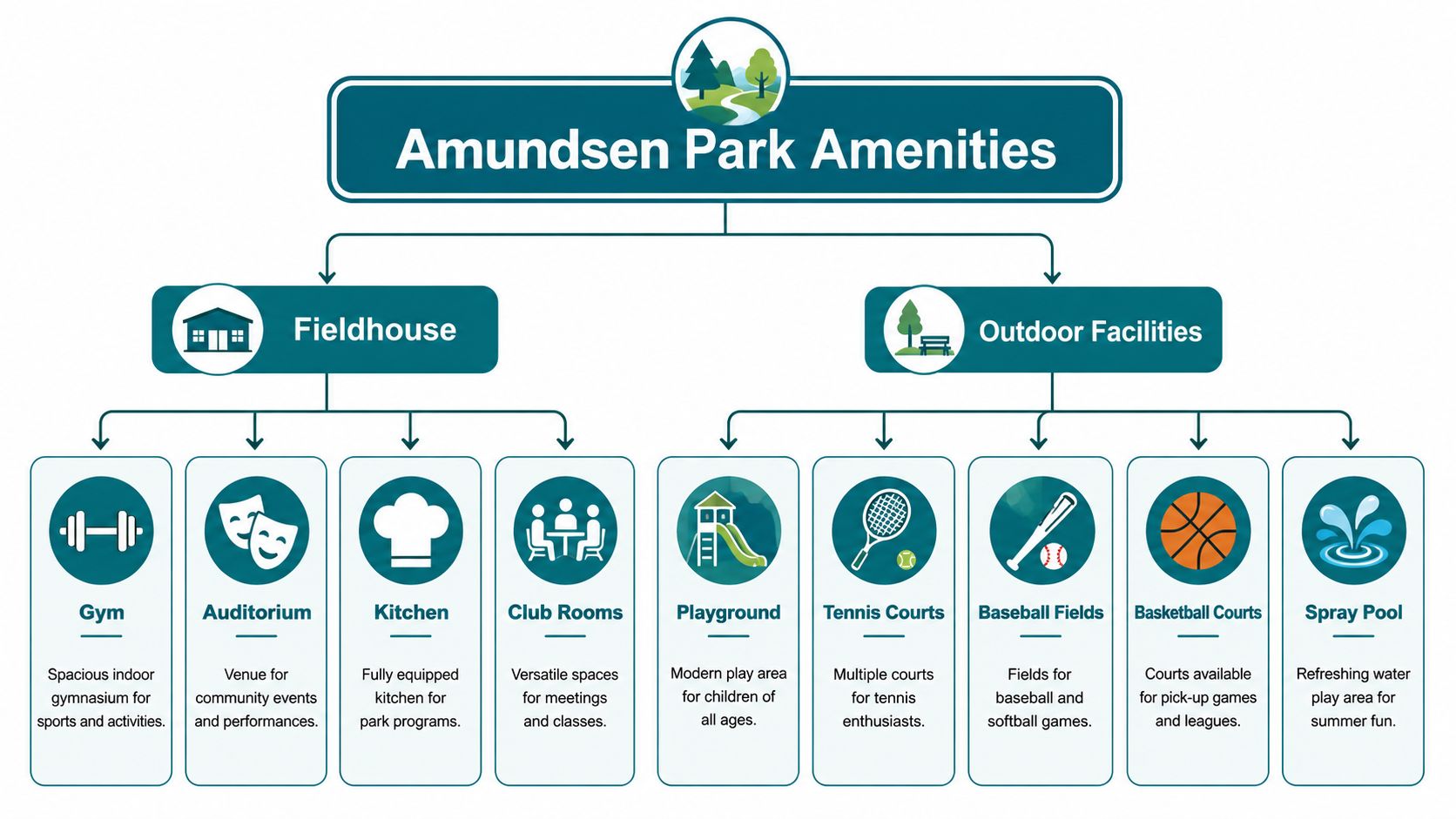
Amundsen Park covers 16.24 acres, and the park packs in a fieldhouse with a gymnasium, fitness center, and club rooms, plus baseball and softball fields, a football and soccer field, volleyball and basketball courts, and a playground, according to the Chicago Park District's Amundsen Park listing.
The fieldhouse sets the tone
A fieldhouse changes a park. It gives people a reason to come in when the sky looks mean, when school is out, when they need a place to move, meet, or catch their breath.
I pay attention to that because indoor space creates loyalty. Regulars start recognizing each other. Parents swap names. Teens find a place to burn off energy without getting hassled. Neighbors who would never call themselves volunteers still start acting like stewards because they use the place enough to care what happens to it.
That is how a park becomes a neighborhood anchor instead of just a patch of city land.
Outside, every area tells a different story
You can read the whole park by watching where people stop.
Courts collect fast traffic and fast mess. Ball fields spread people out, but the edges catch the leftovers. Playground areas need slower, more careful attention because little hands touch everything. Open grass looks clean from a distance and fools rookies every time. Walk the fence line after a windy day and you learn fast.
Here is how we read it during a Litter Caterpillars pass:
| Area | What happens there | What we watch for |
|---|---|---|
| Courts | Pickup games, waiting around, spectators talking trash and laughing | Drink bottles, snack wrappers, litter tucked against fencing |
| Ball fields | Practices, games, parents watching from the side | Seed bags, cups near benches, debris along the perimeter |
| Playground | Families circulating, kids dropping things without noticing | Small trash near benches, curbs, equipment bases |
| Open field areas | Running drills, crossing through, casual play | Windblown paper, plastic caught in corners and fence lines |
That table came from work, not theory.
One Saturday, a new volunteer wanted to start in the middle because it looked bigger and more important. I sent him to the court fence instead. Ten minutes later he came back with an armful of bottles and wrappers and a different look on his face. He had figured out what every cleanup crew learns. Parks do not wear down evenly. The pressure lands where people gather, wait, eat, and watch.
If I were walking you through it
I would tell you to slow down and stop acting like bigger means better.
Start at the entrances and sidewalks. Those spots tell visitors whether anybody cares. Then hit the courts for a quick win. After that, work the field edges and bleacher areas, where trash drifts and settles. Save the playground for last so you have enough patience left to do it right.
That order matters. Early wins keep people engaged. Careful zones demand more focus.
And there is something else here people miss. A park like Amundsen gives you more than places to play. It gives you chances to serve without making a speech about service. You pick up a wrapper near the bench, a parent notices, a kid asks what you are doing, and suddenly you are not just passing through. You are part of the place.
That is the good stuff. Friendship starts there. Pride starts there. So does the habit of showing up again.
A Park for Everyone All Year Round
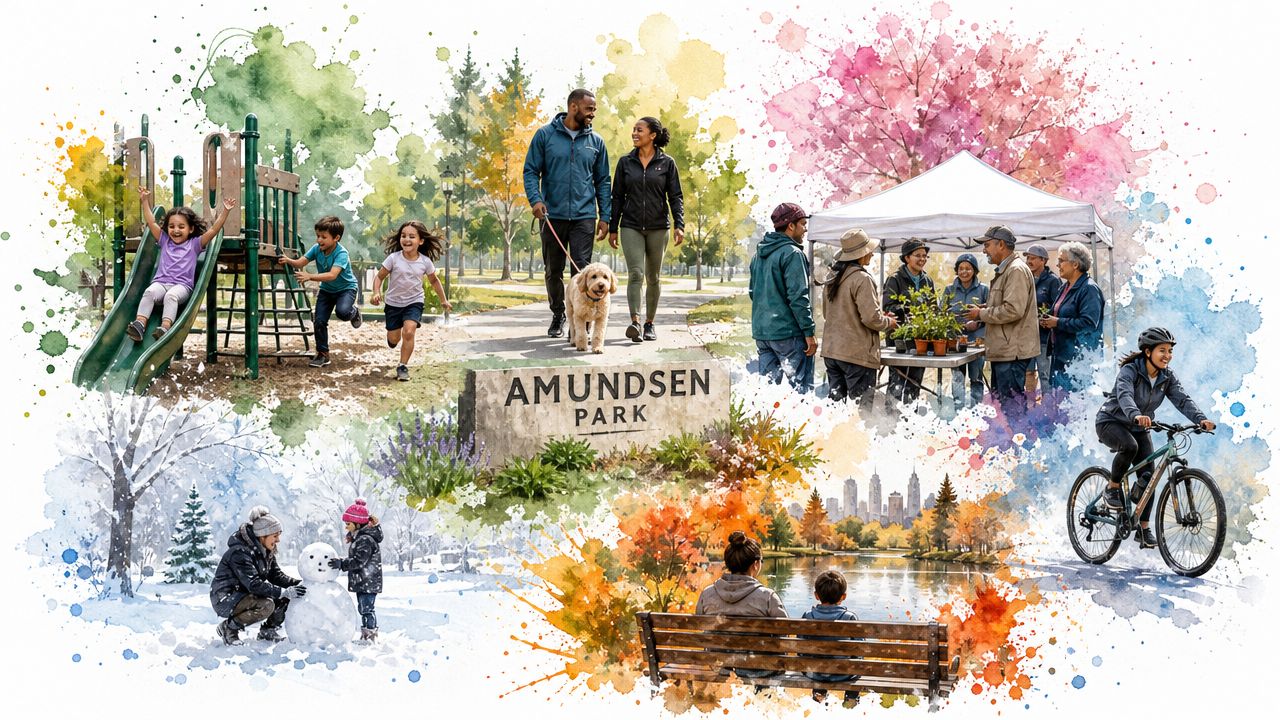
Last winter, one of our volunteers showed up with a trash grabber in one hand and a cup of gas-station coffee in the other. The wind was sharp enough to make your eyes water. The playground was still quiet, but the park was not dead. A couple of seniors were heading toward the building. A parent was steering one kid away from a puddle and another toward the swings. That morning made the point better than any city brochure ever could. A neighborhood park has to work in bad weather, tired weather, ordinary weather.
Amundsen Park holds up because people can use it in different ways across the year, and because the design choices matter to real bodies. The playground is accessible and has a rubberized surface. I care about that for a simple reason. It changes who gets to join in, who feels welcome staying longer, and what kind of cleanup work protects the space.
What the ground teaches you
Rubber surfacing looks easy until you kneel down and see what gets trapped there. Juice straw wrappers flatten out. Wet leaves glue small bits of plastic to the edge. Cigarette waste hides where the surface meets the curb or the base of the equipment.
So the job changes.
You do the obvious pass with grabbers. Then you slow down and work the seams with gloves on. If you rush that part, you leave behind the sharp stuff and the sticky stuff, which means the next family gets a park that only looks clean from ten feet away.
That lesson carries beyond litter. Service gets personal fast in a place like this. A smooth surface helps a child move with more confidence. A careful cleanup keeps that same child from meeting broken glass first. That is not abstract community talk. That is Tuesday afternoon in a neighborhood park.
Why all-season use changes people
Summer has its own noise. Spray, sneakers, basketballs, somebody calling a kid's name for the third time. Cold months shift the rhythm, but they do not erase it. Indoor activity keeps people coming back, and that matters more than park planners and armchair critics usually admit.
Routine builds attachment. Attachment builds responsibility.
When people return to the same park in July, in October, in February, they start recognizing each other. They hold doors. They ask if a cleanup is happening next weekend. They bring a friend. That is how a park turns from public property into shared ground, and it is a big part of what we believe in with the Litter Caterpillars. You do not just use the park. You help carry it.
Here is a closer look at the place in motion:
I also push people to make the trip part of the habit. If you can get there without turning the outing into a production, you are more likely to come back and help again. That is why I like these eco-friendly transportation tips for getting around Chicago for park days and cleanup runs.
What happens when a park's rhythm gets broken
Residents felt it when regular use of the fieldhouse was disrupted. You could hear it in the way people talked about missed classes, changed routines, and one more neighborhood place feeling unstable for a while. Programming returning mattered because routine matters.
That is the part I never want cleaned-up civic language to hide. A park is friendship with a location. It is kids burning energy, adults catching their breath, neighbors learning each other's names, and volunteers finding out they are tougher than they thought. Amundsen Park does that all year, if enough of us keep showing up for it.
How to Get to Amundsen Park
The first time someone joined one of our cleanup mornings at Amundsen Park, she texted me from her car: wrong entrance, low battery, already annoyed. Ten minutes later she found us, grabbed a spare bag, and by the end of the hour she was laughing with two neighbors she had never met. The park did its job. So did a decent set of directions.
Use 6200 W. Bloomingdale Ave. as your starting point. Then give yourself a minute to arrive like a human being, not a package being dropped at a pin. Walk one side of the park before you choose where to settle in. You will spot the rhythm fast. A family heading toward the playground. Someone cutting across to the courts. A volunteer noticing the corners where trash likes to collect after a busy day.
Getting there should be easy enough that you will come back.
If you take transit, check the route before you leave. If you drive, build in a little time so parking does not put you in a bad mood before you even touch the grass. If you bike or want a lower-waste way to make the trip, I like these eco-friendly transportation tips for getting around Chicago because they help turn one park visit into a repeat habit.
A few things make the visit better:
- Carry less than you think you need. Water, gloves for cleanup, and one extra layer usually does it.
- Wear shoes that can handle the whole park. Pavement, grass, rubber surface, and a muddy edge after rain are all part of the deal.
- Know your main reason for going. Hoops, a walk, family time, or service. Pick one and let the rest happen naturally.
That last part matters more than people think. A rough first visit is usually not the park's fault. It is being rushed, hungry, underdressed, or showing up with no plan and expecting the place to rescue your mood.
If you are heading to the fieldhouse for a class or scheduled activity, check current programming before you leave home. As noted earlier, regular use has been returning, and the schedule can shift because this is a real neighborhood space, not a museum piece. Show up ready to adapt a little. That is community life.
And if you see a few of us with grabbers and buckets, come say hello. Plenty of good days at Amundsen Park start with somebody asking a simple question: "Need a hand?"
Help Us Build a Better Chicago
I'll say something a little rude. A lot of people love the idea of community more than they love doing community.
They like the word. They like the vibe. They like posting about it. But when it's cold, or early, or slightly inconvenient, they disappear. That's fine. I don't build around that type of person anymore.
I built my life differently because I had to. Cleaning my own mess used to feel impossible. Other people's trash felt easier. Strange, but true. Once I learned that, I leaned into it. I started cleaning outside, and outside started cleaning me back.
Why service changes a person
When you pick up litter in a park, you get immediate proof that your effort matters. The bag gets heavier. The ground gets cleaner. A stranger nods at you. A kid notices. Your brain stops spinning in circles because your hands are busy doing one honest thing.
That's part of why I believe in weekend morning service. It filters for people who are ready to give. Not perfect people. Ready people.
The values I care about are simple:
- Bravery. You go out when it's awkward, cold, or unfashionable.
- Kindness. You improve a place that belongs to everybody.
- Unity. You work beside people you might never have met otherwise.
What helping actually looks like
You don't need a grand plan. You need a morning, decent shoes, and enough humility to do work that isn't glamorous.
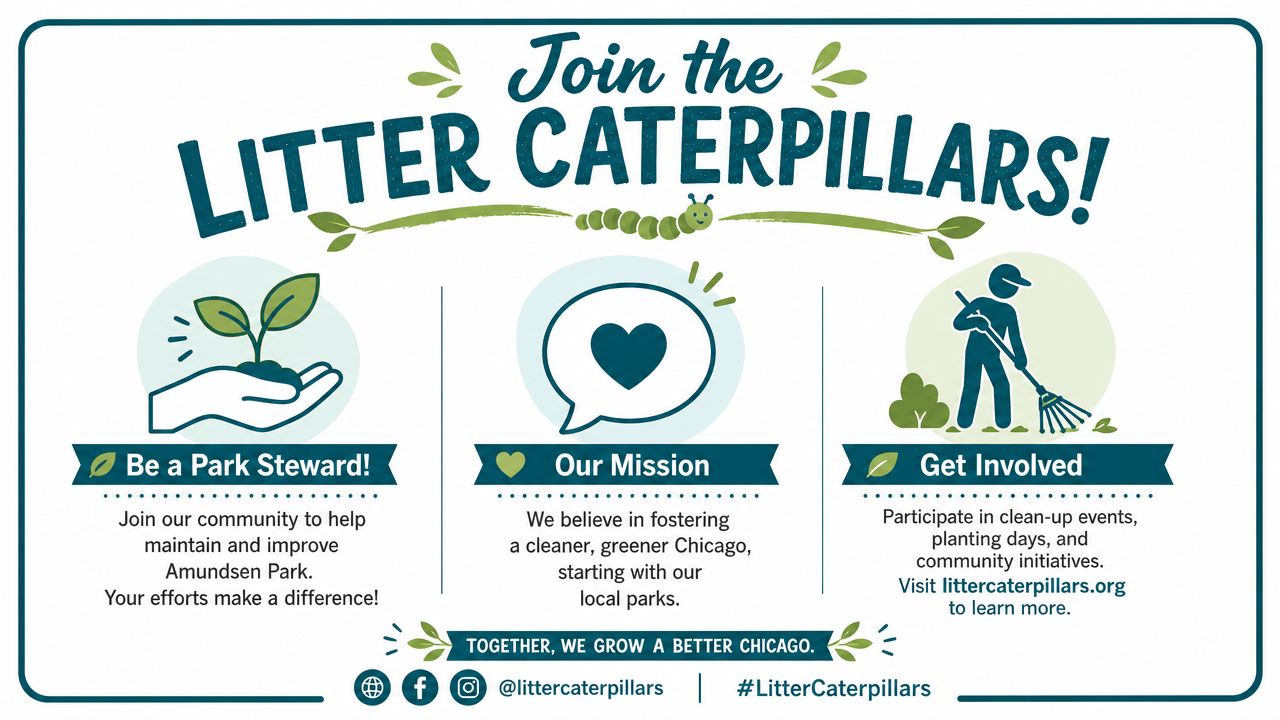
If you want a practical way in, park cleanup volunteering in Chicago is one path. It gives people a direct way to spend time outdoors and remove litter from public spaces.
Here are the people who usually end up loving this work:
| Person | What they get |
|---|---|
| New to the city | A low-pressure way to meet solid people |
| Burned out by screens | A task with a visible finish line |
| Students and young professionals | A weekend habit that feels real |
| Longtime residents | A chance to protect a place they already care about |
Cleaning up other people's messes can teach you how to face your own life with less fear.
Why I want you there
Because parks don't stay clean by accident. Because friendship grows faster when people carry a shared burden. Because a lot of us are starving for a reason to get out of bed and do something decent before the day gets hijacked.
Amundsen Park Chicago isn't asking you for perfection. It is asking for presence.
Show up once and you'll understand. Show up again and you'll start to trust yourself more. Keep going, and one day you'll look around and realize the city feels less anonymous than it used to.
If you want that kind of Saturday, join Litter Caterpillars. We pick up trash, meet good people, and turn service into a habit you can keep.
Leave a Reply