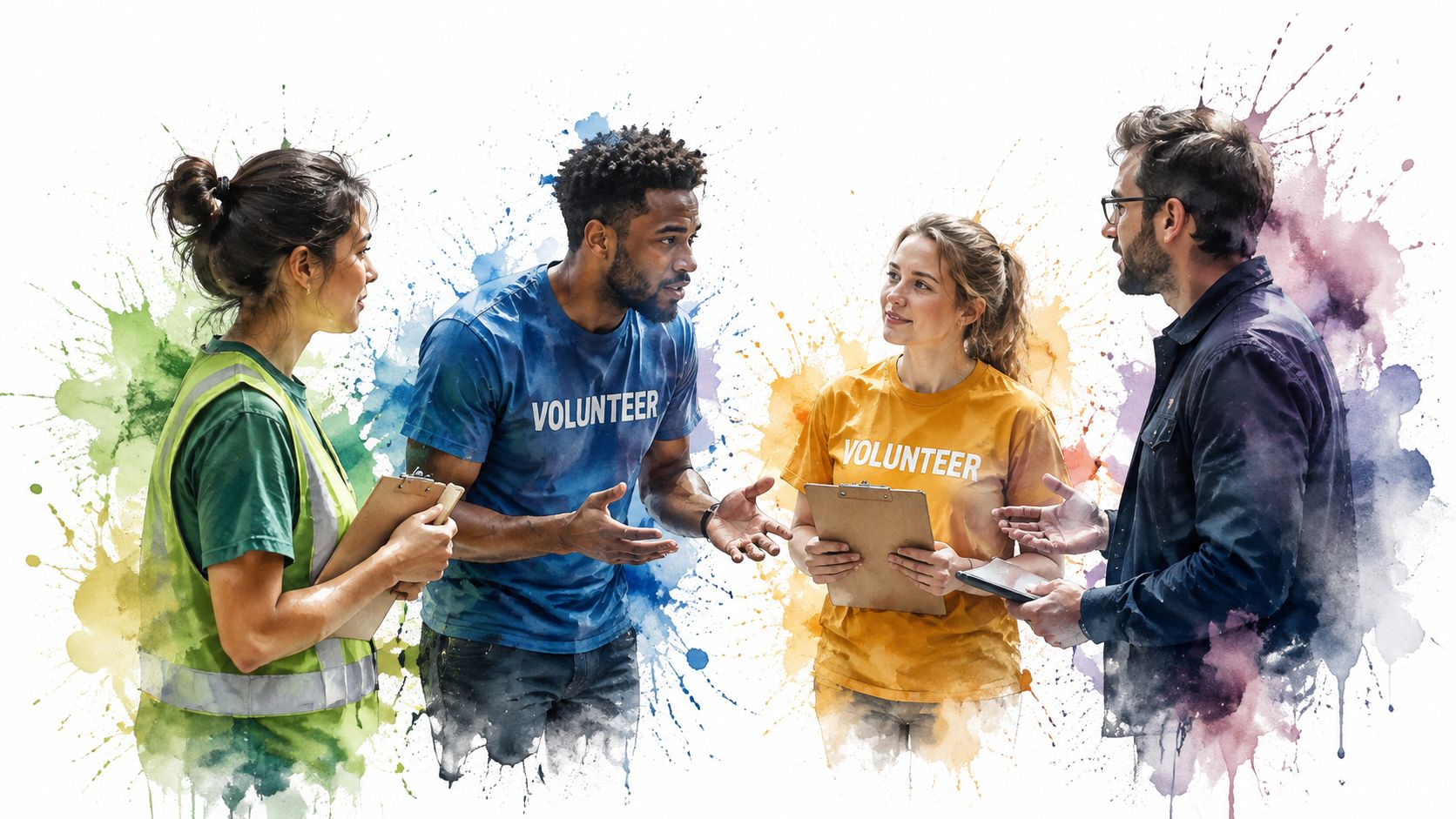
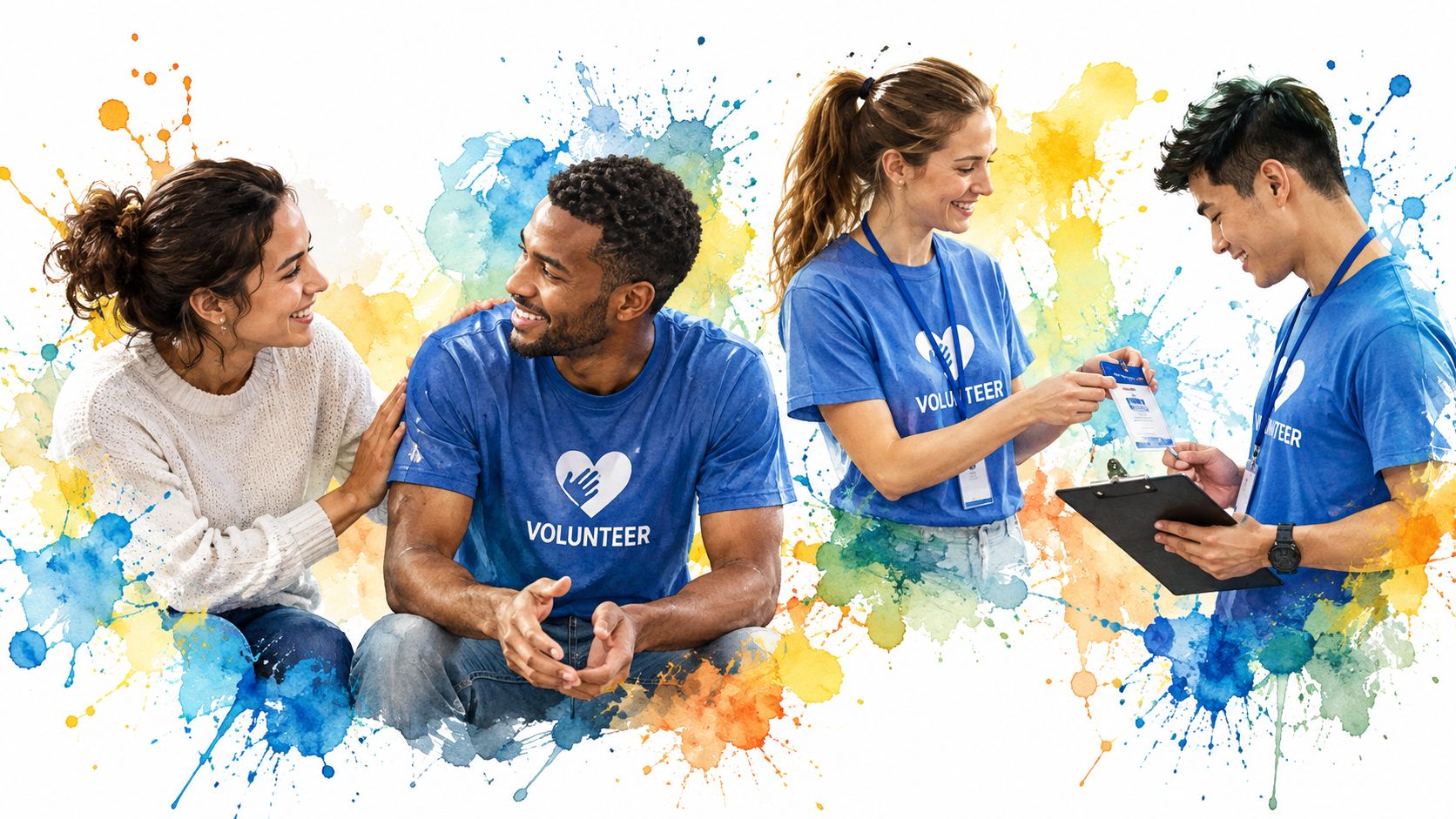
Three of us huddled under a Chicago tree while spring hail bounced off our jackets and every Uber canceled. We had come to clean someone else's mess, and I realized that task felt easier than facing the messes inside our own lives.
Why Volunteer Peer Support Changes Everything
That storm became part of the Litter Caterpillars story. We were cold, soaked, and annoyed, yet we also laughed. The weather gave the morning a strange flavor, as if the hard part had turned into another page in our shared story. We learned that people often find courage beside someone who understands the same discomfort.
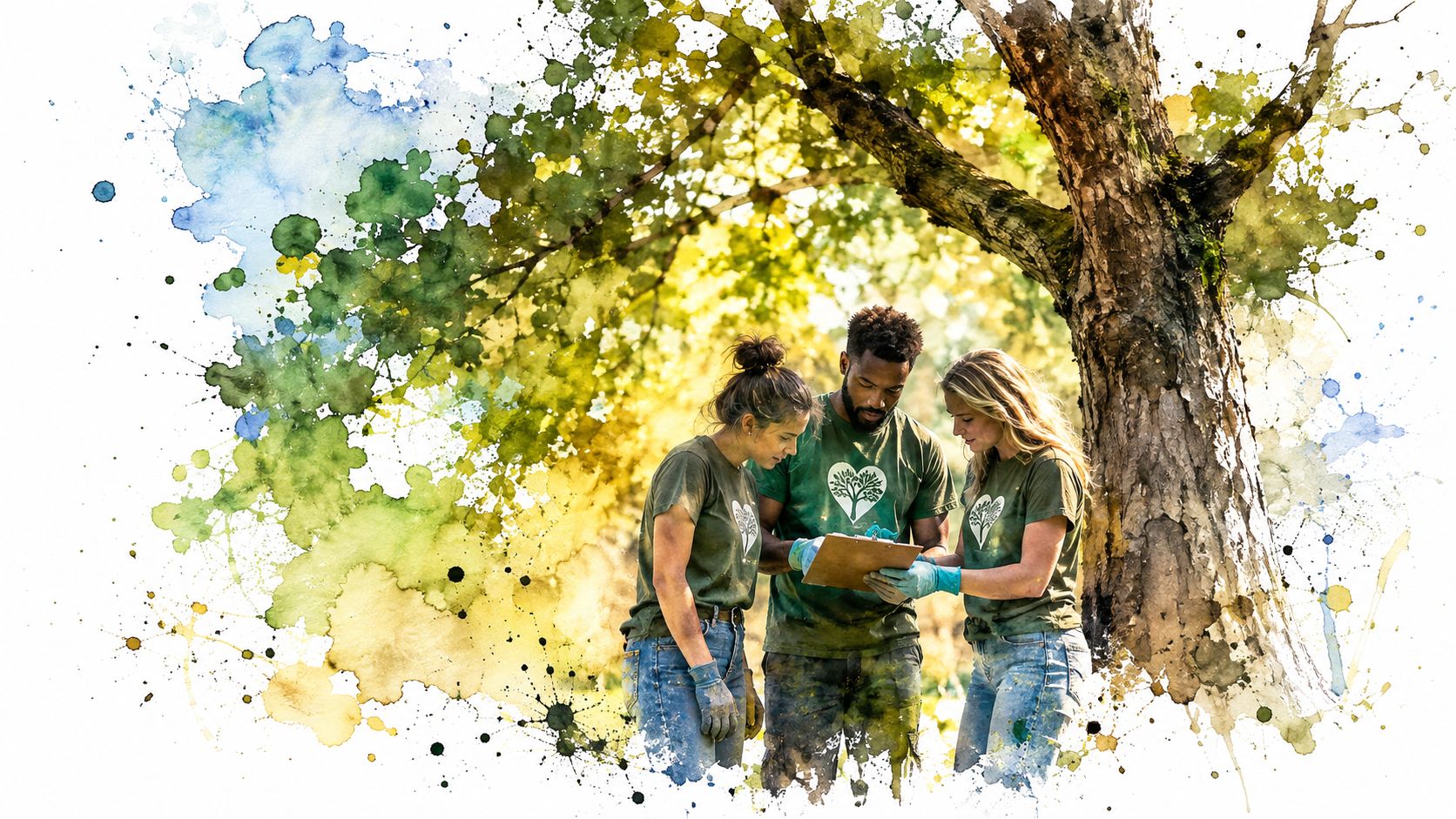
Volunteer peer support starts with that simple exchange. One person brings lived experience, another brings a current struggle, and both people gain a reason to keep showing up. The volunteer doesn't need to pretend to have every answer. They need to listen, share practical knowledge when appropriate, respect boundaries, and stay present.
The practice has a long history. Reformers Jean-Baptiste Pussin and Philippe Pinel advanced more humane, empathy-based psychiatric care in late eighteenth-century France. Modern peer support later re-emerged through the psychiatric survivor movement in the United States during the 1960s and 1970s. In youth support, Teen Line began in 1980, and its high school volunteers complete more than 65 hours of intensive training before answering calls, texts, and emails. The program says it responds to thousands of contacts each year. (Teen Line history)
My rule: Protect the person who gives help with the same care you give the person who receives it.
Format changes the experience. A group can give someone several points of connection, shared language, and a sense that they aren't carrying a problem alone. One-on-one companionship can feel more personal, yet it can also blur expectations if nobody defines the relationship.
A school-based volunteer peer group ran for a year and gained strong acceptance, even though two-thirds of students felt uncomfortable at first. The study reported improvement across interpersonal, internal, and school outcomes, and two-thirds of alcohol and substance users said they reduced intake or abstained. (School peer-support study)
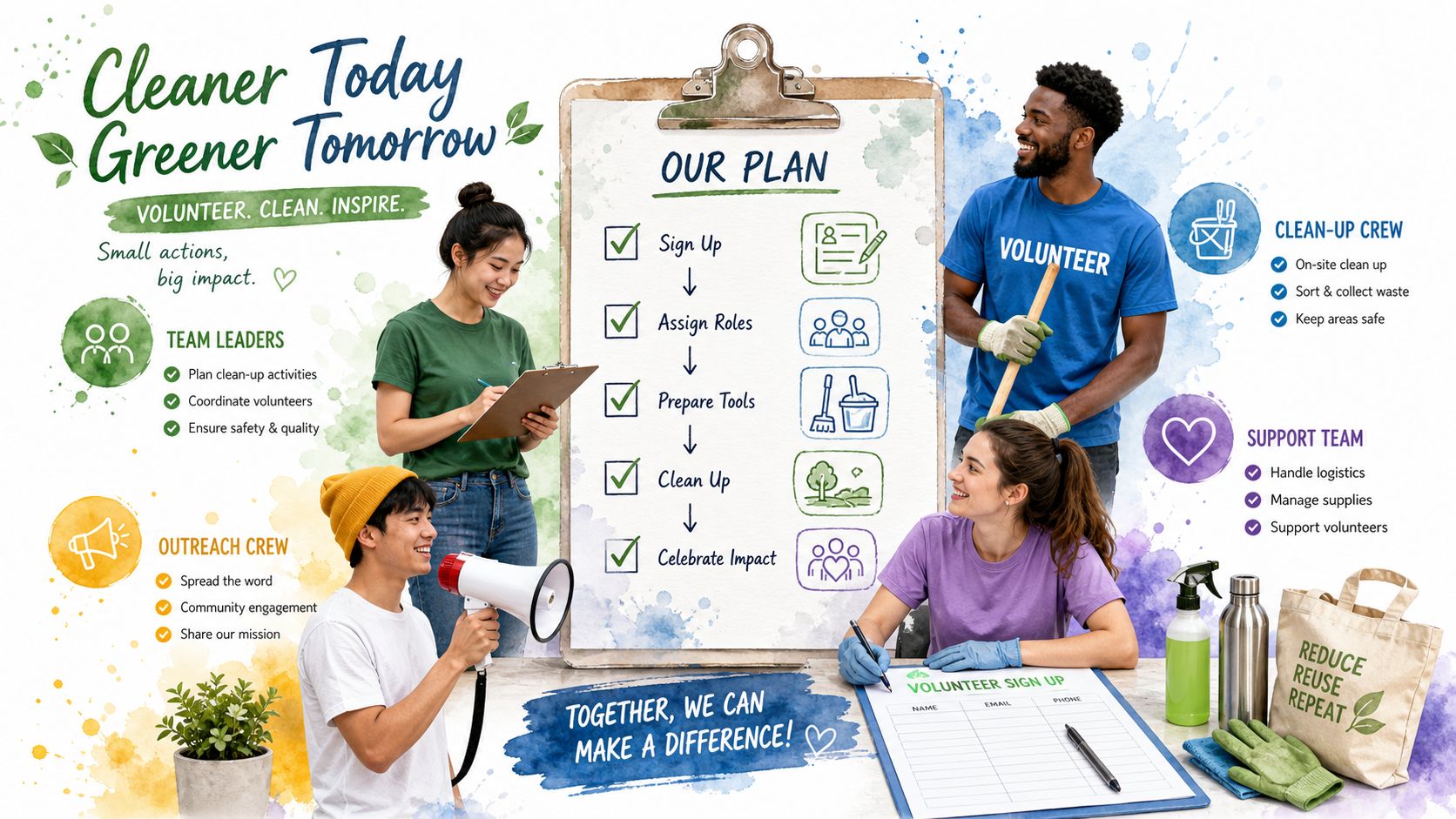
I build from the same place every week, whether we're cleaning in rain, heat, or a Chicago blizzard. Safety comes first, happiness comes second, and friendship keeps people connected. That order helps a grassroots system grow without treating volunteers like an endless supply of labor.
Defining Your Goals and Matching Peers
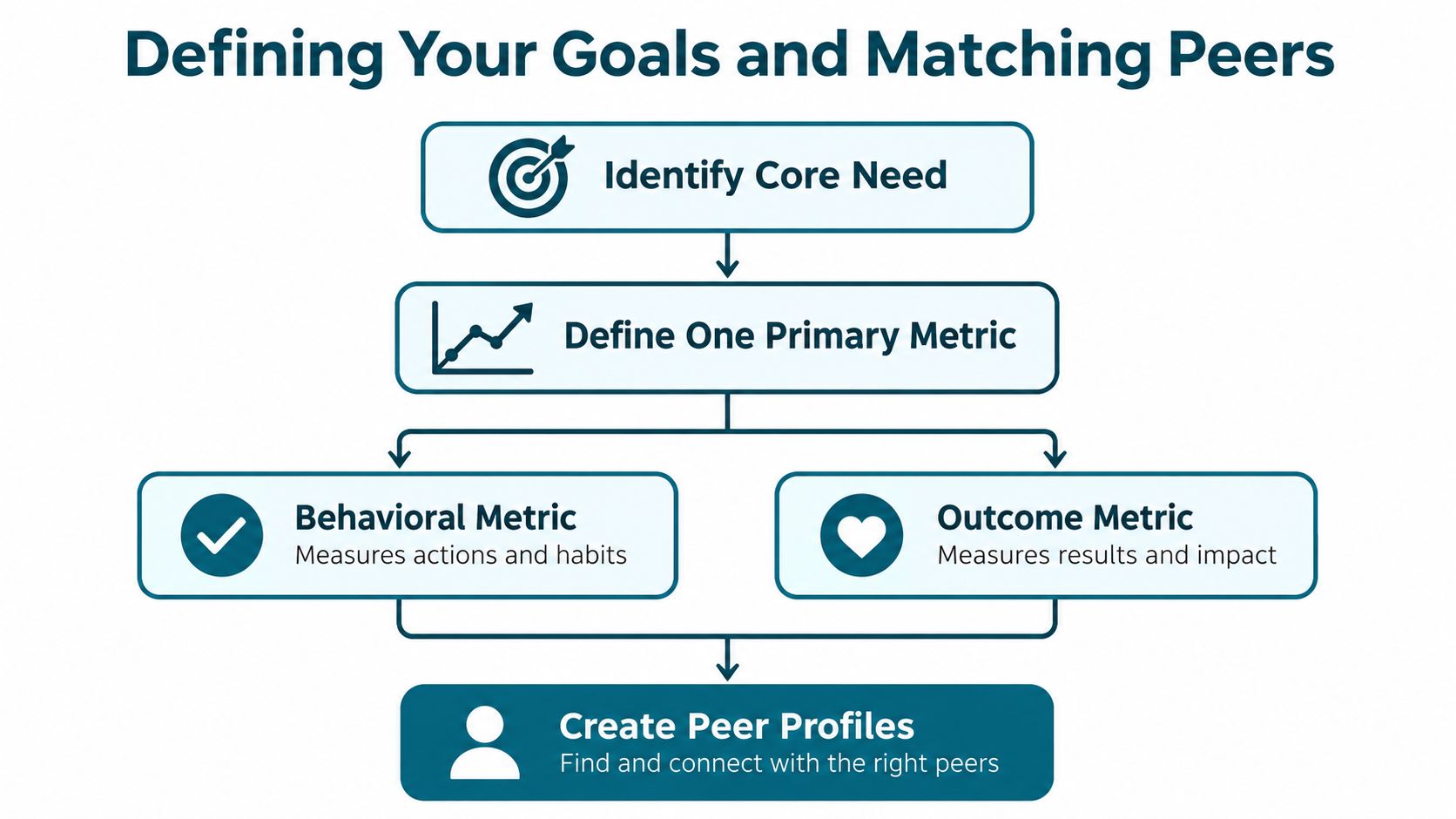
Before you recruit anyone, write one sentence that describes the change you want. “Improve wellbeing” sounds kind, but it gives volunteers no clear action and gives coordinators no clean way to learn what works. A narrow target gives everyone a handrail.
Start with this sentence:
We pair [specific people] with [specific peer experience] so they can [one behavior or outcome], measured by [one primary metric].
You might pair new residents with longtime neighbors so they attend community events more consistently. You might pair people managing diabetes with peers who can support a specific self-management habit. You might create a group where participants practice social connection through regular attendance.
A rapid systematic review of peer-volunteer diabetes interventions found mixed psychosocial results. One of fifteen psychosocial outcomes favored the intervention group, while fourteen showed no difference. Behavioral outcomes looked more encouraging, with six of nine favoring the intervention group. (Rapid systematic review) The lesson feels practical to me. Choose one behavior, teach the same core material, and measure attendance or adherence separately from broad feelings about wellbeing.
Match experience with care
Lived experience matters, but it shouldn't become the only criterion. Create a short profile for every volunteer and participant:
- Relevant experience: What has this person lived through or practiced?
- Availability: Which days and communication methods can they sustain?
- Boundaries: What topics, locations, or situations should they avoid?
- Temperament: Would they prefer a quiet conversation, a small group, or active collaboration?
- Support needs: What supervision or backup would help them stay steady?
A systematic review of adult diabetes peer support found benefits in selected domains, including self-efficacy, depression, and perceived social support, while other outcomes showed benefit in only a minority of trials. The review reported improvement in three of fourteen glycaemic-control trials, one of four blood-pressure trials, one of six cholesterol trials, two of seven BMI or weight trials, two of five physical-activity trials, two of three self-efficacy trials, four of six depression trials, and two of two perceived-social-support trials. (Adult diabetes review)
Use one-on-one support when a person wants privacy, continuity, or companionship around a defined need. Use a group when people can learn from one another and share a common activity. Recent community research says group peer support shows promise, while one-on-one community engagement needs clearer definition and further exploration. (Community peer-support trial paper)
For practical examples of matching volunteers with structured community roles, review volunteer mentor programs. Then write your goal statement, your matching questions, and the one metric you'll review after every cycle.
Recruiting and Training Your Peer Buddies
Good recruitment begins with honesty. I don't write, “Change the world in your spare time.” I write what the work asks people to do, including the awkward weather, emotional conversations, and ordinary follow-up that keeps trust alive.
Try this:
“We're looking for volunteers with lived experience who can listen without taking over, respect privacy, attend scheduled sessions, and ask for help when a situation exceeds the role. You won't provide therapy or medical advice. You will practice steady, human support with a trained team.”
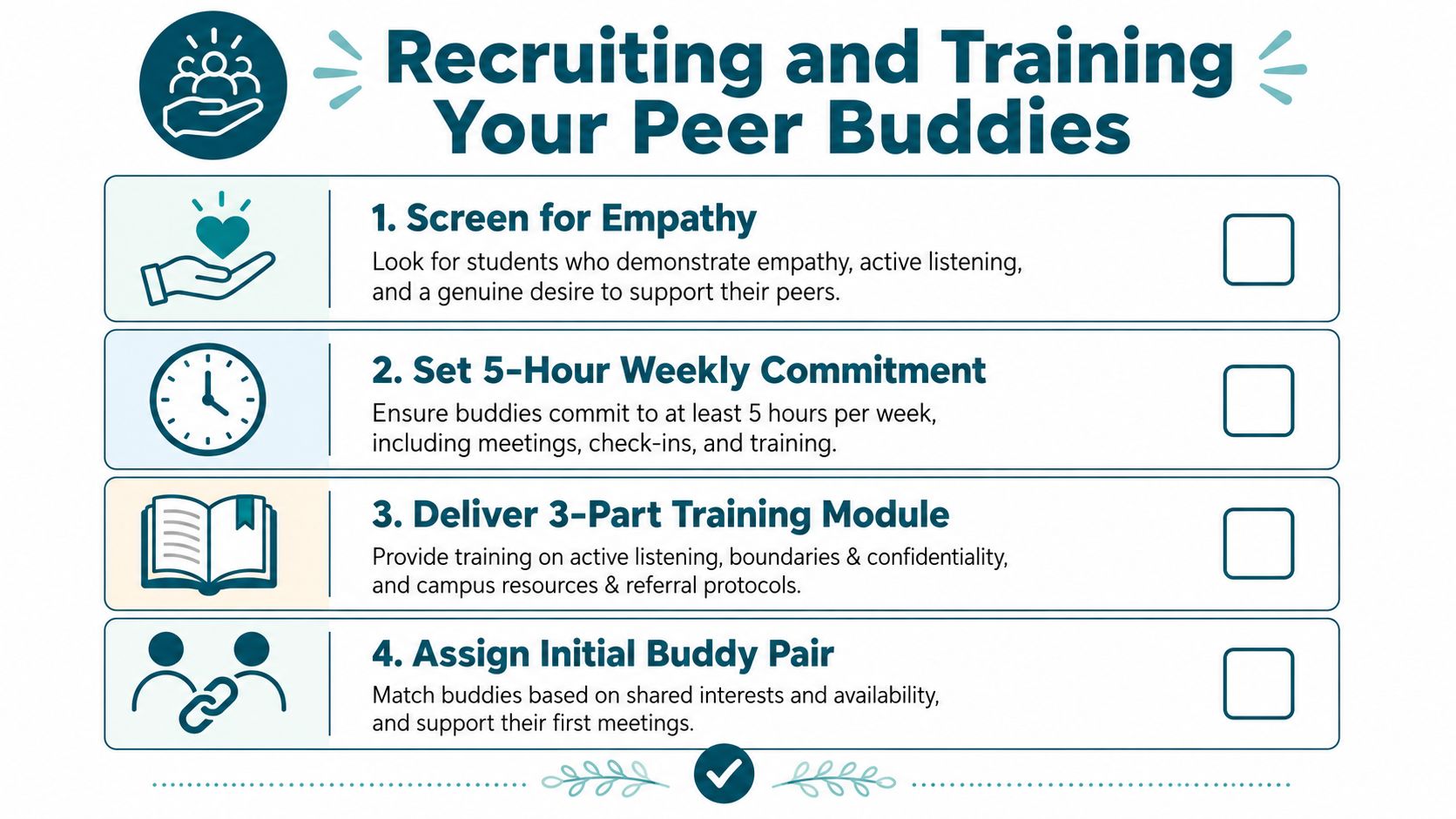
Set the commitment before someone signs up. A UK survey of peer mentors and service users recorded a median volunteering length of two years, a median commitment of 25 hours per month, and more than 9,000 combined volunteer hours in a typical month among respondents. Participants reported between three and more than 100 hours per month, so peer service can range from occasional help to sustained work. (UK peer-volunteering survey)
Build training around real moments
One structured peer-support trial used two volunteer peers to lead a 10-week group course for about 10 participants maximum. Volunteers had to be 18 or older and have lived experience. The program added a training weekend and written material on group rules, adult learning, experiential language, and trauma-informed facilitation. It also allowed individual companionship for up to six months when needed. (Structured peer-support trial)
I use a training weekend with four practical blocks:
- Role and boundaries: Volunteers learn what they can do, what they can't do, and when they must contact a coordinator.
- Listening practice: Partners rehearse open questions, reflective listening, pauses, and respectful endings.
- Safety scenarios: The group practices responding to distress, privacy concerns, missed meetings, and requests for professional advice.
- Session rehearsal: Each volunteer leads a short activity, receives feedback, and writes a personal plan for recovery after difficult conversations.
Give every volunteer a written boundary sheet. Include the approved referral list, emergency procedure, communication hours, cancellation process, and supervisor contact. Teen Line's requirement for more than 65 hours before first contact shows how seriously some youth programs treat preparation. (Teen Line history)
I also ask one question before approval: “What will make it easier for you to step away when you need rest?” A volunteer who can answer that question has already started protecting the relationship.
Protecting Volunteer Mental Health and Safety
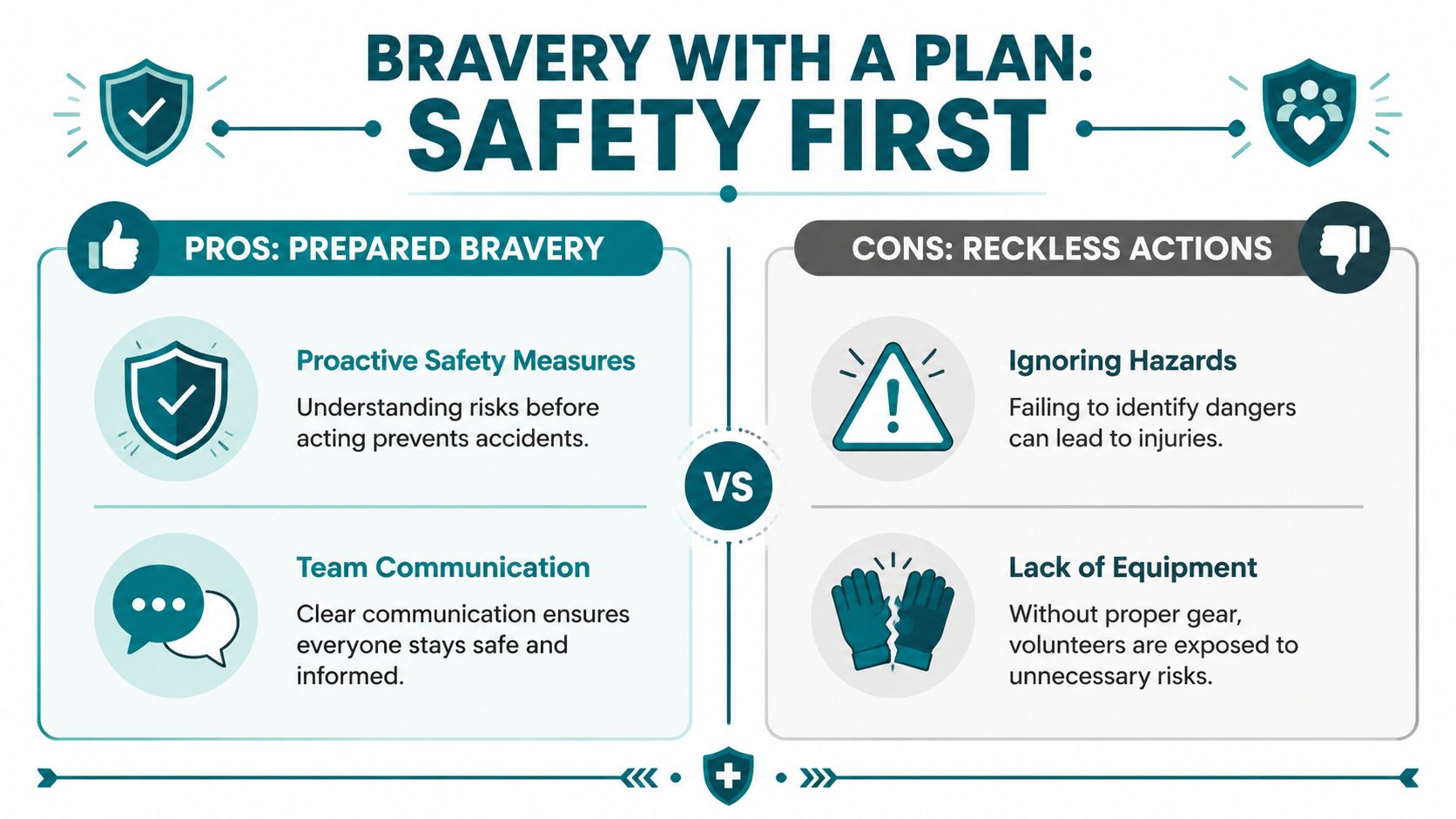
A volunteer can care deeply and still reach a limit. I've watched people leave after carrying too many intense conversations, guessing at their responsibilities, or feeling alone after an interaction went badly. Their dedication didn't fail. The system failed to give that dedication a safe container.
Research on peer supporters names recurring problems around lack of training and support, role ambiguity, and emotional labour. Another study found that organizational support and supervision improved preparedness, while one-on-one community peer support still needed clearer definition. (Peer-support volunteer challenges)
Use a check-in before and after
Before a session, I ask:
- “Do you have enough energy for this conversation?”
- “What boundary do you want me to help you protect?”
- “What will you do if the discussion moves beyond your role?”
Afterward, I ask:
- “What stayed with you?”
- “Did anything feel unsafe or unclear?”
- “Do you need a break, a supervisor, or a referral?”
- “What should we change before the next contact?”
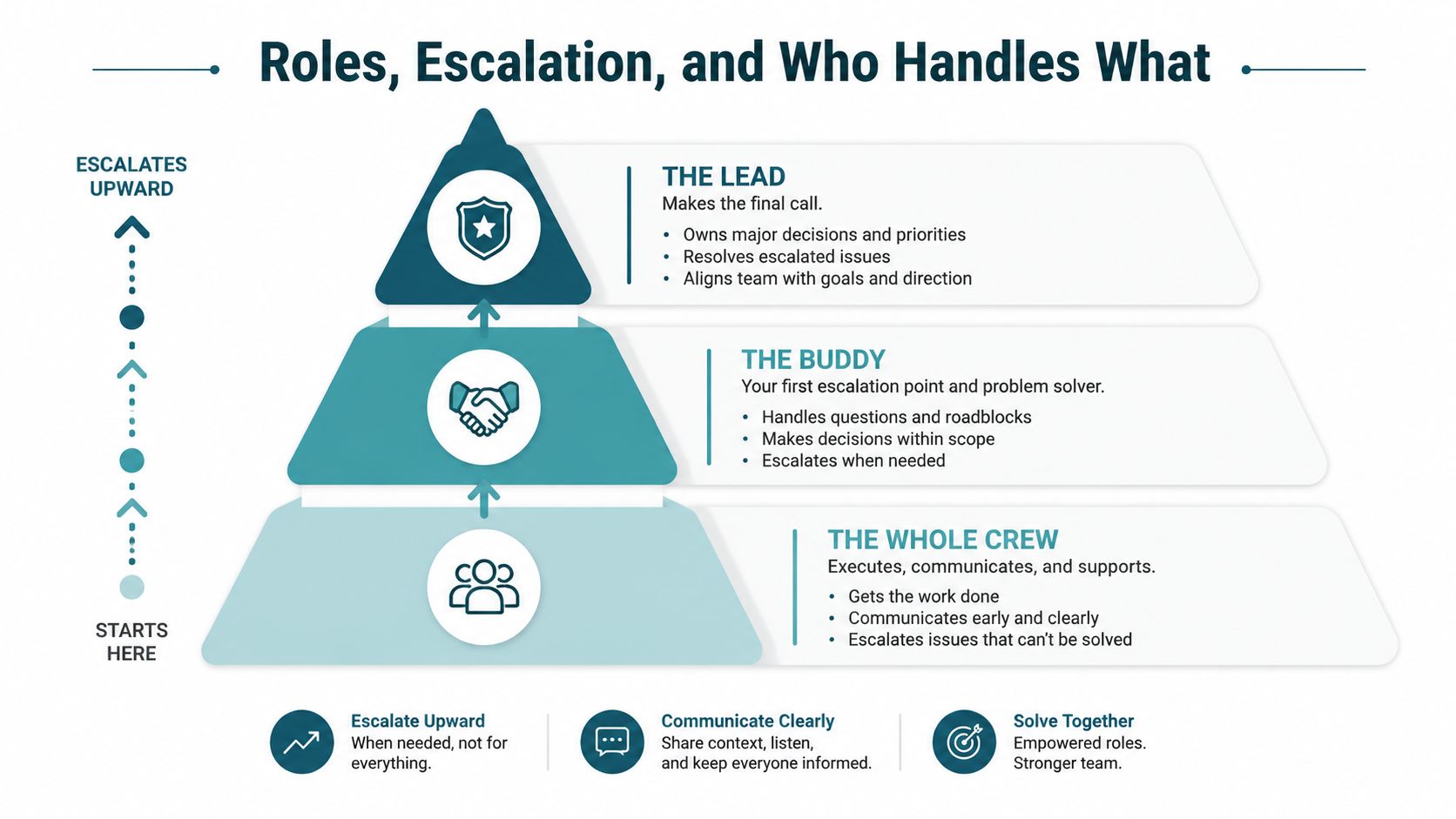
The coordinator records only what the team needs for safety. I don't ask volunteers to write private emotional details into a public chat. I schedule supervision, create a clear escalation path, and make it normal to pause without apology.
Safety check: A peer supporter should never become the only person holding someone else's crisis.
A volunteer-run program for socially isolated older adults used older community volunteers. By the end, the intervention group had higher physical-health and general-health scores than the control group, along with better depression, social functioning, and satisfaction with social support. (Older-adult peer-support program) Those outcomes don't erase the work volunteers carry. They make proper support more necessary.
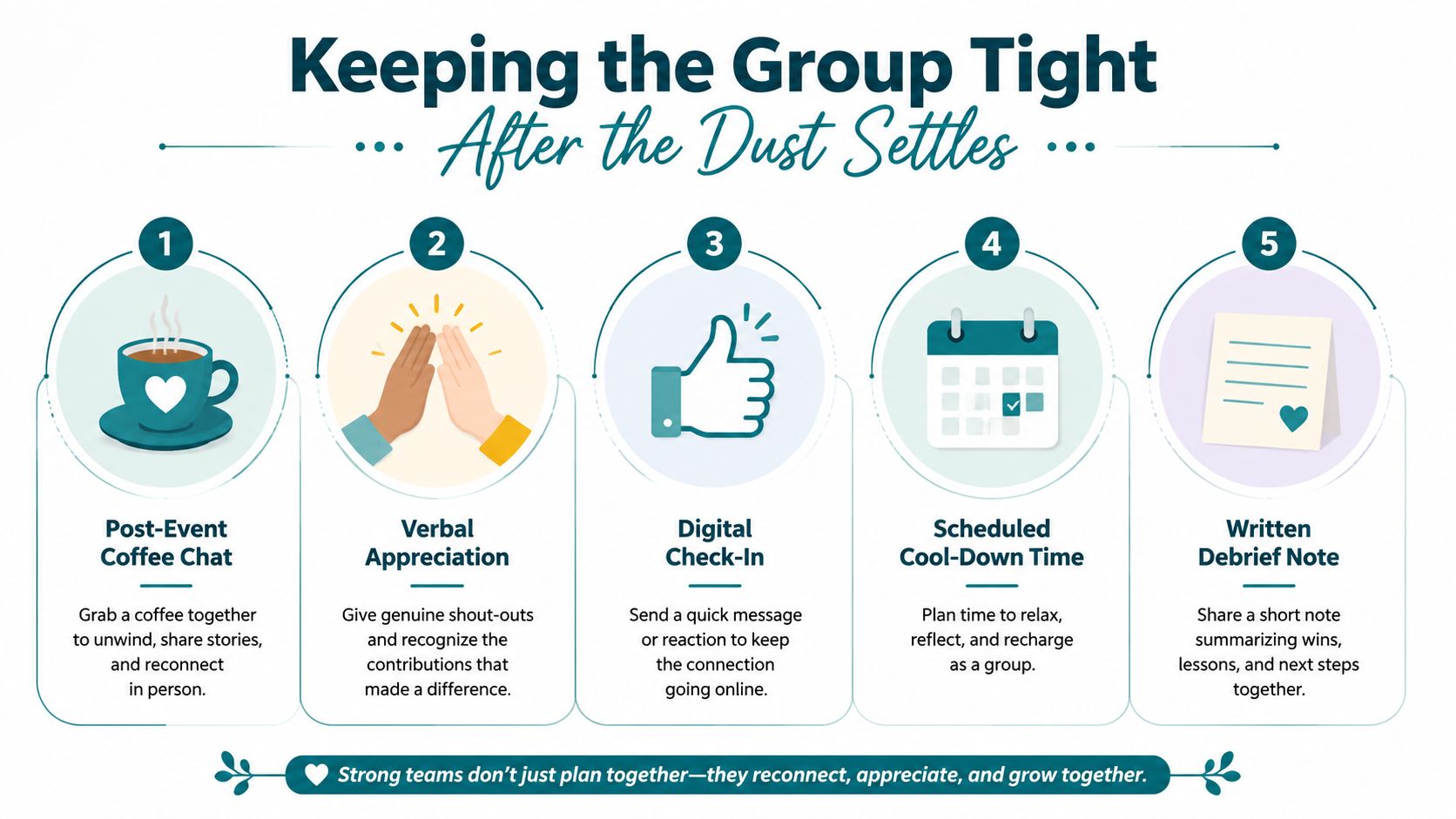
I keep caseloads limited, rotate difficult assignments, and give volunteers a way to decline a match without explaining their whole history. I also build small rituals of care, such as a shared meal after an event, a private debrief, or a quiet walk. For a gentle example of how objects and stories can help people process difficult feelings, see these Threadies teddy bear stories.
Building Scheduling and Communication Workflows
A peer program feels welcoming when a new volunteer can answer three questions quickly: Where do I go? Who will meet me? What happens if plans change?
I use Meetup for event details, Instagram for public invitations, and an open group chat for live coordination. The tools matter less than the sequence. Publish one clear event page, send one reminder, introduce every newcomer by name, and close with a short reflection.
A simple event description might say:
“Meet us Saturday morning at the library entrance. We'll pair up, review the safety plan, work for the agreed session period, and gather afterward for introductions and reflection. Bring water, weather-appropriate clothing, and questions.”
Weekend mornings create a natural rhythm for service-minded people. They also help volunteers know what they're choosing before they commit. I avoid chat overload by keeping announcements in one channel and casual friendship in another.
Give every message a job
Use a welcome message that says who coordinates the group, where safety information lives, how to cancel, and how to ask for a private check-in. Instagram captions should name the neighborhood, the meeting point, the kind of support involved, and the invitation to attend with a friend.
Keep emergency information separate from ordinary scheduling. A current contact list should include coordinators, venue contacts, and approved escalation resources. Teams that need a practical reference can review how to maintain emergency lists with 3rd-i.
When a group grows, don't make the chat louder. Add predictable labels, a weekly pinned message, and one named host for each gathering. For a lightweight way to organize recurring volunteer shifts, see free volunteer scheduling software. Consistency gives people room to focus on one another.
Building Pride Through Flags, Badges, and Identity
People show up more readily when service has a face, a sound, and a shared story. I learned this from sports teams and national communities, which use colors, songs, and symbols to help strangers recognize one another. A volunteer group can use the same tools without turning service into a performance.
At Litter Caterpillars, our logo comes from that first storm under the tree. Our theme song came from a community member. Our flags travel to events, and our badges give volunteers a visible way to remember their own progress. A first-event badge says, “I crossed the threshold.” A tenth-event badge says, “I built a habit.” A neighborhood-lead badge says, “I can help someone else begin.”
Make rituals affordable
You don't need a large budget. Choose one color, one symbol, one song, and one phrase that volunteers can repeat. Welcome newcomers at the start. Thank people by name at the close. Take a group photo only when everyone agrees. Let volunteers suggest new badge names and tell the origin story behind each design.
Pride shouldn't pressure people to work through exhaustion. It should make rest compatible with belonging. A volunteer who misses a session remains part of the group.
For groups that need durable visual materials, premium vinyl Teresa flags can provide one route for creating a recognizable event marker. Keep the design simple enough for someone to draw from memory.
Identity also helps people face difficult conditions. On a freezing morning, the flag says, “You're with us.” On a hot afternoon, a shared song can break the silence. The symbol doesn't replace safety or supervision. It gives people a small piece of courage they can carry together.
Measuring Impact and Sustaining Your Program
I track two kinds of information: what volunteers do and what participants experience. Attendance, completed sessions, retention, and cancellations show whether the system runs. Short surveys can ask about emotional support, practical information, loneliness, social connection, and physical activity.
A peer-to-peer volunteer model for highly isolated patients reported wellbeing rising by 58%, emotional and informational support improving by 50%, reduced social interaction dropping by 91%, loneliness falling by 70%, and physical activity increasing from 49% to 66% after volunteer visits. (Peer-to-peer volunteer model) Use those findings as examples of measurable questions, not promises for your own program.
Review the dashboard each quarter:
- Attendance: Who keeps coming, and where do people drop out?
- Adherence: Did participants complete the agreed activity?
- Experience: What felt useful, confusing, or draining?
- Safety: Did volunteers receive timely supervision?
- Pride: Which rituals help people return?
A simple volunteer program evaluation can turn stories into decisions. Celebrate what works, change one weak process at a time, and protect the people who make the work possible.
Litter Caterpillars brings volunteer-led community service, introductions, partner activities, and reflection into weekly gatherings across Chicago. Visit Litter Caterpillars to find a welcoming way to serve, meet people, and build a peer-support habit that respects volunteer safety and friendship.