
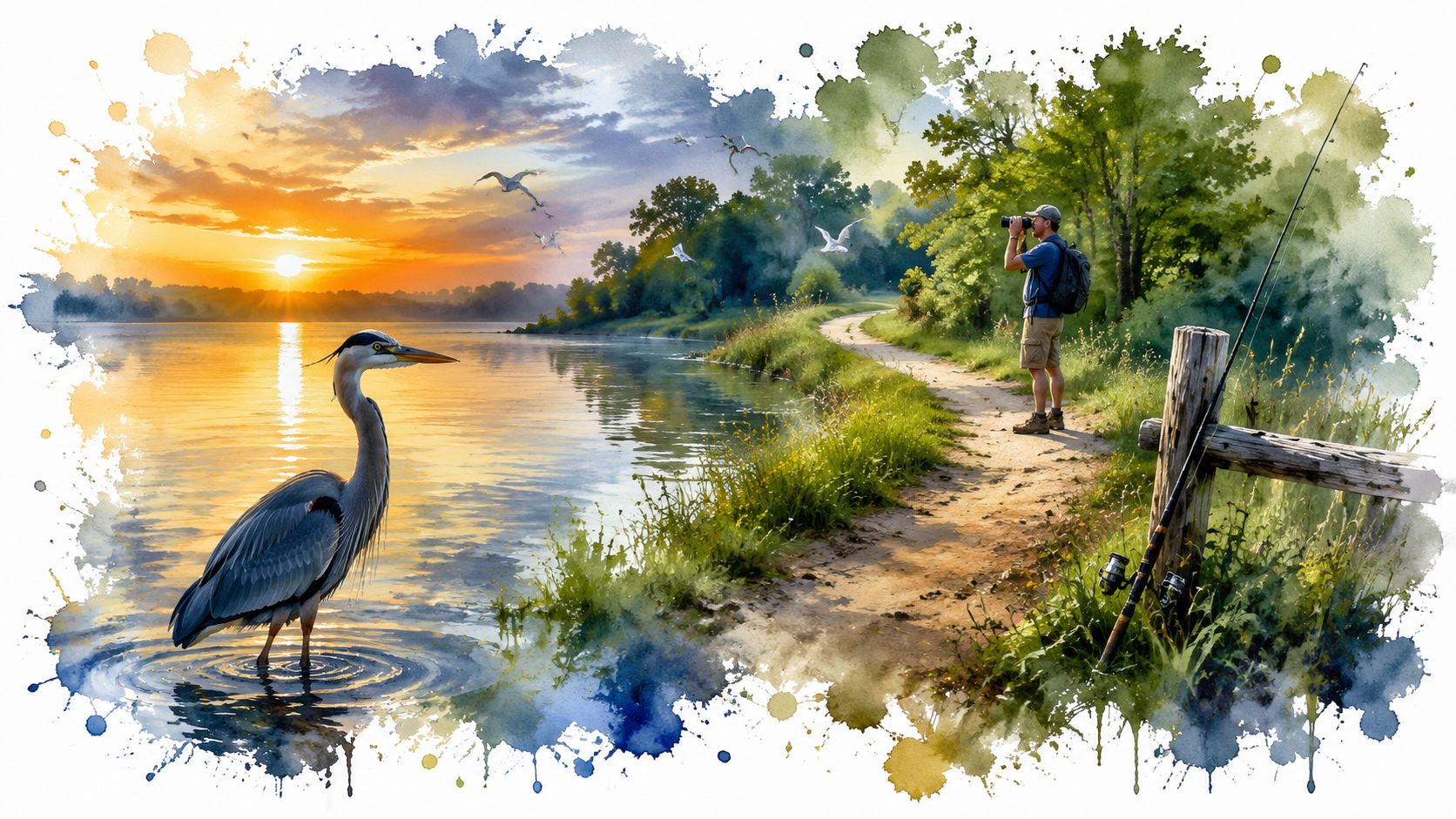
I once pulled a plastic bag out of the weeds near a pond edge and looked up just in time to catch a heron lifting off over the water. That's Lake Renwick to me. You bend down for the mess, then the place makes you look up.
A Place Where You Can Transform
Some places clean you out a little.
Lake Renwick in Illinois has that effect on people who show up ready to pay attention. You come for birds, water, quiet, a walk, maybe a reset after a rough week. Then you start noticing the smaller things. A snagged fishing line. A crushed bottle by the grass. A trail edge that stays better when people act like they belong there instead of passing through like consumers.
That's why I keep coming back to places like this. I don't only want scenery. I want a place that asks something from me.
Beauty after damage
Lake Renwick works on me because it didn't begin as some perfect postcard. It came out of hard use, disturbance, and time. I like places with that kind of honesty. They remind me of people who had messy years and still learned how to become steady.
You don't have to start pure to become useful. A place can recover. So can a person.
When you walk around Lake Renwick IL, keep that in mind. Don't rush straight into checklist mode. Let the place tell on itself a little. Watch the water. Watch the edges. Notice how care shows up in ordinary forms, from trail rules to seasonal closures to the simple fact that some areas stay cleaner because somebody bothered to pick up what didn't belong.
Visit with your eyes open
If you need a reset, this is the kind of outing that can change the day without pretending to solve your life. Go outside. Slow your pace. Bring binoculars if you have them. Bring a trash bag if you're that kind of person. If you need a nudge toward that mindset, spend a little time with this idea of reconnecting with nature through direct action.
That's the mood I'd bring here. Curious, grateful, and ready to leave the place a little better than I found it.
From Gravel Pit to Heron Haven
The first time you learn what this place used to be, the quiet hits differently.
Waterbirds now nest where machines once tore into the ground for gravel. Lake Renwick did not begin as a protected refuge. It came out of extraction, abandonment, and a long stretch of patient recovery. The preserve grew through land acquisition by the Forest Preserve District of Will County between 1989 and 2010, and today it covers 836 acres. A 320-acre portion with the heron rookery became an Illinois Nature Preserve in 1992. The lake itself took shape after a gravel quarry stopped operating in 1983, and the pits filled with water from an underground spring, according to the Lake Renwick Preserve entry.

The ground remembers
You can still feel that history if you walk with your eyes open. The lake has a worked look to it. The edges, the depth, the open water, even the way the habitat lays out, all carry the mark of what happened here first.
That matters.
People often want nature stories to be tidy. Lake Renwick gives you the harder and better version. Damage happened. Recovery followed. Protection had to be chosen, then enforced, then maintained. Anyone who has spent a morning hauling bottles and bait containers off a shoreline knows the pattern. A place improves because somebody does the unglamorous work and keeps doing it.
The gravel base helped create conditions that now support colonial nesting birds. That is one of the trade-offs written into this preserve. Industry altered the land. Time, water, habitat management, and restraint turned that altered land into something worth defending.
If you care about reclaimed wild places, Hackmatack National Wildlife Refuge shows a similar kind of restoration work in action.
Recovery needs protection
The rookery now supports nesting by Black-crowned Night-Herons, Great Blue Herons, Great Egrets, and Double-crested Cormorants. That fact matters less as trivia than as responsibility. Birds returned because the site became usable for them. They stay because people are willing to limit access, respect closures, and keep pressure off sensitive areas during nesting season.
That is the part visitors miss if they only chase the pretty view.
The Litter Caterpillars mindset fits here perfectly. First remove what harms. Then protect what can grow. Then come back often enough that your care counts for something. Lake Renwick is one of the clearest examples I know of a place that rewards that attitude.
Practical rule: If a landscape recovered from heavy use, treat every trail, overlook, and closure sign as part of the restoration work, not as a suggestion.
Why this history stays with people
A lot of preserves feel pleasant. Lake Renwick feels earned.
You stand beside calm water, but the calm came after digging, truck traffic, and disruption. You watch herons lift over the rookery, and that sight carries more weight once you know what the ground had to become for them to use it. I have seen the same truth on cleanup days all over northern Illinois. People change when they help repair a place. Places change when enough people stop treating them like somebody else will handle it.
That is why this preserve sticks with people who pay attention. It proves that restoration is real, but it also proves restoration is never finished.
The Birds You Will Meet
The first thing many people notice at Lake Renwick is sound. Wingbeats. Sharp calls. Rustling reeds. A sudden burst of motion over water that looked still a second earlier.
The preserve has around 200 documented bird species, and the Heron Rookery Nature Preserve closes from March 1 to August 15 to protect nesting waterbirds during breeding season, according to this guide on visiting Lake Renwick Preserve and the Heron rookery.

Start with your ears
If you're new to birding, don't force yourself to identify everything at once. Start with contrast.
Listen for the place where the sound gets busy. Then stop moving. Let your eyes work after your ears do. That one habit will get you more sightings than stomping around with your binoculars already raised.
The birds people talk about most here are the big, memorable ones. Great Blue Herons have that tall, patient look. They can seem like they're carved out of driftwood until they shift one leg or spear forward. Great Egrets carry themselves differently. Cleaner lines. Brighter presence. They catch light fast. Black-crowned Night-Herons feel stranger to me, almost secretive, the kind of bird you appreciate more each time you see one.
If you like places where waterbirds dominate the mood, you'd probably also enjoy reading about Hackmatack National Wildlife Refuge, another spot where slowing down pays off.
What to watch for
Try this on your first visit:
- At the shoreline: Scan slowly for still shapes before you look for movement. Herons often beat you by freezing.
- In open water views: Watch for flight paths. Big birds announce themselves with spacing and rhythm.
- Near morning or evening light: Look at silhouettes first. Size and posture often tell you more than color.
- When the place feels quiet: Stay put. Quiet often means birds are active but you haven't tuned in yet.
The best birdwatchers I know don't chase every sound. They let the place come toward them.
The nesting season matters because these birds need room. Human pressure changes behavior fast. That's why access gets tighter when breeding activity ramps up. You may want the closer view. The birds need distance more.
A little motion helps if you want to get the feel before you go.
You are entering their schedule
That's the mindset that makes a trip to Lake Renwick IL better. You are not arriving at a performance made for you. You are stepping into a living place already in progress.
When people understand that, they stop asking, “How close can I get?” and start asking, “How respectfully can I be here?” That second question is the right one.
How to Explore Lake Renwick
Some people visit once, walk a little, stare at the water, and leave thinking they “did” Lake Renwick. You can do better than that.
This preserve rewards intention. If you know why you came, you'll move differently. Birdwatchers should hunt for sightlines and patience. Walkers should treat bends, edges, and pauses as part of the route. Anyone who likes a useful outing should bring one small bag for litter and grab what's safe on the way out.
If you came for birds
Don't start by marching as far as possible. Start by finding a clean view and staying there longer than feels normal. Waterbirds punish impatience. The first few minutes can look dead, then a neck lifts from the reeds, a wing opens, and the whole scene wakes up.
My own rule is simple:
- Stop early: Your first decent overlook may be all you need.
- Scan left to right: Don't jerk your binoculars around.
- Wait after movement: Birds often settle and reappear.
- Keep your voice low: Even when other visitors don't.
If you want a more active trail day after a quieter preserve visit, the Des Plaines River Trail near Chicago scratches a different itch.
If you came to walk
Walk Lake Renwick like you're reading margin notes, not speed-running a route. The good stuff sits at the edges. Wind on cattails. Ripples changing the light. Mud tracks. Feathers caught in grass. Those details give the preserve its character.
Here's what works well on foot:
- Travel light: Water, decent shoes, binoculars if you have them.
- Leave your pace loose: Fast miles are for other trails.
- Take the side glance seriously: Some of the best sightings happen off your main line of sight.
- Respect barriers and closures: If an area is blocked off, treat that as part of the care plan, not a suggestion.
What doesn't work is treating the preserve like a gym loop. You miss too much when every minute is about distance.
If you want a fuller outing
Lake Renwick has different access areas, and each creates a different mood. One visit might be mostly birding. Another might be more about a calm walk with a few stops to watch the water. Another might center on Turtle Lake and whatever pace that part of the preserve invites.
I like to think of the place like a conversation. Some days it talks back fast. Some days you have to sit through the silence first.
Field note: A good visit usually has one moment where you stop because something small caught your eye. Trust that moment. Don't rush past it trying to get to the “main attraction.”
One more thing. If you carry out your snack wrapper and one extra piece of trash, your trip changes from recreation to stewardship. That switch matters. It changes how you remember the day.
Planning Your Visit The Right Way
The first mistake I see is simple. People pull into Lake Renwick assuming every entrance works the same, then they spend the first part of the day correcting avoidable problems instead of settling into the preserve.
A little planning changes that.
Lake Renwick Preserve has three public access points in Plainfield. Copley Nature Park and Turtle Lake Access are open year-round from 8 a.m. to sunset. Heron Rookery Nature Preserve is open from August 16 to February 28, with limited access during public programs from March 1 to August 15, according to the Forest Preserve access page for Lake Renwick.
Read the rules like a caretaker
If you want the preserve at its best, treat posted rules as part of the habitat management plan, not as obstacles between you and a good outing.
The rookery has tighter seasonal controls for a reason. Nesting birds need distance and predictability. Extra noise, close approach, dogs, and bikes add pressure fast, especially in breeding areas. People who care about wildlife behavior should be the first ones to respect those limits.
That is the trade-off here. Access gets narrower so the living part of the place stays strong.
Access points and what to expect
| Access Point | Open Season | Key Rules |
|---|---|---|
| Copley Nature Park | Year-round, 8 a.m. to sunset | Stay on marked areas, keep noise down, and give wildlife space. |
| Heron Rookery Nature Preserve | August 16 to February 28. Limited public programs during March 1 to August 15 | Seasonal restrictions apply. No dogs or bicycles. Respect all closures. |
| Turtle Lake Access | Year-round, 8 a.m. to sunset | Quieter entry point for a slower visit. Follow posted rules and pack out everything you bring in. |
Before you leave home
Good visits usually come from four smart choices:
- Check which access point fits your day: Birding, a quiet walk, and a short stop all call for different entry plans.
- Confirm seasonal access before you drive: The rookery schedule can change what is possible.
- Dress for waiting, not just walking: You may spend more time standing still than covering ground.
- Bring one small stewardship item: A glove or spare bag is enough if you want to pick up safe litter on the way out.
That last habit matters more than it sounds.
I've seen people arrive ready to consume a place. I've also seen people arrive ready to notice, protect, and leave a trail edge cleaner than they found it. The second group gets more out of Lake Renwick. They pay closer attention. They act with more restraint. They start to understand that appreciation and responsibility belong together.
Lake Renwick rewards that kind of visitor.
Become Part of the Story
The best visits change your role.
You arrive as a watcher. You leave wanting to help. That shift matters more than any species list you jot down in your phone. A place like Lake Renwick doesn't need one more person treating it like a backdrop. It needs people who notice when a trail edge is cleaner, when litter near the water is dangerous, and when their own habits either add stress or reduce it.
Service changes the outing
I've learned something simple from cleanup work. It's often easier to pick up someone else's mess than your own. That sounds backward until you live it. Public service can train parts of you that private life keeps avoiding. You practice consistency. You build stomach for discomfort. You stop waiting for the perfect mood.
That same ethic belongs at outdoor spaces. If you carry a small bag and pick up what's safe, you start seeing the preserve as shared responsibility. If you join a cleanup, even better. You meet people who act instead of only admire.
What that looks like in practice
You don't need a grand plan. Start small and stay real.
- Bring a glove and a bag: Pick up easy litter on your walk out, not on the way in when your hands and attention are full.
- Model the tone: Keep your volume down, follow closures, and make that behavior normal for whoever comes with you.
- Join local efforts when you find them: Cleanup groups build momentum because people see immediate results.
- Leave one corner better: That's enough for a day. You don't need to fix the whole world before lunch.
A public place becomes yours in the healthiest way when you care for it, not when you claim it.
Growth is part of the work
This is the piece people don't always say out loud. Service toughens you up in a good way. You get less precious. Less passive. You stop needing every outing to entertain you. Sometimes the meaningful part of the day is the muddy shoe, the full trash bag, the extra few minutes spent doing the boring thing that helps.
Lake Renwick gives you plenty to admire. Birds. Water. Quiet. Recovery. But admiration alone is thin. Action sticks.
So go. Walk slowly. Watch carefully. Respect the rules. Pick up one thing that shouldn't be there. Bring someone who needs fresh air and a better habit. That's how a preserve gets woven into your life. Not through slogans. Through repetition, attention, and a little earned pride.
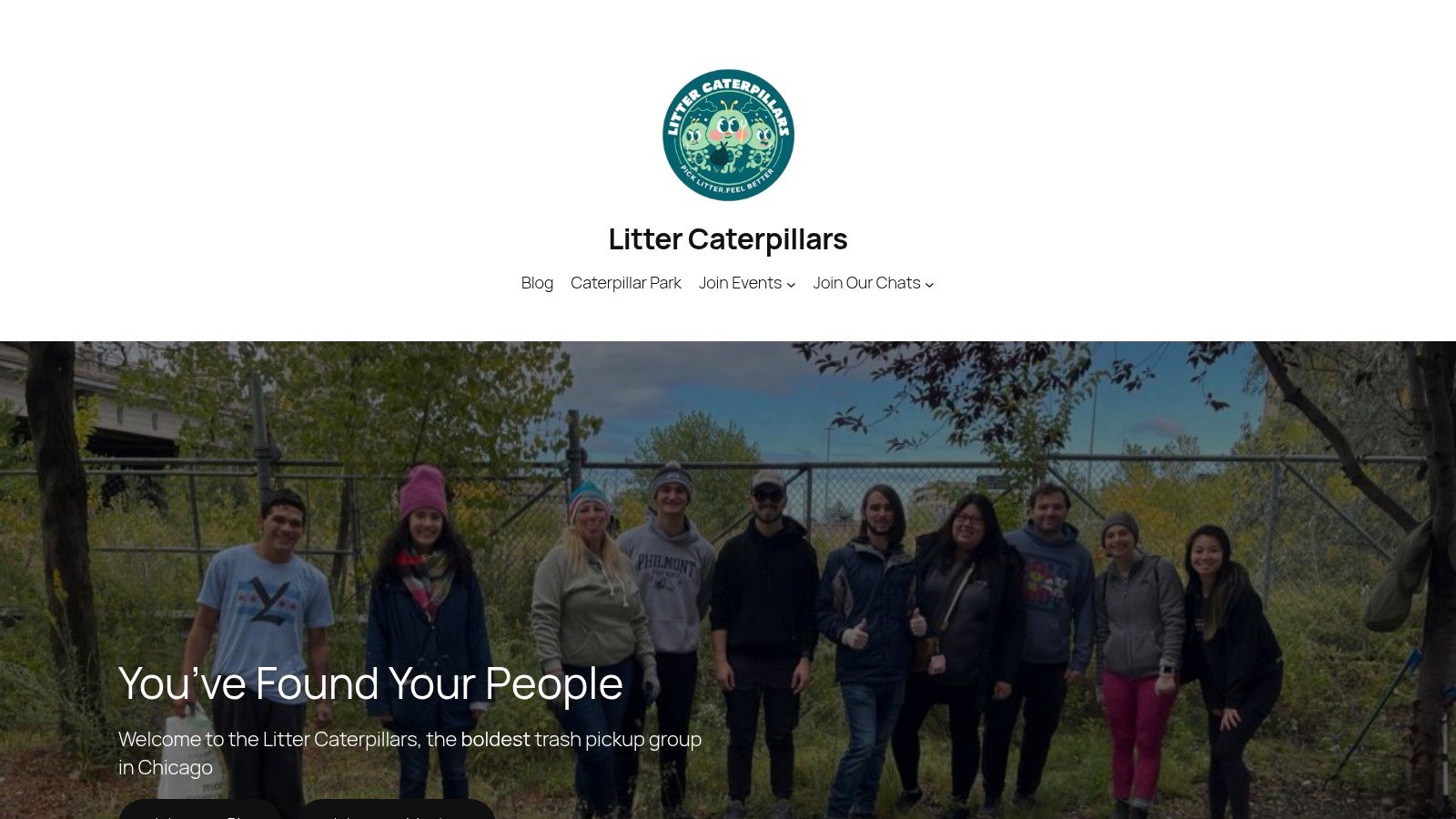
If you want a service-minded way to get outside, make friends, and leave places cleaner than you found them, check out Litter Caterpillars. It's a practical way to turn appreciation into action.