

The first time I led a trash pickup, hail bounced off our jackets while three of us huddled under a tree. Every Uber canceled. We were cold, soaked, and laughing, and I realized that cleaning up someone else's mess felt easier than facing my own.
It All Started With a Mess
For most of my life, I struggled to clean and organize my things. My apartment collected stories instead of order. An old jar of blueberry jam reminded me of a trip to Michigan. A bag of nuts represented an abandoned attempt to eat better. Each item looked small, but moving it felt impossible.
As my living space became more chaotic, my life followed. I ended a long relationship with someone selfish and always ready to party. I felt stuck, embarrassed, and tired of repeating the same patterns. I decided to change my social circle and face the things I had avoided for years, cleanliness, consistency, and bravery.

Then I tried cleaning a public space. At that first pickup, only three of us showed up. A spring hailstorm rolled in, and we ducked under a tree while ice hit the pavement around us. Our rides kept canceling. We shivered, complained, and laughed because the situation had become too strange to take seriously.
That day changed my idea of leadership. I didn't give a speech. I didn't have a perfect plan. I stood beside two other people in terrible weather, shared the discomfort, and kept asking what would help us continue safely. That was servant leadership in action before I had language for it.
Robert K. Greenleaf first named servant leadership in 1970, framing it around listening, persuasion, and foresight, according to the Greenleaf Center's history of servant leadership. The concept has more than five decades of development, yet I discovered it through a trash bag, frozen fingers, and a group of people willing to stay.
The mess taught me something
Cleaning my own apartment forced me to face shame. Cleaning a street gave me a shared task. I could focus on the next bottle, wrapper, or food container instead of judging my entire life.
That work also brought a strange kind of fun. The cold added flavor. The canceled rides became part of the story. Each difficult event advanced the plot.
I don't lead because I have solved everything. I lead because service gives me a way to move while I'm still becoming the person I want to be.
Your People Always Come First Period
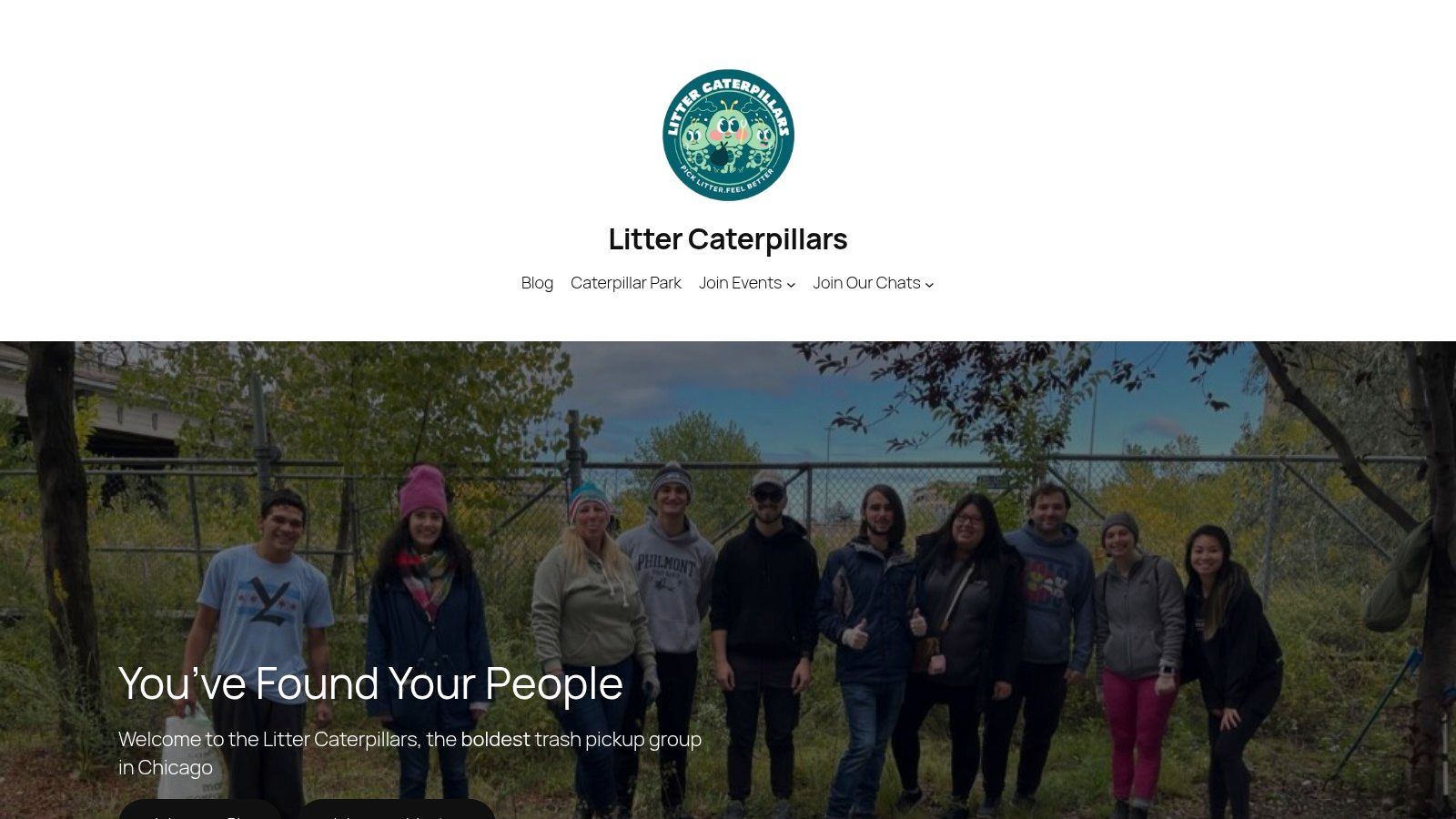
I built Litter Caterpillars around one rule: volunteers come first. That rule has two parts. Safety comes first, and happiness comes second.
Volunteer energy is fragile. You can't spend it carelessly and expect people to return with the same spirit. A leader who ignores fatigue, fear, weather, or confusion asks people to pay for the mission with their bodies and attention.
Before an outdoor event, I check the conditions, the location, the tools, and the people. A basic safety checklist includes:
- Wear protective clothing: Use gloves, long pants, long sleeves, and thick-soled shoes.
- Protect against sun: Apply sunscreen and bring water.
- Avoid preventable injuries: Don't wear open-toed shoes.
- Respect the weather: Reschedule when conditions are poor.
- Respect comfort levels: Nobody needs to enter an area or handle an object that feels unsafe.
These rules come from a volunteer outdoor safety checklist, and I treat them as operating rules rather than suggestions. If the weather turns dangerous, I cancel. A clean street isn't worth a volunteer getting hurt.
Happiness needs practical care
Happiness doesn't mean constant excitement. It means people know where to go, what to do, and who will help them. It means a new volunteer can arrive alone without feeling lost. It means nobody gets pressured for money.
I send clear meeting details, explain parking, name the nearest restroom, and tell people what equipment to bring. I pair newcomers with friendly volunteers instead of leaving them to decode the group. For leaders who need to teach repeatable procedures, this guide to employee training videos can help turn spoken instructions into simple visual reminders.
Our approach also connects with organizational culture building, because culture appears in the small choices people experience before the work starts.
Here's the order I follow:
- Make the setting physically safe.
- Make the instructions easy to understand.
- Make the social welcome warm.
- Let people stop without guilt.
Practical rule: If volunteers must choose between protecting themselves and pleasing the leader, the leader has already failed.
After the briefing, I invite questions and watch faces. Someone may say they're fine while gripping a tool too tightly or standing far from the group. I ask again, privately and without pressure. Service means paying attention to the person in front of me, not merely completing the cleanup.
Give Your Team an Identity to Be Proud Of
A trash pickup can feel like a chore, or it can feel like an adventure. The physical work doesn't change. The meaning people attach to it does.
Tom Sawyer understood this when Aunt Polly punished him by making him paint a fence. Instead of treating the work as punishment, he framed it as a special opportunity. His friends wanted in. The task became desirable because the story around it changed.
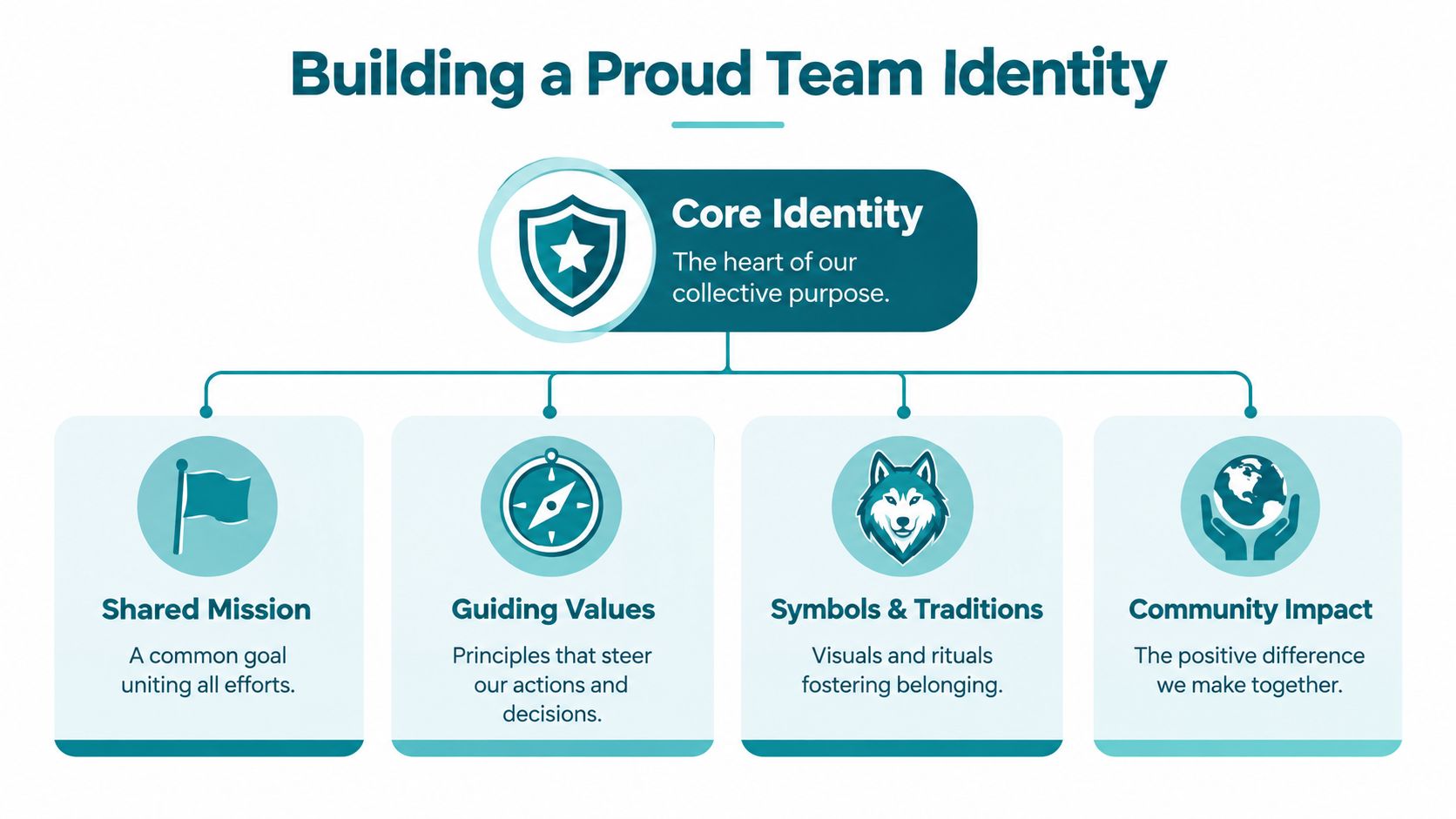
I use the same idea with Litter Caterpillars, without pretending that dirty work is effortless. We use flags, a theme song, badges, and shared language. These symbols give volunteers something to carry, wear, sing, and remember. Kind people deserve access to pride and identity too.
Make the story easy to join
A strong identity answers four simple questions:
- Why are we here? We clean public spaces and build friendships through service.
- How do we act? We practice bravery, kindness, and unity.
- What do we share? We carry symbols, rituals, songs, and badges.
- What changed because we came? A block looks cleaner, people feel connected, and volunteers leave with a story.
The symbols don't replace the work. They give the work a shape people can recognize. A flag can help a scattered group find each other. A song can break the awkward silence at the beginning. A badge can remind someone that they showed up when staying home would have felt easier.
A meta-analytic review covering 85 studies found a strong association between servant leadership and higher organizational commitment and identification with the group, according to this meta-analytic review from the University of Illinois Chicago. I see that connection grow when volunteers recognize one another, remember shared challenges, and feel proud of how they spent their morning.
Pride should point back to service
Identity can become empty if it turns into ego. I don't want people wearing a badge merely to feel superior to people who didn't attend. I want the badge to remind them that they took responsibility for a place they share with others.
Leaders who want to build that kind of group can study practical leadership for a better culture, then adapt the ideas to their own setting. Keep the symbols low-cost and consistent. Let volunteers help choose them. Give people a role in the story.
When the group feels like a team, a difficult morning becomes easier to enter. People still get tired. They still get wet. They still pick up unpleasant things. But they also laugh, encourage one another, and leave with proof that they can do hard work together.
The Practical Playbook for a Service Event
Good intentions disappear quickly when an event feels confusing. I use a repeatable run-sheet so volunteers don't have to guess what happens next. The structure protects their time, reduces uncertainty, and gives me a way to notice problems before they grow.
The volunteer event planning resources from Litter Caterpillars follow this same practical instinct. A run-sheet doesn't make an event rigid. It gives people enough clarity to participate freely.
Before people arrive
I send one message with the meeting point, arrival details, expected conditions, clothing guidance, equipment information, and a contact method. I don't bury the important facts in a long announcement. A person who has never met us should know how to find us and what to expect.
When volunteers arrive, I greet them by name when I can. I introduce newcomers to at least one other person, then explain the purpose of the cleanup in plain language. The welcome circle creates a shared starting point before everyone spreads across the site.
During the work
The safety briefing covers hazards, boundaries, tools, weather, and the signal for stopping. I assign small groups or pairs so nobody works alone or disappears from view. I also make decision rights clear. Volunteers can pause, ask for help, or leave without defending the choice.
The work period needs rhythm. I check in, rotate tasks when possible, and watch for fatigue. I don't measure leadership by how much trash I personally collect. I measure it by whether people can work safely, ask questions, and return with energy left.
| Time | Activity | Servant Leadership Goal |
|---|---|---|
| Before arrival | Send meeting and gear details | Remove uncertainty |
| Welcome | Greet people and explain the mission | Build belonging |
| Safety briefing | Review hazards, boundaries, and stop signals | Protect volunteers |
| Cleanup | Work in pairs or small groups | Support autonomy |
| Check-in | Ask about comfort, tools, and conditions | Practice listening |
| Wrap-up | Gather bags and review the work | Make progress visible |
| Social time | Share food, conversation, or photos | Support friendships |
After the last bag
The wrap-up matters because people need to see what they did. We gather, count the bags qualitatively as a visible pile, discuss any hazards we found, and thank the people who took unfamiliar or unpleasant tasks. Then we make room for conversation.
Research on putting servant leadership into practice points toward observable outcomes, including trust in leaders and perceptions of fairness. A clear event playbook makes those principles easier to repeat, as described in this practical servant leadership review.
People trust a leader who makes the next step clear and stays nearby when the plan changes.
I write down what worked, what confused people, and what we should change before the next event. That small review turns one cleanup into a better system for the next group.
You Are Not Perfect But You Are Transforming
I still have unfinished parts of my life. I still face days when cleaning, organizing, or making a decision feels heavier than it should. The difference is that I no longer wait to become perfect before I act.
A caterpillar doesn't look like the creature it will become. It moves slowly, eats, rests, and changes inside a process it can't rush. I use that image because I recognize myself in it. Litter Caterpillars grew from a messy apartment, a painful breakup, and a hailstorm that stranded three people under a tree.
The group now meets weekly across Chicago, in rain, heat, and difficult conditions. I still lead by checking the weather, preparing the run-sheet, listening to volunteers, and accepting that some plans need to change. That work keeps teaching me how to trust myself and forgive myself.
Transformation has an order
Research describes servant leadership through a three-step progression: trust and fairness first, follower autonomy and support for growth next, then group performance and service quality. You can read the framework in this review of servant leadership mechanisms.
I see the same pattern in a cleanup. People first ask whether I will protect them and treat them fairly. Once they believe the answer is yes, they make more decisions on their own. Then the group moves with less direction from me, handles work more smoothly, and gives better care to the place we came to serve.
Some leaders express identity through shirts, patches, or other DTF custom apparel examples. I care less about the item than the reminder it carries. A symbol can say, “I showed up, and I helped.”

You don't need a title to begin. You need one person to serve, one problem to face, and one practical promise you can keep. If you want a related leadership framework, explore what transformational leadership means, then bring the idea down to earth with a checklist, a welcome, and a willingness to get dirty.
Litter Caterpillars organizes volunteer trash pickups across Chicago, with a focus on safety, friendship, and steady service in every ward. Visit Litter Caterpillars to find an upcoming cleanup, meet people who want to help, and take your own first step into servant leadership in action.