

A parent opens the fridge, sees half a bottle of ketchup and a light that makes the emptiness look bigger, and starts doing the math again. Dinner, bus fare, the gas bill, school tomorrow. Something has to give.
More Than Just a Food Pantry
I've learned that hunger rarely walks into a room alone. It brings stress with it. It brings that tight feeling in your chest when a child asks what's for dinner and you need ten more minutes to figure out an answer that sounds calm.
That's why Sanad Social Services matters to me in a very human way. When you hear the words food pantry, you might picture a shelf of cans and a quick handoff at the door. You might picture a transaction. Sanad feels more like a neighbor pulling up a chair and saying, “Let's get through this week first. Then we'll think about the next one.”
What help looks like up close
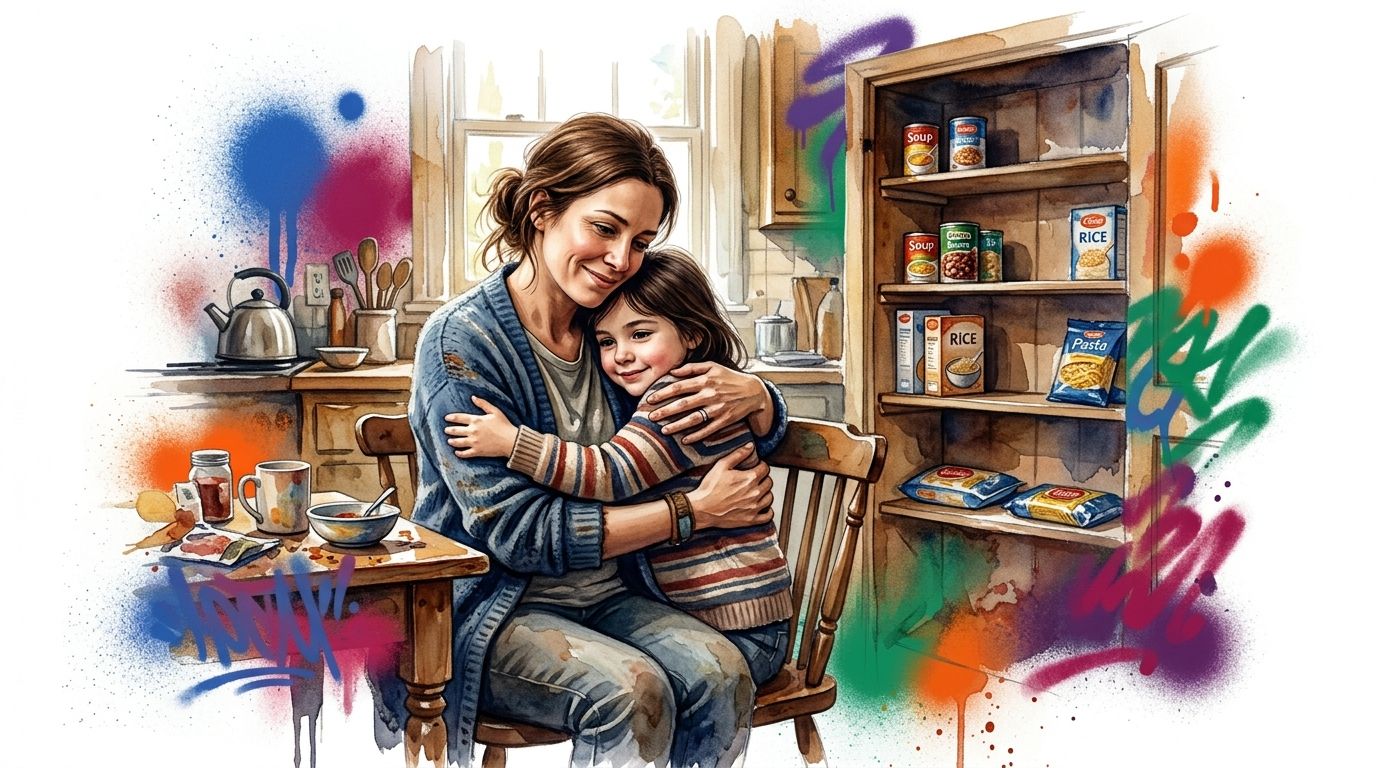
A box of food can sound small on paper. In real life, it can change the whole tone of a home. It can mean a parent cooks instead of skips. It can mean a kid eats breakfast before school. It can mean the argument about money doesn't happen that night because there's one less emergency on the table.
Sanad Social Services works with low-income, diverse households in Chicago. I don't think of that as an abstract category. I think of families carrying grocery bags with numb hands in winter. I think of grandparents stretching meals. I think of people who work hard and still hit a wall.
Food help is never just about food. It gives a family room to breathe.
Why people keep coming back
A place like this becomes part of your routine the way a steady bus line or a trusted clinic does. You learn where it is. You learn the faces. You stop feeling like you have to explain every hard thing from the beginning each time you ask for help.
That's what I want you to know from the start. This isn't a dry directory entry. This is a story about support that feels practical and personal at the same time. If you need help, I want you to feel less alone. If you want to help, I want you to see the people behind the pantry, not just the program names.
Here, support feels less like charity dropped from above and more like someone bracing the ladder while you climb.
The Story and Mission of Sanad
Back in 1991, Fatima Abueid started Sanad in Chicago. I keep coming back to that date because every long-running community effort begins with one person deciding that waiting politely for someone else to fix things isn't good enough. That first decision matters.
Sanad began at 6248 S Spaulding Ave in Chicago, and I imagine the early work the way many neighborhood efforts begin. One person sees the gap. One person knows families are carrying too much. One person starts where they are, with what they have, and refuses to look away.
The meaning inside the name
The word Sanad means support or anchor in Arabic. I love that because an anchor doesn't make the storm disappear. It keeps you from drifting away while the storm is still going.
That's the clearest way I can explain the mission. Sanad Social Services isn't trying to dress up hardship with polished language. It is trying to hold people steady when life starts sliding. If your budget is cracking, if your kitchen is bare, if one overdue bill is about to knock over everything else, support has to be sturdy. It has to hold.
Practical rule: The best community work starts with a simple question. “What do people need today?”
A mission built from lived reality
I don't read Sanad's story as an institution first. I read it as an act of attention. Fatima Abueid saw hunger in her city and answered it with structure, repetition, and care. That matters because families in crisis don't need grand speeches. They need people who keep showing up.
And showing up year after year changes the tone of a place. You can feel it. Work like this gets built in ordinary moments. A volunteer loading food. A parent asking a quiet question. A staff member remembering a family's name. Those moments stack up like bricks.
Here's how I see it:
| Part of the mission | What it feels like in real life |
|---|---|
| Support | Someone helps carry weight you can't carry alone that week |
| Anchor | Your life stops spinning quite so fast |
| Dignity | You don't feel reduced to your hardest month |
| Consistency | Help isn't random. You know where to turn |
That kind of mission doesn't need flashy language. It needs trust. And trust grows when people keep their doors open, keep their word, and keep treating you like a person instead of a problem.
Finding Support Through Sanad Programs
A mother finishes a late shift, gets home, and opens the fridge to do the kind of math nobody should have to do. What feeds the kids tonight. What gets saved for tomorrow. What can wait. In neighborhoods across Chicago, that pressure shows up in different forms, so support has to meet people in different ways too.
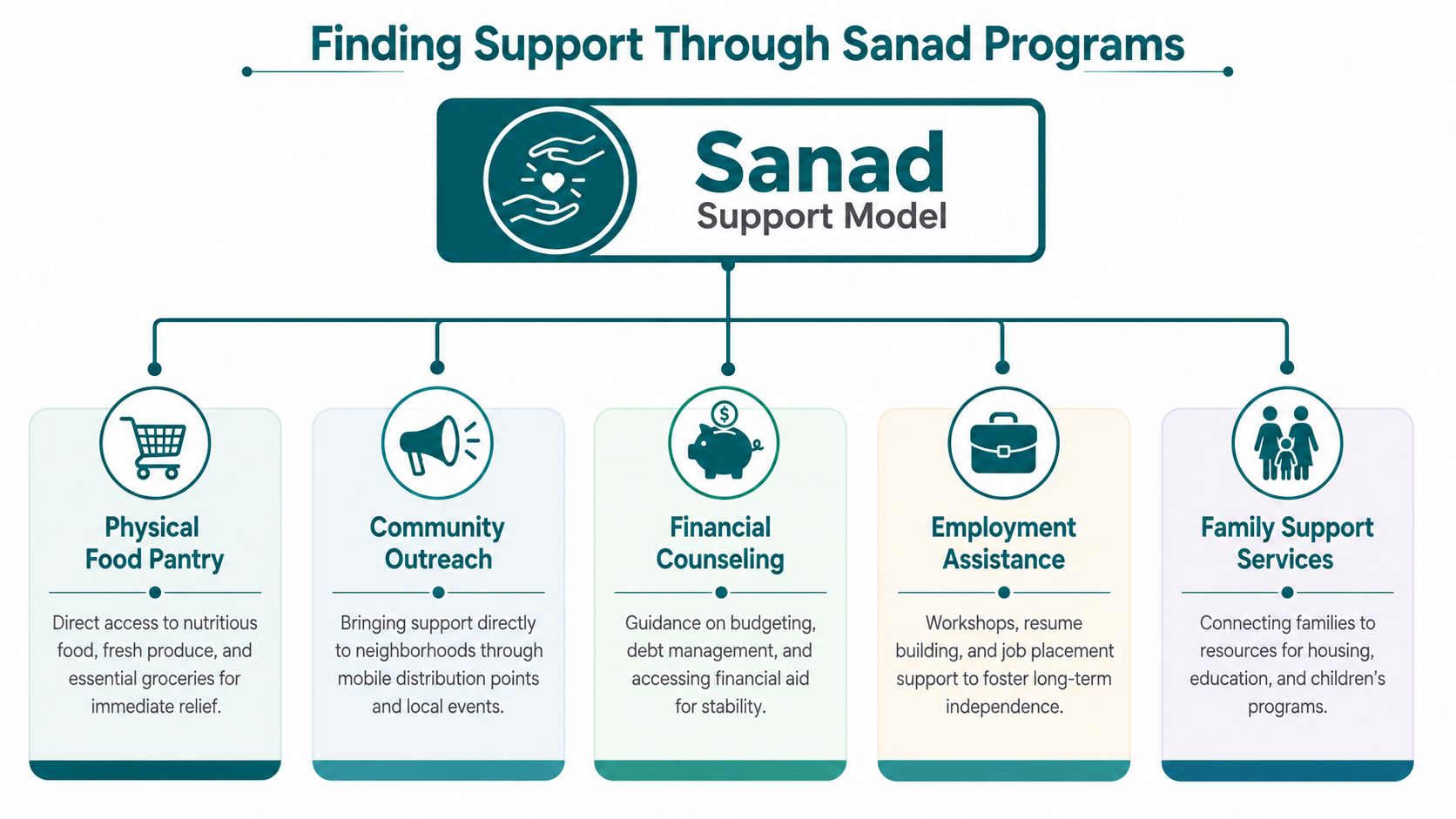
Sanad does that through onsite help, mobile pantry access, utility relief, and educational seminars. The model matters because families do not all face the same barrier. One person can stop by a fixed location after work. Another is caring for children, covering two bus rides, or trying to keep the lights on before the shutoff notice becomes real.
What support can look like in real life
I keep coming back to one simple truth. Hunger rarely arrives alone.
Sometimes the need is groceries. Sometimes it is groceries plus an overdue utility bill. Sometimes it is a family that needs food this week and better information so next month feels less fragile. Sanad's programs make more sense when you look at them through that lens.
A pantry visit can give someone staples for the kitchen. A mobile distribution can reach people who cannot easily cross town. Utility help can protect a household from slipping from financial stress into full disruption. Seminars can give people practical guidance they can carry into the next month, not just the next meal.
That mix feels grounded. It respects how real life works.
The programs, person by person
If you can get to a set location and want direct contact with staff or volunteers, onsite pantry support may feel steadier. You know where to go. You can ask questions face to face. For some people, that kind of routine lowers the stress.
If travel is the problem, mobile pantry support can make the difference between getting help and going without. A service model that moves closer to people matters when transportation, work hours, health, or caregiving responsibilities keep tightening the day.
Utility relief speaks to a different kind of fear. You can have food in the house and still feel the month falling apart if the gas or electric bill is overdue. Help in that area can protect more than a budget. It can protect a household's sense of stability.
Educational seminars serve another purpose. They create room for longer-term support, whether someone wants guidance, clearer information, or a stronger footing after a hard stretch.
If you're comparing nearby options, this guide to Casa Catalina Food Pantry in Chicago shows how different neighborhood programs serve families in different ways.
Why people stay connected
I have seen people ask for help only after they have run through every private option first. They skip meals. They stretch rice. They tell themselves they can hold out one more week. What often brings them back to a place like Sanad is not only the food. It is the feeling that the help fits the shape of their actual problem.
A family dealing with hunger, transportation trouble, and utility stress does not need a one-note response. They need support that can hold more than one burden at a time. That is what makes these programs feel human. They leave room for dignity, practical relief, and the kind of follow-through that helps a hard month stop becoming a harder year.
How to Get Help From Sanad
Asking for help can feel heavier than carrying the problem another week. I know that. A lot of people know that. You rehearse what to say, wonder if you'll qualify, and worry someone will make you feel small.
Sanad's location is 6248 S Spaulding Ave, Chicago, and sometimes having one clear place to start is half the battle. You don't need a perfect script. You just need a first step.
Start with the simplest move
If I were helping a friend do this, I'd say keep it basic.
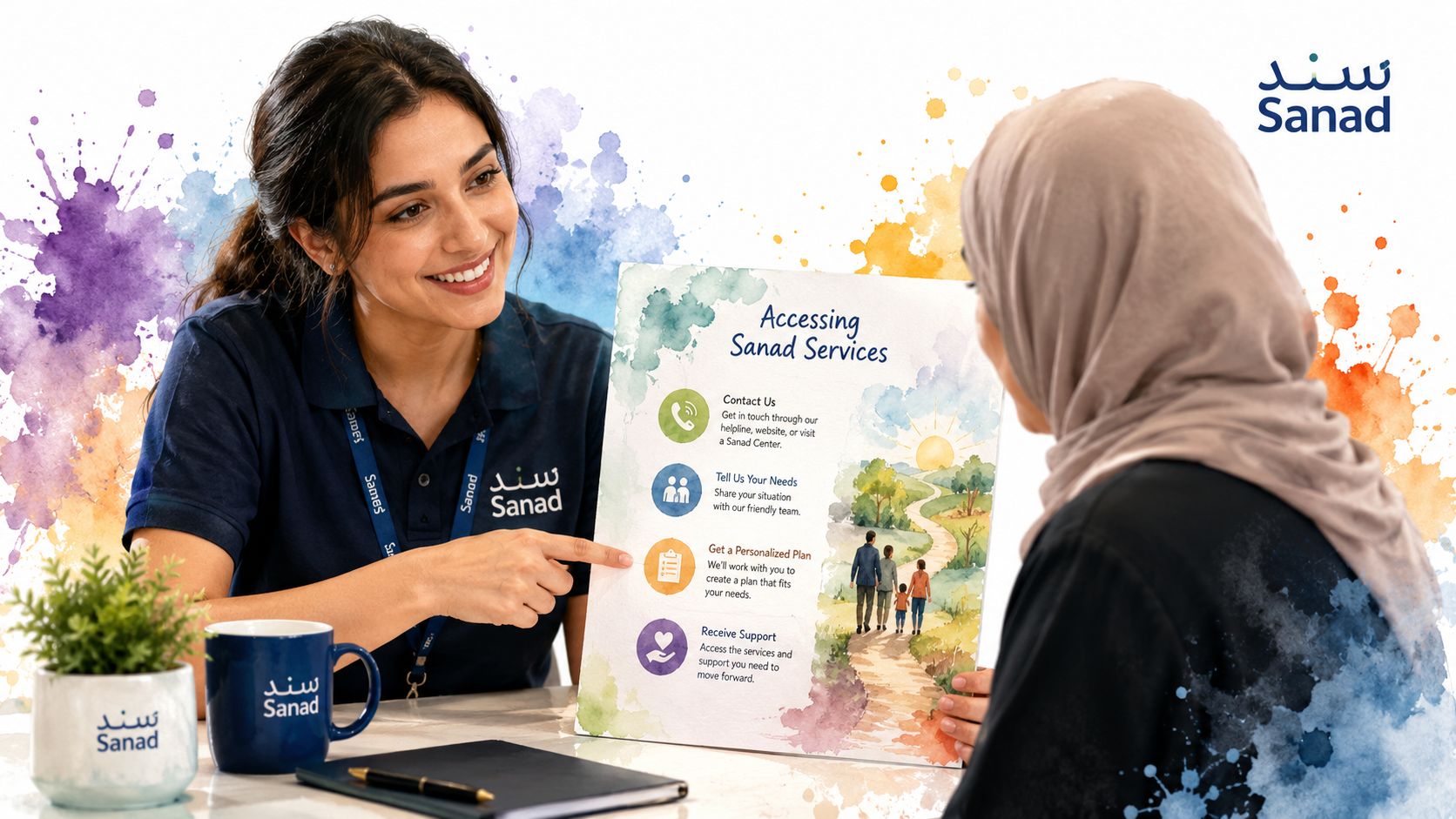
- Reach out directly. Use the contact pathway listed on Sanad's website and ask the plain question: you need food support and want to know how to receive it.
- Ask what they need from you. Requirements can change, so it's better to hear it straight from the organization than guess.
- Tell them what pressure feels biggest right now. Food, utilities, transportation, schedule conflicts. Be direct about your primary need.
- Ask whether onsite or mobile support fits your situation better.
That last point matters. If getting across town is hard, say so. If your work hours are unpredictable, say so. Clear information helps people match you to the right option faster.
Keep your questions short and honest
You don't need polished words. Try something like this:
- “I need help with food for my household.”
- “I'm not sure if I should come in person or ask about mobile distribution.”
- “I'm also struggling with utility bills. Can you tell me what support might fit?”
That's enough. You don't have to defend your hardship like you're in court.
The fastest way to get useful help is to say what's happening in plain language.
If you're also looking at other meal support options in the city, this Chicago soup kitchen guide may help you compare what kind of immediate food access fits your day.
A few things to remember before you go
I won't invent hours or eligibility details that I can't verify. So here's the honest version. Check Sanad's official contact information before you visit. Ask about current pantry times, any paperwork they may request, and whether they have neighborhood or household guidelines.
Use this quick checklist:
| Before you contact Sanad | Why it helps |
|---|---|
| Write down your address | They may need it to match you with the right service area |
| List household basics | It helps explain your food need clearly |
| Note scheduling limits | This can shape whether mobile or onsite support fits better |
| Ask about documents | It saves you an extra trip |
The hard part is often the first call, first message, or first visit. After that, the path usually gets clearer.
Join the Mission to Support Our Neighbors
Some people read about a pantry and think, “I wish somebody would do more.” I always want to answer that sentence with one word. You.
Community support runs on people who decide to show up. Not people with perfect schedules. Not people with endless money. Just people who are willing to give a few hours, a little energy, a bit of care, and treat that offering like it counts.

What your help can look like
Maybe you sort food. Maybe you donate money. Maybe you connect a family to the pantry because you know they're struggling privately and too proud to ask. Maybe you partner through a workplace, faith group, school, or block club.
I like to think of community help the way I think of carrying groceries up a walk-up apartment staircase. One bag is awkward alone. Four people make the whole load feel possible.
Here are a few real ways to step in:
- Give time: Volunteer for pantry operations, distribution days, or community support tasks.
- Give funds: Financial gifts help cover food, logistics, and day-to-day operations.
- Spread the word: Tell families where to go when they need steady help.
- Build partnerships: If you run a group or business, ask how you can support ongoing work.
If you want a wider view of places doing hands-on good in the city, this roundup of charities in Chicago is a useful place to browse.
Why volunteering feels different from donating alone
Money matters. Of course it does. But human presence matters too. When you sort food, carry boxes, greet visitors, or help organize distribution, you become part of the atmosphere people walk into. You help turn a stressful errand into a decent encounter.
That's no small thing. Dignity lives in details. It lives in a warm greeting, clear directions, patience, and a room that doesn't make people feel like a burden.
A short look at community action can make that easier to picture.
If you've been waiting for a sign
This is it. If you care about families eating well, keeping the lights on, and getting through rough stretches with dignity intact, then your help has a place. You don't need to arrive with a grand plan. You can begin with one hour, one donation, one conversation.
A strong neighborhood is built by people who decide someone else's hard week matters to them.
Your Questions Answered
The questions people ask at the door are rarely just about hours or paperwork. They sound more like this: Will I be judged. Will anyone understand what my family is carrying right now. If I call, will a real person talk to me like I matter.
Those are the questions worth answering.
What if my situation feels too complicated to explain
Start small. You do not need a perfect summary of your life before you reach out.
A parent trying to keep up with rent, groceries, school forms, and a shutoff notice may only have the energy to say, “We're having a hard month.” That is enough to begin. From there, the conversation can get clearer, one detail at a time.
What if I have asked for help before and had a bad experience somewhere else
That history can stay with you. One cold front desk, one rude comment, one long wait with no answer can make the next phone call feel heavier than it should.
If that is you, I hope you hear this plainly. A bad experience somewhere else does not mean you should stop asking for support. You still deserve to be treated with care, patience, and respect.
Can I reach out for someone else
Yes, if you are trying to help a neighbor, parent, friend, or family member take the first step. Sometimes the strongest person in the room is the one making the call on someone else's behalf because that person is overwhelmed, ashamed, sick, or exhausted.
That kind of help matters.
What if I do not know the right words to say
Use your own words. Everyday words are enough.
“I'm behind.”
“We're stretched.”
“I need help figuring out what to do next.”
Nobody should need polished language to ask for support.
What if I need help, but I am afraid of being seen as a burden
I have met so many people who carry this fear unspoken. You may be one of them.
But communities do not survive because everyone handles every crisis alone. Communities survive because people step in for each other during the weeks when life breaks its usual rhythm. Asking for help is part of how neighborhoods stay human.
How can I support Sanad if I am not in a position to volunteer regularly
Steady support does not always look like a weekly shift. You can mention Sanad in conversation when someone needs a place to turn. You can share updates with a friend who wants to help. You can keep the organization in mind during holidays, hard winters, and back-to-school season, when family budgets often feel tightest.
Small acts travel farther than you think.
If you believe cleaner, kinder neighborhoods start with people who show up, spend some time with Litter Caterpillars. You'll find a Chicago group built around service, friendship, and the simple act of making a block feel more cared for.