My life used to be a mess. My apartment was chaotic, and my life felt the same way. Every piece of trash had a story, and every story felt too heavy for me to throw away.
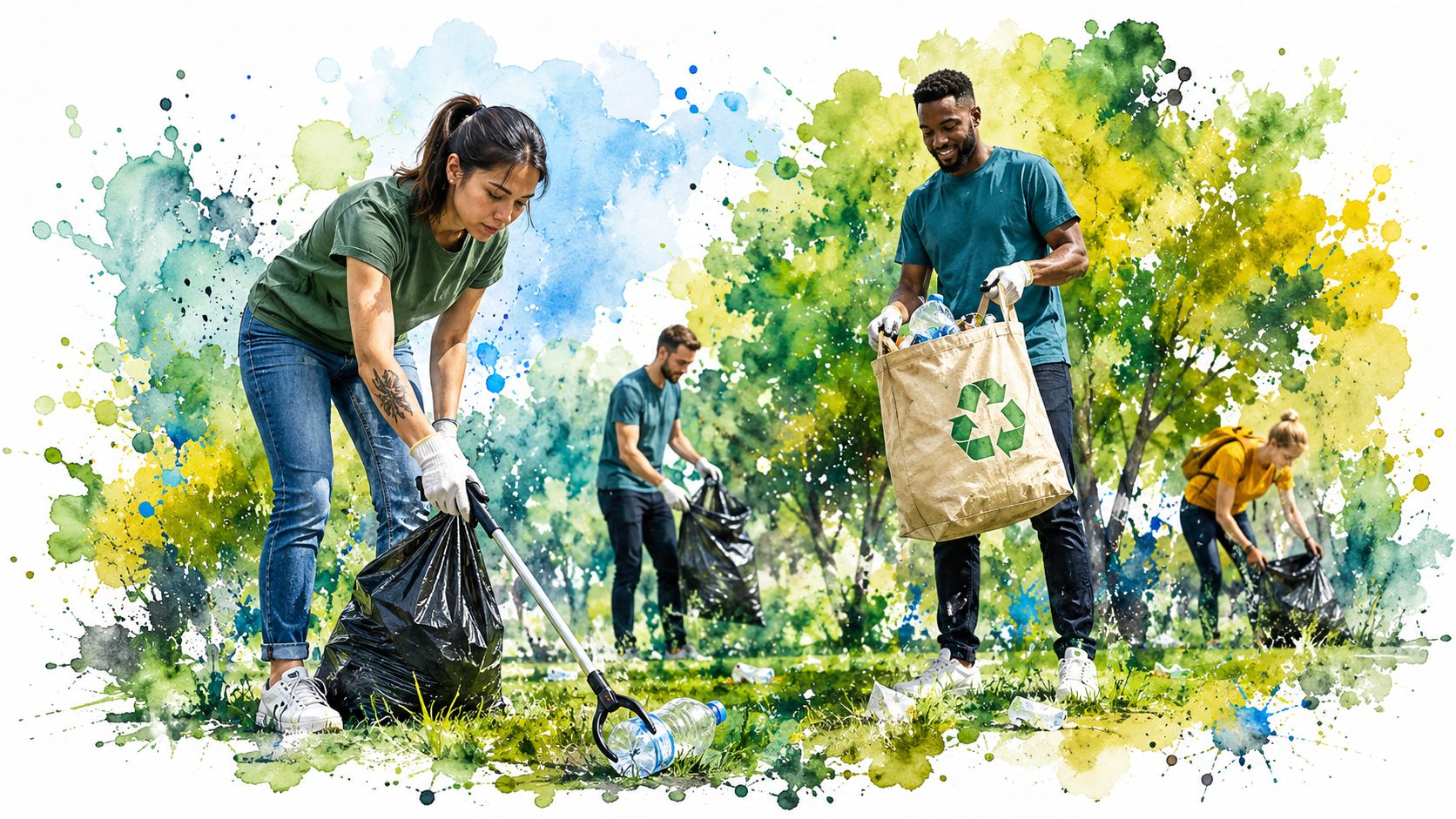
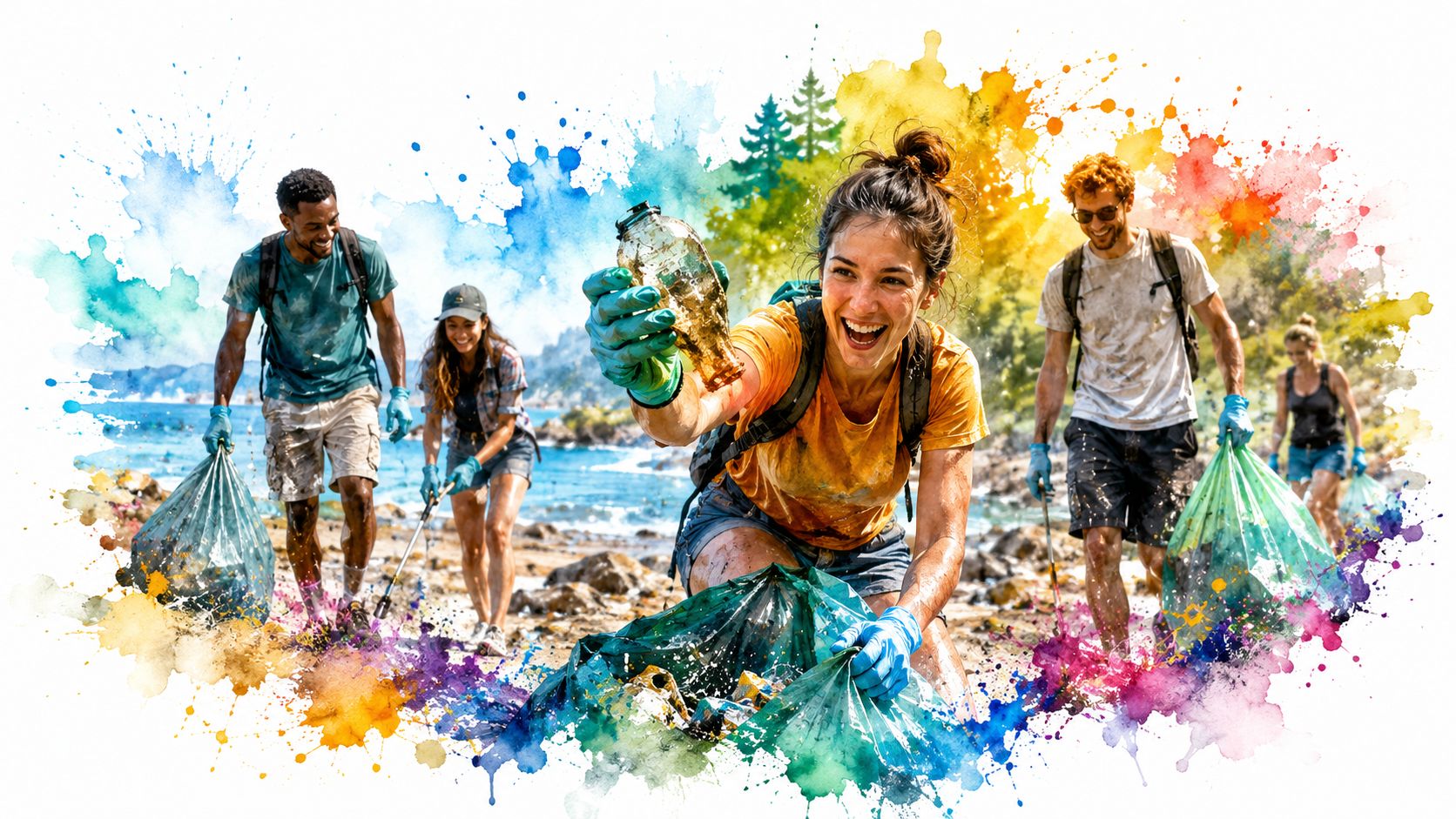
So I did something strange. I cleaned up someone else's mess instead. I went outside with two friends, grabbed bags, and started picking up litter. Then the sky turned on us. Hail. Wind. Cold fingers. Canceled rides. We stood there shivering under a tree, laughing like idiots.
That day taught me something I still carry. Hard work with good people changes you. It scrapes off excuses. It gets you out of your head. It gives you a small win you can hold in your hands. One full trash bag. One cleaner block. One proof that you can face discomfort and keep moving.
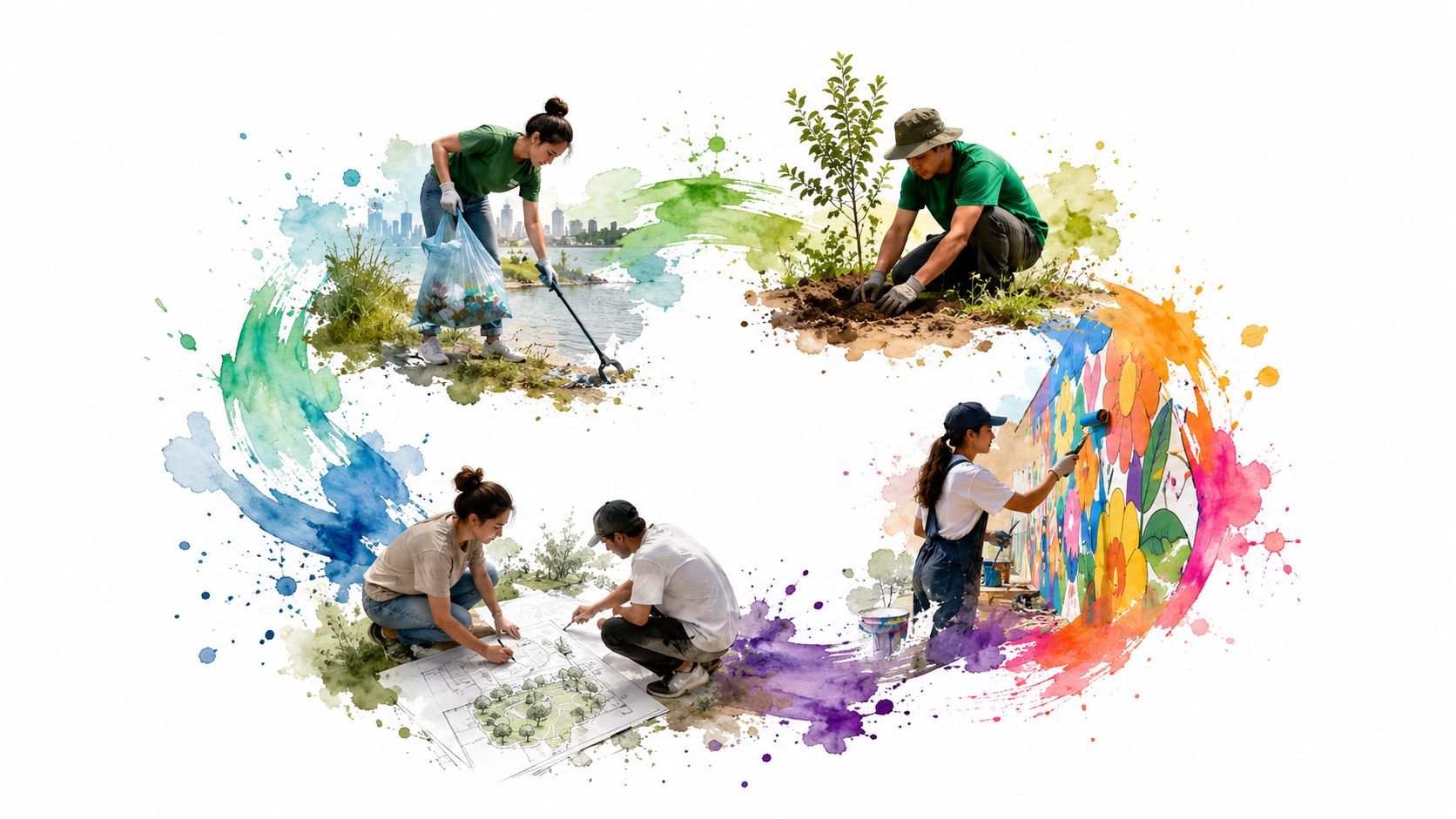
That's how I think about neighborhood improvement projects. Sure, they fix streets, lots, sidewalks, and parks. But they also fix something inside the people who show up. You learn consistency. You learn courage. You learn that friendship comes easier when your hands are busy and the work is real.
If your life feels stuck, don't wait for some perfect plan. Start outside. Start with something ugly and neglected. Put your back into it. Let the work introduce you to a stronger version of yourself.
1. Community Litter Cleanup Crews
The first cleanup crew I joined had all the polish of a garage band's first show. We had bags, gloves, bad timing, and no clue what weather was coming. It was miserable for about ten minutes. Then it became fun, because struggle shared with other people has a weird way of turning into glue.
That's why cleanup crews work. You're not asking people to care in theory. You're giving them a route, a bag, and a visible problem they can attack together. A block with trash on it feels hopeless. A block with six people cleaning it feels alive.
Build a crew, not a one-off event
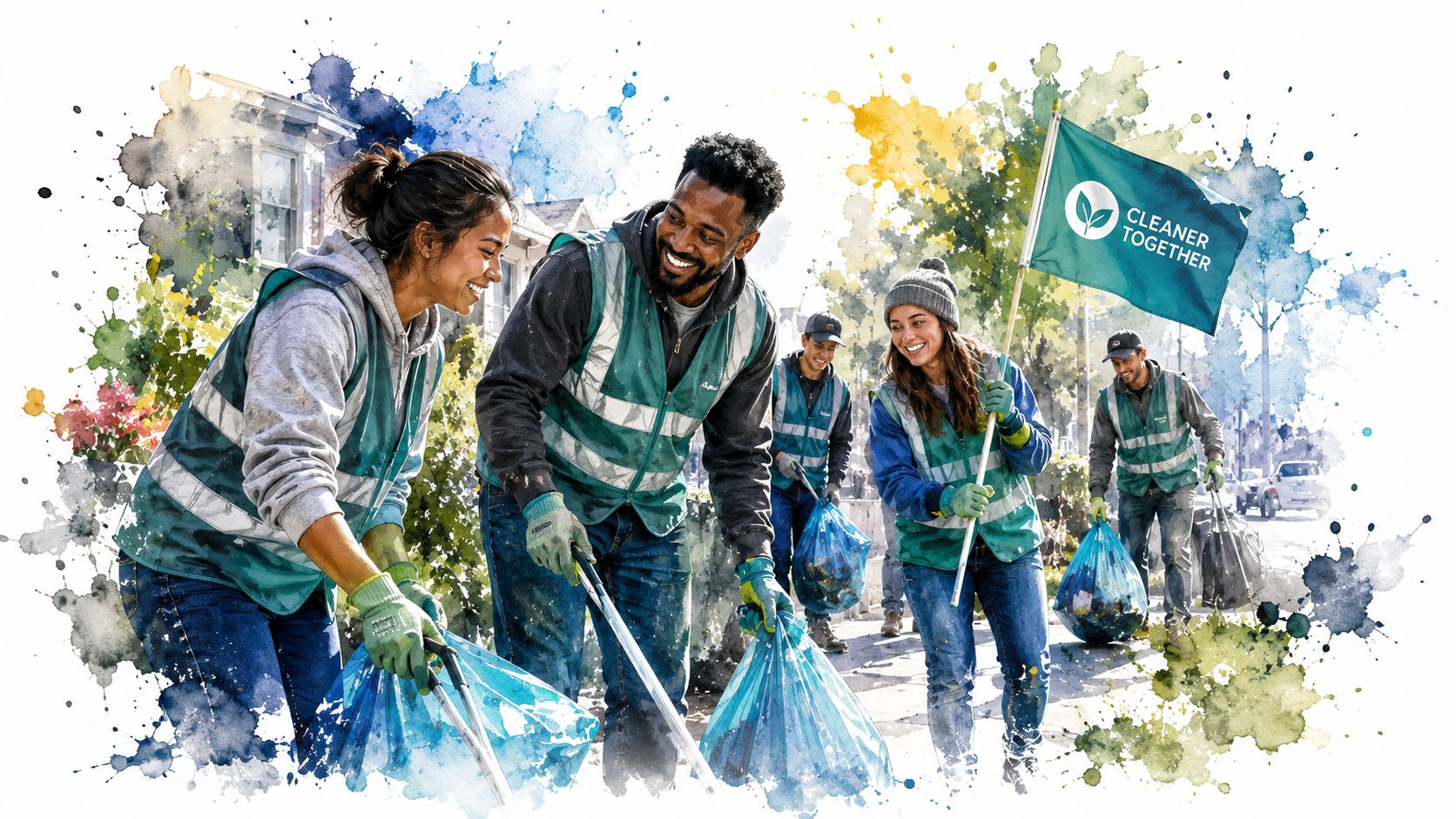
I like to think of litter crews like a rec league team. The point isn't one heroic Saturday. The point is rhythm. You show up on the same morning, people start trusting the schedule, and strangers slowly become the kind of friends who text each other when they're running late.
One lesson matters more than commonly assumed. Weekend mornings filter for a different kind of volunteer. A Mercatus neighborhood-strength brief makes the same point plainly: weekend morning timing is the sharpest filter for attracting givers instead of party people.
Practical rule: Pick a schedule that shapes the culture you want. Time is a filter.
If you want help getting one off the ground, use this guide on how to organize a neighborhood cleanup.
- Start with one dependable route: One alley, one park edge, one commercial strip. Let consistency beat ambition.
- Pair rookies with regulars: People stay longer when they feel useful in the first hour.
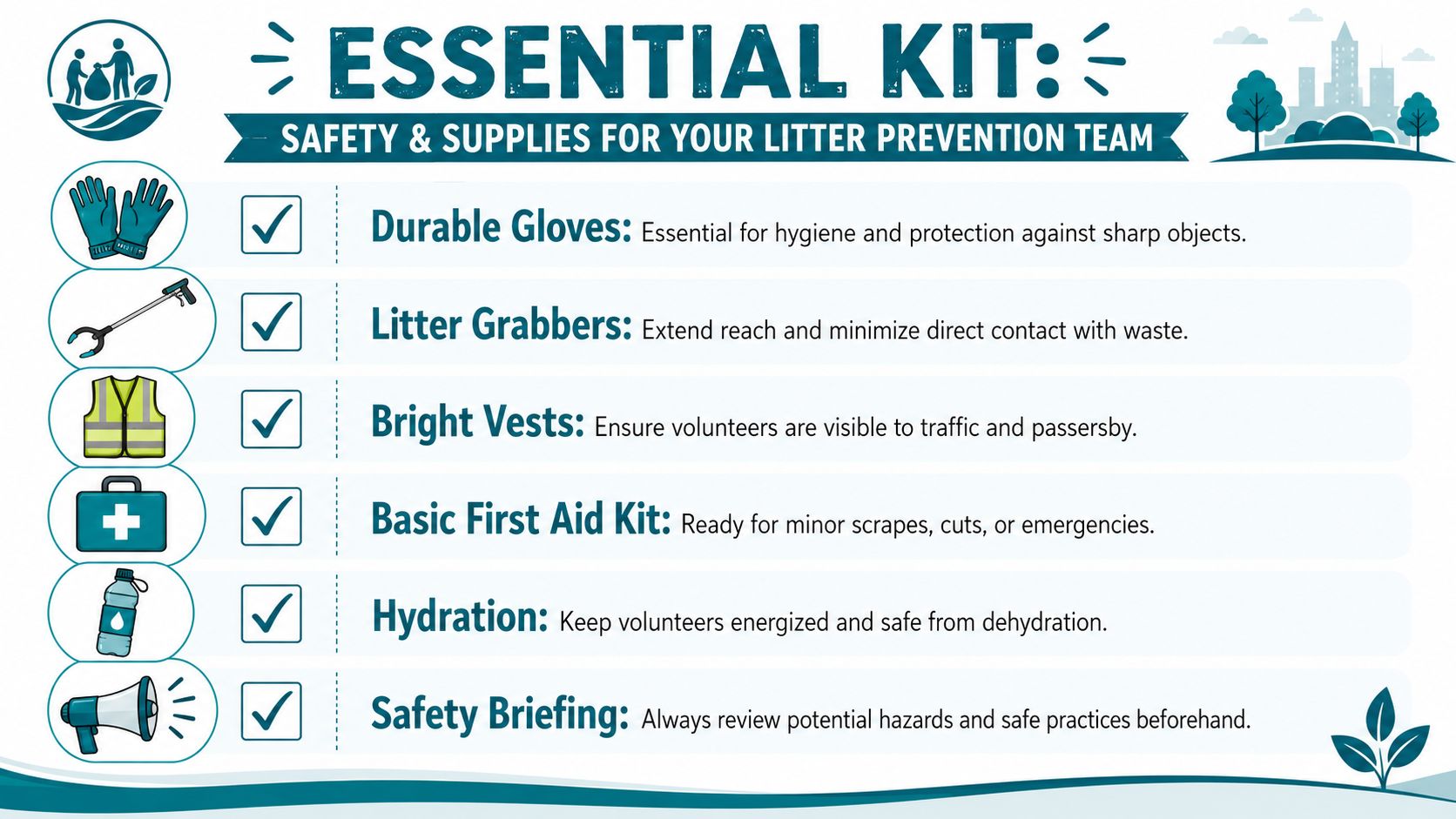
- Give the crew an identity: Safety vests, a flag, matching grabbers, even a dumb team nickname. Pride matters.
- Protect volunteer energy: Don't turn every cleanup into a fundraising pitch. Let the work be the work.
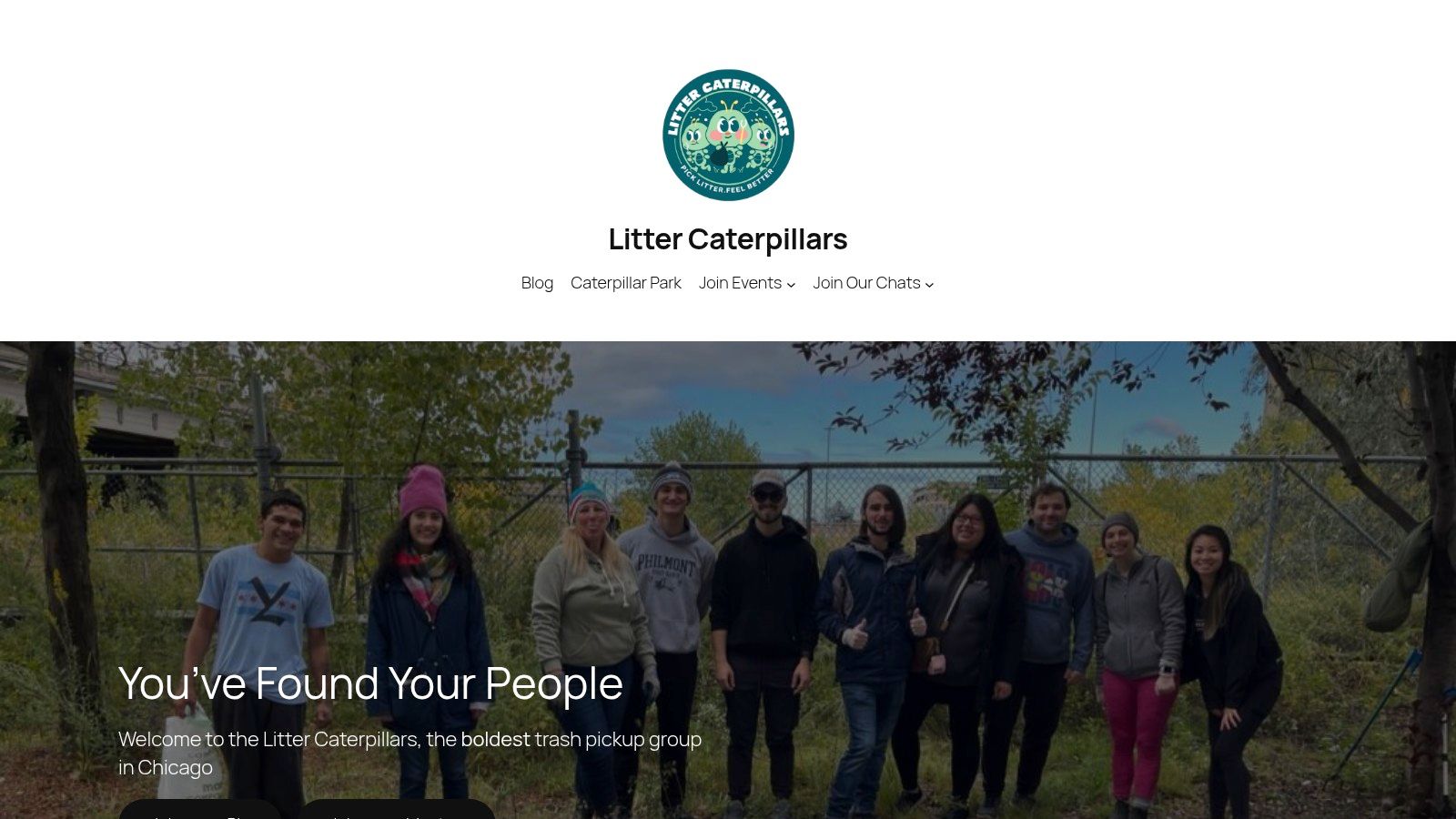
Chicago's Litter Caterpillars built their name through weekly pickups across the city, rain or shine. You can do the same on a smaller scale. Your first crew doesn't need to look impressive. It just needs to return next week.
2. Vacant Lot Transformation into Parks
An empty lot can mess with your head. You walk past it enough times and start accepting neglect as normal. Broken fence. Weeds. Dumped junk. Dead space. Then one day somebody cuts it back, clears it out, puts down seating, and suddenly the same ground feels like a different world.
That kind of change hits hard because it's physical. You can point at the dirt and say, “Yeah, this used to be a mess.”
For me, this project always feels personal. Taking land that people gave up on and turning it into a gathering place is a lot like rebuilding your own life after chaos. You don't begin with perfection. You begin by clearing what's rotten.
Video tells that story better than theory sometimes.
Start rough, then keep shaping it
In Englewood, Litter Caterpillars bought two adjacent lots at 6316 and 6318 South Sangamon Street for exactly $10,000 at a wide land auction organized by Hilco in April 2025. I love that story because it isn't polished. It's direct. See a problem. Get the lot. Start building.
You can read more of that journey in the tale of the vacant lot.
A park project doesn't need fancy bones on day one. It needs clearing, a path people can walk, and a reason to pause there.
What people actually use
- Add seating early: A bench or simple chairs invite people to stay, and staying changes how a place feels.
- Create a maintenance rhythm: If nobody owns the weeds, the weeds win.
- Ask neighbors one blunt question: “What would make you come here?” Kids' play space, shade, flowers, a grill area, raised beds. Let the answer shape the site.
- Open it with a real gathering: Music, snacks, cleanup supplies, introductions. A place becomes public when people make a memory in it.
Philadelphia, Detroit, and Chicago all have examples of neighbors reclaiming forgotten land this way. The pattern is simple. Dead ground drags people down. Shared green space lifts them back up.
3. Street Mural and Public Art Programs
Some blocks look tired before anybody even says a word. Blank walls do that. They flatten a place. Then a mural goes up and the whole street gets a pulse.
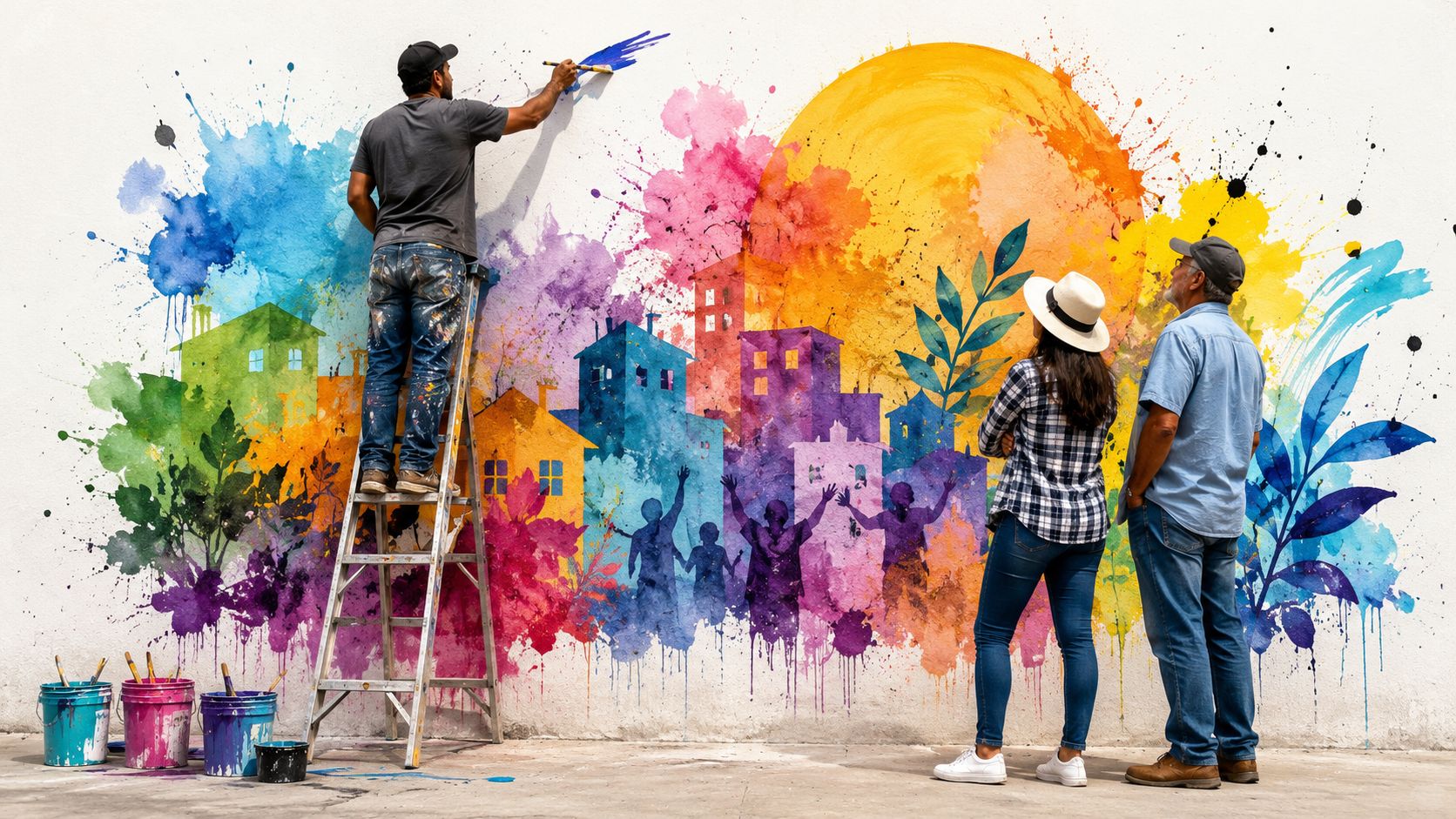
I've seen people stop in front of painted walls the way they stop in front of a campfire. They lean in. They talk. They take pictures. They straighten up a little. Color gives people a reason to look longer, and looking longer is the first step toward caring.
Paint changes the temperature of a block
Think about neighborhoods like living rooms. A bare cinderblock wall says, “Get through this space.” A mural says, “Somebody bothered.” That emotional shift matters. It can make nearby residents more protective of the area and more willing to join cleanups or report damage when they see it.
Chicago's Pilsen neighborhood, Philadelphia's long-running mural culture, and Denver's RiNo all give you strong models. The lesson isn't “copy their style.” The lesson is “use art to make care visible.”
A good mural gives a block a face. Once a place has a face, people treat it differently.
Keep the project grounded
- Get permission in writing: Don't skip this. Enthusiasm isn't a permit.
- Use local artists first: Art lands better when it sounds like the neighborhood that has to live with it.
- Invite residents into the design: Ask for themes, names, symbols, memories.
- Plan touch-ups from the start: Sun, weather, and tags don't care how beautiful the wall is.
One of the best versions of this project is simple. Pick the ugliest wall on a route people walk. Then replace “nobody cares” with something people want to show their friends.
4. Community Garden and Green Space Development
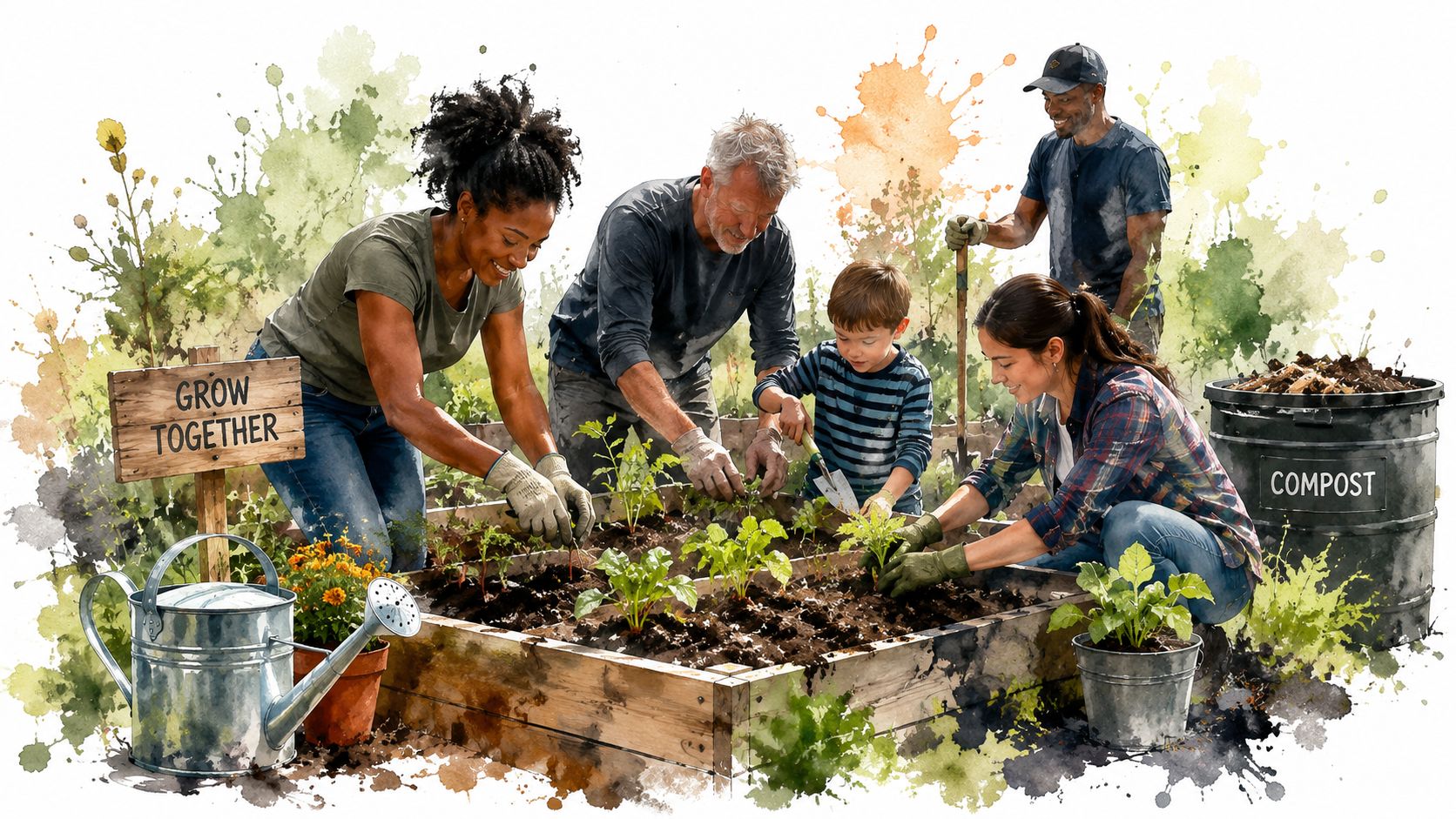
Gardens are sneaky. You think you're building raised beds and tomato cages. Then a month later you realize you've also built a place where people slow down enough to talk.
I love community gardens because they give people a clean, honest feedback loop. You water. It grows. You ignore it. It droops. That kind of clarity is rare in modern life.
A garden teaches people they can tend something
In Mexico, the Hábitat para el Desarrollo program randomly allocated $68 million across low-income urban neighborhoods, averaging $567 per household, and the investment improved infrastructure access while also triggering private investment in housing stock. I like this example because it shows a basic truth. When people see a place improve, they often start investing their own effort and money too.
A garden can create that same chain reaction on a smaller patch of land. One clean bed turns into three. One tomato plant turns into a conversation about fencing, water access, herbs, compost, and whose grandma knows how to grow peppers right.
If you want local inspiration, check out these community gardens in Chicago, IL.
Keep the first season humble
- Begin with a manageable footprint: A few plots beat a giant failed field.
- Install water access before planting day: Hope is not irrigation.
- Mix skilled gardeners with beginners: Mentorship keeps a garden from becoming a clique.
- Celebrate harvests out loud: A shared meal does more for neighborhood trust than a rule sheet ever will.
Brooklyn, Detroit, Los Angeles, and Chicago all have gardens built on land that once looked useless. That's why I push this project so hard. A garden lets people practice hope with their hands.
5. Neighborhood Beautification Through Tree Planting
Tree planting is one of the few projects where you get two rewards at once. You get a workday now, with shovels and muddy shoes and jokes, and you get shade later. It's friendship in the present and patience planted in the ground.
I've always liked projects that ask you to think beyond your own mood. A tree doesn't care if you're in a slump. It still needs mulch, water, and a little room to root. That's healthy for people like me. It drags your attention out of your own mess.
Plant where people will notice the change
Street trees can soften a hard block fast. Even before they mature, they tell residents that somebody expects this place to have a future. Schools, church edges, bus-stop corridors, and stretches with too much concrete are all strong starting points.
The trick is follow-through. Planting day gets the photos. Watering day keeps the promise.
- Work with a city forestry team or local nonprofit: They'll help you avoid bad species choices and bad planting spots.
- Choose native or climate-suited trees: Don't set volunteers up to fail with something fragile.
- Tag stewards to each tree: One person checking in beats everybody assuming somebody else did it.
- Use schools when you can: Kids remember the tree they planted. So do their parents.
Chicago, Los Angeles, New York, and London all give you versions of this playbook. If you want a project that feels both practical and hopeful, this is one of the best neighborhood improvement projects you can start.
6. Neighborhood Walking Tours and Wayfinding Improvements
A lot of people “know” a neighborhood only through a windshield. That isn't knowing. That's passing through. When you walk a place, you notice the mural tucked behind the corner store, the old church stonework, the block where the gardens are thriving, the café owner who remembers names.
That's why walking tours matter. They teach residents and visitors to see what speed hides.
Help people move through the neighborhood with confidence
Wayfinding can be simple. Printed maps. Painted markers. Pole signs. A route that links transit, local businesses, public art, and places to rest. None of that sounds dramatic, but it changes behavior. People linger when they know where they're going.
I've seen longtime residents light up when a tour guide tells a story about a building they pass every week. Familiar streets start feeling fresh again, and that creates a different kind of ownership.
On-the-ground lesson: If you want people to care about a place, slow their bodies down long enough for their eyes to wake up.
Make the route human
- Interview people who've lived there a long time: Their stories beat any generic script.
- Train a few local guides: Don't let one person become the whole program.
- Add rest points: Benches, shade, water, bathrooms. Hospitality matters.
- Link the walk to local shops: Coffee after the tour keeps people talking.
Chicago has great neighborhood routes for this kind of work, and cities like Boston and San Francisco have long shown how a walking path can change how people relate to an area. If your neighborhood has history, beauty, food, odd little landmarks, or even just one great story per block, you already have material.
7. Graffiti Prevention and Removal Programs
Graffiti hits differently depending on the wall. A commissioned mural is one thing. A fresh tag sprayed across a storefront gate or brick wall can make a block feel like nobody's paying attention.
That's why speed matters. When residents remove new tags fast, they send a message right back. We saw it. We care. We're not asleep.
Respond fast, then create legal outlets
This project works best when you split it in two. First, rapid removal. Second, approved spaces for real art. If you only remove, you create a cat-and-mouse fight. If you only permit murals, you ignore the immediate frustration residents feel when tags keep appearing on homes and small businesses.
A good volunteer program trains people on safe paint matching, solvents, reporting, and when to leave gang-related markings to trained city crews or law enforcement.
- Set up a simple reporting channel: Group chat, form, or neighborhood text thread.
- Map repeat spots: Patterns tell you where lighting, cameras, barriers, or outreach may help.
- Work with property owners: Fast permission beats delays that let tags linger.
- Pull young artists into legal projects: Respect grows when people have a real wall to paint.
Chicago, Los Angeles, San Francisco, and New York have all used combinations of removal and sanctioned art. The heart of the project is simple. Don't let neglect sit there long enough to become normal.
8. Neighborhood Safety and Lighting Improvements
Fear changes how people move. A dark block empties out fast. A well-lit one invites dog walkers, commuters, kids with parents, and the ordinary flow of human eyes that makes a place feel less tense.
I care about this project because safety is practical, not abstract. If volunteers don't feel safe, they won't keep showing up. If seniors don't feel safe, they won't walk. If parents don't feel safe, they won't let kids use the park after dinner.
Start with what people avoid
Ask residents where they don't like walking at night. They'll tell you fast. The underlit bus stop. The stretch where trees block the lamp. The path by the lot. The corner where a broken fixture has been dead for months.
Then walk those spots in person. At dusk. On a weeknight. Don't guess from daylight.
A solid safety project can include better lighting requests, trimming overgrowth, cleaning around poles, documenting outages, and organizing evening walks after repairs so people reclaim the route together.
Use a simple field method
- Map dark gaps block by block: Don't rely on memory.
- Photograph dead lights and obstructed fixtures: Clear evidence helps city requests move.
- Trim what you can legally trim: Overgrowth can swallow half a lamp's reach.
- Bring residents back outside afterward: A safer block still needs people on it.
Cities like Chicago, Los Angeles, New York, and Philadelphia have all pushed lighting work in neighborhoods where people asked for it. If you want a project with immediate psychological payoff, this is one. Better light changes how a street feels the same night it works.
9. Sidewalk and Parkway Maintenance and Repair
Broken sidewalks don't look dramatic until you trip on one. Or try pushing a stroller over it. Or roll a wheelchair into a slab that has lifted like a crooked tooth. Then it gets real fast.
That's why I respect this work so much. It's plain. It's useful. Nobody needs a theory lecture to understand why a cracked walkway matters.
Fix the path people actually use
Community Development Block Grant neighborhood improvement projects have shown a very local housing-price effect. Homes within 500 feet of completed projects saw a 4.1% to 4.2% increase relative to untreated homes, with the effect emerging three years after completion and fading beyond 1,000 feet. I bring that up for one reason. Hyperlocal work matters. Improvement is often block-level, not magical citywide vapor.
So start where feet and wheels already go. Routes to schools. Routes to transit. Corners with missing curb cuts. Parkway strips full of weeds or broken edges.
Repair what people touch every day. That's where trust grows.
Mix volunteer work with city pressure
- Document hazards carefully: Photos, addresses, notes on who uses the route.
- Prioritize ADA barriers first: Accessibility is not an extra.
- Handle what volunteers can handle: Parkway cleanup, weeds, debris, minor surface prep where allowed.
- Stay on the city: Repairs often move because residents keep calling, emailing, and showing up.
Chicago, Boston, New York, and San Francisco all have neighborhoods where residents pushed hard for safer walking conditions. This project isn't glamorous. Good. Sometimes the best work looks boring right up until it changes somebody's daily life.
10. Community Events, Gatherings, and Skill-Building Programs
A neighborhood can have clean streets and still feel lonely. People need reasons to be together that aren't emergencies, complaints, or awkward nods from across a fence.
That's where events and classes come in. A block party, repair café, tool-share workshop, gardening lesson, or bike-fix day gives people a softer entry point into community life. Some folks won't come to a cleanup first. They will come to music, food, or a class where they learn something useful.
Let people arrive for fun and stay for purpose
I've seen this happen over and over. Somebody comes for a casual event, meets two decent people, hears about the next service project, and suddenly they're part of something. Skill-building helps because it gives adults a rare gift. Beginner status without shame.
Teach bike repair. Teach basic home patching. Teach composting. Teach how to use a drill without fear. When people fix one small thing with their own hands, they start believing they can fix other things too.
Build the social glue on purpose
- Start smaller than your ego wants: One good annual event beats a giant flop.
- Recruit role-based volunteers: Setup, welcome, food, cleanup, kids' area, instructor support.
- Create time to linger: Conversation before or after the activity matters as much as the activity.
- Turn learners into teachers: The strongest programs keep recycling leadership back into the neighborhood.
There's another reason I like these gatherings. A major World Bank neighborhood upgrading project in unplanned settlements directly benefitted 367,562 people with improved access to infrastructure and basic services, exceeding its revised target of 150,000 by more than two-fold. Big systems matter, sure. But in ordinary neighborhood life, shared services and shared spaces work best when people know each other.
Comparison of 10 Neighborhood Improvement Projects
| Initiative | Implementation Complexity 🔄 | Resource Requirements ⚡ | Expected Outcomes 📊 | Ideal Use Cases 💡 | Key Advantages ⭐ |
|---|---|---|---|---|---|
| Community Litter Cleanup Crews | Low, volunteer scheduling, route assignment | Low, gloves, bags, grabbers, disposal coordination | Immediate visible cleanliness; stronger neighbor ties | Quick wins; volunteer onboarding; frequent visible impact | High immediate impact; easy to scale; strong community building |
| Vacant Lot Transformation into Parks | High, land acquisition, legal work, design, permits | High, capital for purchase, infrastructure, long-term maintenance | Long-term neighborhood pride; increased property values; gathering space | Long-term revitalization; reclaiming blight; multi-use public space | Transformative physical change; high socio-economic return |
| Street Mural & Public Art Programs | Medium, approvals, artist collaboration, design review | Low–Medium, paint, scaffolding, artist fees, maintenance | Rapid aesthetic improvement; increased foot traffic and pride | Beautification corridors; youth engagement; cultural storytelling | High visual impact; relatively affordable; deters vandalism |
| Community Garden & Green Space Development | Medium, land access, plot design, irrigation setup | Medium, soil, tools, water access, education resources | Fresh food, skills transfer, social ties, improved mental health | Food-insecure areas; skill-building; multi-generational engagement | Produces tangible food + social resilience; year-round benefits |
| Neighborhood Tree Planting | Medium, planning with forestry, species selection | Medium, saplings, tools, training, watering stewardship | Long-term environmental benefits; shade; improved streetscape | Climate-resilience projects; long-term beautification | Long-lasting environmental & property value gains |
| Walking Tours & Wayfinding Improvements | Low–Medium, research, guide training, signage permits | Low, signage production, printed/digital guides, promotion | Increased foot traffic; stronger place identity; local economic boost | Cultural/historic neighborhoods; visitor engagement; small budgets | Low-cost activation; immediate community storytelling |
| Graffiti Prevention & Removal Programs | Medium, monitoring system, rapid response teams | Low–Medium, cleaning supplies, trained volunteers, approved walls | Reduced visual blight; deterred crime signals; outlet for artists | Areas with frequent tagging; youth engagement through legal art | Immediate visible results; engages artists; prevents neglect |
| Safety & Lighting Improvements | High, coordination with city, infrastructure upgrades | High, LED fixtures, installation, maintenance, permits | Increased night-time safety; more active streets; reduced accidents | High-crime or poorly lit corridors; enabling evening activities | Structural safety improvement with broad ripple effects |
| Sidewalk & Parkway Maintenance | Medium, assessment, city coordination, some contracting | Medium–High, materials, contractors, volunteer prep work | Improved accessibility and safety; immediate visible repairs | ADA access improvements; areas with damaged sidewalks | Directly improves mobility and safety; tangible results |
| Community Events & Skill-Building Programs | Low–Medium, event planning, volunteer roles, partnerships | Low–Medium, supplies, permits, instructors, promotion | Strong social cohesion; skill transfer; volunteer recruitment | Outreach, recruitment, education, launching larger initiatives | Builds relationships, attracts diverse residents, versatile impact |
Just Start. Bravery Is a Muscle
Don't overwhelm yourself by staring at the whole city. That's like standing in front of a filthy garage and deciding you have to organize every shelf before you touch a broom. You'll freeze. I know that freeze. I've lived in it.
Start smaller than your pride wants. Pick up one bag of trash. Clear one lot corner. Report one dead streetlight. Ask one older neighbor what this block used to look like. Plant one tree. Paint one wall with permission. Build one raised bed. Lead one walk. Host one little class with six folding chairs and a box of donuts.
That's enough.
Bravery isn't something you're handed. You build it the same way you build muscle. Reps. You do one hard thing. Then another. Then another. At first it feels awkward and heavy. Then one day you notice you don't panic as fast. You don't quit as fast either.
I think people make a mistake when they wait to feel ready before they act. Readiness usually comes after action, not before it. You get stronger by carrying weight, not by studying dumbbells from across the room. Neighborhood improvement projects work the same way. The project outside becomes training for the project inside.
And yes, some days will be annoying. You'll get rained on. People won't show up. Bureaucracy will drag. Somebody will leave a fresh pile of trash right after you clean. Good. That's part of the story. Friction gives the work texture. A little suffering makes the memory stick. It gives you something to laugh about later with the people who stayed.
That's another thing worth saying plainly. You're not only fixing places. You're finding your people. Real friendship often grows sideways. Not from trying too hard to network, but from carrying mulch together, scraping stickers off poles, pushing wheelbarrows, or huddling under a tree in bad weather because you were stubborn enough to show up.
So don't wait for permission to become the kind of person who acts. Choose a block. Choose a morning. Choose a project. Then go do the unglamorous thing with your whole heart.
You might walk home dirty, tired, and sore.
You also might walk home a little cleaner inside.
If you want a place to start, join Litter Caterpillars. Show up on a weekend morning, grab a bag, and do one hard, useful thing with good people. That's how cleaner streets begin, and it's also how a different life begins.