
Tag: volunteering near me

  • 7 Outdoor Volunteer Opportunities Near Me to Try in 2026

    7 Outdoor Volunteer Opportunities Near Me to Try in 2026

    I still remember staring at a half-frozen coffee cup on the curb and feeling weirdly relieved. Picking that up was easier than dealing with the mess in my own life. That's why outdoor volunteer opportunities near me stopped feeling like a search term and started feeling like a rope.

    “More Than Just Picking Up Trash”
    I get it. Sometimes life feels like a room that's just too messy to clean. Every little thing feels heavy. You want to make a change, but you don't know where to start. I've been there. The secret I found was that cleaning up someone else's mess is way easier than cleaning up my own. Getting outside, moving my body, and working with other people started a change in me. This isn't just about making a park look nice. It's about finding your strength, your people, and your own story of transformation, one piece of litter or one planted tree at a time.

    Making your search for outdoor volunteer opportunities simple, here are seven Chicago-area options I'd recommend to a friend, and each one gives you a different kind of day, a different kind of dirt under your nails, and a different story to take home.

    1. Litter Caterpillars

    Litter Caterpillars

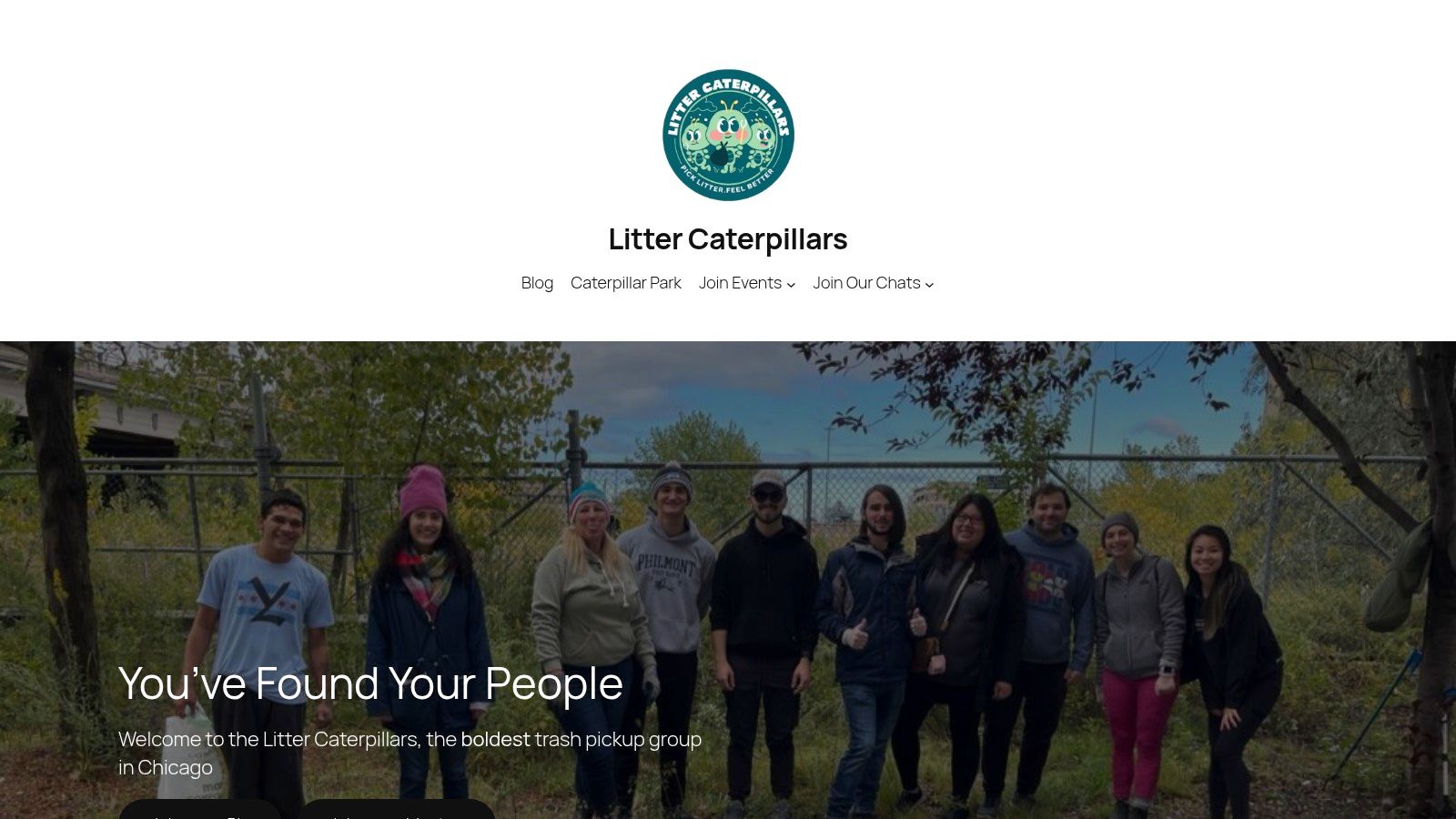
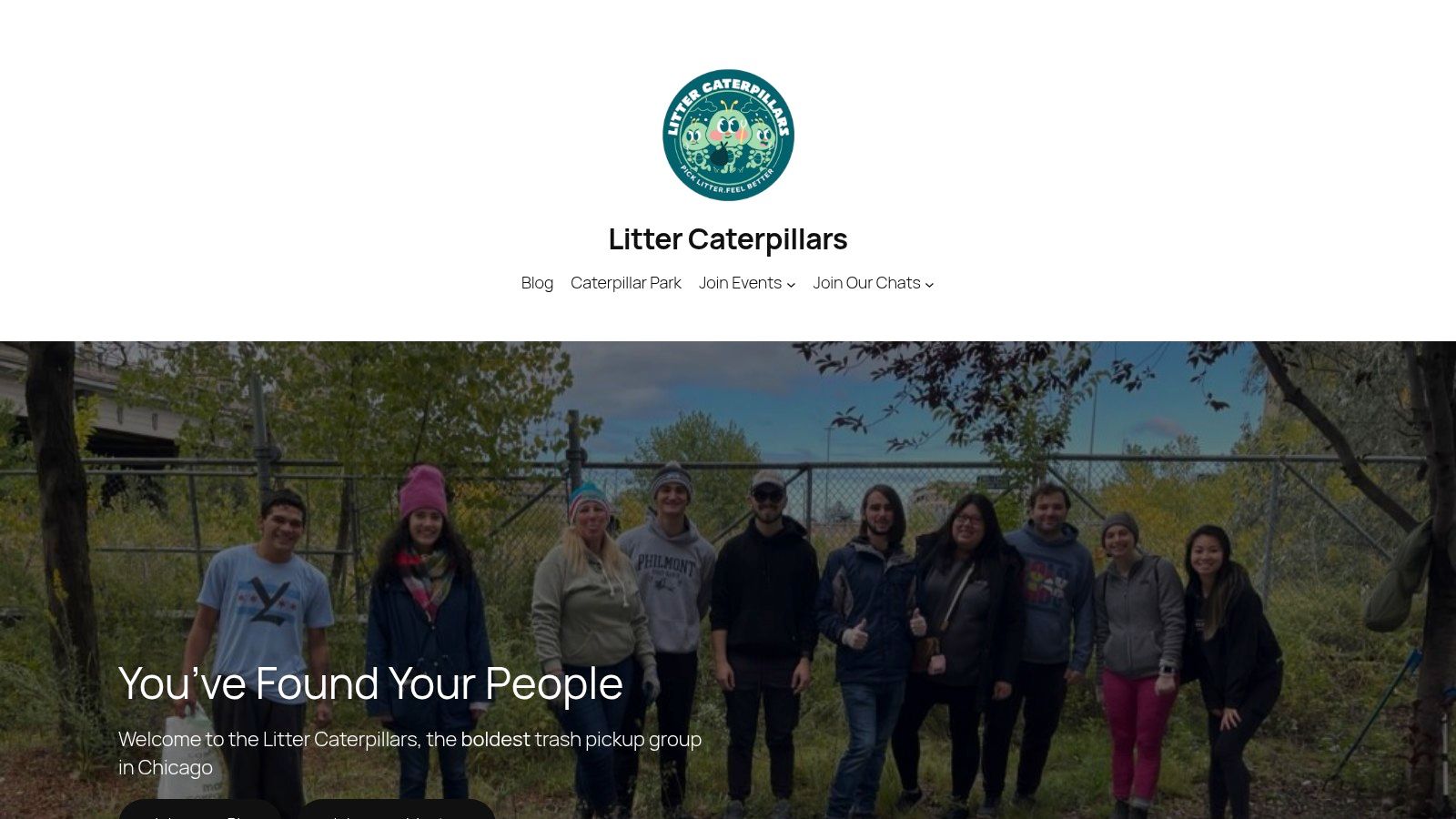
    The first time I heard about Litter Caterpillars, what got me wasn't the cleanup itself. It was the honesty. A guy was struggling, started picking up trash, and found that one small act gave him something solid to hold onto. I know how real that is. Sometimes you don't need a grand plan. You need gloves, a bag, and a reason to get out the door.

    Litter Caterpillars turns that feeling into a weekly habit. You show up on a Chicago morning, meet strangers who are oddly cheerful about cold weather and dirty work, and head into blocks that have been ignored for too long. Then you watch the place change in your own hands. A sidewalk looks cared for again. An alley stops feeling abandoned. You go home tired, a little gross, and more alive than when you arrived.

    That's why this group sticks with people.

    Founded by Kevin Tao and powered by volunteers, Litter Caterpillars meets week after week, rain or shine, across Chicago. The group has worked in every ward, including corners of the city that rarely get the polished version of civic love. If you want the clearest explanation of why this kind of work matters, their piece on environmental stewardship in everyday language puts it well.

    Why it stays with you

    There's a weird magic in the group's rituals. Flags. Songs. Badges. On paper, it sounds playful. Out on a freezing morning, it gives people courage. Shared rituals turn a cleanup into a crew, and a crew makes it easier to do hard things.

    Kevin's story is a big part of the pull. He started by cleaning up outside because the inside of life felt harder to face. That hit me in the chest when I first learned it. Volunteering can start as service, but sometimes it becomes recovery, confidence, and proof that you can still change something.

    “Suffering and freezing makes things interesting.”

    I love that line because it refuses to dress this up. Some days are uncomfortable. Some sites are messy. You may be hauling bags through wind, heat, or slush. Then someone cracks a joke, you clear a stretch of street that looked hopeless an hour earlier, and suddenly the whole thing feels less like a chore and more like the kind of adventure that changes your posture.

    What you'll probably love, and what might test you

    • Best part: The impact is immediate. You can point to a block, lot, or alley and say, “I helped change that.”
    • Culture: Volunteers come first. Safety matters. The vibe is welcoming, informal, and built for people who want to help instead of perform helping.
    • Community: It's easy to return and get to know people, which matters more than you think when you're trying to build a better life, not just fill a Saturday.
    • Challenge: The work can be physical, and Chicago weather has zero interest in your comfort.
    • Less ideal for: Anyone looking for a polished, corporate-style volunteer program centered on fundraising.

    The stories that come out of this group are part of the appeal too. People don't just pick up litter and disappear. They end up cleaning unusual sites, showing up for neighborhoods that deserve better, and helping create projects big enough to retell later. If you want outdoor volunteer opportunities near me to mean more than a list of places to sign up, start here. Litter Caterpillars makes service feel like the first brave thing you do before the rest of your life catches up.

    2. Chicago Park District Natural Areas Community Stewardship Days

    Chicago Park District – Natural Areas Community Stewardship Days

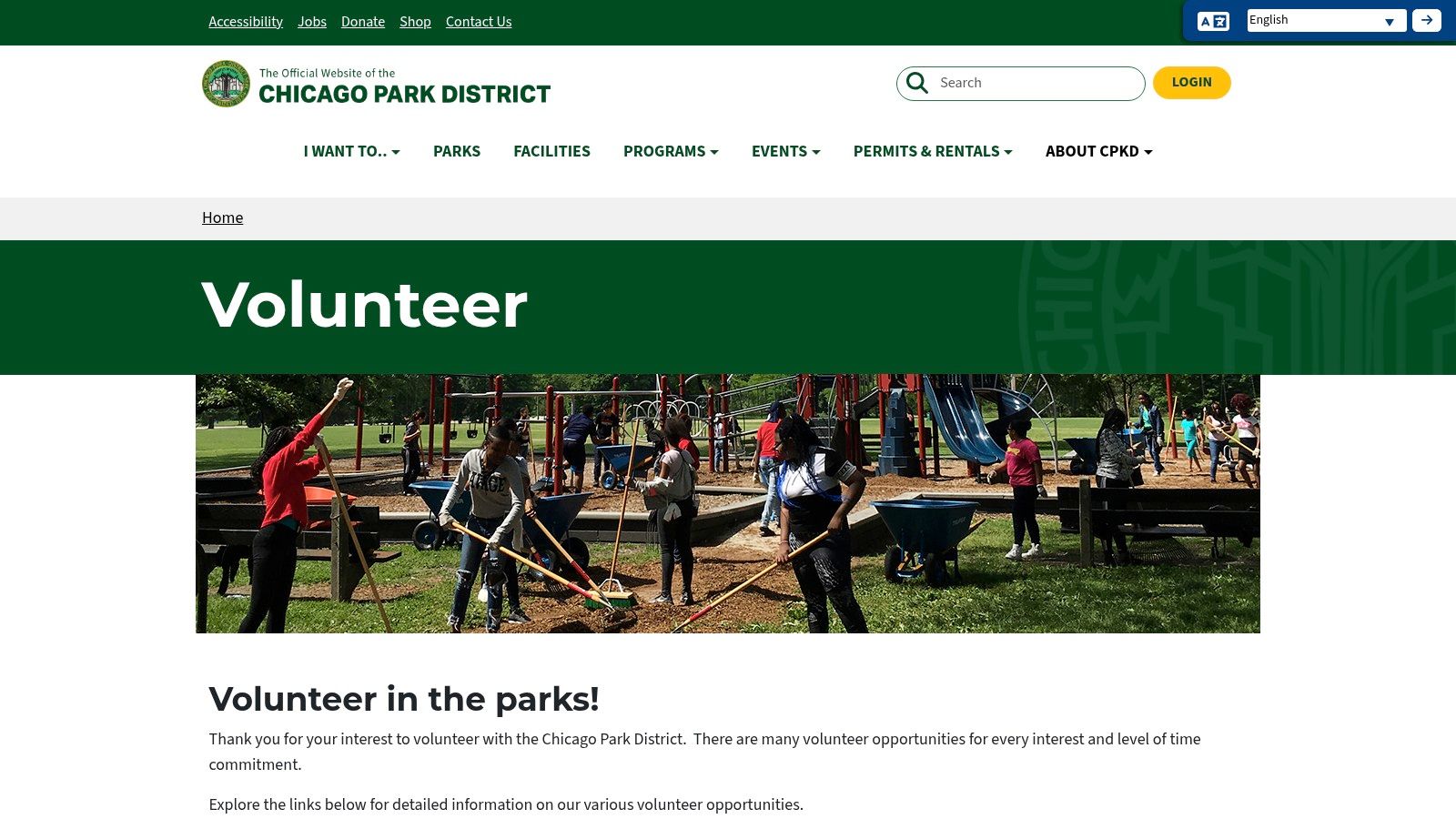
    Maybe you don't want a big identity shift on day one. Maybe you want to start close to home, in a park you already pass on your dog walk or your commute. That's where Chicago Park District volunteer opportunities make sense.

    These stewardship days focus on natural areas across the city. The work can include beach and dune care, prairie and woodland restoration, trail work, and seasonal cleanups. I like this option for people who want to test the waters without overcomplicating the search for outdoor volunteer opportunities near me.

    Start where you already are

    There's something powerful about helping in a place that already belongs to your weekly life. You stop seeing “the park” as background. You start noticing paths, weeds, shorelines, and the small signs that a place is either cared for or left to slide.

    If you want a better feel for the idea behind this kind of work, I'd read this plain-English take on environmental stewardship. It puts words to the instinct a lot of us already have when we pick up litter or pull invasive growth from a trail edge.

    Practical rule: Pick the site with the easiest commute first. Convenience is underrated. A short trip makes it easier to come back.

    Why you might choose it

    • Near-home access: It's easier to find neighborhood-based service.
    • Flexible rhythm: You can join once or come back regularly.
    • Good for groups: Families, friends, and coworkers can sign up together.
    • Tradeoff: Event timing changes by site, and some tasks depend on the season or the weather.

    This one feels like learning to cook with simple ingredients. Nothing flashy. Just repeated, local action until your hands know what to do.

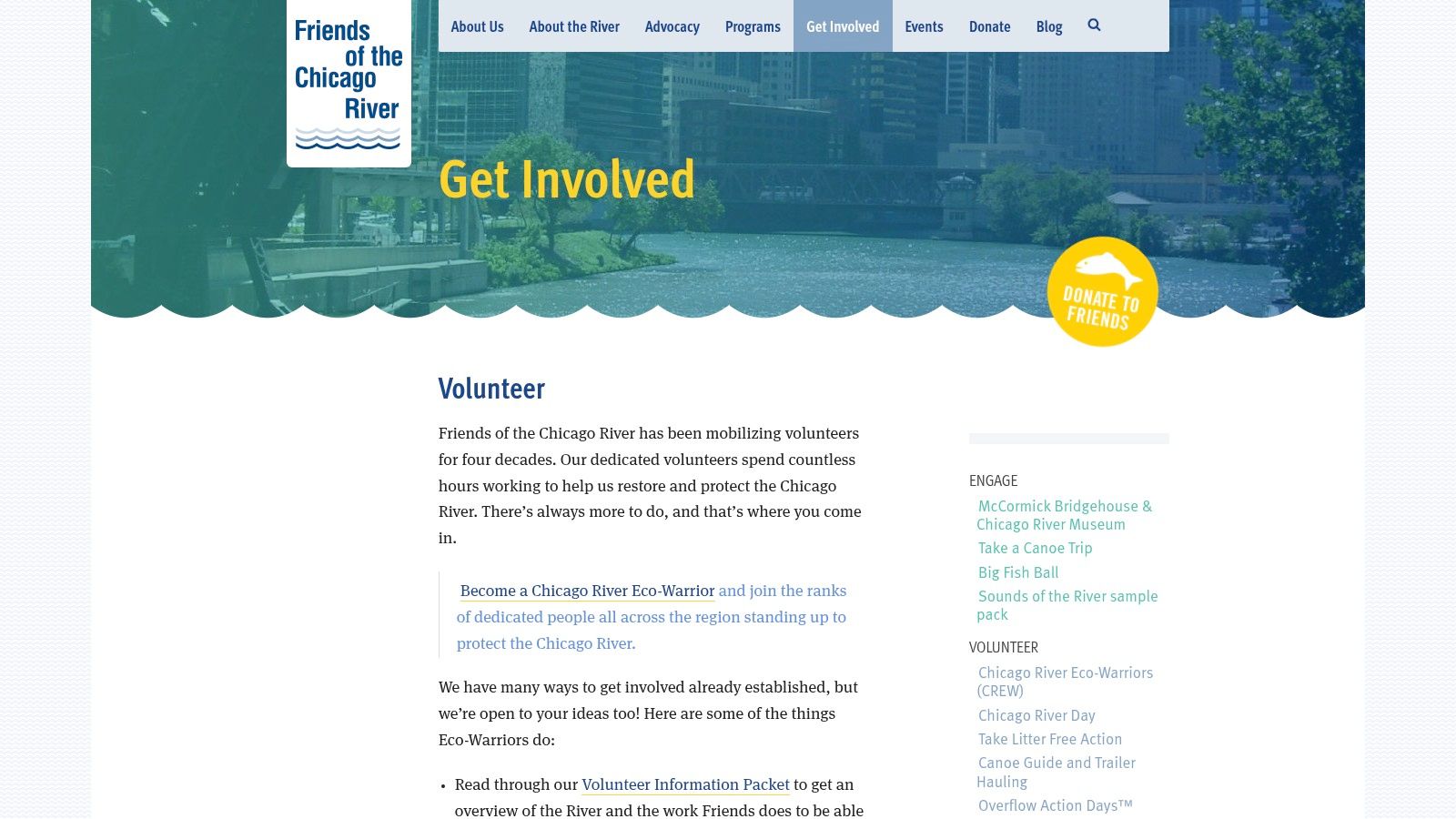
    3. Friends of the Chicago River Volunteer Stewardship and Chicago River Day

    Friends of the Chicago River – Volunteer Stewardship & Chicago River Day

    The river has a way of making human neglect visible. Trash catches in reeds. Plastic snags against stone. You can't unsee it once you notice. That's why Friends of the Chicago River volunteer programs feel so direct.

    Their stewardship work includes habitat restoration, litter removal, and invasive species work along the Chicago-Calumet river system. If your brain likes the idea of cleaning a place where water, wildlife, and the city all crash into each other, this is a strong choice.

    River work feels immediate

    A river cleanup has a different emotional texture than a park cleanup. Water carries things. It also reveals things. You start thinking about what washes downstream and what gets stuck right where kids walk, birds feed, or plants try to grow.

    If that part of the work pulls you in, this piece on cleaning up a river is worth a read before your first event. It gives you a better sense of why river edges get messy so fast and why regular effort matters.

    One specific route into this world is the Chicago River Eco-Warriors Crew. Their Wildlife Monitor role lets volunteers monitor osprey nesting poles and submit fillable observation sheets monthly to [email protected], according to the CREW Wildlife Monitors page.

    Some days you haul trash. Some days you watch for life returning. Both feel good.

    Good fit for you if

    • You want water-focused work: Riverbanks make impact easy to see.
    • You like options: There are smaller stewardship days and the larger Chicago River Day event.
    • You appreciate guidance: Training and tools are provided on site.
    • You should know: Some sites may be farther from your neighborhood, and popular annual events can fill fast.

    I'd send first-timers here if they want a day that feels earthy and civic at the same time.

    4. Alliance for the Great Lakes Adopt-a-Beach

    The first time I joined a beach cleanup, a kid a few yards away held up a plastic fork like he'd found evidence at a crime scene. He looked at the water, looked at the fork, and just said, “Why is this here?”

    That question stays with you.

    A beach has a way of making the problem feel personal. You're standing where people come to breathe, to swim, to bring their families, and the trash is right there at your feet. That's why Alliance for the Great Lakes volunteer opportunities hit differently for me. The work is simple to understand, and the impact shows up fast.

    Adopt-a-Beach gives you two ways in. You can join a cleanup that already exists, or you can lead one yourself. I love that setup because it meets you where you are. Some people need a low-pressure first step. Some people are ready to text three friends, pick a date, and become the reason a stretch of shoreline looks better by noon.

    That second path matters more than it sounds. A lot of us are waiting to feel qualified before we lead anything. Beach cleanups are a good place to get over that. You show up, learn the system, collect the trash, log what you found, and suddenly you're not just helping. You're becoming the kind of person who starts things.

    For people who want proof their morning mattered

    This program doesn't stop at filling bags. Volunteers also collect standardized litter data, which gives the cleanup a second life after you leave the sand. Your hands do the work. The record of what you found helps show patterns over time.

    The software side of volunteer work has grown with that need. The global volunteer management platforms market was valued at about USD 1.3 billion back in 2024 and is projected to reach USD 3.1 billion by 2033, according to DataHorizzon Research on volunteer management platforms. That makes sense to me. Groups need practical ways to organize people, track events, and keep volunteers coming back.

    Why this one sticks

    • Easy entry point: You can join a local cleanup without taking on a big commitment.
    • Room to grow: If you want more ownership, captain roles let you organize your own site.
    • Clear visual payoff: A dirty beach can look dramatically better in one morning.
    • A little more responsibility: Captaining means handling coordination and reporting, and the busiest months can fill up fast.

    If the Litter Caterpillars story speaks to you, this is one of those places where that spark can turn into courage. You don't have to arrive as an organizer. You can become one by starting here.

    5. Shedd Aquarium Action Days

    Sometimes you want a volunteer day that has a little more scaffolding. You want staff. You want orientation. You want somebody to tell you where the gloves are, what the plan is, and why this patch of shoreline matters. Shedd Aquarium volunteer programs are great for that.

    Action Days include beach and shoreline cleanups, habitat restoration, and citizen-science activities around the Great Lakes. For first-timers, that mix can feel reassuring. You get the outdoor work, but you also get a learning layer that helps the day stick in your mind.

    A good first chapter

    I often think of this option as hiking with a guide your first time on a new trail. Could you stumble through alone? Maybe. But a good guide changes your confidence. They name things. They answer the awkward questions. They make the whole experience less intimidating.

    That's what Shedd does well. If you're nervous about showing up alone, unsure what to wear, or worried you'll do something wrong, this kind of organized day smooths out the fear.

    Small truth: A lot of people don't need more motivation. They need a calmer first experience.

    Best for

    • Beginners: Staff-led events lower the friction.
    • Groups: Classes and companies usually like organized logistics.
    • Curious people: The educational part gives context to the physical work.
    • Limitation: Dates can be limited, events can fill, and some activities may have age requirements.

    I'd also point parents, teachers, and team leaders here. When you're bringing other people, order helps.

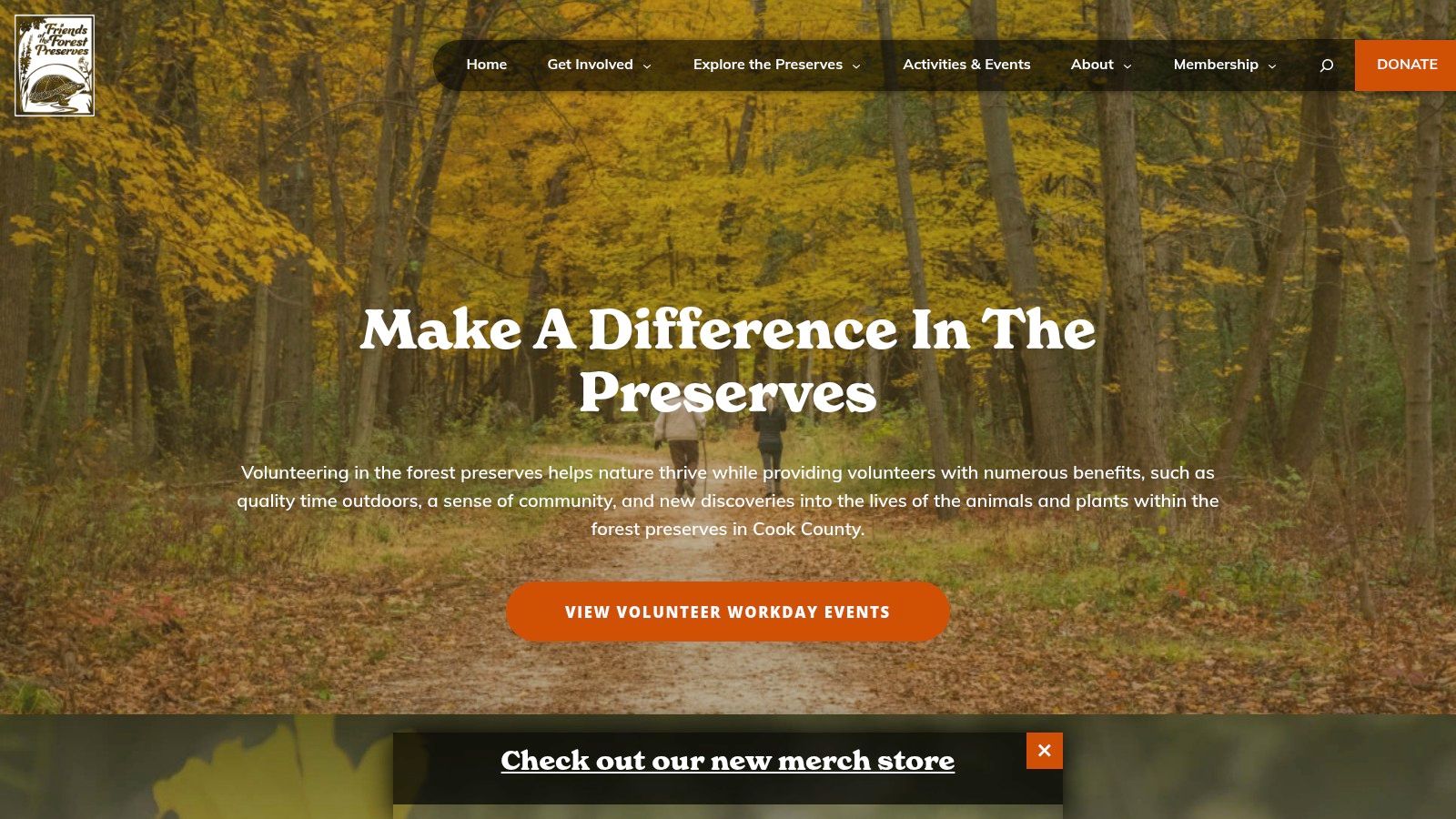
    6. Friends of the Forest Preserves Habitat Restoration Workdays

    Friends of the Forest Preserves – Habitat Restoration Workdays (Cook County)

    If city volunteering feels like the shallow end of the pool, Friends of the Forest Preserves volunteer workdays offer an opportunity to swim farther out. These workdays place you in prairies, savannas, wetlands, and woodlands across Cook County. The tasks can include brush cutting, seed collection, trail maintenance, and litter removal.

    I like this option for people who want a routine. Forest work has a rhythm to it. You return to a site and start to recognize what changed since last time, what grew back, what got cleared, what still needs your hands.

    The routine is the point

    A lot of volunteer content treats service like a one-off date. Show up once, smile for a photo, go home. But regular work changes you differently. According to National Environmental Education Foundation guidance on finding outdoor volunteer opportunities, 78% of outdoor volunteers join single-day events, while only 12% take part in weekly recurring programs. That gap is real, and I think it matters.

    Weekly or recurring service gets under your skin in a good way. It becomes less like attending an event and more like becoming the sort of person who shows up.

    If you want language for the bigger project behind this work, this introduction to environmental restoration is useful without getting too academic.

    Why people stick with it

    • Year-round schedule: You can build a habit instead of chasing random dates.
    • Skill growth: Stewardship leaders provide training and tools.
    • Community: You start seeing familiar faces, which changes everything.
    • Tradeoff: Some sites take more travel, and weather exposure is part of the deal.

    This one is for the people who secretly want a harder thing because they know harder things wake them up.

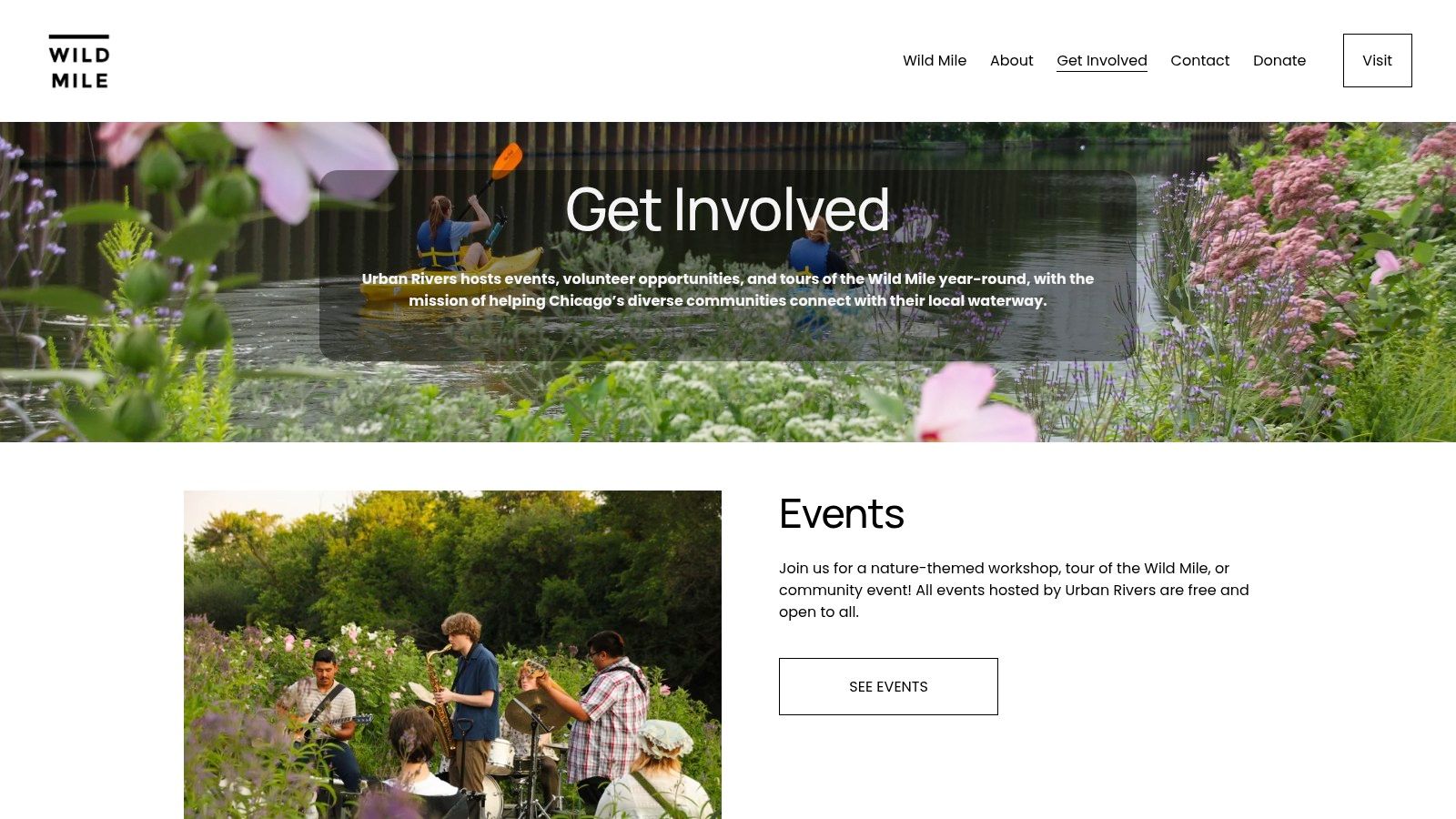
    7. Urban Rivers Wild Mile Chicago Floating Park Volunteers

    Urban Rivers – Wild Mile Chicago (Floating Park) Volunteers

    If you want your volunteer day to feel a little strange in the best way, look at Urban Rivers and the Wild Mile volunteer page. This is floating-park work on the North Branch Canal. You may help maintain floating wetlands, care for shoreline and native plants, remove trash by foot or kayak, or support eco-tours and public events.

    I love that this one feels a little futuristic and handmade at the same time. It's a city project, but it doesn't feel corporate. It feels like a group of people looked at a hard urban edge and said, “We can make this weirder, greener, and more alive.”

    For people who want a memorable first story

    Some volunteer gigs are useful. This one is useful and cinematic. You can end the day having planted on floating habitat or worked beside the water in a place that doesn't look like the Chicago many envision initially.

    There are entry-level roles and leadership paths like Event Facilitator and River Rangers. That range matters if you want to start small and grow into more responsibility later.

    The Forest Preserves of Cook County also has broad outdoor options, including opportunities at nature centers and wooded areas, and even ways to volunteer with a friend instead of alone, according to the Forest Preserves volunteer page. I mention that because some people need a buddy system before they try a more unusual setting like on-water work.

    The Nature Conservancy in Illinois also has outdoor roles that include removing invasive species, collecting native plant seeds, monitoring birds, and tending community gardens, with a zip-code search to find nearby options, according to The Nature Conservancy in Illinois volunteer page. Garfield Park Conservatory has volunteer roles in beekeeping, gardening, composting, and family programs, and notes that most positions have a minimum time commitment while staying flexible for busy adults, according to the Garfield Park Conservatory volunteer page.

    Keep in mind

    • Cool factor: On-water and floating-park work is memorable.
    • Growth path: You can move into leadership if you want more.
    • Good fit: Great for people who like unusual urban nature projects.
    • Watchout: Some roles need comfort near water, and weather can change plans.

    7 Local Outdoor Volunteer Opportunities Comparison

    Program 🔄 Implementation Complexity ⚡ Resource Requirements 📊 Expected Outcomes 💡 Ideal Use Cases ⭐ Key Advantages
    Litter Caterpillars Low coordination overhead; volunteer-led weekly meets Basic cleanup gear; minimal travel; volunteer time Visible neighborhood cleanup; community projects (e.g., park) Residents, students, young professionals seeking social, hands-on work ⭐⭐⭐ Bold identity; strong volunteer retention; easy to join
    Chicago Park District – Natural Areas Stewardship Days Moderate: partner-run schedules vary by site Tools & on-site guidance provided; local travel Native habitat restoration across many parks Hyper-local volunteers, families, recurring stewards ⭐⭐ Neighborhood-scale impact; family/group-friendly
    Friends of the Chicago River – Stewardship & River Day Moderate: site coordination + annual large event Training and tools provided; possible travel to river sites Waterway cleanup, habitat restoration; watershed mobilization Volunteers focused on aquatic ecosystems or large events ⭐⭐⭐ Clear waterway impact; mix of small and large events
    Alliance for the Great Lakes – Adopt-a-Beach Moderate: captain-led or join-a-team options Cleanup supplies; optional data collection/reporting Shoreline litter removal + standardized data for advocacy Flexible volunteers; groups wanting policy-linked data ⭐⭐ Regional reach; data-driven advocacy; flexible scheduling
    Shedd Aquarium – Action Days Higher complexity: staff-led logistics and education Staff supervision, materials, possible age limits Educational restoration and citizen science outcomes First-time volunteers, school groups, corporate teams ⭐⭐ Strong orientation and safety; educational value
    Friends of the Forest Preserves – Habitat Workdays Moderate: recurring calendar with steward leadership Tools, training provided; may require driving Prairie/woodland restoration; year-round opportunities Regular volunteers wanting skills and routine ⭐⭐ Robust schedule; strong restoration community
    Urban Rivers – Wild Mile (Floating Park) Higher: project-based, some on-water coordination Specialized on-water gear; kayak comfort; training High‑visibility urban habitat creation; maintenance of floating wetlands Volunteers seeking unique, skills-building on-water work ⭐⭐⭐ Signature project impact; memorable skill-building experiences

    Your Adventure Starts Now

    The first time I showed up to something like this, I almost bailed. It was early, my shoes were wrong, and part of me still thought volunteering was the kind of thing good people did while the rest of us kept making excuses. Then I spent a morning outside with strangers, picking up trash and talking about life between handfuls of broken glass and coffee cups. I went home tired, muddy, and steadier than I'd felt in months.

    That's the part nobody says clearly enough. These outdoor volunteer opportunities near me gave me more than a cleaner trail or riverbank. They gave me a place to put my restlessness. They gave me proof that I could show up, do something hard, and leave a place better than I found it. For me, that was the start of becoming braver.

    A lot of people already help in informal ways, while fewer connect with organized groups. The same U.S. Census Bureau civic engagement summary notes both that gap and the estimated value of a volunteer hour. I don't bring that up to make kindness sound like bookkeeping. I bring it up because your time matters in both human and practical terms. A few hours on a cold Saturday can clean a shoreline, restore habitat, and change the story you tell yourself about who you are.

    Pick the one that feels alive to you.

    Maybe that's the quick, gritty satisfaction of a neighborhood cleanup. Maybe it's a Park District stewardship day close to home, where you can learn the ropes without feeling overwhelmed. Maybe the river pulls at you, or the lake, or the preserves, or that strange beautiful floating park that makes the city feel new again. Each one gives you a different way in. None of them ask you to arrive as some finished, flawless version of yourself.

    You just have to show up.

    That's why this list matters. It isn't a directory you skim and forget. It's a trailhead. The Litter Caterpillars story carries that spirit. One small act, repeated with other people, can grow into a habit, a community, even a new identity. You start by grabbing a picker or pulling invasive plants. Then one day you notice you've become the person who says yes to hard mornings, fresh air, and work that leaves something real behind.

    If your life feels cramped right now, go outside and help somewhere real. Let the weather be annoying. Let your legs ache. Let your phone stay in your pocket for a few hours.

    You may come home with dirty shoes and a clearer head. You may come home trusting yourself more. Sometimes that's where the whole adventure begins.

  • How to Find Volunteer Work That Truly Inspires You

    How to Find Volunteer Work That Truly Inspires You

    That little whisper inside you, the one nudging you to do something that matters? That’s not just a fleeting thought. It’s the starting line of a really cool adventure.

    But here’s a secret I’ve learned: finding volunteer work that actually feels good isn't about luck. It’s about looking inward first, before you even start looking around. This guide is all about helping you connect what you care about with a real-world need. It's a LOT easier to make an impact than you think. And it's FUN!

    Find Your Why Before Your Where

    That desire to contribute is a powerful thing. But for a lot of us, it gets stuck right at the beginning. The options feel endless, the path is foggy, and we just keep asking, "Where do I even begin?" It's easy to get paralyzed.

    A thoughtful young woman sits at a wooden desk with a backpack, open notebook, and compass.

    The trick is to flip the question. Forget "where" for a minute. Let's start with "why."

    Think of it like planning a road trip. You wouldn’t just start driving. You'd pull out a map and decide on a destination first, right? Your "why" is your destination—it tells you which direction to point the car.

    Figure Out What Really Drives You

    Your personal mission is your compass. Once you know what you genuinely care about, the whole search process transforms from a chore into a treasure hunt for a role that feels like it was made for you.

    To get there, ask yourself a few honest questions:

    • What breaks your heart? Is it seeing trash all over your favorite park? Thinking about lonely animals in shelters? Or seeing kids in your community who could use a mentor?
    • What skills do you actually enjoy using? Do you get a weird satisfaction from organizing chaotic spaces? Are you a natural at striking up conversations with new people? Do you love getting your hands dirty outside?
    • What kind of change do you want to see? Are you looking for a tangible result, like a freshly painted community center, or a deeper personal connection, like helping someone learn to read?

    Answering these helps you find your lane. If animals are your thing, you can laser-focus on local rescues. If you're happiest outdoors, environmental cleanups are your jam. This isn’t about limiting yourself; it’s about aiming your energy where it will have the biggest impact—both on the world and on you.

    Before you start searching, take a moment to think about what truly motivates you. This table is a quick way to help you connect your personal passions with potential volunteer roles.

    Your Volunteering Compass: What's Your 'Why'?

    If You Love… You Might Enjoy Volunteering For… Keywords to Search
    Animals & Nature Animal shelters, park cleanups, wildlife rehab centers, community gardens "animal rescue," "trail maintenance," "urban gardening"
    People & Community Food banks, homeless shelters, mentoring programs, senior centers, local festivals "food pantry," "youth mentor," "community event"
    Hands-On Projects Building homes (like Habitat for Humanity), painting murals, repair cafés "community build," "beautification project," "fix-it clinic"
    Skills & Organization Tutoring, helping with taxes, grant writing, event planning for a non-profit "tutor," "VITA volunteer," "non-profit event"

    Thinking this through first makes the search way less overwhelming and way more exciting. You’re not just looking for any opportunity; you’re looking for your opportunity.

    The most powerful impact comes from a place of genuine connection. When your heart is in the work, it stops feeling like work and starts feeling like purpose.

    And you're definitely not alone in feeling this way. People are showing up. Formal volunteering in the U.S. jumped to 28.3% of adults between 2022 and 2023. That’s 75.7 million people—a massive 22% spike from 2021. You're becoming part of a huge, kind-hearted movement. You can discover more insights about the state of volunteering from SignUpGenius.

    So, let's use this guide as your map. We'll explore exactly how to find volunteer work that lights you up, making the experience not just helpful for others, but deeply rewarding for you, too.

    Discover Opportunities Beyond a Google Search

    Alright, you're ready to jump in. While a quick Google search is an obvious first step, the truly rewarding stuff—the opportunities that stick with you—are usually hiding just out of sight.

    Think of it like trying to find the best local pizza joint in a new city. You could look at the flashy ads, or you could ask a friend who lives there where the real hidden gems are. Let's be that friend. This is about finding the groups making a real, tangible difference, block by block.

    Tap into Specialized Volunteer Platforms

    The internet isn't just for cat videos; it's also home to massive databases designed to connect good people with good causes. These platforms are basically matchmaking services for your skills and passions. Instead of scrolling forever, you can use their filters to find exactly what you're looking for.

    Two of the best places to start are:

    • VolunteerMatch A huge network that lets you filter by cause, location, and even whether you want to help out online or in person.
    • Idealist This site is fantastic for finding not just volunteer roles but also jobs and internships with non-profits and mission-driven organizations all over the world.

    These hubs are clutch, especially now. The whole game is changing—short-term, flexible roles are getting super popular. In fact, 18% of formal volunteers now serve online. Platforms like these get it, and they’re making it easier than ever to connect people to the right opportunities. You can learn more about these volunteering statistics from ActivateGood.

    Here’s a peek at what you’ll see on VolunteerMatch. Notice how you can immediately start narrowing things down by what you care about and where you are.

    Overhead view of a volunteer app on a smartphone, coffee, and three papers with watercolor art.

    They put the "Cause" and "Location" filters right up front, so you don't waste time sifting through things that aren't a good fit.

    Go Hyper-Local for Maximum Impact

    While the big platforms are great, sometimes the real magic happens at the grassroots level. Your own neighborhood is probably buzzing with chances to help out, and these are the opportunities where you can see the impact of your work every single day.

    The most profound changes don’t always come from the biggest organizations. They come from a few dedicated people deciding to show up for their own street corner, their own park, their own community.

    Think smaller. Maybe even go analog. Here’s where to look:

    • Your Local Library: Seriously. Libraries are community cornerstones. Check the bulletin board for flyers from local groups needing help, from book clubs for seniors to tutoring programs for kids.
    • Community Facebook Groups: Search for your neighborhood’s name on Facebook. These groups are constantly sharing info about local cleanups, food drives, and events that need a few extra hands.
    • Meetup: This app isn't just for hiking clubs or learning to code. It’s a powerhouse for finding service-oriented groups, like our own Litter Caterpillars, who organize weekend cleanups all over Chicago. If you're in the area, you can check out some of our volunteer opportunities in Chicago and see what I mean.

    Finding volunteer work this way just feels different. You’re not just a name on a list; you’re a neighbor. You're meeting the people you're helping and building real friendships with fellow volunteers. This is how a one-time event can spark a lifelong passion for service. It’s authentic, it’s fun, and it’s right outside your door.

    Your Day Job Might Be Your Secret Volunteering Weapon

    What if you could make a real difference, not just on your weekends, but on the company clock? It sounds a little wild, I know. But one of the best-kept secrets for finding meaningful volunteer work is sitting right under your nose: your employer.

    Most of us never think to connect our 9-to-5 with our desire to give back. We keep those worlds separate. But more and more companies are building that bridge through corporate volunteering programs, and you should absolutely take advantage of it.

    This isn't just about a once-a-year "service day" photo-op. It’s a structured way to lend your professional skills to causes that desperately need them.

    Turn Your Professional Skills into a Superpower

    Think about it this way: your knack for project management could help a local food pantry organize its biggest donation drive ever. Or your coding skills could build a slick new website for an animal shelter, helping more dogs find their forever homes. That’s the ultimate win-win.

    You get to sharpen your skills in a totally new environment, your company gets to build a culture that isn't just about profits, and a cause you care about gets expert-level help they could never afford otherwise. It’s about turning what you do every day into a genuine force for good.

    You are an expert in something. Whether it's wrangling spreadsheets, writing clearly, or leading a team, those professional skills are like superpowers to a nonprofit running on a shoestring budget.

    This whole idea is catching on, big time. Corporate volunteering is booming, with 61% of CSR professionals reporting a jump in employee participation for 2025—the third year in a row it's grown. If you want to see the numbers for yourself, you can read the full report from Goodera on corporate volunteering. This movement is real.

    How to Find Out What Your Company Offers

    So, how do you tap into this? It’s way easier than you think. You just have to be brave enough to ask. Your Human Resources or People Operations department is the best place to start.

    Here’s exactly what to ask to get the ball rolling:

    • "Do we have a Volunteer Time Off (VTO) policy?" This is the holy grail—paid time off specifically for volunteering. It’s the clearest sign that your company actually backs this up.
    • "Are there any company-sponsored service days coming up?" These group events are a fantastic way to dip your toes in and meet other people at your company who actually care.
    • "Does the company help match our professional skills with nonprofits?" Some really forward-thinking places will actively connect your talents with organizations that need them.
    • "Is there a matching program for employee donations?" While it's not volunteering your time, it shows the company is willing to put its money where its mouth is.

    Don't be shy about starting this conversation. You're not just asking for a perk; you're showing that you’re invested in representing the company's values out in the real world.

    And who knows? You might even be the spark that gets a program started if one doesn't exist yet. That’s how real change happens—with one person having the guts to ask, “How can we help?”

    Make Your First Contact with Confidence

    Okay, you've found them. An organization that actually gets you excited. Now it's time to reach out and say hello.

    I get it. This part can feel like you're gearing up for a first date—a little awkward, with a lot of pressure to make a good first impression.

    Let's flip the script on that. You are not an inconvenience. You are the person they've been hoping would show up. These groups genuinely need people just like you, and that first "hello" is really just a warm handshake waiting to happen.

    Overhead shot of a person working on a laptop with a notebook, pen, coffee, and envelope.

    Ditch the Robot and Sound Like a Human

    Your first message doesn't need to read like a stuffy cover letter. It just needs to be human. The goal is to show you’re enthusiastic and dependable without sounding like you’re applying for a corporate gig.

    Keep it simple and sincere. Here's a quick message you can steal and tweak:

    Subject: Eager to Volunteer!

    "Hi [Organizer’s Name],

    I was so excited to find [Organization’s Name]! I’m really passionate about [Your 'Why' – e.g., cleaning up our parks, helping animals] and would love to get involved with your upcoming [Event Name or general need].

    I’m available [mention your general availability, like 'most Saturday mornings']. Please let me know the best way to get started.

    Looking forward to helping out!

    Best,
    [Your Name]"

    That's it. It’s friendly, direct, and gets straight to the point. No fluff needed.

    Your First Contact Checklist

    Before you hit 'send' or show up for your first day, take a moment for a quick gut check. Volunteering should fill your cup, not drain it. You deserve to feel safe, valued, and genuinely excited. If something feels off, trust that feeling.

    Your time and energy are precious gifts. Be brave enough to offer them to an organization that truly honors and protects that generosity.

    Before you commit, run through this quick safety and fit check. It'll help you make sure this is a good match for you.

    Checklist Item Why It Matters What to Look For
    Clear Communication It shows they respect your time and know how to set expectations. Do they respond in a reasonable time? Is the event info clear and easy to find? Or is it a confusing mess?
    Safety First Your well-being is non-negotiable. Period. Do they mention safety guidelines? Provide gear (like gloves or vests)? Is the location public and well-lit?
    Good Vibes You should feel welcomed, not like you're crashing a party. Is their language friendly and inclusive? Do photos from past events show people who look genuinely happy and engaged?

    This little bit of homework upfront can save you a ton of hassle later and get you plugged into a group where you'll actually thrive.

    Finding your footing is all part of the journey. For more guidance on making your volunteer experience a great one, check out our collection of valuable volunteer tips. This is about finding your people and your place.

    Making Your First Day Count

    Showing up to something new is always a trip.There’s that mix of excitement and a low-key fear simmering in your gut. Will I know what to do? Are the other people cool? What if I totally screw up?

    Let's just toss that whole script out the window right now.

    Two smiling professionals in work attire shaking hands, representing partnership and successful collaboration.

    Your first day volunteering isn't some high-stakes test. It's just page one of a new story. Your only job is to be open, listen, and learn what’s going on.

    Think of it like being a guest in someone's home. You wouldn't just walk in and start rearranging their furniture, right? You're there to help out and respect their vibe. The best way to do that is just to be present and pay attention.

    Your First-Day Game Plan

    Walking in with even a loose plan can totally dissolve those first-day jitters. Don't overthink it. Just focus on a few simple things that will set you up to have a good time and actually connect with the people there. It’s all about showing up ready to be a kind, engaged part of the crew.

    Here’s a quick checklist to get you squared away:

    • Dress the part. If you're cleaning up a park, wear clothes that can get muddy and shoes that won't fall apart. If you’re helping in an office, dress comfortably but respectfully. When in doubt, just shoot the organizer a message and ask.
    • Bring your gear. A water bottle, a snack, and your phone (with a full battery) are non-negotiable. Leave anything valuable or sentimental at home—you don't need that stress.
    • Get there a little early. This gives you a minute to breathe, find the bathroom, and maybe meet the organizer before the chaos begins. It's a small thing that makes a huge difference.

    This isn’t about being perfect from the jump. It’s about being ready to learn something new.

    Ask Questions, Listen, and Connect

    Honestly, your best tool on day one is just being curious. The volunteer coordinator is your new best friend—they want you to ask questions. It shows you’re paying attention and actually want to do things right.

    The most valuable thing you bring isn't your expertise; it's your willingness. A curious mind and a kind heart are the only qualifications you truly need.

    But don't just ask "what do I do?" questions. Try to connect on a human level. Ask the organizer what got them into this work in the first place. That one question can open up a killer conversation and give you a much deeper feel for the mission.

    And definitely make an effort to chat with the other volunteers. A simple, "Hey, is this your first time here too?" is the easiest way to start a real friendship. These are your people. They showed up for the same reasons you did. They're your tribe.

    By the end of the day, you won't just know your tasks. You'll have started building those genuine human connections that make this whole thing so damn rewarding. It’s not just about the work; it’s about the people you do it with. That’s where the real magic is.

    Turn Volunteering into a Joyful Habit

    You know that feeling right after you finish volunteering? That glow? It’s real. It’s a mix of pride, connection, and pure, simple joy. But how do you keep it going? How do you stop it from being just a one-time thing?

    The secret isn’t about gritting your teeth and forcing yourself to do more. It’s about finding a rhythm that actually gives you energy. This is how you turn a single act of kindness into a sustainable, life-giving habit.

    Find Your People and Your Pace

    The people who stick with volunteering for years don't treat it like a second job. They treat it like seeing their best friends.

    The biggest piece of the puzzle is finding your community. When you're surrounded by people you genuinely like, the work itself completely changes. Picking up trash on a Saturday morning isn't a chore anymore; it’s an excuse to catch up, laugh, and share stories with your crew.

    The work is the excuse. The connection is the reason. Find a group where you feel like you belong, and you’ll never have to force yourself to show up again.

    This is how a simple activity becomes a tradition, something you actually look forward to. It becomes an anchor in your week, a source of stability and friendship. That consistency—even if it's just a few hours a month—is what builds the momentum that changes both you and your community.

    Let Your Role Evolve with You

    Life happens. You get busy, your priorities shift, and your capacity to give will change over time. That’s not just okay; it’s completely normal. The bravest thing you can do is be honest about what you can offer.

    A good organization won’t guilt you for needing to step back. They’ll thank you for the time you’ve given and leave the door open for your return. The goal isn’t to be a perfect volunteer; it’s to be a human one.

    Maybe you start out showing up every single weekend. Then, a new job means you can only make it once a month. That’s not a failure—that’s just adapting.

    Perhaps your role itself changes. One year you’re all about the physical work, and the next you find more joy helping organize the events. Your journey as a volunteer should grow and change right alongside you.

    My friend Maria started out just fostering a single dog from a local shelter. Two years later, she’s the one coordinating all the foster placements. Her passion didn’t fade; it just found a new way to express itself. She let her role evolve, and because of that, her impact deepened.

    For those looking to find that welcoming and consistent community, exploring different weekend volunteer opportunities near me can be the perfect first step to finding your rhythm.

    Allow yourself the grace to adjust your commitment. True, lasting change comes from showing up with a happy heart, not a heavy one.


    At Litter Caterpillars, we believe service has the power to transform us. We meet every weekend to clean up our city, build friendships, and find our bravery together. Join our crew and discover how good it feels to make a real, visible impact. Learn more at https://www.littercaterpillars.com.