Friendship Isn't Found, It's Built. My life used to be a mess. I'm not speaking in metaphors. My apartment was a museum of old projects and forgotten snacks, and every piece of trash had a story attached to it, which made it feel weirdly impossible to throw away.
Then a chaotic relationship ended, and I got honest with myself. I didn't need more random social plans. I needed a better life structure, one that could filter for decent people while forcing me to face the stuff I'd avoided for years: cleanliness, consistency, and bravery.
That's how I ended up building friendship through service instead of small talk. I learned that good friendship building activities don't start with a cute prompt card or a lukewarm happy hour. They start when you show up with other people, do something real, get a little uncomfortable, and come home with a story.
I didn't find my people by accident. I built the conditions where they could find me. You can do that too.
1. Group Service Projects with a Shared Mission
The first cleanup that felt like friendship happened on a cold, ugly day. Three of us showed up anyway. We stood on the curb with grabbers and trash bags, looking at a block everyone else had learned to ignore. An hour later, our hands were freezing, our bags were full, and nobody was making polite small talk anymore. We were working. By the end, we had that rare feeling of having done something real together.
That is why a shared mission works so well. A clear task cuts through the social fog. Meet here. Bring gloves. We are clearing this alley by noon. People do not have to guess why they came, and they do not have to perform. The work gives everyone a role right away.
At Litter Caterpillars, that mattered more than chemistry. Chemistry is unreliable. A mission you can point at holds up better. Side by side, people settle into a rhythm. One person lifts the soggy cardboard. Another ties bags. Someone jokes about the smell. Someone else spots a needle and calls it out. Trust starts getting built in plain sight.
Researchers writing for the Stanford Social Innovation Review on social connectedness and collective action note that working toward a common purpose can strengthen social ties because people start to see themselves as part of something larger than a casual gathering.
A mission also gives the group a memory with some weight to it. You remember who kept showing up when the weather turned. You remember who noticed the older neighbor trying to carry a bag and ran over to help. Those are the moments that create war buddy energy. Not because anyone was pretending to be heroic, but because service strips away a lot of the usual social posing.
A few things make this easier:
- Choose a target people can see: one lot, one trail, one bus stop, one corner store block.
- Give one simple instruction: bring gloves, wear boots, meet at 10.
- End with proof: stacked bags, before-and-after photos, a street that looks cared for again.
- Keep the invite direct: ask people to help finish a job, not to vaguely hang out.
If you want formats that are easy to run, these group service project ideas from Litter Caterpillars are a solid place to start.
Practical rule: Ask for help with a concrete task. Friendship grows faster when people can carry the weight together.
2. Theme and Identity Symbols
A group gets stronger when it has a face. I learned that fast. People want something they can point to and say, "Yeah, that's us."
I don't mean fake branding cooked up in a meeting. I mean symbols that grow out of what you've lived through.
Give the group something to wear, carry, or sing
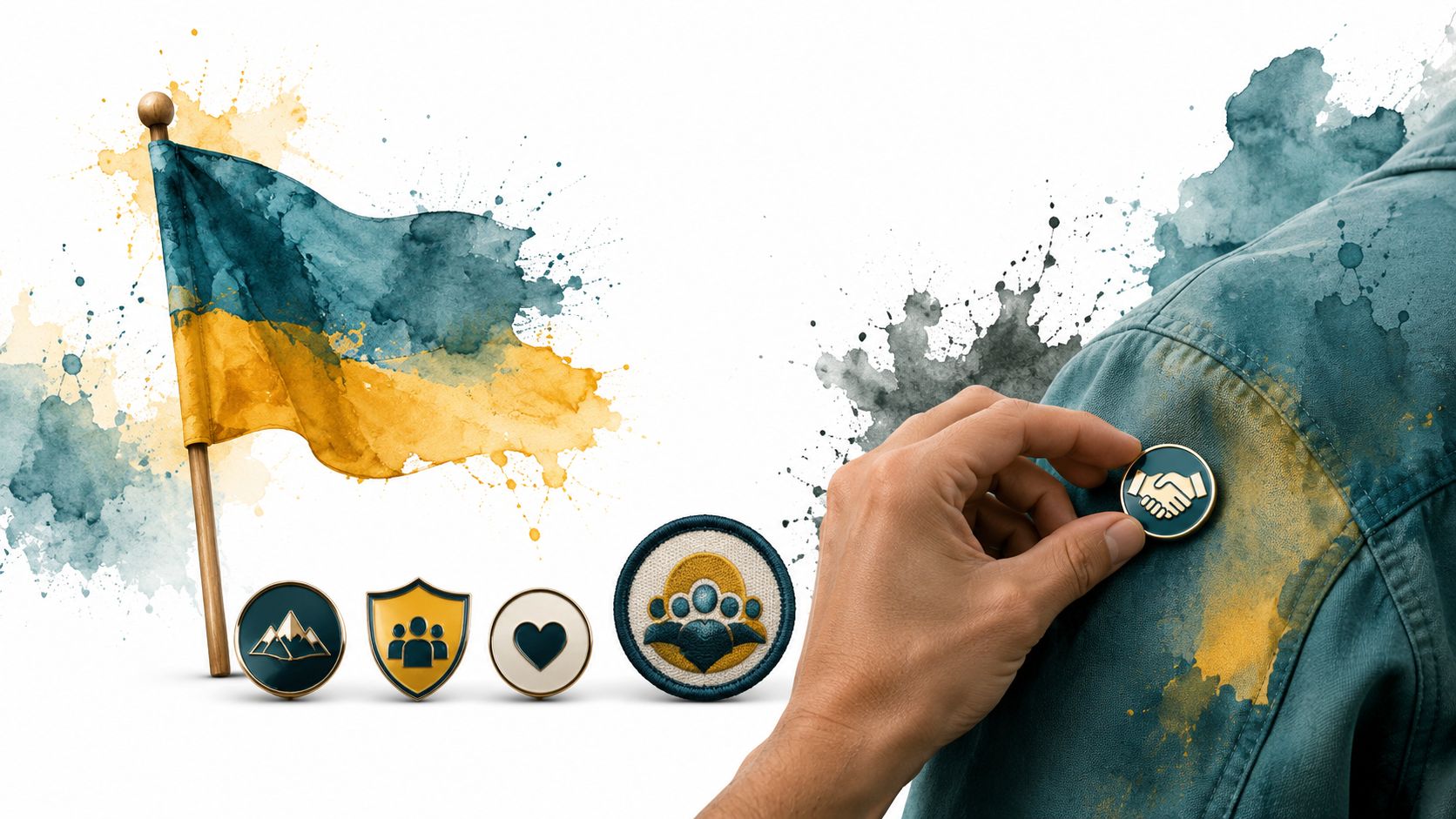
Our logo came from that first awful, memorable cleanup when only three of us got stuck in hail and cold. Our theme song came later, made by Ella Duke, and suddenly the group had a sound as well as a story. Flags, badges, pins, patches, a recurring color, a joke phrase you all use. These things matter because they turn memory into identity.
When someone puts on a badge before a cleanup, they aren't dressing up. They're reminding themselves who they are when things get uncomfortable.
A good symbol has to be earned. If your group cleaned a nasty underpass, let that become part of the myth. If you kept showing up in rough weather, build your identity around that grit. People feel closer when the symbol connects to a shared memory instead of a marketing idea.
- Let it emerge from real events: The best symbols come from moments your group already talks about.
- Give, don't gatekeep: Hand people a badge or patch. Don't make belonging feel like a purchase.
- Repeat it often: Use the same flag, phrase, or song until it sinks into people's bones.
3. Intentional Scheduling to Filter for Values
The first time I moved a cleanup to 9 a.m. on a Saturday, I expected complaints. I got something better. The people who showed up were the ones I kept seeing months later.
One guy arrived with sleep still in his eyes and a gas-station coffee in his hand. Another biked across town because his car was in the shop. Nobody acted like they were doing me a favor. They came ready to work. By the end of that morning, I knew more about their character than I would have learned from ten pleasant conversations at a bar.
Your calendar reveals your standards
A group schedule is never neutral. It subtly answers a big question. What kind of life does this group reward?
I put cleanups on weekend mornings on purpose because that time slot filters for people who can make room for service before comfort. That does not make them better people than everyone else. It does tell me they are willing to organize their life around something outside themselves, and that matters if you're trying to build war buddy friendships instead of loose acquaintances.
Predictability helps too. When people know the cleanup is always there, they stop treating it like a maybe. It becomes part of the week. Familiar faces return. Trust grows through repetition, not speeches.
I learned this after trying the opposite. I used to bounce events around to fit everyone's schedule. Thursday night one week. Sunday afternoon the next. Turnout looked fine on paper, but the group felt slippery. New names, shallow conversations, no backbone. Once I picked a repeating slot and held it, the culture changed. People started planning around the mission instead of asking the mission to bend around them.
That is the filter.
If someone will wake up early, put on gloves, and spend their free time doing useful work with strangers, they are already telling you what they value. If that idea sounds harsh, good. A real community needs shape. Every schedule includes some people and screens out others.
You should choose that shape on purpose.
Pick a time that matches the kind of person you want next to you when the day gets ugly.
I also found that morning service changes the tone of the conversations. People are less performative. Less polished. You get the honest version of them before the day fills up with excuses and noise. That same idea sits at the heart of my piece on why shared hardship builds stronger character and stronger bonds.
Try this:
- Choose one repeating slot: Same day, same rough time, often enough that people remember it without checking.
- Say the reason out loud: "We meet in the morning because this group is built around service first."
- Stop reshuffling to please everyone: A steady schedule attracts people who respect commitment.
- Let the time do some sorting: You do not need to chase every person. You need the right ones to keep returning.
4. Shared Discomfort and Adversity
Some of my strongest friendships started while I was cold, wet, annoyed, and carrying a trash bag that kept ripping.
That sounds miserable on paper. In real life, it works.
Fun is fine. Shared hardship goes deeper
A lot of advice about friendship building activities stays safe and polished. It leans on low-stakes exercises and performative bonding. The better route for adults is often shared vulnerability and discomfort. The idea that deep bonds grow through communal suffering is spelled out in this community-building explanation of friendship formation.
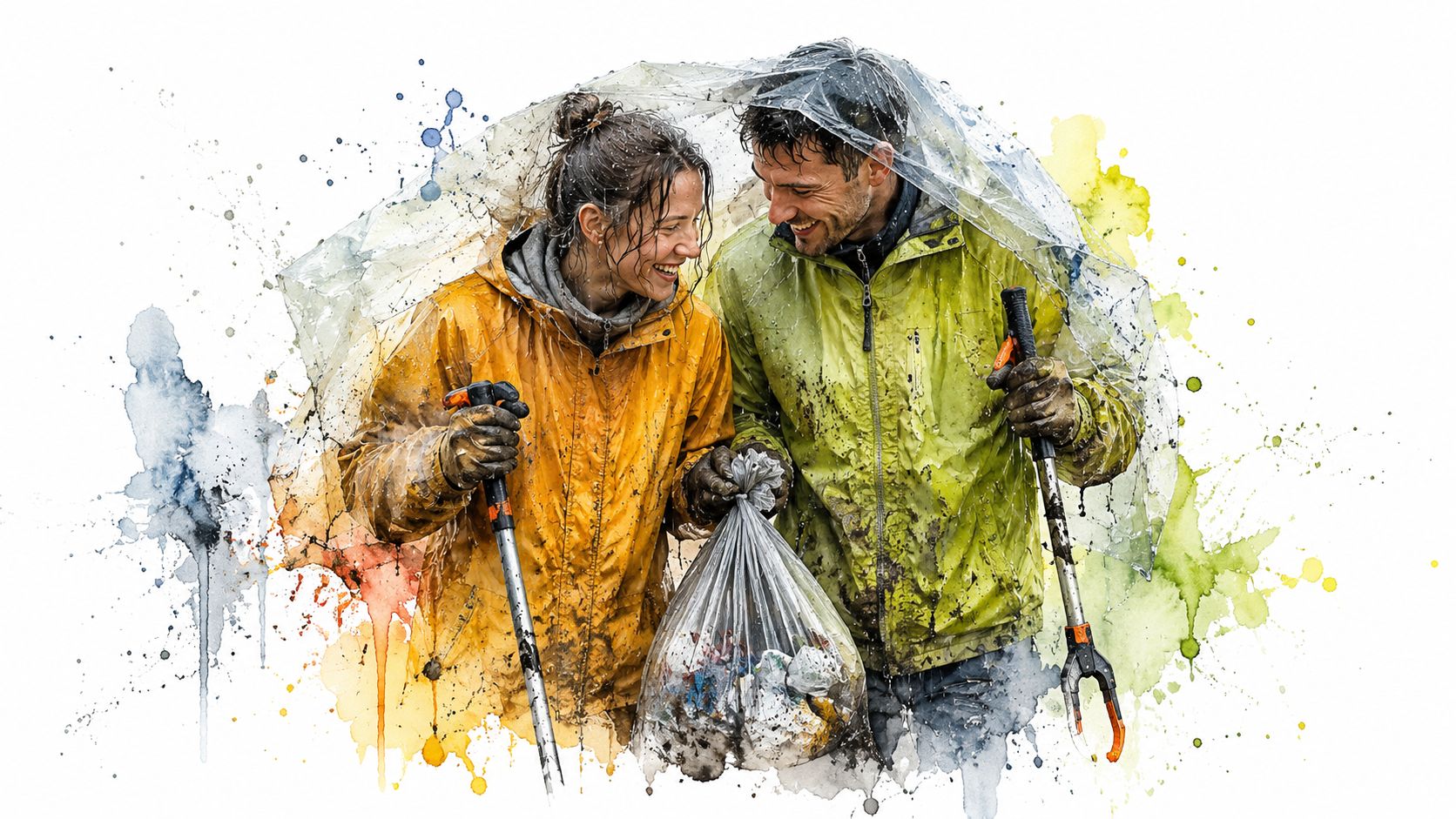
I felt that in our first hailstorm cleanup. We huddled under a tree and watched Uber rides cancel over and over. It was miserable, then funny, then weirdly memorable. By the end, we weren't just people who had met. We had gone through something together.
Shared discomfort gives the day flavor. It creates plot. It gives you someone to text later and say, "Can you believe we did that?"
If you want more on that mindset, I wrote about it in Suffering Builds Character.
- Keep it safe: Bring water, gloves, layers, and a plan.
- Let people scale their effort: One person may do an hour. Another may do twenty minutes.
- Retell the hard moments later: That's where the bond hardens.
5. Low-Barrier Entry With Multiple Connection Points
Some people want to join your group right away, but their nerves get in the way. If your process is clunky, they disappear. That's not because they don't care. It's because life is messy and attention is fragile.
I try to make joining feel almost embarrassingly easy.
Remove friction before people talk themselves out of it
A good first step is simple. Someone sees a post on Instagram. They find the next event on Meetup. They ask a question in a group chat. They text because they're nervous about showing up alone. Each of those is a doorway.
This matters even more for adults whose lives feel chaotic. There isn't much practical guidance for friendship building for adults with executive dysfunction or messy lives. One background source notes that many adults struggle with consistency or organization, and standard friendship advice often assumes low-friction lives. It also points out a useful truth: cleaning other people's messes can feel easier than cleaning your own in this discussion of friendship activity gaps.
That idea hits home for me. Cleaning my own apartment felt emotionally loaded. Cleaning a block with other people felt possible.
- Use the platforms your people already use: Meetup for scheduling, Instagram for vibe, group chat for reassurance.
- Say what to bring: Gloves? Water? Closed-toe shoes? Say it plainly.
- Have one welcoming person: A friendly greeter can carry the whole first impression.
6. Exploring Neighborhood by Neighborhood
A great friendship activity doesn't have to stay in one place. Movement changes people. It gives the group a sense of journey.
That's one reason I love neighborhood-by-neighborhood cleanup. You don't just build friendship. You build a shared map of your city.
Learn a city together
Litter Caterpillars has cleaned across all 50 Chicago wards. That kind of movement changes the feel of the work. One week you learn a quiet residential block. Another week you meet people near a busy corridor. A city stops feeling abstract when you've walked it, cleaned it, and carried bags through it with the same crew.
The scale of the garbage problem can feel huge, but the work gets manageable when you break it down. Chicago collects about 800,000 tons of garbage every year, and a crew handles 7 to 15 alleys daily while covering an average of 25 households per alley. That's exactly why local volunteer work feels so grounding. You don't need to solve the whole mess. You need one alley, one morning, one team.
This kind of citywide movement gives friends a shared memory bank. You remember the block with the strange mural, the alley with the impossible couch, the resident who came out to thank you, the morning the sky looked silver over the train tracks.
Here's a glimpse of that spirit in motion.
- Map your route in advance: Give the group a sense of progress.
- Invite locals in: A neighborhood feels different when residents join you.
- Keep records: Photos and notes turn scattered service into a shared adventure.
7. Volunteer-First Ethos Without Asking for Money
I've gotten more protective of volunteer energy over time, not less. If someone gives me their morning, their labor, and their attention, I treat that as precious.
That's why I don't like mixing early friendship with financial pressure.
Keep the relationship clean
When a group keeps asking volunteers for money, the vibe changes. Even if the cause is good, people start wondering whether their presence is enough. I don't want that question hanging in the air. I want people to know that showing up is the contribution.
That volunteer-first approach also makes the room feel more honest. You can focus on work, jokes, stories, and mutual trust instead of transactions. Friendship needs room to breathe.
I still think creatively about supplies. Borrow tools. Accept material support through separate channels if you need to. Partner with people who can donate bags, gloves, or plants. Just don't make new volunteers feel like they walked into a checkout line.
People relax faster when they know you want their company and effort, not their wallet.
A few rules I stick to:
- Say it plainly: Tell people their time is enough.
- Thank labor directly: Thank the person who showed up in the rain, not some abstract "support."
- Protect against burnout: End the day before people hit the wall.
8. Safety and Happiness as Core Priorities
If you want people to trust you, care for their body first and their mood second. That order matters.
I don't mean this in a corporate liability way. I mean it in a human way. If I invite you into hard work, I need to care whether you're warm enough, hydrated enough, and okay.
People bond faster when they feel protected
Chicago's trash rules create a weird but useful lesson here. Trash trucks legally can't make pickups between 10 p.m. and 7 a.m., and tickets start at $500 and can go to $1,000 for breaking that rule. If you've ever stood around early in the morning waiting for the city to start moving, you know patience becomes part of the day.
That kind of waiting can either feel miserable or strangely bonding. It depends on whether people feel cared for. Do they have coffee? A warm layer? Clear expectations? A way to step back if they need to?
I always think in basics first.
- Weather plan: Shade in heat, layers in cold, water either way.
- Body plan: Let people modify tasks for their knees, back, or stamina.
- Exit plan: Make it easy to tap out without shame.
When people know you'll never pressure them past their limit, they trust you more. That's where friendship starts to feel solid.
9. Storytelling and Meaning-Making Around the Work
Work alone doesn't finish the job. People need to make sense of what they did together.
That's why I like the before-talk and the after-talk almost as much as the cleanup itself.
Tell people why you showed up
I tell my real story. I tell people I had trouble cleaning my own life. I tell them my apartment felt emotionally impossible. I tell them a breakup pushed me to build a better social circle on purpose. The honesty changes the room. People stop performing and start speaking like actual humans.
Then other stories come out. Someone says they came because they felt lonely. Someone says they wanted to get out of the house after a rough month. Someone remembers the hailstorm cleanup and starts laughing halfway through the story.
Keep those stories alive. Save them. Repeat them. Let new people hear them. The group gets stronger when memory is shared instead of scattered.
If you want to hear how volunteers describe that experience, spend time with these Litter Caterpillars volunteer testimonials.
The story you tell after the work often decides whether people come back.
Try these habits:
- Go first with vulnerability: If you take the first risk, other people usually meet you there.
- Create a ritual moment: A quick circle before or after the work is enough.
- Call back old stories: It shows people you listened and remembered.
10. Visible, Measurable Impact You Can Return To
Some friendship building activities feel nice in the moment and vanish by dinner. I prefer work you can revisit with your own eyes.
That return is powerful. You go back and see that the corner is still clean. The lot is still alive. The thing you built is still there.
Make the result impossible to miss
One of my favorite examples is Caterpillar Park in Englewood. A volunteer group bought a vacant 6,000-square-foot lot for exactly $10,000 at a citywide land auction in April 2025, then planned another $10,000 for plants. That's concrete. You can stand there and see what friendship plus persistence can do.
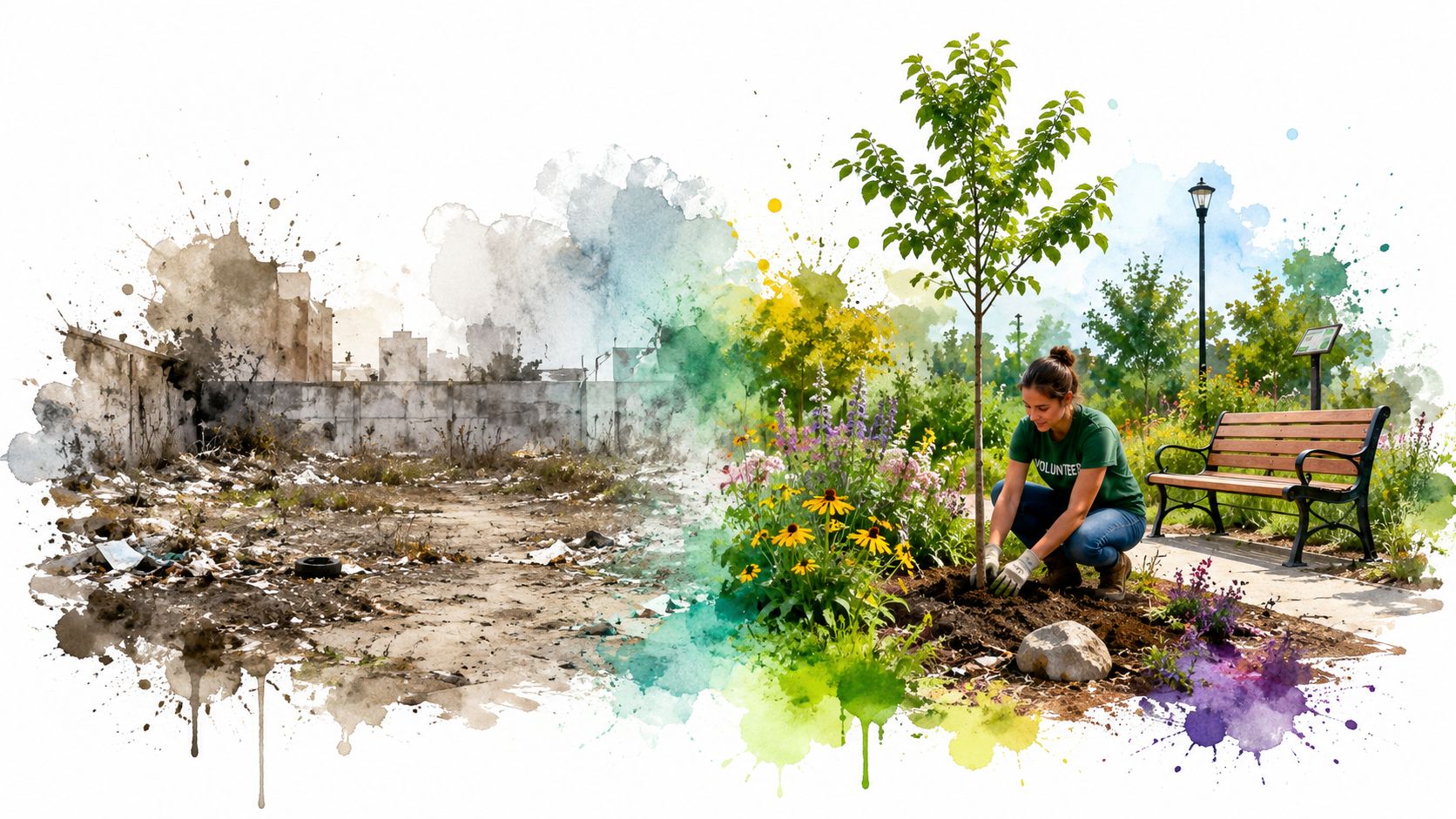
Chicago also uses a grid garbage collection system designed to improve crew productivity and service efficiency. I like that because it gives volunteers a practical lane. The city has its system. Friends can fill the gaps the system misses.
Visible impact keeps friendship from getting vague. It gives the group receipts.
- Take before-and-after photos: People need proof of their own effort.
- Return to the site: Maintenance turns a one-off event into a shared project.
- Choose work with staying power: A restored lot or a cleaner block keeps giving back.
10-Point Comparison: Friendship-Building Activities
| Strategy | 🔄 Implementation Complexity | ⚡ Resource Requirements | 📊 Expected Outcomes | 💡 Ideal Use Cases | ⭐ Key Advantages |
|---|---|---|---|---|---|
| Group Service Projects with a Shared Mission | Medium, recurring coordination, logistics and volunteer management | Volunteers, basic tools, organizer time, site access | 📊 Immediate visible improvements; fast trust-building | Neighborhood cleanups, park builds, regular team service | ⭐ Rapid trust, tangible results, attracts committed people |
| Theme and Identity Symbols | Low, design and authentic rollout; cultural maintenance | Small budget for flags/badges, time to craft narrative | 📊 Strong group recognition and increased belonging | Recruitment, public events, groups seeking identity | ⭐ Boosts pride, visibility, group cohesion |
| Intentional Scheduling to Filter for Values | Low, set and maintain consistent schedule; clear communication | Organizer consistency, calendar management, clear messaging | 📊 Higher alignment and reliable attendance | Groups wanting committed volunteers and predictable turnout | ⭐ Naturally filters for committed, value-aligned members |
| Shared Discomfort and Adversity | Medium–High, safety planning, risk mitigation, contingency plans | Safety gear, first-aid, extra planning, possible exclusions | 📊 Deep, durable bonds and memorable shared stories | Teams aiming for rapid trust/resilience-building | ⭐ Produces intense, long-lasting connections |
| Low-Barrier Entry with Multiple Connection Points | Medium, multi-platform management and timely responses | Accounts on platforms, a coordinator to respond, clear templates | 📊 Increased sign-ups, broader diversity of participants | Rapid growth, outreach to newcomers, accessibility-focused groups | ⭐ Maximizes onboarding and reduces friction to join |
| Exploring Neighborhood by Neighborhood | High, travel logistics, local outreach, route planning | Transport time, local contacts, research and coordination | 📊 Broad network, citywide relationships, fresh activities | City-scale initiatives, discovery-focused volunteer programs | ⭐ Expands reach, fosters cross-neighborhood ties |
| Volunteer-First Ethos Without Asking for Money | Medium, sourcing supplies without donations; sustaining operations | In-kind donations, partner relationships, volunteer labor | 📊 Authentic participation and high volunteer loyalty; limited scaling | Community-led groups prioritizing equity and volunteer wellbeing | ⭐ Preserves volunteer energy; encourages honest commitment |
| Safety and Happiness as Core Priorities | Medium, planning, training, liability awareness and check-ins | First-aid kits, contingency plans, training time, communication | 📊 Higher trust, retention, and fewer negative incidents | Activities with new or vulnerable participants, physical work | ⭐ Builds foundational trust and lowers participation anxiety |
| Storytelling and Meaning-Making Around the Work | Low–Medium, allocate time for sharing and documentation | Time for facilitation, recording tools, a culture of vulnerability | 📊 Strong emotional bonds, clearer group culture and purpose | Groups seeking deeper retention and cultural identity | ⭐ Turns actions into meaning; strengthens long-term ties |
| Visible, Measurable Impact You Can Return To | Medium–High, project selection, sustained maintenance, documentation | Ongoing volunteers, materials, possible partnerships and signage | 📊 Tangible legacy that motivates continued involvement | Long-term neighborhood projects, legacy or placemaking efforts | ⭐ Concrete proof of achievement; sustains pride and recruitment |
Now, Go Build Something Real
Friendship is the good thing that happens while you're busy doing other good things. That's the cleanest way I know to say it. If you chase friendship directly, you can end up with a lot of pleasant conversations and very little depth. If you chase shared effort, the depth sneaks up on you.
That's why I don't get excited about generic mixers anymore. I'm not against fun. I like fun. I just think adults often need a stronger recipe than snacks, name tags, and a room full of people hoping somebody else will say something interesting. Real friendship usually needs friction. It needs repetition. It needs a reason to exist outside of itself.
The best friendship building activities have a few traits in common. They give you a shared mission. They happen on a real schedule. They let people struggle a little. They create stories worth retelling. They leave behind proof that your time mattered. When those pieces come together, people stop feeling interchangeable.
I also think a lot about the kind of people a group attracts. Your timing attracts certain habits. Your culture attracts certain values. Your standards attract certain levels of honesty. That's a good thing. You don't need everyone. You need people who are ready to build something with you.
If your own life feels messy, I want to say this plainly. You do not need to become perfectly organized before you earn community. You do not need to clean your whole apartment, heal your whole past, or become charming on command. Sometimes the door into friendship is simpler than that. You show up somewhere useful. You carry a bag. You ask where to help. You come back next week.
That's how I changed my life. I stopped waiting to be discovered by the right people. I built a place where the right people would naturally appear. Then I kept showing up long enough for trust to grow.
So pick one idea from this list and make it real. Start a cleanup. Adopt one block. Create a weird little flag. Set a Saturday morning rhythm. Invite three people. Bring water. Tell the truth about why you're doing it. Give the day enough structure to hold strangers and enough meaning to turn them into friends.
Go build the thing you wish already existed. Your people might be waiting inside that work.
If you want a place to start, join Litter Caterpillars. Show up on a weekend morning, meet people who care, and do something real for Chicago. Friendship gets easier when your hands are busy and your purpose is clear.
Leave a Reply