

I once stood in my kitchen staring at a takeout container I should've thrown away days earlier, then drove out of Chicago the next morning because I needed a place bigger than my own mess. By the time I reached nippersink lake illinois, the water had done what my apartment couldn't. It gave me something outside myself to pay attention to.
An Escape from Your Mess
I know what it feels like when every object in your room seems to carry a whole little biography. A receipt from a date that went nowhere. A cracked mug from a version of you that swore you'd get it together. Sometimes the clutter isn't cardboard and dust. Sometimes it's shame, delay, avoidance, and the dull ache of being tired of your own patterns.
That's why a place like Nippersink hits differently.
You leave the city with your head full of static, and then the road loosens its grip. Trees replace brick. The air changes. Your brain, which was acting like a browser with too many tabs open, starts closing a few of them on its own. You aren't fixed. You're just finally quiet enough to hear yourself think.

Why leaving helps
I learned something strange a long time ago. I can freeze when I look at my own mess, but when I step outside and care for a place that isn't mine, I wake up. My hands know what to do. My mind follows later.
Nippersink Lake is good for that kind of reset. It isn't a sterile escape. It has mud, traffic on busy days, weeds, birds, anglers, shifting weather, and the kind of shoreline that makes you want to walk a little farther just to see what turns up next. That mix matters. A perfect place can make you feel like a tourist. A real place asks more from you.
Practical rule: If your life feels jammed up, don't wait until you feel organized before you go outside. Go first. Let motion do some of the thinking for you.
A different kind of challenge
When I talk about getting out to the lake, I don't mean you should chase some polished weekend fantasy. I mean you should treat the trip like practice. Practice showing up. Practice noticing. Practice caring for something without needing applause for it.
That is what drew me to nippersink lake illinois in the first place. It felt like a place where I could stop performing and start paying attention. Some people go to a lake to consume it. Boat, fish, snack, leave. I think the better trip starts when you ask a harder question.
What can I give this place while I'm here?
Your Path from Chicago to the Water
One Saturday, I left Chicago still carrying a week’s worth of static. Coffee in one hand, work still buzzing in my head, trunk half-packed. By the time I got north of the tightest traffic, something had started to loosen. The buildings thinned out. The roads stopped feeling combative. I rolled the windows down and remembered that a trip to nippersink lake illinois starts before you see water.
That matters to me.
If you come out here the same way you move through the city when you are late, irritated, and trying to win every red light, you bring the mess with you. If you treat the drive like part of the work, part of the reset, you arrive ready to notice things. A heron lifting off the reeds. A quiet launch in the morning. A candy wrapper near the parking area that you can pick up before it blows into the water.
Make the drive part of the service
I pack the night before now because I have learned what happens when I do not. I show up thirsty, distracted, and annoyed at problems I created myself. A better start is simple. Fill your water bottle. Toss gloves in the bag. Bring a snack, a small trash bag, hand sanitizer, and an extra layer. If you expect to get near the shoreline, pack a towel too.
Leave early if you can. Morning gives you more patience and more room.
Route choice changes the tone of the day as much as gear does. Interstates get you there fast, but a quieter approach helps your attention catch up with your body. If getting there with a lighter footprint matters to you, look over these eco-friendly ways to drive less wastefully before you go.
Pay attention on the way in
I know people who use GPS like a sleeping pill. Destination in, brain off, memory gone. I used to do that too.
Now I watch for the shift. Side streets give way to longer stretches of road. Dense rows of buildings break into yards, open patches, and tree lines. The whole trip feels less crowded, then less urgent, then finally honest. That slow change is useful if you let it work on you.
The road to the lake can train you to arrive calmer than you left.
Get close without forcing it
As you near the preserve, use public access points and posted guidance instead of hunting for your own shortcut. A day outdoors turns sour fast when it starts with a bad parking choice, an argument, or a stomp across ground that was never yours to cross.
I stop trying to beat the clock once I am close. No weaving. No muttering. No turning a day outside into another little contest. By the time the water comes into view, I want to feel like someone prepared to be useful there, not someone who rushed in ready to take.
What to Do on the Water and Trails
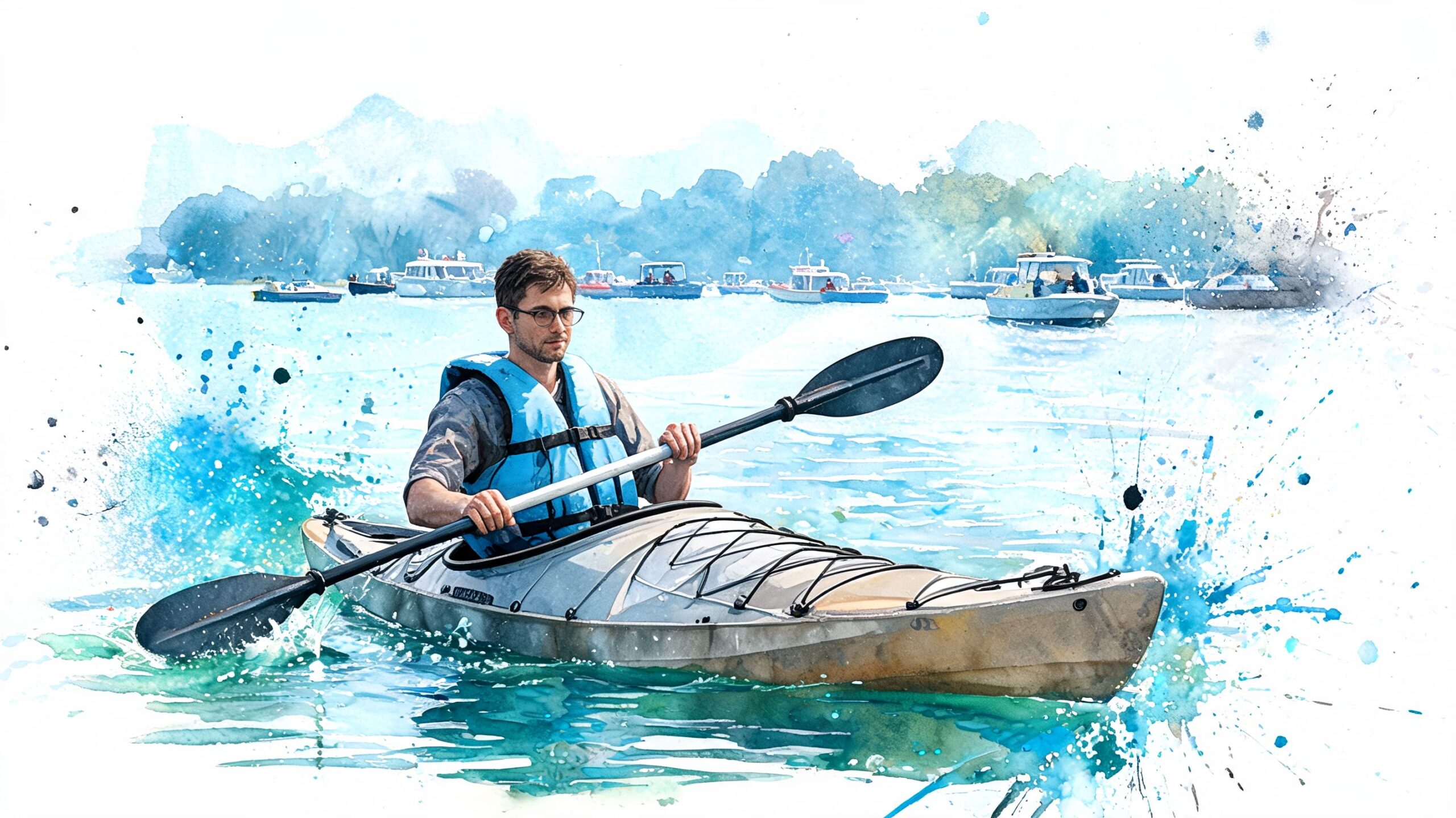
The first time I got near the water here, I didn't try to conquer the day. I watched a kayaker slide along the edge of the lake like a needle through fabric, quiet and steady, and I realized that was the right speed. Nippersink isn't a place I want to dominate. I want to meet it honestly.
Paddle the edges
If you bring a kayak or canoe, the shoreline changes the day. You notice reeds, little pockets of calm water, sudden bird movement, and the strange peace that comes from doing one repetitive thing well. Dip, pull, glide. Dip, pull, glide. It's almost like sweeping a floor, except the floor keeps reflecting the sky back at you.
If you're new to paddling, stay humble. Hug calmer areas. Wear your life jacket. Let the lake teach you its pace. If you need a push to get started, these urban kayaking ideas from Chicago can help you build confidence before your trip out here.
The bigger Chain can feel busy. Historical reporting on the system says the Fox Chain of Lakes had 4,000 boats in 1915 and later estimates put that number at 35,000 boats moored in these waters, according to the Illinois State Water Survey publication on the Chain of Lakes. That tells you something simple. Go expecting company, especially in the warmer months.
Fish, sit, or just watch
You don't need to keep moving all day. Some of my favorite lake hours happen when almost nothing happens.
You find a spot along the shoreline. You hear tackle clicking against a rod. Somebody farther off laughs. Wind pushes a pattern over the water that disappears before you fully register it. A bird lands and stands there with absurd seriousness, like it has an appointment.
If you fish, pay attention to local rules and come prepared. If you don't, then practice a rarer skill. Sit still long enough for the place to stop reacting to your arrival.
Here's a look at the feel of being out on the water:
Trails and water routes
The area has shoreline access and a longer water-trail feel if you're up for more time outside. Official material notes 1.7 miles of shoreline near the preserve area and a 16-mile water trail used by canoeists and anglers in the broader Nippersink area, described on the preserve page already mentioned earlier. That's enough room to choose your own level of effort.
I think of the options like this:
| Activity | Best for | What it feels like |
|---|---|---|
| Kayaking or canoeing | People who want motion and quiet | Like your thoughts finally finding a rhythm |
| Fishing | Patient, observant days | Like having a conversation without words |
| Trail walking | Mixed groups or slower outings | Like turning down the volume in your body |
| Shoreline sitting | Burnt-out people | Like doing less, on purpose |
One more detail from that same water-survey history stuck with me. It notes high sand concentrations in the sediment are found in Nippersink Lake, partly because of flow from the Fox River. I like facts like that because they make the lake feel less like a postcard and more like a living system with movement, pressure, and memory.
The Lake in Sun Hail and Snow
I don't trust places that only look good in perfect weather. I trust places that still say something when the sky turns weird.
Nippersink changes with the season, and I think you should let it. If you only go when the forecast is flattering, you'll miss the version of the lake that asks for a little grit. That's often the better visit.
Summer asks for patience
Warm months bring energy. More voices, more motion, more people trying to squeeze everything they can out of one day outside. That can be fun if you expect it and irritating if you don't.
Go in summer if you want activity, but don't demand privacy from a place people love to use. Start earlier. Pick a purpose. If the water feels too crowded, shift to walking, birdwatching, or shoreline time.
Fall and winter strip things down
Fall is when the day starts telling the truth faster. The air sharpens. The colors near the water make even a short walk feel earned. You don't have to invent meaning out there. You just have to keep your eyes open.
Winter is a different teacher. Quiet takes over. The place gets spare and honest. If you've had a noisy month, that kind of silence can feel like someone finally turned off a machine you didn't know was running.
Go when the conditions are slightly inconvenient. A place reveals more of itself then, and so do you.
Spring is messy on purpose
Spring is mud, thaw, surprise wind, wet shoes, and the kind of sky that can look friendly one minute and rude the next. I like that. Real change rarely arrives neat.
If your own life feels half-finished, spring at the lake will make immediate sense to you. Water rises, ground softens, trails shift, and everything looks like it's in the middle of becoming something else. That's honest terrain. You don't need polished courage to go there. You just need enough courage to leave the house.
A Guide to Being a Good Guest
I like simple rules because they reveal character fast. A lake doesn't need your speech about respect. It needs your behavior.
When you visit nippersink lake illinois, think like a guest in someone's home. If you fish, get the license you need. If you boat, follow the rules for boating. If you walk the trails, stay on them. Small acts of discipline are how people share a place without grinding each other down.
Respect looks ordinary
Most good behavior outdoors isn't dramatic. It's boring in the best way.
- Pack it out: If you brought it in, take it back with you.
- Keep noise in check: Other people came for air and room, not your speaker.
- Stay on marked paths: Plants and soft ground don't recover because you wanted a shortcut.
- Watch where gear ends up: Loose fishing line and random plastic don't become harmless because they're small.
Safety is kindness
I don't put safety in a separate category from care. They are the same thing. A person who plans well creates less risk for everyone else.
Bring a life jacket if you'll be on the water. Check weather before you leave and again when you arrive. Tell somebody where you're going if you'll be out a while. Charge your phone, but don't depend on it to solve every problem after the fact.
One habit that matters: Prepare enough that nobody has to rescue you from your own carelessness.
A quick self-check before you head out
Ask yourself these questions in the parking area or at the launch:
- Do I have what I need to leave no trash behind?
- Do I know the basic rules for what I'm doing today?
- If the weather turns, do I have a backup plan?
- Am I acting like this place exists for me alone?
If the answer to that last one is yes, reset. Good guests leave a place easier to share, not harder.
The Unseen Story of Nippersinks Health
The first time I heard someone call Nippersink "clean," we were standing at the water after a volunteer morning with muddy gloves in our back pockets and a half-full trash bag at our feet. The surface looked fine. Sun on the water. Reeds moving. A quiet kind of beauty that makes people assume the whole story is simple.
It isn't simple.
The broader Nippersink Creek watershed holds real ecological value. Earlier source material on the watershed describes it as one of Illinois' higher-quality stream systems, with important habitat and protected natural areas woven through it. That matters because Nippersink is not just a pretty stop for an afternoon. It belongs to a living system that still supports things more fragile than our weekend plans.
The contradiction in plain language
A place can carry beauty and stress at the same time. Anyone who has tried to rebuild a hard season of life already knows that.
As noted earlier, parts of the watershed have faced primary-contact concerns tied to fecal coliform and runoff from agricultural activity. That means the story of Nippersink's health is not a clean fairy tale about untouched nature. It is a story about pressure, recovery, and the limits of what water can absorb from the people living around it.
I relate to that more than I wish I did. In Chicago, you learn fast that a block can have strong bones and still need work. A family can love each other and still leave damage behind. A person can want better and still track in a mess from somewhere upstream. Water systems are no different.
What pressure looks like in real life
Pressure rarely arrives as one dramatic event. It shows up as runoff after a storm. Disturbance near habitat that needs stability. Growth from the metro area that brings more pavement, more use, and more strain on natural resources.
That kind of pressure is easy to miss if you only visit on a good-weather day.
The watershed includes sensitive species and habitats that react badly to changes in water quality and human activity. Water also moves through this system in ways that spread the effects of what happens upstream. So the hidden story of Nippersink's health is not only about what you see at the launch or from the trail. It is about connection. Farm field to creek. Road to runoff. One careless decision to consequences somewhere else.
Why that should make you care more
I don't hear any of this as a reason to back away. I hear a call to show up with more honesty.
If all you want from a lake is a clean backdrop for your Saturday, you will miss the best thing this place offers. Nippersink can teach you to stop consuming beauty and start protecting it. It can teach you that repair is usually local, ordinary, and done by people without titles.
That is the unseen story I want you to carry with you. Nippersink Lake Illinois is worth visiting because it is beautiful. It is worth serving because beauty under pressure needs allies.
Become Part of the Lakes Story
The first time I brought a cleanup bag to a lake day, a teenager in our group groaned like I had ruined the whole trip. He wanted the kayak launch, the snacks, the photos, the easy part. Twenty minutes later he was knee-deep at the shoreline, pulling tangled fishing line from reeds with two fingers and a look I knew well. It was the face people make when they realize a beautiful place is asking something from them.
Nippersink does that.
By the time you reach the water from Chicago, you have already carried a lot with you. Rush hour impatience. Work stress. Family static. The city teaches grit, but it can also leave you restless and raw. A place like this gives you a chance to set some of that weight down by doing one plain, useful thing with your hands.
The kind of help that matters
You do not need to arrive as an expert naturalist or a perfect environmentalist. You need eyes open to the ground, the shoreline, and the little signs of carelessness that wear a place down over time.
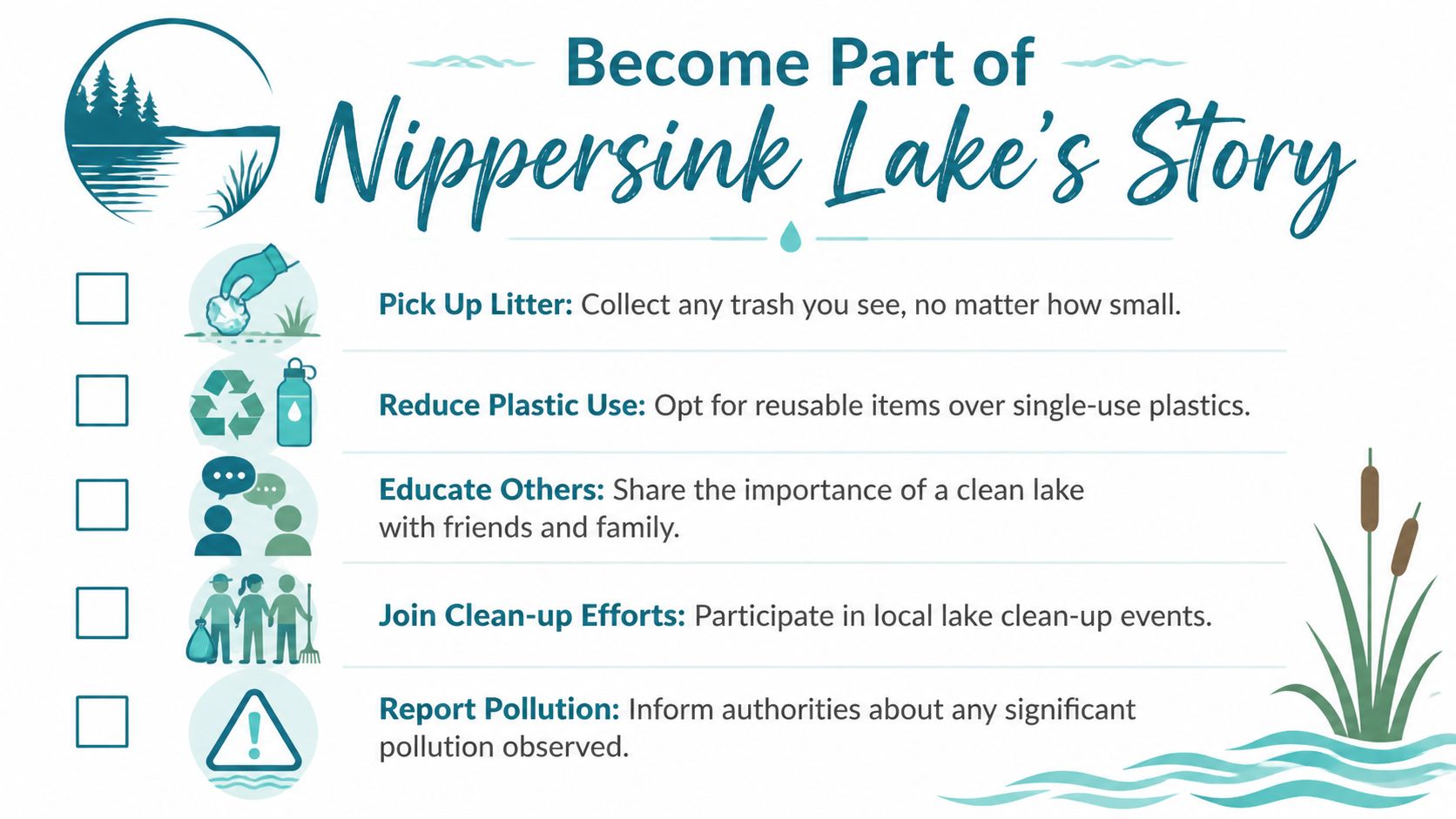
A good day of service at the lake can be simple:
- Bring a bag on purpose: Treat cleanup as part of the trip, not an afterthought.
- Grab the small stuff: Bottle caps, line, bait containers, and torn wrappers do real harm when they stay behind.
- Pack lighter: Fewer disposable items in your bag means fewer chances to leave a mess.
- Correct gently: If someone in your group gets sloppy, say it with respect and keep the day moving.
- Report the big problems: Oil, dumping, or dangerous debris need the right local response.
If you want a steadier way to serve beyond one afternoon, these environmental stewardship programs show what organized care can look like over time.
What cleanup work gives back
I have watched volunteers show up carrying private wreckage. A layoff. A breakup. The fog that comes after months of scrolling and postponing your own life. They come because they want fresh air, then they find something harder and better.
A piece of litter gives you a clear decision. Bend down or keep walking.
That clarity can change a person for an afternoon. Sometimes longer. You stop performing concern and start practicing it. You notice where your feet go. You notice what other people ignore. You leave with sore legs, dirty gloves, and a steadier mind than the one you brought from the city.
That is part of the lake's story too. Public repair and personal repair often happen side by side.
Your invitation
If you visit nippersink lake illinois, let the day ask more of you than a photo and a quiet paddle. Bring one extra bag. Pick one patch of trail edge. Leave one corner of shoreline cleaner than you found it.
Start there.
You do not have to save the whole lake. You do have to decide what kind of guest you want to be. The people I trust most in wild places are not the loudest advocates or the most polished outdoorsmen. They are the ones who kneel in the mud, do the small job in front of them, and head home having added a little order to a world that badly needs it.
If you want a crew that treats cleanup like an adventure and believes service can change a person from the inside out, join Litter Caterpillars. Come as you are. Bring gloves, courage, and a willingness to help.
Leave a Reply