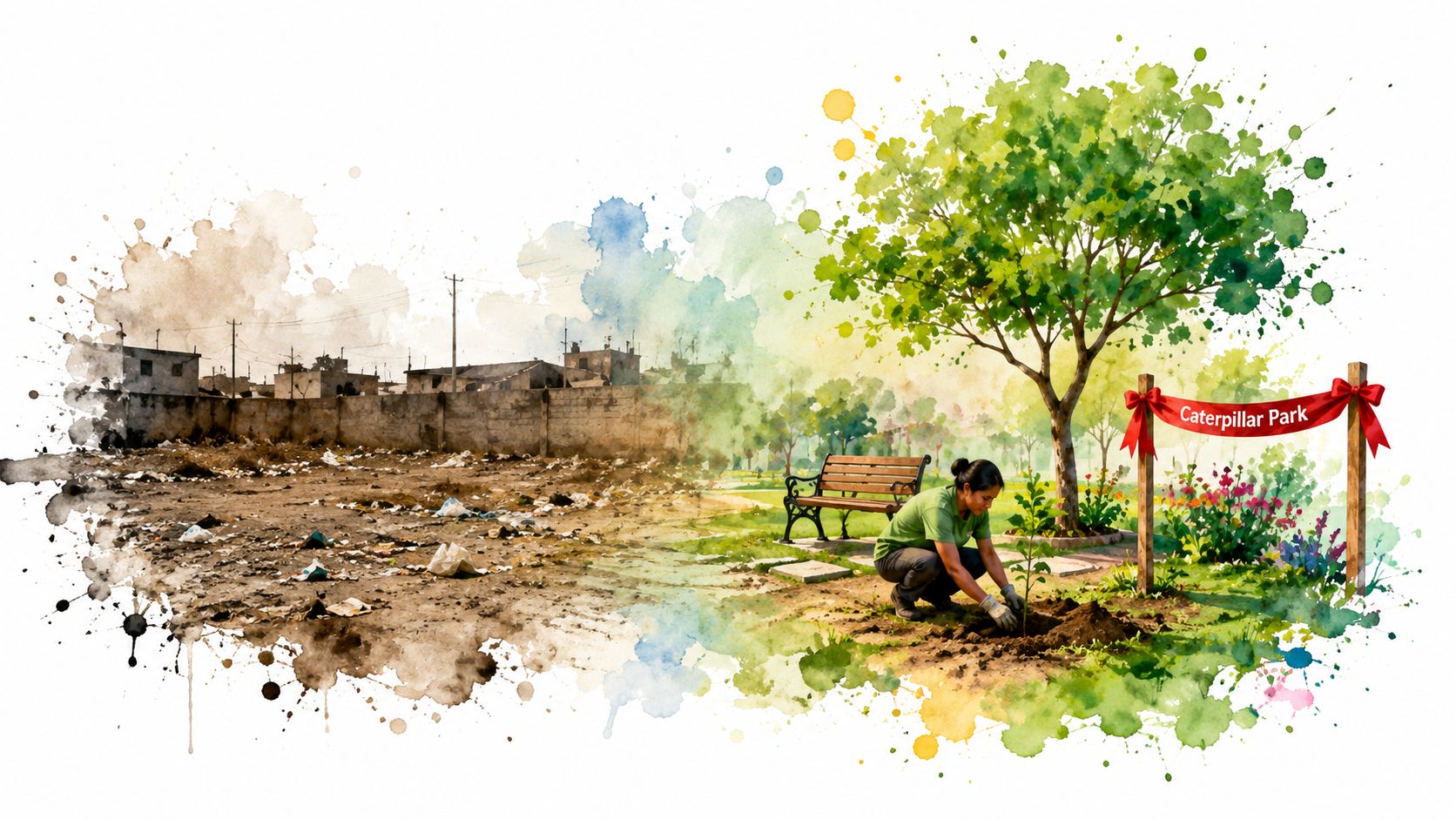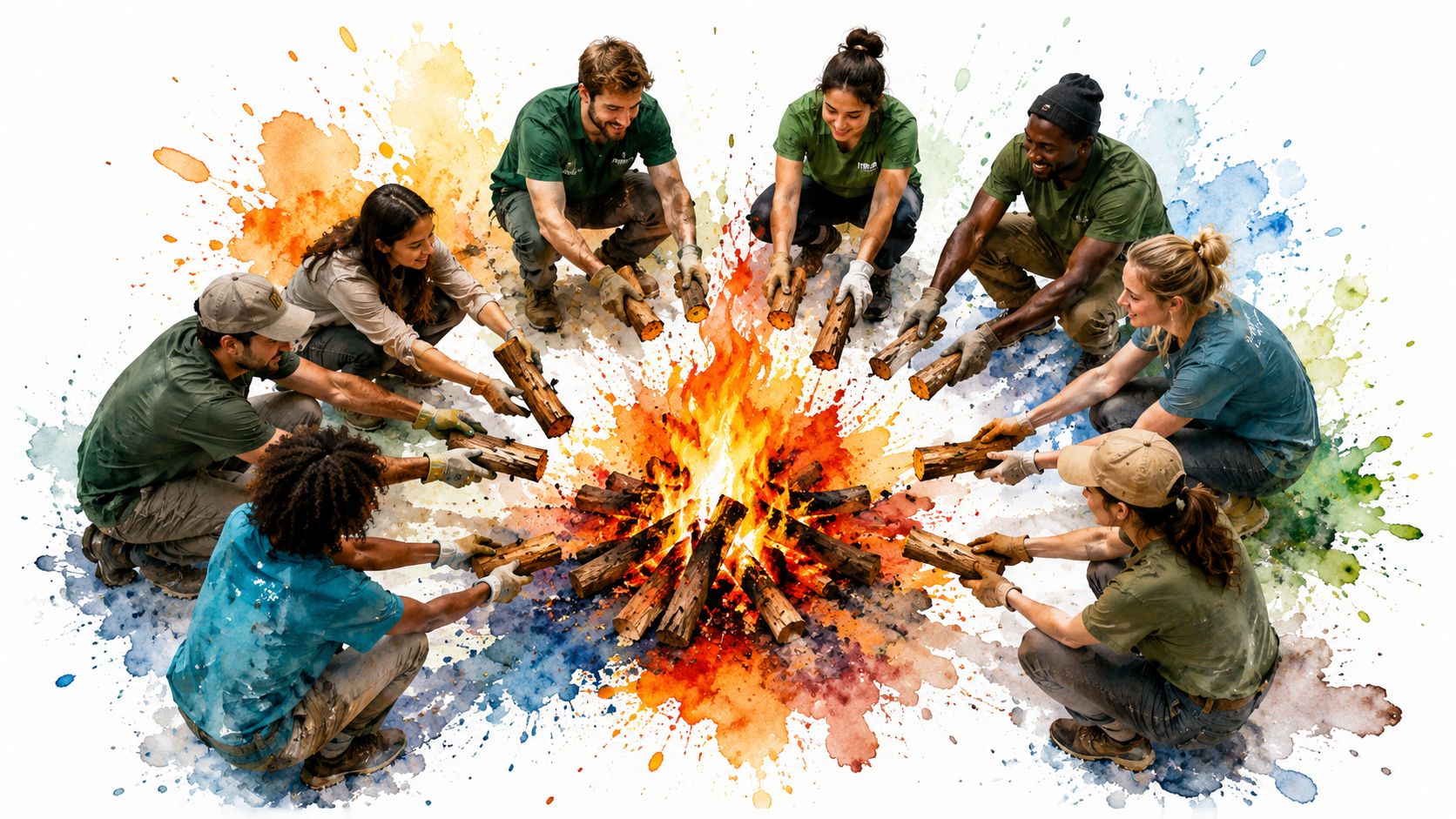
She showed up in a long coat, hands stuffed in her pockets, staring at the gray water and the even grayer trash stuck in the rocks. By the end of that morning, she was laughing with two strangers over a muddy broken bucket, and that changed how I think about volunteer retention rates.
Why I Stopped Counting New Volunteers and Started Counting Friends
A few years ago, I would leave a cleanup feeling weirdly proud of a big signup list, even if half those names never showed up again.
Then I started paying attention to what happened after the photos.
One winter morning in Chicago, a new volunteer arrived looking like she regretted every decision that had led her there. The wind off the lake cut through everything. She picked up a few pieces of litter in silence, and I could tell she was close to making this a one-time thing.

Then one of our regulars made a joke about how trash pickup in bad weather feels like a sports movie with no budget and no prize money. She laughed. They started racing to fill their bags. By the time we packed up, they were talking about coffee.
She came back because that cold, awkward morning became a memory with other people in it. A week later, she knew names. A month later, she was the one welcoming someone new.
That was the moment I stopped treating retention like a math problem first.
The spreadsheet missed the point
People usually hear volunteer retention rates and jump straight to percentages. I get it. Numbers help. I still track them, and I still believe every group should evaluate its volunteer program with a clear process that looks at return rates, experience, and team health.
But a spreadsheet can only record the outcome. It cannot show you the moment someone stopped feeling like a guest and started feeling like part of the crew.
So my favorite retention question changed. I stopped asking, "How many new people did we get?" and started asking, "Who left with a reason to come back?"
That question changes how you run the day. You introduce people more carefully. You notice who is standing alone. You create small jobs people can win at. You leave room for inside jokes, shared snacks, muddy gloves, and the kind of conversation that makes the work feel lighter.
Practical rule: Retention gets stronger when people leave knowing at least one name and one story from the day.
A volunteer group works like a neighborhood potluck. Food matters, but people return because someone saved them a seat. Cleanup events are the same. Bags, grabbers, and logistics matter. Friendship is what gives the whole thing a pulse.
Recruitment gets attention. Connection gets results
I still want new volunteers. Any growing community does.
What changed is what I celebrate. I get less excited by a crowded signup form and more excited when someone comes back and says, "I brought my roommate," or, "Are the glove people going to be there again?" That is when you know the group has started to become a story people want to rejoin.
Here is the shift that changed everything for me:
- Old mindset: Count signups and call it momentum.
- Better mindset: Notice who returned after the first awkward visit.
- Best mindset: Build the kind of morning that turns strangers into teammates.
I still use the spreadsheet. I respect the number.
But if you want an honest read on the health of your community, start with a human question. Did people leave as strangers, or did they leave already half excited for the next chapter?
How to Measure What Matters
One Saturday, a cleanup looked packed at 9:00 a.m. We had new faces, full supply bins, and the kind of signup sheet that makes an organizer feel proud for five minutes. By noon, I had a different question. Which of these people would I see again next month?
That question changed the way I measured everything.
The formula is simple
Volunteer retention rate is:
(Volunteers who returned from the last period / Total volunteers in the last period) × 100
If 200 people volunteered in one season and 120 of them came back in the next one, your retention rate is 60%.
The math is easy. The judgment is harder.
A retention number is not just a score for your program. It is a clue about whether people felt steady enough, useful enough, and connected enough to step back into the story.
What the number actually says
A high retention rate usually means people found something worth returning to. They knew where to stand, what to do, and who they were doing it with. The morning made sense to them.
A low retention rate points to friction. Sometimes it is logistical. More often, it is social.
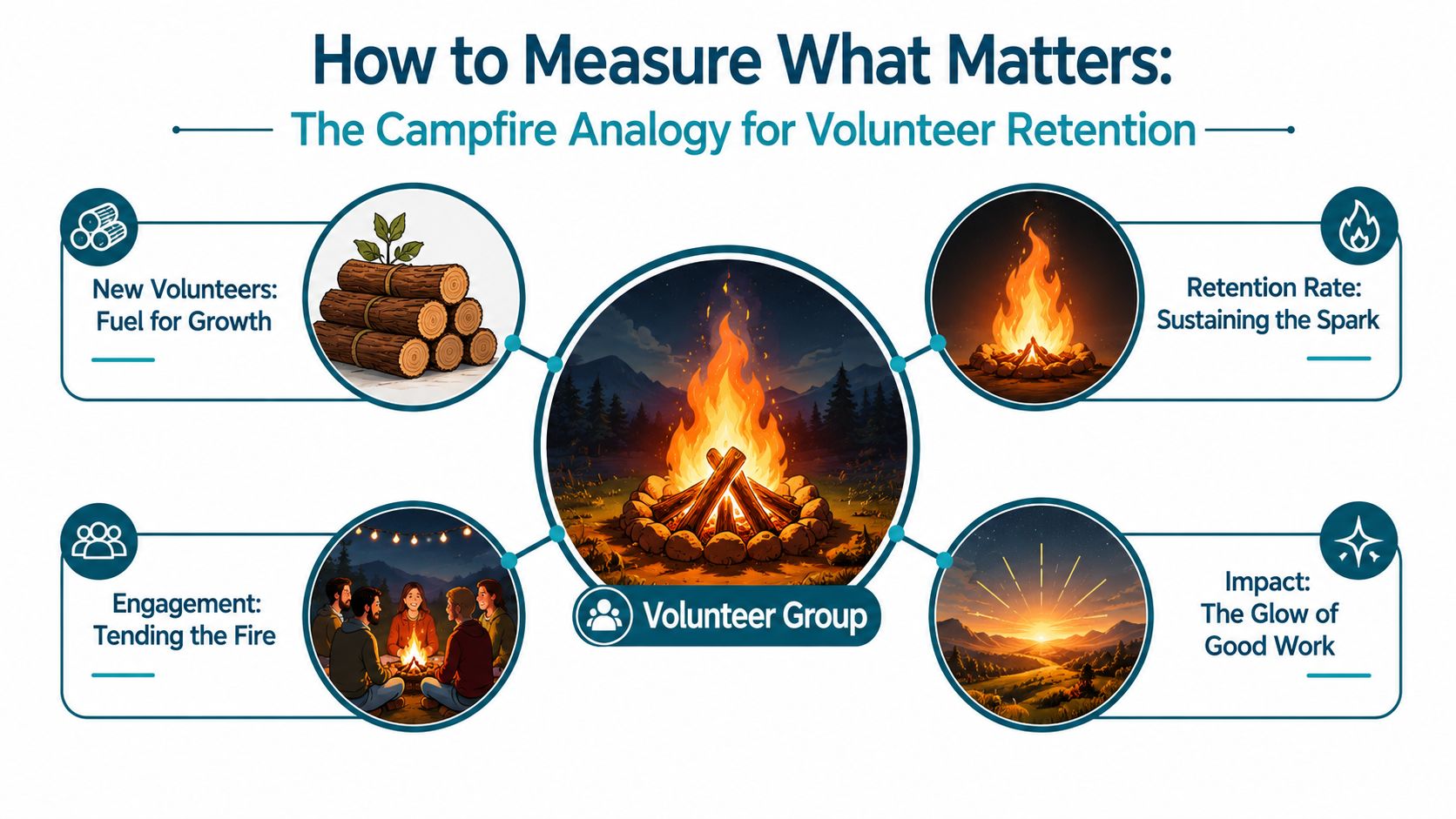
I start with four questions:
- Did people understand the flow of the event? First-timers disappear fast when they spend half the morning wondering what happens next.
- Did anyone learn their name? People rarely return to a place where they felt invisible.
- Did the work feel concrete? A full trash bag, a cleaner block, a before-and-after photo. Those moments stick.
- Did we follow up soon enough? The first 24 to 48 hours matter because that is when the day still feels alive in their body.
That is why I do not treat retention like a grade. I treat it like checking a pulse.
Why I like shorter measurement windows
Annual tracking looks tidy in a spreadsheet. It also smooths over the exact problem you need to see.
A year-end number can hide a weak welcome process. Your regulars may keep showing up and make the program look healthy, while first-timers vanish after one event. If you check by month, by season, or by event series, patterns show up sooner. You can see whether a rainy cleanup hurt turnout, whether a new team lead kept more people engaged, or whether one location keeps producing return volunteers because the vibe there is better.
That kind of review gets even more useful when you pair retention with a broader volunteer program evaluation framework instead of staring at a single percentage in isolation.
Shorter windows help you catch the human story before it turns into a yearly summary.
A tiny worksheet you can use
| Period | Volunteers in last period | Returned this period | Retention rate |
|---|---|---|---|
| Winter season | 200 | 120 | 60% |
| Spring season | add your number | add your number | calculate it |
| Summer season | add your number | add your number | calculate it |
You do not need fancy software.
You need a habit of checking whether your community is growing roots, or just passing through.
The Unspoken Reasons People Keep Showing Up
People don't come back for the reasons managers like to imagine.
They don't stay because your signup form is tidy or because your reminder email has a nice subject line. Those things help, but they are background music. The deeper reasons are emotional and social.
The clearest pattern I've seen is this. People return when the group feels like their people, the mission feels like their mission, and the work feels real in their hands.
Attachment beats convenience
Among volunteers who are likely to continue, the strongest drivers are attachment to the organization itself at 52% and attachment to the cause at 50%, followed by seeing the tangible difference they are making at 37%. The most common reason for leaving is changing life circumstances at 33%, according to NCVO's volunteer retention findings.
That tracks with what I've lived.
If someone feels attached to the group, they forgive a lot. A cold morning. A messy site. An early alarm. They can absorb inconvenience because the experience means something to them.
If they don't feel attached, even a tiny hassle becomes an exit ramp.
Belonging has a physical feel
You can feel belonging in a volunteer group before anyone says a word about it.
A regular waves at a newcomer. Someone hands over gloves without being asked. Two people start trading stories while sorting bags. A first-timer stops standing on the edge and starts moving toward the center.
That is retention happening in real time.
If you want practical ways to reinforce that feeling after an event, thoughtful volunteer recognition ideas can help, especially when the recognition feels personal and specific instead of generic.
The work has to feel visible
Volunteers want to see the before and after.
Trash work teaches this fast. One block starts ugly and ends cleaner. A path becomes walkable. A lot looks less abandoned. Nobody has to invent meaning. The bag in your hand gets heavier, and the street gets lighter.
That visible change matters because it answers the quiet question every volunteer carries. "Did what I did today count?"
When the answer is obvious, people feel pulled back.
Shared hardship can glue people together
This is the part many groups miss.
Most advice treats discomfort only as a problem to reduce. I get that. Burnout is real. Bad logistics can absolutely push people away. But there is another side to hardship when people choose it together and understand why it matters.
I've seen volunteers bond faster in rough weather than at polished social mixers.
One freezing cleanup can do what three coffee chats can't. People laugh harder when conditions are ridiculous. They help each other more. They remember the day more clearly. The struggle becomes a shared scene, and shared scenes build loyalty.
A research summary on the "great volunteer resignation" points to burnout as a turnover risk while also noting that peer support and autonomy are strong drivers of retention, in this evidence-based strategy for retaining volunteers. That tension makes sense to me. Misery by itself drives people away. Chosen challenge with good people can pull them closer.
Some of the best volunteer memories come from mornings that were objectively a terrible idea.
So I don't think the goal is to make volunteering painless. I think the goal is to make it meaningful, safe, and shared.
That changes how you design an event. Don't flatten every rough edge. Give people enough support to feel secure, enough freedom to feel useful, and enough togetherness to turn effort into friendship.
How to Turn One-Timers into Your Core Team
The fastest way to lose a new volunteer is to let them drift alone through their first event.
I've watched this happen. A new person arrives. They smile politely. They don't know where to stand, what bag to grab, or whether it's okay to ask basic questions. Everyone else already seems to know each other. By the time the event ends, they helped, but they never quite landed.
That kind of first impression creates a silent goodbye.
Start with one human bond
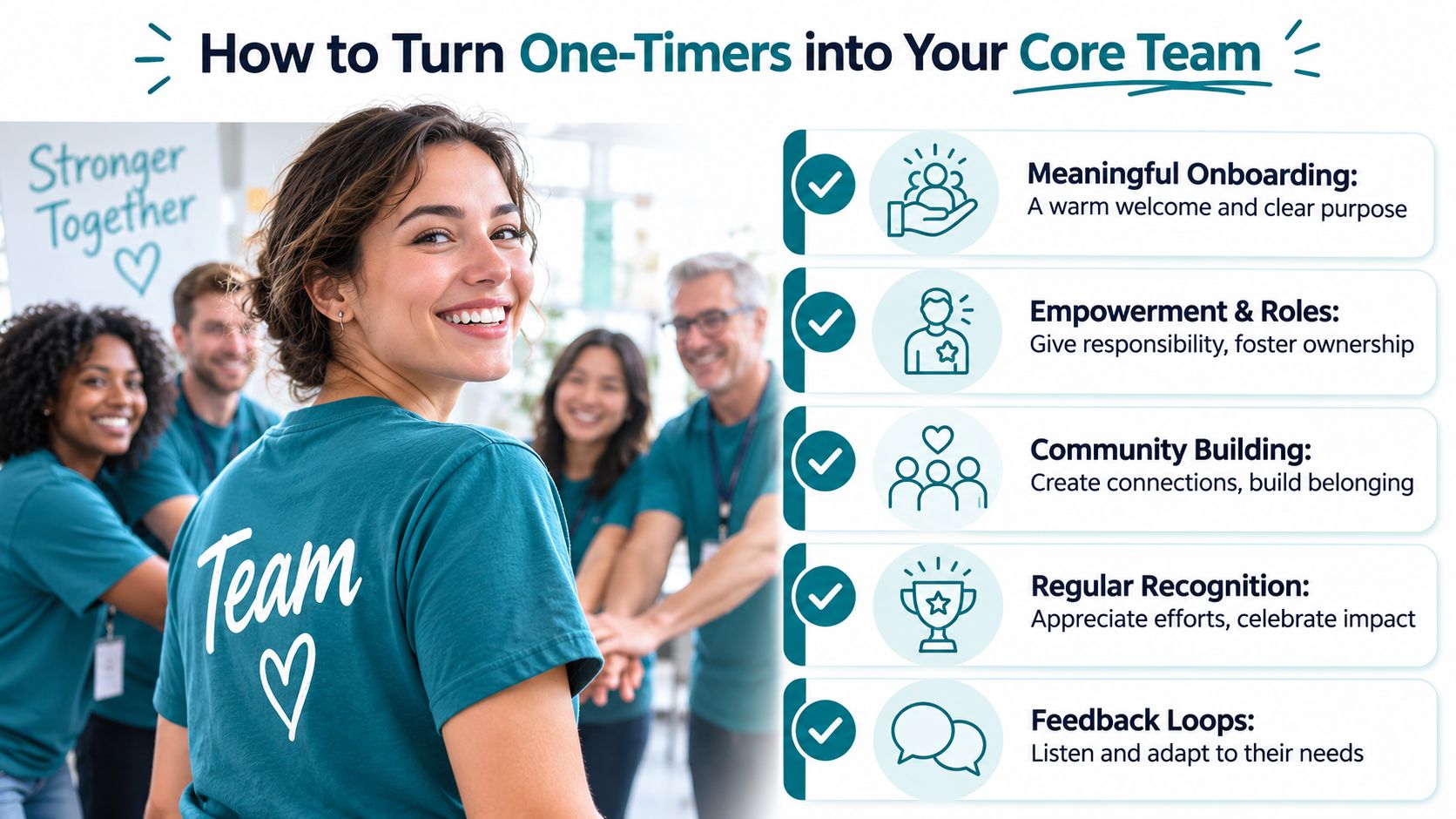
The simplest fix I know is pairing a new volunteer with an experienced one.
I don't mean assigning some stiff mentor role with paperwork and scripts. I mean a real human pairing. "Hey, this is Maya. It's her first time. Chris, can you two work this block together?" That small move changes the whole texture of the morning.
The reason is straightforward. This volunteer retention article from Givebutter says social connection is the strongest predictor of whether a new volunteer returns, and that buddying rookies with experienced volunteers creates a direct friendship hook.
I believe that because I've seen it.
A buddy answers the embarrassing questions before they become reasons to leave. They explain why the group does things a certain way. They crack jokes when the work gets awkward. They turn "I showed up to volunteer" into "I met someone."
One clean block matters. One real connection matters more.
Give people a role they can own
People return faster when they feel useful, not managed.
That doesn't mean dumping responsibility on them. It means giving them a lane. Let one person handle grabbers. Let another sort full bags. Let a regular choose the route. Let somebody with a loud voice do the opening briefing. Ownership makes people feel woven into the group.
If you want the broader operating side of that, I like keeping a few simple volunteer management best practices in view, especially around communication, clear roles, and follow-up.
Here are three moves that work well together:
- Pair them early: Don't wait for a new volunteer to self-integrate. Introduce them to one regular by name and give them shared work.
- Name their contribution: Say exactly what they helped do. "You cleared the worst stretch of that alley" lands harder than "thanks for coming."
- Invite the next chapter: Before they leave, mention the next event in a personal way. "You'd like next week's route. It's got a lot of weird stuff."
Identity helps people stay
Groups become sticky when they have personality.
That can be small. A color everyone wears. A running joke. A song you always play while packing up. A silly phrase for the toughest jobs. These things sound cosmetic until you watch what they do. They create texture. They give people something to belong to.
People don't only return to tasks. They return to identities that feel good to wear.
This short video captures the spirit better than a paragraph can.
Recognition is stronger when it feels earned
I like milestones when they mean something.
Not in a fake corporate way. In a "you've been here enough times that people know your laugh" way. Recognition works best when it reflects a real story. Maybe someone kept showing up through bad weather. Maybe they reliably helped every first-timer all month. Maybe they took ownership of a frustrating task nobody wanted.
You don't need expensive rewards for that. You need attention.
Try this checklist at your next event:
- Welcome with context: Tell new people why today's work matters on this specific block, not in abstract terms.
- Use names quickly: Names turn a crowd into a group.
- Create a tiny tradition: Group photo, coffee stop, post-cleanup recap. Repetition builds memory.
- End with a direct invitation: Don't let people leave in a vague cloud. Give them a next date and a reason to come.
If you do these things well, your core team won't feel like a mystery. It will feel like the natural result of people getting attached to each other through useful work.
A Simple Dashboard to Track Your Community's Health
I like spreadsheets because they don't pretend to be smarter than you.
A simple dashboard can tell you a lot if you feed it the right questions. You don't need a giant software stack. You need a file you will open, update, and understand.
The biggest mistake I see is tracking only one annual retention number. That is too slow. You need a shorter rhythm.
According to these volunteer turnover statistics, you should measure retention quarterly, not annually, set 65% as a benchmark, and aim for 70% or higher. The same source recommends segmenting by cohort like first-time volunteers, those with 50+ hours, and corporate partners so you can see exactly where you're losing people.
Start with one sheet and four columns that matter
Build one tab called "Volunteer Health Dashboard."
Use this table layout:
| Metric | Q1 2026 | Q2 2026 | Target | Notes |
|---|---|---|---|---|
| Overall retention rate | 65% benchmark, 70%+ target | |||
| First-time volunteer return rate | ||||
| 50+ hour volunteer retention | ||||
| Corporate partner retention |
You can add more later. Don't start with more.
What each row helps you see
Each cohort tells a different story.
- First-time volunteers: This row tells you whether your welcome experience is working.
- 50+ hour volunteers: This row helps you spot fatigue among your most committed people.
- Corporate partners: This row shows whether organized groups are treating your events like a one-off outing or a repeat habit.
If your overall number looks stable but your first-timer row drops, you probably have an onboarding problem. If your veterans start slipping, the issue might be burnout, boredom, or life changes catching up with them.
Review it like a coach, not an accountant
A dashboard is only useful if you react to it like a human.
At the end of each quarter, ask:
- Which group came back most reliably?
- Which group slipped?
- What changed in the actual event experience?
- Who should I call, thank, or ask for honest feedback?
That's the whole game. Notice patterns early. Adjust while the season is still alive.
If you want your tracking to stay useful, keep your notes concrete. "Cold weather event with weak turnout." "New volunteers had no clear greeter." "Veterans carried setup again." Short notes beat polished summaries.
A healthy volunteer community leaves clues. Your dashboard helps you catch them before they become exits.
Your Volunteers Are the Story
I still think about that first winter volunteer by the lake.
If I had looked only at a dashboard, she might have become a simple category. New volunteer. First event. At risk of churn. Instead, she became a returning face because one rough morning turned into friendship, and friendship turned into momentum.
That is what volunteer retention rates are really measuring. They are not just counting who came back. They are tracing whether your group feels alive enough for people to re-enter it.
The numbers change when people feel held
A longitudinal study found that the median volunteer retention rate rose from 60% in 2019 to 2020 to 70% in 2020 to 2021, according to this study on predictors of volunteer turnover. I don't read that as a story about better spreadsheets. I read it as a story about organizations taking retention seriously enough to design for it.
When groups care about who stays, they start behaving differently.
They communicate better. They support people better. They create more room for belonging, trust, and useful work. The rate moves because the culture changed first.
Build a story people want to keep joining
I don't think the healthiest volunteer groups chase retention as a trophy.
They build mornings, afternoons, and habits that people miss when they're gone. They create the kind of service where effort feels shared and the next event already has emotional gravity before it even starts. The strongest communities do this almost by instinct. They make people feel expected, useful, and known.
Your retention rate is the shadow cast by your community. Fix the community, and the shadow changes.
That is why I care so much about names, jokes, buddy pairings, post-event coffee, weird weather, visible work, and direct invitations to return. Each one is a line in the same story. Each one tells a volunteer, "You weren't extra. You were part of this."
My advice is simple
Stop treating volunteers like inventory.
Track your numbers, yes. Measure quarterly. Watch your first-timers. Protect your regulars. Learn from the people who stop showing up.
But don't build your whole approach around fear of dropout. Build around warmth, purpose, and memory. Make the day feel worth retelling. Make the work feel shared. Make the next event feel like a chapter nobody wants to miss.
Then the numbers have a chance to become a reflection instead of a struggle.
If you want to join a cleanup crew that cares about friendship as much as the work, check out Litter Caterpillars. Come for one morning, meet good people, and see if you want to be in the next chapter.