
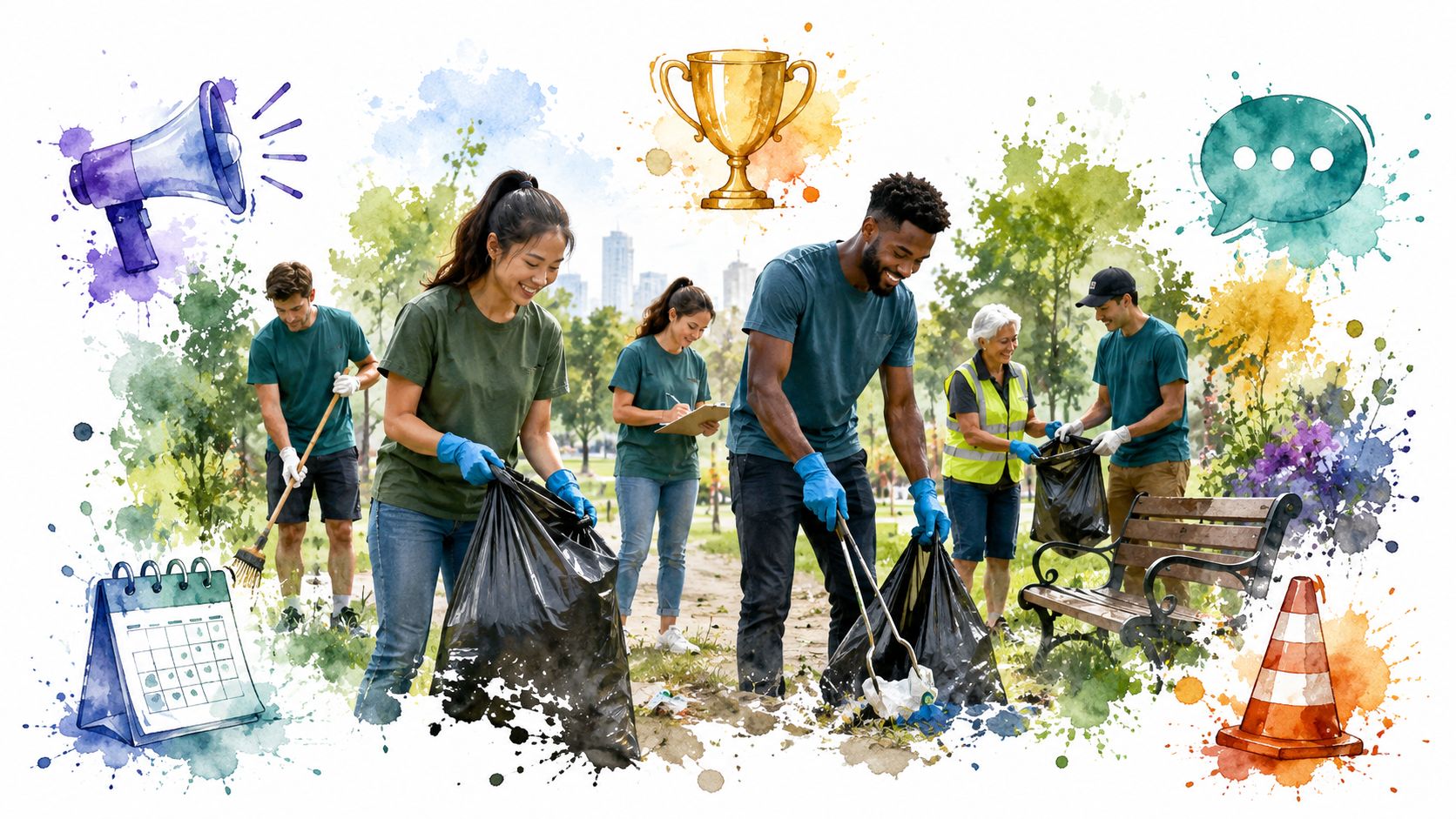
More Than Picking Up Trash
I used to have trouble cleaning my own room. An old jar of blueberry jam in the back of my fridge could stop me cold because it carried a memory, and a bag of nuts from some failed health kick felt weirdly heavy. My place was a mess, and my life was too.
Then I found out that cleaning up other people's messes felt easier. I started Litter Caterpillars with a tiny crew, and on our first day Chicago hit us with hail and slush. We hid under a tree, freezing, laughing, and watching our rides cancel one after another. That was the day I learned something strange. Hard service can be fun if people feel like they belong inside the story.
A lot of volunteer engagement strategies sound clean on paper. Better onboarding. Better reminders. Better appreciation. Sure. Use all that. But if you've ever tried to get people out of bed on a cold Saturday morning to do wet, dirty, unglamorous work, you know the truth. People don't return because your signup form looks nice. They return because something in the group grabs them by the heart.
The country has had a real drop in formal volunteering. The Council of Nonprofits points to research showing it fell more than 23% between 2019 and 2021, from 30.0% of the public to 23.2%, and nearly half of nonprofit CEOs surveyed in mid-2022 still said recruiting enough volunteers was a “big problem” (Council of Nonprofits on new volunteer data). So I stopped building for vague goodwill. I started building for identity, grit, friendship, and repeat attendance.
These are the ten moves that helped us build a tribe.
1. Community Identity and Pride Building
The first time I realized this mattered, we were still a tiny cleanup crew with trash grabbers and bad weather luck. We didn't have money. We didn't have polish. We had a hail-storm origin story, a name people remembered, and eventually a theme song by Ella Duke that made the whole thing feel real.
That changed everything. A volunteer stopped feeling like a random helper and started feeling like a Caterpillar.
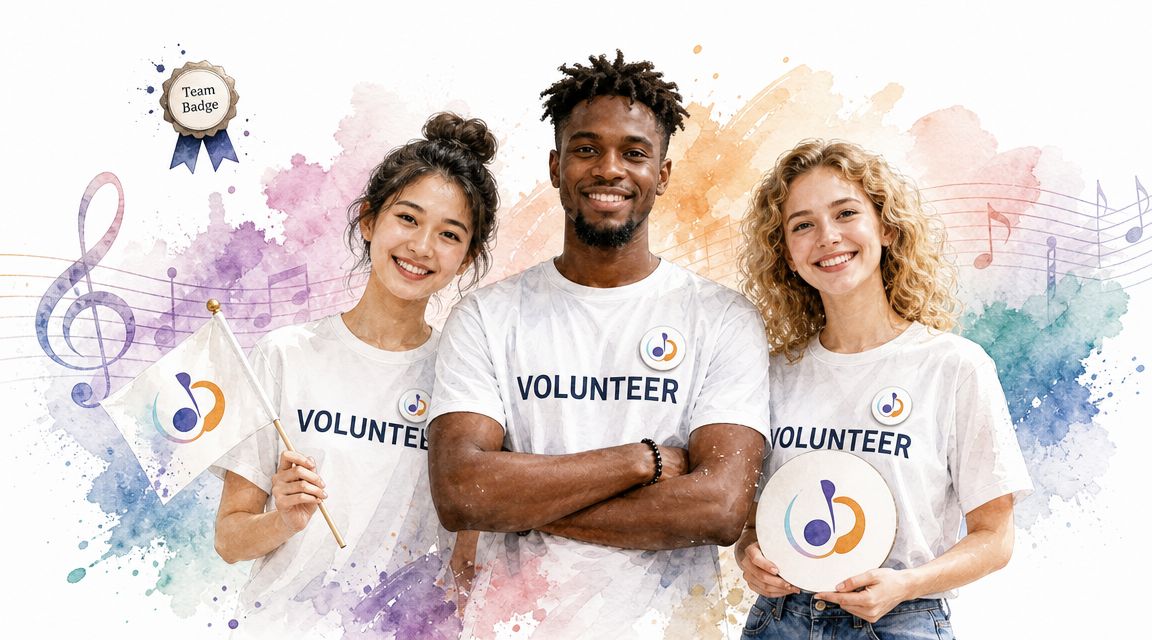
Make people proud to join
Sports teams know this. AmeriCorps knows this. Rotary clubs know this. Badges, uniforms, songs, rituals, and little symbols look small from the outside, but they tell a person, “You're part of something.”
If you want better volunteer engagement strategies, give people a name they can wear in their own head. “I'm helping out” is weak. “I'm one of us” is strong.
Here's what I'd build early:
- A story-rich symbol: Our logo matters because it came from that first frozen cleanup. People remember stories better than graphics.
- A simple ritual: Start every event the same way. Short welcome. Safety note. Group photo. Cheer. Repetition builds belonging.
- Something people can earn: A badge, patch, glove color, or silly title can mean more than you'd think when it marks effort.
- Shared language: We call people Caterpillars because transformation is the point.
Practical rule: Don't buy identity off a shelf. Let volunteers help create it.
If you want a deeper feel for why this works, I'd read our piece on civic pride and what it does to a neighborhood. Pride gets a bad rap because people confuse it with ego. I don't mean ego. I mean the healthy kind of pride that makes you stand taller with a trash bag in your hand.
When someone says, “I'm proud to be part of this,” your retention problem gets lighter.
2. Strategic Timing and Schedule Filtering
We clean on weekend mornings on purpose. I didn't land there by accident. I wanted a schedule that attracted people who like giving more than drifting.
That choice filtered our culture before I ever said a word.
Your calendar recruits your people
CrossFit gyms understand this. Dawn running clubs understand this too. If you meet early, consistently, and without apology, you gather people who like discipline, service, and rhythm. If your event moves around constantly, your culture moves around too.
I've learned that schedule is moral architecture. It shapes who walks through the door.
A few things happen when you lock in a repeat time:
- Habits form faster: People stop negotiating with themselves every week.
- Expectation gets simpler: “Saturday morning” becomes part of life, not a special event.
- Values become visible: You demonstrate, “This is who we are.”
- Drama drops: Fewer last-minute debates, fewer mixed signals.
Be consistent enough to become part of someone's identity
If you cancel often, people stop trusting the rhythm. If you move the time every other week, attendance becomes a gamble. I'd rather have a harder time slot with stronger consistency than an easier time slot with chaos.
One of my favorite sights is a volunteer showing up sleepy, coffee in hand, because they've done it enough times that the choice is already made. That's when your group stops being an activity and starts becoming a practice.
Some people won't like your time. Good. You're not trying to attract everybody.
A lot of volunteer engagement strategies chase maximum convenience. I get why. But convenience alone doesn't build a tribe. Sometimes a little friction is useful if it filters for people who mean it.
3. Low-Barrier Entry With Multiple Access Platforms
A person sees your cleanup on Instagram. Another finds you on Meetup. Someone else joins because a friend dropped them into a group chat the night before. Good. That's how real life works.
I don't want a future volunteer to solve a puzzle just to find us.
Make the first yes easy
For us, Meetup works well as a clean public doorway. Instagram helps us show the spirit of the crew. Group chats help with real-time coordination, jokes, weather updates, and “I'm running five minutes late” honesty.
Different people need different doors. The shy person may lurk on Instagram first. The organized person may want a proper event page. The social one may trust a friend's text more than any website you build.
Recent guidance on volunteer communication keeps pointing toward email, text, portals, segmented communication, and online communities, but the primary challenge is turning digital discovery into real belonging (Momentive Software on increasing volunteer engagement). I've felt that gap myself. The channel matters less than what happens after the first click.
Use each platform for its real job
Don't force every platform to do everything.
- Meetup for discoverability: Let strangers find a clear date, time, and place.
- Instagram for feeling: Show faces, muddy gloves, weird weather, neighborhood wins.
- Group chat for momentum: Reminders, quick updates, and post-cleanup banter keep the pulse alive.
- Email for substance: Put details, safety notes, and recaps somewhere people can find later.
A lot of volunteer engagement strategies fail right here because they make newcomers feel dumb. “Fill out this form, wait for approval, read this packet, create a password, then maybe come next month.” No thanks.
I want first-timers to feel like they can just show up. If they don't know the drill, I teach the drill on the sidewalk in two minutes. That's how you lower fear. That's how you grow.
4. Volunteer-First and Never Monetize Volunteers
I have a rule I value. I won't squeeze volunteers for money.
If somebody gave me their Saturday morning, their body, their attention, and their goodwill, I'm not going to turn around and shake them upside down for a donation.
Protect the energy people give you
Volunteer energy is fragile. Once people feel used, it's hard to get the trust back. I'd rather build grants, sponsorships, and donor support somewhere else than muddy the relationship with the people doing the work.
That rule has become part of our culture. It tells volunteers, “You are not a wallet with legs. You are a person.”
The broader field keeps moving toward treating volunteer engagement as a formal management function instead of an extra chore. In a national survey of 1,210 nonprofit CEOs, the median Volunteer Engagement Professional in 2022 spent 40 to 50% of their time on volunteer engagement, compared with about 30% in 2003, and the share of organizations with no dedicated volunteer engagement specialist was cut roughly in half after the pandemic (The State of Volunteer Engagement report PDF). That matches what I've lived. Trust, follow-up, scheduling, recognition, and care take real work.
Put the rule in writing
I'd make this plain to your team:
- Volunteers are there to serve, not to fundraise.
- Safety comes first.
- Happiness comes right after safety.
- Recognition should be generous and non-monetary.
If you want to build better repeat attendance, protect people from the feeling of being harvested. I wrote more about that in our guide to volunteer retention strategies.
If a volunteer leaves feeling drained, guilty, or pitched at, you've taken more than you gave.
A volunteer-first culture sounds soft. It isn't. It's disciplined. It forces you to build a real operating model instead of leaning on the easiest people in the room.
5. Embracing Challenge and Reframing Difficulty as Growth
I don't hide the hard part of cleanup work. Cold fingers. Wet shoes. Strange smells. Wind in your face. Blocks that look forgotten. I talk about all of it openly.
Then I frame it the right way. This is the flavor.
Hard days become the stories people carry home
That first hail storm taught me something. Suffering, within safe limits, can bond people fast. You remember the day your gloves soaked through. You remember the sudden laugh when a trash bag turns into a sail in the wind. You remember the block that looked impossible until it didn't.
Outward Bound figured this out long ago. Tough experiences, handled well, wake people up. I'm not running wilderness expeditions, but I do know this. Easy service is forgettable. A little hardship can turn a cleanup into a chapter in someone's life.
The trick is balance. You never gamble with safety. You do tell the truth about the work.
Sell the transformation, not the comfort
When I recruit, I don't pretend every day is sunny and cinematic. I tell people Chicago has teeth. I tell them that's part of the fun. Some will opt out. Fine. The right people lean in.
A few ways to handle challenge well:
- Name the conditions clearly: Cold, heat, mud, and distance should never be a surprise.
- Prepare people: Gloves, layers, water, and route expectations matter.
- Celebrate resilience: After a rough day, say it out loud. “You did something hard.”
- Tell the stories later: Hard days become folklore. Folklore builds culture.
The weather is part of the event. It isn't always the enemy.
Many volunteer engagement strategies try to remove every ounce of discomfort. I think that misses something human. A challenge can make people feel alive. It can also make service feel earned, and earned memories last longer than comfortable ones.
6. Hyperlocal Neighborhood Coverage and Geographic Equity
A city can tell when you only love its pretty parts.
If you keep cleaning the same polished blocks because they photograph well, people notice. I wanted our crew to go where the mess was, even when those places were less convenient, less trendy, or farther from where volunteers lived.
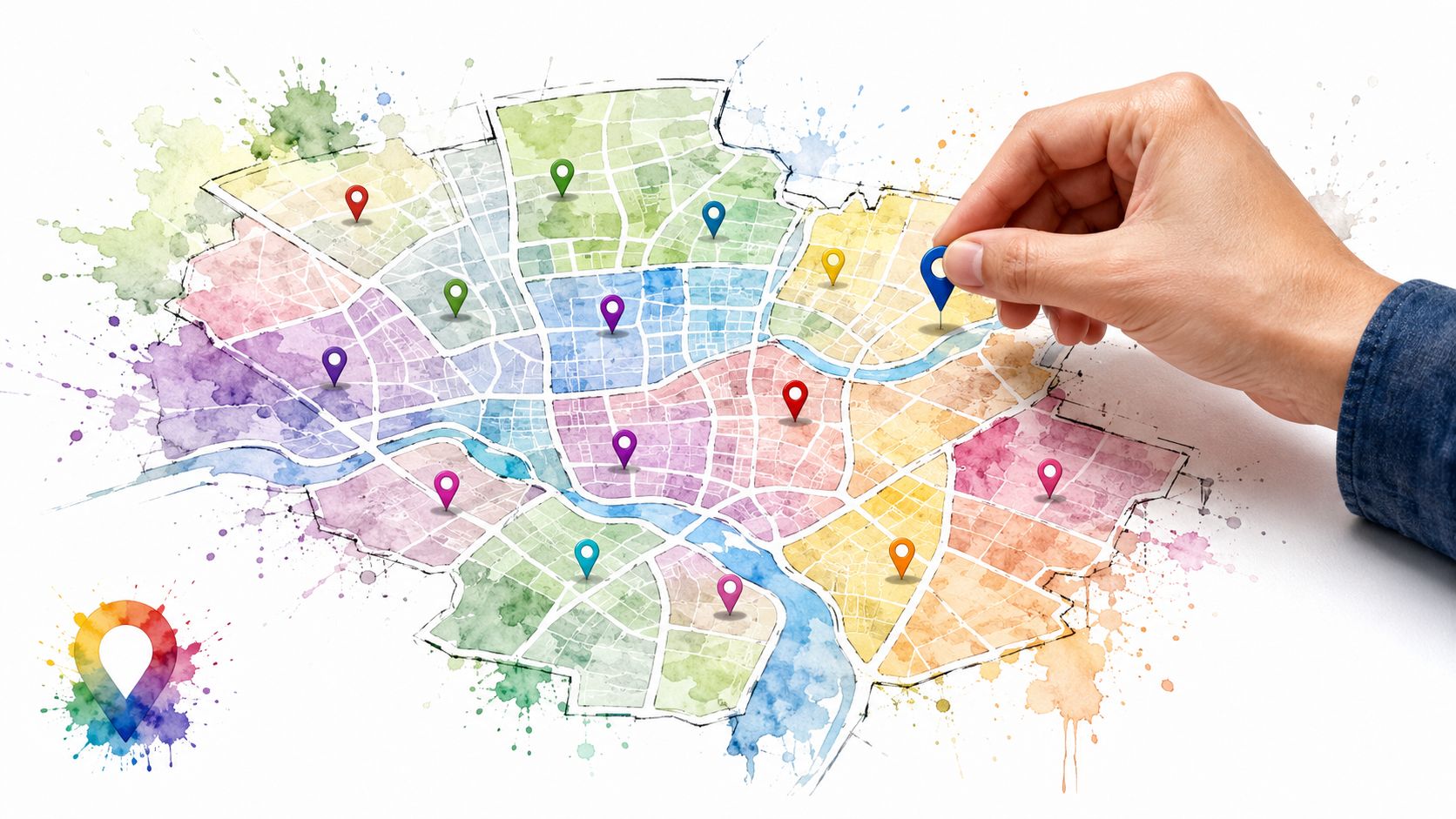
Make a map and mean it
Litter Caterpillars works across all 50 wards in Chicago. That changes how volunteers see the city. It also changes how the city sees us. We're not just cleaning where it's easy to get brunch after. We're building a relationship with the whole place.
That kind of coverage creates a different kind of pride. A volunteer who has served in many neighborhoods starts to feel stitched into the city itself.
Here's what helps:
- Map your territory: Put your service area where volunteers can see it.
- Rotate neighborhoods on purpose: Don't let convenience narrow your mission.
- Treat every area with equal respect: A block in Englewood deserves the same enthusiasm as a block downtown.
- Build local ties: Residents, block clubs, and nearby groups can tell you what matters most.
Repetition changes what people believe
One cleanup can feel symbolic. Repeated presence feels real. If you return often enough, residents learn your name, volunteers learn the streets, and the work stops feeling like charity tourism.
Place-based service is emotional. A person remembers where they worked. They remember the alley, the vacant lot, the corner store owner who waved, the kid who asked for a grabber. Geography turns abstract service into lived memory.
I've found that some of the strongest friendships in our crew grew on blocks people had never visited before. Shared unfamiliar ground does that. It wakes up curiosity. It knocks loose assumptions. It gives people something real to talk about on the ride home.
7. Friendship and Relationship Building as Primary Outcome
If all you give volunteers is a task, they'll compare you to every other task in town. If you give them friends, that's different.
Some people come to pick up trash. A lot of them stay because they start caring about the people next to them.
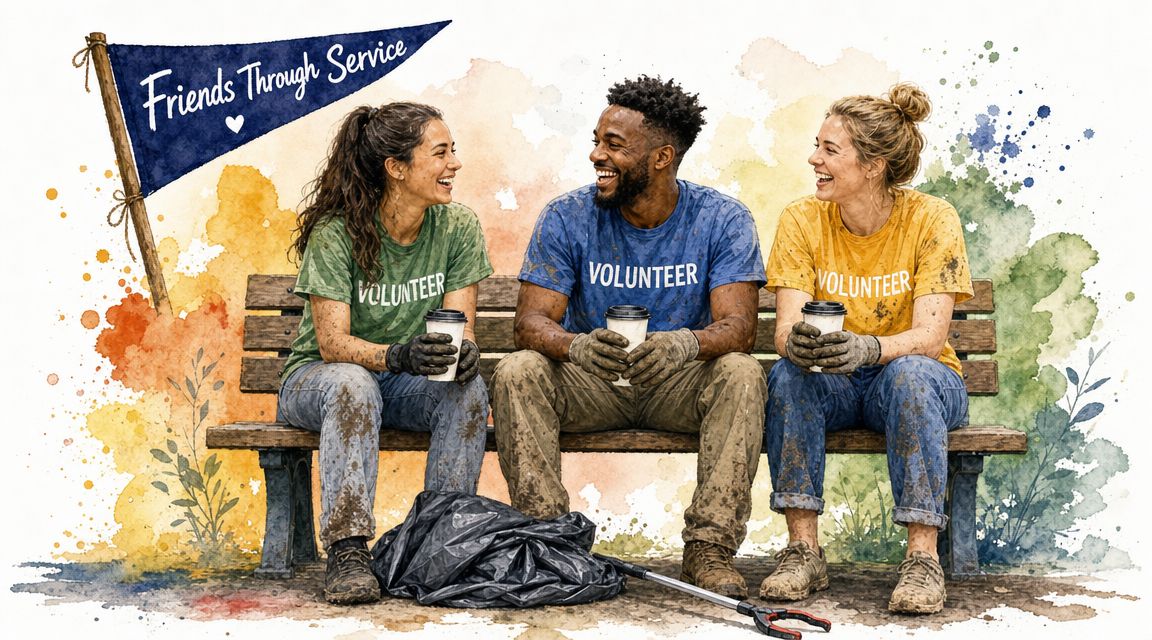
Build room for connection
Habitat for Humanity crews often bond because they're side by side for long stretches. Running clubs do this too. The workout matters, but the talk before and after often matters more.
Cleanup groups can copy that. Pair people up. Walk in small clusters. Get breakfast after. Let a new person carry a bag with someone who knows the ropes instead of leaving them alone with their thoughts.
A few habits help a lot:
- Do introductions every time: Even regulars forget names.
- Create repeat pairings: Familiarity grows trust.
- Celebrate personal moments: New job, birthday, breakup survived, exam finished. All of it counts.
- Keep talking after the event: Group chats shouldn't die when the bags hit the dumpster.
Treat belonging like part of the mission
One practitioner guide I like points volunteer teams toward four core KPIs: New Volunteer Conversion Rate, Annual Volunteer Retention Rate, Annual Event Participation Rate, and Monthly Churn Rate. The same framework also recommends tracking average engagement per volunteer as total hours served divided by unique volunteers, and it suggests monthly reviews, quarterly deeper reviews, and annual year-over-year evaluations (VolPro on outcome metrics for volunteer programs). I like that because friendship is beautiful, but you still need to watch whether people return.
If I saw event participation sagging or churn rising, I wouldn't only tweak reminders. I'd ask a human question. Do people have friends here yet?
People rarely say, “I'm returning for the retention architecture.” They come back because somebody will notice if they don't.
A lot of volunteer engagement strategies talk about appreciation. Good. But friendship beats appreciation for long-term staying power. A thank-you note is nice. A friend texting “you coming Saturday?” is stronger.
8. Visible, Transformative Impact Projects
Routine cleanups keep your muscles warm. Big visible projects light a fire in people.
I learned that when our work started stretching past bags of litter and into places where you could see a whole space change character.
Give people something they can point at
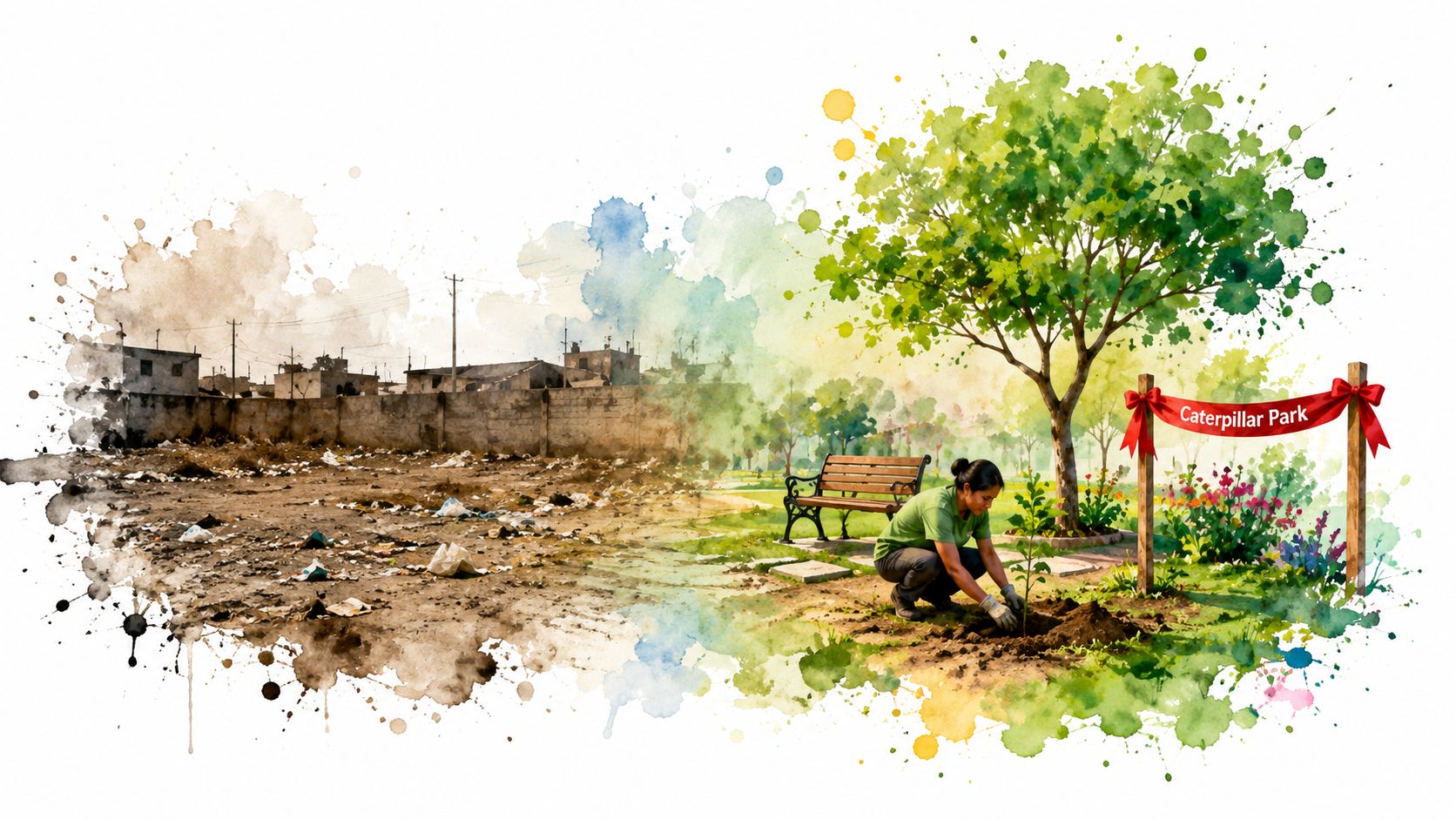
An empty lot turned into Caterpillar Park in Englewood is different from a single cleanup route. Cleaning a highway during a bike-event shutdown feels different too. People can tell the story later with a beginning, middle, and end.
That kind of work changes volunteer psychology. Instead of “we helped a bit,” the feeling becomes “we built this.” That sentence has power.
Big projects also pull in different kinds of volunteers. Some love weekly rhythm. Others wake up when there's a flagship challenge with a visible finish line.
A few ways I consider this:
- Start with one project people can see clearly.
- Document the process, not only the finish.
- Invite neighbors into the story.
- Celebrate completion in public.
Show the process so people can feel progress
Photos and short videos matter here because transformation is easier to believe when people can see before and after. A muddy lot becoming a usable space lands in the gut.
This kind of project also creates better recruitment material than a generic mission statement ever will. A newcomer can look at the work and think, “Oh, you do things.”
Here's one example of a transformation story in motion:
A person who spends one morning picking up loose bottles may feel helpful. A person who helps reshape a whole lot or corridor feels changed. That's a different level of ownership, and ownership is one of the strongest volunteer engagement strategies I know.
9. Personal Transformation and Self-Leadership Development
I didn't start this group because I had my life perfectly together. I started it because I didn't.
That matters. People can smell fake perfection from a mile away.
Let service change the volunteer too
A lot of us come to volunteer work carrying something. Shame. Restlessness. Loneliness. Grief. A bad breakup. A sense that we've been drifting too long. I know that territory well.
When I tell volunteers I used to struggle to throw away obvious trash in my own home, I'm not trying to be dramatic. I'm telling the truth. Service became a way for me to practice consistency, bravery, and self-respect in public.
That honesty opens a door. It tells people they don't need to arrive polished.
Some groups already understand this logic. Recovery communities often use service as part of healing. Teaching and mentoring programs often become growth experiences for the volunteers themselves. Cleanup work can do the same if you let it.
Give people small chances to lead themselves
Self-leadership doesn't need a workshop. It needs reps.
- Ask someone to lead a warm welcome.
- Let a regular choose the route.
- Invite a quiet volunteer to bring a friend next time.
- Trust people with simple responsibility before big responsibility.
One underserved truth in volunteer engagement is that retention after the novelty fades is often an operating problem, not just a messaging problem. Independent Sector argues for strategic volunteer engagement that is resourced, reported on, and built into leadership decisions (Independent Sector on strategic volunteer engagement). I agree. If you want people to grow through service, you can't treat them like interchangeable labor.
I've watched volunteers become steadier, kinder, and more confident because they kept showing up. I've seen people who felt awkward at first become the ones greeting everyone else. That's one of my favorite things in this work. Trash leaves the block, sure. But fear leaves the body too, little by little.
10. Strategic Partnership Development and Community Cohort Recruitment
You can build a strong crew alone for a while. Then you hit a ceiling.
At some point, if you want more tools, more reach, better project support, and a steadier flow of new people, you need partners and you need cohorts.
Recruit groups, not only individuals
A university club can bring a whole pod of students. A neighborhood association can bring residents who already care about a corridor. A business can send a team that likes working together outside the office. A church group can show up with built-in trust.
That changes the vibe fast. When people arrive with at least one familiar face, anxiety drops. New volunteers blend in faster. Attendance feels less brittle.
I also like cohort recruiting because it sharpens your message. Students want one thing. Young professionals may want another. Neighbors want something else. If you speak to everyone the same way, your invitation gets mushy.
Keep partnerships simple and active
You don't need fancy memorandums full of legal fog for every relationship. You need clarity.
Try this:
- Pick a few natural partners: Neighborhood groups, schools, businesses, local nonprofits.
- State the exchange plainly: Volunteers, tools, food, space, promotion, project support.
- Make one person own the relationship: Drift kills partnerships.
- Celebrate partners in public: People like being appreciated when it's sincere.
The software side of this work is growing too. One market report projects the volunteer management platform market at a CAGR of 8.6%, growing from USD 1.25 billion in 2024 to USD 2.419 billion by 2032, and ties that growth to centralized databases, automation, mobile access, real-time updates, and analytics (Credence Research on volunteer management platforms). I don't bring that up to sound fancy. I bring it up because if you start building partnerships and cohorts, your coordination load jumps. You need systems that keep the human part alive instead of drowning you in manual follow-up.
If you're trying to widen the top of the funnel, our guide on volunteer recruitment strategies has ideas that work well with this approach.
The best partnerships don't feel transactional. They feel like a shared mission with names attached.
Volunteer Engagement: 10-Point Strategy Comparison
| Strategy | 🔄 Implementation Complexity | ⚡ Resource Requirements | 📊 Expected Outcomes (⭐) | Ideal Use Cases | 💡 Key Advantages / Tips |
|---|---|---|---|---|---|
| Community Identity and Pride Building | Medium, requires creative coordination and authenticity | Design time, modest budget for badges/merch, volunteer input | Strong retention, morale, organic recruitment ⭐⭐⭐ | Groups seeking loyalty, brand differentiation, long-term volunteers | Involve volunteers in design; keep symbols meaningful and authentic |
| Strategic Timing and Schedule Filtering | Low–Medium, planning + rigorous consistency | Low financial cost, high scheduling discipline | Reliable, values‑aligned participation; lower churn ⭐⭐⭐ | Programs needing committed habitual volunteers (weekend/AM) | Be consistent; communicate intentional timing as culture |
| Low-Barrier Entry with Multiple Access Platforms | Medium, multi-channel coordination | Time for platform management, basic tools | High recruitment and reach but lower initial commitment ⭐⭐ | Rapid growth, diverse urban communities, discovery-focused recruitment | Use Meetup for discoverability; ensure consistent messaging |
| Volunteer-First and Never Monetize Volunteers | Low, policy implementation + leadership discipline | Needs alternative fundraising resources (grants/sponsors) | Deep trust and volunteer loyalty; possible short-term revenue limits ⭐⭐⭐ | Mission-driven groups prioritizing volunteer goodwill | Put policy in writing; train leaders to redirect donation asks |
| Embracing Challenge and Reframing Difficulty as Growth | Medium, narrative work + safety management | Safety protocols, staff oversight, storytelling effort | Strong psychological commitment and memorable experiences ⭐⭐ | Organizations aiming for transformational, resilient volunteers | Prioritize safety; clearly signal this approach isn't for everyone |
| Hyperlocal Neighborhood Coverage and Geographic Equity | High, complex logistics and coordination | Travel, scheduling, local partnerships, mapping tools | Tangible equitable impact and community trust ⭐⭐⭐ | Citywide equity initiatives and underserved-area outreach | Map coverage publicly; build local leader relationships |
| Friendship and Relationship Building as Primary Outcome | Medium, needs social facilitation skills | Time for social events, facilitators, small-team coordination | Very high retention and wellbeing benefits ⭐⭐⭐ | Retention-focused groups and community‑building missions | Schedule social time; use consistent small teams for bonding |
| Visible, Transformative Impact Projects | High, planning, permits, specialized skills | Significant capital, expert partners, project management | Major media attention, funding, and visible legacy ⭐⭐⭐ | Flagship projects to attract partners and prove impact | Start small, document progress, involve community in design |
| Personal Transformation and Self-Leadership Development | Medium–High, requires vulnerable leadership & structures | Mentorship programs, leader training, safe spaces | Deep volunteer investment and leadership pipeline ⭐⭐⭐ | Programs attracting personal-growth seekers and leaders | Share founder stories, provide mentorship, set clear boundaries |
| Strategic Partnership Development & Cohort Recruitment | High, relationship management and negotiation | Staff time, formal agreements, partner coordination | Multiplied resources, credibility, expanded recruitment ⭐⭐⭐ | Scaling organizations seeking funding, cohorts, or municipal support | Choose 3–5 aligned partners, formalize simply, track partnership ROI |
Start Your Own Transformation
That messy room I started with is still a work in progress, and so am I. I think that's healthy. I don't trust the kind of service story where the founder acts like he climbed a mountain, planted a flag, and solved himself forever. Real life is messier than that. Some mornings I still fight resistance. Some weeks I still need the group as much as the group needs me.
That's part of why these volunteer engagement strategies matter to me. They aren't tricks for squeezing more labor out of people. They are ways to build a place where people can become stronger, kinder, and more alive together. If you've ever felt stuck, lonely, scattered, or scared of your own inconsistency, a good volunteer crew can help. Mine did.
I'd start smaller than you think. Don't try to build the whole machine in one weekend. Pick one move from this list and make it real. Create a stronger identity. Lock in a consistent time. Open a second signup channel. Protect volunteers from being monetized. Add breakfast after the cleanup. Map your neighborhoods. Build one project people can point at. Any one of those can change the feel of your group.
Keep your eye on returning faces. That is the test. A person coming once is interest. A person coming back is trust. If you're running a volunteer group, I'd watch the whole volunteer journey with care, because vague participation counts won't tell you enough. The strongest programs track things like conversion, retention, event participation, and churn so they can see where people are dropping off and fix the experience before drift turns into loss. You don't need to become a spreadsheet robot. You do need to pay attention.
I also wouldn't wait for perfect conditions. We didn't get perfect conditions. We got hail, cold hands, and canceled rides. We got a weird little origin story and built from there. A lot of the best community work starts that way. You act before you feel ready. You learn in public. You laugh when things go sideways. You keep going.
If you're in Chicago, Litter Caterpillars is one place to do that. We clean weekly, rain or shine, and we care a lot about friendship, safety, and showing up for every part of the city. If you're somewhere else, build your own version. Steal the spirit and make it fit your block, your weather, your people.
The hardest part is starting. The best part is seeing who you become when you do.
If you want a crew to join, Litter Caterpillars organizes volunteer-driven cleanups across Chicago and makes it easy to plug in through weekly events, neighborhood service, and a community built around friendship and resilience.
Leave a Reply