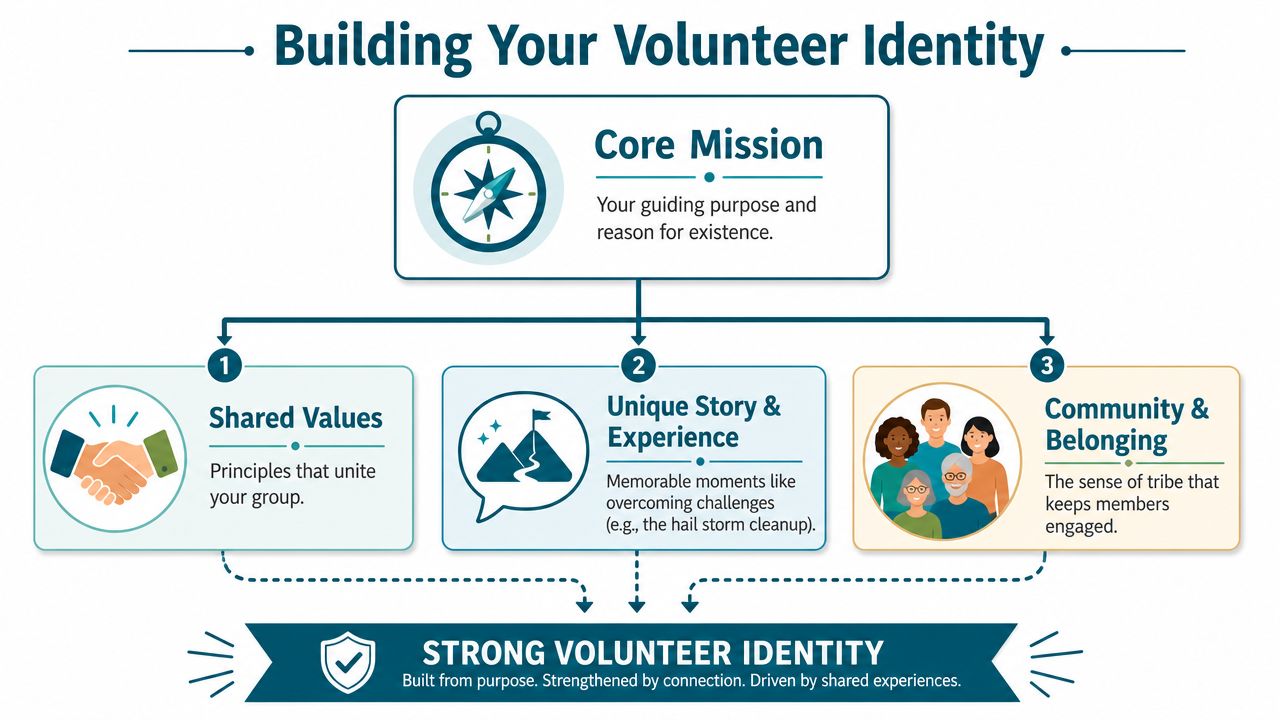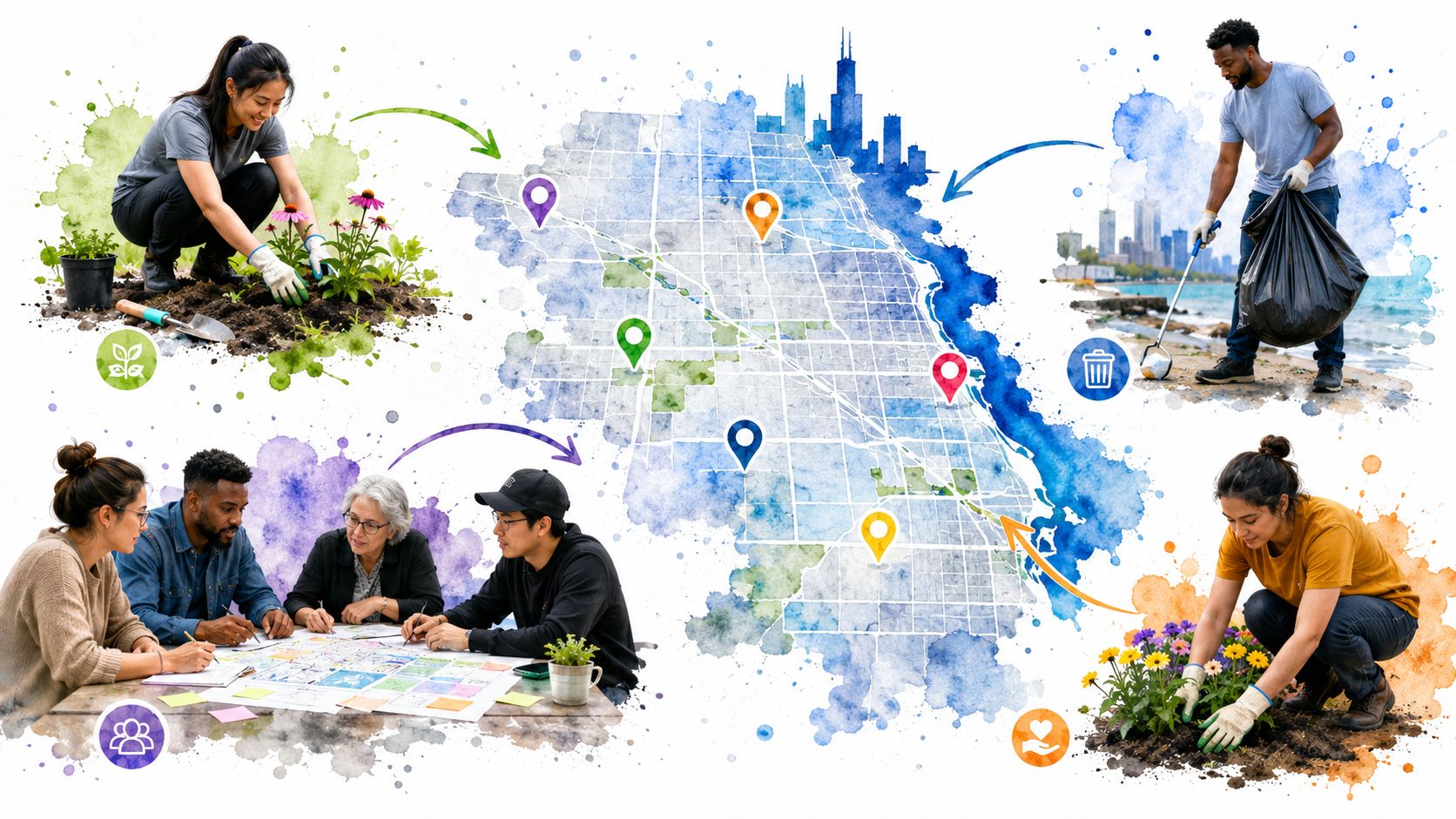
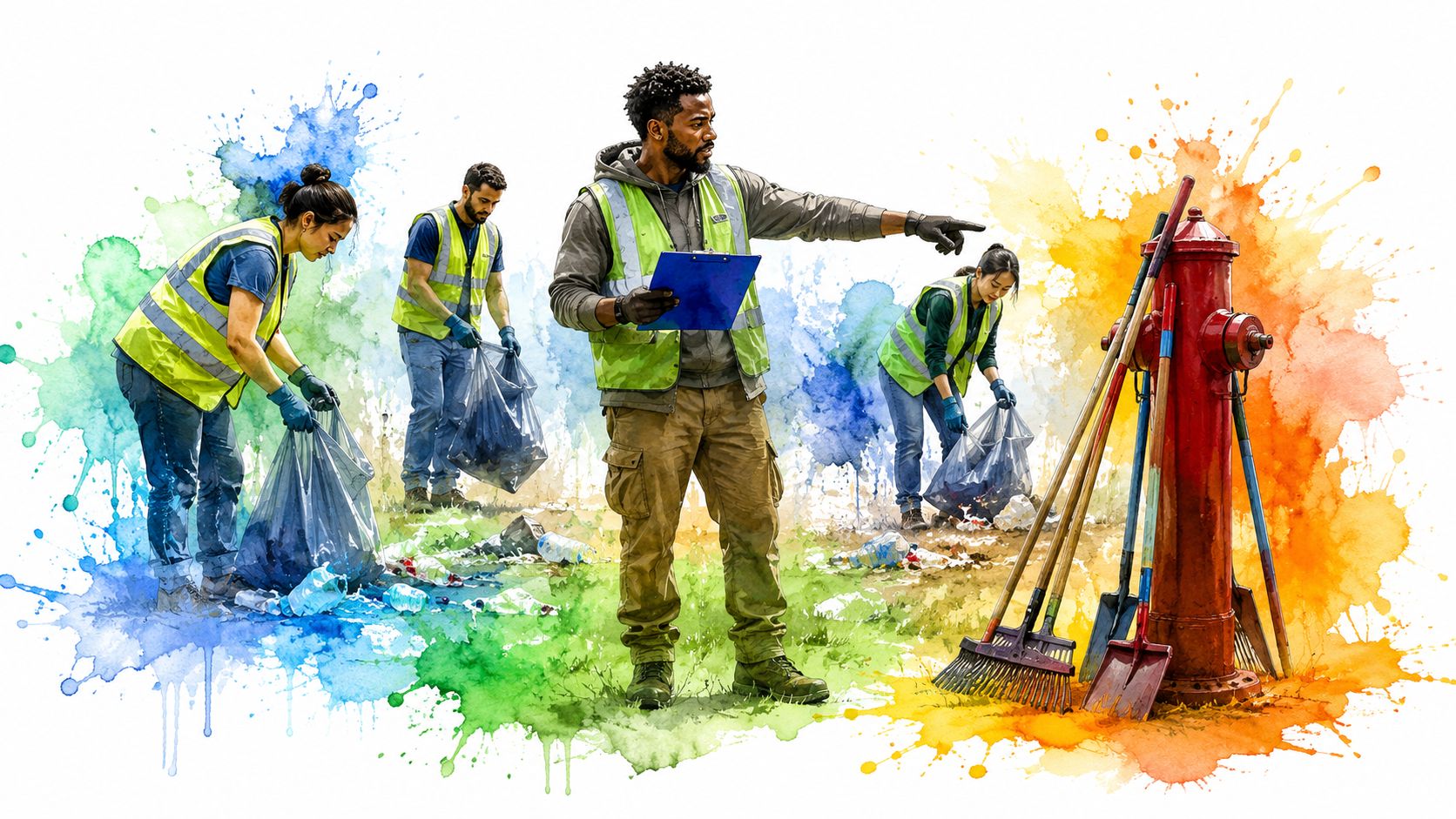
Three of us got caught in a Chicago hailstorm on our first cleanup. We huddled under a tree, shaking, while our rides kept canceling, and I realized a volunteer coordinator isn't there to hold a clipboard. You're there to hold the group together when the day goes sideways.
Why Your Coordinators Need More Than a Clipboard
That first cleanup taught me more than any neat classroom slide ever could. Bags were wet. Hands were numb. The city felt bigger than us. Yet that ugly little storm gave us a shared story, and shared stories are what turn a casual volunteer into a teammate.
A lot of volunteer coordinator training still assumes calm rooms, predictable schedules, and controlled conditions. That works if your volunteers are guiding guests through a museum or staffing a check-in table. It falls apart when your crew is on a roadside shoulder, the weather flips, and somebody finds a needle in the grass.
The job is leadership under pressure
In rough outdoor work, the coordinator has to do several things at once. You read the street. You read the people. You decide when to push, when to pause, and when to pull everybody out.
That's why generic training often feels thin. In hospice settings, coordinators have received live lecture-based training averaging 19 hours or less, according to a peer-reviewed hospice volunteer coordinator survey. If demanding care settings get training that short, you can see the problem for outdoor crews facing traffic, weather, sharp objects, and urban unpredictability.
Practical rule: If your coordinator training fits neatly into a few lectures, you haven't trained for reality. You've trained for a calm day that probably won't happen.
A street coordinator needs instincts, not just information. They need to know how to stop a volunteer from grabbing broken glass the wrong way. They need to know how to reset morale when turnout is low. They need to know how to say, “We're leaving now,” before pride turns into recklessness.
Hardship can build the team if the leader knows what to do
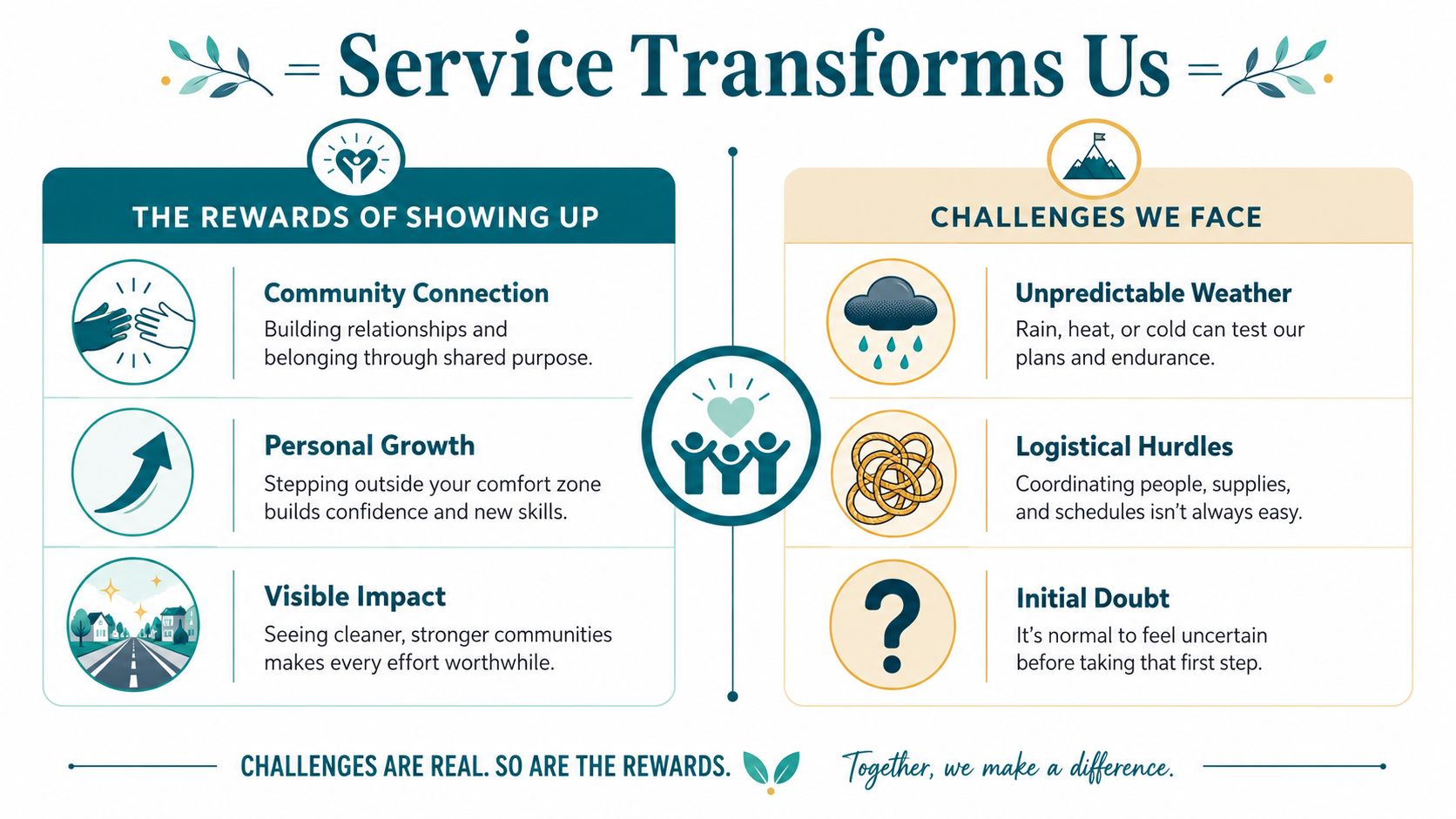
That hailstorm didn't make us strong by magic. The weather was miserable. What mattered was how we handled it. We laughed. We stayed kind. We looked after each other. We turned a rough day into a story worth repeating.
That's the difference between administration and leadership. Administration tracks names. Leadership gives people a reason to come back.
I've found that the best coordinators think like servant leaders in the field. They don't stand above the mess. They step into it first. That example gives volunteers courage.
Here's what doesn't work:
- Pure lecture: People nod in training, then freeze in the field.
- Over-scripted plans: The first surprise breaks the script.
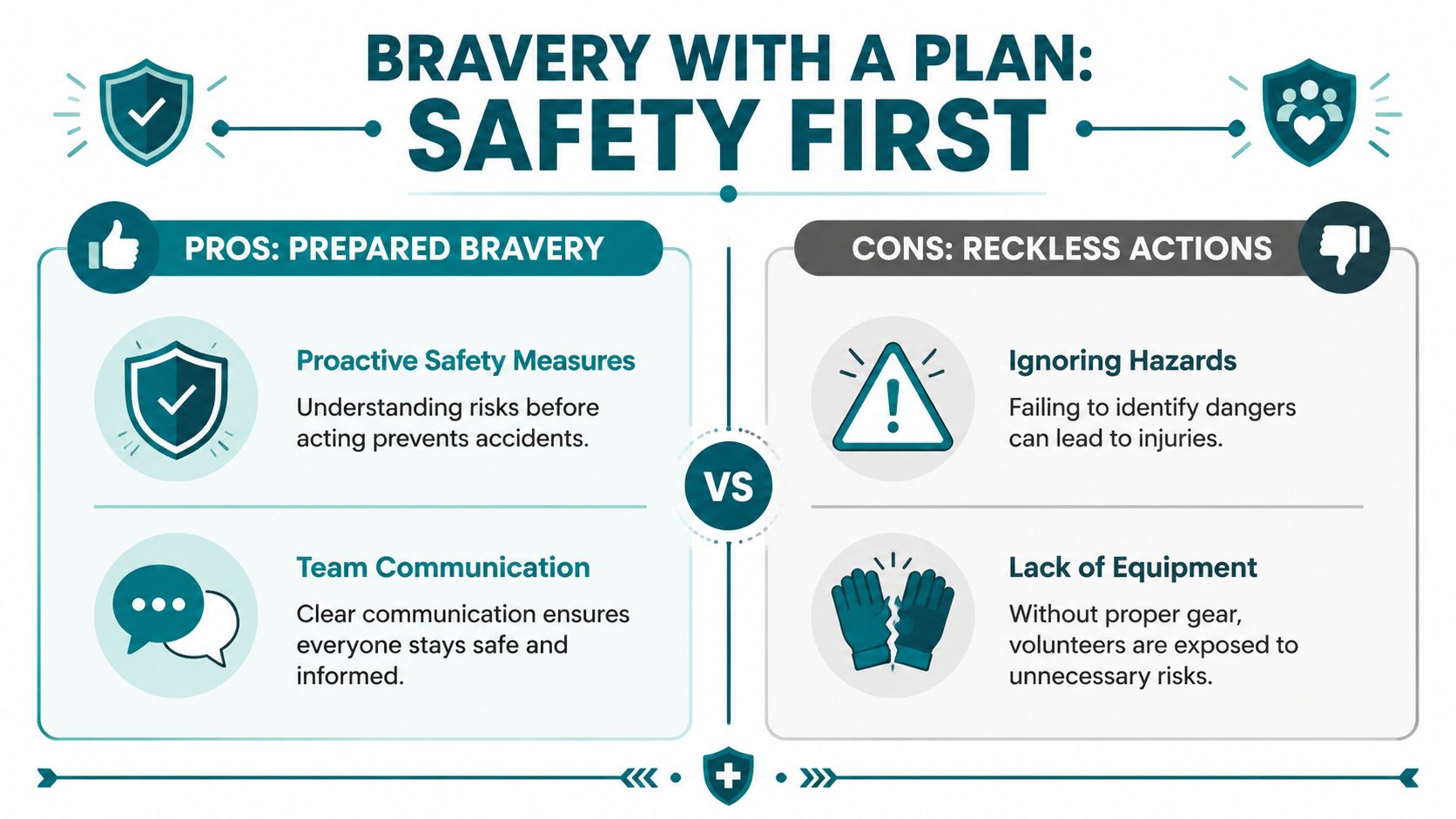
- Safety as paperwork: Volunteers can tell when a leader treats risk like a form instead of a real human issue.
Here's what does work:
- Scenario drills: Let people practice calling off a task, redirecting a volunteer, or changing the route.
- Field shadowing: New coordinators learn faster when they watch a calm leader handle a messy morning.
- Clear values: Brave and kind beats loud and tough every time.
If you train coordinators for chaos, they won't panic when it arrives. They'll steady the group, and the group will remember how that felt.
Building a Volunteer-First Culture
Before you teach route planning or supply counts, teach this: volunteer energy is precious. If you waste it, drain it, or exploit it, your program gets hollow fast.
Some organizations still treat volunteers like future donors with free labor attached. I think that poisons trust. If a person shows up to serve and you keep nudging them toward their wallet, they feel the switch.

A source on volunteer management training says 42% of new volunteers quit because they felt pressured to donate, and that same piece argues for a volunteer-first model that rejects donation pressure. You can read that claim in Rosterfy's roundup on volunteer management training programs and resources. That number is ugly, but it matches what many people already know in their gut. Nobody likes feeling used.
Train coordinators to protect energy
A coordinator's first cultural job is protection. They protect safety, yes, but they also protect mood, trust, and dignity.
That means your training should teach them how to notice:
- The volunteer who goes quiet: They may be cold, overwhelmed, or embarrassed to ask for help.
- The over-giver: They say yes to every task and burn out in silence.
- The newcomer on the edge: They need one warm conversation to feel included.
Volunteers give you their Saturday morning, their body, their attention, and their goodwill. Treat that gift with care.
I like weekend mornings for a reason. People who show up then usually came to give, not to drift around killing time. That changes the tone. It creates a culture where service is normal and friendship grows around the work.
Friendship is operational, not extra
Many coordinators get trained on forms, scheduling, and compliance. Fine. You need that. But if you skip friendship, your team stays fragile.
Friendship is what gets people through cold wind, missed buses, and hard sites. Friendship is what makes someone come back after the glamorous part wears off. Your coordinator training should include simple habits that make people feel seen.
Try teaching these moves:
| Habit | What the coordinator does | Why it matters |
|---|---|---|
| Name recall | Learn and use names quickly | People relax when they feel remembered |
| Buddy pairing | Match new people with regulars | New volunteers stop feeling adrift |
| Warm closing | End with conversation, not just dismissal | People leave with connection, not exhaustion |
A volunteer-first culture also means your coordinators don't squeeze every ounce of output from a person. They leave some energy in the tank. They invite people into a community that can last.
What to tell coordinators on day one
I'd put it this plainly in training:
- Your people are not ATMs: Don't angle for money when they came to help.
- Guard morale: A tired volunteer can recover. A used volunteer often doesn't come back.
- Make room for joy: Service can be serious and still feel fun.
- Watch for belonging: If one person keeps standing alone, that's your job.
If your culture gets this right, the rest gets easier. Volunteers forgive a lot when they know you care about them for real.
The Core Training Modules Blueprint
Good volunteer coordinator training needs structure. Otherwise you get a pile of advice and no repeatable system. I build the curriculum around a simple six-phase method: set goals, create a warm welcome, use hands-on practice, ensure accessibility, track progress, and ask for feedback. That framework comes from Training magazine's piece on crafting an effective volunteer training program, and it fits outdoor cleanup work well because it pushes training out of theory and into action.
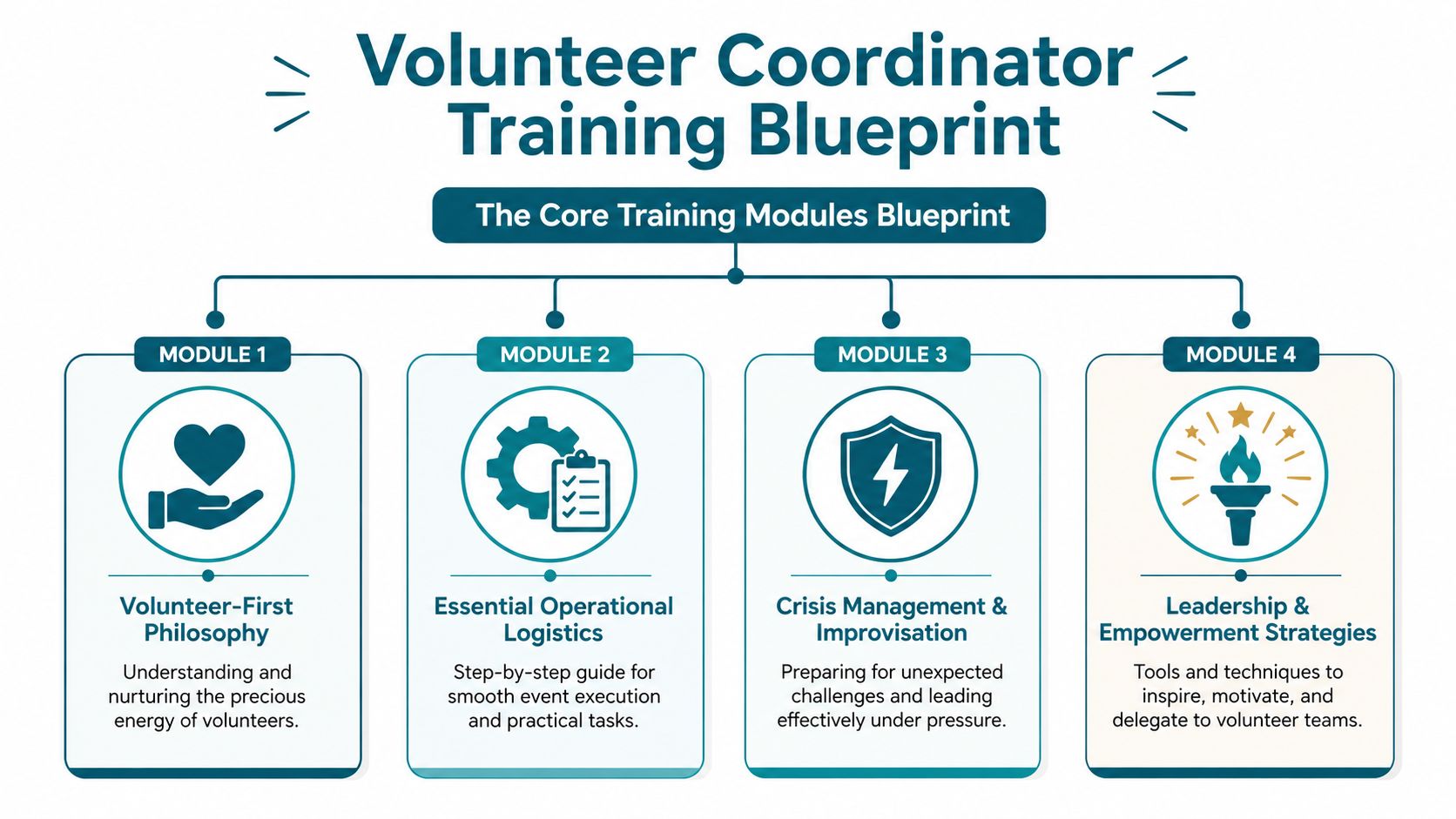
Module one is philosophy
Start with the part many groups rush past. Your coordinator needs a moral compass before they need a checklist.
Teach them how to answer these questions in plain language:
- Why are we here?
- What do we do when output conflicts with safety?
- How do we treat a volunteer who is struggling?
- What kind of culture are we building when nobody is watching?
This module should include role-play. One person acts as an eager volunteer who wants to do something unsafe. The trainee has to step in kindly and firmly. If they can't do that in practice, they won't do it in a parking lot with a crowd watching.
Module two is operational logistics
At this point, many coordinators either become calm or become frazzled. They need a repeatable system for event flow.
I train for logistics in sequence:
Scout the site
Walk access points, traffic risks, likely trash concentration, and safe regroup spots.Build the morning plan
Decide where people meet, where supplies go, who watches the edges, and what the exit plan is if conditions change.Run the huddle
Keep it short. Cover hazards, roles, boundaries, and how to ask for help.Close cleanly
Count people before gear. Debrief before everyone scatters.
The point isn't perfection. The point is lowering mental clutter so the coordinator can pay attention to humans.
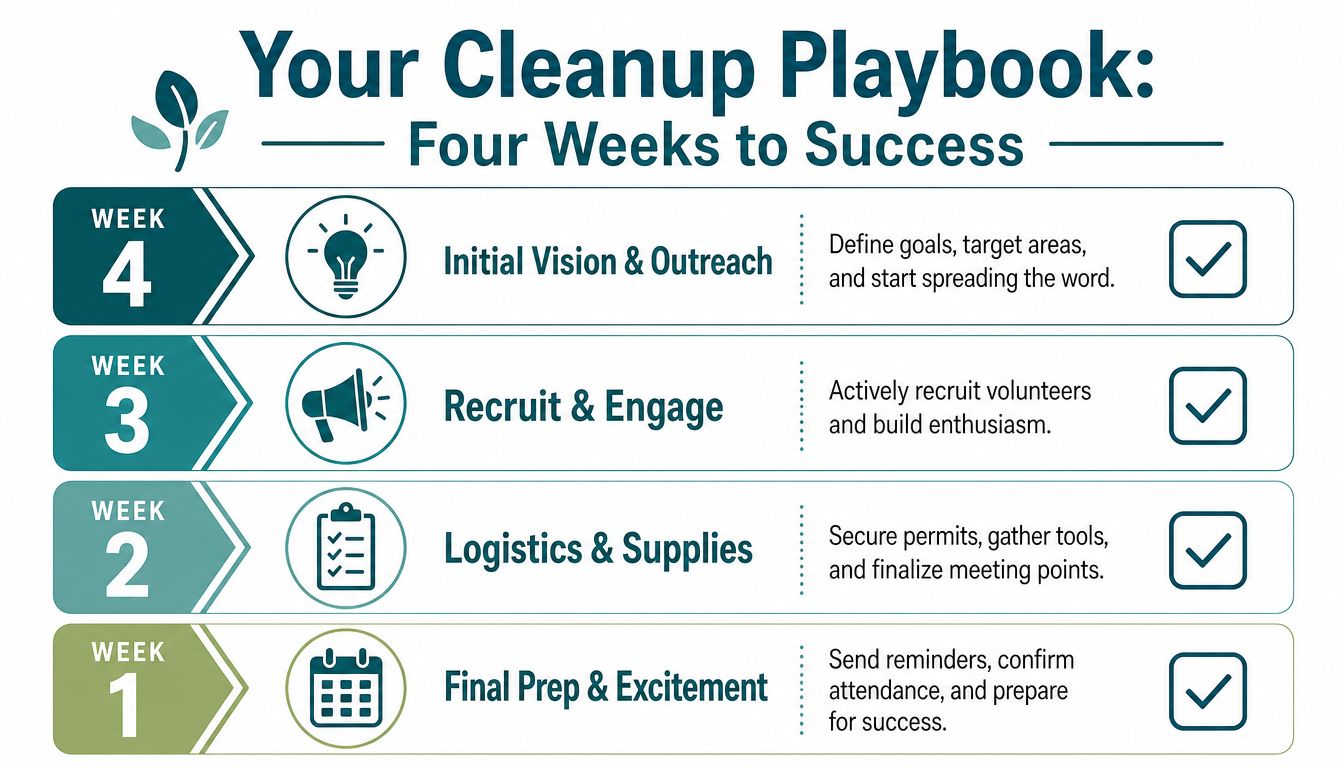
For practical field systems, I like to compare each trainee's plan against proven volunteer management best practices for organized teams. It helps them see where they're loose, where they're overcomplicating, and where they're forgetting the volunteer experience.
Module three is crisis management and improvisation
A cleanup rarely follows the script. Weather changes. A route is blocked. A volunteer gets upset. The wrong training treats these moments like exceptions. Real training treats them like part of the job.
Field note: Don't ask, “What's the official response to every possible problem?” Ask, “Can this coordinator stay calm, protect the group, and make a decent call fast?”
Here are scenarios worth drilling:
- Sharp object discovery: Who approaches, who stays back, who documents, who calls it in if needed.
- Traffic creep: A site looked safe at scouting, but live conditions feel different.
- Emotional conflict: Two volunteers are snapping at each other and infecting the group mood.
- Sudden storm: End early, shelter in place briefly, or relocate.
Module four is leadership and empowerment
Some coordinators secretly think leadership means controlling everything. That creates brittle teams. I want leaders who can spread confidence.
Train them to delegate small ownership fast. Let one volunteer handle sign-in. Let another lead a micro-team. Let a regular welcome newcomers. This has two effects. It lightens the coordinator's load, and it gives volunteers a ladder to grow on.
A strong coordinator says things like:
- “You've got a good eye for detail. Can you watch this corner?”
- “Take our new person with you and show them how we sort this safely.”
- “I need your judgment on whether this patch is worth the extra time.”
That language builds leaders. If your volunteer coordinator training never teaches delegation, you're training bottlenecks.
Training for Chaos with Real Scenarios
Most training programs miss the mark for groups like ours. They are built for predictable indoor settings and skip the skills needed for blizzards, heatwaves, roadside work, and rough urban zones. A Michigan volunteer training resource page shows how much volunteer management education still centers on general nonprofit operations rather than physical adversity in the field.
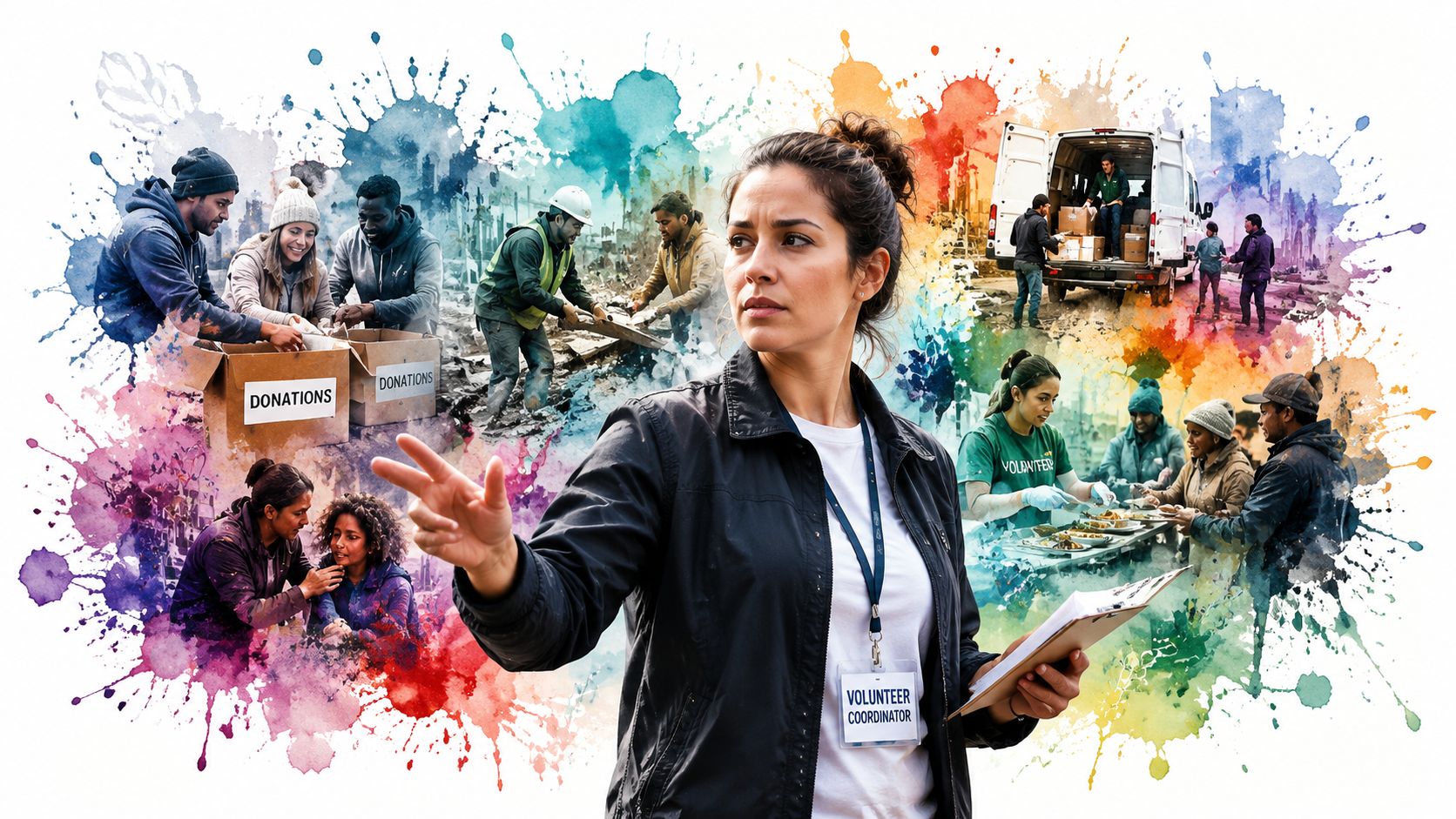
I learned this the hard way on a cleanup near a highway during a bike-event shutdown. The site looked simple from a distance. Up close, it had fast-moving traffic nearby, debris in ugly places, and the kind of noise that makes communication sloppy. That day wasn't about who could pick up the most trash. It was about who could stay composed and keep the group tight.
Scenario one is the weather turn
You start with a normal morning. Then the sky changes. Wind rises. Rain starts hitting sideways.
A weak coordinator does this:
- keeps pushing because people already came out
- mumbles a half-decision
- waits too long because ending early feels embarrassing
A trained coordinator does this:
- regroups everybody fast
- speaks loudly and clearly
- chooses shelter, exit, or cancellation without drama
- counts heads before moving
That decision needs rehearsal. People don't rise to the occasion in chaos. They fall to the level of their training.
Scenario two is volunteer conflict
This one sneaks up on you. One volunteer says another person is working too slowly. The second person fires back. Now half the group can feel the tension.
I don't train coordinators to act like referees with whistles. I train them to lower the temperature. Pull both people aside. Separate the task from the ego. Give each person something useful to do.
Try language like this:
| Situation | What the coordinator says |
|---|---|
| One person feels criticized | “I need you with me for a minute. Let's reset this.” |
| Two people are escalating | “We're not doing this in front of the group. Come talk with me.” |
| Group mood is slipping | “Quick water break. Then we're splitting into smaller teams.” |
A coordinator should know when an issue is fixable on site and when someone needs to step away. That judgment protects everyone else.
Before you put someone in charge of people, make sure they understand volunteer liability insurance and risk planning for group service work. Good instincts matter. Clear guardrails matter too.
Scenario three is morale collapse
Sometimes the site is just worse than expected. The bags fill slowly. The smell is brutal. People start making jokes that have a tired edge to them.
Here, your coordinator becomes a storyteller. You don't lie. You don't pretend the work is easy. You help the group frame the hardship as shared effort with meaning.
“This is a rough one. Stay steady. We'll take it one patch at a time.”
That kind of line works because it is honest. Honest leadership settles people.
Here's a quick visual on training volunteers and leaders to coordinate under pressure:
Role-play these scenarios in training. Then run them outdoors. Let the trainees feel a little confusion while the stakes are still low. That's how they learn to carry confidence into a real event.
Practical Tools to Equip Your Leaders
Warm intentions won't carry a coordinator through a messy morning. Tools will. Good tools reduce mental load, standardize judgment, and help a leader stay present with people instead of drowning in little decisions.
There's also a retention angle here. Volunteers who receive high-quality training are 83% less likely to leave, according to VolunteerHub's guide to nonprofit volunteer management. If you want coordinators to deliver that kind of training experience, give them equipment for the mind, not just gloves for the hands.
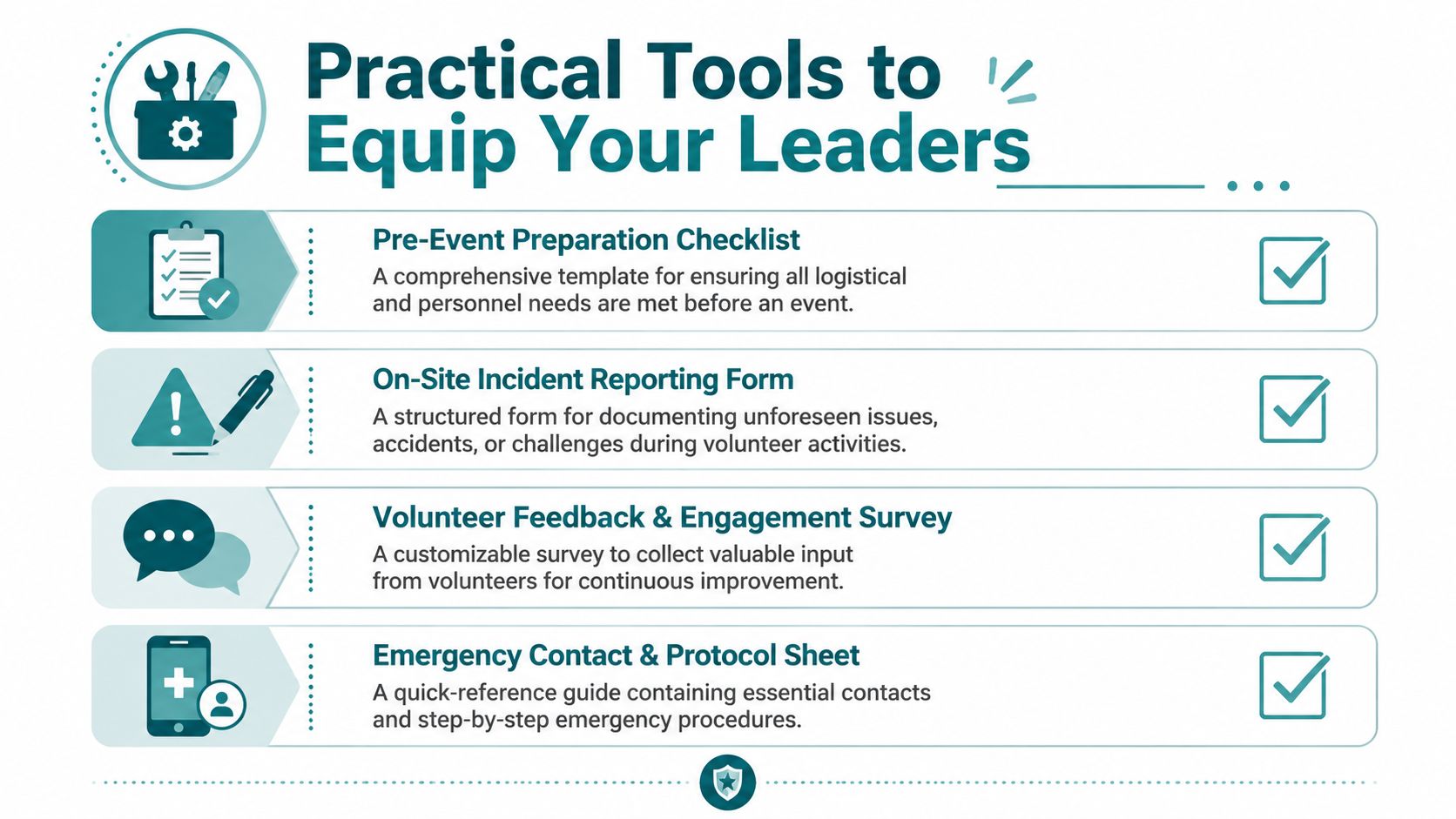
Four tools I'd hand every new coordinator
Pre-event preparation checklist
Include meeting point, weather review, hazard notes, supply count, team roles, and exit plan. This tool prevents the dumb mistakes that drain a leader before the event starts.On-site incident reporting form
Keep it simple. Time, place, what happened, who responded, and what changed after. You want clarity, not legal theater.Volunteer feedback and engagement survey
Ask what felt clear, what felt confusing, and whether the person felt welcomed. Don't bury your coordinators in data. Give them a few questions that lead to action.Emergency contact and protocol sheet
This should live in every event kit and on every lead coordinator's phone. In a tense moment, nobody wants to dig through old messages.
What these tools should look like
I don't like bloated forms. They usually die in a folder. A field tool should be short enough to use with cold hands and a busy brain.
One hard rule: If a coordinator can't use the form on site in under a minute or two, the form is too fancy.
Here's a lean setup that works:
| Tool | Keep it short by including | Leave out |
|---|---|---|
| Checklist | top hazards, gear count, roles, weather note | long policy text |
| Incident form | facts, action taken, follow-up needed | emotional essays |
| Survey | welcome, clarity, safety, return interest | pages of demographics |
Why tools help people feel safer
A waiver, for example, isn't just legal paperwork. It's a conversation starter. It tells volunteers, “This work is real. Here are the risks. Here is how we handle them.” That honesty builds trust.
A shift plan does the same thing. It says nobody is drifting alone. Everybody has a zone, a point person, and a way to ask for help.
Train your coordinators to carry these tools lightly. They shouldn't hide behind them. They should use them to free up attention for what matters most: reading the room, helping new people settle in, and making good calls while the day moves fast.
Measuring Success the Caterpillar Way
A lot of groups judge the day by the pile of bags at the end. I get it. Trash is visible. Weight feels concrete. But if you only measure output, you can miss the health of the team doing the work.
I'd rather know whether people came back, whether a new volunteer felt included, and whether the group left more steady than they arrived. Those signs tell you if your volunteer coordinator training is working.
Start with speed into belonging
One of the easiest ways to lose somebody is to let them linger too long between interest and action. A volunteer management guide warns that a time-to-onboard longer than two months from application to active service drives churn, as explained in VolunteerHub's guide for coordinators reclaiming time and balance. That matches street reality. If people wait too long, life moves on.
So the first score I care about is simple: how fast does a new person feel like part of the team?
That doesn't mean rushing safety. It means removing drag. Answer quickly. Give clear instructions. Pair them with a regular. Make the first day easy to understand.
Use a mixed scorecard
Don't build your whole dashboard around trash volume. Use a mix of hard signals and human signals.
- Return rate: Are people showing up again after the first event?
- Regulars: Do you have a stable core who know the rhythm?
- Friendship signs: Are people talking after the work instead of vanishing the second it ends?
- Volunteer-led action: Do people start taking initiative without being pushed?
Some of this is measurable. Some of it is observational. Both matter.
If your team leaves with less trash on the block but more strain in their faces, something is off.
Watch the room after the cleanup
The best clues usually come after the bags are tied. Do people linger? Do they exchange numbers? Does a first-timer laugh with someone they met an hour ago? Those moments tell you whether your coordinators are building a group people want to belong to.
I also pay attention to the tone of the debrief. If volunteers feel safe giving honest feedback, your coordinators are doing something right. If everyone is polite but guarded, trust may be thinner than it looks.
A good training program changes the way leaders see success. They stop asking only, “How much did we collect?” and start asking, “Did we make this a place people want to return to?” That question builds stronger crews.
Training coordinators for outdoor adversity is really training them to create courage, calm, and connection under strain. When they do that well, the cleanup lasts a morning. The transformation lasts longer.
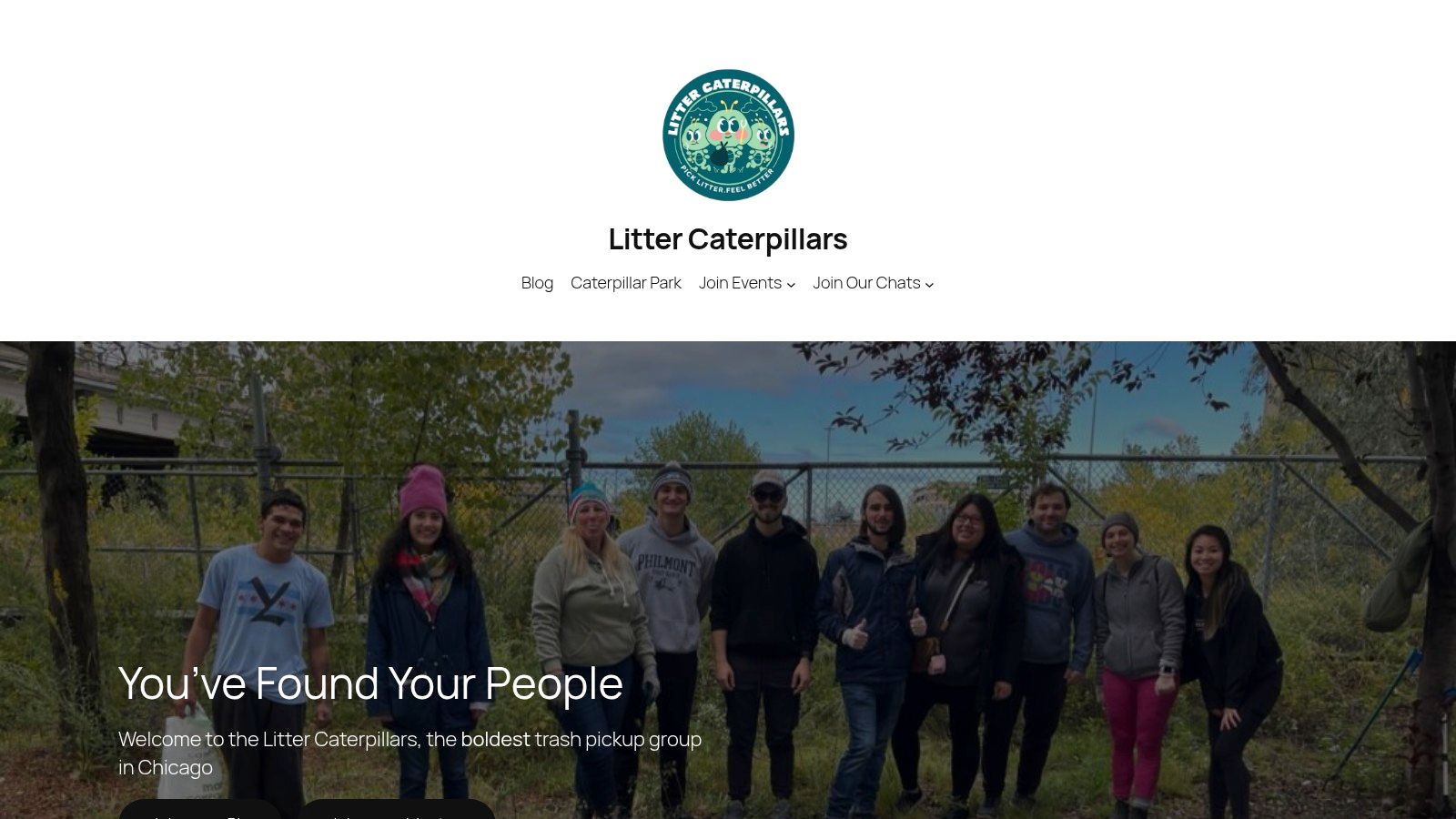
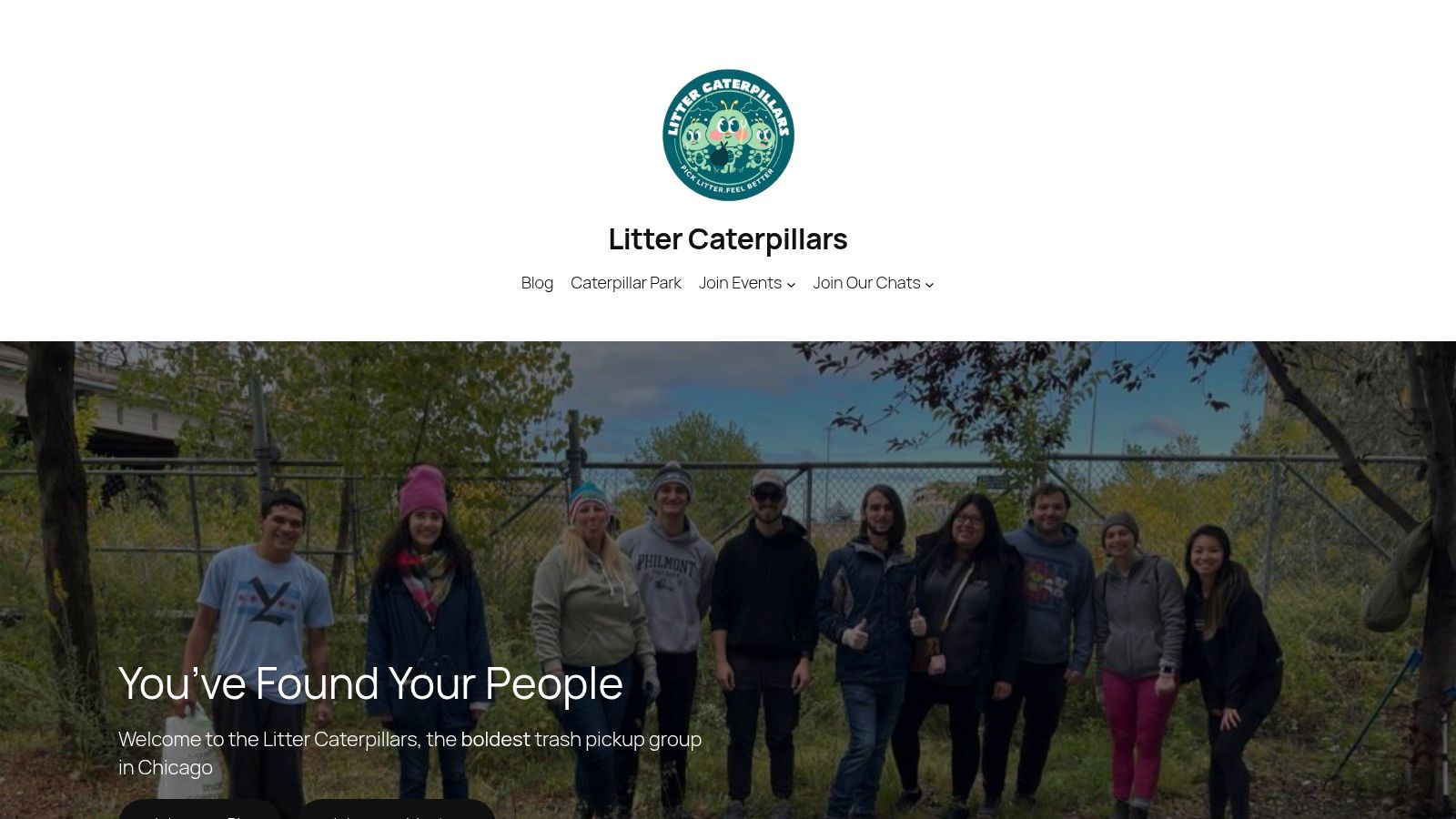
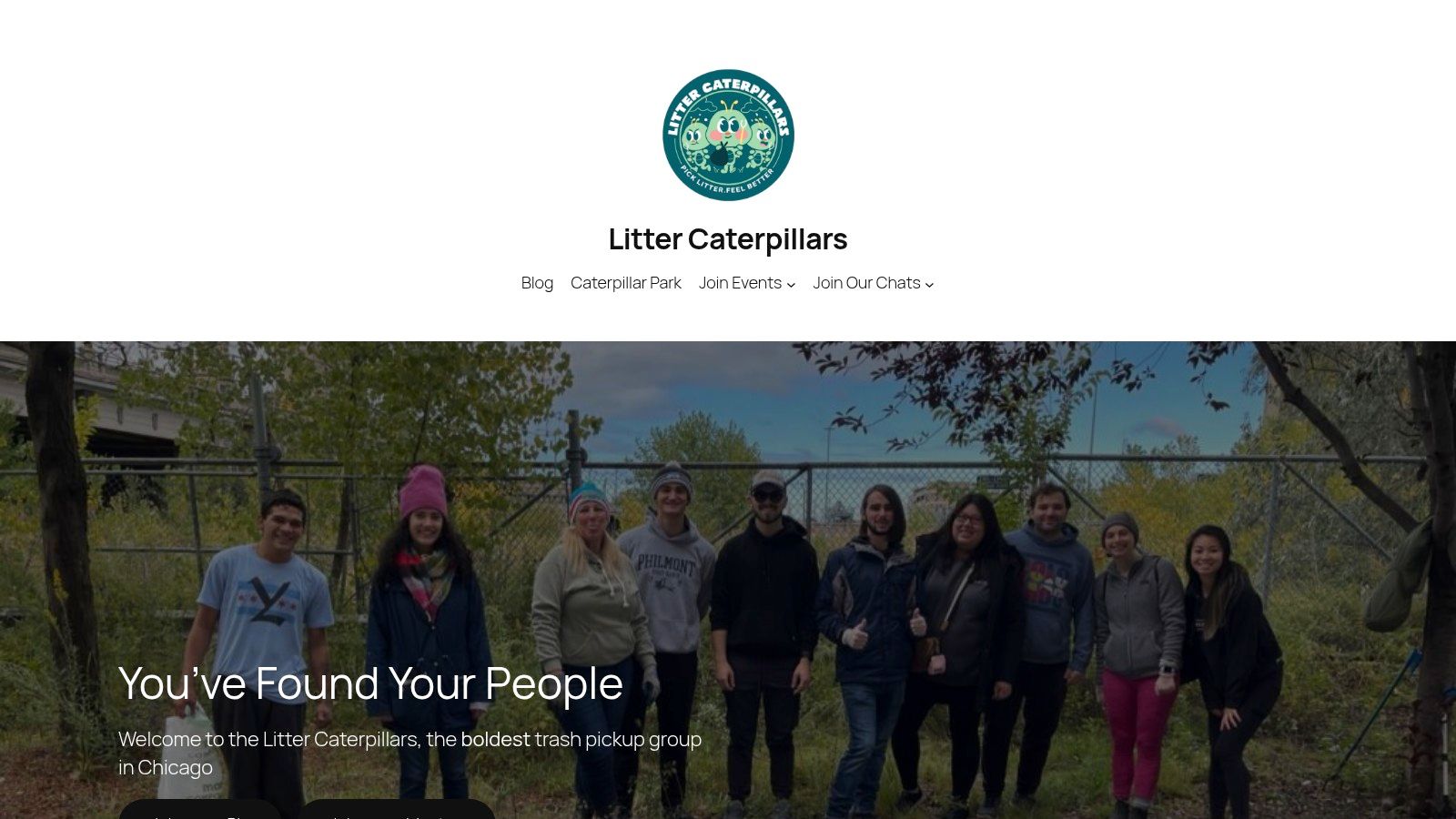
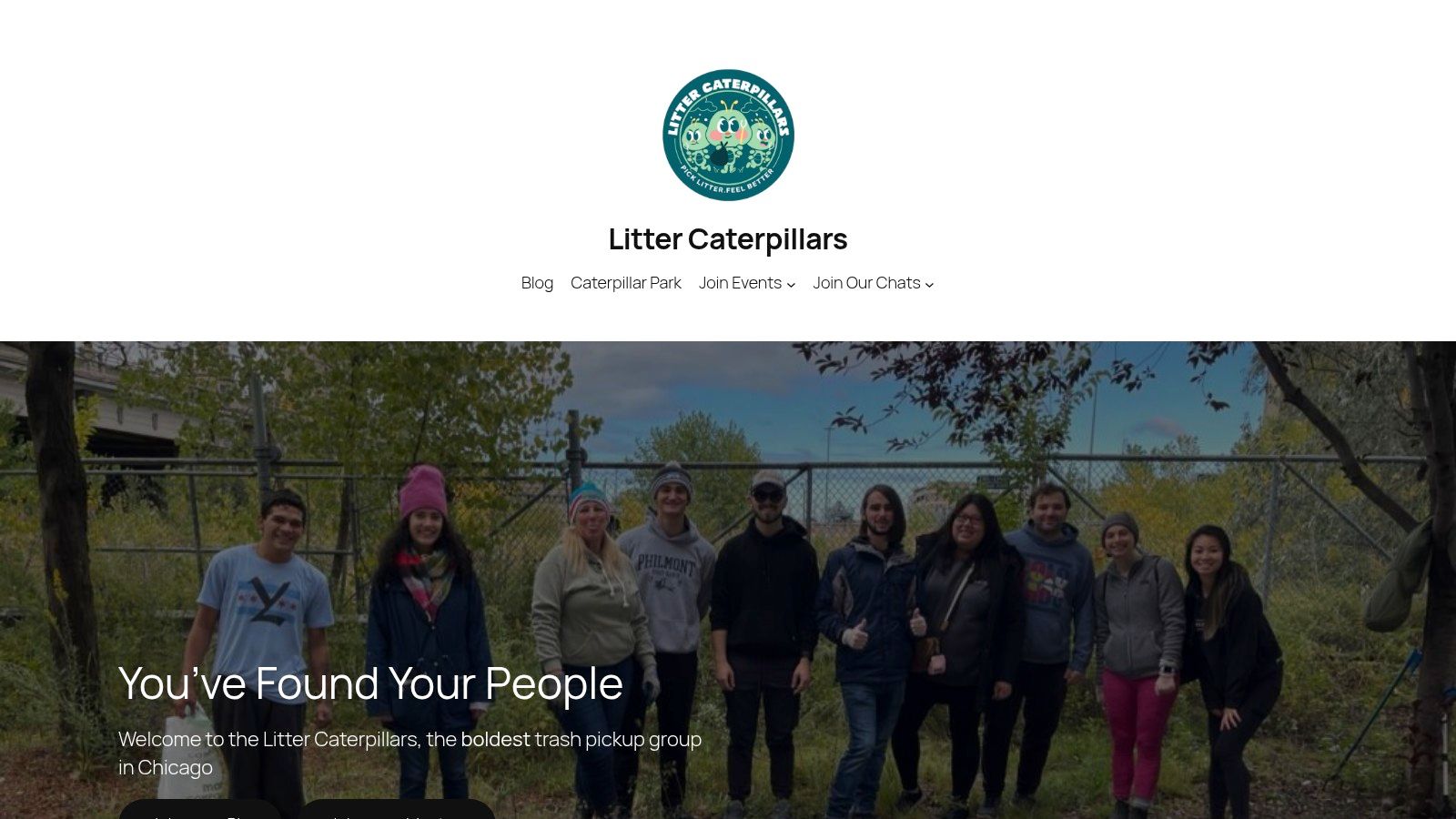
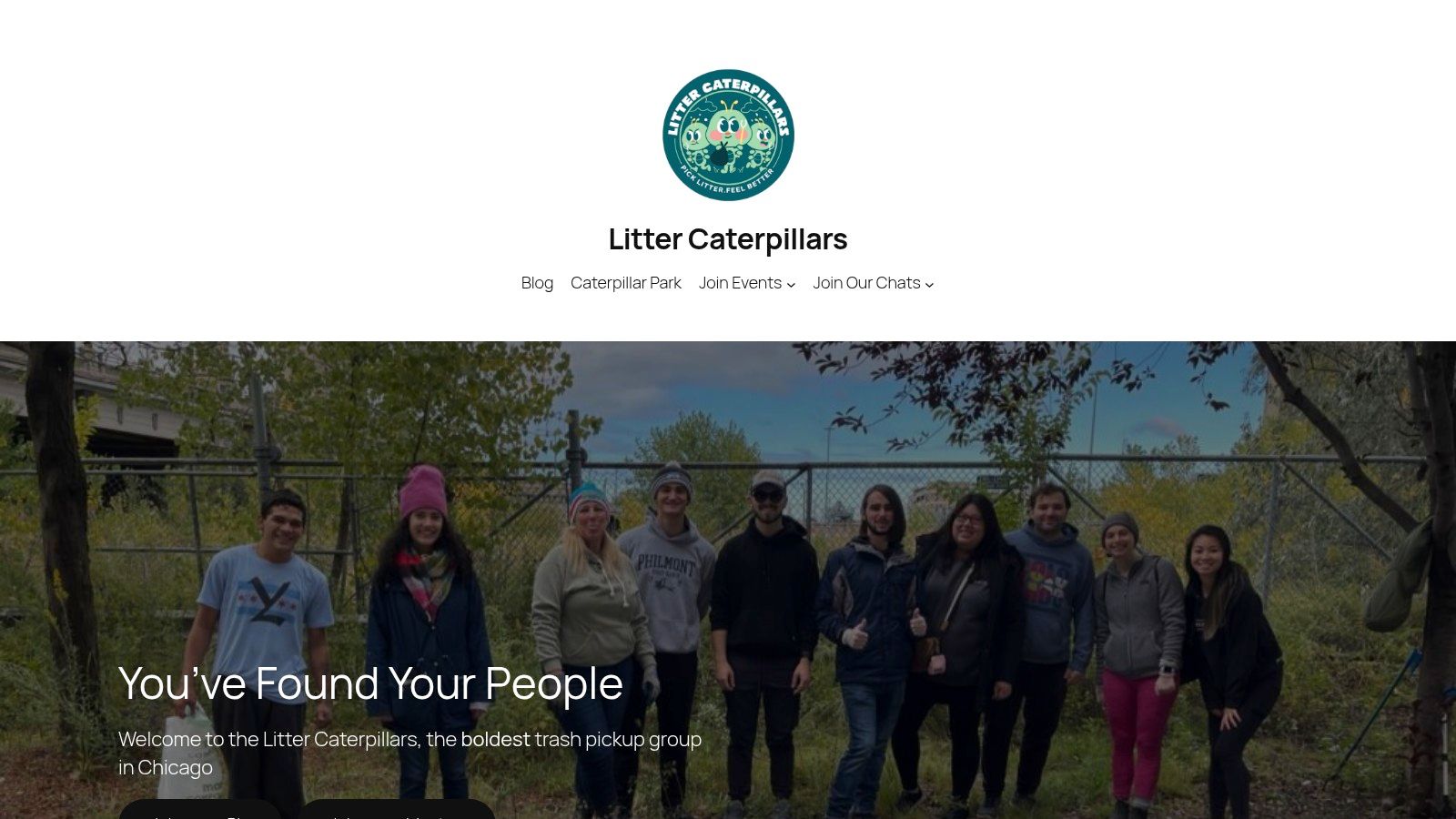
If you want to build a tougher, kinder volunteer culture, spend some time with Litter Caterpillars. You'll find a living example of brave, volunteer-first cleanup work in Chicago, plus the kind of energy that turns service into friendship.