
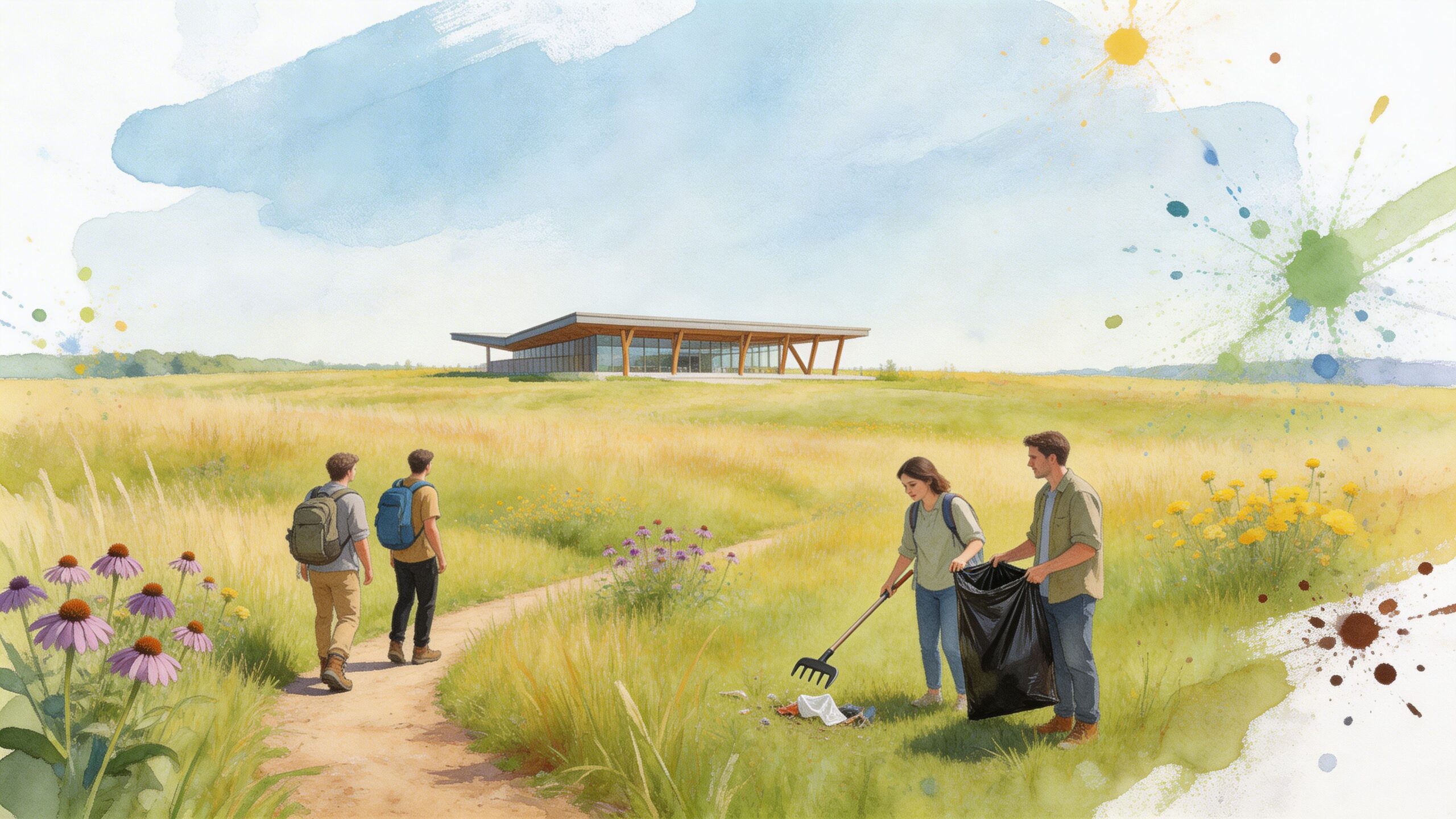
I once walked out of a big-box parking lot near dusk with a coffee in one hand and a grocery bag in the other, then looked up and saw open prairie instead of more asphalt. That jolt stayed with me. Springbrook Prairie Pavilion felt like one of those rare places where your errands and your better instincts can meet.
Finding Your Open Space
A lot of us know the feeling of being crowded long before we step into a crowded place. I’ve had seasons where every object in my life seemed loaded with memory and guilt. A half-used jar. An old receipt. A bag I meant to donate. None of it looked heavy, but all of it felt heavy.
Then you get somewhere open, and your chest notices before your mind does.
That’s what springbrook prairie pavilion represents for me. Not just a shopping center. Not just a nearby preserve. It feels like a release valve. You can arrive carrying stress, indecision, stale routines, and leave with wind in your face and a small sense that your life can change shape.
The first reset
My favorite way to think about this place starts with a simple afternoon. You park. You do one ordinary thing first. Pick up groceries. Grab a bite. Walk past storefronts and people moving through their day. Then, absurdly close by, the land opens.
The contrast matters.
You don’t need a grand vacation or a dramatic reinvention. Sometimes you need a place that lets you move from noise to horizon in a single outing. Springbrook does that. It gives you a practical entry point into a wider emotional space.
Some places entertain you. Others loosen the knot you’ve been carrying for weeks.
That’s why I don’t think of this area as just a destination. I think of it as a threshold. You cross from consumption into attention. You stop asking, “What can I buy?” and start asking, “What can I notice? What can I care for? What can I contribute?”
Why open space changes you
Open land does something cluttered rooms can’t. It returns proportion. A problem that looked huge at your kitchen table can shrink when you’re standing under a broad sky with grasses moving in every direction.
If you already love public green spaces, you’ll enjoy this broader guide to Chicago parks worth exploring. Springbrook belongs in that emotional category, even though it has its own strange and wonderful personality.
Here’s the practical truth beneath the feeling:
- You can start small: One walk can reset your mood.
- You can pair errands with reflection: That makes it easier to show up.
- You can turn a personal slump into public care: Places like this invite that shift.
I think that’s why I keep coming back to springbrook prairie pavilion in my mind. It offers room. Physical room, yes, but also moral room: room to breathe, to look up, to become more useful to the place you live.
Discovering a Place with Two Hearts
The first time I watched this place reveal itself, a family pushed a cart toward the stores while a child pointed past the parking lot at the open grass beyond it. The adults had come for errands. The child had already spotted the bigger invitation.
That moment stayed with me because it captures what springbrook prairie pavilion is. It holds two kinds of energy in one shared space, and if you let both of them reach you, a routine stop can turn into a small act of awakening.
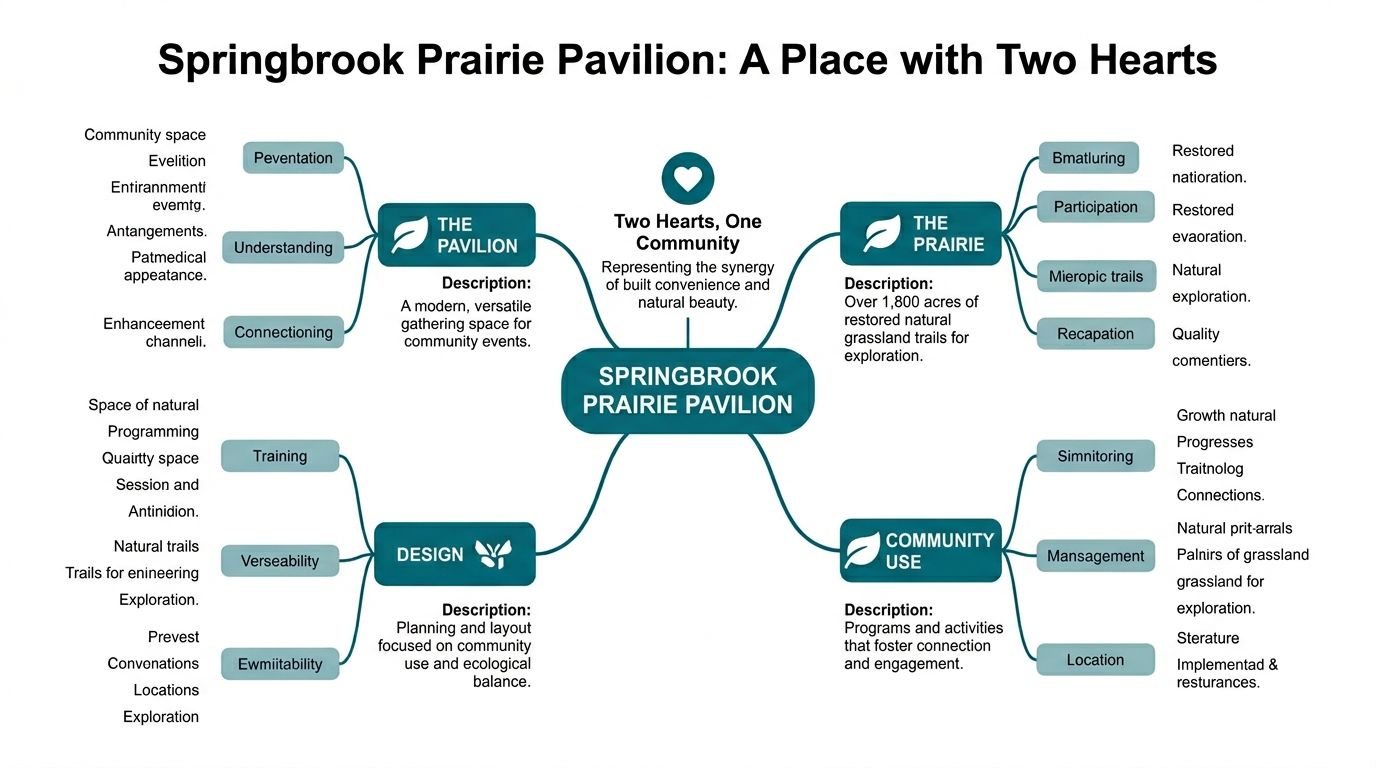
Heart one is the pavilion
On one side, you have a place people know how to use right away. They meet for coffee, grab groceries, pick up what the week requires, and keep life moving. The retail center has been part of that daily rhythm for years, and that familiarity matters.
A useful place can become a gathering place. A gathering place can become a starting place.
I keep returning to that idea because community action rarely begins in perfect conditions. It begins where people already are. A parking lot meeting point. A shared meal. A quick errand that leaves twenty extra minutes. The pavilion side of springbrook gives you that practical doorway.
Heart two is the prairie
Then the scale shifts.
The nearby preserve opens into a broad grassland protected through years of public care, and the DuPage Forest Preserve’s Springbrook Prairie page describes why it matters for habitat, birdlife, and the region’s living prairie story. You feel that history under your feet. Somebody chose to keep this land breathing.
I love places where that choice is visible. You can sense it here. The stores say people live here. The prairie says people also decided this life needed room, restraint, and responsibility.
That is where the two hearts meet. One supports daily needs. The other asks what kind of neighbor you want to be.
How to read the place
If you walk in expecting only convenience, you will miss half the lesson. If you come only for scenery, you may miss the civic miracle hiding in plain sight. This corner of suburbia shows what happens when usefulness stands beside preservation and neither one cancels the other out.
| Part | What you notice first | What it gives you |
|---|---|---|
| Pavilion | Stores, parking, daily movement | A gathering point, familiar routines, a place to start |
| Prairie | Trails, grassland, sky | Perspective, habitat, and a reason to care for something beyond yourself |
I think that is why this place feels bigger than its map pin. It is not only a stop. It is a test of attention.
You can rush through it and leave with bags. You can slow down and leave with purpose. For anyone who has ever needed a gentle way back into service, the two hearts of springbrook prairie pavilion offer a simple invitation. Come for what you need. Stay long enough to notice what your community needs too.
Your Practical Guide to Visiting
Good adventures usually begin with plain logistics. If you handle the basics well, the place opens up.
I like to treat springbrook prairie pavilion as a split-purpose outing. One part of your plan belongs to the retail center. The other belongs to the preserve. If you decide which one matters more before you leave home, the whole visit gets easier.
Start with your purpose
Ask yourself one question first. Are you going there to walk, to shop, or to blend both?
If you want trail time, wear shoes you don’t mind putting miles on. If you want errands plus a walk, keep water in the car and leave enough time so the outing doesn’t feel rushed. The beauty of this place is the transition between modes, but only if you give yourself margin.
Here’s the preparation checklist I’d hand a friend:
- For a trail-first visit: Bring water, a hat if the sun is strong, and a small bag for your own waste.
- For a store-first visit: Finish the must-do errand first so your mind can relax later.
- For sunset seekers: Get there early enough that you’re not racing the light.
- For mixed groups: Set a meeting point before anyone wanders off toward shops or trails.
Know what kind of place you’re standing in
The pavilion itself reflects care for the land beside it. Springbrook Prairie Pavilion is a LEED Gold certified retail center, the first of its kind in the Chicago area, and its design includes high-performance insulation and native plantings that reduces irrigation needs by 50% while cutting operational energy demands by up to 30% compared to standard developments, according to MGNCE’s project page on Springbrook Prairie Pavilion.
That detail changes how I see the site. I’m not just walking through another shopping center. I’m standing in a place that at least tried to build with some respect for its environmental context.
A few field-tested habits
You don’t need much ceremony, but a few choices can improve the day.
Practical rule: Do the most time-sensitive thing first. Stores have schedules. Walking space gives you more emotional flexibility.
I also like to keep expectations simple:
- Don’t overpack the itinerary. This area works best when you leave room to drift.
- Check the weather before you go. Open prairie feels different when wind picks up.
- Wear layers if the day looks uncertain. The land has a way of reminding you that forecasts are only forecasts.
The best visits don’t feel optimized. They feel balanced. You arrive prepared enough that nothing distracts you, then you let the place do the rest.
Exploring the Trails Beyond the Stores
The trails are where springbrook prairie pavilion stops being merely convenient and starts becoming memorable.
You can feel the shift in your body. Concrete gives way to path. Storefront noise fades. The horizon stretches. You start noticing birds, seed heads, the shape of clouds, the long flat language of Illinois land.

The trails change your pace
The preserve offers a 5.5-mile paved trail and a 2-mile hiking-only Henslow’s Trail, according to the DuPage forest preserve information cited earlier. Those two experiences feel different.
The paved route invites rhythm. You can walk it with a friend, bike it, or use it as a long exhale after a busy week. The hiking-only trail asks for more attention. It narrows your focus. Your steps get quieter. Your thoughts usually do too.
That’s why I think these trails matter beyond recreation. They create a kind of honest mental reset. Not an expensive one. Not a branded one. The old human relief of moving through open land.
Why beauty also creates responsibility
This preserve gets described as a birder’s paradise, and that phrase makes sense. The habitat is precious, and people come because it’s worth seeing. But beauty draws pressure with it.
An underserved angle stands out here. Despite the preserve’s strong reputation and 5.5 miles of trails, there’s room for volunteer-led cleanups because high foot traffic and proximity to retail create litter risks for endangered bird habitats, especially as restoration projects continue through 2028, as noted on this Springbrook Prairie Pavilion area page.
That point landed hard for me. We celebrate access, but access creates responsibility. A snack wrapper dropped near a trail edge doesn’t stay “small” for long when habitat is the thing at stake.
Beauty isn’t self-protecting. People have to protect it.
I like this short video because it helps put the place in motion rather than in brochure language.
What to notice while you walk
If you go, pay attention to more than distance.
- Listen for contrast: retail hum in the distance, wind close to your ears.
- Watch the edges: trail edges often reveal where human care is strongest or weakest.
- Notice what doesn’t belong: cups, plastic, pet waste bags, scraps of packaging.
- Look up often: prairie settings reward people who stop staring at their shoes.
That’s the argument I’d make to anyone on the fence. These trails aren’t just a pleasant extra beside the stores. They’re a vital public resource. They help people think better, breathe deeper, and remember that developed places still need wild neighbors. A space like this deserves visitors, and it deserves guardians too.
The Sawyer Effect Turning Cleanup into Adventure
I’ve always loved the Tom Sawyer lesson, not because tricking your friends is admirable, but because he understood something real. Energy changes when people feel pride instead of punishment.
A cleanup can feel like drudgery. Or it can feel like a mission.
At springbrook prairie pavilion, that shift happens more easily than you’d expect. The setting helps. You’re in a visible, active place where service shows in the surroundings and in the eyes of passing strangers.

What makes a cleanup feel alive
The pavilion sits on Naperville’s busiest retail corridor, with 75th Street seeing 60,100 vehicles per day, and that visibility gives volunteer groups a big public audience. The same area also reaches an affluent local demographic with average household income of $118,722, according to Perform Properties’ Springbrook Prairie Pavilion page.
I don’t read that as a marketing stat. I read it as social influence.
When people see volunteers working in a prominent place, the act stops being private virtue. It becomes a civic signal. It tells drivers, shoppers, and families that care is normal, effort is admirable, and somebody is willing to go first.
A simple cleanup script
If I were organizing a morning there, I’d keep the plan lean and human:
- Choose a clear zone. Start with an obvious edge. Parking lot borders, trail access points, or the seam where retail activity meets natural space.
- Bring visible tools. Gloves, grabbers, sturdy bags, and bright markers of group identity help people feel part of something.
- Give the morning a mood. A shared playlist before or after, coffee, a group photo, a funny team name. Small rituals matter.
- End before people burn out. Leave while spirits are still high.
Field note: People come back when service feels social, safe, and a little bit heroic.
If you want ideas for organizing your own crew, this guide to volunteer trash pickup is a useful starting point.
The point is bigger than the bags
The best cleanup events don’t remove litter; they alter identity.
Someone arrives thinking, “I’m tagging along.” Then they spend an hour improving a visible place with other people. They leave standing straighter. They start seeing themselves as the kind of person who acts instead of complains.
That’s the Sawyer effect. You reframe service as participation in a story worth joining.
At springbrook prairie pavilion, that story writes itself. Cars pass. Shoppers notice. The prairie sits nearby like a reminder of what’s worth defending. You bend down, pick something up, and the act feels oddly dignified; it's not glamorous, but better than glamorous, it is necessary.
Hosting Your Own Event at the Pavilion
The first time I saw a community table work in a place like this, it was almost disarmingly simple. Two folding chairs. A handwritten sign. A bin for winter gloves. People who came for groceries slowed down, asked a question, dropped something in, and kept going. By the end of the morning, that little setup had done more than collect supplies. It had changed the mood of the whole corner.
That is why Springbrook Prairie Pavilion matters. As noted earlier, it already has the visibility and daily rhythm that many organizers spend weeks trying to create from scratch. You are not begging people to find a hidden cause in a hidden place. You are meeting them where life is already happening.
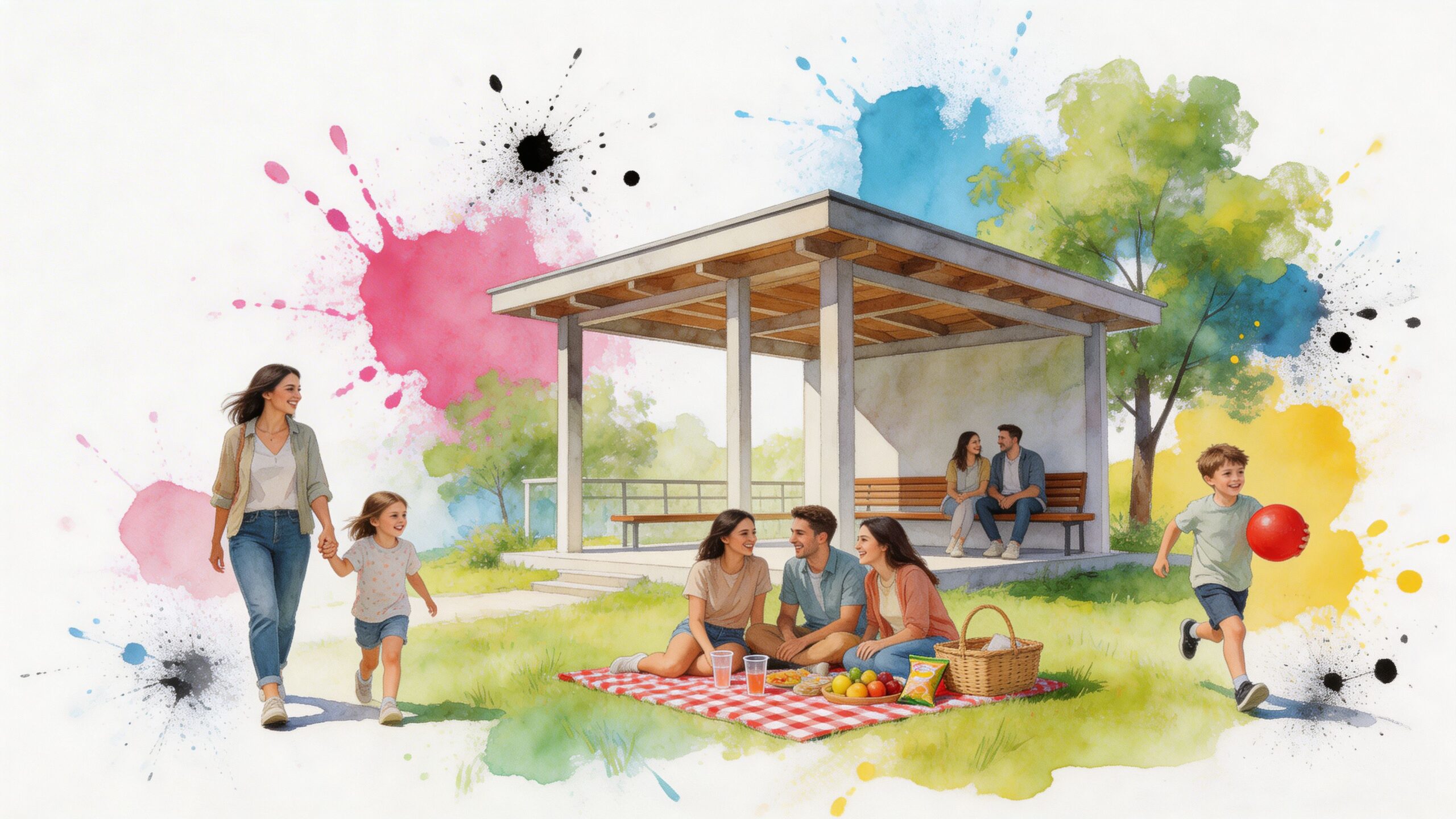
Why this location helps good ideas catch on
A pavilion tied to everyday errands gives your event a kind of honest momentum. Parents are already out. Teens are already gathering. Neighbors are already passing through with ten spare minutes they did not know they had.
For service work, that matters.
A cleanup sign-in table near a recognizable storefront feels approachable. A supply drive here feels visible, not hidden. A meetup before a stewardship walk starts with less confusion because nobody has to decode where to park, where to wait, or whether they are in the right place.
I love places like this because they have two audiences at once. The people who came on purpose. And the people who discover your effort by accident, then decide to join.
Build a gathering people can say yes to fast
You do not need a festival plan. You need a clear invitation.
A school club can meet here, share a quick welcome, then head toward nearby green space for a service hour. A neighborhood group can set up a donation point with one volunteer greeting passersby and another keeping things organized. A family-led cleanup morning can begin with coffee, gloves, and a simple promise that kids will get to help in a real way, not just stand around while adults talk.
If budget is the sticking point, start small and study how to find corporate sponsors for local community events. Even one donated batch of water, gloves, snacks, or printed flyers can make a local effort feel cared for.
Formats that fit the pavilion well
The best event here is usually the one people understand at a glance.
| Event idea | Why it works at the pavilion |
|---|---|
| Cleanup meetup | Gives volunteers an easy public meeting point before heading out |
| Donation or supply drive | Catches everyday foot traffic from people already running errands |
| Club meetup before a walk | Reduces confusion and makes turnout less intimidating |
| Family service morning | Combines convenience, visibility, and a nearby outdoor purpose |
One caution, learned the hard way. Keep your first event modest enough that you can greet people warmly, answer questions, and end on time. A well-run hour builds trust faster than an ambitious three-hour plan that leaves everyone tired and scattered.
This is a significant opportunity here. You are not just borrowing a convenient location. You are helping turn an ordinary commercial stop into a place where neighbors notice one another, act on what they care about, and leave feeling a little more responsible for the ground under their feet.
Your Questions Answered
A few practical questions decide whether a visit happens this weekend or gets postponed for months. So here are the straight answers.
Are dogs allowed in the preserve
Yes. Dogs are welcome on most trails, and they need to stay leashed. The preserve also has an off-leash dog area that requires a permit from the Forest Preserve District of DuPage County.
The important part isn’t just rule-following. It’s habitat respect. If you bring a dog, clean up after it and keep the place pleasant for wildlife and other visitors.
Is there a fee to enter the preserve
Individual entry for hiking, biking, and picnicking is free. That matters because it removes one of the biggest barriers to trying a new outdoor place.
The preserve is generally open during posted hours from one hour after sunrise to one hour after sunset. I’d check official postings before you go, especially if weather looks rough or your timing is tight.
Can you fish or picnic there
Yes to both.
Picnicking is a natural fit because the setting already invites lingering. You don’t need much. A blanket, simple food, and a willingness to stay off your phone for a while can turn a regular afternoon into something restorative.
Fishing is allowed in Spring Brook creek if you have a valid Illinois fishing license. That part of the experience connects you to the water side of the preserve, which is easy to overlook when the grassland views take center stage.
What should you bring for the best visit
Keep it simple:
- For walking: good shoes, water, and weather-appropriate layers.
- For dogs: leash, waste bags, and patience around others.
- For picnics: pack light and leave no trace.
- For service-minded visitors: a small bag and gloves can turn a regular walk into a helpful one.
Springbrook prairie pavilion works best when you treat it as more than a transaction stop. Give yourself enough time to notice what’s around you. That’s when the place starts giving something back.
If you want more than a solo visit, join Litter Caterpillars. It’s a volunteer-driven Chicago cleanup group built on bravery, kindness, unity, and the simple idea that showing up for a place can change you too.
Leave a Reply