Tag: litter caterpillars

  • Top Environmental Volunteer Opportunities in 2026

    Top Environmental Volunteer Opportunities in 2026

    I once had a fridge full of old memories. A four-year-old jar of blueberry jam from a trip. A bag of nuts from a failed health kick. Each item felt like it weighed 500 pounds. I couldn't move them.

    Then I learned something weird. Cleaning up somebody else's mess is easier than cleaning your own. A bottle on the curb has no backstory. You grab it, drop it in a bag, and keep walking. If you're hunting for environmental volunteer opportunities, you might think this is about saving the planet. I think it can also help you save yourself.

    1. Litter Caterpillars
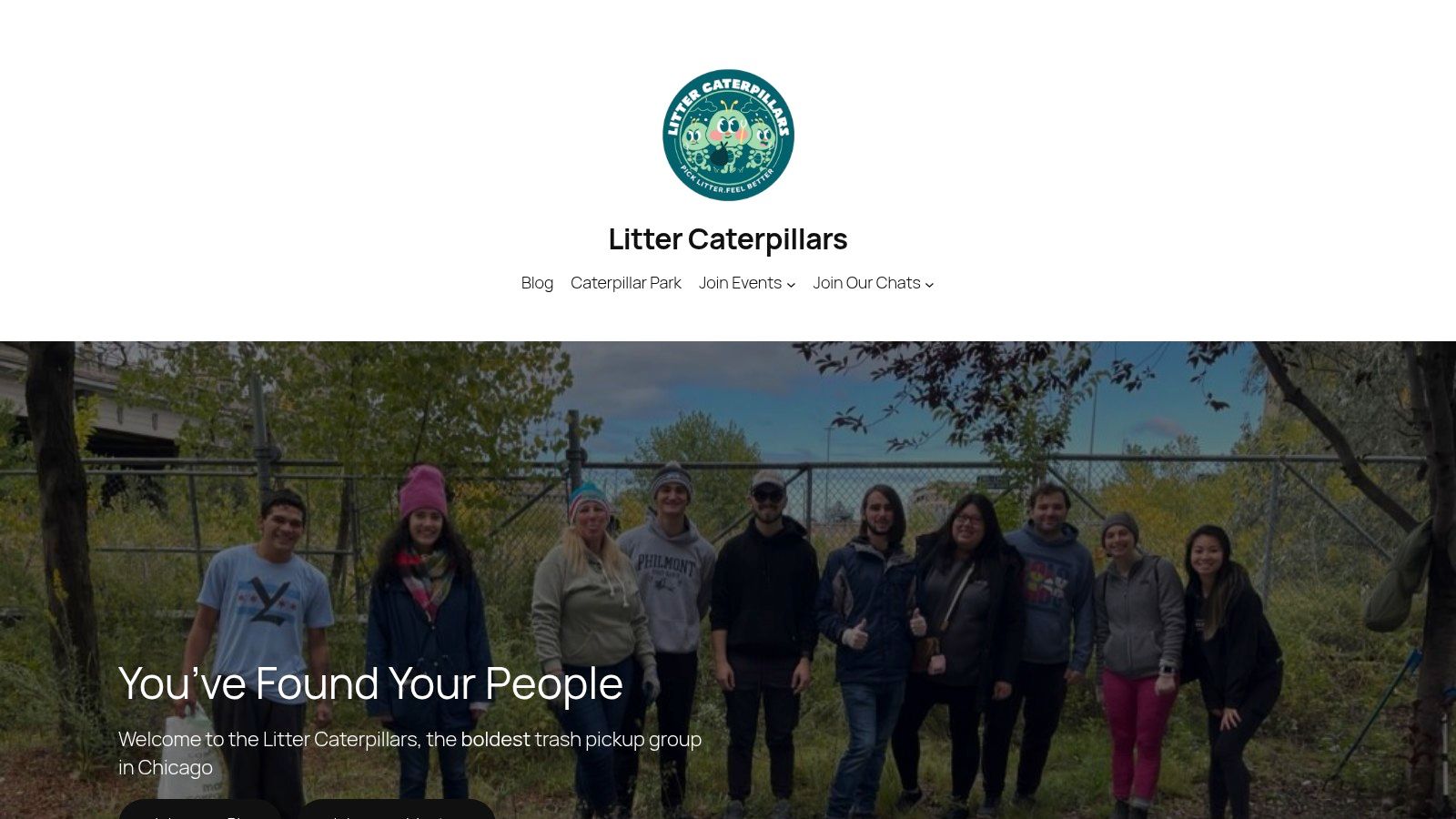
    Litter Caterpillars

    A friend once told me the hardest trash to pick up is the stuff with your name on it. Old boxes in the hallway. Clothes in the chair. The drawer you avoid opening. Kevin Tao, who started Litter Caterpillars, ran into that same wall. Cleaning his own mess felt heavy. Cleaning a sidewalk felt possible. He grabbed a bag, picked up what was in front of him, and built a habit out of that simple act.

    That origin story matters to me because it gets at something a lot of environmental volunteer opportunities miss. Sometimes you show up for the park or the block, and end up finding your nerve. You prove to yourself that you can face ugliness, do something about it, and leave a place better than you found it. That changes people.

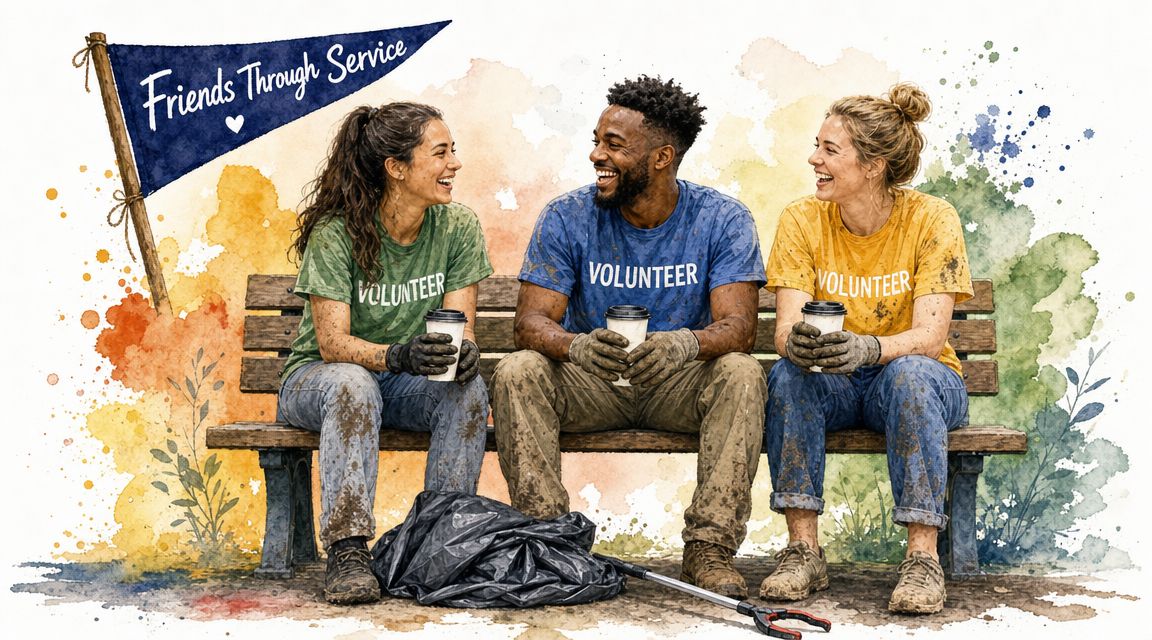
    Litter Caterpillars has the feel of a real crew, not a nameless shift on a weekend calendar. You see it in the small stuff. Flags. Badges. A theme song. Group chats that make it easier to return the next week instead of talking yourself out of it. If you've ever arrived at a volunteer event alone and spent the first twenty minutes pretending to check your phone, you know why that matters.

    Why this one sticks with people

    The group meets weekly, and that rhythm does something powerful. One cleanup can give you a good morning. Repeating it can give you a new identity. You stop being someone who keeps meaning to help and become someone who shows up.

    I also respect the way the group treats volunteers. Safety comes first. Volunteer happiness comes second. There's no constant push to donate, no feeling that your body is useful only if your wallet follows. That sounds basic. It isn't.

    Picking up litter with other people can break a kind of paralysis. Your hands keep moving, your brain gets quieter, and the day opens up.

    The work is physical and visible. You walk, bend, lift, sort, and watch a block change in real time. By the end of a cleanup, you don't need a report to tell you whether your effort mattered. You can see the empty sidewalk, the cleared grass, the bags lined up at the curb.

    Best fit and tradeoffs

    • Best for brave beginners: A strong choice if you want environmental volunteer opportunities that feel social, active, and a little uncomfortable in the right way.
    • Best for building courage through repetition: Weekly meetups help you turn good intentions into a practice.
    • Best for finding community fast: The rituals and shared identity help solo volunteers stop feeling like outsiders.
    • Best for seeing more of Chicago: Cleanups pull you beyond your usual route and into neighborhoods you might never know otherwise.

    There is a tradeoff. This work asks something from your body, and the weather does not always cooperate. If you want indoor volunteering with predictable comfort, choose something else. If you want a grassroots group where service feels personal, a little gritty, and surprisingly life-giving, Litter Caterpillars stands out.

    2. Alliance for the Great Lakes Adopt-a-Beach
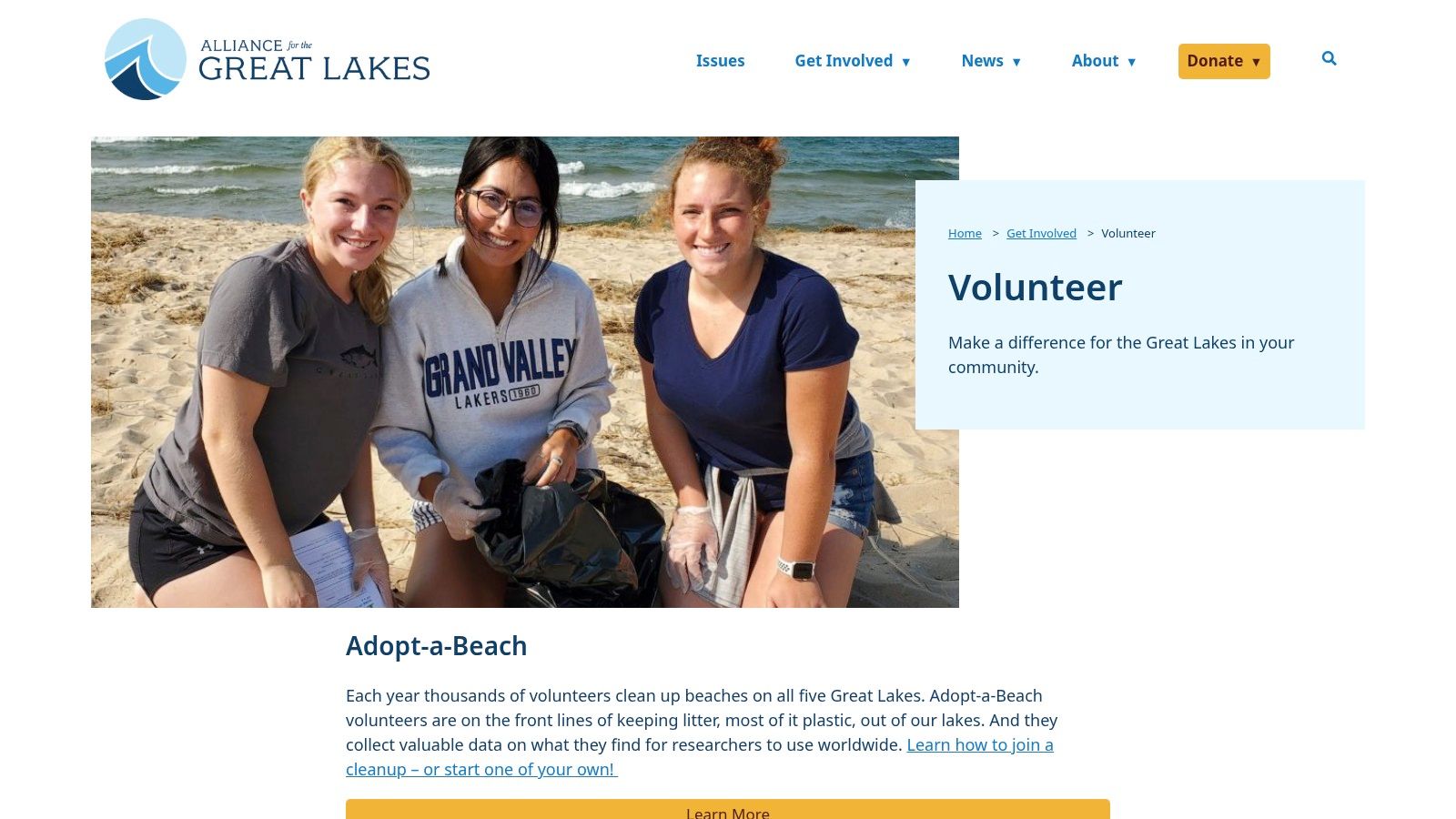
    Alliance for the Great Lakes, Adopt‑a‑Beach

    The first time you pick litter out of sand, you notice something fast. Beach trash is sneaky. It hides in seaweed, under driftwood, in that thin line where the water leaves things behind. You stop strolling and start scanning.

    That's why I like Alliance for the Great Lakes Adopt-a-Beach. It gives you a clean entry point into environmental volunteer opportunities, but it doesn't stop at “grab bag, fill bag, go home.” Volunteers can also collect litter data, which gives the work a sharper edge.

    What you actually do

    You can join scheduled cleanups, sign up to lead one, or move into an ambassador role that leans more into public education. That mix matters. Some people want pure hands-on work. Some want to talk with neighbors and explain why the mess keeps coming back.

    There's also a practical lesson here. Cleanup programs often work best when they pair removal with measurement and prevention, not just a one-off trash sweep. That's one reason this model feels solid to me.

    Practical rule: If you get energized by both action and evidence, choose a program that tracks what volunteers collect.

    A lot of environmental volunteer opportunities still bury the details people need. Is it one-time or recurring? Do you need training? Is it family-friendly? Programs like this make that matching process easier, which is exactly the kind of gap many volunteer seekers run into, as noted by The Nature Conservancy's volunteer guidance.

    Best fit and tradeoffs

    • Best for first-timers: Beach cleanups feel intuitive. You don't need much background to start.
    • Best for families and teams: The work is easy to understand and the setting is inviting.
    • Best for people who like structure: The data side gives the day more purpose.

    The downside is seasonality. Lakefront volunteering depends on weather, and popular events can fill up fast.

    3. Friends of the Chicago River Chicago River Day and Stewardship Workdays

    A river cleanup has a different mood from a sidewalk cleanup. The mess feels older. Tangled. Like the place has been carrying human neglect for a long time and is tired of it.

    That's why Friends of the Chicago River volunteer events pull people in. Chicago River Day gives you that big shared push, while the recurring stewardship workdays let you come back and do slower, steadier work. Trash removal, invasive control, native planting, trail care. It's all there.

    Why it works for people who need momentum

    Some of us need a flagship event on the calendar. We need a date, a crowd, a reason to commit. Then, once we've broken the seal, we can keep going. This group gets that. The big day draws you in. The follow-up work keeps you attached.

    I also like that the tasks vary. If you get bored doing the same thing every time, this helps. One day you're hauling litter. Another day you're working near native plants and learning the shape of the river system by touching the river system itself.

    Best fit and tradeoffs

    • Best for group energy: If you want a strong community feel, the citywide event is a good on-ramp.
    • Best for repeat volunteers: Stewardship days make it easy to return.
    • Best for people who learn by doing: You pick up local ecological knowledge without sitting through a lecture.

    The catch is that some tasks are more physical than people expect. River-edge work can mean uneven ground, tools, mud, and early registration.

    4. Shedd Aquarium Action Days
    Shedd Aquarium, Shedd Aquarium Action Days

    Some people want a low-friction first step. They don't want to decode ten pages of instructions. They want a date, a location, and a clear task. I get it. When motivation is fragile, friction kills it.

    Shedd Aquarium volunteer programs are strong for that reason. Action Days take volunteers into the community for cleanups and habitat work around Chicago, while deeper in-building roles exist for people who want a more serious ongoing commitment.

    Two paths, two very different experiences

    The outside Action Days are the easy door. Good for students, groups, and anybody who wants short-term service hours without overthinking it. You show up, do the work, and leave with that clean-body, clear-head feeling that outdoor service gives you.

    The in-aquarium roles are another animal. Those have application windows and more commitment, but they also open up a wider set of experiences. Neutral institutional programs often divide volunteer work into specific modules like aquarium care, trail maintenance, gardening, office support, tours, and outreach, as seen in the Smithsonian Environmental Research Center volunteer program. Shedd fits that more structured model.

    Some people need spontaneity. Some need a role. If you know which one you are, you'll choose better.

    Best fit and tradeoffs

    • Best for cautious starters: Action Days are simple and approachable.
    • Best for students: Short-term events work well if your schedule shifts a lot.
    • Best for growth-minded volunteers: You can start outside and aim for a deeper role later.

    The tradeoff is access. The in-building roles run on set windows, and competition can be real.

    5. Openlands TreeKeepers and TreePlanters Grants
    Openlands, TreeKeepers + TreePlanters Grants

    Picking up trash gives you a fast win. Caring for trees gives you a longer relationship.

    That's why Openlands TreeKeepers and TreePlanters hit a different nerve. This isn't just “come help for a morning.” This is “learn enough to take care of your own block better.” I love volunteer work that leaves you more capable than when you arrived.

    The skill-building option

    TreeKeepers trains residents to care for street and park trees. TreePlanters Grants help neighborhoods organize planting days with coaching and support. That means you're not just joining an event. You're learning how to become useful in a durable way.

    Environmental volunteer opportunities have widened far beyond simple cleanup work. Public programs now include trail clearing, wildlife surveys, water assessments, beach cleanups, education support, and stewardship agreements, as shown by the New York State Department of Environmental Conservation volunteer page. Openlands fits that broader skills-based style. You leave with knowledge, not just sore legs.

    Best fit and tradeoffs

    • Best for neighborhood builders: If you care about your exact street, this is a strong match.
    • Best for people who like training: Certification gives the work shape.
    • Best for future leaders: Organizing tree days forces you to talk to neighbors and take initiative.

    The downside is that scheduled courses can feel less spontaneous than a simple cleanup. If you're craving instant action this weekend, this may feel slower. If you want roots, that slowness is the point.

    6. Friends of the Forest Preserves Restoration Workdays
    Friends of the Forest Preserves (Cook County), Restoration Workdays

    Forest preserve workdays are for people who don't mind getting dirty in a less glamorous way. This isn't the cinematic beach cleanup. This is brush, mud, seeds, tools, and the strange satisfaction of pulling out what shouldn't be there so something better can grow.

    That's what I like about Friends of the Forest Preserves volunteer workdays. The work is concrete. Invasive removal, seed collecting, trail work, litter cleanup. You start to see restoration as active repair, not vague good intentions.

    What you learn with your hands

    If you've ever wondered what environmental restoration means on the ground, this guide to environmental restoration helps put language to what volunteers do in places like these.

    And there's a bigger reason to take this kind of role seriously in your own life. Many environmental programs now rely on specialized task design, training, registration, and role-based scheduling instead of generic signup pages. That's because tasks like habitat work, invasive removal, and data collection ask different things from different bodies and skill levels. You can see that pattern in many institutional volunteer programs, and it tends to make recurring service easier to sustain.

    I've found that hard manual work in a preserve clears my head faster than almost anything on a screen.

    Best fit and tradeoffs

    • Best for outdoorsy volunteers: If you'd rather be in prairie, woodland, or wetland than on a city sidewalk, go here.
    • Best for repeat learning: Returning to the same site lets you notice change over time.
    • Best for people who want depth: You start seeing ecology as a set of relationships, not scenery.

    The drawback is terrain and weather. Natural areas don't smooth themselves out for your convenience.

    7. Chicago Parks Foundation It's Your Park Day and Hosted Park Cleanups
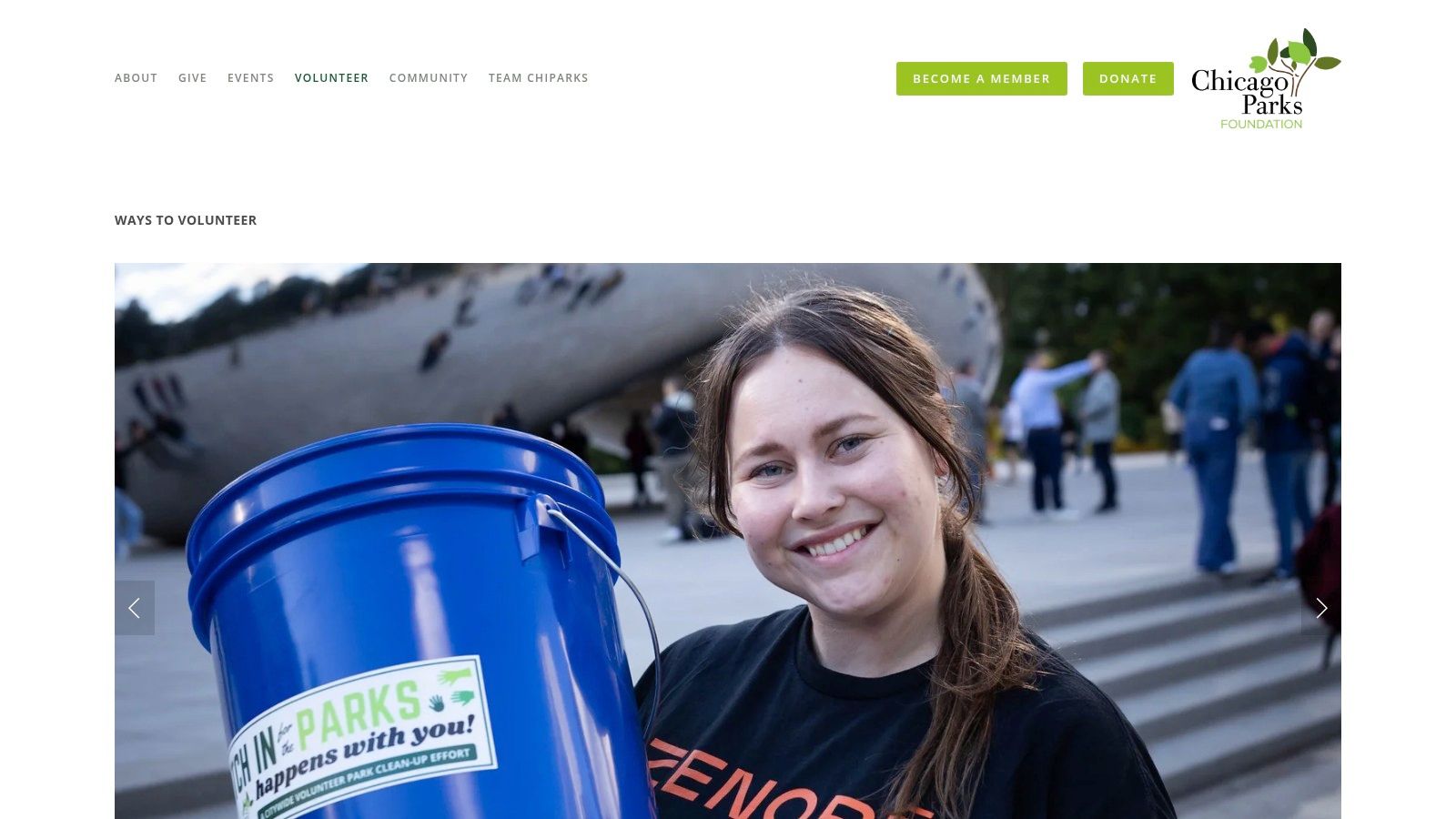
    Chicago Parks Foundation, "It's Your Park Day" + Hosted Park Cleanups

    I've seen people hesitate over volunteering because they assume it has to be dramatic. A kayak on the river. A whole Saturday in the woods. Special knowledge. Then they spend two hours in a neighborhood park, filling bags, pulling weeds from a fence line, talking to a stranger who lives three blocks away, and something shifts.

    That's what makes Chicago Parks Foundation volunteer events different. The work happens in plain view, in the places where life is already unfolding. Dog walkers pass by. Kids cut across the field. Someone thanks you without stopping. You go home knowing you changed a patch of the city you will see again on Tuesday.

    I like that honesty.

    The founder story behind Litter Caterpillars carries that same lesson. You do not need a grand plan to begin repairing a mess. You start with what is in front of you. In a park cleanup, that might mean bottles under a bench or trash caught in shrubs after a windy week. The cleanup is literal, but the change in you is not just physical. You get less precious. Less avoidant. You stop waiting for the perfect role and become the kind of person who helps.

    Chicago Parks Foundation supports citywide volunteer days like It's Your Park Day and helps groups host their own cleanups with supplies and on site support. That makes it a strong fit if you want to bring classmates, coworkers, or neighbors into something useful without spending weeks organizing every detail yourself.

    There is a social courage to this kind of work, too. In a preserve, you can disappear into the task. In a neighborhood park, you are part of the public face of care. People see who showed up. Sometimes that is exactly what helps you grow. If you have been lonely, unsure, or stuck in your own head, shared work in a familiar place can crack that open fast.

    Best fit and tradeoffs

    • Best for people who want visible change: You can walk past the park later and see what your morning accomplished.
    • Best for new volunteers: The setting feels familiar, which lowers the friction of starting.
    • Best for groups that want simple logistics: Hosted cleanups can make turnout easier to manage.

    The drawback is that neighborhood events can feel less adventurous than river or forest work. If you only chase the dramatic version of service, you might miss the one that changes your actual daily life.

    7 Environmental Volunteer Opportunities, Quick Comparison

    Item Complexity 🔄 Resource requirements ⚡ Outcomes 📊 Ideal use cases 💡 Effectiveness ⭐
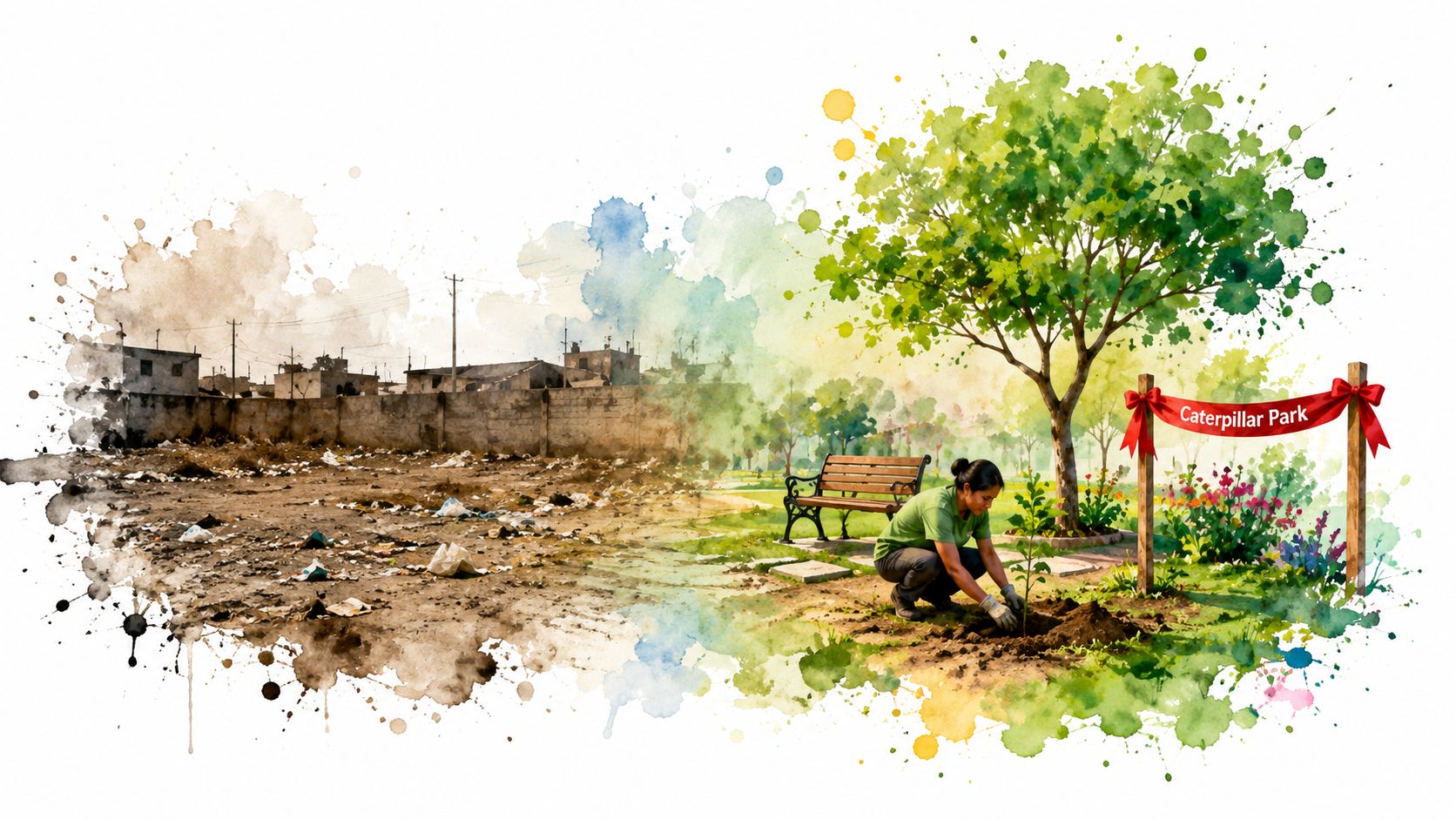
    Litter Caterpillars Low, volunteer‑run, informal weekly coordination Minimal, volunteer time, basic cleanup gear, social channels Visible neighborhood cleanup; civic engagement; created Caterpillar Park Regular weekend volunteers, social community building, adventurous cleanups ⭐⭐⭐
    Alliance for the Great Lakes, Adopt‑a‑Beach Moderate, standardized protocols and leader roles Moderate, training, data tools, seasonal site logistics Shoreline litter removal + research‑grade data for policy use Beach cleanups, data collection, family and team events ⭐⭐⭐
    Friends of the Chicago River, Chicago River Day + Stewardship Moderate, multi‑site event planning and recurring stewardship Low–Moderate, tools provided, some registration required River trash removal, native plantings, trail maintenance Group service days, first‑timers, visible riverfront impact ⭐⭐⭐
    Shedd Aquarium, Action Days Low, short‑term community events; in‑building roles require applications Low–Moderate, organized events; competitive application windows for deeper roles Short‑term service hours; pathways to aquarium volunteer roles Student groups, short service commitments, those seeking structured growth ⭐⭐
    Openlands, TreeKeepers + TreePlanters Moderate–High, training, certification, grant coordination Moderate, training time, organizing neighbors, possible fees Long‑term tree care, street greening, leadership development Residents seeking skills, long‑term stewardship, neighborhood plantings ⭐⭐⭐
    Friends of the Forest Preserves, Restoration Workdays Low–Moderate, scheduled workdays with staff support Low, tools/equipment provided; some physical effort required Habitat restoration, invasive removal, skills in ecology Hands‑on ecology volunteers, repeat stewardship, corporate groups ⭐⭐⭐
    Chicago Parks Foundation, "It's Your Park Day" Low, turnkey or staff‑led park cleanups Low, CPF supplies and optional on‑site leadership Quick neighborhood beautification with high local visibility Block clubs, company service days, school groups ⭐⭐

    Find Your People, Find Your Purpose

    A woman once showed up to a cleanup because her week had gone sideways. She did not come to save the planet. She came because she needed somewhere to put her hands. An hour later, she was laughing with strangers over a ridiculous haul of cups, wrappers, and one busted lawn chair dragged out of the weeds. By the end of the morning, she had done more than fill a trash bag. She had crossed the hardest line, the one between meaning to help and showing up.

    That pattern matters.

    You might start at the lake, cold wind in your face, picking bottle caps out of the sand. You might end up learning tree care until neighbors ask you what species is planted on the block. You might spend a Saturday knee-deep in mud near the river or pulling invasives in the forest preserves. The work changes with each group, but the deeper reward is strangely consistent. You leave more steady than you arrived.

    I have seen cleanup work do something subtle and tough at the same time. It shrinks the distance between your values and your schedule. It gives you a visible problem, a bag, a pair of gloves, and a few other people who decided their morning would count for something. In a life cluttered with abstract worries, that kind of direct action can reset you.

    The founder's story behind Litter Caterpillars carries that lesson all the way through this list. Cleaning up a block can become practice for cleaning up other parts of your life. You get less afraid of awkward introductions. You get better at doing small hard things. You start recognizing familiar faces. Then one day it stops feeling like volunteer work and starts feeling like your people.

    Fun helps, too.

    Not fake, forced fun. Real fun. Dirt on your shoes. Sore arms. A conversation that starts stiff and ends with plans for coffee. The small pride of looking back at a stretch of park or sidewalk and knowing it looks different because you were there.

    So pick the one that fits your life right now. Pick the beach, the river, the trees, the forest preserves, the park near your apartment, or the cleanup crew that first showed you service can make you braver.

    If you want a place to start this weekend, join Litter Caterpillars. As noted earlier, it offers a simple way to get outside, clean a block, meet good people, and build courage by doing something real.
  • 10 Bold Examples of Kindness in Action

    10 Bold Examples of Kindness in Action

    My first lesson in kindness came from a refrigerator I dreaded opening.

    Old jars stacked in the back felt heavier than they were. A half-used jam I should have tossed months earlier carried a memory, so I kept it. Then another bottle. Another bag. Before long, that fridge looked like a museum of postponed decisions, and my life felt the same. Every small mess asked for courage I did not think I had.

    So I borrowed courage somewhere public.

    I showed up to pick litter off a sidewalk before I had any clue how to clean up my own routines. That choice surprised me. Public mess felt simpler than private mess. A curb did not argue with me. A storm drain did not carry family history. I could put on gloves, grab a soaked fast-food bag, and finish one clear task from start to end. That was kindness in action for me at first. Not a big speech. A small act with dirt on it.

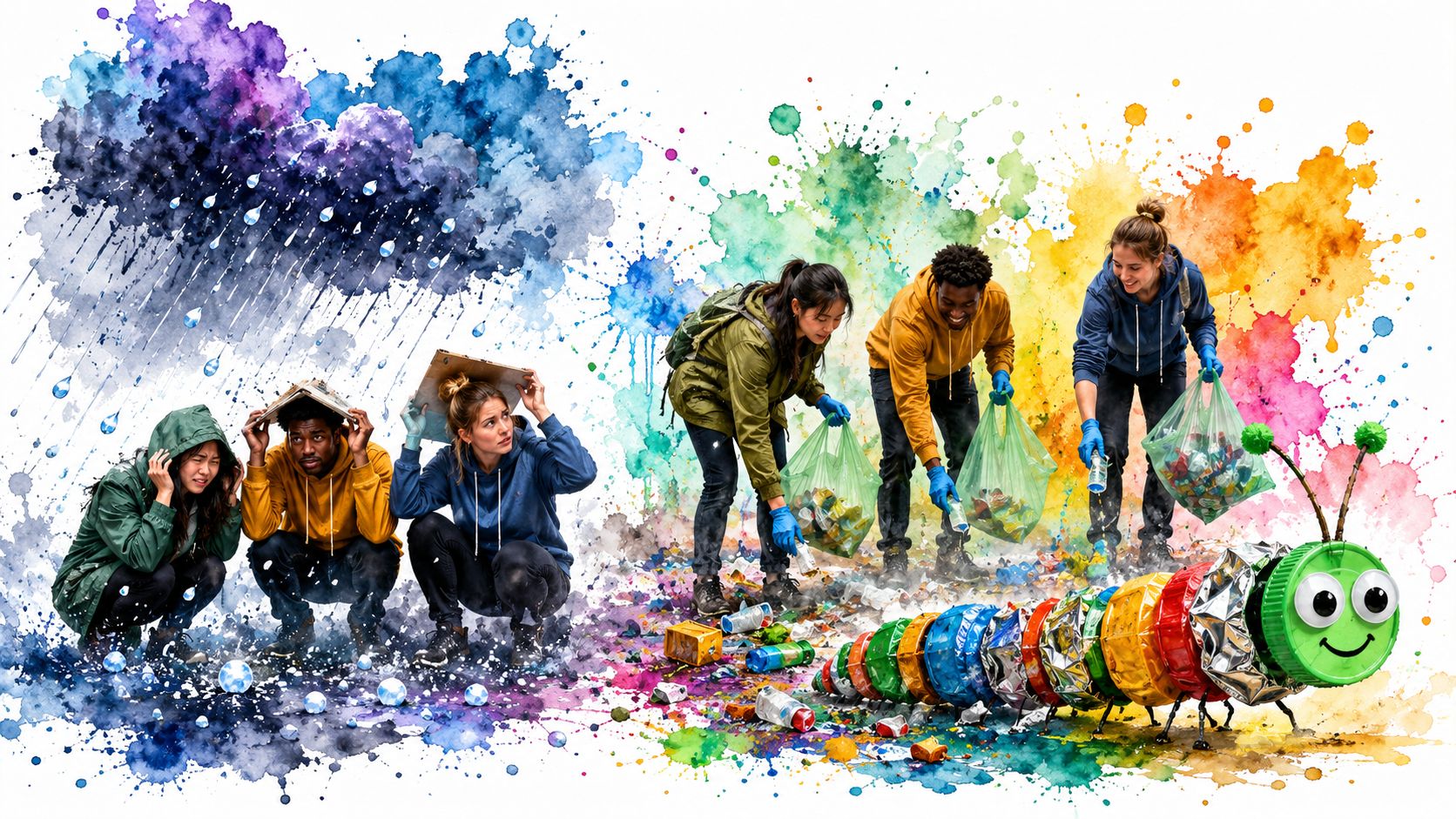
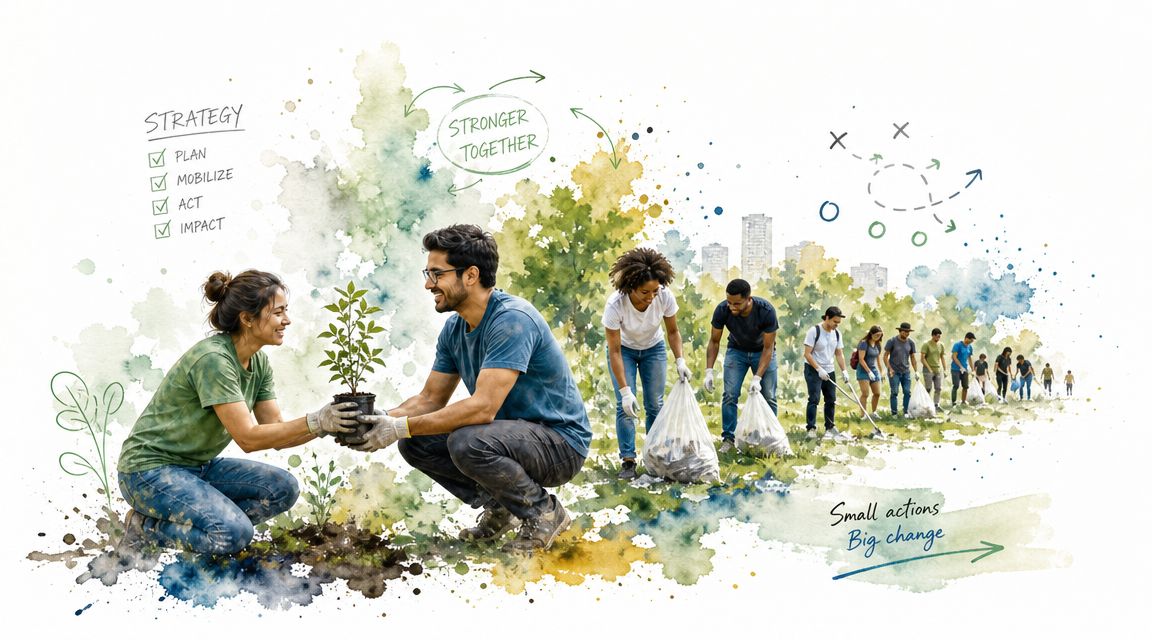
    Later, standing under a tree while hail smacked our jackets and three of us laughed through a ruined morning, I started to see the bigger pattern. Kindness is not only about being nice. It is about building systems that help people show up. Pick the right hour and you attract people who came to give. Rotate neighborhoods and the work stays fair. Give volunteers a name, a song, a reason to feel proud, and they return with friends. Small acts matter. The structure around them matters too.

    The American Psychiatric Association reported in its poll on small acts of kindness that many Americans had both given kindness recently and felt better after doing it. I believe that because I have felt it in my own body. Help someone else, and the knot in your chest can loosen a little.

    I have also learned that goodwill alone is flimsy. Communities get stronger when kindness has a schedule, a place to stand, and a little grit. If you want one simple example of what that can look like, these volunteer trash pickup events from Litter Caterpillars show how a straightforward invitation can turn strangers into teammates.

    Here are 10 examples that get past slogans and into the actual mechanics of helping.

    1. Community Litter Cleanup Events

    The first cleanup I joined that felt real had terrible weather. Three of us got caught in a springtime hail storm, huddled under a tree, and watched ride after ride get canceled. I should've hated it. Instead, I had fun.

    That's when I learned something weird and useful. Picking up other people's trash can be a training ground for your own life. You get movement, sunlight, conversation, and a visible result in about an hour.

    Why weekly beats occasional

    A cleanup works best when it's regular enough that people don't need to guess. Weekend mornings are especially good if you want people who came to give, not people who drifted in because they were bored the night before. That time filter matters more than most organizers think.

    If you want a model for joining one, Litter Caterpillars volunteer trash pickup events show how simple the invitation can be. Pick a place. Pick a time. Bring bags, grabbers, and a decent attitude.

    Practical rule: Start with the smallest version that still feels real. Three people on one block is enough.
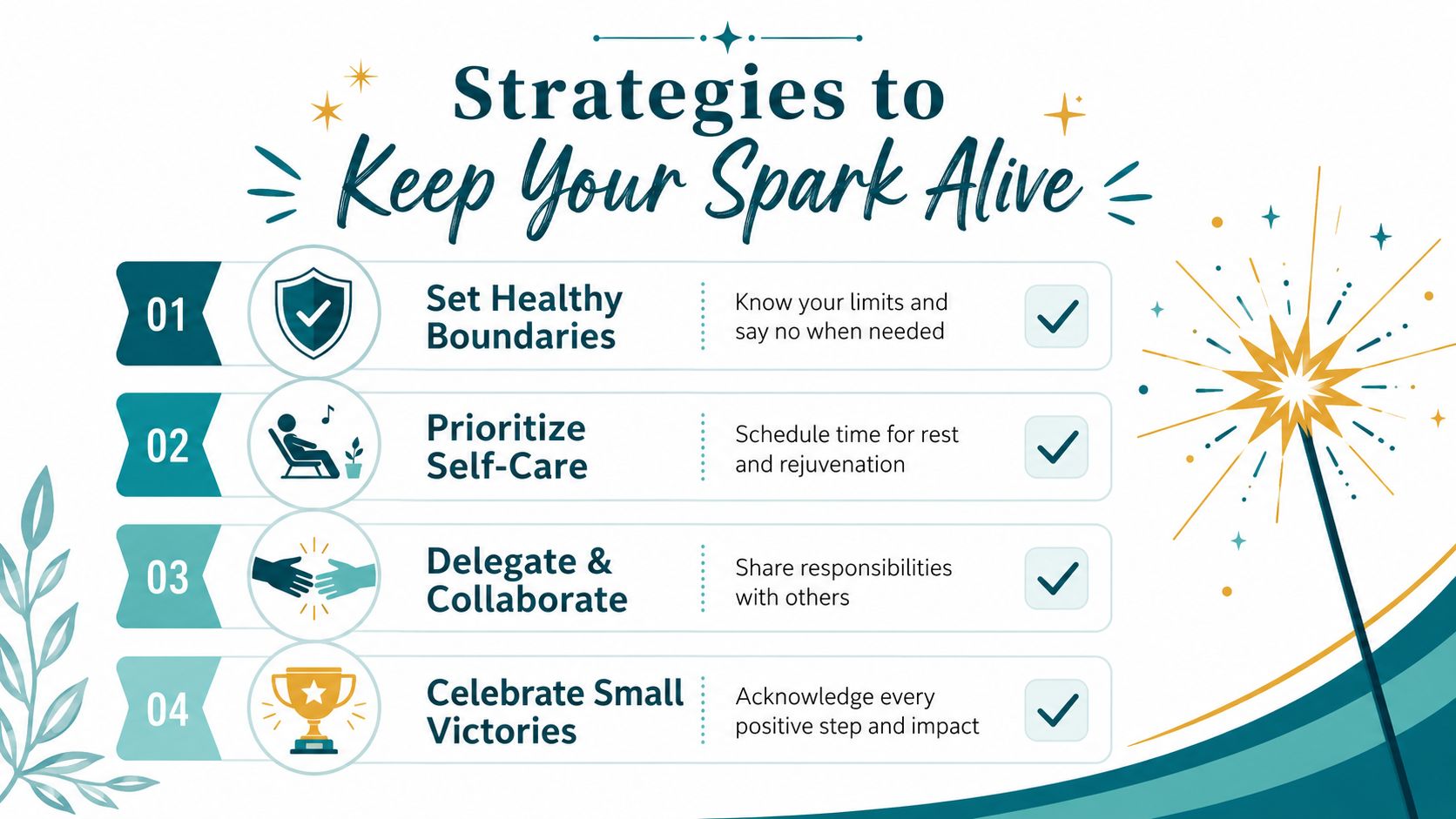
    I also think rotating neighborhoods helps. It keeps the work fair, keeps the group curious, and stops the same volunteers from carrying the whole load in the same place every time. A cleanup can remove litter, sure, but it can also create that rare modern thing: a room without walls where strangers become teammates fast.

    2. Neighborhood Beautification Through Service

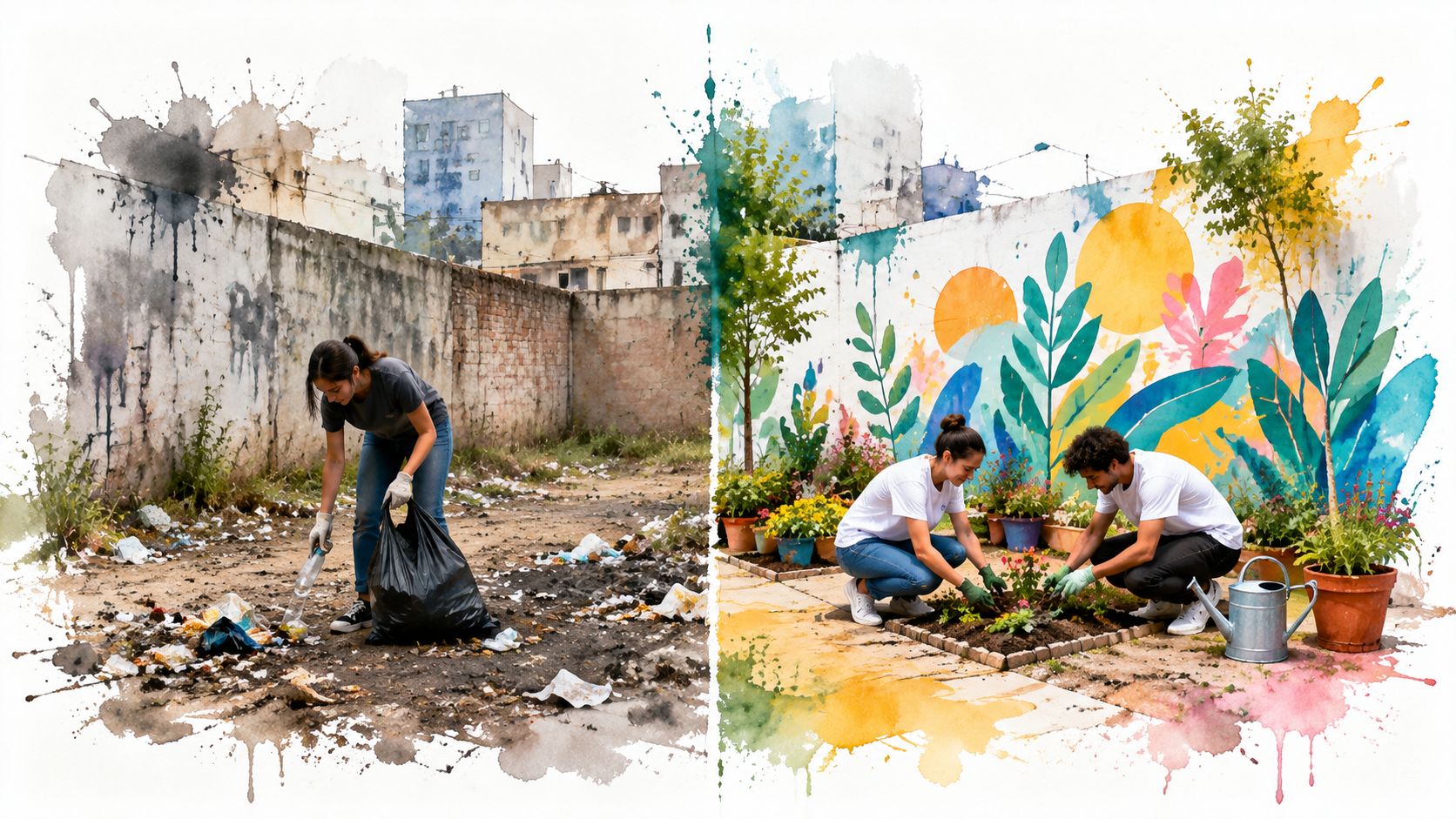
    Trash pickup is often the first chapter, not the whole story. A neglected space usually needs a sweep before it needs flowers, paint, or a bench. I like that order because it's honest. You deal with what's broken before you decorate.

    A split-screen illustration showing a person cleaning up trash and then gardening in the same space.

    I've seen people fall in love with a place only after they put sweat into it. A lot that looked forgotten starts to feel personal once you've hauled out debris, cut back weeds, and imagined what could go there next. That's how service turns into ownership.

    First clean, then build

    One of my favorite examples is when a group takes an empty or ignored patch of land and turns it into a small community place people want to stand in. That could mean planting, painting, setting up signs, or making the space feel watched over instead of abandoned.

    The trick is to ask local residents what they want before you start making decisions. A volunteer's vision can be energetic and still be wrong.

    • Start with removal: Get the trash, broken glass, and dead clutter out first.
    • Ask neighbors early: The people closest to the space should shape what comes next.
    • Create a maintenance rhythm: A beautiful place falls apart fast if nobody comes back.

    I like seeing this process in motion because it makes kindness visible. Cleanup changes the ground. Beautification changes the mood.

    If you want to watch that kind of transformation energy, this short video captures the spirit well.

    3. Building Social Circles and Intentional Community

    I don't think community happens by accident as often as people claim. Usually, somebody picked a time, a place, a tone, and a set of values. That's not fake. That's care.

    After a chaotic season in my own life, I became much more deliberate about who I spent time with. I wanted to be around people who'd wake up, show up, and help. A Saturday morning cleanup is a pretty strong filter for that.

    Filter for the people you want beside you

    A service group has a hidden gift. It lets you meet people while doing something useful, so the conversation has less pressure and more honesty. You're not trying to impress each other over drinks. You're carrying bags, joking about gross finds, and seeing who keeps their word.

    I like groups that create more than one place for connection. The event matters, but the follow-up matters too. A group chat, a social post, a repeat invite next week. That's where familiarity grows.

    If you're trying to build that kind of circle, these community building activities for adults give a practical starting point.

    Say what your group is for. People relax when they know the values in the room.

    I've found that friendship grows faster when people share why they're there. Not a polished speech. Just the truth. Maybe you're lonely. Maybe you're recovering from a hard breakup. Maybe you need a reason to get outside and stop spiraling. That's the stuff that turns a volunteer event into an actual community.

    4. Volunteer Pride and Identity Building

    A flag sounds silly until you're the one holding it. A badge sounds childish until someone earns one and suddenly stands taller. A theme song sounds over the top until the group starts smiling when it plays.

    Service work can disappear into the background if you let it. People get dirty, tired, and anonymous. I think that's a mistake. If athletes get jerseys and teams get logos, kind people can have symbols too.

    A diverse group of three young adults standing together, holding a flag and wearing pins with colorful handprints.

    Give service a uniform, even a playful one

    A visible identity helps volunteers feel like they belong to something concrete. It also gives first-timers a way to step into the mood of the group faster. You're not just "helping out." You're joining a crew.

    I love this because pride can support bravery. When someone wears a pin, carries a flag, or sings the goofy song with everybody else, they stop hovering on the edge and start participating fully.

    Try a few simple moves:

    • Use symbols with a story: A logo means more when people know where it came from.
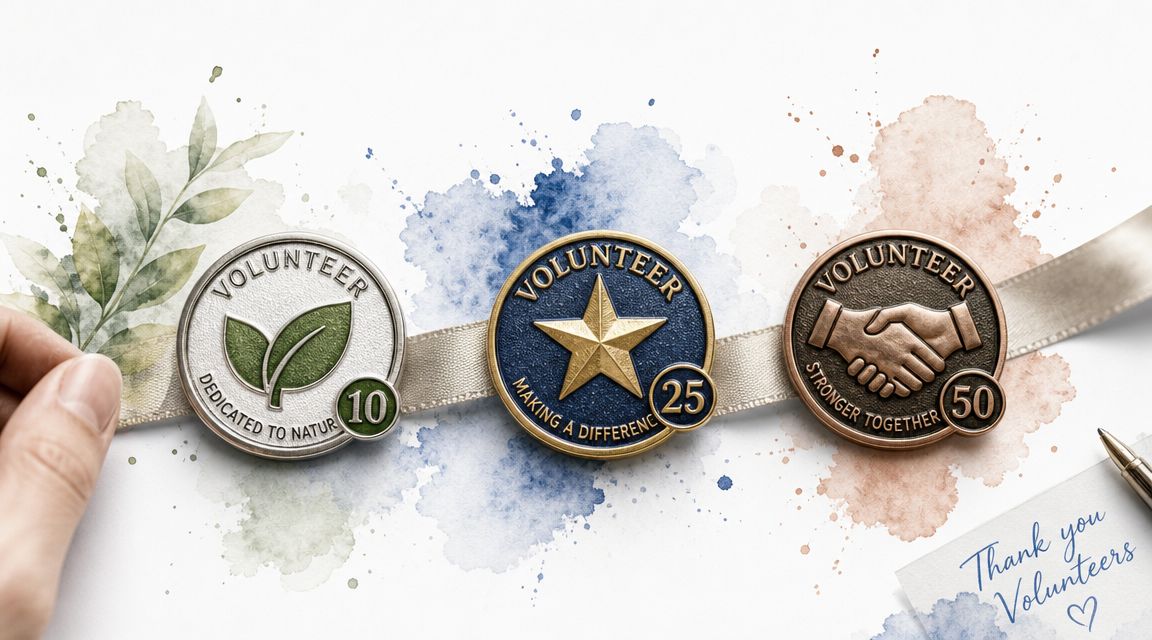
    • Mark milestones: Badges, pins, or little traditions can reward consistency.
    • Make photos fun: Group pictures help people remember that service looked good on them.

    This isn't vanity. It's morale. People often need permission to feel proud of doing something decent in public.

    5. Reframing Difficult Tasks as Adventures

    Some jobs are ugly. Some weather is rude. Some days your gloves are soaked, your back hurts, and the alley smells like defeat. You can still decide what story you're living in.

    That hail storm cleanup changed me because it made suffering funny. Not fake-funny. Real funny. We were cold, stranded, and ridiculous, and that gave the day flavor. Hardship stopped feeling like proof that we'd made a bad choice. It felt like the plot thickening.

    Turn discomfort into story

    I think groups last longer when they talk about tough days like adventures instead of burdens. That doesn't mean ignoring safety. It means refusing to let inconvenience become the main character.

    You can build this attitude on purpose.

    • Tell the stories afterward: The worst weather often creates the best memories.
    • Keep inside jokes alive: Shared language bonds people fast.
    • Take photos on rough days: People love evidence that they did the hard thing.

    One reason this matters is emotional stamina. If every hard cleanup feels like a failure, people burn out. If a hard cleanup feels like a campfire story in progress, they come back with a grin.

    I've learned to ask a strange question before difficult service days: what will be funny about this later? That question has rescued me more than once.

    6. Cross-Neighborhood Equity and Inclusion

    Kindness gets shallow fast if it only goes where the sidewalks already look polished. I don't trust service that keeps choosing the easiest block.

    A stronger version of kindness in action moves across neighborhoods on purpose. It doesn't avoid places because people assume they're too far, too forgotten, or too uncomfortable. If a city belongs to all of us, the care should move that way too.

    Go where people feel skipped over

    I respect groups that make a rotation and stick to it. That kind of schedule tells residents, "You don't need to compete for our attention. We're coming." It also pushes volunteers to see more of their city than they normally would.

    This matters for the people serving too. You learn humility when you leave your comfort zone. You stop talking about neighborhoods like headlines and start connecting them to faces, blocks, and conversations.

    A youth-led kindness organization described in this Channel Kindness story has supported 5,068 people, donated 30,062 supplies, and helped 955 underserved families since April 2025. I take one lesson from that. Service can scale quickly when people protect the energy behind it and keep showing up where help is needed.

    Every neighborhood deserves attention. You don't need a trendy zip code to earn care.

    If you organize across a whole city, say the schedule out loud. Make the route public. Let people know you mean it.

    7. Protective Volunteer Energy and Donation Resistance

    I've seen volunteer groups make a simple mistake. They get people excited about helping, then turn around and squeeze them for money every chance they get. That changes the mood fast.

    Volunteer energy is fragile. If somebody gives up their morning, travels across town, works hard, and then feels like a wallet with legs, they'll disappear. I would too.

    Treat presence like the top contribution

    I prefer groups that make this plain from the start. Show up. Help out. Be safe. Have a good time. If somebody wants to support financially later, fine. But don't build the relationship on pressure.

    This matters even more when a group grows. A service model can move fast when people stay energized. One Atlanta kindness group has turned into a year-round effort documented on YouTube, and I think part of the lesson is consistency without draining the people who make it happen.

    A few habits help:

    • State the policy clearly: Tell volunteers they won't be pressured for donations.
    • Ask for time first: Service groups live or die on attendance and morale.
    • Find other support paths: Grants, in-kind supplies, and partnerships can carry costs.

    The emotional effect is bigger than it sounds. When people know they're welcome without opening their wallets, they relax. Relaxed people make friends. Friends come back.

    8. Addressing Root Causes Through Environmental Stewardship

    For me, environmental stewardship started as therapy in work clothes. I couldn't throw out my own emotional junk, so I started picking up literal junk off the street. That sounds backwards, but it worked.

    Cleaning a block doesn't magically solve grief, chaos, or shame. It does give your hands something honest to do while your mind catches up. Sometimes that's enough to begin.

    Outer order can train inner order

    The reason I care about this so much is personal. My apartment mess and my life mess fed each other. Once I started doing regular cleanup outside, I began to believe I could also create order inside my own routines.

    That's one reason I like the language in this guide to environmental stewardship. It treats care for shared spaces as active responsibility, not a vague attitude.

    The science on kindness also gave me language I didn't have before. A National Institutes of Health review on kindness and health reports that a meta-analysis of 27 experimental studies found a small-to-moderate positive effect on well-being for people practicing acts of kindness. That same review notes four meta-analyses covering 22, 21, 19, and 10 randomized controlled trials on kindness-based meditation, with reductions in depressive symptoms, anxiety, and stress, plus increases in compassion, self-compassion, and positive emotions.

    I don't read that and think, "Great, cleaning up is medicine." I read it and think, "No wonder this helped me." Kindness in action changes your environment, and sometimes your environment changes you back.

    9. Easy Participation Entry Points and Accessibility

    A lot of kind projects fail at the front door. The cause is good, but the signup is clunky, the instructions are vague, and nobody knows where to stand when they arrive. People won't say that out loud. They'll just never come.

    I like making participation stupidly easy. Clear time. Exact address. What to bring. What if it rains. Where the group chat lives. Whether a nervous first-timer can just walk up and join. That's the difference between a wish and a real invitation.

    Remove friction before you ask for courage

    The easier the logistics, the more energy people have left for service. That matters for shy people, busy people, new residents, students, and anyone who already feels awkward trying something alone.

    A simple structure works well:

    • Use multiple channels: Meetup, Instagram, and group chats catch different people.
    • Say exactly what happens: People show up more confidently when they know the plan.
    • Welcome walk-ups: Some people decide at the last minute and still become regulars.

    The emotional side matters too. When someone arrives, greet them fast. Hand them supplies. Give them one easy task. Introduce them to one friendly regular. That first five minutes can decide whether they come once or keep coming all season.

    Kindness in action isn't only the service itself. It's also the care you put into the doorway.

    10. Consistent Show-Up Culture and Reliability Building

    The strongest groups I know aren't glamorous. They're reliable.

    That sounds boring until you live inside it. A fixed day and time can change people. It teaches self-trust. It tells the neighborhood that somebody will be there. It gives lonely or drifting people a recurring place to land.

    Reliability is a form of kindness

    I love the feeling of not having to wonder. If cleanup is every week, rain or shine, then the decision gets easier. You stop renegotiating with yourself. You just go.

    That consistency can become a culture. People start telling stories about the snowy day, the hot day, the day only a few people came and it still counted. Those stories teach the group what it values.

    Try building that with a few simple habits:

    • Pick one recurring slot: Don't keep changing the day or time.
    • Celebrate attendance, not hype: A small crew that shows up is a win.
    • Let people rest without guilt: Reliability grows better when people feel free, not trapped.

    I've learned that a city starts to trust you when you keep your promises in ordinary weather and ugly weather alike. That's one of the purest forms of kindness in action I know.

    Kindness in Action, 10-Point Comparison

    Title 🔄 Implementation complexity ⚡ Resource requirements 📊 Expected outcomes 💡 Ideal use cases ⭐ Key advantages
    Community Litter Cleanup Events Low–Moderate: recurring logistics and volunteer coordination Low: volunteers, basic supplies, simple admin Visible cleaning, habit formation, local pride Rapidly mobilizing community volunteers for regular cleanup Immediate visible impact; low cost; accessible
    Neighborhood Beautification Through Service Moderate–High: multi‑phase planning, permits, maintenance High: materials, skilled volunteers, partner funding Long‑term public space transformation, increased value Revitalizing neglected lots, creating community spaces Lasting physical legacy; attracts investment
    Building Social Circles and Intentional Community Moderate: values‑based recruitment and facilitation Low material / High time: facilitation, leadership effort Deep friendships, higher retention, mutual support Creating trusted volunteer cohorts, reducing loneliness Authentic connections; sustained commitment
    Volunteer Pride and Identity Building Low–Moderate: branding and distribution systems Moderate: design, production, small budgets Improved retention, higher visibility, recruitment lift Boosting morale and social proof for volunteer groups Increases motivation and group identity
    Reframing Difficult Tasks as Adventures Low: narrative framing and cultural practice Low: storytelling, leaders modeling behavior Higher participation in hard conditions; resilience Tasks with unpleasant conditions or low appeal Turns toil into memorable bonding experiences
    Cross‑Neighborhood Equity and Inclusion High: complex scheduling, safety and outreach protocols Moderate–High: logistics, partnerships, training Equitable service coverage, trust in underserved areas City‑wide programs prioritizing underserved wards Ensures attention reaches forgotten communities
    Protective Volunteer Energy and Donation Resistance Moderate: policy design and alternative funding strategy Moderate: grant seeking, sponsor relations, admin Preserved volunteer morale; clearer volunteer motives Volunteer‑first organizations avoiding solicitation Protects volunteer motivation and trust
    Addressing Root Causes Through Environmental Stewardship High: integrates therapy, training, and facilitation Moderate–High: trained staff, support resources Personal transformation, habit change, wellbeing gains Programs linking service with mental‑health or behavior change Deeper meaning and longer‑term individual impact
    Easy Participation Entry Points and Accessibility Low: multi‑platform presence and clear logistics Low–Moderate: platform accounts, comms, coordination Increased signups, lower friction to join Onboarding newcomers; scaling casual participation Dramatically lowers barriers to entry
    Consistent Show‑Up Culture and Reliability Building Moderate: governance, leadership continuity, backup plans Moderate: core team, recognition systems, planning Sustained presence, neighborhood trust, habit formation Long‑term community presence and habit building Builds reliability identity and long‑term momentum

    Your Adventure Starts Now

    One Saturday morning, I almost stayed in the car.

    The alley smelled like old beer and rain. A torn fast-food bag was wrapped around a fence. Someone else had beaten us there and started filling a black trash bag by hand because they forgot a grabber. That was the moment I remembered what kindness looks like in real life. It is rarely polished. It usually starts with somebody doing the unglamorous job first.

    That kind of morning changed me more than any inspiring quote ever did. I did not begin with a grand plan. I began while my own life felt sloppy, while my apartment was cluttered, while I was still figuring out how to keep promises to myself. Picking up one block forced me to practice a better way of living in public. Then I saw the deeper lesson. Communities do not get stronger from good intentions alone. They get stronger because someone picks a time, brings extra gloves, makes the work feel welcoming, and comes back next week.

    That is the part people skip.

    Kindness in action is logistical. It has a calendar. It has backup supplies. It has little decisions that shape who shows up and whether they return. A Saturday cleanup at 9 a.m. attracts different people than a loose evening plan that starts whenever. A group name, a shared joke, even a dumb little theme song can turn service into identity. That sounds small until you watch volunteers stand taller because the work belongs to them now.

    I have seen the mood of a street change from one visible act. A person with a bag and gloves signals that this place is worth caring for. A neighbor notices. Someone waves. Someone asks when the group is coming back. Small public acts carry weight because they interrupt the story that nobody cares.

    The harder truth is that generosity needs protection. If the same reliable people do all the lifting, they burn out. If every gathering turns into a pitch for money, trust gets thin. If the work feels like punishment, people disappear. Good groups handle that head-on. They make it easy to join, they respect people's time, and they frame the ugly jobs as a shared mission people can be proud of.

    Start smaller than your excuses.

    Pick one block, one corner, one vacant lot, one bus stop you are tired of pretending not to see. Text one friend. Set a time. Bring one extra pair of gloves for the person who says yes at the last minute. If you live in Chicago, Litter Caterpillars is one practical place to begin. If you do not, the model still holds. Small crew. Clear task. Regular return. That is how strangers become dependable neighbors.

    Look at your street with fresh eyes. Where is the neglect. Who gets left out. What would make it easier for an older neighbor, a busy parent, or a shy newcomer to join you for twenty minutes.

    Go put your hands on the problem.

    Then make the work feel like something worth coming back to.

  • Black Partridge Woods: A Guide to Your Next Adventure

    Black Partridge Woods: A Guide to Your Next Adventure

    I still remember the first time I dropped into Black Partridge Woods. One minute I was carrying city-brain with me, all noise and errands and tabs-open-in-my-head energy. The next minute I was standing at the edge of a bluff, looking down into a ravine that felt older, rougher, and more real than anything I expected to find so close to home.

    Finding Adventure Close to Home

    Some places ease you in. Black Partridge Woods doesn't really do that.

    You arrive thinking you're heading to a simple forest preserve walk, then the ground starts falling away under the trees. The bluff edge gives you that good kind of jolt, the kind that makes you stand up straighter and pay attention. You look down and see the folds of the ravine, the way the woods dip and curl, and suddenly your quick little outing feels more like a real outing.

    A hiker with a backpack looking towards a distant cityscape through a gap in the trees.

    Why this place feels different

    I like a flat path as much as anybody, but Black Partridge Woods has texture. It has drop-offs, cool low spots, and those little shifts in air and sound that make you feel like you crossed a threshold instead of just parked your car and started walking.

    This is an 80-acre forest preserve in Cook County, Illinois, set on river bluffs above the Des Plaines River with ravine forests and spring-fed streams. It was designated an Illinois Nature Preserve in 1965, and it was the second site in Illinois to receive that distinction, according to the Forest Preserves of Cook County page for Black Partridge Woods.

    That fact matters because it helps explain the feeling. You're not wandering through a random leftover patch of green. You're walking into a place people recognized early as worth protecting.

    Practical rule: If you need a reset but don't have time for a big trip, pick a place with terrain. A ravine does more for your brain than another lap around a flat path.

    A small place with real character

    I've always loved the kind of adventure that fits into half a day. Grab water, throw on shoes you don't mind dirtying, maybe bring a bag in case you spot litter, and go. Black Partridge Woods fits that perfectly.

    If you usually think of Illinois preserves as broad, easy, and open, this place will change your picture a bit. It feels compact in the way a good bookstore feels compact. Small footprint, lots going on.

    If you want more ideas for this kind of local escape, I like this guide to a forest preserve in Illinois because it helps frame the simple truth that the good stuff is often closer than we think.

    Here's the part I keep coming back to. You don't need a plane ticket, a cabin reservation, or a grand plan. Sometimes adventure is just you, a bluff, a ravine, and the decision to go outside on purpose.

    The Stories Written in the Land

    The first time I learned where the name came from, the woods changed for me.

    Before that, “Black Partridge” sounded dramatic and a little mysterious, like the title of an old story. Then I found out the name comes from a major Potawatomi chief tied to the Chicago region around the 1812 Battle of Fort Dearborn. That turned the preserve from a nice place to walk into a place with memory in it.

    The name under your feet

    I think names matter because they tell you how to listen.

    When you walk through Black Partridge Woods with that history in mind, the place stops feeling like blank scenery. The roads nearby, the suburbs, the traffic, all of that starts to feel recent. The name pulls your attention backward and reminds you that people knew this region long before we chopped it into commute routes and parking lots.

    An account about Black Partridge describes him as active during 1795–1816 and notes that the woods were named in his honor, linking the preserve to Indigenous history in the Chicago area. That same account also notes one milestone in 1964 and the formal Illinois Nature Preserve designation in 1965. You can read that background in this history of Black Partridge.

    Water wrote the map

    Then there's the story the land tells without using words.

    Water carved this place. You can feel that the second you move from higher ground into the ravine system. It's like reading a sentence cut into the earth. The slope, the coolness, the stream, the way the trail bends with the contours. None of it feels accidental.

    According to the Illinois Department of Natural Resources, Black Partridge Woods is an 80-acre Illinois Nature Preserve with river bluffs, ravine forests, and spring-fed streams. Its cold, highly oxygenated waters support uncommon species like the mottled sculpin, and its mesic forests are dominated by sugar maple, basswood, red oak, and white oak. I love how much that tells you in one shot. Clean cold water. Mature hardwood forest. A place where the conditions still line up. Here's the Illinois Nature Preserves Commission page on Black Partridge Woods.

    When I know a stream can support a fish that needs cold, oxygen-rich water, I stop seeing “just a creek.” I start seeing a whole chain of things going right.

    If you want to get better at reading the canopy and understory when you're out there, this quick guide to trees in Illinois helps a lot.

    How I read the woods now

    Now when I walk there, I don't just see “trees.”

    I notice the hardwoods as a kind of neighborhood. I notice how the ravine holds moisture. I notice that a stream like that isn't only pretty. It has standards. If the water gets too warm or too poor in oxygen, life disappears from it.

    That changes your posture as a visitor. You stop treating the place like a backdrop. You start treating it like a living system that can be helped or harmed by small choices.

    Your Guide to the Trails

    The best way I can describe the trail at Black Partridge Woods is this. It feels a little like walking through a folded piece of paper. Up, down, crease, flatten out, then up again.

    That's part of the fun.

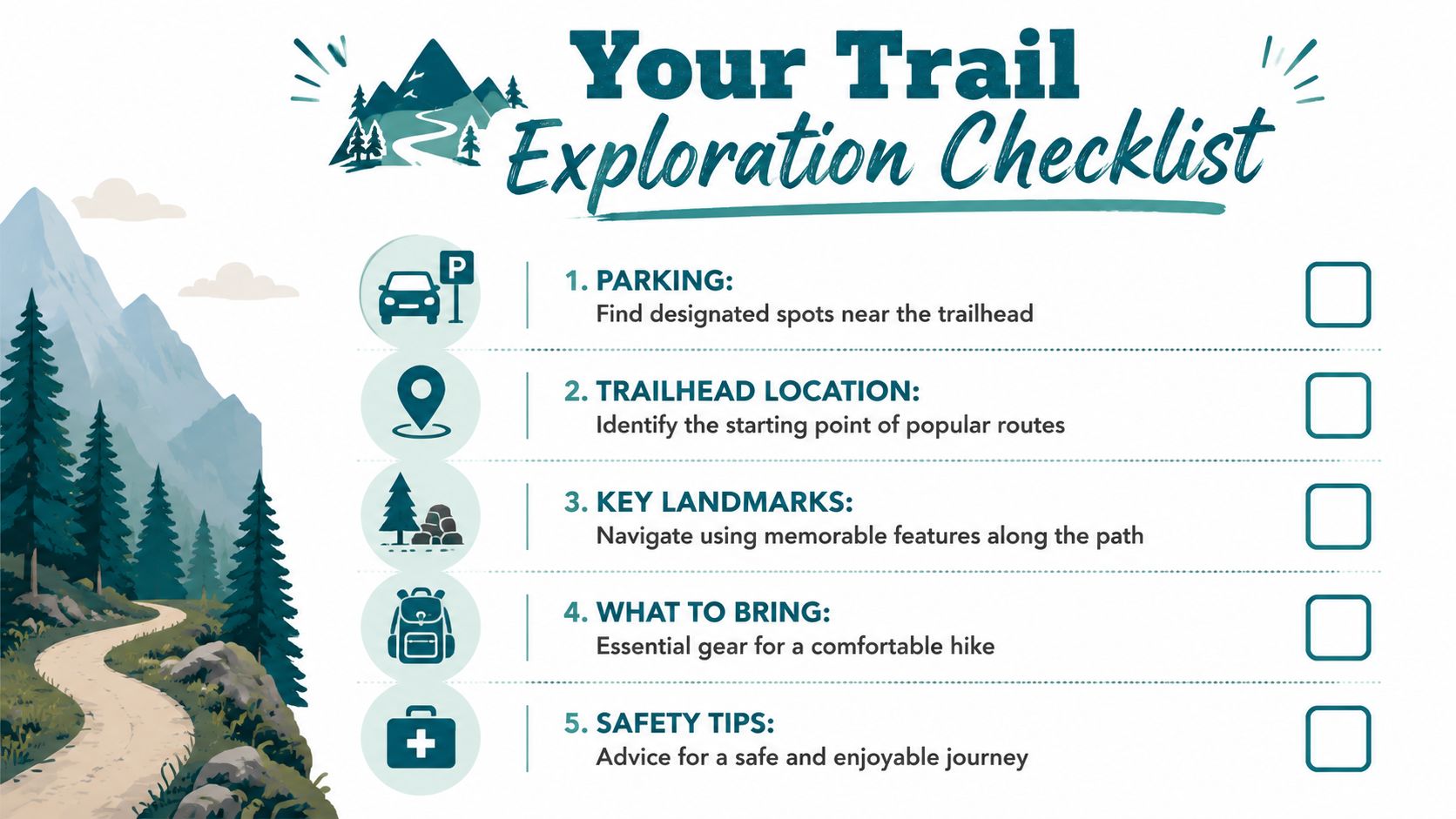
    A trail exploration checklist graphic with icons for parking, trailhead location, landmarks, gear, and safety tips.

    Getting started without overthinking it

    When I go to a new preserve, I try to keep the first visit simple. I'm not there to conquer it. I'm there to learn its rhythm.

    Look for designated parking near the preserve entrance, get your bearings, and give yourself a minute before you start walking. Listen. Check where the trail leaves the parking area. If something seems tucked away or less obvious than you expected, that's normal for wooded preserves.

    A good first lap is less about mileage and more about landmarks. I remember stairs, stream crossings, bluff views, and places where the air suddenly turns cooler.

    The shape of the walk

    Here's how I'd talk you through it if we were hiking together:

    • Start easy: Begin on the clearer, more obvious section and let your eyes adjust. Woodland trails can feel visually busy at first.
    • Watch for the stairs: Once you start descending, everything changes. The woods feel closer. The ravine walls hold sound in a different way.
    • Follow the water: Flat stretches near the stream usually feel calmer and cooler. That's your exhale section.
    • Respect the climb out: Going back up isn't brutal, but it will wake your legs up if you've been casually strolling.
    • Pause at openings: Any gap in the trees near the bluff is worth a stop. Even a short view can reset your whole mood.

    You don't need to move fast here. This is a place that gets better when you slow down enough to notice the temperature shifts.

    A short video can help you get the feel of it before you go:

    What to bring and how to move

    I don't like carrying a ton of gear for a short woods trip. But I also don't like being dumb about it.

    What matters Why I bring it
    Water Ravine walks feel cooler, but climbs still sneak up on you
    Good shoes Dirt, roots, and uneven footing are part of the experience
    Gloves and a spare bag Handy if you spot litter and feel like doing a tiny cleanup
    Phone with charge For maps, photos, and basic safety
    Layers Bluff tops and ravines can feel different on the same day

    The trail mindset I recommend

    Don't go there trying to optimize every minute. Go there trying to notice things.

    Notice how a stair descent changes your body from commuter mode to trail mode. Notice how the ravine floor feels like a different room than the bluff top. Notice how much more attached you feel to a place when you look at it instead of marching through it.

    That's the whole trick. Once you stop treating the walk like a task, the place opens up.

    The Woods Through the Year

    One visit gives you an introduction. Coming back in a different season gives you a relationship.

    Black Partridge Woods changes clothes all year, and I don't mean that in some fancy poetic way. I mean the same trail can feel like four different places.

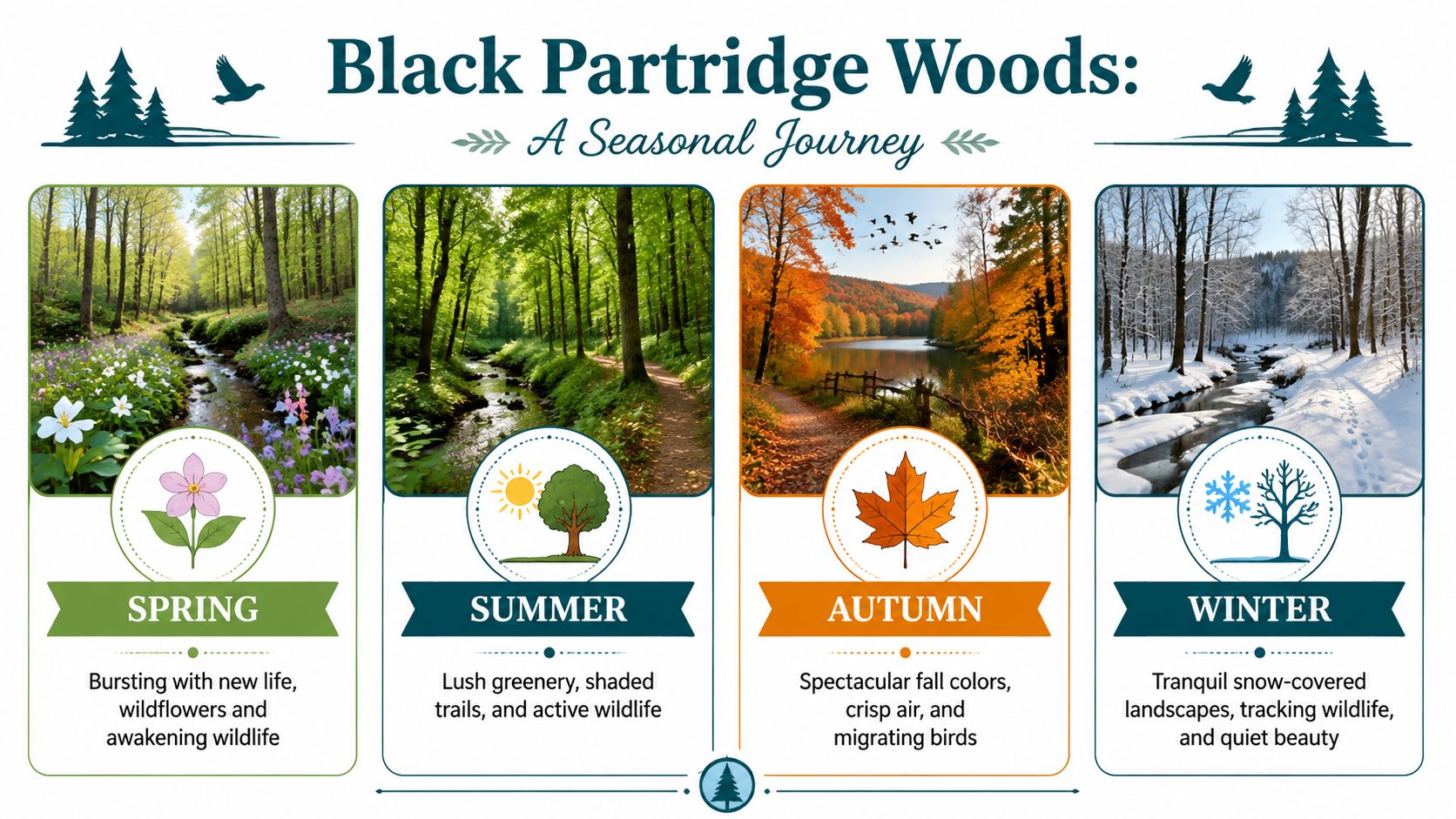
    A scenic infographic displaying four distinct seasonal landscapes of Black Partridge Woods throughout the year.

    Spring and summer

    Spring is when I get nosy. I'm looking low, not far.

    The forest floor wakes up first. Fresh green pushes through old leaves, wet ground smells alive, and the whole place feels like it's inhaling. Spring-fed areas feel especially vivid because water is part of the story everywhere you turn.

    Summer flips the script. Now I'm grateful for shade. The ravine becomes a natural shelter, and even on a warm day the woods can feel like a cooler pocket tucked away from everything hard and bright.

    • In spring: Watch the ground near damp areas, check the bluffs, and take your time on the first half-mile.
    • In summer: Go earlier if you can, enjoy the denser canopy, and spend extra time near the lower trail sections.

    Fall and winter

    Fall is when the hardwood character really shows itself. You can feel those maples and oaks in the color and texture of the woods, even if you're not naming every tree as you go. Dry leaves underfoot, sharper air, and more open sightlines make the place feel lively in a totally different way.

    Winter strips everything down to structure. Ravines look steeper. The bluffs look bolder. Animal tracks become little headlines on the trail.

    Winter is the season that lets you see the bones of a place.

    My favorite way to revisit

    I like returning with one small mission each season.

    • Spring mission: Find the dampest, greenest part of the walk.
    • Summer mission: Follow shade and listen for water.
    • Fall mission: Stop looking at your feet so much and look up into the canopy.
    • Winter mission: Study the shape of the terrain.

    That keeps the place fresh. It also keeps me honest. I'm not “done” with a woods after one visit any more than I'm done knowing a person after one conversation.

    Become a Steward of the Woods

    Walking through a place is good. Caring for it changes you.

    I learned that in the simplest way possible. You see a bottle off the trail. You see a snack wrapper snagged in brush. You pick it up. Nothing dramatic happens. No orchestra swells. But the place feels more like yours after that, and you feel more responsible in a way that is weirdly calming.

    A artistic watercolor montage showing a hiking boot, a compass, a hand planting a tree, and a wildlife watcher.

    Start with simple trail manners

    Before cleanup talk, I always come back to basic respect.

    Stay on the path where appropriate. Don't yank plants, don't mess with streams, and don't treat the woods like your personal event venue. A preserve like this has delicate parts even when it looks rugged.

    The easiest stewardship habits are boring on paper and powerful in real life:

    • Pack your own stuff out: Every bottle cap and tissue matters.
    • Keep your eyes open: A small piece of litter now becomes a bigger mess later.
    • Move carefully near water: Stream edges and ravine bottoms are easy to impact.
    • Leave living things alone: Looking is enough.

    A tiny cleanup is plenty

    You do not need a permit, a branded shirt, or a giant group chat to do a small good thing.

    Take gloves. Bring one bag. Pick up what you can safely handle during your walk. If you're with two friends, that's even better. One person spots, one person bags, one person keeps an eye on footing and trail flow.

    I like this rough cleanup rhythm:

    1. Start the hike normally. Let yourself enjoy the place first.
    2. Choose one stretch. A parking edge, a trail entrance, or a streamside section with visible trash.
    3. Keep it short. Even a brief cleanup changes the feel of an area.
    4. Stop before you get sloppy. Safety first. Ravines aren't the place for reckless reaching.
    5. Leave with pride, not perfectionism. You helped. That counts.

    Don't wait for a big organized day. If you have gloves and a bag, you can practice stewardship right now.

    Why this changes the experience

    There's a difference between consuming a place and caring for it.

    When I only visit, I enjoy it. When I leave it cleaner, I remember it differently. I feel connected to it. I feel less like a customer and more like a participant.

    If that idea clicks for you, this page on what environmental stewardship is is a solid next read. It puts words to something many of us already feel when we help a place without being asked.

    And that's really it. Stewardship doesn't have to be grand. It can be one bag, one hour, one better-than-before ending to your walk.

    Wait Is This the Park in Metamora

    This mix-up happens a lot, so let me save you the wrong drive.

    Black Partridge Woods is the place in Cook County near Lemont. That's the one this guide is about. The bluff-and-ravine preserve, the spring-fed streams, the local adventure.

    There is also Black Partridge Park Woods in Metamora. That is a different place entirely.

    The quick difference

    The Metamora site is much larger. It is a 287-acre reserve with rolling, complex topography, steep ravines, and well-incised waterways, according to the Illinois Nature Preserves Commission page for Black Partridge Park Woods. That same source says it supports a breeding bird community with 17 area-sensitive species.

    That sounds like a great trip. It just isn't this trip.

    Place What you need to know
    Black Partridge Woods Cook County preserve near Lemont. This guide is about this one
    Black Partridge Park Woods Metamora site. Larger reserve, different destination

    My rule for avoiding the mix-up

    Double-check the county before you leave home.

    If you're planning a quick morning or afternoon nature reset from the Chicago area, you want the Cook County preserve. If you aim for Metamora by mistake, your “small local adventure” turns into a very different day.

    That's not the end of the world. But it is annoying, and I'd rather save you the trouble.


    If this kind of outing speaks to you, Litter Caterpillars is worth a look. It's a Chicago volunteer group built around a simple idea I love: go outside, do some good, make friends, and leave places better than you found them.

  • Amundsen Park Chicago: Your Complete Guide

    Amundsen Park Chicago: Your Complete Guide

    I remember the first time I stopped at Amundsen Park with a grabber in one hand and a trash bag in the other. A basketball rolled across the court, a kid shouted from the playground, and I thought, this is how a neighborhood tells you whether people still care.

    Discovering Your Neighborhood Anchor

    Some places don't look dramatic when you first pull up. They look ordinary. A fieldhouse. A few courts. A playground. A patch of city life doing its job.

    Then you stand there for a minute, and the place starts talking.

    Amundsen Park is a Chicago Park District facility at 6200 W. Bloomingdale Ave. in the Austin/Galewood area. That's the official description. Fine. Useful. But it doesn't tell you what it feels like to watch people drift in from surrounding blocks with strollers, gym shoes, grocery bags, and that tired-but-still-trying look most Chicagoans know by heart.

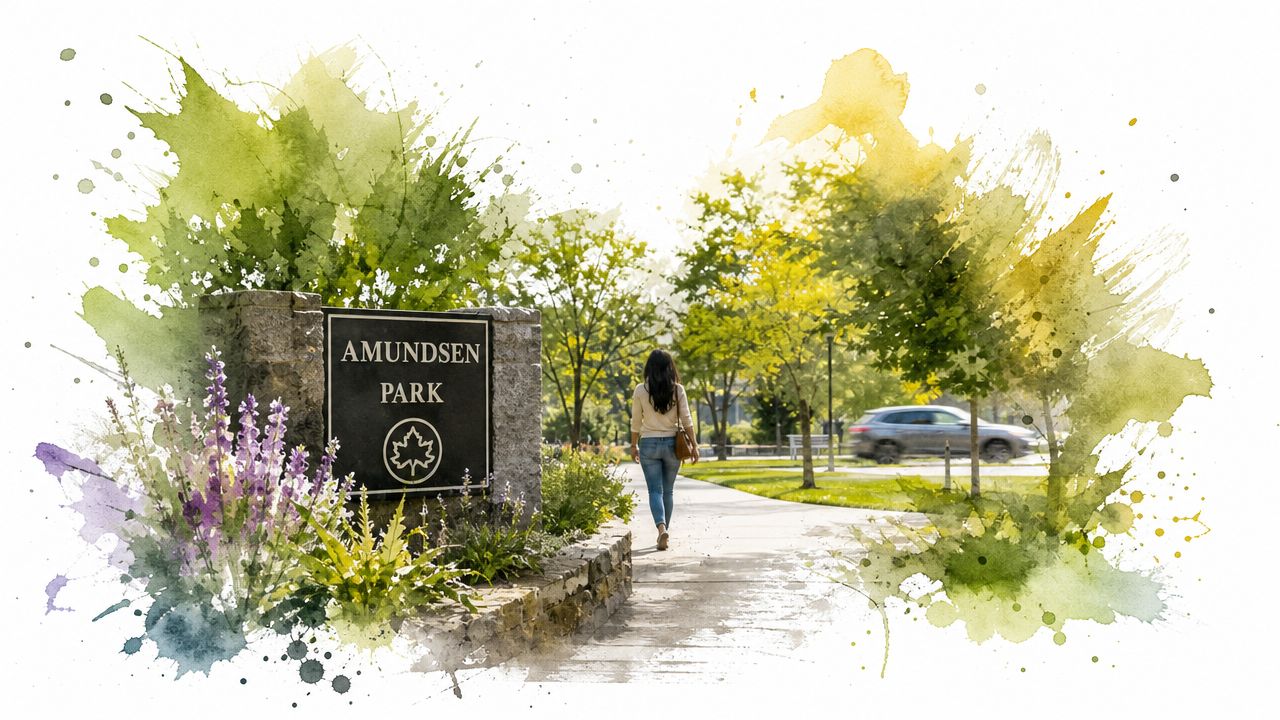
    A woman walking away on a pathway toward Amundsen Park with a stone park sign in the foreground.

    The moment a park stops being background

    I drive past a lot of parks in this city. It's a common urban experience. You catch a fence line out of the corner of your eye, maybe a baseball backstop, and you keep moving. Amundsen Park Chicago can be that kind of place if you let it. Background. Scenery. Something for other people.

    I don't think that's good enough.

    A neighborhood park is where you prove to yourself that you still know how to show up. You go outside. You meet somebody. You carry something heavier than your phone. You do one useful thing before noon, and your whole day changes shape.

    If you want to get a feel for parks across the city, I like browsing Chicago park guides from Litter Caterpillars before I head out. It helps me read a place better once I'm on the ground.

    A park looks simple until you ask who depends on it.

    Why this one gets under your skin

    Amundsen Park has a fieldhouse, and that matters more than people think. A fieldhouse means the park isn't only for nice weather. It means activity doesn't disappear the second Chicago acts like Chicago. Cold day, windy day, gray day, wet day. People still have somewhere to go.

    I care about that because I've seen what happens when public spaces feel neglected. People pull back. They stop trusting the place. They stop expecting much from each other. Trash starts to feel normal, and normal is dangerous.

    I tell new volunteers when we walk into a park like this:

    • Look at the entrances first. That's where people form their first opinion.
    • Watch where people slow down. Benches, courts, gates, corners. That's where litter piles up.
    • Notice who is here. Kids, parents, seniors, ballplayers, people cutting through. A park has a rhythm if you're paying attention.

    Amundsen Park isn't just grass and equipment. It's one of those places where you can restart your mood, your habits, even your social circle if you've been drifting too long.

    The Story Behind the Name

    I like names that make you earn them.

    When I first heard "Amundsen," I didn't think about a park sign. I thought about ice, maps, risk, and a guy stubborn enough to venture where others wouldn't. That's Roald Amundsen, the Norwegian explorer who lived from 1872 to 1928, and Chicago attached his name to public life fast. Amundsen High School opened in 1929, one year after his death.

    That detail sticks with me because cities don't name things by accident. Somebody decided the name meant action. Somebody wanted that word on a building where young people would walk in every day.

    Exploration isn't only snow and flags

    I don't care much for fake inspiration. You know the kind. Big words, no dirt on the shoes. But I do like the idea that exploration can shrink down to city size and still stay real.
    You don't need a ship frozen into polar ice. You need curiosity and a little nerve.

    For me, urban exploring looks like this:

    • Turn off the autopilot. Walk into a park you've ignored for years.
    • Learn the ground. Figure out where people gather, where they play, where they retreat.
    • Do something useful once you arrive. Pick up litter. Ask a question. Say good morning.

    Street rule: Exploration counts more when you come back with your hands dirty.

    Why the name fits the work

    Amundsen Park Chicago isn't the North Pole. Good. Most of us don't need a fantasy. We need a mission we can complete.

    A neighborhood cleanup has its own kind of expedition energy. You scan the terrain. You move as a team. You solve small problems fast. You deal with weather, awkward moments, and the occasional weird surprise near a fence line. Then you leave the place better than you found it.

    That's enough adventure for a Saturday morning. And unlike a lot of modern life, it's real.
    What You Will Find at Amundsen Park

    The first time I walked Amundsen with cleanup eyes on, I saw a kid cutting across the open grass with a soccer ball under one arm, two guys already shooting on the court, and a grandmother easing a stroller toward the playground. Three different reasons to be there. One park holding all of it together.

    That is what you need to notice before you pick up a single piece of trash.

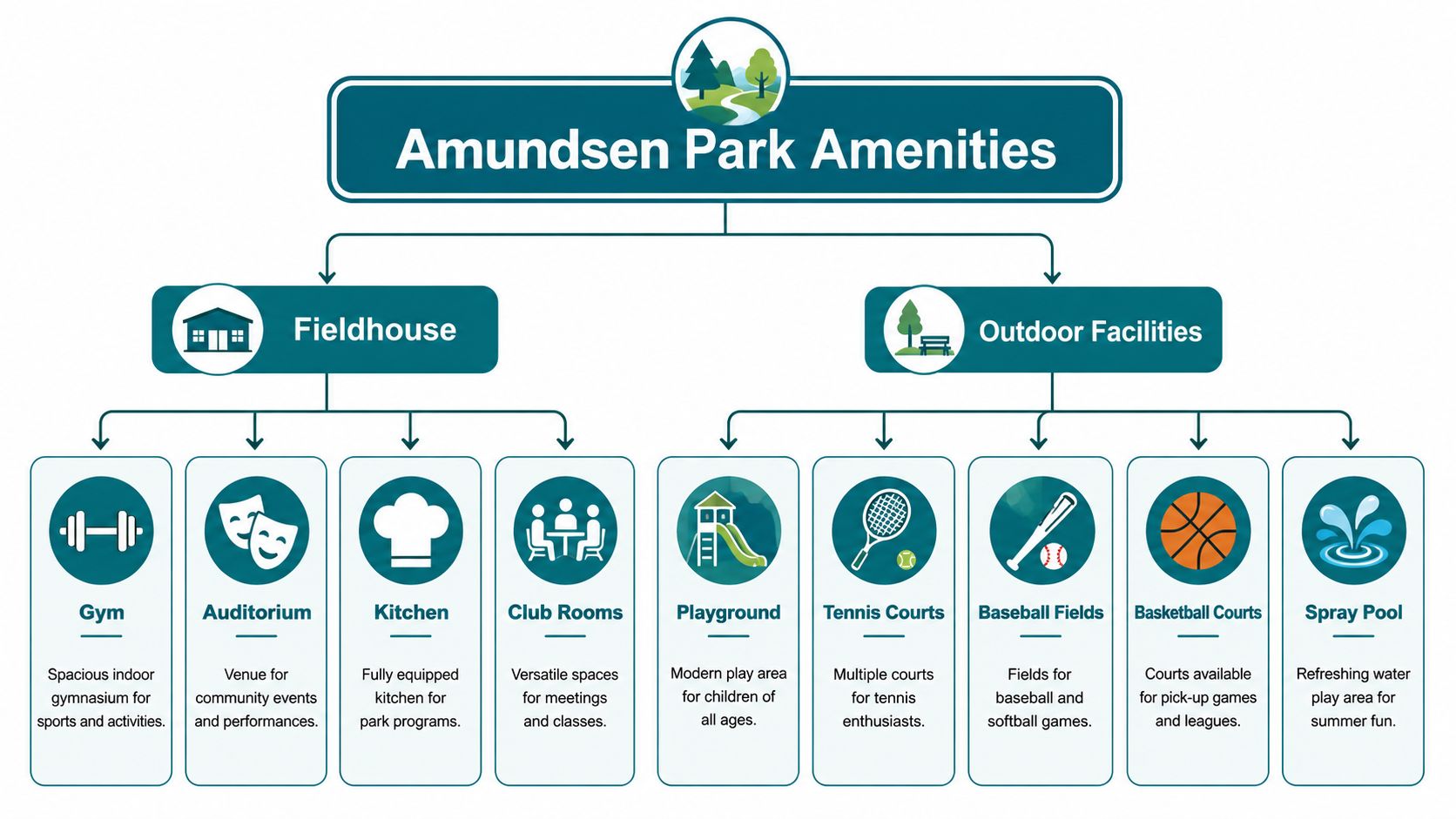
    Amundsen Park covers 16.24 acres, and the park packs in a fieldhouse with a gymnasium, fitness center, and club rooms, plus baseball and softball fields, a football and soccer field, volleyball and basketball courts, and a playground, according to the Chicago Park District's Amundsen Park listing.

    An organizational chart showing the various indoor and outdoor amenities available at Amundsen Park.

    The fieldhouse sets the tone

    A fieldhouse changes a park. It gives people a reason to come in when the sky looks mean, when school is out, when they need a place to move, meet, or catch their breath.

    I pay attention to that because indoor space creates loyalty. Regulars start recognizing each other. Parents swap names. Teens find a place to burn off energy without getting hassled. Neighbors who would never call themselves volunteers still start acting like stewards because they use the place enough to care what happens to it.

    That is how a park becomes a neighborhood anchor instead of just a patch of city land.

    Outside, every area tells a different story

    You can read the whole park by watching where people stop.

    Courts collect fast traffic and fast mess. Ball fields spread people out, but the edges catch the leftovers. Playground areas need slower, more careful attention because little hands touch everything. Open grass looks clean from a distance and fools rookies every time. Walk the fence line after a windy day and you learn fast.

    Here is how we read it during a Litter Caterpillars pass:

    Area What happens there What we watch for
    Courts Pickup games, waiting around, spectators talking trash and laughing Drink bottles, snack wrappers, litter tucked against fencing
    Ball fields Practices, games, parents watching from the side Seed bags, cups near benches, debris along the perimeter
    Playground Families circulating, kids dropping things without noticing Small trash near benches, curbs, equipment bases
    Open field areas Running drills, crossing through, casual play Windblown paper, plastic caught in corners and fence lines

    That table came from work, not theory.

    One Saturday, a new volunteer wanted to start in the middle because it looked bigger and more important. I sent him to the court fence instead. Ten minutes later he came back with an armful of bottles and wrappers and a different look on his face. He had figured out what every cleanup crew learns. Parks do not wear down evenly. The pressure lands where people gather, wait, eat, and watch.

    If I were walking you through it

    I would tell you to slow down and stop acting like bigger means better.

    Start at the entrances and sidewalks. Those spots tell visitors whether anybody cares. Then hit the courts for a quick win. After that, work the field edges and bleacher areas, where trash drifts and settles. Save the playground for last so you have enough patience left to do it right.

    That order matters. Early wins keep people engaged. Careful zones demand more focus.

    And there is something else here people miss. A park like Amundsen gives you more than places to play. It gives you chances to serve without making a speech about service. You pick up a wrapper near the bench, a parent notices, a kid asks what you are doing, and suddenly you are not just passing through. You are part of the place.

    That is the good stuff. Friendship starts there. Pride starts there. So does the habit of showing up again.

    A Park for Everyone All Year Round

    Last winter, one of our volunteers showed up with a trash grabber in one hand and a cup of gas-station coffee in the other. The wind was sharp enough to make your eyes water. The playground was still quiet, but the park was not dead. A couple of seniors were heading toward the building. A parent was steering one kid away from a puddle and another toward the swings. That morning made the point better than any city brochure ever could. A neighborhood park has to work in bad weather, tired weather, ordinary weather.

    Amundsen Park holds up because people can use it in different ways across the year, and because the design choices matter to real bodies. The playground is accessible and has a rubberized surface. I care about that for a simple reason. It changes who gets to join in, who feels welcome staying longer, and what kind of cleanup work protects the space.

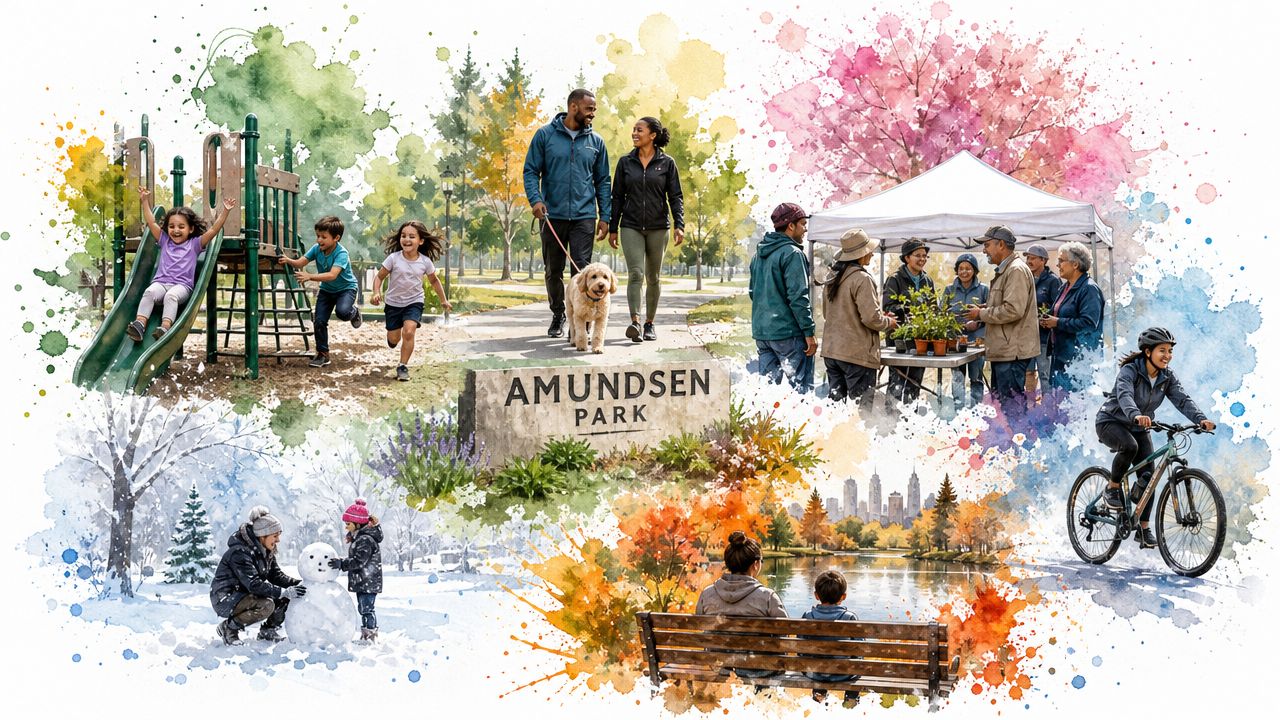
    A watercolor-style illustration showcasing various seasonal outdoor activities and community events at Amundsen Park in Chicago.

    What the ground teaches you

    Rubber surfacing looks easy until you kneel down and see what gets trapped there. Juice straw wrappers flatten out. Wet leaves glue small bits of plastic to the edge. Cigarette waste hides where the surface meets the curb or the base of the equipment.

    So the job changes.

    You do the obvious pass with grabbers. Then you slow down and work the seams with gloves on. If you rush that part, you leave behind the sharp stuff and the sticky stuff, which means the next family gets a park that only looks clean from ten feet away.

    That lesson carries beyond litter. Service gets personal fast in a place like this. A smooth surface helps a child move with more confidence. A careful cleanup keeps that same child from meeting broken glass first. That is not abstract community talk. That is Tuesday afternoon in a neighborhood park.

    Why all-season use changes people

    Summer has its own noise. Spray, sneakers, basketballs, somebody calling a kid's name for the third time. Cold months shift the rhythm, but they do not erase it. Indoor activity keeps people coming back, and that matters more than park planners and armchair critics usually admit.

    Routine builds attachment. Attachment builds responsibility.

    When people return to the same park in July, in October, in February, they start recognizing each other. They hold doors. They ask if a cleanup is happening next weekend. They bring a friend. That is how a park turns from public property into shared ground, and it is a big part of what we believe in with the Litter Caterpillars. You do not just use the park. You help carry it.

    Here is a closer look at the place in motion:

    I also push people to make the trip part of the habit. If you can get there without turning the outing into a production, you are more likely to come back and help again. That is why I like these eco-friendly transportation tips for getting around Chicago for park days and cleanup runs.

    What happens when a park's rhythm gets broken

    Residents felt it when regular use of the fieldhouse was disrupted. You could hear it in the way people talked about missed classes, changed routines, and one more neighborhood place feeling unstable for a while. Programming returning mattered because routine matters.

    That is the part I never want cleaned-up civic language to hide. A park is friendship with a location. It is kids burning energy, adults catching their breath, neighbors learning each other's names, and volunteers finding out they are tougher than they thought. Amundsen Park does that all year, if enough of us keep showing up for it.

    How to Get to Amundsen Park

    The first time someone joined one of our cleanup mornings at Amundsen Park, she texted me from her car: wrong entrance, low battery, already annoyed. Ten minutes later she found us, grabbed a spare bag, and by the end of the hour she was laughing with two neighbors she had never met. The park did its job. So did a decent set of directions.

    Use 6200 W. Bloomingdale Ave. as your starting point. Then give yourself a minute to arrive like a human being, not a package being dropped at a pin. Walk one side of the park before you choose where to settle in. You will spot the rhythm fast. A family heading toward the playground. Someone cutting across to the courts. A volunteer noticing the corners where trash likes to collect after a busy day.

    Getting there should be easy enough that you will come back.

    If you take transit, check the route before you leave. If you drive, build in a little time so parking does not put you in a bad mood before you even touch the grass. If you bike or want a lower-waste way to make the trip, I like these eco-friendly transportation tips for getting around Chicago because they help turn one park visit into a repeat habit.

    A few things make the visit better:

    • Carry less than you think you need. Water, gloves for cleanup, and one extra layer usually does it.
    • Wear shoes that can handle the whole park. Pavement, grass, rubber surface, and a muddy edge after rain are all part of the deal.
    • Know your main reason for going. Hoops, a walk, family time, or service. Pick one and let the rest happen naturally.

    That last part matters more than people think. A rough first visit is usually not the park's fault. It is being rushed, hungry, underdressed, or showing up with no plan and expecting the place to rescue your mood.

    If you are heading to the fieldhouse for a class or scheduled activity, check current programming before you leave home. As noted earlier, regular use has been returning, and the schedule can shift because this is a real neighborhood space, not a museum piece. Show up ready to adapt a little. That is community life.

    And if you see a few of us with grabbers and buckets, come say hello. Plenty of good days at Amundsen Park start with somebody asking a simple question: "Need a hand?"

    Help Us Build a Better Chicago

    I'll say something a little rude. A lot of people love the idea of community more than they love doing community.

    They like the word. They like the vibe. They like posting about it. But when it's cold, or early, or slightly inconvenient, they disappear. That's fine. I don't build around that type of person anymore.

    I built my life differently because I had to. Cleaning my own mess used to feel impossible. Other people's trash felt easier. Strange, but true. Once I learned that, I leaned into it. I started cleaning outside, and outside started cleaning me back.

    Why service changes a person

    When you pick up litter in a park, you get immediate proof that your effort matters. The bag gets heavier. The ground gets cleaner. A stranger nods at you. A kid notices. Your brain stops spinning in circles because your hands are busy doing one honest thing.

    That's part of why I believe in weekend morning service. It filters for people who are ready to give. Not perfect people. Ready people.

    The values I care about are simple:

    • Bravery. You go out when it's awkward, cold, or unfashionable.
    • Kindness. You improve a place that belongs to everybody.
    • Unity. You work beside people you might never have met otherwise.

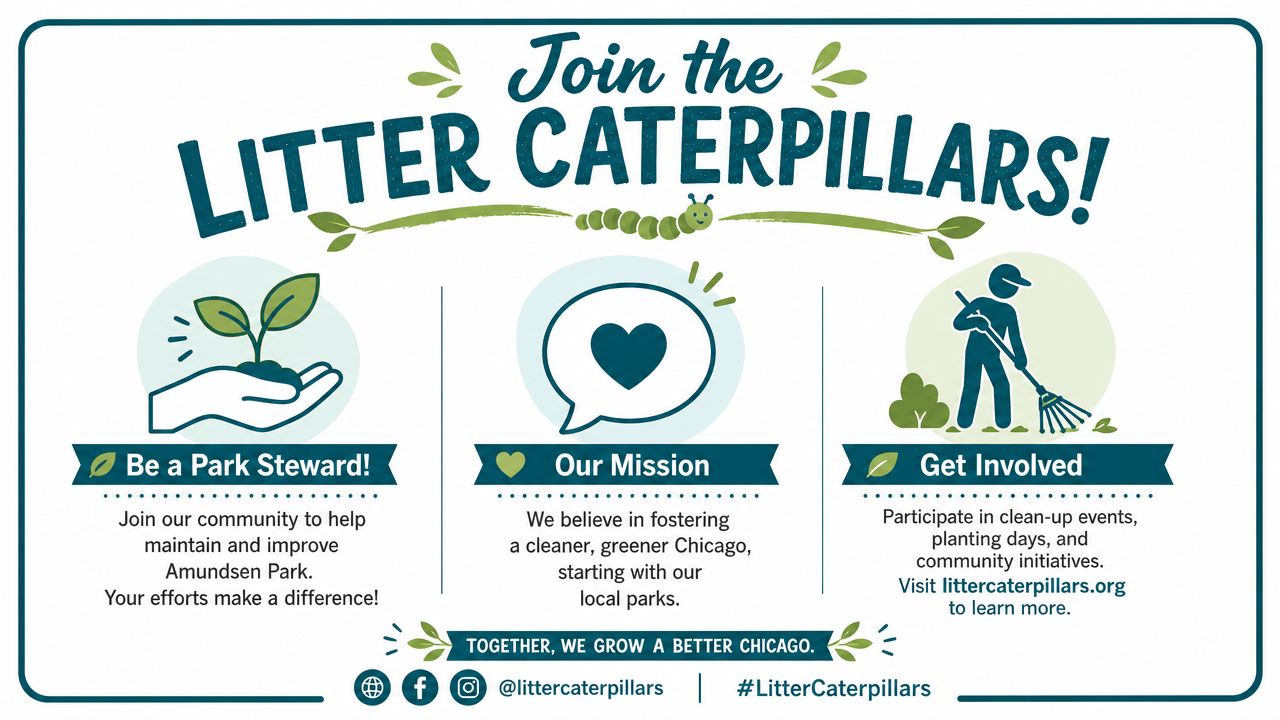
    A poster inviting community members to volunteer for Amundsen Park with the Litter Caterpillars group in Chicago.

    What helping actually looks like

    You don't need a grand plan. You need a morning, decent shoes, and enough humility to do work that isn't glamorous.

    If you want a practical way in, park cleanup volunteering in Chicago is one path. It gives people a direct way to spend time outdoors and remove litter from public spaces.

    Here are the people who usually end up loving this work:

    Person What they get
    New to the city A low-pressure way to meet solid people
    Burned out by screens A task with a visible finish line
    Students and young professionals A weekend habit that feels real
    Longtime residents A chance to protect a place they already care about

    Cleaning up other people's messes can teach you how to face your own life with less fear.

    Why I want you there

    Because parks don't stay clean by accident. Because friendship grows faster when people carry a shared burden. Because a lot of us are starving for a reason to get out of bed and do something decent before the day gets hijacked.

    Amundsen Park Chicago isn't asking you for perfection. It is asking for presence.

    Show up once and you'll understand. Show up again and you'll start to trust yourself more. Keep going, and one day you'll look around and realize the city feels less anonymous than it used to.


    If you want that kind of Saturday, join Litter Caterpillars. We pick up trash, meet good people, and turn service into a habit you can keep.

  • 7 Real Outdoor Events Tonight to Get You Off the Couch

    7 Real Outdoor Events Tonight to Get You Off the Couch

    The sun is setting and you're still scrolling. I've been there, thumb stuck on my phone, wanting outdoor events tonight to somehow pick me instead of me picking one. Every option can feel like that expired jar in the back of the fridge from my old apartment. It has a story, but I still can't make myself deal with it.

    I want to make this easier. Tonight doesn't have to be another blurry little detour where you spend more time deciding than living. It can be a reset. It can be loud, messy, funny, low-stakes, and a little healing too.

    The best outdoor events tonight aren't always the fanciest ones. They're the ones that get your body moving, get your eyes off a screen, and remind you that your city is still alive after work. In a lot of places, organizers already know that evening is when people can show up. Wake Forest, for example, runs recurring outdoor programs from 6 to 9 p.m. and 5:30 to 7:30 p.m. on set schedules, while other community events stretch into later windows like fireworks around 9:30 p.m. on its Wake Forest outdoors calendar. That rhythm makes sense. You finish your day, grab a friend, and go.

    1. Do Division Street Fest

    I like this one for the nights when you want instant momentum. You step onto Division Street and the whole thing already has a pulse. Music in one direction, food in another, kids doing their own thing, adults pretending they didn't come mostly to snack and people-watch.

    Do Division Street Fest

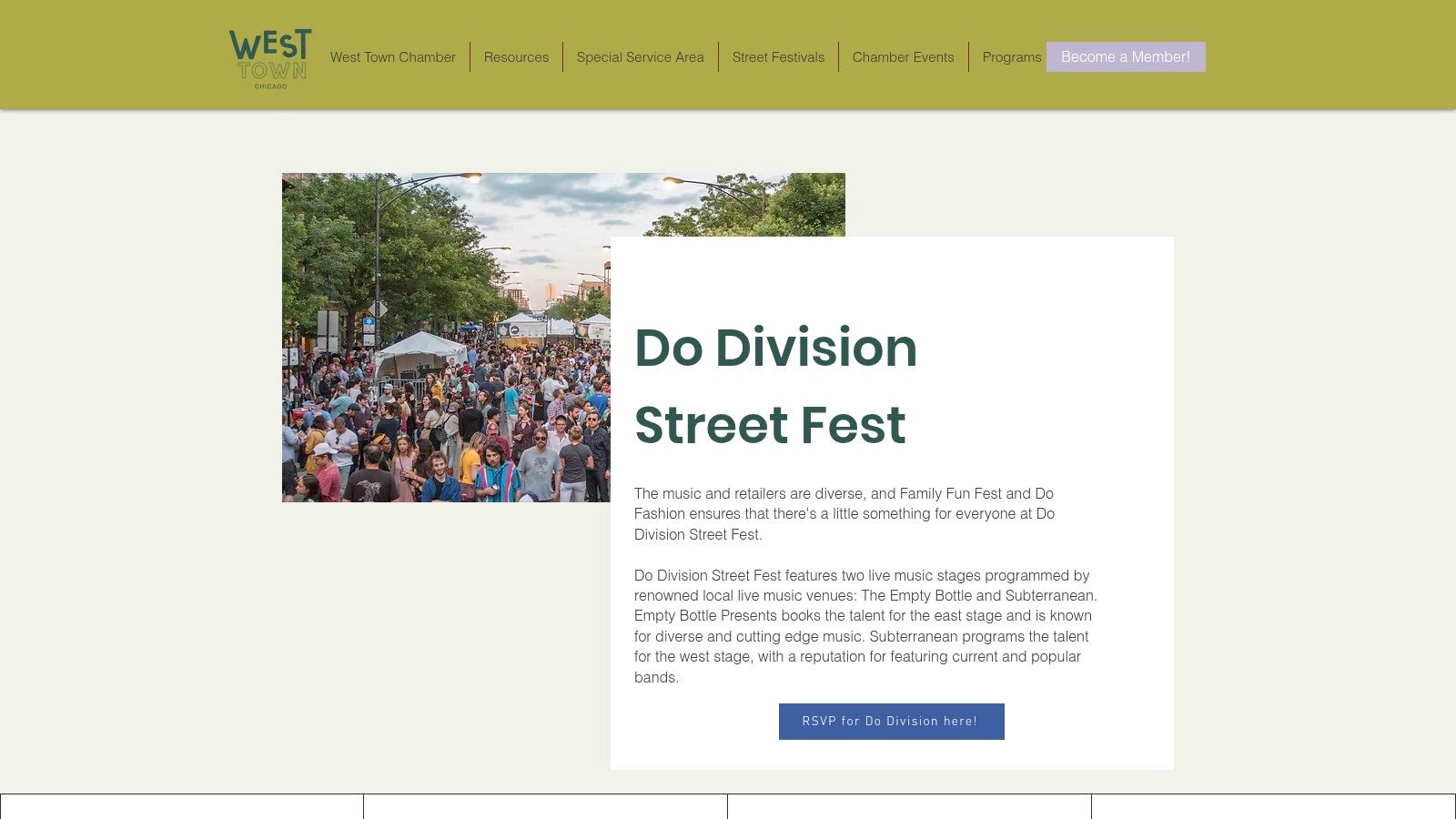
    Do Division runs along Division Street between Damen and Leavitt, and it has two outdoor music stages curated by The Empty Bottle and Subterranean. That detail matters to me. It feels less like random filler and more like somebody cared about what you hear while you're standing on the pavement with a drink in your hand.

    Why I'd pick it

    If your week felt too small, this is the opposite. It has neighborhood energy without making you trek out to some giant fairground where you spend half the night figuring out where the bathroom is.

    • Music with personality: The two stages are tied to local venues that people already trust.
    • Good wandering: Food vendors, fashion vendors, and sidewalk sales give you enough to do between sets.
    • Kid option built in: The Family Fun Fest area helps if your group has mixed ages.

    Practical rule: Go light. Crowds and parking can turn a fun plan into a chore fast.

    Entry is free by city rules, though the fest asks for a suggested donation at the gates. I'd take the train or rideshare if you can. Wicker Park and West Town are much better when you're walking instead of circling for parking and getting irritated before the night even starts.

    If this kind of neighborhood energy is your thing, you'll probably like these Chicago community events from Litter Caterpillars too. Same basic truth. People feel better when they leave the house and do something with other humans.

    The fest website is Do Division Street Fest.

    2. Maifest Chicago

    Maifest feels warmer to me. Less frantic. More like you got invited to a big neighborhood gathering where somebody's aunt would absolutely insist you eat something.

    Maifest Chicago

    It's in Lincoln Square at Lincoln and Western, and tonight's live music starts at 5:30 p.m. under tented outdoor stages. That tent part is a real comfort. Outdoor plans can feel fragile, especially when the sky starts acting suspicious around sunset.

    What makes it easy

    Maifest has German food, beer gardens, and cultural moments like the Maifest Queen crowning and keg tapping. I like events that give you something to latch onto besides "stand here and maybe a band will play."

    A lot of event listings tell you the name and start time. They don't tell you how much friction the night has.

    That's why Maifest works well for people who hate uncertainty. It has seating under tents if the weather shifts, and it has a family-friendly neighborhood feel. The downside is simple. Headliners draw shoulder-to-shoulder crowds, and food or beer lines can drag during busy stretches.
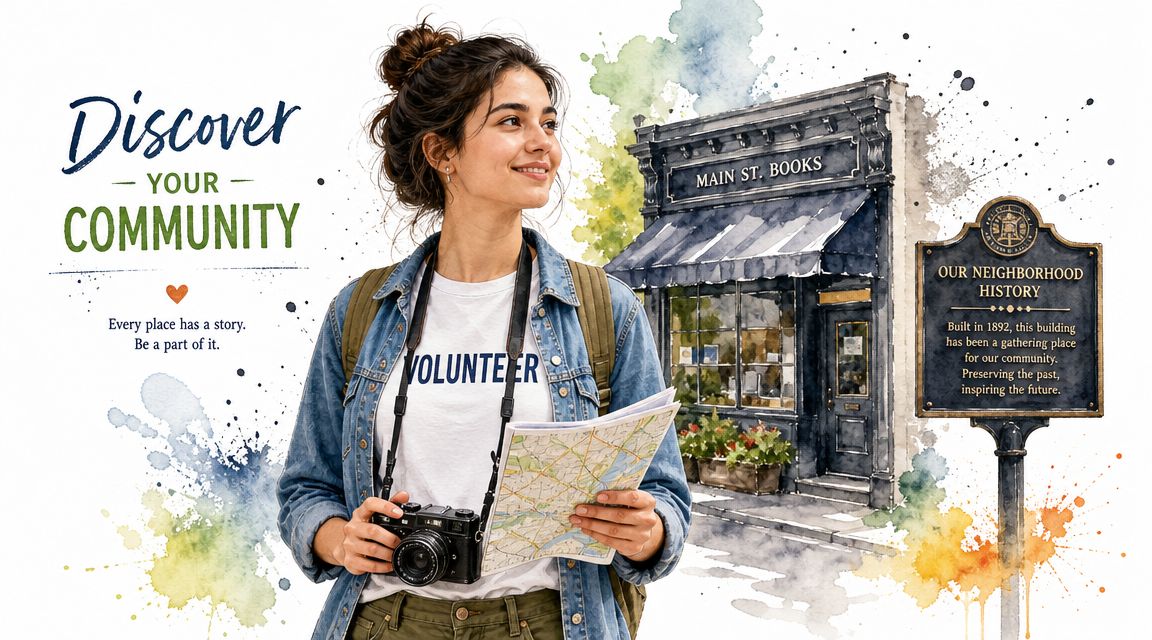
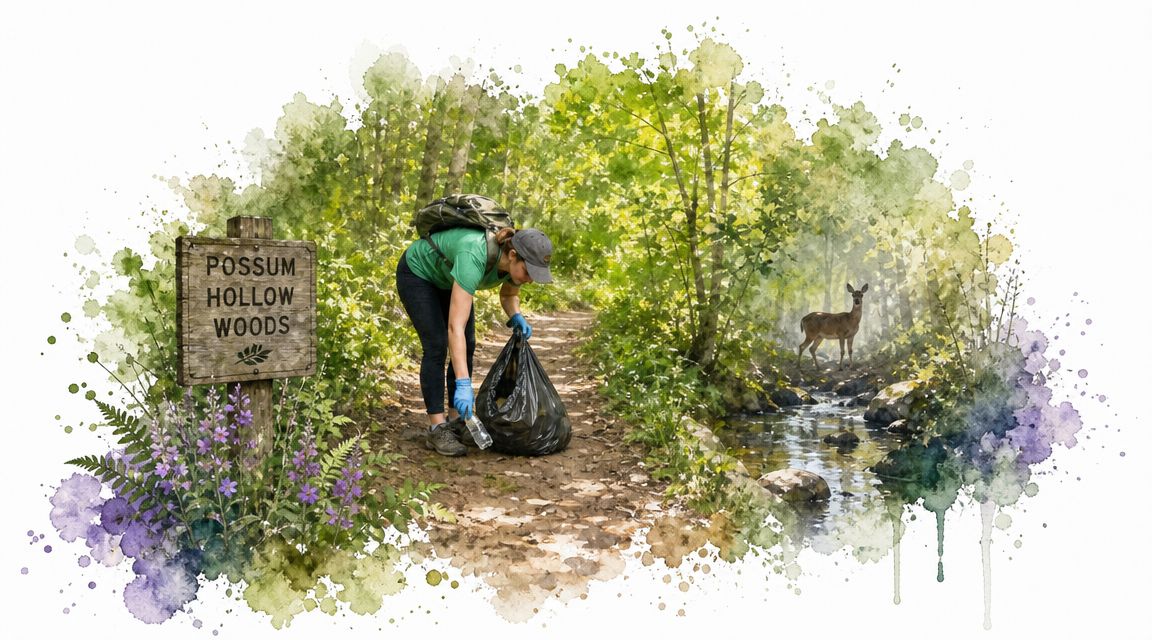
    I also think this is the kind of event where arriving a little earlier changes the whole mood. You get a seat, you get your bearings, and you don't spend the first half hour squeezed between strollers and beer cups.

    If you're choosing between outdoor events tonight and you know you get cranky when you're overheated or stuck in rain, covered seating is a real advantage. The World Meteorological Organization reported that 2024 was the hottest year on record and the first year above 1.5°C compared with the pre-industrial baseline, which is why I take weather comfort more seriously now when I pick an evening plan from Los Angeles County Parks scheduled events guidance.

    You can check tonight's details at Maifest Chicago.

    3. Windy City Hot Dog Fest

    Some nights call for culture. Some nights call for a hot dog in one hand and a band in the background. I respect both moods.

    Windy City Hot Dog Fest

    Windy City Hot Dog Fest runs tonight from 4 to 10 p.m. at 4000 N Milwaukee Ave in Six Corners and Portage Park. I like this one for groups because nobody has to agree on one perfect meal. You can split up, compare vendors, and regroup like you're doing field research into Chicago gluttony.

    Best for hungry indecision

    This fest has dozens of hot dog vendors, two stages with live music, a vendor competition, and family programming on a community stage. It's playful in the best way. You don't need a grand reason to go. You just need enough curiosity to ask, "Which stand is winning tonight?"

    • Easy start time: A 4 to 10 p.m. window gives you room to go early or drift in later.
    • Group-friendly: Fast food lines and lots of choices help when nobody can decide.
    • Built-in entertainment: Live bands keep the night moving while you eat.

    The main drawback is pretty obvious. Popular vendors get long lines, and some parts of the festival footprint don't give you much shade. If it's still warm when you arrive, wear lighter clothes and don't assume evening always means cool.

    I also like food festivals because they give shy people something to do with their hands. You don't have to be charming all night. You can just compare toppings and vote with your face.

    Check the schedule and details at Windy City Hot Dog Fest.

    4. Chicago White Sox vs. Detroit Tigers

    Baseball under the lights has a special kind of calm. Even if you don't care much about every pitch, the rhythm works on you. The crowd rises, settles, eats, laughs, complains, and for a few hours your brain stops rattling around like loose change.

    A White Sox game at Guaranteed Rate Field is one of the easiest outdoor events tonight if you want structure. The plan is already built. Get there, find your seat, grab food, watch the field glow under the stadium lights, and let the night carry you.

    Why this one feels simple

    I trust baseball nights when I don't want to make too many choices. The Red Line stop at Sox/35th helps. Transit matters more than most event guides admit, especially after dark when you're tired and don't want to solve a parking puzzle.

    If you're picking between two plans, pick the one that's easier to leave.

    That sounds boring, but it's saved me from bad decisions. Event listings often skip the practical stuff people truly care about, like whether you can attend without a car or get home without drama. That's one reason I pay attention to transit-friendly options when scanning broad same-day listings like today's event calendars around Victorville, where the event itself is easy to find but practical friction is often left out.

    Pros here are strong. You usually have a range of seating choices, the setting is family-friendly, and there are all the little between-inning breaks that help if you're going with someone chatty. The cons are real too. Game times can shift, and ballpark spending adds up faster than you'd like.

    Before you go, check the latest game listing at Chicago White Sox.

    5. ART on THE MART

    This is for the nights when you want something lighter. No big ticket commitment. No dense festival map. No "what's the plan after this" pressure.

    ART on THE MART

    ART on THE MART is a free nightly digital art projection on the riverfront facade of THE MART. The best viewing spot is the Riverwalk's Jetty area, and the whole thing pairs well with a walk, a coffee, or one of those conversations that only gets honest once it's dark outside.

    A good choice for low-pressure plans

    I love this kind of event because it asks very little from you. Just show up on time after dusk and look up, and you're all set.

    • Free and walk-up: You don't need tickets.
    • Short and clean: Two rotating projection segments keep it from dragging.
    • Easy pairing: You can build a whole night around a river stroll.

    The weakness is timing. If you miss the window, you miss the point. Weather can also mess with it, especially heavy rain or wind. That's the tradeoff with simple outdoor events tonight. They feel easy because there isn't much machinery around them, but that also means the conditions matter.

    Cities keep packing their calendars with same-week outdoor plans, from park events to food festivals to downtown gatherings. Fort Wayne's current listings, for example, place multiple outdoor events on the same day in late May 2026 on its Fort Wayne this weekend calendar. I read that as a reminder to choose fast and go. There will always be another option. There won't always be another sunset.

    Tonight's projection info is at ART on THE MART.

    6. Rooftop Cinema Club at The Emily Hotel

    I have a soft spot for late shows. By 11:30 p.m., the city's edges blur a little. People either get sillier or more honest. Both can be fun.

    Rooftop Cinema Club at The Emily Hotel has an open-air screening of “50 First Dates” tonight on the fifth-floor terrace in Fulton Market. You get skyline views, deck chairs, wireless headphones, and that slightly unreal feeling that comes from watching a movie above the street instead of inside a dark box.

    Best when dinner turns into a whole night

    This is one of my favorite outdoor events tonight if you don't want the night to end after one drink. The late start works after dinner, after a walk, even after another event if you're feeling ambitious.

    The setup is polished. Personal headphones keep the sound clean, and the full bar plus concessions mean you don't have to over-plan. Weather is always part of the rooftop gamble, but this venue has showtime alerts and flexible policies that help.

    • Date-night friendly: You don't need to perform. The movie does part of the work.
    • Late-night slot: It fits people who aren't ready to go home early.
    • Small-group fun: Friends can settle in without fighting crowd noise.

    The downsides are straightforward. It's ticketed, and popular screenings can sell out. Snacks and drinks on a rooftop usually cost more than you'd like. Still, some nights are worth paying for because they feel deliberate instead of accidental.

    If you want more ideas that get adults outside and doing something together, I like these outdoor group activities for adults from Litter Caterpillars. Sometimes the hardest part is replacing default habits with a better default.

    You can grab details at Rooftop Cinema Club Chicago at Fulton Market.

    7. Live on the Lake! at Navy Pier Beer Garden

    This one is for the person who wants almost no friction. No ticket. No hard commitment. No feeling that you're trapped if the vibe is off.

    Live on the Lake! (Navy Pier Beer Garden)

    Live on the Lake! at Navy Pier's Miller Lite Beer Garden has free outdoor music, open seating, food and drink service, and those lakefront views that make even a mediocre day feel salvageable. You can come for one set, leave for a walk, and come back. I like plans that let me breathe like that.

    When you want the city to do the work

    Sometimes I don't need an event to wow me. I need it to hold me. This is that kind of night. The water, the skyline, the people drifting by, the Centennial Wheel nearby. The city does a lot of the heavy lifting.

    Dress for the lake, not for your apartment.

    That's my honest advice. Even when the city feels warm inland, the pier can turn breezy and chilly fast. Seating is first-come too, so early arrival helps on busy nights.

    Broad calendar behavior matters here. In major metros, outdoor-event discovery is heavily calendar-driven, and people often decide fast for tonight or this weekend. You can see that pattern in outdoor event listings around Arlington, Fort Worth, and Dallas on Eventbrite, where the mix runs from fitness and festivals to music and free public gatherings. That's why a drop-in waterfront plan works so well. It doesn't ask you to overthink.

    If you end up loving the lakefront mood, you'll probably enjoy exploring more Chicago parks with Litter Caterpillars too. A lot of good nights begin with one simple move. Get outside.

    Check the music schedule at Live on the Lake! at Navy Pier.

    Comparison of Tonights 7 Outdoor Events

    Event Complexity 🔄 Resources & Cost ⚡ Expected Experience 📊⭐ Ideal Use Cases 💡 Key Advantages ⭐
    Do Division Street Fest Moderate, multi‑stage street footprint, crowd navigation Low, free entry (suggested $10), best car‑light or CTA High‑energy local music, vendors, family zone; strong local curation Neighborhood festival vibe, music discovery, families/groups Walkable location; respected local venue lineups
    Maifest Chicago Low‑moderate, tented stages and set ceremonies Low‑moderate, pay for food/beer; covered seating available Festive German cultural programming with live music and ceremonies Family outings, cultural celebration, weather‑protected plans Tents/seating for weather; distinct cultural moments
    Windy City Hot Dog Fest Low, food‑centric layout, possible queuing Pay‑as‑you‑go, vendor purchases; limited shade in spots Casual, social food festival with multiple bands and contests Groups looking for variety and quick bites, food fans Large vendor variety; vendor competition and community stage
    Chicago White Sox vs. Detroit Tigers Low, standard stadium entry, ticketing, transit access Moderate, ticket purchase, concessions add cost; Red Line access Classic ballpark atmosphere under lights with skyline views Sports fans, families, evening/date‑night outings Plenty of seating options; in‑park entertainment; easy transit
    ART on THE MART Very low, walk‑up riverfront viewing; weather‑dependent Minimal, free public projection; arrive after dusk Short, high‑impact digital art projection ideal for a stroll Free cultural stop, evening walks, quick night activity Free access; monumental projection; pairs with Riverwalk
    Rooftop Cinema Club (Emily Hotel) Moderate, ticketed rooftop event, weather contingency Ticketed, show tickets plus rooftop pricing for concessions Intimate rooftop screening with skyline, headphones; late show Date nights, late‑night plans, small groups Skyline setting, wireless headphones, late‑night schedule
    Live on the Lake! (Navy Pier Beer Garden) Low, open seating, come‑and‑go format Low, free entry; pay for food/drinks; first‑come seating Relaxed waterfront live music with lake and skyline views Golden‑hour hangouts, casual waterfront evenings Free music, scenic setting, easy drop‑in access

    Ready to Find a New Kind of Fun?

    I hope you have a great time tonight, wherever you end up. I mean that. Maybe you eat a hot dog under string lights. Maybe you watch art flicker across a building by the river. Maybe you sit in a ballpark seat and let the innings scrub your brain clean for a while.

    But I want to leave you with a small challenge. Pick one night for fun, and pick another night to give something back. That's where my life changed.

    I started Litter Caterpillars because I was tired of the mess in my own life. I wasn't good at cleaning up my apartment, my habits, or the emotional junk I kept dragging around. Every little piece of trash felt weirdly heavy to me, like it had a whole past attached to it.

    Then I learned something strange. Cleaning up someone else's mess felt easier. It felt lighter. And somehow it was fun.

    One of our earliest cleanups got hit by a spring hailstorm. We were huddled under a tree, freezing, watching ride after ride cancel on us. It should've been miserable. Instead it became one of those nights that stays with you. We laughed, suffered a little, kept going, and the whole thing felt more alive than another easy evening spent drifting around online.

    That's still what I believe now. We are not perfect. We are caterpillars. We change through service, sunlight, friendship, and showing up when it's inconvenient. You don't need to arrive polished. You don't need to be brave first and then act. A lot of the time, the action comes first and the bravery catches up.

    So yes, go have fun tonight. Let the city wake you up a little. Then, if you feel that tug for something deeper than another night out, come find us. We're out there every weekend. We'll hand you a bag and a grabber. We'll walk with you. You might leave with dirty gloves and a cleaner block, but the bigger thing is this. You may also leave with a different story about yourself.


    If you want your next outdoor plan to mean something, join Litter Caterpillars. You'll meet good people, help clean Chicago block by block, and give yourself the kind of night that sticks with you after the music ends.

  • A 2026 Guide to Life: Dont Trash It

    A 2026 Guide to Life: Dont Trash It

    I found a four-year-old jar of blueberry jam in the back of my fridge and stared at it like it was a family heirloom. It was sticky, expired, ridiculous, and somehow harder to move than a couch.

    That Thing You Can't Throw Away

    My apartment used to tell on me.

    You could walk in and see every abandoned version of myself sitting out in the open. A bag of nuts from the month I tried to become healthy. Old receipts from days I swore I was going to get my money together. A shirt I never wore but kept because I wanted to be the kind of guy who would wear it. Then there was the jam. Michigan trip. Good memory. Dead relationship. Better time. I kept the jar because I thought I was keeping the story.

    I wasn't keeping the story. The story was keeping me.

    That Thing You Can't Throw Away

    Every piece of trash had some weird emotional gravity. It weighed less than a pound, but to me it felt like 500 pounds because of what it meant. I know that feeling sounds irrational. I also know a lot of you know exactly what I mean.

    The mess wasn't random

    My life got messier as my room got messier. I stayed in a chaotic relationship too long. I made excuses too long. I let clutter become a museum of hesitation.

    Then things broke. That part hurt. It also helped.

    I made a few rules for myself. They were blunt. They had to be.

    • Forgive yourself first: Shame makes people freeze. Forgiveness gets your hands moving.
    • Touch the hard thing early: If the grossest item is the jam jar, start there.
    • Stop worshipping old versions of you: You don't owe shelf space to a failed phase.
    • Trade sentiment for action: Keep one photo if you need it. Then let the object go.

    Some things look like stuff, but they're really unfinished emotions wearing plastic and dust.

    That was the start of my own Don't Trash It mindset. People hear that phrase and think it means "save everything." I mean the opposite. I mean don't trash your chance to become lighter. Don't trash useful things by letting them rot in a closet. Don't trash your block by pretending the mess outside has nothing to do with the mess inside.

    When I finally started clearing my place, I needed simple answers, not more guilt. That's why I leaned on practical guides like this one on where you can recycle different materials. When you're overwhelmed, one clear next step is better than ten beautiful intentions.

    Start with the one item that annoys you most

    Don't begin with your whole apartment. That's how people lose steam.

    Begin with one object that makes you feel weak every time you see it. The moldy container. The broken lamp. The drawer full of cables from ancient devices. Pick the thing that has been defeating you in small ways. Throw it out, fix it, donate it, or repurpose it. Just don't walk past it again like you're powerless.

    You're not.

    How to Assess Your Stuff Without Getting Stuck

    Individuals often get trapped by a bad question. They ask, "Should I keep this or throw it away?"

    That's too blunt. That's why you freeze.

    I use a different chain of questions. It turns drama into triage. You stop acting like every object is sacred and start treating each one like a small assignment.

    The five-question filter

    Pick up one item. Then ask:

    Practical rule: Is it broken? Can I fix it in 15 minutes? If I won't fix it this week, can someone else use it? If nobody can use it, can the material become something else? If not, where does it go safely?

    That sequence matters. It keeps you from jumping straight to the blue bin and hoping the system sorts it out for you.

    That hope is shaky. Globally, only about 9% of plastic waste has ever been recycled, and in the U.S. residential recyclable-material recovery is just 21%, which is why alternatives to the bin matter so much, as noted in this recycling facts summary.

    So when you're staring at a pile of old hangers, cracked storage bins, tangled cords, half-used notebooks, and chipped mugs, don't ask one giant emotional question. Ask a series of small practical ones.

    A fast way to sort a messy pile

    I like four zones on the floor:

    • Fix now: Things that need glue, a screw, a wash, a battery, or a stitch.
    • Pass along: Things you don't want but another person can use today.
    • Rebuild into something else: Materials with a second life.
    • Last stop: Items that are ruined, unsafe, or done.

    That floor method is simple because your body needs movement when your brain is spiraling. Standing there holding an object too long is how clutter wins.

    Item Quick Fix Potential Upcycle Idea Best Donation Route
    T-shirt with small stain Wash or cut around stain Cleaning rag or tote bag Friend, textile reuse box
    Glass jar Remove label and clean Pantry storage or pencil cup Neighbor, teacher, community pantry
    Wooden chair with loose leg Tighten screw or glue joint Plant stand Buy Nothing group or local reuse shop
    Plastic container Match with lid and wash Planter or drawer organizer Local school, craft group
    Lamp with dead bulb Replace bulb, test cord Desk light in garage or workshop Thrift store if working
    Mug with chip Don't donate for drinking use Pen holder Keep as storage or repurpose at home

    Sentiment needs a boundary

    A lot of us lie to ourselves with the phrase "I might need it."

    Sometimes that's true. A lot of the time, it means "I don't want to feel the feeling that comes with deciding." If the item has emotional value, give it a container and a limit. One memory bin. One shelf. One folder for photos of things you let go.

    You don't need a giant house to honor your past. You need honesty.

    Quick Fixes and Creative Projects

    I love repair because it changes your posture. Five minutes earlier, you were the person avoiding the mess. Then you tighten one screw, cut one shirt, wash one jar, and suddenly you're a builder.

    That shift matters.

    When Tom Sawyer got stuck painting a fence, he changed the mood of the job. That's part of bravery. You don't wait for work to become fun. You put some pride into it and make it fun with your own hands.

    Quick Fixes and Creative Projects

    Old T-shirts into rags or a tote

    You probably have at least one shirt that lost its social life. Good. It can still work.

    For cleaning rags, lay the shirt flat, cut off the seams, then cut squares or rectangles. Toss them in a basket under the sink. Now you have wipe cloths for mirrors, shoes, spills, and bike grease.

    For a no-sew tote, cut off the sleeves, widen the neck hole, turn the shirt inside out, and cut fringe strips at the bottom. Tie the strips together in knots. Turn it right side out. Done. It's ugly in a charming way and great for groceries or carrying cleanup supplies.

    Plastic containers into planters

    This works with yogurt tubs, takeout containers, and sturdy bottles.

    1. Wash the container.
    2. Poke drainage holes in the bottom.
    3. Add a little gravel or broken ceramic piece if you have it.
    4. Fill with soil.
    5. Plant herbs, flowers, or a cutting from another plant.

    If the container looks rough, wrap it with twine, paint it, or slide it into a nicer outer pot. I like keeping these on windowsills because they remind me that second chances can look good.

    Repair doesn't have to be elegant. It just has to keep something useful in motion.

    Glass jars into actual storage you'll use

    Jars are the easiest win in the house.

    Peel off labels with warm water and soap. If the glue fights back, keep scrubbing or soak longer. Then use the jars for rice, screws, coins, pens, rubber bands, tea bags, or bathroom items.

    If you want them to look cleaner, keep the lids one color. Black, white, whatever. Suddenly the shelf feels intentional instead of random. You didn't buy "storage solutions." You cleaned a jar.

    A few rules for beginner upcyclers

    • Start small: One shirt, one jar, one tub. Don't launch twelve projects.
    • Use basic tools: Scissors, glue, soap, needle and thread, a marker.
    • Choose useful over pretty: If it solves a daily annoyance, you'll keep doing it.
    • Quit while you're ahead: Stop after one finished object and enjoy the win.

    That last one matters. People trash momentum by turning one project into a whole personality. Just make the tote.

    Donate Swap and Sell It Forward

    A lot of your stuff still has life in it. It just doesn't have life with you.

    That difference is everything.

    I've seen people try to "donate" stained pillows, broken toys, and kitchen junk with missing parts. That's not generosity. That's outsourcing guilt. If you wouldn't hand it to a friend face to face, don't drop it in a donation box and call yourself noble.

    Donate like you respect the next person

    Before you pass anything along, do three things.

    • Clean it: Wipe it down, wash it, fold it, pair the parts.
    • Test it: Plug in the lamp. Zip the jacket. Make sure the game box has the pieces.
    • Label the weird stuff: If a bag has hardware, cords, or manuals, keep them together.

    That little bit of effort changes the whole exchange. A usable item feels like care. A half-broken item feels like a burden.

    Run a swap before you donate

    My favorite move is a tiny swap party. It doesn't need a permit, a banner, or some fake corporate energy. Text a few friends, neighbors, or people in your building. Tell them to bring clean items they no longer want. Clothes, mugs, books, tools, storage bins, unopened toiletries, extra plants.

    Put things on tables or blankets. Let people browse. Make tea. Talk.

    You'd be shocked how often one person's "why do I still own this?" becomes another person's perfect find. A colander. A side table. A jacket that never fit you right but somehow fits your neighbor like it was made for them.

    Give away dignity, not chores.

    If you want to sell, keep it simple

    Some items are worth listing. A working desk chair, a decent lamp, unopened supplies, hobby gear you never touched. Take clear photos in daylight. Be honest about flaws. Price it to move, not to avenge your original purchase.

    A quick sale feels better than a month of haggling with strangers while the item still blocks your hallway.

    If nobody wants it after a fair try, that's information. Pass it on another way or move on.

    Good places to send useful things

    • Friends and family: Start close. Direct handoff is easiest.
    • Neighbors: Building chats and local groups move everyday items fast.
    • Schools and teachers: Storage containers, jars, supplies, and furniture can help.
    • Mutual aid and community fridges: Household basics often find a home quickly.
    • Thrift and reuse shops: Good for clean, functional items in solid shape.

    Stuff gets lighter when it starts moving. So do people.

    Handle Hazardous Waste Responsibly

    Some items don't belong in your home, your curbside bin, or your donation pile. They need a clean exit.

    Creativity stops. Safety wins.

    What needs special handling

    Watch for items like these:

    • Batteries: Loose batteries can leak or create fire risk.
    • Old paint and chemicals: Keep lids sealed. Don't dump contents.
    • Electronics: Phones, cords, laptops, printers, and small devices need dedicated handling.
    • Light bulbs and similar items: Some need more care than regular trash.
    • Cleaning products and automotive fluids: Keep them in original containers if you can.

    If you're in Chicago, use city guidance instead of guessing. This page on Chicago hazardous waste disposal options is the kind of practical lookup I want people to use before they toss something dangerous in a cart or alley bin.

    The rule I follow

    Don't mix chemicals. Don't pour mystery liquids down drains. Don't leave old batteries rolling around in drawers for another year because "I'll deal with it later."

    Later is how people create bigger problems in tiny apartments.

    If you aren't sure what an item is, keep it contained and look it up before moving it. Gloves help. Common sense helps more. The right disposal route might take a little extra time, but the wrong route can hurt sanitation workers, neighbors, pets, and your own block.

    Start Your Own 'Don't Trash It' Movement

    If you can clear one shelf, you can organize one corner of a block. The jump isn't as big as it looks.

    People think a movement starts with a giant crowd. It usually starts with one person getting tired of stepping around the same problem. A trash-strewn alley. A lobby stacked with abandoned junk. A basement full of mystery items nobody claims. You don't need a nonprofit mood board. You need a mission small enough to finish.

    Begin with a baseline

    The smartest cleanup work starts by paying attention. A practical zero-waste method begins with a baseline audit, then uses what people find in the trash to identify the biggest problem materials and improve the system over time, as explained in this Zero Waste Europe methodology guide.

    For a neighborhood effort, your audit can stay simple:

    • Walk the area: One block, one alley, one building.
    • Write down repeats: Bottles by the bus stop. Food wrappers near the corner store. Dumped furniture near the garage.
    • Notice patterns: Is the problem overflow, bad habits, missing bins, or a neglected lot?
    • Pick one target: Don't solve the whole city on day one.

    That loop matters. If you never measure what keeps coming back, you'll rely on slogans and frustration.

    Start Your Own 'Don't Trash It' Movement

    Make it social and visible

    People join energy before they join plans.

    Give your action a name. Pick a time people can remember. Bring extra gloves and bags. Put one person in charge of photos, one in charge of supplies, one in charge of talking to newcomers. Keep the first event short enough that people leave feeling strong instead of drained.

    If you want a model for the logistics, this guide on how to start a volunteer trash pickup is one practical option.

    Try this format for a first event:

    1. Meet in one obvious spot: Corner, lobby, courtyard, park entrance.
    2. Explain the mission in one minute: "We're clearing this alley and sorting reusable items from trash."
    3. Give people tiny jobs: Pickup, sorting, donation runner, photo taker.
    4. End with a visible pile of progress: People need to see what changed.

    Let bravery be contagious

    A lot of neighbors want permission more than instruction. They want to know someone else is willing to care out loud.

    When you host a swap table, clean a problem corner, or remove litter from the same stretch every week, you give people a way in. A shy person can carry one bag. A busy person can bring coffee. A skeptical person can watch for a while and join next time.

    You don't need to be polished. You need to be consistent.

    Join the Transformation with Litter Caterpillars

    Three of us got caught in a spring hailstorm on one of our first trash pickups. We huddled under a tree, freezing, while ride after ride canceled on us. It was awful. It was funny. It was one of the clearest moments of my life.

    Join the Transformation with Litter Caterpillars

    Standing there, shivering, I realized something that changed me. Cleaning up other people's messes was way easier than cleaning up my own. It also had a strange kind of fun to it. The cold, the chaos, the canceled rides, the absurdity of being out there in bad weather with grabbers and bags. It gave the day flavor. It moved the plot forward.

    So we kept going.

    Weekend after weekend, rain or shine, people showed up. Some came because they cared about litter. Some came because they needed friends. Some came because they were trying to rebuild themselves and didn't want to do it alone. Those are my favorite people, because I know that feeling in my bones.

    Service changes the person doing it

    I've always believed bravery grows through use. You don't wait to become confident and then act. You act while feeling awkward, uncertain, underprepared, and maybe a little embarrassed. Then your nervous system learns that you can survive service. More than that, you can enjoy it.

    That's part of why weekend mornings matter to me. They attract a certain kind of spirit. People who are willing to wake up and do something useful. People who want sunlight, effort, and honest company more than another night of drifting.

    The work also changes how you see a city. A vacant lot stops being "just an empty lot." A neglected corner stops being "someone else's problem." The conversation about waste often misses underused space. A Don't Waste Buildings way of thinking argues for reusing neglected assets, not just materials, and treats waste as a land-use problem too, as described on the Don't Waste Buildings about page.

    That idea hits home for me because cleanup can grow into stewardship. If a group keeps showing up for a place, that place starts to answer back.

    From picking up trash to building a place

    That's part of the story behind Caterpillar Park. You pick up enough litter, meet enough neighbors, and spend enough mornings caring for places other people ignore, and your standards rise. You stop asking, "How do we clean this?" and start asking, "What should this become?"

    That second question changes everything.

    A cleanup group can become a friend group. A friend group can become a force. A force can take a neglected patch of land and imagine benches, plants, paths, gatherings, and shared pride instead of broken glass and dumping.

    Here's a look at that spirit in motion.

    I started with a jam jar I couldn't throw away. Now I believe the same courage it takes to clear a fridge shelf can help clear a block, reclaim a lot, and build trust between strangers. That, to me, is the Don't Trash It idea. Don't trash your chance to become someone stronger through service. Don't trash useful things. Don't trash places that still have a future. Don't trash yourself by staying stuck in the same old mess.


    If you want a place to practice that kind of bravery, join Litter Caterpillars. Show up on a weekend morning. Bring gloves if you have them. If you don't, come anyway. You'll meet people, do real work, and leave lighter than you arrived.

  • Volunteer Engagement Strategies: 10 Ways to Build a Tribe

    Volunteer Engagement Strategies: 10 Ways to Build a Tribe

    More Than Picking Up Trash

    I used to have trouble cleaning my own room. An old jar of blueberry jam in the back of my fridge could stop me cold because it carried a memory, and a bag of nuts from some failed health kick felt weirdly heavy. My place was a mess, and my life was too.

    Then I found out that cleaning up other people's messes felt easier. I started Litter Caterpillars with a tiny crew, and on our first day Chicago hit us with hail and slush. We hid under a tree, freezing, laughing, and watching our rides cancel one after another. That was the day I learned something strange. Hard service can be fun if people feel like they belong inside the story.

    A lot of volunteer engagement strategies sound clean on paper. Better onboarding. Better reminders. Better appreciation. Sure. Use all that. But if you've ever tried to get people out of bed on a cold Saturday morning to do wet, dirty, unglamorous work, you know the truth. People don't return because your signup form looks nice. They return because something in the group grabs them by the heart.

    The country has had a real drop in formal volunteering. The Council of Nonprofits points to research showing it fell more than 23% between 2019 and 2021, from 30.0% of the public to 23.2%, and nearly half of nonprofit CEOs surveyed in mid-2022 still said recruiting enough volunteers was a “big problem” (Council of Nonprofits on new volunteer data). So I stopped building for vague goodwill. I started building for identity, grit, friendship, and repeat attendance.

    These are the ten moves that helped us build a tribe.

    1. Community Identity and Pride Building

    The first time I realized this mattered, we were still a tiny cleanup crew with trash grabbers and bad weather luck. We didn't have money. We didn't have polish. We had a hail-storm origin story, a name people remembered, and eventually a theme song by Ella Duke that made the whole thing feel real.

    That changed everything. A volunteer stopped feeling like a random helper and started feeling like a Caterpillar.

    Three happy diverse volunteers in white shirts smiling against a watercolor background with musical notes symbols.

    Make people proud to join

    Sports teams know this. AmeriCorps knows this. Rotary clubs know this. Badges, uniforms, songs, rituals, and little symbols look small from the outside, but they tell a person, “You're part of something.”

    If you want better volunteer engagement strategies, give people a name they can wear in their own head. “I'm helping out” is weak. “I'm one of us” is strong.

    Here's what I'd build early:

    • A story-rich symbol: Our logo matters because it came from that first frozen cleanup. People remember stories better than graphics.
    • A simple ritual: Start every event the same way. Short welcome. Safety note. Group photo. Cheer. Repetition builds belonging.
    • Something people can earn: A badge, patch, glove color, or silly title can mean more than you'd think when it marks effort.
    • Shared language: We call people Caterpillars because transformation is the point.

    Practical rule: Don't buy identity off a shelf. Let volunteers help create it.

    If you want a deeper feel for why this works, I'd read our piece on civic pride and what it does to a neighborhood. Pride gets a bad rap because people confuse it with ego. I don't mean ego. I mean the healthy kind of pride that makes you stand taller with a trash bag in your hand.

    When someone says, “I'm proud to be part of this,” your retention problem gets lighter.

    2. Strategic Timing and Schedule Filtering

    We clean on weekend mornings on purpose. I didn't land there by accident. I wanted a schedule that attracted people who like giving more than drifting.

    That choice filtered our culture before I ever said a word.

    Your calendar recruits your people

    CrossFit gyms understand this. Dawn running clubs understand this too. If you meet early, consistently, and without apology, you gather people who like discipline, service, and rhythm. If your event moves around constantly, your culture moves around too.

    I've learned that schedule is moral architecture. It shapes who walks through the door.

    A few things happen when you lock in a repeat time:

    • Habits form faster: People stop negotiating with themselves every week.
    • Expectation gets simpler: “Saturday morning” becomes part of life, not a special event.
    • Values become visible: You demonstrate, “This is who we are.”
    • Drama drops: Fewer last-minute debates, fewer mixed signals.

    Be consistent enough to become part of someone's identity

    If you cancel often, people stop trusting the rhythm. If you move the time every other week, attendance becomes a gamble. I'd rather have a harder time slot with stronger consistency than an easier time slot with chaos.

    One of my favorite sights is a volunteer showing up sleepy, coffee in hand, because they've done it enough times that the choice is already made. That's when your group stops being an activity and starts becoming a practice.

    Some people won't like your time. Good. You're not trying to attract everybody.

    A lot of volunteer engagement strategies chase maximum convenience. I get why. But convenience alone doesn't build a tribe. Sometimes a little friction is useful if it filters for people who mean it.

    3. Low-Barrier Entry With Multiple Access Platforms

    A person sees your cleanup on Instagram. Another finds you on Meetup. Someone else joins because a friend dropped them into a group chat the night before. Good. That's how real life works.

    I don't want a future volunteer to solve a puzzle just to find us.

    Make the first yes easy

    For us, Meetup works well as a clean public doorway. Instagram helps us show the spirit of the crew. Group chats help with real-time coordination, jokes, weather updates, and “I'm running five minutes late” honesty.

    Different people need different doors. The shy person may lurk on Instagram first. The organized person may want a proper event page. The social one may trust a friend's text more than any website you build.

    Recent guidance on volunteer communication keeps pointing toward email, text, portals, segmented communication, and online communities, but the primary challenge is turning digital discovery into real belonging (Momentive Software on increasing volunteer engagement). I've felt that gap myself. The channel matters less than what happens after the first click.

    Use each platform for its real job

    Don't force every platform to do everything.

    • Meetup for discoverability: Let strangers find a clear date, time, and place.
    • Instagram for feeling: Show faces, muddy gloves, weird weather, neighborhood wins.
    • Group chat for momentum: Reminders, quick updates, and post-cleanup banter keep the pulse alive.
    • Email for substance: Put details, safety notes, and recaps somewhere people can find later.

    A lot of volunteer engagement strategies fail right here because they make newcomers feel dumb. “Fill out this form, wait for approval, read this packet, create a password, then maybe come next month.” No thanks.

    I want first-timers to feel like they can just show up. If they don't know the drill, I teach the drill on the sidewalk in two minutes. That's how you lower fear. That's how you grow.

    4. Volunteer-First and Never Monetize Volunteers

    I have a rule I value. I won't squeeze volunteers for money.

    If somebody gave me their Saturday morning, their body, their attention, and their goodwill, I'm not going to turn around and shake them upside down for a donation.

    Protect the energy people give you

    Volunteer energy is fragile. Once people feel used, it's hard to get the trust back. I'd rather build grants, sponsorships, and donor support somewhere else than muddy the relationship with the people doing the work.

    That rule has become part of our culture. It tells volunteers, “You are not a wallet with legs. You are a person.”

    The broader field keeps moving toward treating volunteer engagement as a formal management function instead of an extra chore. In a national survey of 1,210 nonprofit CEOs, the median Volunteer Engagement Professional in 2022 spent 40 to 50% of their time on volunteer engagement, compared with about 30% in 2003, and the share of organizations with no dedicated volunteer engagement specialist was cut roughly in half after the pandemic (The State of Volunteer Engagement report PDF). That matches what I've lived. Trust, follow-up, scheduling, recognition, and care take real work.

    Put the rule in writing

    I'd make this plain to your team:

    • Volunteers are there to serve, not to fundraise.
    • Safety comes first.
    • Happiness comes right after safety.
    • Recognition should be generous and non-monetary.

    If you want to build better repeat attendance, protect people from the feeling of being harvested. I wrote more about that in our guide to volunteer retention strategies.

    If a volunteer leaves feeling drained, guilty, or pitched at, you've taken more than you gave.

    A volunteer-first culture sounds soft. It isn't. It's disciplined. It forces you to build a real operating model instead of leaning on the easiest people in the room.

    5. Embracing Challenge and Reframing Difficulty as Growth

    I don't hide the hard part of cleanup work. Cold fingers. Wet shoes. Strange smells. Wind in your face. Blocks that look forgotten. I talk about all of it openly.

    Then I frame it the right way. This is the flavor.

    Hard days become the stories people carry home

    That first hail storm taught me something. Suffering, within safe limits, can bond people fast. You remember the day your gloves soaked through. You remember the sudden laugh when a trash bag turns into a sail in the wind. You remember the block that looked impossible until it didn't.

    Outward Bound figured this out long ago. Tough experiences, handled well, wake people up. I'm not running wilderness expeditions, but I do know this. Easy service is forgettable. A little hardship can turn a cleanup into a chapter in someone's life.

    The trick is balance. You never gamble with safety. You do tell the truth about the work.

    Sell the transformation, not the comfort

    When I recruit, I don't pretend every day is sunny and cinematic. I tell people Chicago has teeth. I tell them that's part of the fun. Some will opt out. Fine. The right people lean in.

    A few ways to handle challenge well:

    • Name the conditions clearly: Cold, heat, mud, and distance should never be a surprise.
    • Prepare people: Gloves, layers, water, and route expectations matter.
    • Celebrate resilience: After a rough day, say it out loud. “You did something hard.”
    • Tell the stories later: Hard days become folklore. Folklore builds culture.

    The weather is part of the event. It isn't always the enemy.

    Many volunteer engagement strategies try to remove every ounce of discomfort. I think that misses something human. A challenge can make people feel alive. It can also make service feel earned, and earned memories last longer than comfortable ones.

    6. Hyperlocal Neighborhood Coverage and Geographic Equity

    A city can tell when you only love its pretty parts.

    If you keep cleaning the same polished blocks because they photograph well, people notice. I wanted our crew to go where the mess was, even when those places were less convenient, less trendy, or farther from where volunteers lived.

    A hand placing a pin on a colorful watercolor city map representing location targeting and engagement.

    Make a map and mean it

    Litter Caterpillars works across all 50 wards in Chicago. That changes how volunteers see the city. It also changes how the city sees us. We're not just cleaning where it's easy to get brunch after. We're building a relationship with the whole place.

    That kind of coverage creates a different kind of pride. A volunteer who has served in many neighborhoods starts to feel stitched into the city itself.

    Here's what helps:

    • Map your territory: Put your service area where volunteers can see it.
    • Rotate neighborhoods on purpose: Don't let convenience narrow your mission.
    • Treat every area with equal respect: A block in Englewood deserves the same enthusiasm as a block downtown.
    • Build local ties: Residents, block clubs, and nearby groups can tell you what matters most.

    Repetition changes what people believe

    One cleanup can feel symbolic. Repeated presence feels real. If you return often enough, residents learn your name, volunteers learn the streets, and the work stops feeling like charity tourism.

    Place-based service is emotional. A person remembers where they worked. They remember the alley, the vacant lot, the corner store owner who waved, the kid who asked for a grabber. Geography turns abstract service into lived memory.

    I've found that some of the strongest friendships in our crew grew on blocks people had never visited before. Shared unfamiliar ground does that. It wakes up curiosity. It knocks loose assumptions. It gives people something real to talk about on the ride home.

    7. Friendship and Relationship Building as Primary Outcome

    If all you give volunteers is a task, they'll compare you to every other task in town. If you give them friends, that's different.

    Some people come to pick up trash. A lot of them stay because they start caring about the people next to them.

    Three smiling diverse volunteers sitting on a bench resting and holding coffee cups after a cleanup project.

    Build room for connection

    Habitat for Humanity crews often bond because they're side by side for long stretches. Running clubs do this too. The workout matters, but the talk before and after often matters more.

    Cleanup groups can copy that. Pair people up. Walk in small clusters. Get breakfast after. Let a new person carry a bag with someone who knows the ropes instead of leaving them alone with their thoughts.

    A few habits help a lot:

    • Do introductions every time: Even regulars forget names.
    • Create repeat pairings: Familiarity grows trust.
    • Celebrate personal moments: New job, birthday, breakup survived, exam finished. All of it counts.
    • Keep talking after the event: Group chats shouldn't die when the bags hit the dumpster.

    Treat belonging like part of the mission

    One practitioner guide I like points volunteer teams toward four core KPIs: New Volunteer Conversion Rate, Annual Volunteer Retention Rate, Annual Event Participation Rate, and Monthly Churn Rate. The same framework also recommends tracking average engagement per volunteer as total hours served divided by unique volunteers, and it suggests monthly reviews, quarterly deeper reviews, and annual year-over-year evaluations (VolPro on outcome metrics for volunteer programs). I like that because friendship is beautiful, but you still need to watch whether people return.

    If I saw event participation sagging or churn rising, I wouldn't only tweak reminders. I'd ask a human question. Do people have friends here yet?

    People rarely say, “I'm returning for the retention architecture.” They come back because somebody will notice if they don't.

    A lot of volunteer engagement strategies talk about appreciation. Good. But friendship beats appreciation for long-term staying power. A thank-you note is nice. A friend texting “you coming Saturday?” is stronger.

    8. Visible, Transformative Impact Projects

    Routine cleanups keep your muscles warm. Big visible projects light a fire in people.

    I learned that when our work started stretching past bags of litter and into places where you could see a whole space change character.

    A person planting a tree in a park transformation from a barren field to a green space.

    Give people something they can point at

    An empty lot turned into Caterpillar Park in Englewood is different from a single cleanup route. Cleaning a highway during a bike-event shutdown feels different too. People can tell the story later with a beginning, middle, and end.

    That kind of work changes volunteer psychology. Instead of “we helped a bit,” the feeling becomes “we built this.” That sentence has power.

    Big projects also pull in different kinds of volunteers. Some love weekly rhythm. Others wake up when there's a flagship challenge with a visible finish line.

    A few ways I consider this:

    • Start with one project people can see clearly.
    • Document the process, not only the finish.
    • Invite neighbors into the story.
    • Celebrate completion in public.

    Show the process so people can feel progress

    Photos and short videos matter here because transformation is easier to believe when people can see before and after. A muddy lot becoming a usable space lands in the gut.

    This kind of project also creates better recruitment material than a generic mission statement ever will. A newcomer can look at the work and think, “Oh, you do things.”

    Here's one example of a transformation story in motion:

    A person who spends one morning picking up loose bottles may feel helpful. A person who helps reshape a whole lot or corridor feels changed. That's a different level of ownership, and ownership is one of the strongest volunteer engagement strategies I know.

    9. Personal Transformation and Self-Leadership Development

    I didn't start this group because I had my life perfectly together. I started it because I didn't.

    That matters. People can smell fake perfection from a mile away.

    Let service change the volunteer too

    A lot of us come to volunteer work carrying something. Shame. Restlessness. Loneliness. Grief. A bad breakup. A sense that we've been drifting too long. I know that territory well.

    When I tell volunteers I used to struggle to throw away obvious trash in my own home, I'm not trying to be dramatic. I'm telling the truth. Service became a way for me to practice consistency, bravery, and self-respect in public.

    That honesty opens a door. It tells people they don't need to arrive polished.

    Some groups already understand this logic. Recovery communities often use service as part of healing. Teaching and mentoring programs often become growth experiences for the volunteers themselves. Cleanup work can do the same if you let it.

    Give people small chances to lead themselves

    Self-leadership doesn't need a workshop. It needs reps.

    • Ask someone to lead a warm welcome.
    • Let a regular choose the route.
    • Invite a quiet volunteer to bring a friend next time.
    • Trust people with simple responsibility before big responsibility.

    One underserved truth in volunteer engagement is that retention after the novelty fades is often an operating problem, not just a messaging problem. Independent Sector argues for strategic volunteer engagement that is resourced, reported on, and built into leadership decisions (Independent Sector on strategic volunteer engagement). I agree. If you want people to grow through service, you can't treat them like interchangeable labor.

    I've watched volunteers become steadier, kinder, and more confident because they kept showing up. I've seen people who felt awkward at first become the ones greeting everyone else. That's one of my favorite things in this work. Trash leaves the block, sure. But fear leaves the body too, little by little.

    10. Strategic Partnership Development and Community Cohort Recruitment

    You can build a strong crew alone for a while. Then you hit a ceiling.

    At some point, if you want more tools, more reach, better project support, and a steadier flow of new people, you need partners and you need cohorts.

    Recruit groups, not only individuals

    A university club can bring a whole pod of students. A neighborhood association can bring residents who already care about a corridor. A business can send a team that likes working together outside the office. A church group can show up with built-in trust.

    That changes the vibe fast. When people arrive with at least one familiar face, anxiety drops. New volunteers blend in faster. Attendance feels less brittle.

    I also like cohort recruiting because it sharpens your message. Students want one thing. Young professionals may want another. Neighbors want something else. If you speak to everyone the same way, your invitation gets mushy.

    Keep partnerships simple and active

    You don't need fancy memorandums full of legal fog for every relationship. You need clarity.

    Try this:

    • Pick a few natural partners: Neighborhood groups, schools, businesses, local nonprofits.
    • State the exchange plainly: Volunteers, tools, food, space, promotion, project support.
    • Make one person own the relationship: Drift kills partnerships.
    • Celebrate partners in public: People like being appreciated when it's sincere.

    The software side of this work is growing too. One market report projects the volunteer management platform market at a CAGR of 8.6%, growing from USD 1.25 billion in 2024 to USD 2.419 billion by 2032, and ties that growth to centralized databases, automation, mobile access, real-time updates, and analytics (Credence Research on volunteer management platforms). I don't bring that up to sound fancy. I bring it up because if you start building partnerships and cohorts, your coordination load jumps. You need systems that keep the human part alive instead of drowning you in manual follow-up.

    If you're trying to widen the top of the funnel, our guide on volunteer recruitment strategies has ideas that work well with this approach.

    The best partnerships don't feel transactional. They feel like a shared mission with names attached.

    Volunteer Engagement: 10-Point Strategy Comparison

    Strategy 🔄 Implementation Complexity ⚡ Resource Requirements 📊 Expected Outcomes (⭐) Ideal Use Cases 💡 Key Advantages / Tips
    Community Identity and Pride Building Medium, requires creative coordination and authenticity Design time, modest budget for badges/merch, volunteer input Strong retention, morale, organic recruitment ⭐⭐⭐ Groups seeking loyalty, brand differentiation, long-term volunteers Involve volunteers in design; keep symbols meaningful and authentic
    Strategic Timing and Schedule Filtering Low–Medium, planning + rigorous consistency Low financial cost, high scheduling discipline Reliable, values‑aligned participation; lower churn ⭐⭐⭐ Programs needing committed habitual volunteers (weekend/AM) Be consistent; communicate intentional timing as culture
    Low-Barrier Entry with Multiple Access Platforms Medium, multi-channel coordination Time for platform management, basic tools High recruitment and reach but lower initial commitment ⭐⭐ Rapid growth, diverse urban communities, discovery-focused recruitment Use Meetup for discoverability; ensure consistent messaging
    Volunteer-First and Never Monetize Volunteers Low, policy implementation + leadership discipline Needs alternative fundraising resources (grants/sponsors) Deep trust and volunteer loyalty; possible short-term revenue limits ⭐⭐⭐ Mission-driven groups prioritizing volunteer goodwill Put policy in writing; train leaders to redirect donation asks
    Embracing Challenge and Reframing Difficulty as Growth Medium, narrative work + safety management Safety protocols, staff oversight, storytelling effort Strong psychological commitment and memorable experiences ⭐⭐ Organizations aiming for transformational, resilient volunteers Prioritize safety; clearly signal this approach isn't for everyone
    Hyperlocal Neighborhood Coverage and Geographic Equity High, complex logistics and coordination Travel, scheduling, local partnerships, mapping tools Tangible equitable impact and community trust ⭐⭐⭐ Citywide equity initiatives and underserved-area outreach Map coverage publicly; build local leader relationships
    Friendship and Relationship Building as Primary Outcome Medium, needs social facilitation skills Time for social events, facilitators, small-team coordination Very high retention and wellbeing benefits ⭐⭐⭐ Retention-focused groups and community‑building missions Schedule social time; use consistent small teams for bonding
    Visible, Transformative Impact Projects High, planning, permits, specialized skills Significant capital, expert partners, project management Major media attention, funding, and visible legacy ⭐⭐⭐ Flagship projects to attract partners and prove impact Start small, document progress, involve community in design
    Personal Transformation and Self-Leadership Development Medium–High, requires vulnerable leadership & structures Mentorship programs, leader training, safe spaces Deep volunteer investment and leadership pipeline ⭐⭐⭐ Programs attracting personal-growth seekers and leaders Share founder stories, provide mentorship, set clear boundaries
    Strategic Partnership Development & Cohort Recruitment High, relationship management and negotiation Staff time, formal agreements, partner coordination Multiplied resources, credibility, expanded recruitment ⭐⭐⭐ Scaling organizations seeking funding, cohorts, or municipal support Choose 3–5 aligned partners, formalize simply, track partnership ROI

    Start Your Own Transformation

    That messy room I started with is still a work in progress, and so am I. I think that's healthy. I don't trust the kind of service story where the founder acts like he climbed a mountain, planted a flag, and solved himself forever. Real life is messier than that. Some mornings I still fight resistance. Some weeks I still need the group as much as the group needs me.

    That's part of why these volunteer engagement strategies matter to me. They aren't tricks for squeezing more labor out of people. They are ways to build a place where people can become stronger, kinder, and more alive together. If you've ever felt stuck, lonely, scattered, or scared of your own inconsistency, a good volunteer crew can help. Mine did.

    I'd start smaller than you think. Don't try to build the whole machine in one weekend. Pick one move from this list and make it real. Create a stronger identity. Lock in a consistent time. Open a second signup channel. Protect volunteers from being monetized. Add breakfast after the cleanup. Map your neighborhoods. Build one project people can point at. Any one of those can change the feel of your group.

    Keep your eye on returning faces. That is the test. A person coming once is interest. A person coming back is trust. If you're running a volunteer group, I'd watch the whole volunteer journey with care, because vague participation counts won't tell you enough. The strongest programs track things like conversion, retention, event participation, and churn so they can see where people are dropping off and fix the experience before drift turns into loss. You don't need to become a spreadsheet robot. You do need to pay attention.

    I also wouldn't wait for perfect conditions. We didn't get perfect conditions. We got hail, cold hands, and canceled rides. We got a weird little origin story and built from there. A lot of the best community work starts that way. You act before you feel ready. You learn in public. You laugh when things go sideways. You keep going.

    If you're in Chicago, Litter Caterpillars is one place to do that. We clean weekly, rain or shine, and we care a lot about friendship, safety, and showing up for every part of the city. If you're somewhere else, build your own version. Steal the spirit and make it fit your block, your weather, your people.

    The hardest part is starting. The best part is seeing who you become when you do.


    If you want a crew to join, Litter Caterpillars organizes volunteer-driven cleanups across Chicago and makes it easy to plug in through weekly events, neighborhood service, and a community built around friendship and resilience.

  • Community Service Impact: A Guide to Real Change

    Community Service Impact: A Guide to Real Change

    I once stared at a jar of blueberry jam in the back of my fridge and felt defeated. It was old, sticky, useless, and somehow too heavy for me to throw away because it carried a memory from a trip to Michigan.

    Your Impact Starts with One Piece of Trash

    I didn't start cleaning streets because I had my life together. I started because I didn't.

    My apartment had its own archaeology. Old food. Half-used bags of nuts from some failed health kick. Receipts. Clothes on chairs. Every item had a tiny emotional hook in it. I knew each thing weighed almost nothing, but in my body it felt like 500 pounds. I could walk past a mess for weeks and feel my energy drain every time I saw it.

    Then one day I picked up trash outside.

    That sounds small. It didn't feel small to me. It felt like cheating my own broken wiring. Cleaning my own room came with shame, history, self-judgment. Cleaning a sidewalk came with none of that. A bottle in the gutter didn't ask me to relive an old mistake. A fast-food cup in the grass didn't remind me who I used to be. I could just bend down, grab it, and put it in a bag.

    A rustic kitchen scene featuring a jar of raspberry jam, toast, and a person cooking in background.

    That was the first lesson I learned about community service impact. It starts before the neighborhood notices. It starts in your nervous system. It starts in the moment when you do one useful thing and your brain finally goes quiet for a second.

    Why one small act matters

    I think a lot of us carry private chaos. You might hide it better than I did, but you know the feeling. You avoid a drawer, a phone call, a bill, a hard conversation. Then you do one clean action in public, and something unclenches.

    Practical rule: If your own mess feels impossible, start with a mess that isn't yours.

    That's part of why service pulls people in. It gives your hands a job before your mind can argue with you. If you want to see that in action on the ground, I've written more about cleaning up trash in a simple, direct way.

    You are not doing something tiny

    It can feel silly to talk about one person with one bag on one block. I get that. But single acts stack up fast when enough people keep showing up.

    In the United States, about 60.7 million people, or over 23% of people age 16 and up, formally volunteered through an organization between 2020 and 2021. Their work added up to more than 4.1 billion hours with an estimated economic value of $122.9 billion, according to the U.S. Census Bureau and AmeriCorps volunteering data.

    That number helped me stop treating service like a sentimental side hobby. People are out there doing real work. They're feeding neighbors, coaching kids, cleaning blocks, moving supplies, and checking on each other.

    • Formal service matters: It creates visible labor that communities would otherwise need to pay for or go without.
    • Informal help matters too: The same Census story says nearly 51% of Americans, or 124.7 million people, informally helped neighbors during that period.
    • Your first act counts: You don't need a nonprofit title or a polished mission statement to join that current.

    I learned that one piece of trash is never just one piece of trash. It's a vote. It says, “I still believe this place is worth caring for.” Sometimes that sentence is the first honest thing you've said to yourself all week.

    The First Change You See Is in Yourself

    After a chaotic relationship ended, I made a private decision. I was done waiting to become disciplined. I was going to practice it.

    I picked three traits that had always scared me because I lacked them: cleanliness, consistency, and bravery. Street cleanup became my training ground. If it was cold, I went anyway. If it was awkward, I went anyway. If I felt embarrassed carrying a grabber and a trash bag in public, I went anyway.

    That's why the caterpillar idea hit me so hard. A caterpillar is not glamorous. It crawls. It eats leaves. It looks unfinished. I loved that. I felt unfinished too.

    A diagram illustrating the four key components of personal growth through service: reflection, initiative, resilience, and purpose.

    Service gives you a mirror

    When you volunteer outside, the street reflects you back to yourself. Rain asks if you're still coming. A filthy alley asks whether you quit when a job is ugly. An empty morning asks whether your values are real or just good intentions.

    Here's the pattern I noticed in my own life:

    1. Reflection came first. I had to admit what I kept avoiding.
    2. Action came next. I needed a repeatable behavior, not a dramatic speech.
    3. Resilience grew slowly. You don't become brave in one big movie scene. You become brave by keeping promises on ordinary weekends.
    4. Purpose followed. Meaning arrived after the work, not before it.

    If motivation is hard for you, I think it helps to understand what intrinsic motivation looks like in daily life. External praise fades fast. Internal alignment lasts longer.

    Your body keeps score, and so does your mind

    I used to think volunteering was morally nice but psychologically optional. I don't think that anymore.

    A peer-reviewed study in PMC found that consistent community service from ages 18 to 30 was associated with lower substance use and higher psychological well-being in adulthood. The same paper says other studies linked youth volunteering to improved cardiovascular health and fewer depressive symptoms later in life, as described in this PMC review of community service and health outcomes.

    That matches what I've felt in a plain, human way. When I spend a morning cleaning a block, I breathe deeper that afternoon. My thoughts stop looping so much. I trust myself more because I did something hard on purpose.

    You don't need to feel transformed before you begin. You begin, and then you notice you're changing.

    Four things service taught me

    • It taught me honesty. If I said I'd show up at a certain time, I had to meet myself there.
    • It taught me courage. Public service can feel exposed. People stare. Some people laugh. You keep going.
    • It taught me steadiness. Repeating a simple good act each week is its own kind of therapy.
    • It taught me self-forgiveness. I stopped demanding perfection from myself and started asking for effort.

    That is the first visible layer of community service impact. Before the block changes, you do.

    Watching Your Neighborhood Transform with You

    A clean block has a different sound to it. I don't mean that poetically. I mean you can hear your own footsteps again instead of wrappers scraping along the curb in the wind.

    I've watched this happen over and over. A place starts as “that corner” people avoid. Then a few people show up with gloves and bags. The work is dirty, repetitive, and kind of absurd. A little later, the sidewalk opens up. The lot looks breathable. People slow down and ask what's going on. Someone waves. Someone joins. Someone says, “I've been wanting to do this.”

    That is where “me” turns into “we.”

    Small acts accumulate into a place people can feel

    I've seen volunteers arrive shy and leave with new friends. I've seen strangers compare weird things they found in bushes like they were kids collecting artifacts. I've seen people take photos of a cleaned stretch of sidewalk because they needed proof that effort can leave a mark.

    Neighborhood change rarely arrives as one dramatic event. It's more like brushing your teeth. Miss it for long enough and the damage creeps in. Keep doing it and the results become normal.

    A cleanup group can do more than remove trash. It can help people trust public space again. It can make a block feel cared for. It can turn a vacant lot from a symbol of neglect into a place where people can imagine something better.

    What I look for after a cleanup

    I don't judge impact only by what fits in a trash bag. I look for signs that the place itself is reacting.

    • Resident response: Do people stop to talk, thank us, or ask when we'll be back?
    • Social spillover: Do volunteers exchange numbers, make plans, or return with a friend?
    • Behavior changes on the block: Does the area stay cleaner for a while, or does litter rush back fast?
    • Sense of ownership: Does the space feel anonymous, or does it feel like somebody cares now?

    A neighborhood doesn't change because people talk about civic pride. It changes because somebody bends down and picks something up, then comes back again.

    For organizers, this is where resilience matters. You can't clean one corner once and declare victory. You have to learn what holds. Which spots relapse. Which spots invite conversation. Which routes are safe, visible, and easy for newcomers to join. I think that is the heart of building resilient communities through repeated public action.

    I've learned to love visible progress. I don't apologize for that. A cleaned street is honest. You can see it. You can point to it. You can tell yourself, “We did that this morning.” In a world full of vague effort and endless scrolling, that kind of proof matters.

    How to Measure the Impact You Create

    A lot of people stop at feelings. I don't. Feelings matter, but if you want to understand community service impact, you need a scoreboard.

    I use a gym analogy because it's simple. Your outputs are the reps, sets, and visits. Your outcomes are the strength, energy, and health that show up because you kept training. Cleanup work works the same way.

    Count what you did

    Outputs are the easiest things to track because they are concrete. You can write them down right after an event.

    Metric Type What It Measures Example
    Output Activity completed Volunteer hours logged
    Output Participation Number of returning volunteers
    Output Physical service Bags of trash collected
    Output Reach Blocks, parks, or lots cleaned
    Outcome Change in conditions A previously littered area stays cleaner
    Outcome Human response Residents say the space feels better to use
    Outcome Volunteer development A shy first-timer becomes a regular
    Outcome Experience quality Volunteers report that the work felt meaningful

    That split matters because a lot of organizations overrate hours. Hours can look impressive on paper while the actual place stays the same.

    The guidance I trust says the best way to measure volunteer impact is to pair outputs like hours and retention with outcomes like changes in conditions, beneficiary satisfaction, and volunteer growth. It also recommends using surveys, interviews, and testimonials alongside counts, as explained in VolunteerHub's volunteer impact measurement framework.

    Translate time into a language people understand

    Money is not the soul of service. I still think it helps to know the replacement value of labor.

    According to Independent Sector's 2026 estimate, one volunteer hour is valued at $34.79, which means 1,000 volunteer hours can be valued at $34,790 in service before you even add avoided municipal costs, as noted in Independent Sector's volunteer hour value update.

    That number is useful for one reason. It helps you explain the scale of work to people who think in budgets.

    My simple scorecard

    I keep measurement practical. If you're a solo volunteer or a small group, start with this:

    • Track the effort: Write down hours, people, locations, and the kind of cleanup done.
    • Track the result: Note what changed on the ground by the end of the event.
    • Track the after-effect: Return later and observe whether the area held up.
    • Track the human side: Ask volunteers one question. “How did this feel, and would you come back?”

    If you want a tool-based option, Litter Caterpillars is one example of a volunteer cleanup group that organizes recurring trash pickup events people can join in Chicago. You can also build your own system with a spreadsheet, a shared note, or a group chat check-in after each cleanup.

    Don't confuse activity with impact

    I've made this mistake myself. I used to think more effort automatically meant more good. It doesn't.

    Field note: If you only count bags and hours, you're measuring motion. If you also track cleaner conditions and returning people, you're measuring change.

    When your numbers and your observations agree, you can speak clearly. You know what happened, and you know why it mattered.

    The True Story of Our First Cleanup

    There were three of us.

    That is the whole glamorous founding myth. No crowd. No banners at the start. No neat launch photo with perfect weather. Just three people in Chicago trying to pick up litter, and then the sky turned on us.

    Spring in Chicago can act like a prank. We got hit with a hailstorm that felt halfway to a blizzard. We were underdressed, freezing, and huddled under a tree while trying to keep trash bags from whipping around. We kept checking our phones for a ride. Ubers kept canceling.

    Three volunteers in winter clothing picking up litter during a snowy day in downtown Chicago.

    I should have been miserable. I was miserable. But I was also laughing.

    What the hail taught me

    Standing there, shivering, I realized three things at once.

    First, cleaning other people's messes felt easier than cleaning my own. I think it was because the emotional knots were gone. The work stayed physical. Pick up. Bag it. Move on.

    Second, shared suffering has a weird power. When a hard thing is chosen and mutual, it can become fun in a way comfort never is. You remember it. You bond through it. It gives the day a pulse.

    Third, hardship advances the plot of your life. That phrase came to me because the whole scene felt so absurd that it couldn't be meaningless. It felt like a page turning.

    Why bravery needs identity

    I care a lot about bravery, and not in the macho sense. I mean the courage to do a humble thing in public and keep doing it when it's inconvenient.

    That is where the Tom Sawyer idea helps me. If you can turn a chore into a mission people feel proud of, everything changes. A boring task becomes a shared badge. A rough morning becomes a story.

    So I stopped pretending service had to look plain and serious all the time. I like flags. I like theme songs. I like badges and group identity. I think kind people deserve symbols too. Sports teams understand this. Countries understand this. Why shouldn't people cleaning a sidewalk understand it?

    We don't become brave because the work is easy. We become brave because we give the hard thing a meaning we can carry together.

    Our first cleanup never really ended

    That first stormy cleanup still shapes how I think. If a volunteer event is too polished, too controlled, too obsessed with appearances, it loses some life. I'm not chasing misery. I care about safety first. But I also think people are hungry for real experiences.

    Here's what I took from that day:

    • Discomfort can wake you up. You stop performing and start living.
    • Shared work builds trust fast. People reveal who they are when plans go sideways.
    • Meaning grows in motion. You don't wait until life feels stable to begin. You begin, and stability grows around the action.

    That day in the hail gave me more than an origin story. It gave me a standard. If service can still feel alive in bad weather, it can survive almost anything.

    Strategies to Keep Your Spark Alive

    The fastest way to lose a good volunteer is to treat their energy like an infinite resource. It isn't. Your energy is fragile. Mine is too. If you don't protect it, service turns into resentment.

    I believe in a volunteer-first approach. Safety comes first. Happiness comes second. Pride in sacrifice sounds noble until people burn out and disappear.

    An infographic titled Strategies to Keep Your Spark Alive, featuring four tips for personal well-being.

    What keeps people coming back

    Volunteering can reduce loneliness, but retention is still hard. The design of the experience matters. Social bonds, visible wins, and a low-pressure environment help people return, while repetitive or demanding work can push people toward burnout, as discussed in this article on volunteering, connection, and retention.

    I've found a few habits that keep the spark alive:

    • Make the win visible. People need to see the before and after with their own eyes.
    • Protect the vibe. Don't guilt people. Don't pressure them for money. Let service stay generous.
    • Choose human-friendly timing. Weekend mornings change the whole tone. People arrive clear-headed and ready to give.
    • Build friendship on purpose. A cleanup should feel like work with people, not work near people.

    Burnout often starts quietly

    Burnout rarely announces itself. It usually enters as dread. You start bargaining with yourself. You stop replying. You tell yourself you need a break, then the break becomes a disappearance.

    That's why I think organizers should normalize rest. Let people skip a week. Rotate hard tasks. Keep things simple. End on time. Thank people without making them feel owned.

    If you want service to last, make it something people can love, not just endure.

    Your Questions Answered

    Do I need to be tough to start

    No. I wasn't tough when I started. I was overwhelmed. Toughness grows through repetition. Start with one bag, one block, one hour. Let your confidence catch up later.

    How do I see my impact if I volunteer alone

    Take a before photo in your mind. Then look again when you finish. Notice what changed in the space and in your body. Keep a small log of where you went, what you did, and how you felt after. Over time, that record becomes proof.

    Should I give money or give time

    Give the resource you can give honestly. Money helps many causes. Time changes you while it helps others. If your life feels numb, scattered, or disconnected, time may do more for you than a donation because it puts your body back into the world.

    What if I start and then lose momentum

    That's normal. Don't turn one missed week into a moral failure. Return fast. Momentum is easier to rebuild when you don't waste energy on shame.


    If you want a place to start, join Litter Caterpillars. We organize volunteer trash pickups in Chicago and make it easy to show up, meet people, and do visible good with your hands.

  • My 10 Outdoor Event Ideas for 2026

    My 10 Outdoor Event Ideas for 2026

    Your mess is your message.

    I used to have trouble cleaning my own room. Old mail, dead batteries, a container in the back of the fridge from some optimistic week when I thought I'd become organized. None of it weighed much, but to me it all felt like it weighed 500 pounds.

    Then I learned something strange. Cleaning up other people's messes is easier. On our first outing, there were only three of us. We got trapped in a spring hailstorm, huddled under a tree, freezing, while ride after ride canceled. I remember laughing and thinking, this is fun. The pain gave the day texture. It turned an errand into a story.

    That was the birth of Litter Caterpillars.

    So when I share outdoor event ideas, I'm not talking about filler activities to kill a Saturday. I'm talking about building a life that pulls you toward courage, discipline, and friendship. I'm talking about using a simple public act, walking outside and doing a hard thing with other people, to become more reliable than you were last month.

    That's why I love outdoor events. People are already outside in huge numbers. The Outdoor Industry Association says 175.8 million Americans participated in outdoor recreation in 2023, equal to 57.3% of the U.S. population age 6 and older, up 4.1% from the previous year. You don't have to convince people to care about fresh air, movement, and public space. You have to give them a reason to show up together.

    Most lists stop at picnics and lawn games. Fine. Those can be fun. But if you want an outdoor event that actually changes people, build around service. Give people gloves, a route, a flag, a little dignity, and a reason to come back next week.

    1. Community Cleanup Walks

    Start here. If you only try one of my outdoor event ideas, make it a cleanup walk.

    A cleanup walk is simple on purpose. You pick a neighborhood, set a route, hand people bags and grabbers, and start walking. No stage. No complicated schedule. No overproduced nonsense. People talk more easily when their hands are busy and their feet are moving.

    I love this format because it removes pressure. New people don't have to perform. They just walk beside you, pick up litter, and settle into the rhythm. By the end, they've had a real conversation and left a street better than they found it.

    A diverse group of volunteers walking down a street carrying trash bags and an environmental cleanup flag.

    Make it easy to join

    Your first job is to remove friction. If people need to buy supplies, guess where they end up? At home.

    • Bring the gear: Carry gloves, bags, sanitizer, and a few extra grabbers.
    • Pick one meeting point: Use an easy landmark like a train stop, coffee shop, or park entrance.
    • Keep the timing consistent: Same morning, same general length, every week if you can.
    • Pair people fast: Put a newcomer beside someone kind and experienced within the first few minutes.

    I've learned that consistency beats novelty. Weekend mornings work because they attract people who want to give, not people who want to drift.

    Practical rule: Don't make volunteers solve logistics before they've felt the joy of the work.

    Chicago gave us this lesson over and over. When we rotated neighborhoods, people kept coming because they weren't only cleaning. They were discovering the city block by block, seeing corners they'd never visit otherwise, and building trust through repetition.

    If you want a straightforward playbook for setting one up, use this guide to starting a volunteer trash pickup.

    2. Themed Service Events

    A theme can rescue a good event from feeling flat.

    I'm not talking about fake hype. I'm talking about giving the day a frame people can remember. A spring reset. A river day. A post-festival recovery cleanup. A holiday morning service walk. Same work, different emotional entry point.

    Themes help people answer the question, why this week?

    Give the event a story

    When I've seen service events really click, it's because people could explain them in one sentence. “We're cleaning the highway after the bike event shutdown.” “We're doing a costume cleanup before Halloween.” “We're cleaning this park before the neighborhood picnic.”

    That sentence matters. It gives the event shape.

    Use themes that connect to real local moments. Earth Day is obvious. A neighborhood fair is obvious. A change in season is obvious. Don't force an elaborate concept when a clear one will do.

    Here's what works best for me:

    • Name it: Pick a title people can repeat from memory.
    • Match the visuals: A small sign, flag, color, or dress code gives people instant cohesion.
    • Tie it to a place: Themes feel stronger when the location makes sense.
    • Capture the moment: Take one group photo that tells the whole story without explanation.

    I've found that themed events also help with return attendance. People who came for the novelty often stay for the people. That's the trick. The theme gets them through the door. The community gets them back.

    The business world has noticed that live gatherings still work. Statista reports the U.S. B2B trade show market is forecast to reach $15.8 billion in 2024, and a Cvent-cited survey says 72% of marketers consider events their most effective marketing channel, while HelloEndless reports 63% plan to invest more in live events and 95% agree live events help attendees form valuable in-person connections. I read that and think, of course. People remember what they do together in real life.

    3. Neighborhood Transformation Projects

    Sometimes a single cleanup is satisfying. Sometimes it isn't enough.

    You know the kind of place I mean. The empty lot that keeps collecting trash. The block edge everyone walks past. The patch of ground that suggests to people, nobody cares about this spot. When I see a place like that, I don't want a one-day event. I want a campaign.

    That's where neighborhood transformation projects come in.

    Adopt one place and stay with it

    Pick a site with emotional weight. A neglected lot. A stretch near a school. A corner by a bus stop. Then commit to it long enough that people can watch the place change.

    This is a different kind of outdoor event idea because it asks more from you. You need repeat visits, local relationships, and basic patience. But the payoff is deeper. People stop feeling like guests in the neighborhood. They start feeling responsible for it.

    A long-term project should have phases.

    • Phase one: Clean and clear.
    • Phase two: Remove the weird barriers that make the place feel abandoned.
    • Phase three: Add signs of care, like planters, seating, art, or regular stewardship.
    • Phase four: Hand some ownership to people who already live nearby.

    I love this format because it changes volunteer psychology. A one-time event says, “We helped.” A repeated project says, “We belong here.”

    You can feel that difference in people's posture.

    Here's a glimpse of what transformation can look like in practice:

    If you're building one of these, start smaller than your ego wants. Don't promise to save a district. Clean one lot so thoroughly and so consistently that nobody can deny the change.

    4. Social Service Integration Cleanups

    Some outdoor event ideas entertain people. I'd rather help people.

    A social service cleanup starts with a harder question. Who is living with the consequences of neglect right now? Once you ask that honestly, your planning changes. You stop chasing the prettiest park and start paying attention to the places where litter, dumping, and disrepair stack onto other burdens.

    That shift matters.

    Respect the neighborhood first

    When you enter an under-resourced neighborhood with volunteers, your attitude matters more than your trash bags. If you show up like a savior, people feel it. If you show up like a guest ready to work, people feel that too.

    I've made mistakes here. I've come in too eager, too fast, too convinced that action alone was enough. It isn't. You need local trust. That means talking to residents, local groups, block leaders, churches, mutual aid organizers, and small business owners before the event starts.

    Go where the need is. Then listen long enough that your help stops looking like a performance.

    A good social service cleanup has roles for residents, not just roles for visitors. Ask local people where the worst dumping is. Ask what time feels respectful. Ask what would make the day useful instead of theatrical.

    I also think food matters here. A real meal after cleanup changes the tone. It says, we didn't come to extract a feel-good moment. We came to share a morning.

    One thing I appreciate about the usual outdoor event ideas online is how clearly they reveal what's missing. Many lists focus on entertainment and skip service as a repeatable community ritual. That gap is exactly where some of the best events live. Service can become friendship, exercise, and visible neighborhood improvement all at once when you build it with care.

    5. Volunteer Badge and Achievement Systems

    People like progress. They like symbols. They like knowing their effort counts.

    I learned this early. If you give volunteers nothing but a vague thank you, many of them will still return. Good people are generous. But if you give them identity, memory, and a visible path forward, they start carrying the mission inside themselves.

    That's where badges come in.

    Three volunteer milestone medals displayed on a ribbon with watercolor accents and a thank you note.

    Turn effort into identity

    A badge system works because it makes service legible. It tells a volunteer, you've shown up, you've grown, and we can all see it.

    I don't mean childish gold stars. I mean thoughtful markers of effort. Milestone badges. Seasonal badges. Leadership badges. Weather badges. Neighborhood badges. If sports teams and scouts understand the power of earned symbols, service groups should too.

    Here's how I'd build it:

    • Make badges beautiful: If it looks cheap, it feels cheap.
    • Reward different kinds of effort: Attendance, leadership, reliability, mentoring, hard routes.
    • Announce them publicly: Recognition should happen in front of peers.
    • Let people wear them: Bags, jackets, lanyards, Meetup photos. Let pride breathe.

    One thing I'd never skip: make recognition visible in the field, not buried in an email later.

    If you want inspiration for structuring it, I like this set of volunteer recognition ideas.

    There's a practical side too. Grand View Research estimates the global event management software market at $8.40 billion in 2024 and projects it will reach $17.33 billion by 2030, with North America holding over 45% of the market in 2024 and cloud-based deployments accounting for over 63%. That tells me tools for registration, check-in, volunteer tracking, and milestone systems are normal now. Use them. Don't run your community on memory alone.

    6. Friendship-First Volunteer Cohorts

    The strongest volunteer communities I've built never started with scale. They started with six people who kept showing up long enough to become part of each other's lives.

    That lesson changed how I organize outdoor events.

    Big turnouts look good in photos. Cohorts build the kind of trust that gets someone out of bed on a cold Saturday, brings them back after a hard week, and turns a cleanup into a real community. That is the whole point. Service should leave the block better and the people braver.

    A cohort works because people stop disappearing into the crowd. They get known. Somebody notices if they are late. Somebody remembers they hate soggy gloves. Somebody asks how the interview went. That sounds small. It is not small at all. It is how friendship starts, and friendship is what makes volunteer work durable.

    I've seen this happen over and over with Litter Caterpillars. A person joins for a cause. They stay because the same handful of people keep welcoming them back. After a few events, the cleanup is only half the story. The other half is breakfast after, the running jokes, the shared route, and the quiet sense that your absence would matter.

    Build cohorts on purpose:

    • Keep them small: Around 6 to 12 people is enough for energy and still small enough for memory.
    • Keep them stable: Let people serve with the same crew often enough to build rhythm and trust.
    • Give them a ritual: Coffee after, a group photo, a stretch circle, a post-route meal. Repetition turns strangers into friends.
    • Name the group: A route name, team color, or simple nickname gives people something to belong to.
    • Choose a cohort lead: Pick someone warm, reliable, and observant. Their job is to notice people, not manage them like staff.

    I care about this because outdoor service should do more than fill bags. It should change a person's relationship to their city and to themselves. A good cohort gives shy people a place to practice courage. It gives new residents a way into neighborhood life. It gives lonely people a reason to leave the house and a circle that expects them.

    That is why I recommend friendship-first design so strongly. If you want retention, build belonging. If you want stronger events, build smaller circles inside the larger one. If you want people to find purpose outdoors, give them people first.

    7. All-Weather and Extreme Condition Events

    Weather is not a side issue. Weather is the event.

    Most outdoor event ideas online pretend the sky will cooperate. That's fantasy. Real outdoor organizing means heat, wind, rain, surprise cold, and forecast drama. If you ignore that, you're not planning. You're wishing.

    I learned this while shivering under that tree in the hail on our first cleanup.

    Build for weather, don't pray against it

    Some of my favorite event memories came from rough conditions. But there's a line between invigorating and stupid. You need to know the difference before volunteers arrive.

    The National Weather Service keeps warning people about heat and storms during outdoor activity. I take that seriously. I still run all-weather events, but I do it with structure.

    Use a simple decision framework:

    • Heat: Start earlier, shorten the route, carry more water, add shade stops.
    • Cold: Keep people moving, bring hand warmers, plan a warm indoor landing spot after.
    • Rain: Expect muddy morale at the start, then watch people get weirdly cheerful once they accept it.
    • Wind or storms: Decide in advance what cancels the event and tell everyone clearly.

    The weather doesn't ruin the story. Confusion does.

    I also think you should name these events clearly. If it's a winter grit cleanup, call it that. If it's a rain-or-shine challenge day, say so. Some people want comfort. Some people want a little hardship because hardship wakes them up.

    Chicago taught me that suffering can add flavor. A hard-weather event, done safely, becomes a badge people carry in their chest. They remember who was there. They remember who laughed. They remember they were tougher than they thought.

    8. Neighborhood Discovery Tours with Purpose

    The first time I led one of these, a new volunteer showed up expecting a cute walk and a couple of photos. Forty minutes later, she was pointing at a storm drain clogged with cups, asking who on this block had to live with that every day. That was the moment the event worked. Curiosity turned into responsibility.

    That is the point of a neighborhood discovery tour with purpose.

    A city does not become home because you sampled the coffee and found a mural. It becomes home when you pay attention. You notice which sidewalks invite people in, which corners feel forgotten, which storefronts are fighting to stay open, and which public spaces clearly have people who care. Service sharpens your eyes. It also softens your heart.

    A smiling young female volunteer holding a camera and map in front of a bookstore and plaque.

    Let the neighborhood teach the group

    I build these events around one local thread. Pick one. Architecture. Immigrant business history. A park system. A transit line. A residents' story. The thread gives the walk weight, and weight is what turns a casual outing into a shared memory.

    Do not overteach. You are not running a lecture. Give people just enough context to care, then let the street do the rest.

    Use a route like this:

    • Open with one sharp story: Keep it under two minutes and make it specific to the block.
    • Mark a few anchors: A bookstore, church, mural, school, garden, or corner store gives people something to remember.
    • Leave room for real conversation: If a resident or shop owner wants to talk, stop and listen.
    • Finish close by: A plaza, cafe, or simple stoop debrief helps people turn observations into connection.

    I love this format because it builds the kind of community that lasts. People do not only collect litter. They collect context. They start recognizing faces, greeting business owners, remembering street names, and caring what happens next on that block. Friendship grows faster when people are discovering something together and doing something useful with their hands.

    That has been a core lesson for me with Litter Caterpillars. Service is not only about cleaner streets. It is about helping people become braver, more rooted, and more available to each other. A purpose-driven neighborhood tour does all three. It gives newcomers a way in. It gives longtime residents a fresh way to love where they live. And it gives the whole group a better question than “What should we do this weekend?” The better question is “Who can we become together if we keep showing up here?”

    9. Leadership Development and Mentor Apprenticeships

    A volunteer group breaks when everything depends on one charismatic organizer.

    I know the temptation. You care the most, so you carry the most. You answer every text, haul every supply bin, explain every route, soothe every confusion. For a while, that feels noble. Then it becomes a bottleneck.

    The cure is apprenticeship.

    Teach leadership in the field

    The best leaders in service groups usually don't emerge from a formal application. They reveal themselves while carrying bags, checking on new people, solving small problems, and staying calm when the plan bends.

    When I spot that person, I don't wait. I give them a lane. Maybe they lead check-in next week. Maybe they welcome newcomers. Maybe they handle route pacing or post-event food coordination. Then I stay close enough to help without grabbing the wheel back.

    A good mentor system has a few parts:

    • Match on temperament: A nervous beginner needs a different mentor than a natural extrovert.
    • Give one concrete responsibility at a time: Don't dump the whole event on them.
    • Debrief after the event: What felt easy, what felt awkward, what needs practice.
    • Promote publicly: Let the group see who is stepping up.

    I love apprenticeships because they turn service into a ladder. People don't only attend. They grow. They gain confidence in public speaking, planning, conflict navigation, and emotional steadiness.

    That kind of growth is hard to fake. A person who can calmly lead a volunteer team through a messy morning can usually handle a lot more in the rest of life too.

    10. Corporate and Group Partnership Events

    I used to be suspicious of corporate volunteer days. Too polished. Too many matching shirts. Too much photo-op energy.

    Then I saw what happens when you design them well. A company brings a group of people who would never have met your mission otherwise. They work hard, ask real questions, and sometimes a few of them come back on their own. That's worth building for.

    Keep the mission intact

    If you run partnership events, don't let the partner flatten your culture. You are not a disposable activity vendor. You are inviting a group into your way of doing things.

    That means you set the tone. You explain the neighborhood. You make safety and volunteer dignity paramount. You keep the service real.

    Here's what I recommend:

    • Build one clean package: Clear meeting point, supplies, route, safety talk, and wrap-up.
    • Ask for one internal champion: Every company has one person who cares. Find them.
    • Mix structure with meaning: Give them a mission, not just a task list.
    • Create a return path: Tell people how to join again without their employer.

    If you want a starting point, I'd look at these corporate social responsibility program ideas.

    There's strong demand for events in the business world, and many teams still want real-life connection. That helps. But your real win isn't landing a one-off group day. Your real win is converting a few people from “my company sent me” to “I'm coming back because this matters to me.”

    10-Item Comparison of Outdoor Event Ideas

    Program Implementation Complexity (🔄) Resource Requirements (⚡) Expected Outcomes (📊⭐) Ideal Use Cases (💡) Key Advantages (⭐)
    Community Cleanup Walks 🔄 Moderate, regular scheduling & coordination ⚡ Low, basic supplies and volunteer coordination 📊 Consistent litter removal; ⭐ steady volunteer habits 💡 Neighborhood-scale recurring engagement ⭐ Easy to replicate; inclusive; visible impact
    Themed Service Events 🔄 Medium–High, extra planning and branding ⚡ Medium, merchandise, partnerships, promo 📊 Recruitment and media spikes; ⭐ varied volunteer experiences 💡 Holidays, awareness campaigns, recruitment drives ⭐ High novelty and shareability; attracts diversity
    Neighborhood Transformation Projects 🔄 High, multi‑phase planning & stakeholder agreements ⚡ High, sustained coordination, legal/maintenance costs 📊 Long‑term place change; ⭐ compelling before/after narratives 💡 Deep impact projects, fundraising, major partnerships ⭐ Systemic impact; strong partnership potential
    Social Service Integration Cleanups 🔄 High, cultural competency and relationship building ⚡ Medium–High, hospitality, transport, partner support 📊 Equity‑focused improvements; ⭐ authentic community trust 💡 Environmental justice and underserved neighborhoods ⭐ Builds trust; addresses social and environmental needs
    Volunteer Badge & Achievement Systems 🔄 Low–Medium, tracking and recognition workflows ⚡ Low, design, admin, occasional production 📊 Increased retention & social proof; ⭐ motivation & leadership pipeline 💡 Retention programs, gamification strategies ⭐ High psychological ROI; cost‑effective recognition
    Friendship‑First Volunteer Cohorts 🔄 Medium, facilitation of small stable groups ⚡ Low–Medium, social event support and facilitation time 📊 Deep retention and ambassador creation; ⭐ reduced isolation 💡 Building community, long‑term volunteer loyalty ⭐ Strong interpersonal bonds; organic recruitment
    All‑Weather & Extreme Condition Events 🔄 High, strict safety protocols and contingency plans ⚡ Medium–High, specialized gear, recovery support 📊 Memorable narratives and committed core volunteers; ⭐ resilience culture 💡 Identity‑building, storytelling, committed cohorts ⭐ Differentiation through shared hardship; strong pride
    Neighborhood Discovery Tours with Purpose 🔄 Medium, research and guided content integration ⚡ Low–Medium, guides, materials, local coordination 📊 Increased civic knowledge & local ties; ⭐ deeper place attachment 💡 Newcomer engagement, place‑based education ⭐ Blends learning with service; local partnership opportunities
    Leadership Development & Mentor Apprenticeships 🔄 High, structured curricula and mentor matching ⚡ Medium–High, training time, materials, supervision 📊 Sustainable leadership pipeline; ⭐ organizational scalability 💡 Succession planning, scaling volunteer leadership ⭐ Builds capacity; reduces founder dependence
    Corporate & Group Partnership Events 🔄 Medium, customization and account management ⚡ High, professional coordination, documentation, sponsorships 📊 Funding and high‑volume participation; ⭐ corporate visibility 💡 Fundraising, scaling capacity, CSR partnerships ⭐ Revenue and resources; access to new volunteer pools

    Find Your People, Find Yourself

    I keep coming back to Tom Sawyer.

    He was supposed to be miserable. He got punished and had to paint a fence. Instead, he made the thing look desirable. His friends wanted in. They even paid for the privilege. I've always loved that story because it gets at something often overlooked. Hard work can become joy when you wrap it in pride, story, and companionship.

    That is the heart of my favorite outdoor event ideas.

    I don't care much about making an outdoor event look impressive on paper. I care about whether it changes the people who show up. Did they leave braver? Did they make one new friend? Did they surprise themselves by doing something uncomfortable without retreating into excuses? Did they go home seeing their city, and maybe their own life, a little differently?

    That's why service matters so much to me. Entertainment has its place. I'm not against a picnic, a concert, or a scavenger hunt. But service gives people a cleaner mirror. It shows them who they are when the work is unglamorous, when the weather is annoying, when the neighborhood is unfamiliar, when the bags get heavy, when nobody is clapping.

    And if they keep showing up, that mirror changes them.

    I've seen shy people become organizers. I've seen people arrive guarded and leave with a breakfast crew. I've seen mornings that started with litter and awkwardness end with singing, laughing, and plans for next week. That kind of change doesn't happen because you found the perfect event concept on a content list. It happens because you built a ritual people could trust.

    That's my philosophy in one sentence. Build rituals, not spectacles.

    A ritual has a heartbeat. Same meeting time. Same spirit. Enough repetition that people can lean their life against it. Enough purpose that they feel proud inviting someone else. Enough challenge that the day means something when it's done.

    If you're planning your own event, keep it simple. Pick a place. Pick a time. Bring more gloves than you think you need. Make the first five minutes warm and welcoming. Give people one useful job. End somewhere people can talk. Then do it again next week.

    You do not need a perfect brand, a giant budget, or a polished speech. You need courage and follow-through.

    If Litter Caterpillars fits what you're looking for, it's one example of a Chicago group built around that idea. Weekly outdoor service can become friendship, consistency, and neighborhood care when people commit to it long enough.

    So my only question for you is this.

    Are you bold enough to start?


    If you want an outdoor event that builds friendship and leaves a block cleaner than you found it, join Litter Caterpillars. Show up on a weekend morning, bring your energy, and let service change you.

  • Possum Hollow Woods Your Guide to a Chicago Escape

    Possum Hollow Woods Your Guide to a Chicago Escape

    The first time I went to possum hollow woods, I was trying to escape my phone for an hour. I parked, started walking, and within a few minutes the noise in my head dropped from a shout to a murmur.

    My First Walk in Possum Hollow Woods

    I didn't go there chasing some grand outdoor breakthrough. I just needed a place where my thoughts could stop bumping into traffic, screens, and unfinished tasks. Possum hollow woods gave me that almost right away.

    The feeling reminded me of our first cleanup in a hailstorm. Three of us stood under a tree, freezing, while ride after ride got canceled. It was miserable in the normal sense, but it was also weirdly clarifying. Real weather does that. Real places do that. They strip away the fake urgency and leave you with something simple. You're cold. You're alive. You're doing something that matters to you.

    That first walk in the woods hit me in the same way, just quieter. Leaves moved. Gravel crunched. A bird called from somewhere I couldn't see. Nothing dramatic happened, and that was the point. Sometimes growth doesn't arrive like a movie scene. Sometimes it comes like a trail that keeps going when your mind finally stops racing.

    Why this place got under my skin

    I've spent a lot of time in Chicago parks and preserves. Some places are good for exercise. Some are good for meeting friends. Some are good for proving to yourself that you can get out the door on a hard day. Possum hollow woods is one of those places that lets you do all three without demanding a lot from you first.

    If you've ever walked into a preserve and felt like you needed special gear, special knowledge, or a big plan, this isn't that kind of place. It feels approachable. Human-sized. You can show up carrying stress and leave carrying less of it.

    Practical rule: If a place makes it easy to start, you'll come back more often.

    That matters more than people admit. A perfect outdoor plan that never happens is useless. A simple walk you take can change the whole tone of your week.

    I've felt that same kind of reset at other preserves too, including MacArthur Woods Forest Preserve, but possum hollow woods has a certain steadiness to it. It doesn't try too hard. It just lets you arrive.

    And if you let it, it'll tell you a small truth that has helped me a lot. Showing up is half the battle. The trail handles the rest.

    Finding Your Way to the Woods

    The best arrivals are the ones that lower your heart rate instead of raising it. Possum Hollow Woods has that kind of entry. You are not fighting downtown traffic patterns or guessing which lot belongs to the preserve. You head toward West 31st Street, watch for the entrance west of South La Grange Road near La Grange Park, and start your day with your attention still intact.

    A woman with a backpack walking toward the entrance of Possum Hollow Woods on a path.

    I care about that more than people expect. A preserve can be beautiful and still lose you at the parking lot if the approach feels confusing. Places that are easy to reach get revisited. Places that ask too much before the first step usually do not.

    If you're driving, set your route before you leave and pay attention as you get close to 31st Street. The roads around the preserve are manageable, which makes this a good pick for first-time visitors, families, or anyone bringing a friend who wants a calm start. The trade-off is predictable. Easy access attracts people, especially on good-weather weekends, so earlier arrivals usually make the whole outing smoother.

    Transit takes a little more effort here. That does not make the trip unrealistic. It just means the visit rewards a quick check of your route, your timing, and your walk from the nearest stop before you head out.

    Group plans need a bit more structure. Grove #1 gives you a clear home base with a shelter, and seasonal restroom access can make a real difference if you're organizing a cleanup, picnic, or community walk. I've learned this through Litter Caterpillars events across Chicago. People relax when they know exactly where to meet, where to return, and who is carrying the extra bags or water.

    Use this setup if you want the day to run cleanly:

    • Solo visit: Bring water, wear shoes you do not mind getting dusty, and keep your plan loose.
    • Meeting a friend: Pick one specific meeting point before anyone leaves home.
    • Bringing a group: Start at Grove #1, set a regroup time, and say it out loud twice.

    That last part sounds basic. It saves headaches.

    For people building a regular outdoor habit, I keep coming back to the same rule. Choose places that are easy enough to visit on an ordinary day, not just on your most organized day. If you want more ideas in that category, this guide to forest preserve spots around Chicago is a useful place to start.

    Possum Hollow Woods is good at meeting you where you are. Show up tired, curious, alone, or with a few neighbors. The place gives you a fair shot at settling in, and that is often what turns one visit into a relationship with the land.

    Exploring the Trails and Sights

    The part I like most about Possum Hollow Woods is that it does not force a single kind of day on you. You can treat it like a quick walk, a longer ride, or the kind of place where you stop more than you move because something in the trees keeps pulling your attention.

    An infographic titled Exploring Possum Hollow Woods with three hiking trail options for nature enthusiasts.

    That flexibility matters.

    A lot of green spaces are enjoyable only if you arrive with a plan, the right gear, and enough time to make the trip feel justified. This one is more forgiving. I have a soft spot for places like that because they help people build a real relationship with nature instead of turning every visit into a production.

    The first stretch helps you settle

    The opening part of a walk here feels approachable right away. The paths let you find your pace without much fuss, which is good for new walkers, families, and anyone whose brain is still running on city speed.

    I do not mean "calm" in some vague wellness way. I mean you stop checking your phone every thirty seconds. Your breathing evens out. You start noticing the shape of the canopy, the light on the path, the sound of your own steps.

    That shift is small, but it is the whole point.

    I have seen the same pattern during cleanup days with Litter Caterpillars. People arrive carrying stress, schedules, and a little skepticism. Ten minutes into steady outdoor work, they are more present. A trail can do that too, if you let it.

    The trails give you options without overcomplicating things

    Possum Hollow Woods connects to the Salt Creek Greenway Trail system, so a simple walk does not have to stay small. You can keep the outing local and easy, or you can stretch it into a longer trip on foot or by bike if the day opens up.

    That is a real advantage. Some preserves are best for one clear purpose. Possum Hollow Woods gives you range.

    Here is how I would size up the experience:

    Trail mood Best for What it feels like
    Short and easy Clearing your head without committing half a day A reset that asks very little from you
    Unhurried wandering Walking with a friend or walking alone to think Enough structure to keep moving, enough room to notice things
    Longer connected movement Biking or extending the day on foot A neighborhood walk that turns into a real outing

    That middle option is where the place shines for me. You are not marching toward a destination. You are letting the woods set the pace for a while, and that is rarer than it should be.

    Some walks help you cover distance. Some help you pay attention.

    If you like building a regular outdoor routine, this roundup of Chicago-area trails for walking, riding, and repeat visits is a useful next list to keep on hand.

    The main trade-off here is simple. If you rush through, you will get exercise but miss the place. Possum Hollow Woods gives more to people who slow down, look around, and treat the visit like the start of a relationship, not a box to check.

    The Wildlife and Natural World You'll Meet

    The woods aren't silent. They only seem silent when you're still carrying city noise inside your head.

    A cute squirrel peeking out from behind a textured tree trunk with artistic watercolor autumn leaves nearby.

    Give yourself a few minutes, and the cast of characters starts showing up. Squirrels act like tiny managers checking whether you're authorized to be there. Blue jays sound like they own the building. Cardinals cut through the background with bright flashes and sharp calls. If you slow down enough, the place stops looking like "trees" and starts feeling like a neighborhood.

    I love that shift. It humbles you fast. You realize you're not entering an empty space built for your convenience. You're visiting a place where life was already happening before you got there.

    The animals teach you how to move

    I've had mornings where a deer appeared almost by accident, stepping through the trees with the kind of calm that makes you lower your own volume. Deer don't stomp around demanding attention. They move like they know the world doesn't owe them a spotlight.

    That's a useful lesson. When we do cleanups, the best volunteers often work the same way. Steady. Alert. No drama. Just care in motion.

    You probably won't see an opossum in broad daylight, and that fits. They're the night-shift cleanup crew. I respect that. They do their work offstage.

    Here are the things I tell people to notice first:

    • Listen before you scan: Birds usually announce themselves before you spot them.
    • Watch the edges: Wildlife often appears where trail, brush, and open space meet.
    • Pause near water or damp ground: Frogs and other small life often reveal themselves by sound before sight.

    What patience gives you

    A woodpecker tapping on a trunk can change the whole tempo of a walk. Spring frogs can turn a quiet patch into a chorus. Even the ordinary creatures matter. A squirrel freezing mid-climb can be as memorable as a rare sighting if you are paying attention.

    Here's a short look at the mood of the place in motion:

    You're a guest here. Act like one.

    That rule covers almost everything. Stay on the path when you can. Don't chase animals for a photo. Keep your snacks to yourself. Pack out what you bring in.

    What works in possum hollow woods is patience. What doesn't work is trying to force a perfect nature moment. The woods don't perform on command. They reveal themselves to people who are willing to be quiet enough to notice.

    A Story of People and the Land

    On my first few walks through Possum Hollow Woods, I paid attention to the usual things first. The curve of the trail. The wet patches that hold sound. The way the trees create a little distance from the road and the week you just had.

    Then I started noticing the human fingerprints.

    A preserve like this does not stay usable, quiet, and alive on good intentions alone. Someone planned access. Someone maintained trails. Someone showed up after storms, after busy weekends, after the small careless choices that pile up in public places. That part matters to me because I spend a lot of my life picking litter out of parks and streets around Chicago. Clean ground is rarely an accident.

    Possum Hollow Woods sits within a larger corridor of paths and preserved land, part of a system that links neighborhoods to nature in a practical way. That connection changes who gets to build a relationship with a place like this. A preserve hidden behind complexity serves fewer people. A preserve you can reach, walk, return to, and care for becomes part of community life.

    Care shows up in visible ways

    You can read stewardship on the ground.

    A trail that is still passable after a wet stretch. A spot that feels visited but not trashed. Signs that people use the place without grinding it down. Those are results. They come from agencies doing maintenance, volunteers doing unglamorous work, and regular visitors deciding not to act like the woods are someone else's problem.

    That last group matters more than people think.

    Public land holds up best when visitors treat it like a shared responsibility. That can mean joining a workday. It can also mean taking the simple jobs seriously, carrying out your bottle, keeping to the trail, picking up the snack wrapper that is not yours. None of that is flashy. It works.

    Your story belongs here too

    I do not see Possum Hollow Woods as a backdrop for a quick photo and a coffee walk. I see it as the kind of place that asks something from you. Attention first. Respect next. Action if you are ready for it.

    Here is the trade-off. If you move through a preserve like a consumer, you get a short visit. If you move through it like a steward, you get a relationship.

    That relationship can start small:

    • Leave with more than you brought in: If you spot litter and can remove it safely, do it.
    • Learn one recurring feature: A bend in the trail, a stand of trees, a wet area that changes by season. Familiarity builds care.
    • Show up more than once: The second and third visit are when a place starts becoming part of your life.

    Public land stays healthy when regular people treat it like a trust, not a service.

    That is the story here. The land shapes people who spend time with it, and people return the favor by protecting what they have learned to value. I have seen that pattern in cleanup work across Chicago, and I feel it in Possum Hollow Woods too. Visit for the walk if you want. Come back if you want a deeper reason.

    Organize Your Own Cleanup A Step-by-Step Guide

    If possum hollow woods wakes something up in you, don't ignore it. Use it.

    Cleaning up a park sounds small until you've done it. Then you realize it's one of the fastest ways to turn vague care into visible action. A bag fills up. A path looks better. Your group starts joking around. The whole thing becomes more fun than it has any right to be.

    A checklist infographic titled Organize Your Own Park Cleanup, guiding users through five steps for community service.

    I've learned that the biggest mistake people make is overcomplicating the plan. They act like they need a committee, matching shirts, and a month of preparation. You don't. You need a date, some people, and enough structure to keep everyone safe.

    Step one and step two

    1. Pick a date you can defend
      Weekend mornings work well because they attract people who are ready to give real effort. Choose a start time that's clear and realistic. Early enough to feel fresh. Not so early that everyone bails.

    2. Invite a small crew first
      Start with friends who answer texts. Don't build your plan around flaky enthusiasm. A cleanup with three committed people beats a cleanup with fifteen maybes.

    A sample text works fine:

    "I'm doing a cleanup at possum hollow woods on Saturday morning. Gloves, bags, and good energy. Want in?"

    Short beats fancy. People decide faster when the ask is simple.

    Step three and step four

    1. Get basic supplies
      You can start with work gloves and trash bags. That's enough for many casual cleanups. Bring water. Wear closed-toe shoes. If you're the organizer, keep a few extra supplies because somebody always forgets something.

    2. Choose your zone before anyone starts
      Don't let a group scatter with no plan. Pick a meeting point and give people a rough area to cover. Trails, edges near parking, and spots where litter gathers are easier to manage when everyone knows the boundaries.

    This is also a good time to decide how you'll handle trash collection at the end. Don't save that question for the last minute.

    Step five and the safety talk

    1. Give a quick safety briefing
      The safety briefing determines whether many volunteer events feel solid or sloppy. Keep it direct.
    • Watch your footing: Uneven ground and hidden roots trip people up.
    • Skip hazardous items: If something looks sharp, leaking, or unsafe, don't play hero.
    • Stay aware of each other: Buddy energy beats lone-wolf energy.
    • Know the regroup time: People relax when they know the plan.

    Safety isn't boring. Safety is what makes the event feel trustworthy. If you're organizing repeatedly, that trust is everything.

    Step six and step seven

    1. Clean first, optimize later
      Start moving. Momentum matters more than perfection in the first few minutes. Once people get into rhythm, they'll naturally spread out and find their flow.

    2. End with proof and gratitude
      Take a group photo. Look at the filled bags. Thank people by name if the group is small enough. Celebration locks the experience into memory.

    Here's the trade-off I see all the time:

    Approach What happens
    Too much planning The cleanup never happens
    Too little structure People feel confused or unsafe
    Simple plan, clear roles People enjoy themselves and come back

    If you want an existing volunteer option instead of organizing from scratch, groups like Litter Caterpillars run Chicago-area trash pickups and make it easy to join a cleanup with a set meeting plan.

    The deeper reason to do this is personal. Cleaning someone else's mess can unearth something within you. It sounds odd, but it's true. The act is concrete. The result is visible. Your mind likes that. Your spirit does too.

    Tom Sawyer got people excited about painting a fence because he made effort feel meaningful. A cleanup works the same way, except this time the trick is honest. Picking up litter with friends is satisfying. It builds trust. It gives the day shape.

    And if you're nervous about leading, remember this. Leadership at a cleanup isn't a speech. It's showing up ten minutes early with extra gloves and a calm tone.

    Your Adventure Is Waiting

    Possum hollow woods isn't asking you to become a different person before you arrive. That's one reason I keep thinking about it. You can come tired, distracted, restless, or unsure. The place still meets you where you are.

    I think that's part of why outdoor service works so well for me. A trail doesn't care about your image. A cleanup doesn't care whether you had a perfect week. You show up, take a few steps, do one useful thing, and suddenly the day has traction.

    If you're craving a reset, go walk there. If you're feeling brave, bring a friend. If you see a piece of trash on the trail and pick it up, good. That's a start. Most changes worth making begin that way. Small, visible, real.

    Bravery isn't always dramatic. Sometimes it's driving to a preserve on a cold morning. Sometimes it's putting your phone away. Sometimes it's being the person who says, "Let's clean this up," and meaning it.

    Your story at possum hollow woods doesn't need to look like mine. That's the whole point. You get to find your own version of quiet, your own pace, your own reason to come back.


    If you want a practical way to turn that spark into action, check out Litter Caterpillars. We organize volunteer cleanups around Chicago, and it's an easy place to start if you want fresh air, real community, and a reason to leave a place better than you found it.