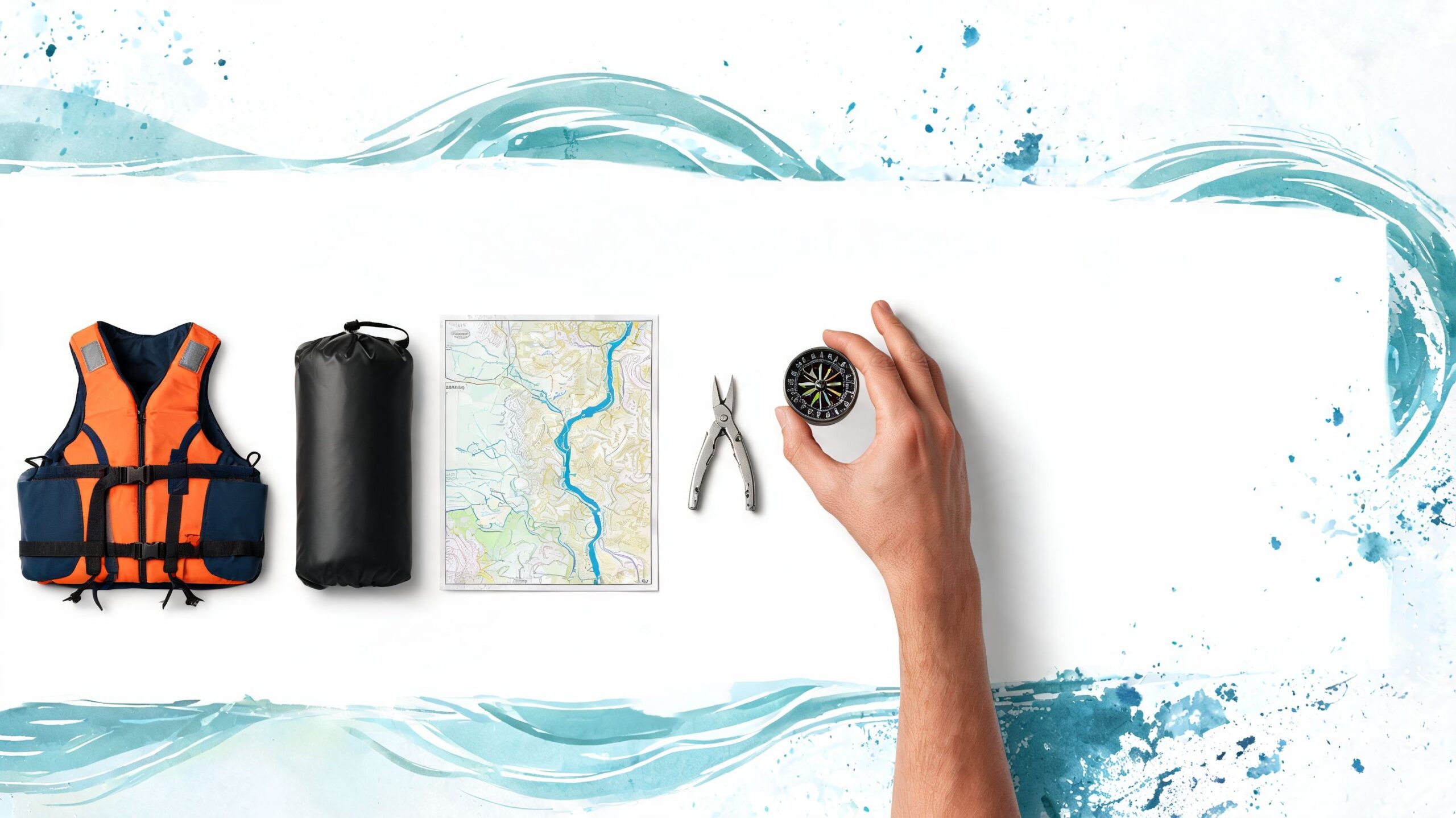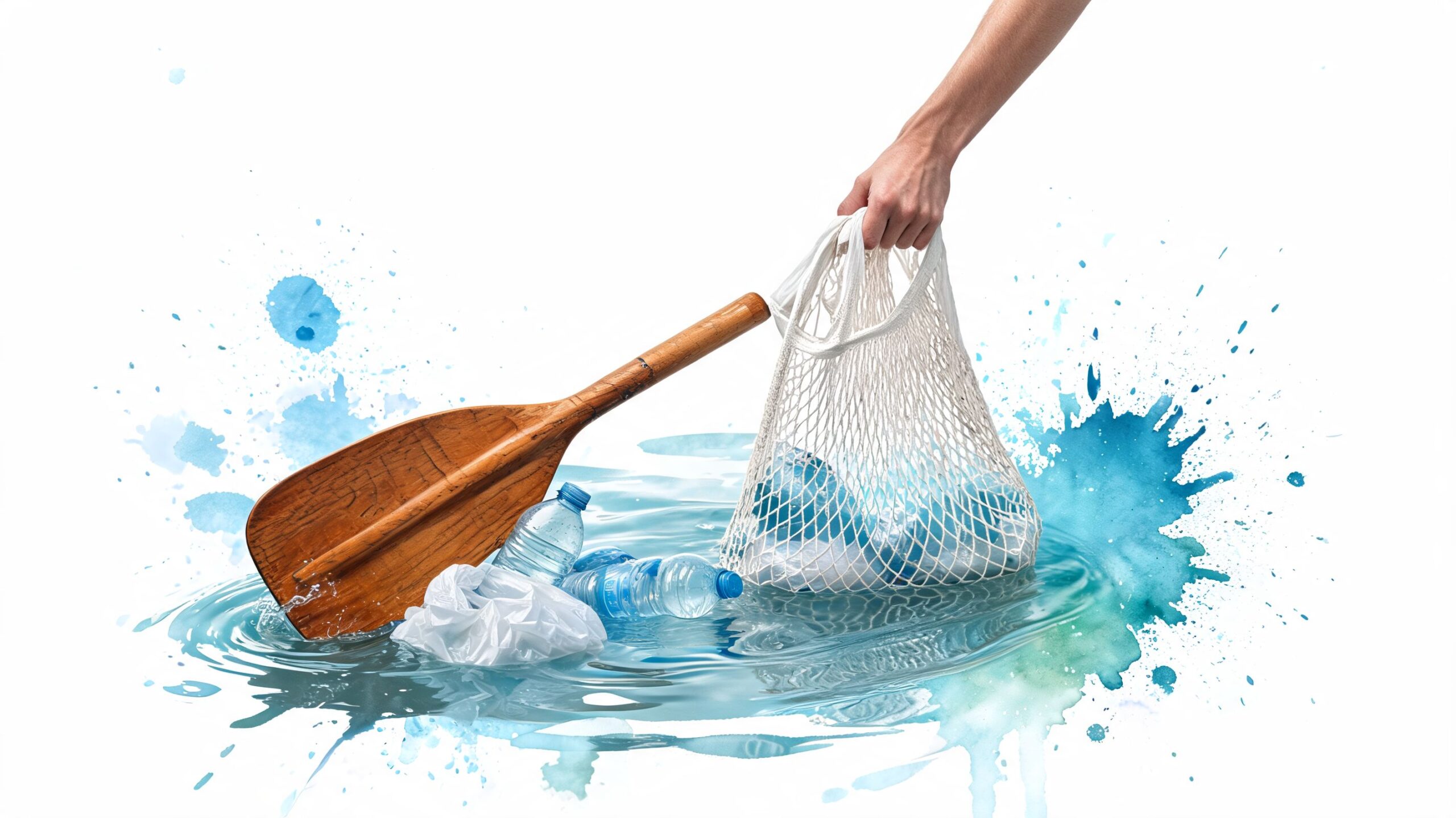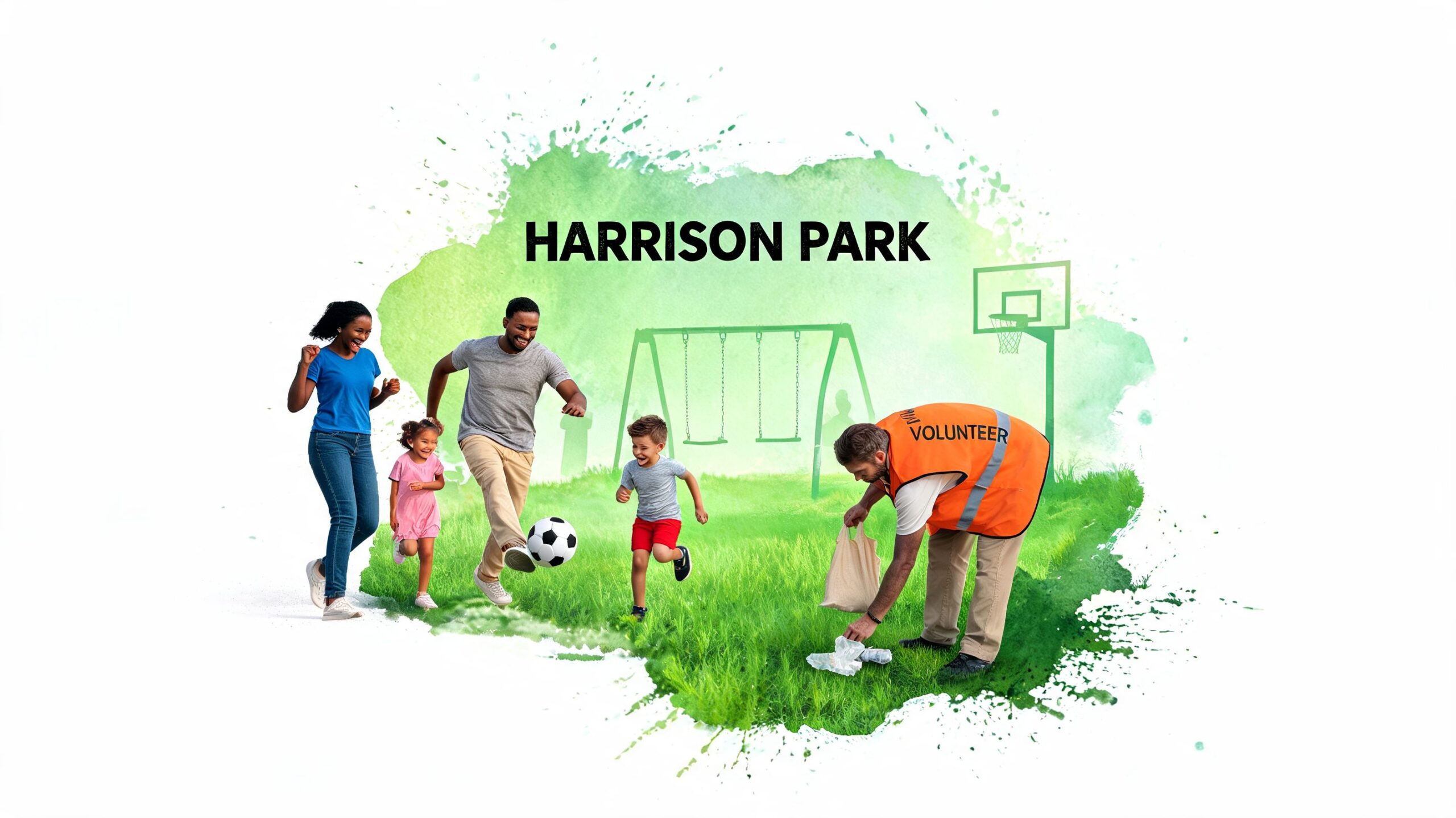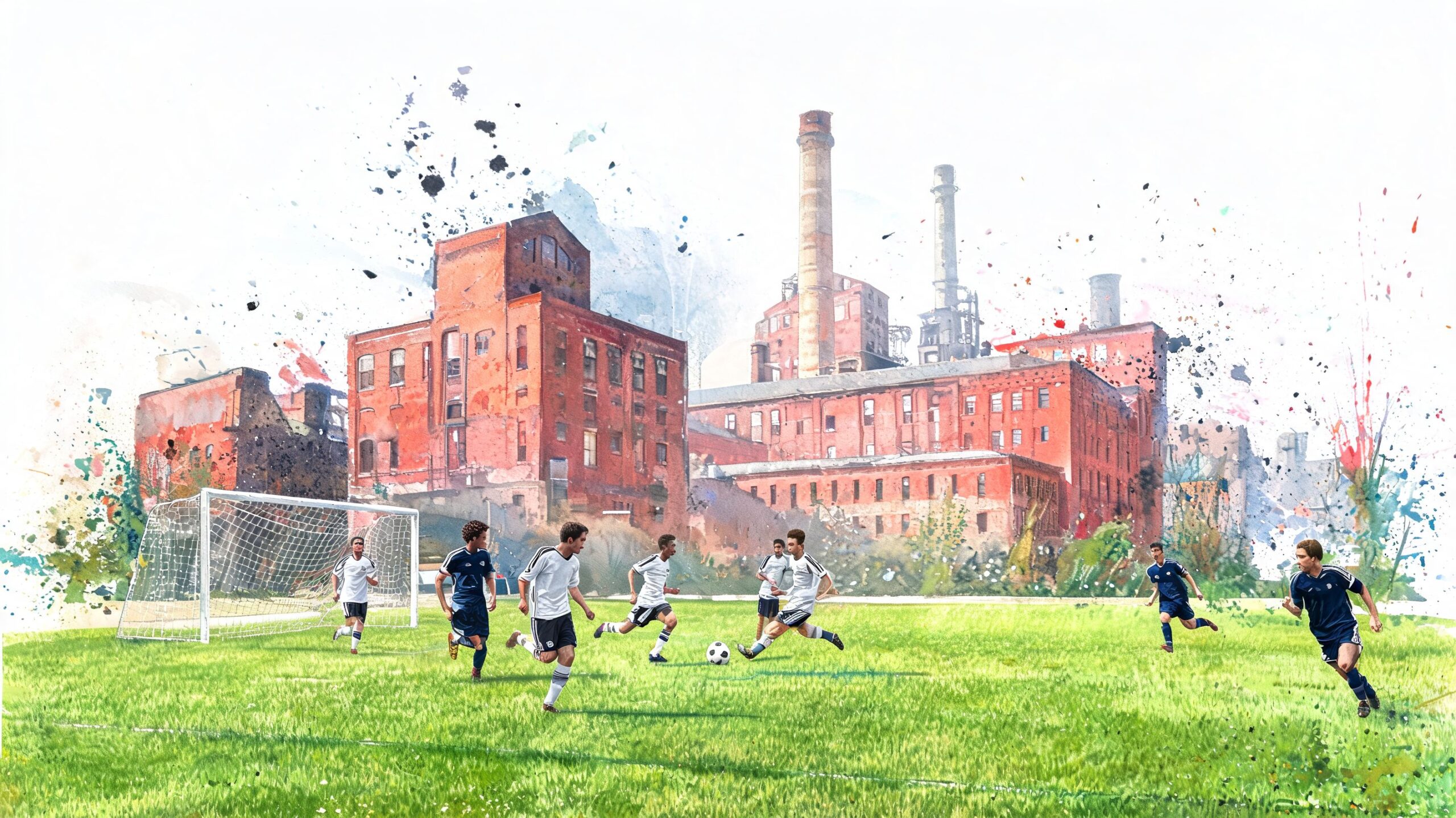

Tag: litter caterpillars

  • Chicago Environmental Issues: A Guide to Fixing Our City

    Chicago Environmental Issues: A Guide to Fixing Our City

    A few years ago, I stared at a jar of blueberry jam in my fridge and couldn't throw it away. Then I walked outside, saw trash stuck in a gutter after rain, and felt the same paralysis.

    Your Mess Is The City's Mess

    My room used to look like a stalled negotiation between who I was and who I kept pretending I'd become. Old bags of nuts from my healthy phase. Tangled cords from gadgets I swore I'd use again. Receipts, wrappers, clothes on chairs, memories disguised as junk.

    I didn't just have a mess. I had a loyalty problem.

    I stayed loyal to objects long after they stopped serving me. I did the same with people. I held onto bad relationships because throwing things away, whether a moldy container or a selfish person, felt violent. That sounds dramatic until you've tried to toss a four-year-old jar of jam and felt your chest tighten like you're betraying a former version of yourself.

    A distressed person sitting amidst tangled wires and debris before a stylized Chicago city skyline backdrop.

    The day I stopped separating my life from the sidewalk

    After a long chaotic relationship ended, I made a simple promise to myself. I would stop building my life around avoidance. I would practice cleanliness, consistency, and bravery, even if I had to do it badly at first.

    Cleaning my own space still felt heavy. Weirdly, cleaning the street didn't.

    That's part of how this started. Picking up a bottle from a curb felt easier than facing the pile in my bedroom. Someone else's mess didn't carry my history. It didn't argue with me. It didn't ask me to revisit my mistakes. I could just bend down, grab it, and keep moving.

    Practical rule: If your own life feels too tangled to fix, start with one corner of the world you can touch.

    That rule changed me. It also changed how I see chicago environmental issues. People talk about pollution, waste, and environmental justice like they're giant policy topics floating over our heads. I don't experience them that way. I experience them as a sticky can in the grass, a blocked drain before a storm, a sidewalk that tells you nobody has cared for this block in a while.

    Why bravery starts small

    The first cleanup that became our origin story had only three of us. We got caught in a spring hailstorm and huddled under a tree while every Uber seemed to cancel. We were cold, annoyed, laughing, and slightly miserable.

    And I remember thinking three things:

    • Other people's mess is easier: I could pick up street trash faster than I could sort my own emotional junk.
    • Service creates a strange kind of fun: Suffering a little with good people makes a story.
    • Action beats rumination: A full trash bag quiets your mind in a way endless thinking never does.

    If you live here, your city probably feels personal already. The block where you walk your dog. The alley behind your apartment. The recycling confusion in your building. If you want a practical place to start sorting that part out, I like using local guides such as Chicago recycling centers.

    I started with trash because I needed a battle I could win. A lot of people do.

    The Invisible Problems Air and Water

    You can ignore bad air because you can't hold it in your hand. That's what makes it slippery. It slips past your attention and goes straight into your lungs.

    Think of Chicago like one giant shared room. We all breathe inside it. Some people are near the open window. Some people are sleeping next to the machine that's coughing smoke.

    A woman wearing a face mask looks toward a stylized watercolor Chicago skyline and polluted river landscape.

    What a bad air day really means

    When people say the air feels off, they're often talking about something real, even if they don't have the language for it. The Chicago-Naperville metro area ranked 15th worst in the nation for ozone pollution, with 20.3 unhealthy ozone days per year in the American Lung Association's 2025 State of the Air report. That same report said the metro area ranked 13th worst in the nation for year-round particle pollution, and it noted a worsening from the previous year. It also said 156 million people, nearly half of Americans, live in places with unhealthy air, which puts Chicago inside a much bigger public health problem, not outside it. You can read that in the American Lung Association's Illinois release on the 2025 State of the Air report.

    That matters because "bad air" isn't an aesthetic complaint. It isn't just haze over the skyline. It's the stuff your body has to process while you bike to work, wait for the bus, or crack a window at night because your apartment is too hot.

    Air pollution feels democratic because the sky covers everybody. It isn't democratic in how it lands.

    Air is shared. Exposure isn't.

    I think about air the same way I think about roommates. If one roommate smokes in the kitchen, everyone deals with it. But the person sleeping closest to the kitchen gets the worst of it.

    That's why citywide averages can fool you. They smooth out the rough edges. They turn somebody's daily burden into a bland sentence.

    Here's the simple version:

    What you notice What might be happening
    Burning smell, haze, irritated throat Ozone and particles may be high
    Dust near heavy industry or trucking routes Localized particulate exposure may be worse
    Fine layer of grime on windowsills or cars Material handling and traffic may be nearby contributors

    Our water is our shared glass

    Now think about water. Lake Michigan is our giant drinking glass. Most of us don't wake up thinking about intake pipes or sewer systems. We turn the faucet and expect trust.

    That trust is fragile.

    Water has a complex hidden life in a city. It gets pulled, treated, pushed through old pipes, used in kitchens and bathrooms, then sent back through another buried network that is rarely seen. When rain hits hard, all that hidden infrastructure gets stress-tested at once. So does our illusion that flushing means "gone."

    A lot of chicago environmental issues work like that. The problem disappears from view, then comes back in another form. Air enters your chest. Water moves through old systems. You don't need a chemistry degree to care. You just need to realize you're already inside the system.

    The Problems You Can See and Feel

    I can show you two blocks that feel like two different cities.

    On one block, somebody swept the storefront, the bins weren't spilling over, and a tree threw enough shade to make you slow down. On the next block, a plastic bag whipped around a fence, cups sat in the gutter, and the sidewalk radiated heat back into your shins.

    That's not theory. That's mood. That's blood pressure. That's whether you walk with your shoulders relaxed or tight.

    A person walks past an overflowing blue recycling bin in a polluted Chicago city landscape.

    What one dirty corner does to your brain

    Trash multiplies socially. One cup on the ground gives the next person permission. An overflowing bin tells you the system has already given up for the week. Illegal dumping says something even harsher. It says this place is where unwanted things go.

    People feel that message in their body before they put it into words.

    I think that's why cleanups affect volunteers so quickly. We don't just remove objects. We interrupt a script. We tell the block, "No, this isn't where garbage belongs. People belong here."

    A cleaner street changes what people expect from each other.

    Heat makes neglect feel physical

    Then there's the summer version of the same problem. Streets with more asphalt and fewer trees can feel punishing. You wait at a light and the heat bounces off the road, the cars, the brick, your own face.

    A shaded block changes everything. It changes how long elders can sit outside. It changes whether kids run around or retreat indoors. It changes whether a walk to the store feels normal or draining.

    Here are the differences I notice right away when I move from one block to another:

    • Shade: Trees lower the emotional aggression of a hot day. A block without shade feels sharper.
    • Surface temperature: Blacktop and concrete hold heat and throw it back at you.
    • Street care: Overflowing trash and neglected lots make heat feel worse because the whole place reads as abandoned.

    I don't call these small annoyances. I call them daily conditions. If you live with them long enough, they shape your habits. You go outside less. You trust your neighbors less. You stop expecting beauty from the place where you live.

    That is why visible chicago environmental issues matter. You don't need a report to know when a block feels hostile. Your legs, lungs, eyes, and patience already know.

    Where The Burden Falls Hardest

    Some neighborhoods carry the city's dirtier bargain.

    If you want honesty about chicago environmental issues, you have to stop pretending the burden lands evenly. It doesn't. The city has areas where pollution is a topic, and areas where pollution is a routine neighbor.
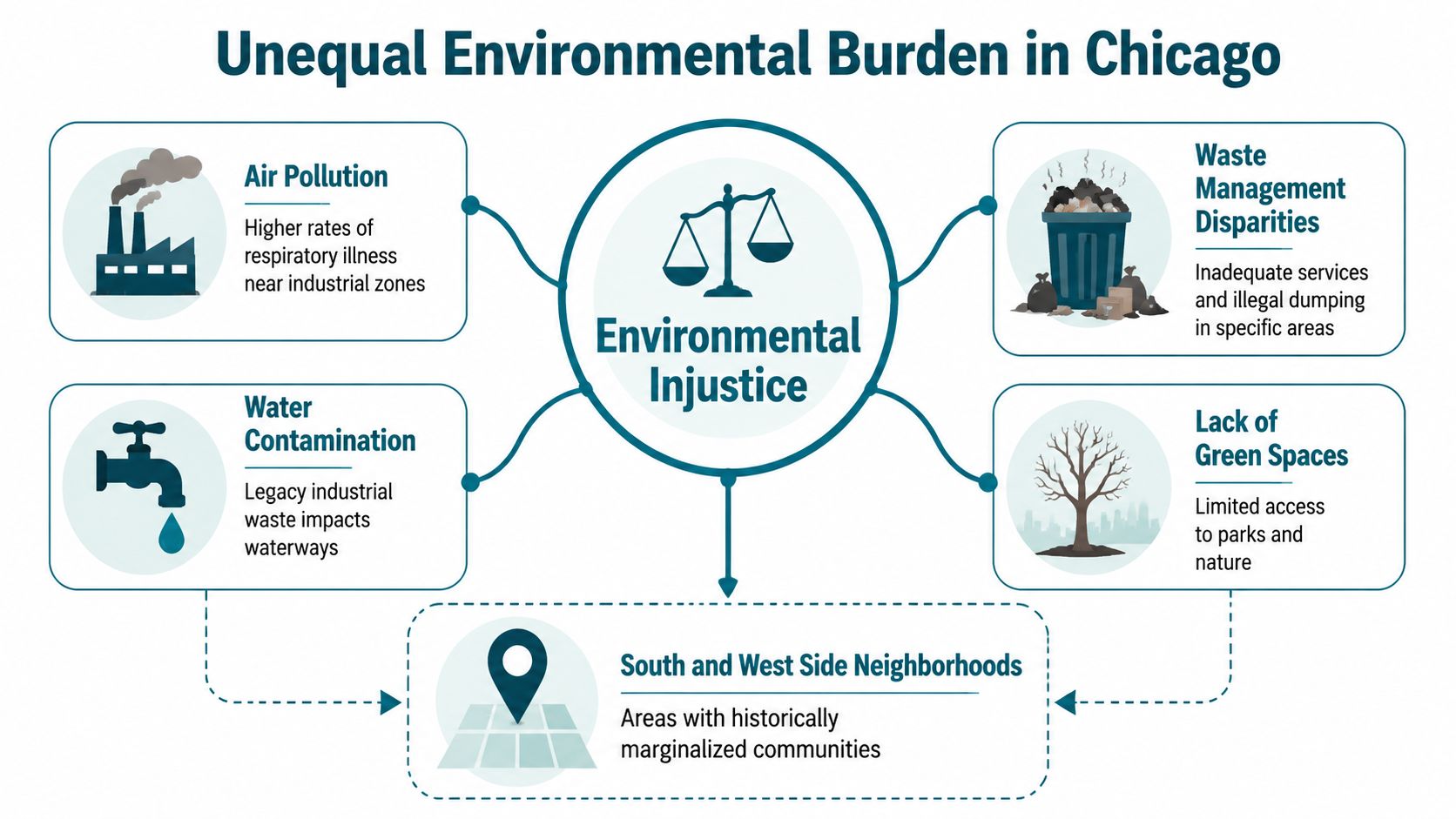
    An infographic titled Unequal Environmental Burden in Chicago, illustrating issues affecting marginalized neighborhoods in the city.

    What the map tells you

    A 2025 factsheet on limited pollution exposure found that Latine Chicagoans are 30% of the citywide population but 37% of the people living in areas with the highest overall pollution exposure. The same report said estimated PM2.5 levels across Chicago range from about 9 to 12 μg/m3, which is above the 2024 U.S. EPA long-term public health standard of 9 μg/m3. You can read that in the CMAP limited pollution exposure factsheet.

    That isn't abstract to me. It means some families live in the part of the shared room where the air is worse, more often, for longer. It means "city average" can hide a street-level truth.

    The Southeast Side problem

    The Southeast Side hits hard because it's not one cleanly isolated source. It's a multi-source industrial exposure zone. Steel production, metal recycling, petroleum handling, and petcoke storage can all add to particulate and metals burdens in the air. EPA notes tied to the area say petroleum coke in southeast Chicago has generated fugitive dust complaints, actions have been taken against petroleum handlers along the Calumet River, and high airborne metals, especially manganese, have been identified there.

    That complexity matters. If several operations can produce overlapping dust and metals, then finger-pointing gets easy and solving the problem gets harder.

    I view it this way:

    • If you measure citywide averages only, you can miss the block that is taking the hit.
    • If sources overlap, one company can shrug and say the dust came from somewhere else.
    • If monitoring is too coarse, residents keep living with uncertainty while officials debate attribution.

    The practical answer is local. Dust suppression. Enclosed conveyance. Paved and cleaned haul roads. Real-time monitoring near active bulk-material handling sites. That kind of targeted work fits the problem better than broad city averages.

    Justice has to be local or it isn't real

    I don't use the phrase environmental justice because it sounds polished. I use it because when one part of the city breathes more grime, drinks through older riskier systems, and gets less day-to-day relief, the issue is moral before it is technical.

    If you want a clearer grounding in that idea, I like this plain-language explainer on what environmental justice means.

    Below is a simple way to think about unequal burden across neighborhoods:

    Burden on the ground What residents may face
    Nearby industrial emissions and dust More daily concern about breathing and outdoor activity
    Older infrastructure and neglected basics More stress around water, housing, and health
    Less tree cover and fewer buffers Hotter blocks and fewer places to recover outside
    Illegal dumping and weaker upkeep Constant signals that care arrives late, if at all

    When people say "the environment," I think that's too vague. I think about who gets the dirty truck route, who gets the dust, who gets the hotter block, who gets told to wait.

    The City's Promises Versus Reality

    The city has plans. Cities always have plans.

    The harder question is whether a parent on the South Side or West Side can feel those plans in daily life. Can they drink from the tap without worrying about old pipes? Can they open a window without bringing in the smell of industrial activity? Can they see a pace that matches the urgency?

    Budget lines don't clean a sink by themselves

    Recent reporting noted that Chicago has made larger investments, including a nearly $200 million FY2022 climate and environmental justice budget, while many households on the South and West Sides still face burdens tied to lead-contaminated drinking water pipes and concentrated industrial pollution. That same reporting frames the issue well. Progress is uneven, and the practical question is whether money is closing gaps fast enough where people need relief most. You can read that in this look at Chicago's environmental justice battles, impacts, and solutions.

    I don't say that to sneer at public spending. Budgets matter. Plans matter. But if a block still lives with the old problem, then the plan hasn't finished the job.

    Reality check: A promise feels real only when a resident can point to a changed pipe, cleaner air, cooler street, or cleaner lot.

    The pace problem

    Disillusionment sets in, leading to burnout. They hear that money has been allocated. They hear that a department has a strategy. They hear language about justice and investment. Then they go outside and the same basics still feel stuck.

    The system has habits that make delay look normal:

    • Slow rules: Agencies move at government speed, even when residents live at body speed.
    • Competing priorities: The neighborhood with the loudest political protection often gets faster attention.
    • Patchwork fixes: One grant, one pilot, one announcement. Meanwhile daily life keeps arriving every morning.

    I don't need every city effort to fail before I criticize the gap. I just need to compare the promise to the pace. If a household still deals with old lead service lines and concentrated pollution after years of speeches, the criticism writes itself.

    What I listen for now

    When officials talk, I try to translate their language into street language.

    Official language Street translation
    Investment Did anything get fixed on the block
    Equity Did the hardest-hit area move first
    Environmental justice Did the burden actually get lighter
    Climate plan Can people feel the change in summer, at the tap, or in the air

    That may sound blunt. Good. Blunt is useful when people have waited too long.

    Finding Your People and Your Power

    I don't think people need more guilt. I think they need a crew.

    When my life felt scrambled, I did not improve because somebody won an argument online about systems. I improved because I started showing up outdoors with other people and doing one useful thing with my hands.

    The first cleanup that changed me

    Our first real cleanup felt ridiculous. Three people. Cold weather snapping at our fingers. Hail coming down. We hid under a tree and watched ride requests vanish. It was inconvenient and kind of funny.

    That day taught me that service gives you structure when your inner life doesn't have much. Pick up. Bag it. Tie it. Move forward. Repeat.

    And something else happened. Friendship got simpler. You don't need perfect small talk when you're dragging soaked trash bags together in bad weather. Shared effort breaks the ice faster than cleverness ever will.

    What people can actually do

    A lot of environmental talk stays stuck at the level of opinion. I care more about motion.

    If you're serious, your options look more like this:

    • Join a cleanup group: A local volunteer group such as Litter Caterpillars organizes regular trash pickups in Chicago, which gives people a direct way to work on visible waste problems with others.
    • Adopt a block habit: Bring a bag on your walk. Clear one stretch over and over until your body knows the route.
    • Pay attention to hotspots: The Southeast Side industrial corridor has overlapping sources tied to airborne metals like manganese and particulate dust from petcoke piles, which means local solutions have to match local conditions rather than rely on citywide averages, as described by Chicago CHEC's overview of issues in Chicago.
    • Stay human: If you recruit friends, make it social. Food after. Coffee after. A group photo. People return when the work has warmth.

    You don't need to feel pure before you start serving. You start serving, and some of the mess inside you begins to loosen.

    Why community action changes the person doing it

    We talk a lot about fixing neighborhoods. I care about that. I also care about what happens to the volunteer.

    Service teaches a stubborn kind of self-respect. You say you'll wake up on a weekend morning and go. Then you go. You endure weather. You do something mildly uncomfortable on purpose. That pattern spills into the rest of your life.

    I've seen people arrive unsure, shy, scattered, hungover from a bad month, and leave steadier. Not healed forever. Just steadier. Sometimes that's enough to start.

    Our values came out of that reality. Bravery because fear and discomfort are part of growth. Kindness because nobody sticks around in a cold moralizing club. Unity because service is easier to sustain when people laugh together.

    I care about policy. I care about monitoring and budgets and all the hard public stuff. But if you ask me where power starts, I won't point first to a document. I'll point to a few people on a sidewalk doing the job in front of them.

    Take Your First Brave Step

    You do not have to solve Chicago.

    You probably shouldn't try. That's one fast way to get overwhelmed and stay home.

    Start smaller. Start with a bag, gloves, one morning, one corner. Start with the piece of trash that annoys you every time you pass it. Start with the block you secretly wish felt different. Start with one act that turns you from spectator into participant.

    A first move that is small enough to do

    If you want your first step to be concrete, use a rule like this:

    1. Pick one recurring place you already pass.
    2. Bring one simple tool such as a bag or grabber.
    3. Work for a short window so you build consistency instead of drama.
    4. Come back again before your brain can turn it into a grand impossible mission.

    That pattern matters. It teaches your body that care is a habit, not a mood.

    Why this changes more than the street

    The strange gift of environmental service is that it cleans two places at once. You clear a sidewalk, and something in you clears too. Shame gets a little quieter. Isolation loosens. You start trusting yourself because you did what you said you'd do.

    If water and air feel too large, begin with what your hands can reach. If you want an outdoor version of that first brave step, one option is joining efforts that clean up rivers and nearby public spaces.

    I think a lot of people are hungry for a more honorable weekend. Less scrolling. Less hiding. More sun, more movement, more usefulness, more people who mean well.

    You don't become brave by waiting to feel ready. You become brave by doing one slightly uncomfortable good thing, then doing another.


    If you want that kind of weekend, take a look at Litter Caterpillars. It's a simple way to meet people, pick up trash, and practice the kind of service that can change a block and steady a life.

  • Your Guide to 2026 Chicago Community Events

    Your Guide to 2026 Chicago Community Events

    I remember moving to Chicago and feeling lonely in a way that surprised me. I could ride the train with a hundred people, walk past a street festival, grab food on a packed block, and still feel like I was watching someone else's city. The place was huge. I was tiny inside it.

    Then I learned something simple. Chicago doesn't become yours because you consume it. It becomes yours when you help build it with other people. That's when strangers turn into your crew, and a Saturday turns into a story you want to keep living.

    If you're searching for chicago community events, I want to save you time. This isn't just a pile of calendars. It's a list of tools and groups that can help you find your people, get outside, and become part of the city instead of circling around it.

    1. Litter Caterpillars

    Litter Caterpillars

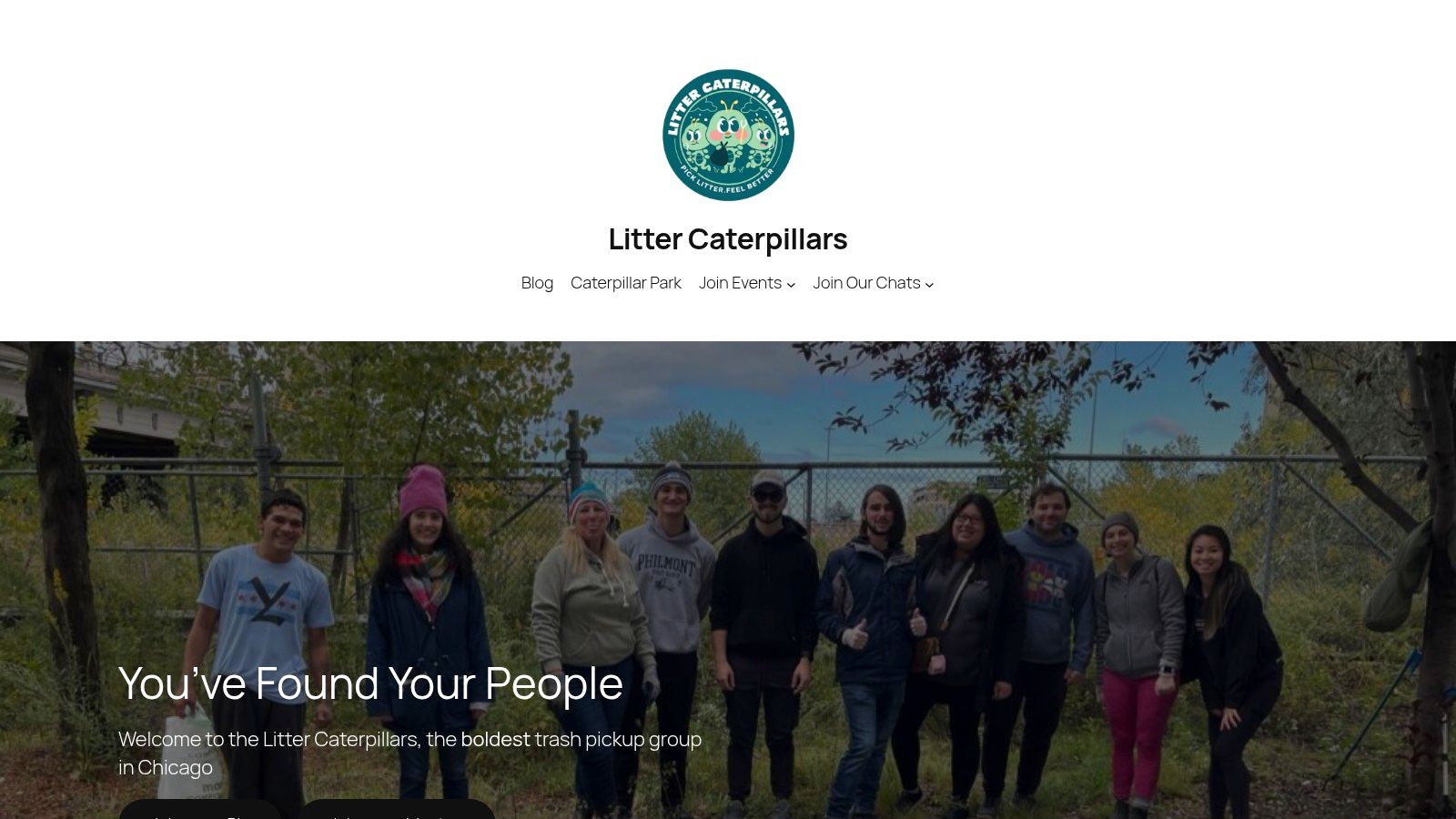
    One Saturday morning, I watched a few strangers turn into a crew over a pile of trash bags and coffee. Someone cracked a joke. Someone handed over gloves. An alley that looked ignored started looking cared for. That is why I start with Litter Caterpillars. It shows what a community event can do when it gives people a job, a rhythm, and a reason to come back.

    The group meets on weekend mornings and cleans Chicago block by block. The work is simple, physical, and public. You feel the city under your shoes, and by the end of the cleanup, you can point to a corner and say, we changed that together.

    What stays with me is the deeper shift. Founder Kevin Tao has spoken openly about struggle, consistency, and how small acts of care can change a life from the inside out. That spirit gives the group its pull. You arrive to pick up litter. You leave with names, faces, and the feeling that you belong somewhere.

    If you want a practical place to start, their guide to volunteer opportunities in Chicago gives you a feel for the kind of action-first community they've built.

    Practical rule: Belonging grows faster in groups that meet often enough for people to recognize you.

    Litter Caterpillars also has a real identity. There are flags, badges, recurring rituals, and enough humor to help shy people relax. That matters. A lot of event roundups focus on what is happening. I care just as much about whether anyone will notice if you come back next week. Here, they probably will.

    • Best for belonging: Familiar faces show up again, which makes friendship easier.
    • Best for visible impact: The result is right in front of you. Cleaner sidewalks, fuller bags, better blocks.
    • Best for people who want action: You are not standing around making small talk for an hour before anything happens.

    It is not for everyone. Weekend mornings are real. Weather is real. The work can be messy. If you want polished programming and lots of structure, another option on this list may fit you better. But if you want service with grit, repetition, and heart, Litter Caterpillars is a strong first example of what chicago community events can become. They can help you find your people while you help rebuild a place.

    2. Choose Chicago Citywide Events Calendar

    Choose Chicago – Citywide Events Calendar

    Sometimes you don't need a deep philosophy. You need to know what's happening this weekend and where to start. That's where the Choose Chicago events calendar helps.

    I think of it as the wide-angle lens. If Litter Caterpillars is the friend who texts, “Come help us clean this block at 9 a.m.,” Choose Chicago is the giant city bulletin board. It's good for scanning neighborhood festivals, parades, cultural events, and recurring public happenings without hopping between a dozen sites.

    When I'd use it

    Use this one when you're in exploration mode. Maybe you just moved here. Maybe your family is visiting. Maybe you want chicago community events that feel public, easy to join, and spread across the city.

    Chicago's Department of Cultural Affairs and Special Events said it served all 77 neighborhoods in 2023, awarded more than $23.5 million in grants, and distributed 749 grants, which was the most in the department's history, according to the DCASE annual report. When I browse citywide calendars, I keep that scale in mind. Chicago has real neighborhood reach. You can feel it in how many different corners of the city keep generating public events.

    • Best for broad discovery: Great for seeing a lot quickly.
    • Best for newcomers: You can scan by neighborhood and get your bearings.
    • Watch for one gap: Smaller volunteer meetups and hyperlocal cleanups won't always appear.

    If you like the bigger public calendar but want a more hands-on service angle, I'd pair it with this guide to volunteer opportunities in Chicago. That combination works well. One tool helps you scan the city. The other helps you step into it.

    3. Chicago Park District Event Finder

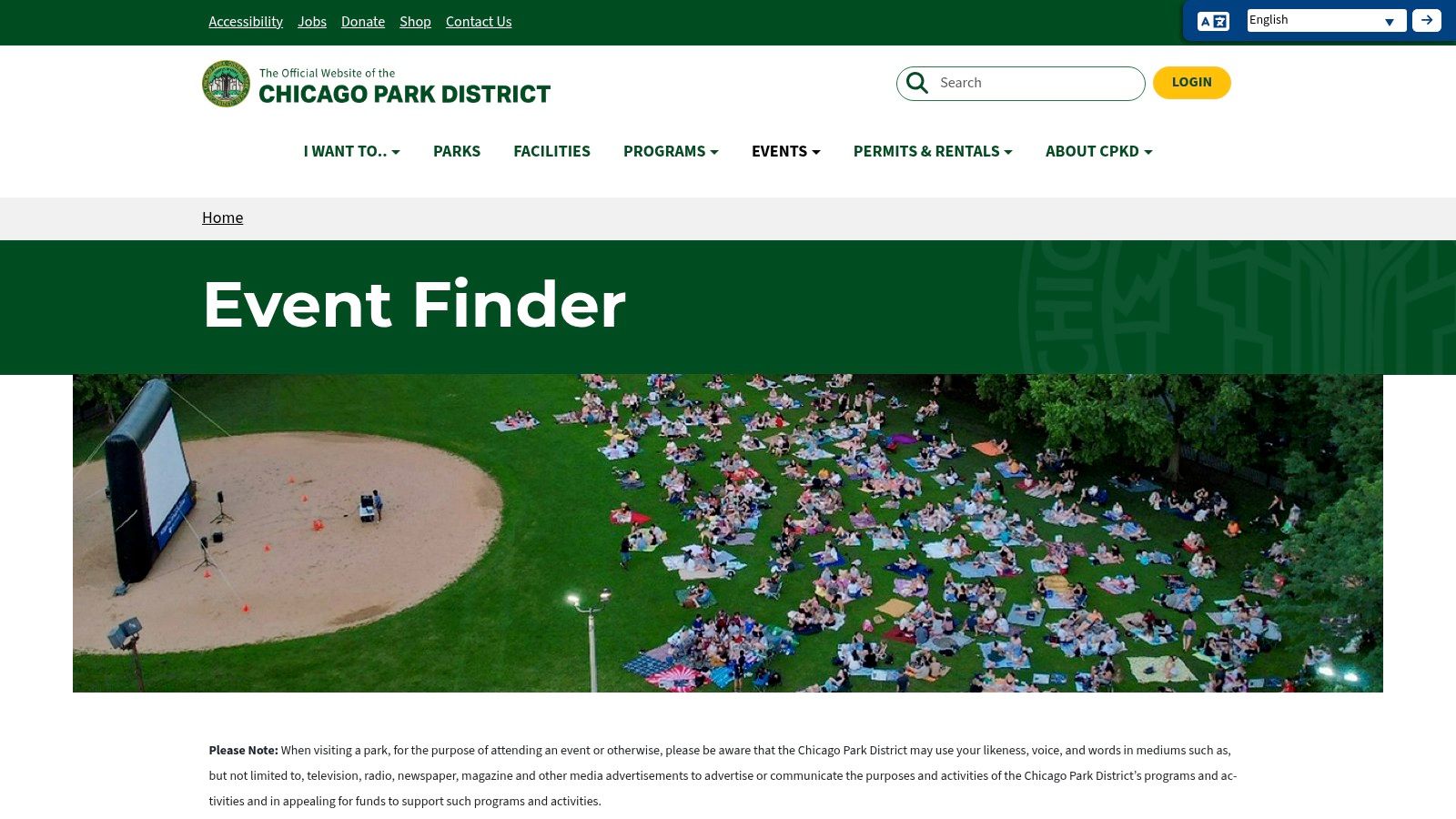
    Chicago Park District – Event Finder

    I've learned that parks are where a city relaxes enough to tell the truth about itself. You see parents with snacks, teens pretending not to have fun, aunties in folding chairs, pickup games, summer movie nights, and volunteers trying to keep a corner of the world in decent shape.

    That's why the Chicago Park District event finder is one of my favorite tools for chicago community events. It pulls you away from giant downtown gravity and into neighborhood life.
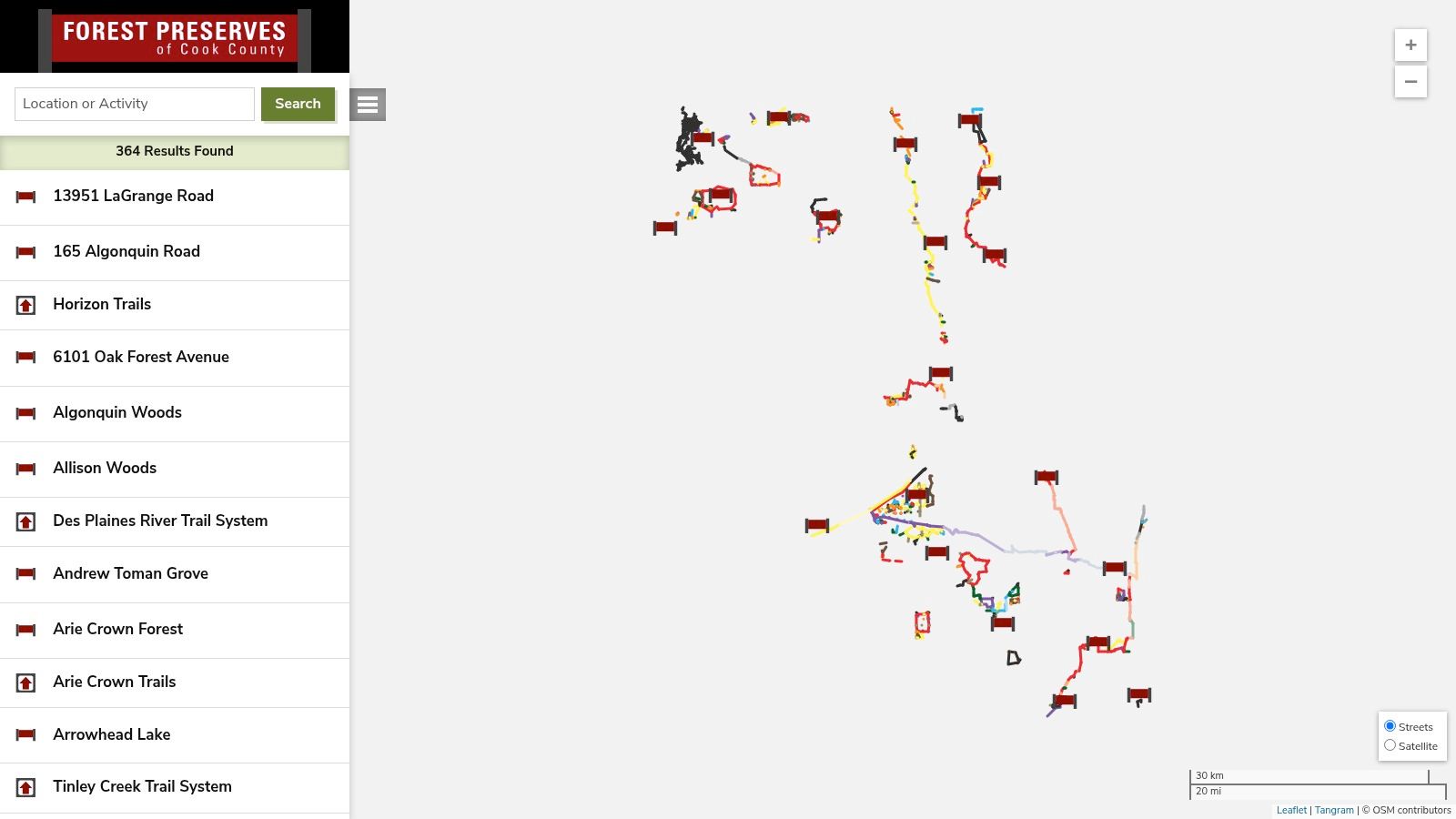
    Why parks work so well

    This calendar has date, location, and category filters. You can search for park-centered programs, family activities, local gatherings, and seasonal events. I like it because park events feel less performative. People often arrive in a more open mood.

    The interface is plain, and that's fine. I'm not asking a community calendar to charm me. I'm asking it to tell me where the people are.

    If you want community fast, start where people already bring their kids, chairs, and snacks.

    The Park District is also useful if you're trying to connect cleanup work with longer-term neighborhood life. A litter pickup, garden day, or outdoor program can pull you into the same local ecosystem. If that's your lane, this piece on community gardens in Chicago, IL is a strong companion read.
    One limitation is detail. Some event pages tell a fuller story than others. And if you want a volunteer-only filter, you may need extra clicking. Still, when I want something grounded, local, and outdoors, this is the place I look.

    4. Chicago Public Library Citywide Events Calendar

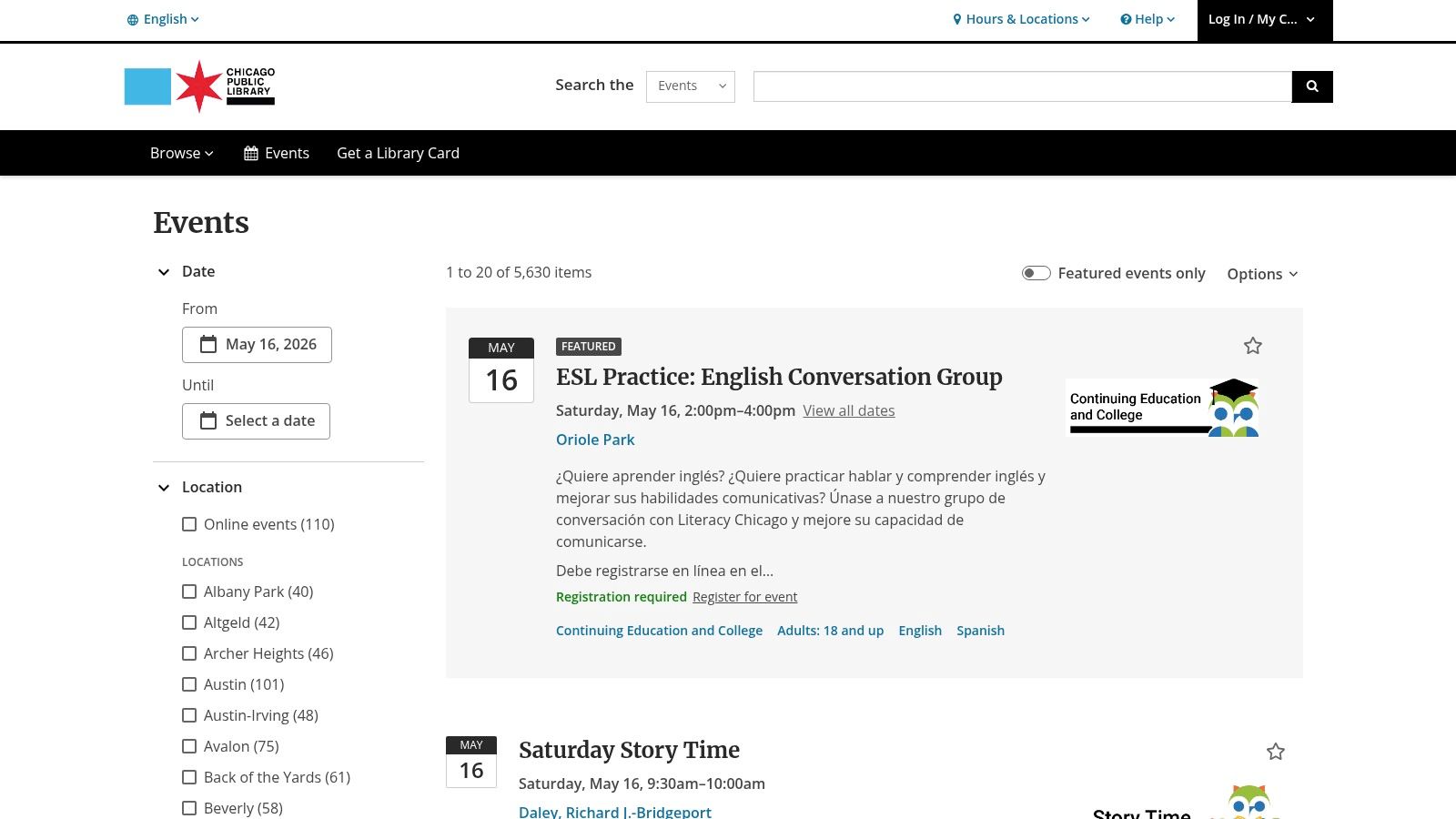
    Chicago Public Library – Citywide Events Calendar (BiblioCommons)

    Libraries are one of the few places left where you can walk in without being asked to buy something. That alone makes the Chicago Public Library events calendar worth your time.

    If parks are where the city exhales, libraries are where it gathers itself. You'll find workshops, clubs, talks, resource fairs, practical help, and neighborhood programs across branches all over the city. It's a good pick if you want chicago community events that are quieter, more welcoming for first-timers, and often free.

    For people who want low-pressure entry

    I recommend this one to people who feel nervous about jumping into a loud festival or a physically demanding volunteer shift. A library event gives you an easy on-ramp. You can sit, listen, join a conversation, or attend something useful without needing to “perform community” on day one.

    That matters because resident input has shaped Chicago's arts and public programming for a long time. The report The Arts in Chicago A Report to the Community described a process where members of the cultural community spoke for themselves through focus groups and named recurring concerns like financial support, audience growth, cultural diversity, management training, and freedom of expression. I love library calendars partly because they still feel close to that spirit. They feel like places where people can speak, ask, and return.

    • Best for free access: Great if cost is a concern.
    • Best for inclusive programming: Useful filters by age group, date, and branch.
    • Less ideal for outdoor action: You won't get the same volume of cleanup or festival listings.

    If your first step into community needs to be calm and human-sized, the library is a strong choice.

    5. My Block My Hood My City

    My Block My Hood My City feels like the friend who wants you to care about Chicago on purpose. Their events and programs center neighborhood connection, service, and getting people to cross lines they usually don't cross.

    I like this platform when I'm tired of browsing giant directories. Instead of drowning you in random listings, it points you toward a tighter set of mission-driven opportunities. That can be a relief.

    Good for people who want direction

    My Block My Hood My City has a live events area and recognizable initiatives tied to neighborhood improvement, youth experiences, seniors, and city connection. If your brain shuts down when it sees too many options, this one is easier to act on. You can look at what's coming up and decide, “Yes, I'm doing that.”

    There's also something healthy about joining a group with a clear point of view. You're not just attending. You're stepping into work that already has a heartbeat.

    You don't always need more options. Sometimes you need one clear invitation.

    The tradeoff is volume. You won't get the same giant stream of listings you'd get from an aggregator. Events are tied to the organization's own initiatives, and some programs fit certain audiences more than others. Still, if you want purpose and neighborhood connection in the same room, this is a strong bet.

    6. Meetup Chicago Community and Social Categories

    Meetup – Chicago Community & Social Categories

    Meetup is messy. I mean that kindly. It's messy the way a neighborhood bulletin board is messy. Some flyers are gold. Some are weird. Some lead nowhere. But if you know what you're looking for, Meetup in Chicago can help you find your people fast.

    I especially like it for recurring groups. One cleanup is nice. A repeating event with the same rough time, same organizer, and same cluster of regulars is where friendship starts.

    Best for recurring connection

    Meetup has built-in RSVPs, group organization, recurring events, and neighborhood discovery. If you're searching chicago community events with a grassroots feel, it has real range. Volunteer crews, social circles, civic groups, outdoor folks, hobby weirdos. They're all in there.

    That said, you need judgment. Quality depends on the organizer. Safety practices differ. Some groups say “community” when they really mean “let's drink somewhere loud.”

    Chicago also has a giant event culture behind all this. In a localized Arts Alliance Illinois study, 466 nonprofit arts and cultural organizations reported 36.3 million aggregate attendances in 2015, and surveyed attendees spent an average of $50.56 per person per event, with event-related spending totaling $1.84 billion in the city, according to the Arts Alliance Illinois customized report. I don't read that and think, “Wow, big market.” I read it and think, “No wonder discovery feels crowded.” In a city with that much activity, Meetup helps smaller recurring groups stay visible.

    • Best for hyperlocal groups: Strong for neighborhood-based connection.
    • Best for repeat attendance: Recurring schedules help people bond.
    • Use filters carefully: Service and social often sit side by side.

    If you want ideas for gatherings that create real connection, this guide to community building activities for adults pairs well with Meetup.

    7. Eventbrite Chicago Community Category

    Eventbrite – Chicago Community Category

    Eventbrite is where I go when I want momentum. I don't want to think too hard. I want to filter by date, neighborhood, and price, then pick something before I talk myself out of leaving the house. The Eventbrite Chicago community category is good for that.

    It has a mixed-bag energy. You'll see volunteer listings, resource fairs, local gatherings, and community-oriented events next to stuff that's more commercial or niche. That's not a flaw if you use the filters with intention.

    Good for last-minute action

    This is one of the easiest places to answer a practical weekend question. What's happening soon? Is it free? Is it nearby? Can I reserve a spot now?

    That matters because event discovery in Chicago is fragmented. The search results themselves show the problem. Broad directories and organization-specific calendars often leave people doing extra sorting in their heads. The Eventbrite community-engagement search in Chicago makes that gap obvious. People aren't always asking for more events. They're asking for better curation.

    CMAP's Community Data Snapshots can also help if you're organizing rather than browsing. The tool gives neighborhood-level context across demographics, employment, transportation, housing, land use, revenue, and water indicators. I like that because turnout is practical. Transit access matters. Density matters. If you want people to show up, you need to think about where they live and how they move.

    Better event discovery starts with a simple question. What fits my actual Saturday?

    Eventbrite's weakness is uneven quality control. Read listings carefully. Still, for fast discovery and easy sign-up, it does the job.

    Chicago Community Events: 7-Source Comparison

    The first time I watched a Litter Caterpillars cleanup roll down a block, it changed how I judge a community event. I did not see a calendar listing. I saw neighbors waving from porches, kids grabbing gloves, and strangers finishing the morning with inside jokes and plans to come back. That is the bar for this table. Which source helps you find people, not just fill time?

    Item What it feels like in real life What it asks from you What you're likely to get back Best fit Why it stands out
    Litter Caterpillars A cleanup that turns a stretch of sidewalk into common ground Show up, work with your hands, talk to people Visible change, repeat faces, a reason to return Anyone who wants belonging through action Volunteer-led, neighborhood-based, easy to join
    Choose Chicago – Citywide Events Calendar Big city energy, polished listings, lots of options Sort for what matches your neighborhood and mood Broad awareness of festivals, parades, and public happenings Visitors, explorers, people planning around major events Official citywide coverage and dependable updates
    Chicago Park District – Event Finder Programs tied to real places where families already gather Search by park, date, or activity Steady neighborhood events with a familiar local feel Parents, regulars, residents who want something close to home Year-round reach across the city's parks
    Chicago Public Library – BiblioCommons Rooms where people learn together without pressure to spend money Pick a branch or topic and walk in Free workshops, civic programs, and welcoming public space Anyone easing into community life Inclusive programming and strong branch-level variety
    My Block My Hood My City (MBMHMC) Service with a clear mission and visible neighborhood care Join organized efforts and follow the nonprofit's lead Shared purpose, volunteer momentum, local impact People who want structured service opportunities Strong community trust and partnership-driven work
    Meetup – Chicago Community & Social Small groups built around recurring connection Try a group, then decide if the vibe fits New friendships, regular meetups, mixed quality by organizer People looking for “my people” energy Easy RSVPs and recurring grassroots gatherings
    Eventbrite – Chicago Community Category Fast browsing for what is happening soon Filter carefully and read listings closely Quick sign-up options and broad event discovery Last-minute planners and larger public events Useful registration tools and wide visibility

    What I like about this comparison is how clearly the tradeoff shows up. Some sources are better at breadth. Some are better at trust. A few can change your week because they put you shoulder to shoulder with people who care about the same block you do.

    If your real goal is transformation, not entertainment, start with the places that ask something from you. A cleanup, a service day, a branch workshop, a recurring neighborhood group. We become part of a city by contributing to it.

    That is why Litter Caterpillars stays with me. It is a simple idea carried out in public, with other people, on a schedule you can return to. If you want one place to begin, start there: Litter Caterpillars

    Your Turn to Paint the Fence

    I keep thinking about Tom Sawyer and the fence. He got handed a chore and turned it into a story people wanted to join. That's what good community work feels like to me. You arrive expecting effort, and you leave with a memory, a new friend, dirt on your gloves, and a reason to come back next week.

    That's why I care about chicago community events in the first place. I'm not chasing a packed calendar for the sake of being busy. I'm chasing that moment when the city stops feeling like a backdrop and starts feeling like a shared project. A cleanup can do that. A library workshop can do that. A park event can do that. A neighborhood volunteer day can do that too.

    And people want more than a random listing now. They want to know what kind of event this is, who it's for, and whether anything real comes from it. That hunger for visible, local change is part of why service-based events hit so hard. The Center for Community Health Equity events page points to ongoing community healing and support work, and I think that gets at something important. People want participation that means something in their own block, their own weekend, their own life.

    You don't need to solve Chicago. You just need to show up somewhere small and real.

    Pick one thing from this list. Go to the cleanup. Join the park event. Sit in the library room. RSVP to the Meetup. Walk into the thing that feels slightly outside your comfort zone. That feeling is often the doorway.

    Your people probably aren't going to appear because you stayed home and kept scrolling. They're waiting in a park fieldhouse, on a library calendar, at a volunteer check-in table, or on a windy sidewalk with a trash picker in hand.

    Go meet them.


    If you want the fastest path from “I should get involved” to “I know these people now,” join Litter Caterpillars. Show up on a weekend morning, do something useful with your hands, and let the city change you while you help change a block.

  • DuPage River Greenway Trail: Your Guide to Adventure

    DuPage River Greenway Trail: Your Guide to Adventure

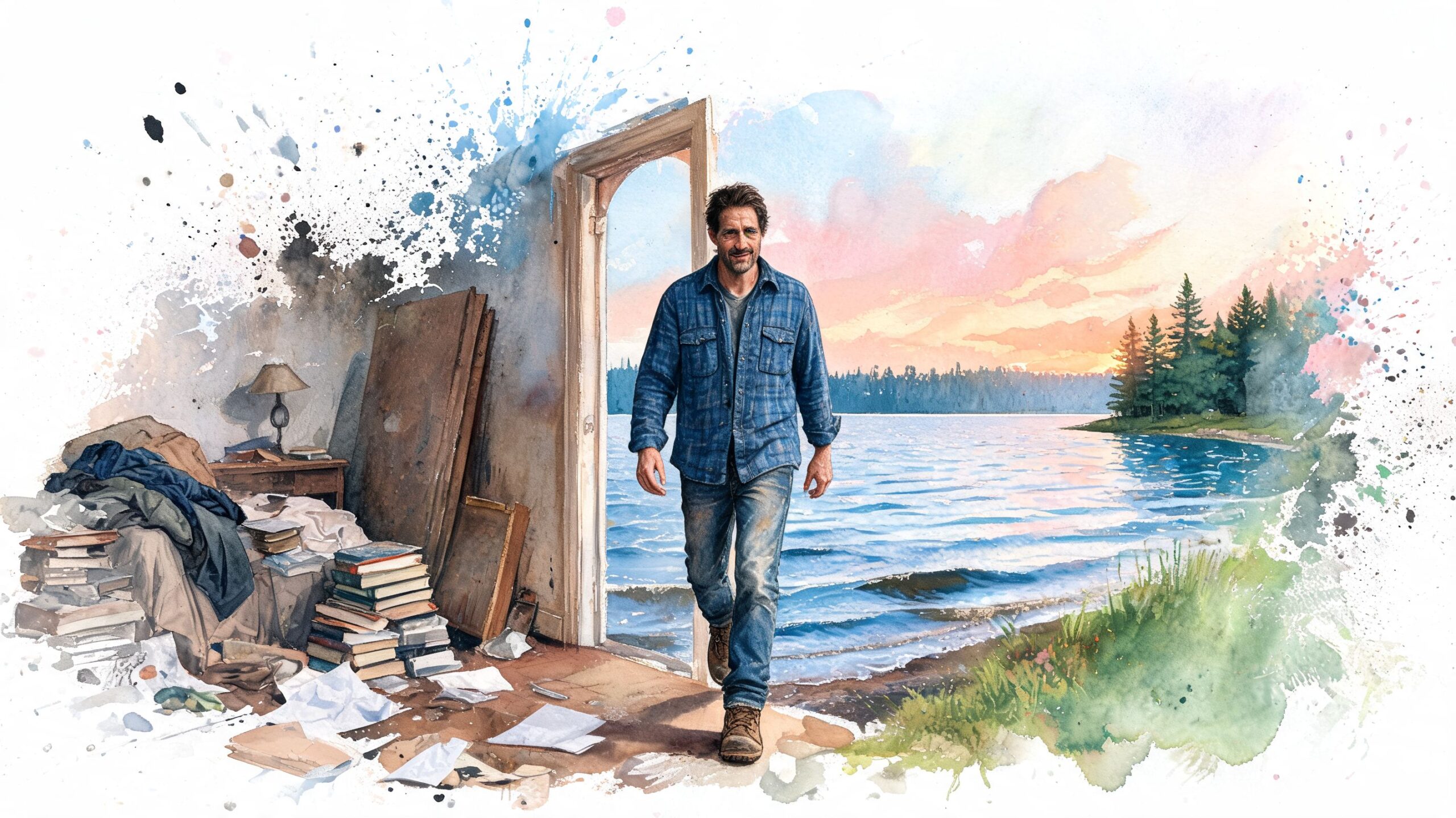
    I stepped onto the dupage river greenway trail on a cold March morning with fingers already going numb. A paper cup rattled in the reeds beside the path, and by the time I reached the next bend, I understood that this trail asks for more from you than a casual stroll.

    Finding Your Way by Getting a Little Lost

    The first time I really met this trail, the sky had that flat gray color that makes every sensible person stay in bed. I had a hat pulled low, mud on my shoes within minutes, and that tiny inner voice that says, why am I doing this today?

    Then the trail started doing what good trails do. It stopped arguing with me and let me walk.

    Bare branches leaned over the corridor. Wet ground held the smell of thawing earth. The river flowed gently off to the side like it had all day to wait for me to catch up. That kind of morning strips away the fantasy version of outdoor life. No postcard light. No perfect temperature. Just you, your breath, the path, and whatever mood you brought with you.

    I like days like that because they tell the truth.

    The trail gets more honest in rough weather

    On a warm blue-sky Saturday, almost any path can charm you. A windy day in early spring is different. You notice puddles. You notice the slick leaves pressed into the edge of the pavement. You notice the branch hanging low enough to make you duck. You notice that a chip bag trapped in brush can bother you more than it should.

    That's when the dupage river greenway trail starts to feel alive instead of staged.

    I've learned that a little discomfort often sharpens the memory. A cold headwind wakes you up. A surprise drizzle gives the day some plot. Even a wrong turn or a muddy shoulder becomes part of the story you tell later. Easy outings blur together. The awkward ones stay with you.

    Practical rule: If the weather is safe, go anyway. You'll remember the day better, and you'll pay closer attention to the trail under your feet.

    Small hardship changes how you see the place

    I've walked paths in perfect conditions and forgotten them by dinner. I still remember that gray morning because I had to earn it a little. When you show up on a day that isn't begging for visitors, you notice the work a trail needs. You see where litter snags in grass. You see where runoff carries debris toward the river. You see the gap between a place being open and a place being cared for.

    That shift matters.

    The dupage river greenway trail isn't just a route from one point to another. It's a corridor that changes with season, rain, wind, and human use. Some days it feels generous. Some days it feels blunt. Both are good. Both teach you something.

    So if you arrive and the wind bites your ears or the clouds look unfriendly, don't turn around too fast. Walk a little farther than you planned. Let the day be imperfect. Getting a little lost, in weather or in thought, is often how you start finding your way.

    Mapping the DuPage River Greenway Trail

    The first time I helped organize a cleanup on a river trail, the map mattered less than the pinch point. We found it where a bend in the path narrowed near the water and wind-blown cups collected in the weeds. Ten volunteers with grabbers and contractor bags could clear that stretch in under an hour, but only because we knew how the route fit together before we showed up.

    That is how I read the DuPage River Greenway Trail now. Part outing, part working map.

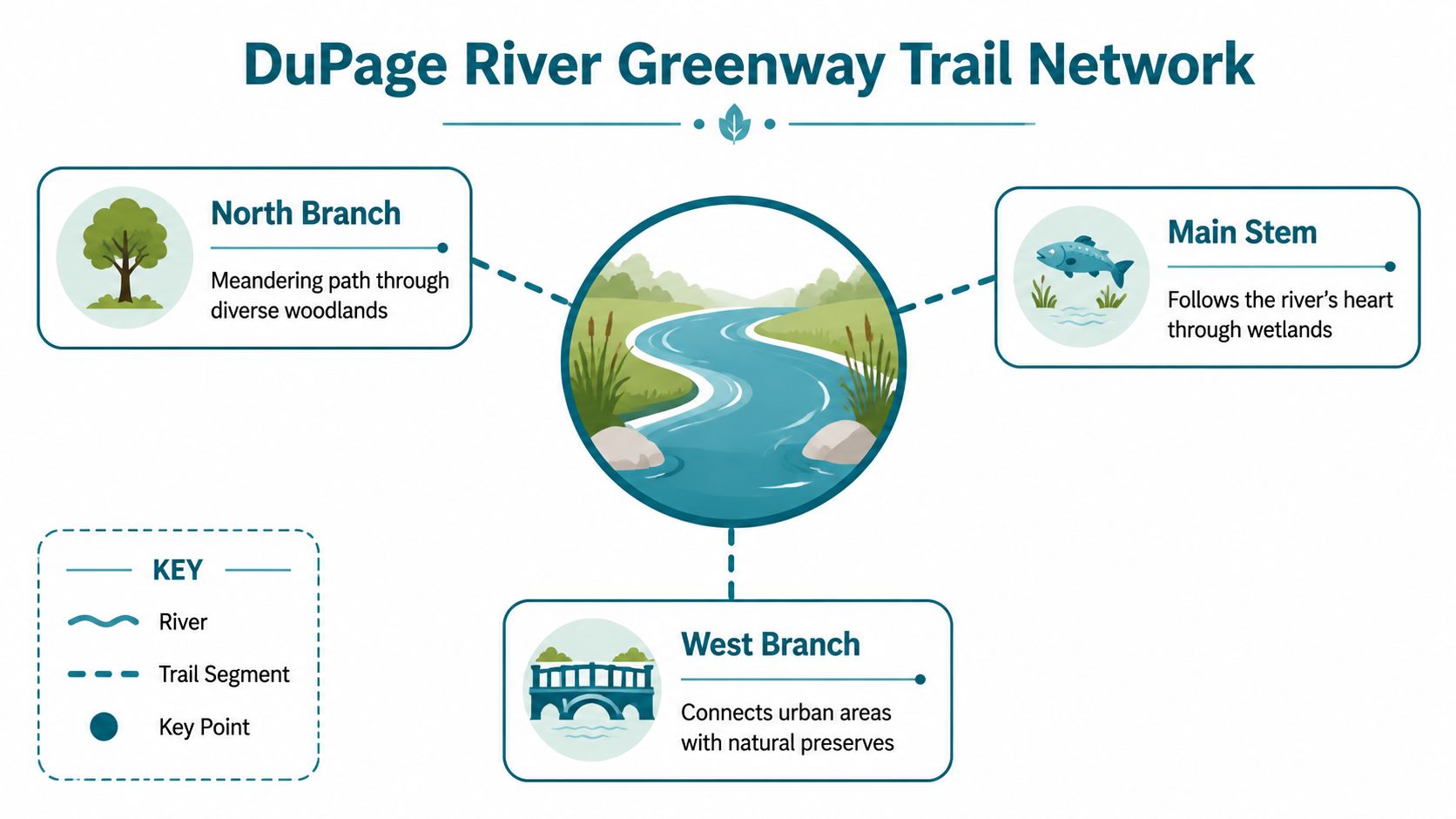
    A map showing the DuPage River Greenway trail network including the North Branch, Main Stem, and West Branch.

    Start with one segment you can remember

    Bolingbrook gives you a clear mental picture. The local stretch runs along the East Branch of the DuPage River, linking Royce Road near Route 53, Hidden Lakes Historic Trout Farm, and Indian Boundary Park. It is paved and built for shared use, so you can picture walkers, runners, bikes, strollers, and cleanup crews all using the same corridor with a little courtesy.

    That kind of route is easy to hold in your head because it has landmarks with names, not just a line on a screen. Road. River. Trout farm. Park.

    Once you can repeat those anchors from memory, the trail stops feeling vague. It becomes a place you can use and care for.

    The greenway works like a chain of local stories

    Regional trails rarely make sense all at once. You learn them in pieces. One town shows you a riverside path that feels friendly for a first walk. Another gives you a longer connector that makes more sense on a bike. Soon the whole system starts to click because each segment teaches you the next one.

    That is also how service grows. A person who picks up litter on one reliable mile often comes back with a friend, then a bucket, then a simple plan.

    If you have walked a larger corridor such as the Des Plaines River Trail near Chicago, you already know the pattern. You do not memorize every turn on day one. You learn the backbone, then your favorite access points, then the spots that need attention after a windy weekend.

    Map it with a volunteer's eye

    A recreational map asks where you can go. A cleanup map asks where help will matter most.

    I use three checks before I invite anyone out:

    Question What to look for Why it matters
    Where does the group gather? A named park, visible trailhead, easy parking People arrive calm, not frustrated and late
    Where will trash collect? River bends, fence lines, bridge edges, low spots after rain You spend your energy where debris actually piles up
    Where can people pause or turn back? Restrooms, benches, short out-and-back options New volunteers stay comfortable and are more likely to return

    That small shift changes the whole outing. You are no longer tracing a path just to finish it. You are reading the corridor like a steward.

    For the DuPage River Greenway Trail, the river is the constant reference point. Follow that, remember the named anchors, and mark a few likely cleanup zones on your phone or a printed map. After one visit, you will know enough to come back with purpose.

    How to Access Your Trail Adventure

    The first cleanup I ever led on a river trail started with six people standing around a trunk full of grabbers, asking the least glamorous question in outdoor life. Where do we park so nobody begins the morning annoyed?

    That question matters here too. Access shapes the whole day. If the first five minutes feel calm, people stay open to the place. If the start feels confusing, they rush, miss the river, and head home before the trail can do its work.

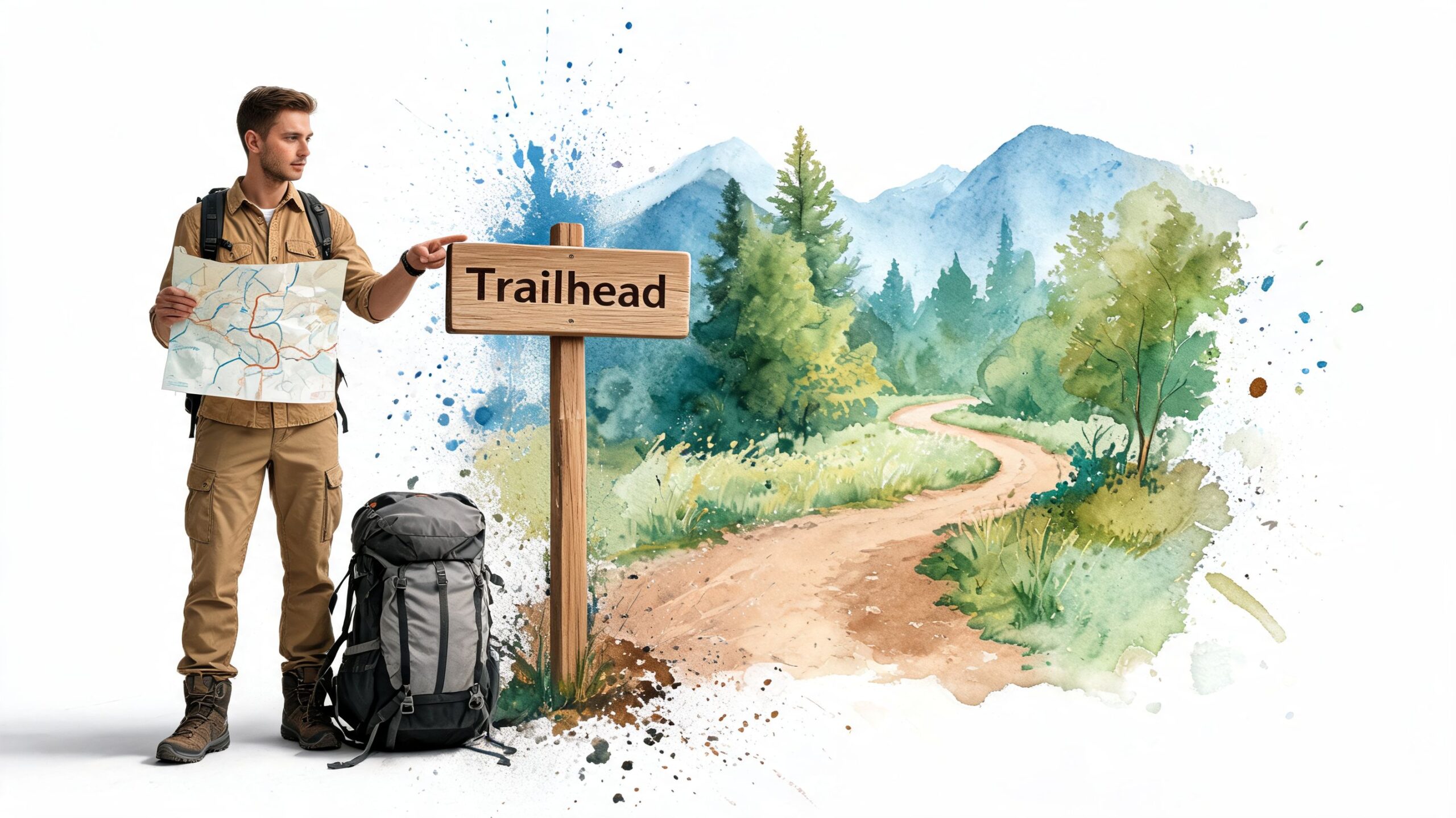
    A hiker holding a map points toward a trailhead sign in a beautiful watercolor forest landscape.

    Two smart starting points

    For a first visit, I would start with Hidden Lakes Historic Trout Farm or Indian Boundary Park. Both are the kind of access points that lower the friction of a first outing. You can arrive, get oriented, use the restroom, and step onto the trail without turning the morning into a scavenger hunt.

    They serve different moods.

    Hidden Lakes feels like the better choice for a slower outing, especially if you want time to look around, notice where the river pulls your attention, and spot the edges where litter tends to gather after a windy day. Indian Boundary Park suits an out and back with cleaner rhythm. If I were bringing a new volunteer, a teenager earning service hours, or a friend who says they are "just coming to help for one hour," I would probably choose the start that feels easiest to read at a glance.

    That first impression carries weight. People are more likely to come back when the trail greets them kindly.

    How I choose a trailhead for recreation or service

    I do not pick an access point by name alone. I picture the end of the outing.

    If I am walking for quiet, I want the start that settles me down fast. If I am running, I want an access point that lets me find a steady rhythm without constant stops. If I am showing the trail to someone new, I want the lot, the path, and the first decision point to be obvious.

    Cleanup days need one more layer of thought. Bags get heavier on the way back. Mud clings to gloves. Someone always finds something awkward, a tire scrap, a soggy bundle of cans, a length of plastic fencing, and suddenly the distance from trail to car matters more than scenery.

    So I use a short filter:

    • For a solo walk: choose the access point that feels easiest to read on arrival.
    • For a run or bike outing: choose the one that gives you a clean out and back.
    • For first-time visitors: choose restrooms, visible parking, and a simple path from lot to trail.
    • For a cleanup: choose the place that makes unloading and hauling filled bags back to the car less miserable.

    Simple choices save energy for the trail itself.

    A first visit that actually teaches you something

    On your first trip to the dupage river greenway trail, skip the urge to cover a huge stretch. Start at one known access point. Walk far enough to learn the feel of the corridor, notice where people naturally slow down, and mark any spots where debris collects near edges, bridge approaches, or low ground. Then turn back while the day still feels fresh.

    That is how a casual visit turns into stewardship.

    I have watched this happen over and over. Someone comes out for "just a walk," notices bottles tucked into grass at a bend, comes back next week with one grocery bag, and a month later is texting friends about a cleanup date. The trail gives you a job if you pay attention.

    If you like building a day around nearby preserves and practical service, this Aurora forest preserve outing guide with the same stewardship mindset fits well with that approach.

    Bring less than you want to bring. Bring better shoes than you think you need.

    Coming without a car

    Getting here without a car takes planning, but it can be done with patience and a willingness to piece the trip together. I would treat it like a small expedition. Handle the train or bus segment first, then decide whether the final stretch works best on foot or by rideshare.

    For cleanup volunteers, that usually means packing lighter and planning a shorter route. One bucket, gloves, water, and a firm turnaround time beat overcommitting and dragging too much gear across a long approach.

    There is something good in that extra effort. You arrive with intention. You notice more. And if you spend even one hour leaving a small stretch cleaner than you found it, the trip home feels different.

    The Trail Under Your Feet

    The first time I brought a cleanup bucket onto this stretch, I noticed the pavement before I noticed the river. My wheels did not rattle. My ankles did not hunt for stable ground. I could carry gloves, a grabber, and a half-full bag without feeling like the trail was fighting me for every step.

    That matters more than people think.

    On this section, the path feels broad, paved, and forgiving. You can settle into a walking rhythm fast. A bike rolls cleanly. Two friends can talk side by side without drifting into that awkward shoulder-to-shoulder shuffle. For a volunteer morning, that kind of surface changes the whole tone. You spend less energy dealing with footing and more energy paying attention to what the edges are holding.

    What pavement changes

    I have seen this play out with new volunteers. Put someone on rough ground with a trash bag, and their focus narrows to roots, mud, and balance. Put that same person on a paved shared-use trail, and their eyes lift. They start spotting fishing line near brush, bottles caught where grass meets asphalt, and snack wrappers pinned against a bridge approach.

    Pavement also makes stops easier. You can set down a bucket, sort recyclables from trash, tie off a bag, and keep moving. If a child joins for part of the route, or an older neighbor wants to help for thirty minutes, the trail gives them a fair shot at contributing without turning the outing into a test of agility.

    Runners and walkers will feel that predictability in different ways. Walkers get steadier footing and easier conversation. Runners get a consistent cadence, though long efforts still ask you to pay attention to your legs. Cyclists get flow. Cleanup crews get a practical work surface.

    Matching surface to activity

    Here is how this ground tends to behave in real use:

    Activity How the surface feels Best use on this trail
    Walking Steady and low-stress Good for scouting litter pockets and talking while you move
    Running Consistent underfoot Good for shorter training efforts or run-walk outings
    Biking Smooth and efficient Good for covering more ground and checking several access points
    Cleanup walks Easy for tools, bags, and frequent stops Good for small groups, families, and first-time volunteers

    The width helps too. On a narrow path, every bag pickup becomes a traffic problem. Here, people can pass, pause, and work around each other with less fuss. Courtesy gets easier when the trail gives you enough room to practice it.

    Read the path like a volunteer

    I do not judge this kind of trail by mileage first. I judge it by how well it holds a morning's purpose.

    A short outing works well if you are carrying tools, checking conditions, or bringing someone who is new to cleanup work. A medium outing gives you enough time to notice patterns. Where cans collect after a windy week. Where flooded edges leave debris behind. Which bend looks clean from a distance but tells a different story when you slow down. Long outings have their place, but they ask for more planning, more water, and a more honest read on your energy.

    That is one of the quiet gifts of the dupage river greenway trail. The surface lowers the barrier to entry, then leaves the deeper part up to you. You can come here for a smooth walk and leave with a fuller bag than you expected. You can show up to get exercise and end up feeling responsible for a half mile of river corridor. Sometimes purpose starts with something as ordinary as good footing.

    Sights and Seasons Along the River

    One April morning, I stepped off the trail with a trash bag and came back twenty minutes later with three water bottles, a rusted bait tin, and a kid's blue sandal that had wintered in the reeds. The river smelled like thawed mud and leaf mold. Red-winged blackbirds were already staking claims in the cattails. Nothing about it looked polished, but the place felt awake, and so did I.

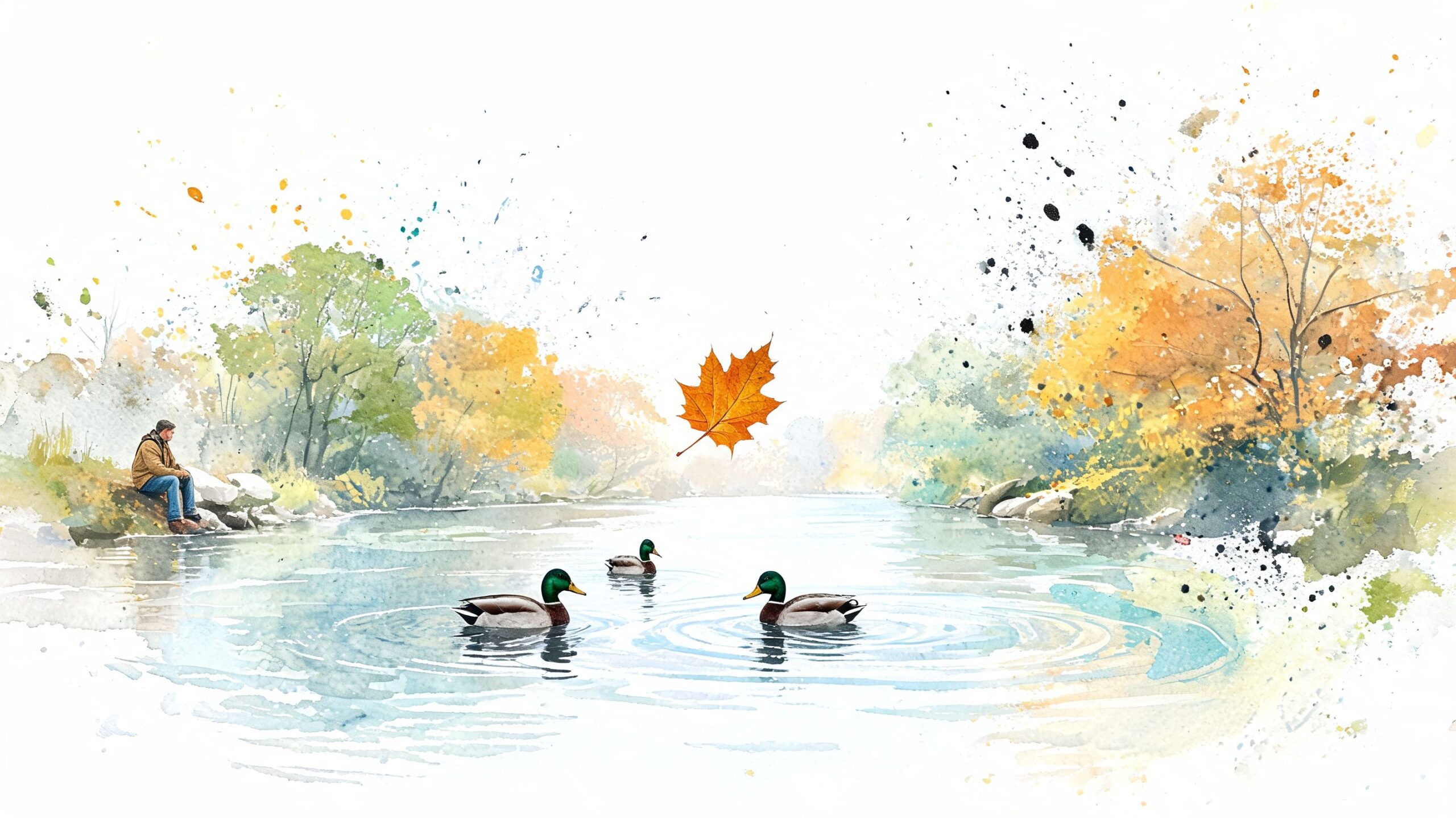
    A scenic watercolor painting of a man sitting by a tranquil river with ducks and falling leaves.

    That is part of the trail's hold on people. You do not get one fixed version of the dupage river greenway trail. You get a corridor that shifts from wetland hush to open river light, from green abundance to bare winter structure. Come often enough and you start recognizing not just scenery, but patterns. Where floodwater leaves a line of plastic. Where ducks gather when the current slows. Which patch of prairie looks ordinary in July and catches low gold light in October.

    Spring and summer on the trail

    Spring has loose edges. Water slips out of its usual lines. The soil gives off that cold, rich smell that says the ground is working again. Trees have not leafed out enough to hide everything, so you can watch the river and the brush at the same time.

    For cleanup walks, spring is honest. Winter exposes what people dropped and what water carried in. A volunteer group can cover a short stretch and come away with a clear result, lighter banks, cleaner shoulders, one less mess working its way downstream. That kind of morning changes people. A teenager who showed up because a parent made them starts asking for a second bag. A neighbor who came for exercise starts noticing the same problem spot every week.

    Summer tells a different story. Shade starts to matter. The trail grows louder with tires, footfalls, bird calls, and families moving toward the next bend. Hidden Lakes Historic Trout Farm adds another layer to the experience. You feel the age of human use here, not as a museum lesson, but as a reminder that this corridor has always been shaped by hands, choices, and care.

    I like summer evenings best. The heat backs off. Swallows cut across the water. Someone up ahead slows at the river and points something out to a child. If you are carrying gloves and a few spare bags, that is often when a casual walk turns into a small act of service.

    Fall and winter change what you notice

    Autumn sharpens attention. Leaves scrape over the pavement. Gaps open in the greenery, and the river shows itself again. Seed heads dry out, grasses fade, and the whole corridor starts speaking in texture instead of lush color.

    It is a good season for people who want to train their eyes.

    You can spot the places where wind gathers cups and wrappers. You can see where a recent rain pushed debris into brushy corners. You can also see beauty with less competition around it. A heron at the edge of dark water. Sunlight on reeds. One yellow cottonwood leaf stuck to wet pavement like it was placed there on purpose.

    Winter strips the trail down even further. Branches draw clean lines against the sky. Wetlands go quiet. Snow, when it comes, turns every tossed object into a bright accusation. A red glove, an aluminum can, a torn snack wrapper. If you have ever wanted to show a new volunteer why stewardship matters, take them out after a snowfall. The river corridor makes the lesson plain.

    This video catches some of that river-trail feeling in motion.

    What I tell people to notice

    The people who build a real bond with this trail usually start by paying attention in specific ways.

    • Listen for seasonal sound shifts: Bare branches rattle differently than full summer canopy, and wetlands carry bird calls farther on cold mornings.
    • Study the margins: Reeds, muddy edges, brush piles, and grassy shoulders hold wildlife sign, flood debris, and the litter that cleanup crews can remove in one outing.
    • Pause where habitats meet: Open water beside woodland or prairie beside wet ground changes the feel of the trail fast. Those transition points often become the most memorable stops.
    • Read ordinary objects closely: A cluster of drifted cans, a line of seed heads bent one direction, duck tracks in soft mud. They show how wind, water, and people move through the corridor.

    Some of my strongest days on this trail started under a flat gray sky. A cold afternoon can make one patch of sunlight feel like a reward. A quiet winter walk with a half-full trash bag can do more for your mood than a perfect-weather stroll where you notice nothing.

    That is why I keep coming back with both curiosity and work gloves. The dupage river greenway trail gives you beauty, but it also gives you a chance to leave a stretch of river better than you found it. For a lot of us, that is where the deeper part begins.

    Planning Your Hike Bike or Run

    People get stuck because they ask the wrong question. They ask, what's the best way to do the dupage river greenway trail? There isn't one best way. There's only the best fit for the day you have.

    I like to plan by energy, company, and purpose. That keeps the route honest.

    Three outing blueprints

    The easy family walk

    Start from a known access point with restrooms. Keep the distance short enough that curiosity stays ahead of complaints. Let kids stop at bridges, water edges, or open views. If they want to pick up a stray wrapper with gloves on, even better. They'll remember doing something, not just being taken somewhere.

    The steady run

    Use a clean out-and-back from a simple trailhead. Don't make your training run a navigation challenge. A paved path helps you lock into rhythm, and a river corridor gives your mind something to follow when your legs start bargaining with you.

    The bike spin

    This works best when you want flow rather than technical riding. Check your tires, bring water, and ride with enough patience to share the trail well. River trails reward people who can soften their speed now and then and see where they are.

    A simple decision table

    If your day looks like this Choose this style
    You have under two hours Short out-and-back from a known parking area
    You want low stress Walk or easy ride on a paved segment
    You need training structure Repeatable run with a clear turnaround
    You're bringing new people Start where restrooms and parking are easy
    You want more meaning Bring gloves and carry out a little litter

    The plan I use most often

    My favorite trail plan is humble. I arrive with water, one extra layer, and enough time to not rush. I walk first, because walking teaches me the day. If the trail feels lively and my body feels good, I stretch the outing. If wind, mud, or crowds make the path feel off, I keep it shorter and enjoy what's there.

    That approach almost always beats overplanning.

    Field note: Leave room for the trail to make one decision for you. Maybe you stop longer by the river. Maybe you turn around early. Maybe you bring home a bag of trash instead of chasing distance.

    That flexibility is what turns a route into a practice. You stop trying to conquer the trail and start learning how to return to it well.

    Become a Guardian of the Greenway

    The shift from user to caretaker is small on paper. In real life, it changes everything.

    You walk a trail one day and notice a bottle in the reeds. The next time, you bring gloves. After that, you start carrying an extra bag in your car. Soon the trail is no longer just a place you visit. It's a place you help.

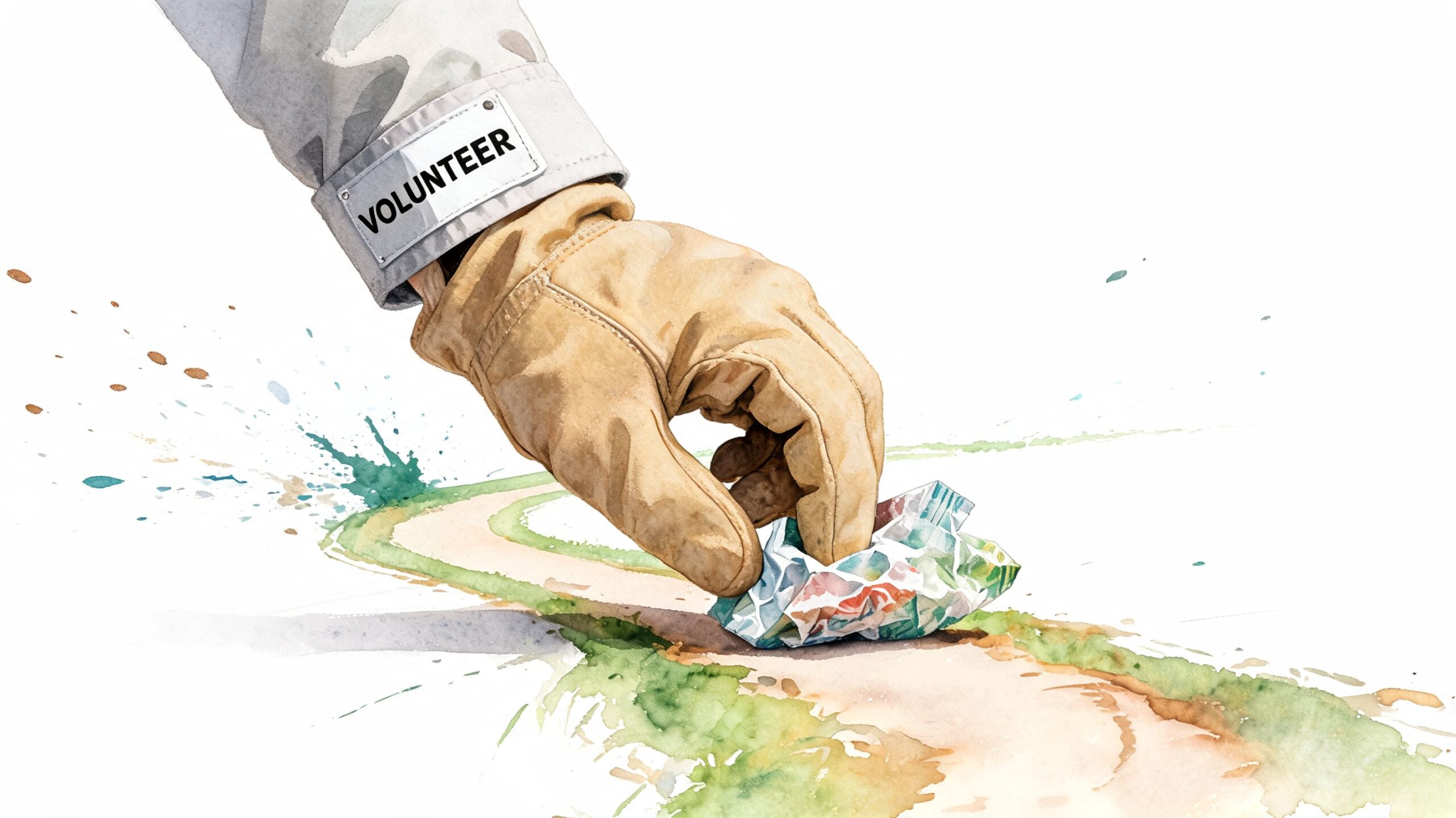
    A volunteer wearing a work glove picks up litter from a painted watercolor greenway trail path.

    The practical case is clear. Trail guides usually focus on scenery and recreation, but the DuPage River Greenway overview on Komoot notes a gap in public information about litter patterns and seasonal cleanup needs, even though the route is described there as an expanding 42-mile regional corridor. That means ordinary volunteers can do useful work by noticing what glossy guides skip.

    Why cleanup work changes you

    I've seen this happen again and again. Someone shows up thinking they're doing a small good deed, and halfway through the morning they look different. More alert. Less self-absorbed. More rooted.

    Cleanup work is physical and simple. Bend. Grab. Sort. Bag. Repeat. That rhythm can quiet a noisy mind. It also gives you fast proof that your effort mattered. A patch of trail that looked ignored now looks cared for because you were there.

    There's something else too. Picking up trash strips away the fantasy that caring for public space is somebody else's job. It becomes your job, at least for an hour.

    A clean stretch of trail feels good. Being one of the people who made it clean feels better.

    How to run a small cleanup well

    You don't need a giant operation to do this. A tiny, well-run outing beats a messy big one.

    Here's the setup I trust:

    • Bring the right gear: Work gloves, sturdy trash bags, water, closed-toe shoes, and a grabber if you have one. A five-gallon bucket can help with glass or awkward items.
    • Keep the group small at first: Two to six people is easy to manage. You can communicate clearly and stay aware of each other.
    • Work one short segment: Don't spread out across the whole trail. Pick a manageable stretch and do it thoroughly.
    • Stay visible and cautious: Watch for bikes, runners, slick shoulders, and any trash near water or roads. Skip anything that feels unsafe to retrieve.
    • Sort your ending before you start: Know where bags will go after pickup. Nothing kills momentum like a full trunk and no disposal plan.

    The mindset matters as much as the bags

    If you treat cleanup like punishment, people feel it. If you treat it like a mission with a little pride and a little play in it, people come alive. I always think of Tom Sawyer and the fence. Energy is contagious. So is reluctance.

    You want bravery, but not recklessness. Kindness, but not chaos.

    A good cleanup leader does four things well:

    1. Names a meeting point clearly
    2. Brings extra gloves
    3. Keeps people away from risky spots
    4. Ends while everyone still feels good

    That last one matters. Finish with a win, not exhaustion.

    If you want ideas for making river cleanups safer and more organized, this practical guide on how to clean up rivers is a useful companion mindset. Keep the plan simple. Respect the water. Protect volunteer energy.

    What to expect from your first one

    Your first cleanup probably won't feel cinematic. It may feel awkward. Someone will ask where to put cigarette butts. Somebody else will find something weird. You might spend more time talking than collecting. That's okay.

    The point isn't perfection. The point is beginning.

    A trail doesn't need your grand theory. It needs your hands, your time, and your willingness to care for one small piece of it today.


    If this kind of work calls to you, Litter Caterpillars is a good place to find people who treat cleanup as adventure, friendship, and real service. Join a weekend effort, bring your gloves, and see what happens when you leave a place better than you found it.

  • 7 Volunteer Opportunities for 17 Year Olds

    7 Volunteer Opportunities for 17 Year Olds

    When I was 17, I felt like my life was a messy room I couldn't clean. Every choice felt huge, and finding friends who cared about the same things I did seemed impossible. I just wanted to do something real.

    It turned out that cleaning up someone else's mess was way easier than cleaning up my own. That was my back door into purpose. I showed up, grabbed a trash bag, and met the kind of people who didn't just talk about caring. They woke up early and proved it.

    If you're looking for volunteer opportunities for 17 year olds, I want to make this simple. You do not need a perfect résumé, a polished speech, or some grand life mission. You need one place to start.

    The good news is that teens already show strong interest in volunteering. In the American Red Cross State of Gen Z Volunteerism Study, 13 to 17 year olds were substantially more likely to be actively volunteering than 18 to 25 year olds, and 62% reported weekly or monthly participation.

    That tracks with what I've seen. Seventeen is an age where you're old enough to care strongly and young enough to still jump in before cynicism hardens. So let's skip the school-counselor pamphlet voice and get to what's important.

    1. Litter Caterpillars

    Litter Caterpillars

    One Sunday morning, I watched a teenager in work gloves drag a bag of cans and fast-food wrappers to the curb, step back, and grin at a sidewalk that looked human again. Nobody handed out a certificate. Nobody made a speech. The reward was right there on the ground. A block people had given up on looked cared for again.

    That feeling is why Litter Caterpillars stands out for 17-year-olds. You do the work yourself, you see the difference right away, and you meet people who would rather show up than posture online.

    Why this one feels different

    Litter Caterpillars is a volunteer trash pickup group in Chicago. Kevin Tao started it from a personal low point and turned that energy into weekly cleanup work across all 50 wards. Weekend after weekend, the group goes into places many people pass by without seeing, or see and avoid.

    A lot of teen volunteering keeps you close to the edges. You check people in, stack papers, or help from a safe distance. Here, you are on the block holding the bag, picking up the bottle, and leaving a place better than you found it. That changes how service feels. It stops being a résumé line and starts feeling like ownership.

    Such a great way to kick off a Sunday!

    The group also has a personality, and that matters more than adults sometimes admit. Flags, badges, meetup posts, group chats, even a theme song. On paper, that can sound silly. In real life, it gives people something to belong to. You are not just doing a task. You are joining a crew.

    What you get from showing up

    The barrier to entry is low. You do not need experience. You do not need to be the loudest person there. You just need to come ready to work.

    For a 17-year-old, a few things stand out:

    • You can see the result: One hour of effort can change a sidewalk, alley, lot, or bus stop in a way you can point to.
    • The routine helps: Weekend morning cleanups make volunteering part of your life instead of a one-off thing you forget by Tuesday.
    • Friendships form faster: Walking, hauling, and joking around over a gross pile of trash is a more natural way to connect than forced icebreakers.
    • You build grit: Cold mornings, wet gloves, heavy bags. You learn you can do harder things than you thought.

    They have also pulled off projects that feel bigger than a typical service club outing. The group cleaned a highway during a bike-event shutdown. It also won an empty lot at auction, which became Caterpillar Park in Englewood. That is what I mean by real civic action. You are not helping from far away. You are changing the shape of a place.

    If you want a fuller picture of how service work can affect school, confidence, and direction, this guide on the benefits of volunteering for students is worth reading.

    Practical rule: Pick volunteer work with a clear before and after. It is easier to stay committed when you can see what your effort did.

    The tradeoff is pretty simple. This is outdoor, physical volunteering, and the schedule is built around weekend mornings. Litter Caterpillars is also not a formal 501(c)(3), so that may matter if you need a very traditional setup for paperwork. If you want service that feels real in your body, your neighborhood, and your friend group, this one is hard to forget.

    2. American Red Cross Youth and Young Adult Volunteers

    American Red Cross, Youth & Young Adult Volunteers

    Some people want a clear system. Sign up, train, get placed, learn the ropes. If that sounds like you, American Red Cross Youth Opportunities is a strong fit.

    I think of Red Cross as the friend who's always early and always brings a plan. You know where to go, what to do, and who you're helping.

    Best for teens who like structure

    At 17, you can get involved through local chapters, school-based Red Cross Clubs, and youth leadership tracks. A lot of teen-friendly roles revolve around blood drive support, preparedness education, and chapter projects.

    That structure can feel good when life already has enough chaos. You log into the volunteer portal, see openings, and move forward without guessing what the next step is.

    Here are the parts I like most:

    • Training is built in: You don't have to fake confidence on day one.
    • Leadership paths are real: Clubs and youth councils can keep you involved longer than one event.
    • School-friendly credibility: Service hours from a familiar organization are usually easy to document.

    Some roles do have age limits. Field disaster roles and some positions with extra screening often begin at 18, and minors usually need parent or guardian consent. So if your dream is jumping straight into emergency deployment, this probably won't scratch that itch yet.

    If you're nervous about starting, a structured volunteer system can be a gift. You don't need to invent your own path on day one.

    This is a good choice for a 17-year-old who wants people skills, consistency, and a recognizable organization without having to build everything from scratch.

    3. Habitat for Humanity local affiliates

    I still remember the first time I helped carry supplies on a workday like this. I wasn't some natural builder. I mostly worried I'd hold the wrong thing, stand in the wrong place, or look clueless. Then someone handed me a task, showed me how to do it, and five minutes later I felt useful.

    That's the magic of Habitat for Humanity volunteer opportunities. You walk onto a site unsure of yourself, and by the end of the shift you're talking like part of the crew.

    If you like team projects and tangible work

    Local Habitat affiliates often let teens ages 16 and 17 volunteer on build sites with safety restrictions. If the construction side isn't open to you at your location, many affiliates also have ReStore, garden, or office support roles. Parent or guardian waivers are usually part of the process.

    I like Habitat because the work has weight to it. You're not guessing whether your time mattered. Walls go up. Spaces get cleaned. Materials get sorted. Something physical moves forward because people showed up.

    A few things make this one especially good:

    • Hands-on learning: You can build practical confidence even if you've never touched a jobsite before.
    • Strong teamwork: It's hard to stay shy when you're solving small problems together.
    • Different entry points: ReStore and support roles help if your local site has stricter age rules.

    If you're still looking around and comparing options, this guide on how to find volunteer work is useful. It helps you think beyond whatever your school happened to mention.

    The tradeoff

    Age restrictions are real here. Teens usually can't do every task. Roofing, some ladder heights, and power tools may be off-limits. Build schedules also vary by affiliate, and some shifts may land on school days.

    That said, if you want your volunteer work to feel like joining a jobsite with a purpose, Habitat is one of the strongest picks on this list.

    4. Feeding America food banks and pantries network

    Feeding America, Food Banks and Pantries Network

    Food bank volunteering has a rhythm to it. Open box. Sort cans. Pack produce. Slide the next crate over. Talk while your hands keep moving. I love that kind of work because awkwardness burns off fast when everyone is focused on the same simple task.

    That's why Feeding America volunteer options are great for teens who want a straightforward way in.

    Good for busy schedules

    Feeding America's network connects you with local food banks and pantries. A lot of sites run short shifts that fit around school, sports, or a part-time job. Common roles include sorting food, repacking items, assembling boxes, and helping with distribution.

    This one is especially useful if your week already feels packed. You can often find shorter volunteer blocks instead of making a huge commitment right away.

    What I like:

    • Easy to learn: Most shifts don't need much training.
    • Quick sense of momentum: You can process a lot of food in one session.
    • Group friendly: This is an easy one to do with classmates, siblings, or teammates.

    The main catch is local variation. Some food banks let 16 and 17 year olds volunteer independently, while others have different rules. Mobile distributions and special events may also have stricter age requirements.

    My advice: Call or check the local calendar before you get attached to a shift. National networks are helpful, but local rules decide your actual experience.

    If you want volunteer opportunities for 17 year olds that are practical, steady, and easy to start, food banks are hard to argue with.

    5. Special Olympics event and season support

    This one has heart in a very direct way. You don't need to make a speech about inclusion to feel it. You feel it when you hand someone a medal, keep score, cheer from the sideline, or help an event run smoothly so athletes can have their moment.

    Special Olympics volunteer roles are great if you like sports, high-energy events, and being around people who are there to support each other.

    A social option that doesn't feel fake

    Depending on the state program, teens can often help with scorekeeping, escorting, awards, health support, and season roles. Unified Champion Schools can also give high school students a way to volunteer and participate alongside athletes.

    I like this option for teens who want people-centered service without having to force conversation. The event gives you a job. The job gives you a reason to connect. That makes everything easier.

    A few reasons this one works well:

    • You can start small: One-day events are perfect if you're testing the waters.
    • You can stay longer: Season support can turn a one-time experience into a real commitment.
    • The energy is high: If you hate quiet, formal volunteer settings, this is a breath of fresh air.

    What to watch for

    Some roles and major events require volunteers to be 18 or older, and some teen volunteers need an adult chaperone depending on the event. Always check the state chapter page before signing up.

    If you're the kind of person who comes alive around games, teamwork, and loud encouragement, this one can feel less like volunteering and more like joining a community event that needs you.

    6. National Park Service Volunteers in Parks

    National Park Service, Volunteers-In-Parks (VIP)

    Some volunteer work happens under fluorescent lights. Some happens with dirt on your shoes and sap on your hands. If you need air, sunlight, and a reason to get off your phone for a few hours, look at the National Park Service volunteer program.

    I think outdoor service has a special kind of honesty. A trail either got cleared or it didn't. The weeds either came out or they didn't. You don't leave wondering if you helped.

    For teens who want outside work

    The National Park Service places volunteers across more than 400 parks and sites. Roles can include trail work, habitat restoration, visitor services, and historic site support. Many parks accept minors with written parent or guardian consent, though age rules change by park and project.

    That variety is the big draw here. Maybe you want to restore habitat. Maybe you want to help visitors at a historic site. Maybe you just want to spend a Saturday doing physical work somewhere beautiful and quiet.

    Why I like it:

    • You get outside: That alone can reset your whole mood.
    • The work sticks in your memory: Trail and restoration days usually feel more vivid than indoor paperwork.
    • There are different commitment levels: Some projects are one-day cleanups, while others are ongoing.

    The downside is inconsistency. Each park has its own rules, forms, and task limits for volunteers under 18. Some equipment and duties are restricted.

    If your ideal volunteer day includes gloves, fresh air, and coming home pleasantly tired, this belongs high on your list.

    7. DoSomething.org online and local teen campaigns

    DoSomething.org, Online and Local Teen Campaigns

    Sometimes you want to help, but transportation is messy, your schedule is weird, or you're not ready to walk into a room full of strangers yet. I get that. Starting small still counts.

    That's where DoSomething.org comes in. It builds campaigns for young people ages 13 to 25 that you can do from home, at school, or in your local area.

    Best when you need flexibility

    DoSomething.org runs mobile-friendly campaigns around issues like climate action, mental health, civic engagement, and cleanup work. You can complete actions on your own or with friends, then document your work through the platform. Some campaigns also come with scholarship opportunities for participants who complete the required submissions.

    I like this option because it lowers the pressure. You don't need a ride across town. You don't need to commit to every Saturday morning. You can begin where you are.

    Here are the upsides:

    • Very easy to start: Great for shy teens or overloaded schedules.
    • Self-paced: You work around school, sports, or family obligations.
    • Good as a bridge: Online action can build confidence before you join in-person volunteering.

    If you're trying to move from intention to action, this guide on how to start volunteering is a good companion. It helps if you've been stuck in the "I should do something" phase.

    Where it falls short

    This usually won't replace the feeling of showing up in person with a crew and doing physical work side by side. A lot depends on your own follow-through and whether you complete the documentation process.

    Still, for volunteer opportunities for 17 year olds, this is one of the easiest entry points on the internet. Sometimes the smallest open door is the one you walk through.

    7 Volunteer Opportunities for 17-Year-Olds, Quick Comparison

    Program Implementation complexity 🔄 Resource requirements ⚡ Expected outcomes 📊 Ideal use cases 💡 Key advantages ⭐
    Litter Caterpillars Low formal complexity; ongoing volunteer coordination (weekly) 🔄 Minimal funding; volunteer time, basic cleanup supplies ⚡ Visible neighborhood cleanup, community projects like parks 📊 Hands-on local cleanup, community-building in Chicago Strong volunteer culture, consistent grassroots impact ⭐
    American Red Cross, Youth & Young Adult Volunteers Moderate; structured onboarding, training, and policies 🔄 Chapter staff, training materials, background checks for some roles ⚡ Skill development, recognized service hours, leadership pathways 📊 Teens seeking structured roles, resumes, school service credit Nationwide network, standardized curricula, high credibility ⭐
    Habitat for Humanity (local affiliates) Moderate; site safety protocols, waivers, supervised builds 🔄 Tools, safety gear, affiliate staff; non-construction roles require less equipment ⚡ Tangible housing contributions, practical skills, service hours 📊 Group builds, students wanting hands-on construction experience Hands-on builds with lasting community impact ⭐
    Feeding America, Food Banks and Pantries Network Low; short shifts with brief orientation 🔄 Minimal equipment; space for sorting/packing and volunteer coordination ⚡ High-throughput food distribution; measurable meals/boxes processed 📊 Flexible, short shifts for students and families Low barrier to entry, frequent opportunities, clear impact ⭐
    Special Olympics, Event and Season Support, Unified Sports Low–moderate; role-specific briefings and occasional clearances 🔄 Event materials, volunteer training, possible chaperones for teens ⚡ Inclusive sports support, social inclusion, event success metrics 📊 Sport-minded volunteers, one-day events or season commitments Inclusive environment, mix of one-off and recurring roles ⭐
    National Park Service, Volunteers-In-Parks (VIP) Moderate; park-specific rules, permits, and consent forms 🔄 Outdoor tools, supervision, travel/logistics to park sites ⚡ Environmental stewardship, hands-on conservation learning 📊 Trail work, habitat restoration, visitor services, family days Wide variety of roles across many parks; strong stewardship focus ⭐
    DoSomething.org, Online and Local Teen Campaigns Low; online campaigns and self-directed actions 🔄 Minimal, internet access and participant time; optional materials ⚡ Youth engagement, awareness campaigns, possible scholarship recognition 📊 Remote or flexible volunteering, campaign-based activism Very low barrier, youth-focused, scalable digital reach ⭐

    Your First Step Is the Best Step

    Look, fear and failure are good. They push you forward. Showing up to a new place with new people is scary, and I don't want to pretend otherwise. I still feel that weird flutter before I join anything new.

    But that's where the best stories begin. You step onto a sidewalk with a trash grabber. You walk into a food bank warehouse and don't know anyone. You arrive at a build site, a park project, or a sports event, and for the first ten minutes you wonder if you made a mistake. Then someone hands you a task. Then you help. Then the day starts moving.

    The Bureau of Labor Statistics data discussed in Tobi Johnson's write-up on recruiting young volunteers noted that 16 to 19 year olds had a 26.4% volunteer rate in 2015, compared with 18.4% for ages 20 to 24. That feels believable to me. At 17, you're at this strange, powerful age where you're still open enough to jump in and old enough to matter right away.

    I also like one point from that same write-up. It notes that 44% of adult volunteers began in adolescence, and they were twice as likely to continue if they started young. I wouldn't use that as pressure. I'd use it as permission. You do not need to have your whole life figured out. You just need to start practicing being the kind of person who shows up.

    Tom Sawyer got punished and had to paint a fence. He could've sulked. Instead, he made it look fun enough that other people wanted in. That's closer to real volunteering than is often acknowledged. The trick is finding pride in the work and fun in the effort.

    So pick one. Join the cleanup. Pack the boxes. Show up for the athletes. Clear the trail. Build the wall. Run the campaign. Send the email today, not next week.

    Your story is waiting for the next page. Are you bold enough?


    If you want the kind of volunteering that gets you outside, gets you moving, and helps you find your people fast, join Litter Caterpillars. Show up on a weekend morning, grab a bag, and watch how quickly a stranger can become a teammate.

  • Canoeing Illinois River: Plan Your 2026 Trip

    Canoeing Illinois River: Plan Your 2026 Trip

    The first time I planned a canoe trip on the Illinois River, my apartment looked like a stalled garage sale. Dirty mugs. Half-packed bags. A chair buried under clothes. I remember tracing a route on my phone and feeling, for the first time in weeks, like one small part of my life could move forward.

    Why a River Trip Can Fix More Than You Think

    I didn't get into canoeing because I had my life together. I got into it because I didn't.

    Back then, every mess in my room felt weirdly heavy. A crumpled receipt had history. An old jar in the fridge had a story. I could walk past the same clutter for months and feel myself shrinking around it. Then one weekend I borrowed a canoe, picked a stretch of river, and started planning food, dry layers, a shuttle, and a launch time. That tiny bit of order felt like opening a stuck window.

    A serene woman canoeing on a calm river with a surreal abstract collection of objects floating above.

    A canoe trip gives your brain one job

    When you go canoeing illinois river routes, your mind stops trying to solve your whole life at once. It starts dealing with simple things.

    • Where do I put in
    • Did I tie down the dry bag
    • Is the wind picking up
    • Can I hold a straight line across this bend
    • Did I leave this shoreline cleaner than I found it

    That's a gift. Real life gets muddy because everything stacks at once. On a river, problems come one at a time.

    I still remember one rough outing when the weather flipped fast and our easy day got teeth. The sky darkened, the water changed color, and every loose item in the canoe suddenly mattered. We laughed because we had to. We worked because we had to. By the take-out, I felt more alive than I had all month.

    Practical rule: A hard day outside often clears your head better than an easy day indoors.

    That's why I'm so drawn to paddling with a cleanup mindset. Cleaning someone else's mess can wake something up in you. It's strange, but true. You pull a bottle from the reeds, tuck it in a bag, and some part of your own mind gets lighter too.

    The river strips life down to truth

    A canoe doesn't care about your excuses. It answers the way truth answers. If you lean wrong, it tells you. If you pack badly, it tells you. If you panic, it tells you. But if you stay calm and adjust, it rewards you fast.

    That's what changed me. Not some huge breakthrough. Just repeated small moments of doing the next brave thing.

    If you feel stuck, plan a river day. Pack your lunch. Text a friend. Choose a launch. Commit to the weather unless it's unsafe. Let the trip be simple. Let it be imperfect.

    You don't need a dramatic reinvention. You might just need a paddle in your hands and a few quiet miles where your only job is to move forward.

    Choosing Your Illinois River Adventure

    The Illinois River has more than one personality. Some stretches feel reflective and roomy. Others feel busier, louder, and more technical because of boat traffic, access gaps, dams, or wind. I like that. A river with only one mood gets flat.

    The Illinois River in Illinois is 273 miles long, and paddling guides describe its average flow as 1 MPH, slow enough that you can paddle upstream without extreme effort, though headwinds can stop you cold and speedboat traffic can swamp an inattentive canoe (Illinois River paddling notes). That tells you a lot before you ever touch the water. This isn't a wild whitewater charge. It's a route that asks for patience, awareness, and honest trip planning.

    An infographic titled Illinois River Adventure Planner showing three sections: Upper, Middle, and Lower river areas.

    Upper river mood

    If you want your first canoeing illinois river day to feel like a reset button, I'd start on an upper stretch with easy access and a modest turnaround plan. I like this kind of trip for people who want to hear birds, test their stroke, and still get tacos before dark.

    The upper feel is simple. Launch, settle in, learn your boat, and don't chase mileage. Because the current is slow, an out-and-back can work when the wind is calm. If the breeze stiffens, turn that pride into wisdom and head back early.

    A short day trip works well when you:

    • Need a confidence builder and want time to practice steering
    • Paddle with a new partner and need to learn each other's rhythm
    • Plan to pick up litter along banks and eddies without rushing

    If you want another nearby water-based volunteer idea before committing to a longer river day, I like the spirit behind Fox River Valley cleanup and exploration.

    Middle river feel

    The middle sections have more mixed energy. You may pass marinas, dams, islands, ferry activity, and industrial edges. I don't say that to scare you off. I say it because some paddlers love a river that feels lived-in. You see the working parts, the rough edges, the pretty corners, and the weird transitions all in one day.

    I would recommend this location to an intermediate paddler who wants a fuller story. Not polished. Real.

    The middle river teaches you how to keep your own calm when the water around you gets busy.

    For this kind of run, I plan a one-way shuttle if I can. Slow current doesn't mean no effort. A long upriver grind into headwind can turn a peaceful day into a grumpy march.

    Lower river appetite

    A lower stretch asks for more patience. The river gets wider, the exposure grows, and your margin for sloppy decisions shrinks. You can still have a beautiful trip there, but you need to respect distance, weather, and motor traffic.

    Here's how I choose between trip styles:

    Trip style Best for What it feels like
    Short day float Beginners, mixed groups, cleanup paddles Calm, forgiving, low-pressure
    Medium one-way run Intermediate paddlers Steady work, more variety
    Multi-day expedition Strong planners with self-rescue skills Deep focus, long rhythm, bigger reward

    The old trade-route history of the Illinois River is interesting, but what matters most in your boat is this: choose a stretch that matches your attention span, your partner, and the weather you're getting. Not the weather you hoped for three days ago.

    Gearing Up for Self Reliance on the Water

    I learned the value of good gear the embarrassing way. I once packed like I was going to a picnic near water instead of onto water. Loose snacks. Phone in a cheap pouch. Spare shirt wrapped in a grocery bag. By lunch I had wet sleeves, a damp map, and the kind of regret that sticks to your skin.

    Self-reliance starts before launch. It starts on the floor while you pack.

    Canoeing equipment including a life vest, map, multi-tool, and compass held by a hand on white background.

    The gear I won't skip

    I keep my core kit boring on purpose. Fancy gear is fun. Reliable gear gets you home.

    • PFD you will wear. If it rubs your neck raw, fix that before trip day.
    • One good paddle plus a spare if possible. A broken paddle turns a mellow float into a problem.
    • Dry bags for clothes, phone, food, and first-aid items.
    • Throw rope and whistle for basic safety.
    • Water and salty food because bad decisions show up fast when you're thirsty.
    • Sun layer and rain layer because rivers make fools out of weather apps.
    • Work gloves and sturdy trash bags if you plan to do any cleanup.
    • Map screenshot or printed route notes in case your battery dies.

    I'm picky about how I pack. Heavy stuff low. Things I may need fast near the top. Nothing important loose.

    Small systems beat strong intentions

    On some designated scenic rivers, managers require coolers under 52 quarts to be locked to prevent spills, and they provide free trash bags at access points. I think that's smart and worth copying anywhere you paddle, including Illinois River trips (scenic river safety and waste rules).

    That one rule says a lot. Don't trust good intentions. Build a system.

    Here's my simple packing system for canoeing illinois river outings:

    1. Clip it or lose it
      I attach dry bags, water bottles, and small tackle pouches to fixed points. If we tip, I want recovery, not a scavenger hunt.

    2. Separate wet from dry
      Rain jacket and gloves live together. Food and spare clothes stay elsewhere. A soaked granola bar is a sad little lesson.

    3. Give trash its own zone
      If I'm doing a cleanup paddle, I bring one bag for litter and one bag for my own waste. Mixing them gets gross fast.

    After I started using tighter systems, I stopped feeling fragile on the water. That matters. Confidence doesn't come from hype. It comes from knowing where your knife, whistle, and snack are when things get annoying.

    For urban paddlers who want another angle on getting started, Chicago kayak options and city-water perspective can spark ideas.

    Watch someone pack with intention

    Seeing gear laid out well helps more than reading a list. This video is worth a look before your trip.

    Bring less than you want, and secure more than you think you need.

    That's the whole game. Pack so that a surprise swim becomes a story, not a rescue.

    Navigating with Bravery and Awareness

    Fear by itself doesn't keep you safe. Attention does.

    I've seen people freeze up around rivers the same way they freeze up driving downtown in heavy traffic. They stare at every possible problem at once and stop making clean decisions. The better approach is calmer. Read one thing at a time. Current. Wind. Other boats. Shoreline hazards. Your partner's energy.

    Popular recreational rivers can pull in hundreds of thousands of visitors annually, and when each person spends over $50 per trip on average, you know the water can get busy and shared fast (Oklahoma Illinois River management plan). The exact setting differs from Illinois, but the lesson carries well. On a crowded river, awareness is part of courtesy.

    Read the obvious signs first

    You do not need mystical river intuition. You need a checklist and the humility to use it.

    Check Item What to Look For
    Weather Wind direction, storm risk, temperature swing
    Water traffic Speedboats, ferries, anglers, marina zones
    Access point Safe launch footing, parking rules, clear take-out
    Boat trim Weight centered low, gear secured, no loose clutter
    Safety gear PFD on, whistle reachable, phone protected
    Route hazards Dams, bridge pinch points, debris, shallow bars
    Group readiness Everyone knows signals, distance, and turnaround plan

    I run through this before every launch, even on easy days. Especially on easy days. Complacency loves familiar water.

    Boat traffic changes your job

    On the Illinois River in Illinois, speedboats and commercial activity can create a noisy, busy day. Your move is simple. Stay predictable. Cross channels decisively. Don't drift sideways where fast traffic expects a clean line.

    A canoe feels small when a wake rolls at you. That's normal. Point the bow into the wake at an angle you can manage, keep paddling, and avoid turning broadside at the last second. Most trouble comes from hesitation.

    River habit: Be visible, be steady, and don't make mystery moves.

    I treat dams the same way I treat bad intersections in the city. I don't flirt with them. I identify them early, leave space, and decide in advance where I'm going.

    Bravery is calm, not loud

    The brave paddler isn't the one who jokes away every hazard. It's the one who admits the river is real and responds cleanly. If wind starts pushing you off line, say it out loud. If your partner looks tired, stop sooner. If debris fields look messy after rain, back off and choose a simpler lane.

    Submerged logs deserve respect. So does lightning. So does exhaustion.

    I've had days when turning around felt like failure for about five minutes. Then I got back to the car dry, safe, and still interested in paddling next weekend. That's not failure. That's how you build a long life outdoors.

    Turning Your Paddle into a Purpose

    Some of my favorite river moments didn't come from distance. They came from drifting into a quiet pocket behind a bend, spotting a bottle wedged in roots, and deciding to do something about it.

    That small decision changes the whole feel of the trip. You stop being a visitor and start acting like you belong there.

    A hand holds a mesh bag over water filled with plastic waste and a wooden canoe paddle

    Illinois has thousands of miles of waterways affected by urban runoff, and floating trash is an increasing problem. At the same time, there's very little practical guidance for paddlers on safely dealing with submerged or floating litter (Illinois River Watershed Partnership event notes). That gap is where ordinary volunteers can do real, grounded work.

    Start small and stay stable

    A canoe cleanup is not a stunt. It's a slow, careful job.

    I use a simple rule. If collecting the trash will make the boat less stable than leaving it, I leave it. No bottle is worth a swim near debris. No tire is worth pinning a canoe against a log.

    Here's the method I trust:

    • Wear gloves from the start. Don't wait until you see something gross.
    • Use a grabber for reach when an item is near brush or murky edges.
    • Keep one bag open and one bag tied down. The open bag is active. The spare is backup.
    • Collect light trash first like bottles, wrappers, cups, and foam pieces.
    • Skip sharp metal, tangled line, or half-submerged junk unless you can handle it from solid ground.

    That last point matters. River litter lies to you. A floating object may be attached to wire, roots, or something sharp below the surface.

    How to manage trash in a canoe

    The trick isn't picking trash up. The trick is carrying it without turning your boat into a rolling dumpster.

    I like this setup:

    Item Where I keep it Why it works
    Active trash bag Clipped near stern or center Easy to reach, hard to lose
    Gloves Pocket or top hatch Fast access
    Grabber Along gunwale under bungee Doesn't slide around
    Hand sanitizer Small side pouch Quick cleanup before eating
    Heavy finds Low and centered Keeps trim steady

    I also separate recyclables only if the launch or take-out has a clear disposal path. If there's no way to sort it well at the end, I focus on safe removal first.

    You don't need to clean the whole river. You need to leave one stretch better than you found it.

    That mindset keeps people coming back. Overreach burns volunteers out. A modest, repeatable cleanup builds pride.

    If you want a practical companion piece to this approach, I like this river cleanup guide for thinking through what to bring and how to stay useful.

    What to leave alone

    Some things should stay right where they are until a better-equipped crew handles them.

    • Hazardous containers with unknown liquids
    • Needles or broken glass in unstable footing
    • Large tangled loads wrapped around branches
    • Anything that forces you to lean hard outside the boat

    I know the urge. You see a nasty mess and want to attack it. But discipline is part of service. A safe volunteer can come back next week. An injured one can't.

    Bring the River Home With You

    After a good paddle, I always notice the same thing on the drive back. My problems don't disappear. They just shrink back to their real size.

    That's enough.

    You spend a few hours reading water, making decisions, carrying your own gear, maybe hauling a bag of trash to the take-out, and suddenly your regular life feels more manageable. The sink full of dishes looks less like a curse and more like ten minutes of work. The hard text you need to send feels sendable. The neighborhood block you usually hurry past starts to feel like your block again.

    The part that changes you

    The true gift of canoeing illinois river trips is repetition. You launch a little unsure. You adjust. You face wind, clutter, noise, mud, or a sore back. Then you finish anyway.

    That pattern sticks.

    Many urban communities still lack good access to local rivers, and creating inclusive, service-based paddling events can help people build community and become stewards of those places (Illinois River access and recreation discussion). I like that idea because it matches what I've felt firsthand. People get stronger when they do brave, useful things together.

    Keep one river habit in city life

    When I get home from a paddle, I try to keep one habit alive instead of letting the whole experience evaporate. You can do the same.

    • Clean one small mess right away before sitting down
    • Text the friend you paddled with and make the next plan
    • Wash and repack your gear so future you has an easier start
    • Take one neighborhood walk with a trash bag and keep the chain going

    That's how the river comes home with you. Not as a memory only. As a practice.

    I love the caterpillar idea for this. You don't go on one paddle and emerge as some flawless new creature. You just keep showing up. You keep doing honest work. You keep becoming someone you can trust.


    If this kind of day sounds like your kind of people, check out Litter Caterpillars. Join a cleanup, make some friends, and bring that same brave energy from the river into Chicago streets, parks, alleys, and waterways.

  • Harrison Park in Pilsen: A Guide to Your Next Adventure

    Harrison Park in Pilsen: A Guide to Your Next Adventure

    I remember one cold morning when my gloves were already damp before breakfast. I cut through Pilsen, stepped into Harrison Park, and felt that weird reset you only get when a neighborhood gives you a little room to breathe.

    Finding A New Kind of Fun in Pilsen

    The first time I really paid attention to harrison park in pilsen, I wasn't looking for beauty. I was looking for a place to sit down for five minutes after hauling bags of trash and trying to get my heartbeat back under control.

    I watched a kid race toward the playground like he had somewhere urgent to be. A man moved slowly along the path with his coffee. On the courts, you could hear the ball before you saw the game. That mix hit me hard. Sweat, noise, grass, concrete, laughter. It felt honest.

    Parks tell on us. If people care, you can see it. If people stop caring, you can see that too.

    What I notice when I walk in

    Harrison Park doesn't feel like an escape from the city. It feels like the city taking a full breath. That's why I keep coming back to it in my mind. You don't come here to pretend Chicago disappeared. You come here to remember that people can still make room for each other inside all the pressure.

    A simple morning at the park can turn into a whole emotional weather report:

    • On the basketball side, the energy is sharp and loud. You feel competition, rhythm, and habit.
    • Near the open fields, things loosen up. Families spread out. Kids drift. People stop checking their phones.
    • Around the fieldhouse, you get that public-building feeling I love. Real use. Real wear. Real life.

    What hooked me: I didn't need Harrison Park to impress me. I needed it to feel lived in. It did.

    If you're the kind of person who likes exploring green spaces with purpose, this Chicago parks guide from Litter Caterpillars is a good companion. I like tools that get people out the door instead of trapping them in research mode.

    Why this place sticks with me

    Some fun is flashy. This kind isn't.

    This is the fun of showing up early. The fun of hearing a ball bounce off blacktop. The fun of seeing a public place that people use, and knowing that use is fragile. One rough season, one stretch of neglect, one wave of people deciding "someone else will deal with it," and a park starts to feel different.

    That's why I don't look at Harrison Park like a pin on a map. I look at it like a test. Will we keep this place alive with our presence, our respect, and our effort, or will we just consume it and leave?

    That question follows me every time I walk through the gate.

    The Surprising Story of Harrison Park

    The first time I learned what this ground used to be, I stopped walking.

    A teenager was cutting across the grass with cleats in one hand. A grandfather was posted up on a bench like he'd earned that seat through twenty Chicago winters. Kids were shouting near the path. Then I found out this park began as a limestone quarry, a deep industrial cut in the earth before it became a place where neighbors could breathe.

    That hit me hard.

    Before Harrison Park held pickup games and family routines, this site was worked for dolomite at the old Chicago Union Lime Works. Later, public officials turned the land into park space on the Lower West Side. The park dates back to the early 1900s and became part of the Chicago Park District during the 1930s. I am leaving the official park page for the next section, where it helps more with the on-the-ground details.

    A watercolor illustration of soccer players competing on a grassy field in front of industrial brick buildings.

    From quarry floor to neighborhood ground

    Our volunteer crew talks a lot about cleanup, repairs, turnout, showing up. We do not talk enough about conversion. Harrison Park is a conversion story.

    Men once blasted and hauled stone here. Then a neighborhood that needed open space got a park instead of a permanent wound in the ground. Somebody had to look at damaged land and say, no, children should run here. Families should gather here. A community should get something back.

    I trust places built from that kind of decision.

    You can feel the older layers if you pay attention. The park carries industry under its grass and public effort over it. Pilsen has always had people making something out of pressure, and this park fits that pattern. It was not handed down clean and easy. It was reshaped.

    That matters to me because I have seen the same thing in people. I have watched volunteers come in late, angry, distracted, burned out, then steady themselves with simple work. Fill bags. Sweep glass. Haul mulch. Check on a neighbor. A rough beginning does not disqualify a place. It does not disqualify a person either.

    Why the history changes the visit

    Once you know the ground was remade, you stop treating the park like background scenery.

    You notice the labor under the ordinary stuff. A path is no longer just a path. A field is proof that a city chose public life over abandonment. Even a worn patch near a busy corner starts to read differently. People kept working on this land until it could hold daily life.

    That is the part of Harrison Park I carry with me. It is not only a park in Pilsen. It is a piece of local stubbornness made visible.

    And around here, stubbornness can become love.

    What You Can Actually Do at the Park

    One Saturday, one of our younger volunteers showed up carrying too much. Bad week. Tight jaw. Would not say much. We handed him a trash grabber, cleaned a stretch near the walkway, and ended up staying for a pickup game after the work was done. An hour later he was laughing, drenched in sweat, arguing about a missed call like the world had given him a little room back.

    That is a real use for Harrison Park.

    A diagram outlining amenities at Harrison Park Fieldhouse, including an indoor pool, gymnastics program, and sports fields.

    A park like this earns its keep in small recoveries. Kids burn off chaos on the playground. Neighbors catch up by the courts. Somebody swims laps inside, somebody else sits still long enough to breathe right again. Harrison Park gives you a lot of ways to enter the day, depending on what you need and what you can carry.

    Start with the fieldhouse

    The fieldhouse is the practical center. If you are meeting people, make that your landmark. If the weather turns rude, it keeps the day alive. As noted earlier, it includes an indoor pool, a gymnasium, meeting rooms, a gymnastics center, and a reception rotunda that honors Emiliano Zapata.

    That mix matters. You can come here for organized activity, for a class, for a swim, or just to get oriented before heading outside. I have watched families use it like a base camp, one kid pulled toward the pool, another toward the gym, a parent trying to keep the whole operation from drifting apart.

    Here's a visual overview that helps if you're trying to picture the layout before you go.

    Pick the part of the park that fits your day

    Outside, the park spreads the pressure out. Courts pull in the loud energy first. Fields give people room. The playground keeps its own rhythm, all motion and quick course corrections. If you need structure, go where the games already have rules. If you need air, head for the edges and keep walking until your thoughts stop crowding each other.

    The outdoor setup includes courts, ball fields, a turf field, and a playground, as noted earlier. You do not need a perfect plan to use any of it well.

    Area What happens there Best for
    Courts Fast talk, fast feet, people testing each other Basketball, tennis, meeting up with active friends
    Open field space Room to spread out Soccer, tossing a ball, walking with kids
    Fieldhouse interior More structure, less weather drama Swimming, classes, scheduled activities
    Playground area Constant movement and quick attention shifts Families, short visits, after-school energy

    A better way to spend an afternoon here

    I tell first-timers to stop trying to conquer the whole park.

    Pick one thing that gets your body involved. Shoot for ten minutes. Walk a lap. Stretch near the field. Join a game if somebody waves you in. Then change gears before you wear yourself thin.

    Sit where you can still hear life happening. Near the court fence works. So does a bench with a view of the playground or the field. Let the park do some of the work on you.

    Then end with something small and deliberate. A phone call you have been putting off. A slow walk out. A check-in with the person you came with. We spend a lot of time in this neighborhood teaching people to show up for each other. Parks help when you use them that way.

    Practical rule: Pick one corner and stay with it long enough to notice people, patterns, and your own mood changing.

    What I tell people before their first visit

    If you have kids, start at the playground and stay loose. Children do not care about your itinerary.

    If you want noise and momentum, head toward the courts and see if the energy feels right.

    If you need to clear your head, do not march straight into the busiest section. Walk the perimeter first. Let your nervous system catch up.

    That is the version of Harrison Park I trust most. Not as a checklist of amenities, but as a public place where a rough day can turn into a decent one, and a decent one can turn into a day you remember.

    How to Get Here and Find Your Way

    Getting to a park shouldn't feel like solving a riddle. In Pilsen, it helps to keep your expectations plain. Streets are active, parking can get annoying, and your best move is usually the one that keeps the trip simple.

    A creative illustration blending a photo of Harrison Park in Chicago with colorful painted bus transit lines.

    Keep the arrival low drama

    If you're taking transit, I suggest checking your route before you leave and aiming for a short final walk. I won't pretend every trip across Chicago is elegant. Build in a little buffer, wear shoes you don't mind walking in, and don't cut things too close if you're meeting people.

    If you're driving, get there earlier than you think you need to. That's the honest advice. Neighborhood parking can turn a relaxed park visit into a cranky loop around the block if you arrive at the same time as everybody else.

    Once you're there

    The easiest way to orient yourself is to use the fieldhouse as your home base. From there, you can branch outward depending on what you're doing that day. If you're with friends, pick a meeting point before anyone arrives. If you're with kids, identify the bathroom situation and the nearest seating before anyone starts running.

    A few habits make the whole thing smoother:

    • Choose a meetup spot early. "By the fieldhouse" is better than a text thread full of guesswork.
    • Pack for a change in pace. Bring water, a layer, and something to sit on if you like lingering.
    • Walk the edges first. A slow loop gives you a read on the courts, fields, and quieter corners.

    Show up with a loose plan, not a military campaign. Parks are better that way.

    Accessibility and comfort

    I always look for the path of least friction. Paved routes and clear entrances matter, especially if someone in your group has mobility concerns or just doesn't want a chaotic approach. Public places feel friendlier when you can understand them fast.

    That's another thing I like about Harrison Park in Pilsen. Once you enter, the place reads clearly. You don't waste your whole visit trying to decode where life is happening.

    A Smarter Way to Care for Our Park

    One often sees litter and thinks the answer is simple. Grab a bag. Pick it up. Done. I respect that instinct, but Harrison Park asks for a little more brainpower.

    Its past matters to the cleanup. The park's history as a quarry and its location in an industrial area mean cleanup efforts must be strategic. Post-precipitation debris can collect near old drainage systems, and knowing the site's industrial past helps you tell the difference between surface litter and deeper soil issues. The park's governance under the Chicago Park District since 1934 also gives community groups a way to coordinate with official maintenance cycles, according to the Harrison Park assessment PDF from the Chicago Park District.

    A man waters a tree growing in ground filled with buried plastic waste and trash underground.

    What smart cleanup looks like

    This changes how I think about service in a place like Harrison Park. You don't attack every mess the same way.

    If a storm pushes cups, wrappers, and bottles toward drainage areas, that's a surface-litter job. If you see something in the ground that looks off, or an area that feels more like a soil problem than a trash problem, that's when regular volunteers need to stop pretending they're a remediation crew. Discipline is part of care.

    I like this because it keeps people safe and useful at the same time.

    A simple field mindset

    When I think about park cleanup, I use a rough filter:

    • Surface litter means cans, bottles, food packaging, and loose trash you can remove safely.
    • Drainage choke points deserve extra attention after rain because debris tends to gather there.
    • Ground concerns need caution. If it feels deeper than a pickup job, don't freelance it.

    That last part matters. Pride can make volunteers reckless. I don't admire reckless.

    Field note: The strongest volunteer is the one who knows where the line is.

    If you want a practical framework for organizing your own effort, this guide on how to clean up a park is useful because it keeps the work grounded in planning instead of hero fantasies.

    Why strategy beats intensity

    I've seen people come in hot, grabbers swinging, trying to "win" against trash in an hour. That energy burns out fast. A smart cleanup works more like chess than like a sprint.

    You watch where debris gathers. You protect volunteers. You respect the site. You work with the people who manage the park instead of pretending you can outmuscle history with one Saturday morning.

    That approach isn't less passionate. It's more mature.

    And for a place with layered ground and a long industrial memory, mature beats dramatic every time.

    Become Part of the Park's Next Chapter

    Every park asks a simple question. Are you just passing through, or are you willing to leave the place a little better than you found it?

    Harrison Park gets that question out of me fast because its whole existence came from change. Hard ground became play space. A worked-over site became somewhere people gather, swim, hoop, talk, watch, recover, and start over. When I spend time there, I don't feel pressure to be perfect. I feel pressure to participate.

    Start small and make it real

    You don't need a speech. You need one act.

    Pick up one piece of trash on your way out. Straighten a bench area if you brought food and made a mess. Bring a friend next time instead of always treating public space like a private convenience. That's how care becomes habit.

    A few good entry points:

    • Visit with intention. Don't only consume the park. Pay attention to it.
    • Learn its rhythm. Go in the morning once, then later in the day another time.
    • Join hands with other people. Community work gets lighter when more people carry it.

    The change goes both ways

    This is the strange thing I keep learning. When you take care of a place, the place starts taking care of you back.

    You become less numb. You notice more. You build a better relationship with your own word because you said you'd show up, and then you did. If you want a concrete next step, check out these Chicago volunteer opportunities.

    I think that's the adventure in harrison park in pilsen. It isn't only the courts, the fieldhouse, or the grass under your shoes. It's the chance to practice being the kind of person who doesn't look away.


    If this kind of service calls to you, take the next step with Litter Caterpillars. Join a cleanup, meet people who come out, and turn one Saturday morning into a better story for you and for Chicago.

  • 7 Best Trails in Chicago to Explore in 2026

    7 Best Trails in Chicago to Explore in 2026

    More Than a Trail: A Path to Yourself

    I used to think my life was a mess because my apartment was a mess. Every old jar and forgotten bag of nuts in my kitchen told a story of failure. They were small, but to me they might as well have weighed 500 pounds.

    Then I started picking up trash outside.

    That shift changed me faster than any journal prompt ever did. When I cleaned a sidewalk, a park edge, or the weeds near a trail fence, I could see the story change in real time. One bottle gone. One bag gone. One corner less defeated. It was easier to clean up the city than to clean up myself, and that was exactly why it worked.

    Now when I think about trails in Chicago, I don't think first about cardio or scenery. I think about missions. I think about showing up on a cold morning with gloves on, coffee in hand, and a few people who also want to do something honest with their weekend. I think about how service strips away your excuses. You stop performing. You start doing.

    If you're looking for trails in Chicago, start with a path that can carry both your feet and your conscience. Walk it. Notice it. Clean it. Let the city train you into someone tougher, kinder, and less afraid of hard things.

    1. Chicago Lakefront Trail

    Chicago Lakefront Trail

    One Saturday at sunrise, I filled half a bag before I had walked a single mile. Coffee cups gathered near a bench. A plastic fork hid in the grass by the path. A gull pecked at a crumpled wrapper while runners streamed past the water as if the mess belonged to someone else.

    That morning is why I send new volunteers here first.

    The Chicago Lakefront Trail puts you face to face with the city you claim to love. It stretches along Lake Michigan and cuts through some of Chicago's best-known park space, including Lincoln Park, Grant Park, Burnham Park, and Jackson Park, as described by the Chicago Park District's Lakefront Trail page. You do not have to guess where to start or wonder whether your work will matter. Pick an access point, grab gloves, and begin.

    I like this trail for first Litter Caterpillars missions because the feedback is immediate. A short cleanup can change the look of a curve, a fence line, or a patch of grass in less than an hour. You see families, cyclists, commuters, and tourists pass through the space you just cleared. Service becomes public. So does your effort.

    That does something to a person.

    On the lakefront, there is nowhere to hide from your own standards. The wind is sharp. The path is open. If you say you care about Chicago, this is a good place to prove it with your hands. I have shown up here tired, distracted, and full of excuses. I have left steadier every time.

    Practical rule: Start with one defined stretch, clean it well, and let visible progress build your momentum.

    This trail also works for people who want a mission and movement in the same morning. Clean for an hour. Then keep walking. Let the shoreline settle your head while your bag gets heavier. If you want to map out nearby green spaces for your next service day, I often use this guide to Chicago parks we can clean next.

    • Best for: First cleanup meetups, visible public service, long post-cleanup walks
    • Watch for: Crowds, lakefront wind, and fast bike traffic in busy areas
    • Start mindset: Do the unglamorous work in front of you

    For me, the Lakefront Trail is not a leisure route first. It is a proving ground. I go there to remember that growth rarely starts with insight alone. Sometimes it starts with bending down, picking up somebody else's mess, and deciding you are strong enough to leave a place better than you found it.

    2. The 606

    The 606 (Bloomingdale Trail)

    The first time I brought a grabber onto The 606, I made the mistake of thinking a raised trail would stay clean on its own. Then I spotted a coffee lid pinned against a bench, a candy wrapper tucked under prairie grass, and a crushed water bottle caught near the fence above somebody's backyard. I filled half a bag before I reached the next ramp.

    That changed how I see this trail.

    The 606 runs through neighborhoods instead of beside them, so every cleanup feels personal. You are not out at the edge of the city. You are inside its daily life, passing murals, apartments, gardens, and people carrying groceries home. For a Litter Caterpillars mission, that matters. Service here is not abstract. You clear a path that your neighbors will use before the hour is over.

    The Bloomingdale Trail opened in June 2015 as a major elevated rail trail project built from a former rail line. That history gives the place its character. The route sits above the street like a reused piece of muscle, built for movement once, rebuilt for community now.

    I have learned to read this trail by who shows up. Early morning belongs to people trying to get somewhere. Later in the day, the pace softens. Parents stop with strollers. Friends talk while walking side by side. Cyclists cut through. Teenagers linger near the art. A cleanup on The 606 teaches a different kind of discipline than the lakefront. You work with interruptions, foot traffic, and constant reminders that public space survives only if ordinary people treat it like shared responsibility.

    Mission rule: On The 606, pick a short segment, work it thoroughly, and let consistency beat distance.

    That lesson stayed with me after the pandemic closures and reopening changed how people used public paths across Chicago. People returned because this trail does more than move bodies. It stitches neighborhoods together. When I show up with a bag and a picker, I feel that stitch in my own habits too. I stop waiting for perfect conditions. I do the small work in front of me, then the next piece, then the next.

    The service angle is what gives The 606 its weight. This corridor added green space in built-up neighborhoods that need public room to breathe. If I say I care about community, this is one place where I can prove it with my hands.

    • Best for: Short volunteer meetups, repeat cleanup laps, neighborhood-level service
    • Watch for: Crowding, fast bikes, and tight moments near access points
    • Start mindset: Treat every wrapper like it landed on your block

    Check current access and programming on The 606 official site.

    3. Chicago Riverwalk

    Chicago Riverwalk

    Some trails ask you to go long. The Chicago Riverwalk asks you to pay attention.

    I like bringing newer volunteers here because it teaches a lesson fast. You don't need mud, woods, or a giant route to practice stewardship. You just need eyes open and ego down. A wrapper near a stair landing is still a job. A cup wedged by the river wall is still your problem if you decide this city is partly yours.

    Short path, sharp lesson

    The Riverwalk is a pedestrian promenade with architecture, water, public art, and constant movement. It works well for people who want a shorter outing but still want that feeling of being inside the pulse of downtown. You can walk, talk, pick up a few things, and still leave feeling like you did something concrete.

    I think of this place as a white shirt trail. Every stain shows.

    That isn't a bad thing. It means your work is visible. If you're trying to invite a friend into service and they feel intimidated by a huge cleanup, the Riverwalk is a good first rep. It's urban, central, and easy to pair with coffee, conversation, and a little courage.

    Street-level truth: A short cleanup still counts. Stop pretending impact only happens when you're exhausted.

    The downside is obvious. Some segments get tight, and the flow of people can make stop-and-start cleanup awkward. I wouldn't choose it for a hard run or a big bike outing. I would choose it for outreach, reflection, and helping someone understand that civic care isn't abstract. It lives in handrails, corners, planters, and the edge where a city meets its water.

    If that's your style, use the City of Chicago Riverwalk page to plan your visit.

    4. Major Taylor Trail

    Major Taylor Trail

    I trust trails that make me work a little.

    Major Taylor Trail has that feeling. It doesn't flatter you. It asks you to stay alert, notice transitions, and keep your head in the game. That's part of why I respect it as a service trail. When a route isn't spoon-feeding you comfort, you show up with more intention.

    Why this South Side route stays with me

    This trail connects neighborhoods, parks, and preserve space on the South Side. I like it for cleanup rides because it feels less polished than the most famous downtown routes. That means you notice edges, crossings, fencing, brush lines, and all the places where litter can collect and then stay ignored.

    There is a moral lesson in that.

    We all clean the places people already praise. Real character shows when you clean the places people skip.

    • Best for: South Side rides, focused cleanup sessions, volunteers who like a route with texture
    • What I like: More room to think, less tourist energy, stronger sense of local stewardship
    • What to respect: Pay attention at crossings and connectors

    When I walk or ride here, I think about the version of me who once avoided difficult tasks because they felt awkward or unglamorous. Then I think about how much of adulthood is doing the awkward useful thing before someone congratulates you for it.

    This trail helps train that muscle. You don't need applause. You need gloves, patience, and enough pride to care for a route that deserves effort.

    Clean where you are tempted to look away. That's where growth usually lives.

    If you want route details, use the Chicago Park District's Major Taylor Bike Trail page.

    5. North Branch Trail

    North Branch Trail

    When I need to think through my life without staring directly at it, I go somewhere with trees. North Branch Trail gives me that kind of cover. The city noise softens. My thoughts stop shouting. The work becomes simple again.

    Among trails in Chicago, this is one of my favorites for endurance days. You can settle into a rhythm and keep going. For a cleanup crew, that means you need a plan. Long, calmer routes can trick you into thinking litter isn't there. It is. It just hides better.

    The trail for steady people

    North Branch Trail is the one I pick when I want distance without the crush of the lakefront. The shaded feel changes your pace. You stop performing your workout for strangers and start listening to your breathing, your footsteps, your group, your own excuses.

    That matters more than is commonly understood.

    I also like this trail because it invites expansion. One section can become a longer day. A casual walk can become a service mission and then a ride. If you're exploring connected green routes beyond the city core, I often compare it with the ideas in this guide to the Des Plaines River Trail near Chicago.

    • Best for: Long rides, long runs, quiet volunteer mornings
    • What to bring: Water and a little self-discipline
    • What to expect: Fewer built-in amenities than a high-traffic city corridor

    I think of North Branch as the cast-iron pan of Chicago trails. It isn't flashy. It gets better when you use it often. It can handle heat. It can handle neglect. And if you care for it, it pays you back for years.

    You can review access points and maps through the Forest Preserves map portal.

    6. Cal-Sag Trail

    Cal-Sag Trail

    Cal-Sag Trail feels like a sentence still being written. I mean that in a good way.

    Some people only want finished things. I don't. A trail with gaps, detours, and active development reminds me of actual self-improvement. You don't become solid all at once. You build in sections. You connect what you can. You keep moving while parts of you are still under construction.

    Why I respect a work-in-progress route

    This trail gives you long flat stretches that are great for steady movement. I like it for rides where the goal is less about speed and more about consistency. Put your head down, keep your cadence honest, and let the miles scrape the nonsense off your brain.

    For service, the route has another draw. Work-in-progress corridors can attract less casual care. People use them, but they don't always feel fully claimed. That creates an opening for volunteers who want to step in early and build a habit of ownership before a place becomes trendy or polished.

    I also keep a data mindset when I think about routes like this. Chicago has neighborhood analytics tools that use 20+ years of demographic, business, and real estate data to model neighborhood types and intervention points. I don't need to copy that exact system to learn from it. If you're planning cleanup efforts, random isn't always noble. Sometimes it just wastes energy. Smarter route choice can help you put volunteer hours where they matter most.

    Field note: Pick a segment, define a turnaround point, and commit. Wandering burns energy. Purpose saves it.

    • Best for: Steady cycling, long service rides, people who like emerging routes
    • Watch for: Gaps, detours, and more spread-out amenities
    • Start mindset: You don't need a perfect corridor to do honest work

    For maps and current route information, check the Cal-Sag Trail website.

    7. Burnham Greenway

    I have a soft spot for places that feel unfinished but full of promise. Burnham Greenway gives me that feeling. It pulls together the Southeast Side, preserves, wetlands, rail history, and a future path that still needs patient people.

    That patience matters. In cleanup work, in friendship, in building a better self, you rarely get the clean uninterrupted route right away.

    A trail that asks for faith

    Burnham Greenway isn't fully continuous today. That's part of the experience. You may need street links and a bit more planning than you would on a simpler route. But I like what that asks of you. It asks you to pay attention instead of drifting through the day.

    This corridor also points toward a service ethic I care about. Mainstream trail chatter often gravitates toward polished destination routes, while underserved neighborhoods with trail assets get less practical attention. One gap analysis on Chicago trail coverage calls out missing discussion around neighborhood-level access, safety, maintenance, and volunteer engagement in places like Englewood, Pilsen, and South Shore, while noting the lack of attention to trails in underserved areas in this review of Chicago day-hike coverage.

    That hit me hard because it's true to what I see on the ground. If you only go where praise already lives, you'll miss where help is needed.

    I also think trails should teach us history, not just mileage. Some of Chicago's present routes and streets trace older Native trade paths created by Ojibwe, Odawa, Potawatomi, and Miami nations. Diagonal routes like Milwaukee, Lincoln, Clark, and Vincennes followed that older network, as described in this discussion of Indigenous trail history in Chicago. When I pick up trash on or near these corridors, I try to remember that stewardship didn't begin with me.

    If you're exploring preserve-linked routes on the Southeast Side, this guide to Chicago forest preserve ideas can help you think bigger than a single segment.

    For route documents, use the Burnham Greenway guide on TrailLink.

    Chicago Trails: 7-Point Comparison

    Trail 🔄 Implementation complexity ⚡ Resource requirements 📊 Expected outcomes 💡 Ideal use cases ⭐ Key advantages
    Chicago Lakefront Trail Moderate, major coordinated upgrades completed (Trail Separation Project) High, frequent maintenance, restrooms, water points, transit integration Very high visibility and heavy year‑round use (weather permitting) Long runs, group meetups, high‑visibility volunteer events, sightseeing Iconic skyline/lake views; continuous separated paved paths; many access points
    The 606 (Bloomingdale Trail) Low–Moderate, adaptive reuse of elevated rail, routine upkeep Moderate, lighting, access ramps, programming, winter plowing Strong neighborhood connector with steady local usage and events Short outings, arts/fitness programming, quick car‑free commutes Elevated, car‑free link with frequent access and regular programming
    Chicago Riverwalk Moderate, urban waterfront infrastructure and seasonal operations High, seasonal concessions, docks, security and crowd management High visibility for outreach; intense short‑stay foot traffic Short urban strolls, tours, concessions, public outreach Central, photogenic riverfront with public art and water access
    Major Taylor Trail Moderate, multi‑jurisdiction coordination; some on‑street transitions Moderate, signage, crossing improvements, community stewardship Good for training miles and community engagement with lower congestion Training rides, community cleanups, South Side connectivity Less crowded, strong local stewardship, regional linkages
    North Branch Trail Moderate, long corridor through preserves; connecting multiple segments Moderate, parking, trail upkeep; fewer on‑trail amenities Excellent for long endurance outings and nature immersion Long runs/rides, customizable distances, nature trips Shaded, long continuous miles; access to Skokie Lagoons and Botanic Garden
    Cal‑Sag Trail High, phased build‑out with gaps and multi‑agency coordination Moderate–High, development of segments, remote amenities, mapping Growing regional spine for steady‑pace training and neighborhood links Long cycling, steady‑pace training, east–west regional connectivity Long, flat sections; less crowded and strong regional potential
    Burnham Greenway High, incomplete today; requires funding, grade separations and connectors High, ongoing construction, coordination across agencies and crossings High potential connectivity and nature access once completed Future regional link and nature‑rich access for Southeast Side communities Planned high‑impact connectivity linking preserves, wetlands and regional networks

    Are You Ready to Walk the Walk?

    You've seen the paths. You know the way. Each trail is a choice.

    I mean that directly, but I also mean it in the way that matters more. You can treat trails in Chicago like content. A backdrop. A fitness box to check. A pretty place to spend two hours before brunch. Or you can treat them like training grounds for your character.

    That's what changed me.

    I didn't become stronger because I had some sudden burst of discipline at home. I became stronger because I kept showing up outside. I met people who were willing to wake up early, carry bags, laugh in bad weather, and do a humble job with real pride. I learned that bravery often looks boring from a distance. It's just consistency with dirt on it.

    These trails each teach something different. The Lakefront Trail teaches scale. The 606 teaches neighborhood care. The Riverwalk teaches attention. Major Taylor teaches respect. North Branch teaches steadiness. Cal-Sag teaches patience with works in progress. Burnham Greenway teaches faith in places that still need love and connection.

    You don't need to master all of them this month. You just need to start.

    Pick one trail. Bring gloves. Bring water. Bring a friend if that helps, or come alone if that's the brave thing for you right now. Walk a section and ask a hard question: when I leave, will this place be better, worse, or exactly the same because I was here?

    Try to become the kind of person who can't tolerate leaving it the same.

    The journey isn't just seeing Chicago's trails. It's changing them, and letting that work change you back. One bottle. One can. One cracked little corner of the city at a time. The next step isn't on a map. It's a decision.

    Find a Litter Caterpillars meetup on one of these trails. Show up. Let's see what story we can write together.


    If you're ready to stop scrolling and start serving, join Litter Caterpillars. We pick up trash across Chicago, make real friends, and build courage the old-fashioned way: by showing up on weekend mornings and doing the work.

  • Nippersink Lake Illinois A Guide for Chicago Adventurers

    Nippersink Lake Illinois A Guide for Chicago Adventurers

    I once stood in my kitchen staring at a takeout container I should've thrown away days earlier, then drove out of Chicago the next morning because I needed a place bigger than my own mess. By the time I reached nippersink lake illinois, the water had done what my apartment couldn't. It gave me something outside myself to pay attention to.

    An Escape from Your Mess

    I know what it feels like when every object in your room seems to carry a whole little biography. A receipt from a date that went nowhere. A cracked mug from a version of you that swore you'd get it together. Sometimes the clutter isn't cardboard and dust. Sometimes it's shame, delay, avoidance, and the dull ache of being tired of your own patterns.

    That's why a place like Nippersink hits differently.

    You leave the city with your head full of static, and then the road loosens its grip. Trees replace brick. The air changes. Your brain, which was acting like a browser with too many tabs open, starts closing a few of them on its own. You aren't fixed. You're just finally quiet enough to hear yourself think.

    A man steps through a doorway from a cluttered room out into a beautiful sunset lakeside view.

    Why leaving helps

    I learned something strange a long time ago. I can freeze when I look at my own mess, but when I step outside and care for a place that isn't mine, I wake up. My hands know what to do. My mind follows later.

    Nippersink Lake is good for that kind of reset. It isn't a sterile escape. It has mud, traffic on busy days, weeds, birds, anglers, shifting weather, and the kind of shoreline that makes you want to walk a little farther just to see what turns up next. That mix matters. A perfect place can make you feel like a tourist. A real place asks more from you.

    Practical rule: If your life feels jammed up, don't wait until you feel organized before you go outside. Go first. Let motion do some of the thinking for you.

    A different kind of challenge

    When I talk about getting out to the lake, I don't mean you should chase some polished weekend fantasy. I mean you should treat the trip like practice. Practice showing up. Practice noticing. Practice caring for something without needing applause for it.

    That is what drew me to nippersink lake illinois in the first place. It felt like a place where I could stop performing and start paying attention. Some people go to a lake to consume it. Boat, fish, snack, leave. I think the better trip starts when you ask a harder question.

    What can I give this place while I'm here?

    Your Path from Chicago to the Water

    One Saturday, I left Chicago still carrying a week’s worth of static. Coffee in one hand, work still buzzing in my head, trunk half-packed. By the time I got north of the tightest traffic, something had started to loosen. The buildings thinned out. The roads stopped feeling combative. I rolled the windows down and remembered that a trip to nippersink lake illinois starts before you see water.

    That matters to me.

    If you come out here the same way you move through the city when you are late, irritated, and trying to win every red light, you bring the mess with you. If you treat the drive like part of the work, part of the reset, you arrive ready to notice things. A heron lifting off the reeds. A quiet launch in the morning. A candy wrapper near the parking area that you can pick up before it blows into the water.

    Make the drive part of the service

    I pack the night before now because I have learned what happens when I do not. I show up thirsty, distracted, and annoyed at problems I created myself. A better start is simple. Fill your water bottle. Toss gloves in the bag. Bring a snack, a small trash bag, hand sanitizer, and an extra layer. If you expect to get near the shoreline, pack a towel too.

    Leave early if you can. Morning gives you more patience and more room.

    Route choice changes the tone of the day as much as gear does. Interstates get you there fast, but a quieter approach helps your attention catch up with your body. If getting there with a lighter footprint matters to you, look over these eco-friendly ways to drive less wastefully before you go.

    Pay attention on the way in

    I know people who use GPS like a sleeping pill. Destination in, brain off, memory gone. I used to do that too.

    Now I watch for the shift. Side streets give way to longer stretches of road. Dense rows of buildings break into yards, open patches, and tree lines. The whole trip feels less crowded, then less urgent, then finally honest. That slow change is useful if you let it work on you.

    The road to the lake can train you to arrive calmer than you left.

    Get close without forcing it

    As you near the preserve, use public access points and posted guidance instead of hunting for your own shortcut. A day outdoors turns sour fast when it starts with a bad parking choice, an argument, or a stomp across ground that was never yours to cross.

    I stop trying to beat the clock once I am close. No weaving. No muttering. No turning a day outside into another little contest. By the time the water comes into view, I want to feel like someone prepared to be useful there, not someone who rushed in ready to take.

    What to Do on the Water and Trails

    The first time I got near the water here, I didn't try to conquer the day. I watched a kayaker slide along the edge of the lake like a needle through fabric, quiet and steady, and I realized that was the right speed. Nippersink isn't a place I want to dominate. I want to meet it honestly.

    A man wearing glasses and a life jacket paddling a kayak on Nippersink Lake in Illinois.

    Paddle the edges

    If you bring a kayak or canoe, the shoreline changes the day. You notice reeds, little pockets of calm water, sudden bird movement, and the strange peace that comes from doing one repetitive thing well. Dip, pull, glide. Dip, pull, glide. It's almost like sweeping a floor, except the floor keeps reflecting the sky back at you.

    If you're new to paddling, stay humble. Hug calmer areas. Wear your life jacket. Let the lake teach you its pace. If you need a push to get started, these urban kayaking ideas from Chicago can help you build confidence before your trip out here.

    The bigger Chain can feel busy. Historical reporting on the system says the Fox Chain of Lakes had 4,000 boats in 1915 and later estimates put that number at 35,000 boats moored in these waters, according to the Illinois State Water Survey publication on the Chain of Lakes. That tells you something simple. Go expecting company, especially in the warmer months.

    Fish, sit, or just watch

    You don't need to keep moving all day. Some of my favorite lake hours happen when almost nothing happens.

    You find a spot along the shoreline. You hear tackle clicking against a rod. Somebody farther off laughs. Wind pushes a pattern over the water that disappears before you fully register it. A bird lands and stands there with absurd seriousness, like it has an appointment.

    If you fish, pay attention to local rules and come prepared. If you don't, then practice a rarer skill. Sit still long enough for the place to stop reacting to your arrival.

    Here's a look at the feel of being out on the water:

    Trails and water routes

    The area has shoreline access and a longer water-trail feel if you're up for more time outside. Official material notes 1.7 miles of shoreline near the preserve area and a 16-mile water trail used by canoeists and anglers in the broader Nippersink area, described on the preserve page already mentioned earlier. That's enough room to choose your own level of effort.

    I think of the options like this:

    Activity Best for What it feels like
    Kayaking or canoeing People who want motion and quiet Like your thoughts finally finding a rhythm
    Fishing Patient, observant days Like having a conversation without words
    Trail walking Mixed groups or slower outings Like turning down the volume in your body
    Shoreline sitting Burnt-out people Like doing less, on purpose

    One more detail from that same water-survey history stuck with me. It notes high sand concentrations in the sediment are found in Nippersink Lake, partly because of flow from the Fox River. I like facts like that because they make the lake feel less like a postcard and more like a living system with movement, pressure, and memory.

    The Lake in Sun Hail and Snow

    I don't trust places that only look good in perfect weather. I trust places that still say something when the sky turns weird.

    Nippersink changes with the season, and I think you should let it. If you only go when the forecast is flattering, you'll miss the version of the lake that asks for a little grit. That's often the better visit.

    Summer asks for patience

    Warm months bring energy. More voices, more motion, more people trying to squeeze everything they can out of one day outside. That can be fun if you expect it and irritating if you don't.

    Go in summer if you want activity, but don't demand privacy from a place people love to use. Start earlier. Pick a purpose. If the water feels too crowded, shift to walking, birdwatching, or shoreline time.

    Fall and winter strip things down

    Fall is when the day starts telling the truth faster. The air sharpens. The colors near the water make even a short walk feel earned. You don't have to invent meaning out there. You just have to keep your eyes open.

    Winter is a different teacher. Quiet takes over. The place gets spare and honest. If you've had a noisy month, that kind of silence can feel like someone finally turned off a machine you didn't know was running.

    Go when the conditions are slightly inconvenient. A place reveals more of itself then, and so do you.

    Spring is messy on purpose

    Spring is mud, thaw, surprise wind, wet shoes, and the kind of sky that can look friendly one minute and rude the next. I like that. Real change rarely arrives neat.

    If your own life feels half-finished, spring at the lake will make immediate sense to you. Water rises, ground softens, trails shift, and everything looks like it's in the middle of becoming something else. That's honest terrain. You don't need polished courage to go there. You just need enough courage to leave the house.

    A Guide to Being a Good Guest

    I like simple rules because they reveal character fast. A lake doesn't need your speech about respect. It needs your behavior.

    When you visit nippersink lake illinois, think like a guest in someone's home. If you fish, get the license you need. If you boat, follow the rules for boating. If you walk the trails, stay on them. Small acts of discipline are how people share a place without grinding each other down.

    Respect looks ordinary

    Most good behavior outdoors isn't dramatic. It's boring in the best way.

    • Pack it out: If you brought it in, take it back with you.
    • Keep noise in check: Other people came for air and room, not your speaker.
    • Stay on marked paths: Plants and soft ground don't recover because you wanted a shortcut.
    • Watch where gear ends up: Loose fishing line and random plastic don't become harmless because they're small.

    Safety is kindness

    I don't put safety in a separate category from care. They are the same thing. A person who plans well creates less risk for everyone else.

    Bring a life jacket if you'll be on the water. Check weather before you leave and again when you arrive. Tell somebody where you're going if you'll be out a while. Charge your phone, but don't depend on it to solve every problem after the fact.

    One habit that matters: Prepare enough that nobody has to rescue you from your own carelessness.

    A quick self-check before you head out

    Ask yourself these questions in the parking area or at the launch:

    1. Do I have what I need to leave no trash behind?
    2. Do I know the basic rules for what I'm doing today?
    3. If the weather turns, do I have a backup plan?
    4. Am I acting like this place exists for me alone?

    If the answer to that last one is yes, reset. Good guests leave a place easier to share, not harder.

    The Unseen Story of Nippersinks Health

    The first time I heard someone call Nippersink "clean," we were standing at the water after a volunteer morning with muddy gloves in our back pockets and a half-full trash bag at our feet. The surface looked fine. Sun on the water. Reeds moving. A quiet kind of beauty that makes people assume the whole story is simple.

    It isn't simple.

    The broader Nippersink Creek watershed holds real ecological value. Earlier source material on the watershed describes it as one of Illinois' higher-quality stream systems, with important habitat and protected natural areas woven through it. That matters because Nippersink is not just a pretty stop for an afternoon. It belongs to a living system that still supports things more fragile than our weekend plans.

    A gentle hand reaching into clear blue water towards a small, vibrant, orange and blue goldfish.

    The contradiction in plain language

    A place can carry beauty and stress at the same time. Anyone who has tried to rebuild a hard season of life already knows that.

    As noted earlier, parts of the watershed have faced primary-contact concerns tied to fecal coliform and runoff from agricultural activity. That means the story of Nippersink's health is not a clean fairy tale about untouched nature. It is a story about pressure, recovery, and the limits of what water can absorb from the people living around it.

    I relate to that more than I wish I did. In Chicago, you learn fast that a block can have strong bones and still need work. A family can love each other and still leave damage behind. A person can want better and still track in a mess from somewhere upstream. Water systems are no different.

    What pressure looks like in real life

    Pressure rarely arrives as one dramatic event. It shows up as runoff after a storm. Disturbance near habitat that needs stability. Growth from the metro area that brings more pavement, more use, and more strain on natural resources.

    That kind of pressure is easy to miss if you only visit on a good-weather day.

    The watershed includes sensitive species and habitats that react badly to changes in water quality and human activity. Water also moves through this system in ways that spread the effects of what happens upstream. So the hidden story of Nippersink's health is not only about what you see at the launch or from the trail. It is about connection. Farm field to creek. Road to runoff. One careless decision to consequences somewhere else.

    Why that should make you care more

    I don't hear any of this as a reason to back away. I hear a call to show up with more honesty.

    If all you want from a lake is a clean backdrop for your Saturday, you will miss the best thing this place offers. Nippersink can teach you to stop consuming beauty and start protecting it. It can teach you that repair is usually local, ordinary, and done by people without titles.

    That is the unseen story I want you to carry with you. Nippersink Lake Illinois is worth visiting because it is beautiful. It is worth serving because beauty under pressure needs allies.

    Become Part of the Lakes Story

    The first time I brought a cleanup bag to a lake day, a teenager in our group groaned like I had ruined the whole trip. He wanted the kayak launch, the snacks, the photos, the easy part. Twenty minutes later he was knee-deep at the shoreline, pulling tangled fishing line from reeds with two fingers and a look I knew well. It was the face people make when they realize a beautiful place is asking something from them.

    Nippersink does that.

    By the time you reach the water from Chicago, you have already carried a lot with you. Rush hour impatience. Work stress. Family static. The city teaches grit, but it can also leave you restless and raw. A place like this gives you a chance to set some of that weight down by doing one plain, useful thing with your hands.

    An infographic list detailing five ways to help keep Nippersink Lake clean and healthy.

    The kind of help that matters

    You do not need to arrive as an expert naturalist or a perfect environmentalist. You need eyes open to the ground, the shoreline, and the little signs of carelessness that wear a place down over time.

    A good day of service at the lake can be simple:

    • Bring a bag on purpose: Treat cleanup as part of the trip, not an afterthought.
    • Grab the small stuff: Bottle caps, line, bait containers, and torn wrappers do real harm when they stay behind.
    • Pack lighter: Fewer disposable items in your bag means fewer chances to leave a mess.
    • Correct gently: If someone in your group gets sloppy, say it with respect and keep the day moving.
    • Report the big problems: Oil, dumping, or dangerous debris need the right local response.

    If you want a steadier way to serve beyond one afternoon, these environmental stewardship programs show what organized care can look like over time.

    What cleanup work gives back

    I have watched volunteers show up carrying private wreckage. A layoff. A breakup. The fog that comes after months of scrolling and postponing your own life. They come because they want fresh air, then they find something harder and better.

    A piece of litter gives you a clear decision. Bend down or keep walking.

    That clarity can change a person for an afternoon. Sometimes longer. You stop performing concern and start practicing it. You notice where your feet go. You notice what other people ignore. You leave with sore legs, dirty gloves, and a steadier mind than the one you brought from the city.

    That is part of the lake's story too. Public repair and personal repair often happen side by side.

    Your invitation

    If you visit nippersink lake illinois, let the day ask more of you than a photo and a quiet paddle. Bring one extra bag. Pick one patch of trail edge. Leave one corner of shoreline cleaner than you found it.

    Start there.

    You do not have to save the whole lake. You do have to decide what kind of guest you want to be. The people I trust most in wild places are not the loudest advocates or the most polished outdoorsmen. They are the ones who kneel in the mud, do the small job in front of them, and head home having added a little order to a world that badly needs it.

    If you want a crew that treats cleanup like an adventure and believes service can change a person from the inside out, join Litter Caterpillars. Come as you are. Bring gloves, courage, and a willingness to help.

  • Your Guide to Greene Valley Forest Preserve

    Your Guide to Greene Valley Forest Preserve

    I once bent down for a crushed soda can at Greene Valley and felt my whole week change shape. The wind moved through the grass, my bag crackled, and for one clean second my mind stopped arguing with itself.

    That’s why I keep coming back to greene valley forest preserve. You go there thinking you need a walk, and sometimes you leave with a reset.

    From Personal Mess to Open Meadows

    I’ll be honest with you. I didn’t come to places like Greene Valley because I had my life together. I came because I didn’t.

    My apartment used to feel like a museum of unfinished decisions. A jar in the fridge meant guilt. A pile by the door meant delay. A torn bag I should’ve thrown away last month somehow carried a whole memory, so I kept it. You might know that strange heaviness. The object weighs almost nothing, but your chest acts like it weighs a truck.

    Then one morning I went out because staying inside felt worse.

    I didn’t need a grand plan. I needed one action I could finish. Pick something up. Put it in a bag. Keep walking.

    When open space does part of the work

    Greene Valley gave me room to think because it didn’t crowd me. The meadows felt like someone had opened a window in my head. The trails asked very little from me. Just move your feet. Breathe. Look down. Look up. Repeat.

    That’s the secret I wish more people knew. Cleaning up someone else’s mess can loosen your grip on your own.

    Practical rule: If your mind is jammed, give your hands a job.

    I remember one stretch of trail where I found a bottle near the edge of the path, then a wrapper, then another piece of plastic caught low in the grass. None of it was dramatic. That was the point. I didn’t need drama. I needed proof that small effort still counts.

    By the time I got back to my car, I wasn’t “fixed.” I was steadier.

    Why this place works

    Some places make you perform. They make you feel like you should be faster, fitter, more outdoorsy, more prepared. Greene Valley doesn’t feel like that to me. It feels like a place where you can show up tired, cluttered, restless, and still belong.

    If you’ve been waiting to become a better version of yourself before you go outside and do something useful, stop waiting. Go as you are.

    Bring your confusion. Bring your overthinking. Bring the version of you that keeps putting things off.

    A meadow doesn’t ask for a polished person. A trail doesn’t care if you’ve had a messy year. You take a step anyway. Then another. That’s how order starts. Not with a perfect system. With movement.

    First Steps into Greene Valley

    The first time you arrive, don’t overcomplicate it. Get there, park, and start walking before your brain talks you back into the car.

    Greene Valley sits in south-central DuPage County between Woodridge and Naperville. The land carries an older story under your shoes. It was once farmland owned by William Briggs Greene, and you can still see part of that past in his 1870s barn on the north end. The county trail system around it is huge too. The Forest Preserve District of DuPage County maintains over 175 miles of trails, and a connector from Greene Valley links to Whalon Lake Forest Preserve, as noted in this DuPage County video overview of Greene Valley.

    A hiker with a backpack walks along a dirt path towards a scenic green valley with stone cottages.

    Start simple and start moving

    I think a first visit goes best when you treat it like the beginning of a small expedition, not a test. You don’t need to “see everything.” You need one good hour outside.

    Here’s the approach I’d give a friend:

    • Park and commit fast: Once you arrive, don’t scroll your phone for fifteen minutes. Lock the car and start.
    • Pick a direction, not a masterpiece: Your first route doesn’t need to be perfect. It only needs to get you onto the path.
    • Look for the old bones of the place: Barns, field edges, old tree lines. They remind you this ground had a life before your visit.

    That matters more than people think. When you notice the old farm traces, Greene Valley stops feeling like generic green space. It starts feeling lived-in, changed, worked on, handed forward.

    Use the first visit to build confidence

    If you’re new to forest preserves, this is a good place to practice trust in yourself. Wide paths calm people down. Open views help if dense woods make you uneasy. You can settle into a rhythm without feeling boxed in.

    I also like that Greene Valley plugs into a bigger county system. You can begin here and realize outdoor life isn’t one isolated afternoon. It can become a habit.

    If you want another way to compare nearby preserves before you go, I like this guide to an Illinois forest preserve adventure because it helps you think in terms of experience, not just directions.

    You don’t need wilderness skills to start. You need curiosity, water, decent shoes, and the guts to begin before you feel ready.

    The land itself helps with the rest. You walk. The noise drops. The day gets more honest.

    Finding Your Path on the Trails

    Your shoes tell you a lot at Greene Valley.

    On the crushed limestone, your steps make that steady crunch that sounds like commitment. On the dirt footpaths, the ground softens and your body changes pace without asking permission. That contrast is part of the charm. Greene Valley covers 1,388 acres and has 12 miles of multiuse trails plus 3 miles of footpaths, and it’s one of the county’s most botanically varied places with over 540 native plant species, according to this Greene Valley trail and plant guide.

    Close-up of hiking boots standing on a rocky outcrop in the scenic Greene Valley Forest Preserve.

    Pick a trail by mood, not ego

    I’ve made the mistake of choosing routes to impress myself. That usually ends with me missing what I came for.

    At Greene Valley, I think it’s smarter to choose by state of mind.

    What you need What to choose
    Head-clearing walk A broad limestone route where you can settle into a steady rhythm
    Quiet and texture One of the dirt footpaths where the preserve feels more intimate
    Leg work and momentum A longer loop that keeps you moving without many stops
    Plant watching Slower walking with frequent pauses along varied habitat edges

    That last one matters. If you rush, you miss half the place. A preserve with over 540 native plant species doesn’t reveal itself all at once. It comes in layers. Low flowers near the path. Taller stems catching side light. Leaves with different shapes and tones once you finally slow down enough to notice them.

    The trail can meet you where you are

    One day I needed exertion. I took the wider path and kept a stronger pace until my thoughts stopped repeating themselves. Another day I needed something gentler, so I drifted onto a quieter footpath and let the smaller sounds take over.

    That’s why greene valley forest preserve keeps earning repeat visits. It doesn’t trap you in one style of experience.

    If you want another preserve to compare for a different kind of hiking day, this look at Waterfall Glen Forest Preserve gives you a useful contrast.

    A short video gives a good feel for the terrain and flow before you go:

    Let the place work on you

    You don’t need to conquer all the miles. Let the trail do its quieter job.

    Walk until your shoulders drop. Walk until you stop reaching for your phone every few minutes. Walk until the scale of the preserve helps your problems shrink back down to human size.

    That’s choosing your path in the best sense. Not maximizing distance. Matching the land to the day you have.

    The Wild Inhabitants of the Preserve

    The first real shift happens when you stop treating wildlife like a bonus and start treating it like company.

    At Greene Valley, that shift can happen fast. The preserve’s habitats support over 370 native animal species. Its wetlands are breeding ground for amphibians, and its meadows and forests are home to animals like coyotes, meadowlarks, great horned owls, and white-tailed deer, according to the Greene Valley master plan.

    A watercolor painting featuring a blue jay perched on a branch overlooking a forest with a deer and rabbit.

    Learn to hear before you look

    In spring, the wetlands can erupt with frog and toad calls. If you’ve spent too much time indoors, that sound can almost feel fake at first. Too full. Too alive. Then your ears adjust, and you realize the place has been talking the whole time.

    That’s how I try to walk in preserves now. I listen first.

    • Wet places: Pause and listen for amphibian chorus before you scan the water.
    • Meadows at dawn or dusk: Keep your eyes up and long. Movement often comes before shape.
    • Wooded stretches: Slow down. Owls and deer reward patience more than speed.

    The wild part of a place rarely introduces itself on your schedule.

    A better way to move through the preserve

    I once saw a deer at the edge of the trees because I had stopped to untangle a piece of litter from a branch. If I had kept marching, I would’ve missed it. Service changes your pace. That’s one of the hidden gifts.

    The same goes for birds. Meadowlarks don’t care about your hiking playlist. Coyotes won’t pose because you finally looked up from your map. Greene Valley asks you to become less noisy in every sense.

    Try this on your next visit:

    1. Walk one stretch without talking.
    2. Stop for a full minute when you hear water or birds.
    3. Scan edges, not just open space.
    4. Let one sighting be enough.

    That last one is important. You don’t need to collect wildlife like trophies. One owl heard but not seen can change your whole day. One deer stepping through shadow can make you feel like you entered the preserve for real.

    Be a guest, not an owner

    When you understand that more than 370 native animal species live across these habitats, your posture changes. You stop acting like the place exists for your convenience. You start acting like you’ve been allowed in.

    That’s a better kind of outdoor confidence. Less swagger. More attention.

    Seasonal Rhythms and How to Visit with Respect

    Greene Valley changes its personality every season, and I think that’s part of why people return. You’re never meeting the exact same place twice.

    Spring is restless. The ground softens, birds get louder, and the whole preserve feels like it woke up before you did. Summer has a different mood. The light gets heavier, shade starts to matter, and a walk can feel less like exploration and more like endurance in the best way.

    Let the season choose the lesson

    Autumn sharpens everything. Your footsteps sound cleaner. The air feels direct. You notice distance more.

    Winter strips the preserve down to structure. Paths, trunks, sky, breath. I like winter because it removes excuses. If you go out on a cold day, you usually mean it.

    Here’s how I think about seasonal visits:

    • Spring is for noticing: Watch for small changes, fresh growth, and sound returning.
    • Summer is for discipline: Bring water, start earlier, and respect your limits.
    • Autumn is for longer walks: The air often makes effort feel easier.
    • Winter is for honesty: You find out quickly what kind of mood and gear you brought.

    Respect is a practice, not a slogan

    A lot of people hear “Leave No Trace” and think of a lecture. I don’t hear it that way. I hear basic decency.

    If you borrow a friend’s home, you don’t leave wrappers on the floor. You don’t stomp through what they care for. You don’t turn your convenience into their burden. A preserve deserves the same manners.

    A good visit leaves the place lighter, quieter, and less burdened by your presence.

    That can look simple:

    • Stay aware of where your feet go: Trails exist for a reason.
    • Carry your own trash out: Don’t outsource your mess to the next person.
    • Keep noise down: Sound travels farther than people think.
    • Notice before you act: A photo isn’t worth pushing into sensitive ground.

    Kindness has a physical form

    I think a lot about how respect becomes visible. It’s in the path left unscarred. It’s in the bottle cap you pocket. It’s in the moment when you choose not to force an encounter with wildlife.

    Those tiny acts shape your character because they ask you to do the right thing with no applause waiting. That’s rare. And good for you.

    Greene Valley is a strong place to practice that kind of restraint because it gives a lot. Open room. animal life. quiet. If a place gives you that much, the decent response is to give some care back.

    That’s how a walk turns into stewardship. Not through grand speeches. Through habits.

    Join Us The Litter Caterpillar Cleanup

    There’s a hill at Greene Valley that tells the whole story if you let it.

    The preserve has a 190-foot scenic overlook built on a reclaimed landfill. A place that once held waste now gives people a view. The preserve also has 12 miles of durable trails that help volunteer groups reach litter-heavy and sensitive areas efficiently, according to the DuPage Forest preserve page for Greene Valley.

    I love that. I don’t mean it in a poetic, floaty way. I mean it as a working principle. Trash can become a turning point. A dumped place can become a cared-for place. An ashamed person can become a useful one.

    An infographic titled Become a Litter Caterpillar inviting volunteers to help cleanup Greene Valley Forest Preserve.

    Why a cleanup changes more than the ground

    A cleanup gives you something rare. Visible proof.

    You bend down. You lift the bottle, can, wrapper, or broken plastic. You bag it. The place looks better because you showed up. That’s a very old medicine for the modern mind.

    If you’ve felt stuck, service cuts through the fog because it asks a clear question. Can you help, right here, right now? Usually the answer is yes.

    How to prepare for a cleanup day

    You don’t need elite gear or some rugged identity. You need practical clothes and a willing attitude.

    Here’s the simple version I’d tell any first-timer:

    • Wear clothes that can get dirty: Long pants are smart if you’ll brush past tall grass or work near rough edges.
    • Choose solid shoes: Closed-toe shoes with grip make the day easier.
    • Bring water and basic weather sense: Sun, wind, mud, and chill all change how a cleanup feels.
    • Expect real work: Some stretches are easy. Some ask for patience and grit.

    I think that last part is good for people. Hardship in a meaningful direction feels different from random stress. A full trash bag has weight, but it also has purpose.

    What the day feels like

    Cleanup work has a strange rhythm. At first, people are a little shy. Then someone finds a weird piece of litter, somebody laughs, somebody points out a bird, and the group starts moving like a team.

    You notice the trail in a new way when you’re scanning both beauty and damage. A ditch full of cans stops being background. A clean stretch becomes a small victory. The preserve trains your attention.

    Bring your awkwardness. Bring your uncertainty. Shared work melts both faster than small talk does.

    There’s also relief in the physicality of it. Reach, grab, step, bag, repeat. The body likes a clear assignment. So does the mind.

    How to join without overthinking it

    If you want to volunteer, keep the process plain. Don’t wait for the perfect weekend when your calendar is magically open and your energy is ideal. That weekend doesn’t exist.

    Take these steps instead:

    1. Check the upcoming events through this volunteer trash pickup page.
    2. Sign up for a date that you can realistically make.
    3. Dress for weather, dirt, and movement.
    4. Arrive ready to listen and work with other people.
    5. Let the day be what it is. Muddy, windy, cold, funny, satisfying.

    That’s enough.

    The deeper invitation

    I think a lot of us are hungry for transformation, but we want it to arrive in a dramatic package. New plan. New app. New identity. Cleaner life by next month.

    Usually it’s simpler and less glamorous than that.

    You show up at a preserve. You do a useful task. You get tired for a good reason. You see that your effort changed something outside you, and because of that, something inside you shifts too.

    That’s the true invitation at Greene Valley. It isn’t only to admire open space. It’s to become the kind of person who protects it.

    And maybe, while you’re pulling litter from the edge of a trail or climbing a hill that used to be a landfill, you realize your own messes aren’t permanent either. They can be worked on. They can be faced. They can even become the ground for a better view.


    If that kind of day sounds like your kind of growth, join Litter Caterpillars. Come outside, do hard good work with kind people, and leave greene valley forest preserve better than you found it.

  • 12th Street Beach: A Complete Chicago Guide (2026)

    12th Street Beach: A Complete Chicago Guide (2026)

    I once stood at 12th street beach with a trash bag in one hand and a knot in my chest. The sand was cleaner than my apartment, and somehow picking up a stranger's bottle cap felt easier than throwing away my own old junk at home.

    Discovering 12th Street Beach Through New Eyes

    I didn't come to 12th street beach as a polished beach person. I came as someone who had let too many little messes pile up. Old receipts. Half-dead plans. The kind of clutter that starts on a desk and then creeps into your habits, your friendships, your courage.

    Then I learned something strange. Cleaning up someone else's mess can loosen your grip on your own.

    That first time, I bent down for a tangled scrap of plastic near the shore and felt a small click in my head. The task was simple. See trash. Pick it up. Keep moving. No old memory attached to it. No story. No guilt. Just action.

    A watercolor illustration of a hand picking up tangled plastic debris from a sunny beach shore.

    Why this beach feels different

    At first glance, 12th street beach is easy to read. Sand. Water. Skyline. People spread out on towels, kids darting in and out of the edge of Lake Michigan, cyclists rolling by. You can come here for an easy afternoon and leave happy.

    But if you slow down, the place changes.

    You start noticing the way a public beach asks something from you. Not much. Just attention. A little care. The willingness to leave it better than you found it. That tiny shift changes the whole day. You're not only visiting. You're participating.

    Practical rule: Bring one small bag. If you see a few pieces of litter on your way out, pick them up. That single habit changes how you experience the place.

    A different kind of beach guide

    Most guides tell you where to park, where to sit, and where to buy a snack. I like those guides. I use them too. But 12th street beach gave me something more useful than convenience.

    It gave me a way back into myself.

    When your life feels jammed up, service is like opening a stuck window. The room doesn't become perfect. You just get some air. A beach cleanup can do that. A swim can do that. A quiet walk along the edge of Northerly Island can do that too.

    If you've been here before, I want you to see it again. If you've never been, I want your first trip to mean more than a checklist. Come for the skyline, sure. Come for the sand. But also come because this is a good place to practice being the kind of person who notices things and helps.

    The Story of a Man-Made Oasis

    The first time I helped clean here, a volunteer held up a bottle cap and said, "Somebody had a whole summer day around this." I looked out at the curve of sand, the calm pocket of water, the skyline rising behind it, and remembered that this place did not appear by accident. People argued for it. People built it. People kept coming back until it became part of Chicago's memory.

    12th Street Beach sits on Northerly Island, a man-made piece of the lakefront born from Daniel H. Burnham's 1909 Plan of Chicago. Construction began in 1920, and by 1925 workers had formed the island with a sheet iron wall, landfill, and dredged material. It was the only island from Burnham's chain-of-islands vision that was fully completed, as noted in the 12th Street history project.

    What moves me most is how early Chicagoans fought over what this shoreline should become.

    Some people wanted a landing strip. Women's organizations pushed for a public bathing beach instead, and the beach was established in the early 1920s. That choice still shapes the feeling of the place today. Families got shoreline access. Swimmers got a protected stretch of lake. Ordinary people got room to rest, gather, and belong.

    By the 1930s and 1940s, the island had grown into more than a strip of engineered land. It had paths, grassy areas, trees, and beach space, and later it changed again as the area developed around the World's Fair era and the Adler Planetarium. Then came another chapter. Meigs Field operated here for decades before closing in 2003, and a new beach house followed in 2004.

    So the ground under your towel carries a strange and beautiful history. Public recreation, aviation, civic planning, and reinvention all meet here.

    The beach also holds family memory. A historical image record of Black families enjoying summer at 12th Street Beach ties the shoreline to multigenerational gathering in the 1960s and 1970s, a reminder that this was not only a place to cool off. It was a place to be seen, to celebrate, to claim joy in public, documented in this archival Alamy image listing.

    I think about that whenever our Litter Caterpillars crew heads out with buckets and grabbers. We are not caring for an empty backdrop. We are caring for a place that generations shaped with pressure, presence, and love.

    That is why even the trip here matters. Choosing a lighter-footprint route to the lakefront can be part of the practice. Our guide to eco-friendly ways to get to the beach helps you arrive with that spirit already switched on.

    A man-made oasis sounds like a planning term. Here, it feels personal. Every cleanup, every picnic, every child racing into the shallows adds another layer. The story of 12th Street Beach is still being written, and if you show up with care, you become part of it.

    How to Get to 12th Street Beach

    The first time a new volunteer joined our cleanup at 12th Street Beach, she arrived on a bike with a small backpack, a water bottle clipped to the side, and no idea what to expect. She told me later that the ride down the lakefront had already changed her mood. By the time she rolled past Northerly Island and saw the sand open up beside the skyline, she felt less like she was rushing to an attraction and more like she was arriving for something that mattered.

    That is still how I like to guide people here. Getting to 12th Street Beach is part of the experience. You are heading toward the Museum Campus edge, just south of Adler Planetarium, then following the path toward Northerly Island and the beach.

    The simple way to choose your route

    Pick the route that fits the kind of day you want.

    Method Details Best For
    Walking Walk south from the Museum Campus area toward Northerly Island and follow the path to the beach. Anyone already visiting the lakefront or nearby museums
    Bike Ride the Lakefront Trail, then turn off toward Northerly Island. Solo visitors, couples, and anyone who wants a calm trip along the water
    Car Drive toward the Adler Planetarium and Northerly Island area, then look for nearby parking if available. Families carrying chairs, snacks, and beach gear
    Rideshare or taxi Set your drop-off near Adler Planetarium or Northerly Island. Visitors who want the shortest walk-in
    Bus and train plus walk Take CTA service toward the Loop or Museum Campus area, then finish the trip on foot. Visitors who want a lower-stress city outing

    Driving works best when you are hauling a lot. On bright summer weekends, though, the last stretch can test your patience. Parking fills up fast, and the walk from your spot can still be longer than expected.

    If you are packing light, biking, walking, or transit usually makes the day feel easier from the start. Our guide to eco-friendly ways to get to the beach can help you choose a route that leaves less trash, less traffic, and less stress behind.

    Walking or biking in changes the whole tone.

    You hear the gulls before you hit the sand. The air shifts. The city stays beside you, but it loosens its grip. For a lot of us in Litter Caterpillars, that approach has become a small ritual. We show up more grounded, more observant, and more ready to care for the place once we arrive.

    A few practical habits help:

    • Travel light: A towel, sunscreen, water, and sandals cover most visits.
    • Secure loose items: Lakefront wind grabs hats, wrappers, and napkins in seconds.
    • Give yourself extra time: The final walk can feel longer when you are carrying gear or guiding kids.

    What you'll find when you arrive

    Once you reach the beach, you will find the basic supports that make it easier to stay awhile, regroup, and settle in for a full day. That matters more than people expect. A restroom, a place to rinse off, a spot to pause with older relatives, or a moment out of the sun can be the difference between a rushed visit and one that feels generous.

    I have seen that play out during cleanup days too. Someone comes for an hour, stays for three, then ends up sharing lunch on the sand with people who were strangers that morning. Access and comfort shape whether a beach feels welcoming enough for community to grow.

    If accessibility is part of your planning, check current Chicago Park District conditions before you leave home. Paths, beach equipment, and seasonal operations can change, so a quick check can save you a hard trip.

    Our Lakefront Environment and Its Challenges

    The first time I watched someone pull a handful of chip bags and sticky drink lids from the sand at 12th Street Beach, the water was sparkling. Kids were laughing. The skyline looked polished enough for a postcard. Then one of our Litter Caterpillars volunteers pointed to the gulls circling the snack debris and said, "That is how a beautiful beach starts slipping."

    That moment changed me. I stopped seeing cleanup as cosmetic work. I started seeing cause and effect.

    A scientist standing in water, examining a test tube against a backdrop of a city skyline illustration.

    What the water tests are checking

    At 12th Street Beach, summer water quality checks track Enterococci bacteria, and advisories are posted when levels rise above the safety threshold. The Swim Guide page for 12th Street Beach also notes that the beach often meets standards during peak season, while still facing periodic warnings tied to birds, runoff, and changing conditions.

    For visitors, the lesson is simple. Check the daily status before you swim. A clear, sunny morning can still come with a warning, especially after rough weather or heavy bird activity.

    I treat that habit the same way I treat sunscreen. Part of the trip.

    Why the beach sometimes gets a warning

    The two troublemakers show up again and again. Gull droppings. Stormwater runoff.

    Gulls gather where food scraps and litter collect. Rain washes pollutants from streets and walkways toward the lake. Put those together, and a beach that looked perfect at breakfast can become a poor choice for swimming by noon.

    That is one reason our cleanup work feels personal. Every bottle cap, sandwich wrapper, and abandoned snack bag changes the beach a little. If you want a clearer picture of that chain reaction, this guide to how littering on the beach affects wildlife and cleanup efforts connects the small stuff people leave behind with the bigger problems everyone else has to live with.

    A quick visual can make all of this easier to picture:

    The beach is built, not natural in the simple sense

    I love telling people this because it changes how they stand on the shore. 12th Street Beach is a perched beach, held in place by engineered protection below the waterline. It is public space, yes, but it is also maintained infrastructure, shaped and defended so Chicago can keep a swimmable beach along a hard-working urban lakefront, as reported by WTTW's Ask Geoffrey on the seawall and rail tracks.

    So caring for this beach means caring for something built with intention and kept alive through attention. Sand, water, wildlife, weather, and city use all meet here in one narrow band.

    I have seen people arrive for a cleanup thinking they are just picking up trash. An hour later, they are asking better questions. Where does runoff come from? Why are the gulls clustering here? Who maintains the shore after storms? That shift matters. A beach visit becomes stewardship.

    And that is the invitation 12th Street Beach keeps offering. Come for the swim, the skyline, the soft sand under your feet. Stay long enough to notice what the place needs. A tiny act on shore can ripple outward.

    How to Join a Beach Cleanup

    The first cleanup I ever joined felt less like volunteer work and more like the opening scene of a weird little adventure film. There were only three of us. Then Chicago did what Chicago does. The sky cracked open, hail started flying, and we huddled under a tree while ride after ride canceled on us.

    I was freezing. I was laughing. I also had a thought I still trust. Shared discomfort is strangely good at turning strangers into teammates.

    Why cleanup feels better than you think

    A lot of people hear "beach cleanup" and imagine scolding, drudgery, or a school requirement with bad snacks. My experience is the opposite. Cleanup has a little Tom Sawyer energy in it. The job looks plain from a distance, but once you're in it, the thing changes shape.

    You start spotting weird objects. You trade stories. Someone finds an impossible item half-buried in sand and everybody crowds around. A task becomes a game of attention. Then, after an hour or two, the place looks better because you were there. That feeling is hard to fake.

    Work gets lighter when people do it together and treat it like an outing instead of a punishment.

    A five-step infographic showing how to join and participate in a community beach cleanup event.

    What your first cleanup day usually looks like

    The practical side is simple. Most beach cleanups follow a rhythm that is easy to learn on the spot.

    1. You sign up ahead of time. Look for the event listing, RSVP, and read the notes so you know the meeting point.
    2. You show up in clothes you don't mind getting sandy. Closed-toe shoes help if the cleanup covers paths as well as sand.
    3. You check in and listen. Organizers usually explain the route, the boundaries, and basic safety.
    4. You collect litter with the group. Some people like grabbers. Some just use gloves and bags.
    5. You wrap up together. This is when people compare strange finds, sort what they can, and usually chat longer than expected.

    If you're looking for the setting many volunteers care about most, this page on a public beach on Lake Michigan captures why shoreline cleanups feel different from a random errand.

    How to actually find one

    This part stops a lot of people, even when they want to help. They assume there must be a secret process. There isn't.

    Try this:

    • Search Meetup first: Many volunteer groups post cleanups there because RSVP tools are simple.
    • Check Instagram: Stories and recent posts often have the freshest meeting details.
    • Read the event notes: Look for start time, exact meeting point, and whether supplies are provided.
    • Message if unsure: Organizers usually want you to ask. It helps everyone arrive ready.

    I like weekend morning cleanups best. The mood is better. People come because they mean to come. There is a generous, clear-headed energy to a morning group that you can feel within minutes.

    If you want to organize one yourself

    You don't need to become a superhero. You need a date, a meeting point, bags, gloves, and enough nerve to invite a few people.

    Start small. Three friends is enough. Pick a visible area. Keep the time short. Make safety the first rule and morale the second. If weather turns rough, adjust. Courage isn't acting reckless. Courage is showing up, paying attention, and making good calls.

    A cleanup works a lot like exercise. The hardest part is not the activity itself. It's crossing the distance between "I should" and "I'm here."

    Tips for Your Perfect Beach Day

    The best beach days I have seen at 12th Street Beach did not begin with a perfect forecast. They began with attention.

    One Saturday, a woman joined one of our Litter Caterpillars cleanups with a coffee in one hand and a look that said she had almost talked herself out of coming. We spent an hour picking bottle caps from the sand and snack wrappers from the rocks. Afterward, she stayed. Shoes off. Phone away. She sat near the water longer than anyone else in our group. Before she left, she told me, "I came here tense. I am leaving like my chest finally opened up."

    That is my favorite kind of beach day. You enjoy the place more because you helped care for it.

    What to bring and why

    I have learned to pack for ease, not for a grand production. The people who look most at peace out there are usually carrying a towel, water, and a small bag, not half their apartment.

    Bring a few things that earn their spot:

    • Water and sunscreen: The sun off the lake can sneak up on you.
    • A towel and one extra layer: Even warm afternoons can turn cool when the wind shifts.
    • Snacks in reusable containers: You eat better, and you create less trash that can blow into the water.
    • A small bag for your own waste: It takes almost no effort, and it changes how you leave a place.

    That last one matters more than people think. A good beach setup is not only about comfort. It is about leaving your patch of sand cleaner than you found it.

    Best timing for a calmer visit

    Early hours feel different here. The water looks steadier. The path is quieter. You hear gulls, bike wheels, and the soft slap of waves against the rocks before the bigger crowds arrive.

    Late afternoon has its own kind of magic. The skyline starts to glow, people settle down, and the beach feels less like a rush and more like a long exhale.

    If swimming is the heart of your day, check conditions before you go. If your plan is to read, talk, walk, or sit near the water, you still have plenty of room for a beautiful visit even when the lake is not inviting you in.

    A young man wearing sunglasses relaxes on a striped beach towel at 12th Street Beach.

    Make the day mean more

    One reason I keep returning to 12th Street Beach is that it can hold two truths at once. It is easy fun. It is also a place that asks something small and good of us.

    You can swim, stretch out on the sand, then wander toward Museum Campus and keep the day going on foot. You can come for the skyline, the water, and the relief of being outdoors in the middle of the city. You can also notice the corners where litter gathers after a busy weekend, pick up a few stray pieces on your way out, and leave the shoreline a little better for the next family, the next solo swimmer, the next tired person who comes looking for peace.

    My rule for a perfect beach day is simple.

    Leave with less than you brought. Less stress, less trash, less hurry.

    That is how a visit becomes something larger than a visit. It becomes practice for the kind of city we want to live in.

    Your Questions Answered

    Do I need to bring supplies for a cleanup

    Usually, no. Many cleanup groups provide bags, gloves, and grabbers. Still, read the event listing before you go. If you already own work gloves or a reusable water bottle, bring them.

    What if the weather turns bad

    Chicago weather likes drama. A little rain doesn't always stop a cleanup, but safety comes first. If conditions become risky, organizers usually adjust, pause, or cancel. Check the event page the morning of.

    Can I come alone

    Yes. In fact, coming alone is often the easiest way to meet people. You already have a built-in activity, which removes a lot of the awkwardness. You don't need a partner to belong there.

    Do I have to stay the whole time

    Usually not. Many groups appreciate any time you can give. If you can only stay for part of the event, say so at check-in and help for the time you have.

    What should I wear

    Wear clothes you can move in and don't mind getting dirty. Closed-toe shoes are a smart choice when the cleanup reaches paths, rocks, or hidden debris.


    If this stirred something in you, come meet the Litter Caterpillars. We're a Chicago volunteer group that picks up trash, builds friendships, and turns ordinary mornings into small adventures. If you want a way to care for the city while changing your own habits from the outside in, you'll fit right in.