

That bag in the corner can feel heavier than furniture. I know, because I've stared at a dead phone, a bag of tangled cords, and a mystery jar from the back of the fridge like they were emotional landmines. I started cleaning up streets with Litter Caterpillars before I got good at cleaning up my own life, because picking up somebody else's mess was the first honest thing I could do.
If you've been typing where can i recycle into your phone while standing over a bin, this is for you. I'm going to keep it practical, human, and specific, because sometimes the first crack of light comes from finally knowing where the broken thing goes.
1. Earth911 Recycling Search
I used Earth911 Recycling Search on a rainy Tuesday with a cracked smoke detector in one hand and a coffee mug in the other. The detector had been riding around in my trunk for weeks because I knew it should not go in the trash, but I also did not know where it belonged. That little plastic brick started to feel bigger than it was. Funny how clutter does that. It turns into guilt, then guilt turns into delay.
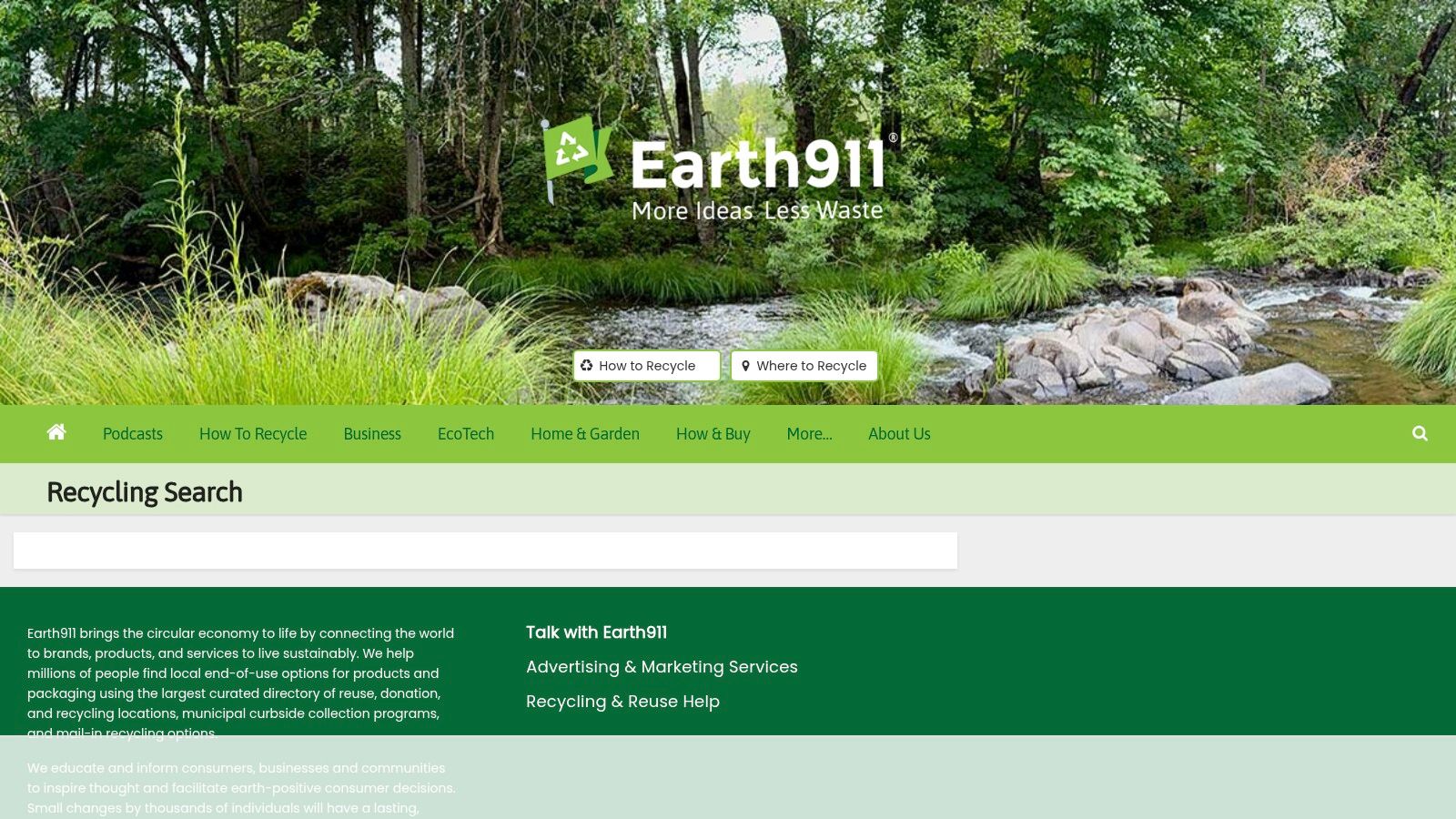
Earth911 helped because it starts with the item, not a maze of city departments. I typed in the material, added my ZIP code, and got a list of nearby options with details that answered the question I had. Could they take it? How far away were they? Did I need to prep it first?
That last part matters more than it sounds. When your house feels messy, your mind usually does too. One clear answer can create a little momentum. That was true for me with Litter Caterpillars, too. Picking up litter taught me that small acts of cleanup change the mood of a block, and sometimes the mood of a person. Looking up one hard-to-place item can do the same thing at home.
Why I start here
Earth911 works well for the awkward stuff that stalls a cleanup session. You can search for materials that do not fit neatly into curbside rules, then filter by distance and program type so you are not guessing.
Here's where it earns a spot in my bookmarks:
- Item-first search: Helpful for odd materials like foam packaging, propane tanks, mattresses, and unusual plastics.
- ZIP code results: You get local options instead of broad advice that may not apply where you live.
- Preparation notes: Many listings explain whether an item needs to be cleaned, separated, or handled a certain way.
Practical rule: Start with Earth911 when the item is bulky, unfamiliar, or the kind of thing you have been stepping around for months.
One warning from experience. Call before you load the car. Hours change, accepted materials change, and a quick phone call can save you a wasted trip and a fresh wave of frustration.
2. RecycleNation
I used RecycleNation on a Saturday when I had three things by the door that had been bothering me all week. An old printer. A bundle of cords. A lamp I kept meaning to deal with. None of them were dramatic on their own, but together they felt like a little pile of unfinished business.
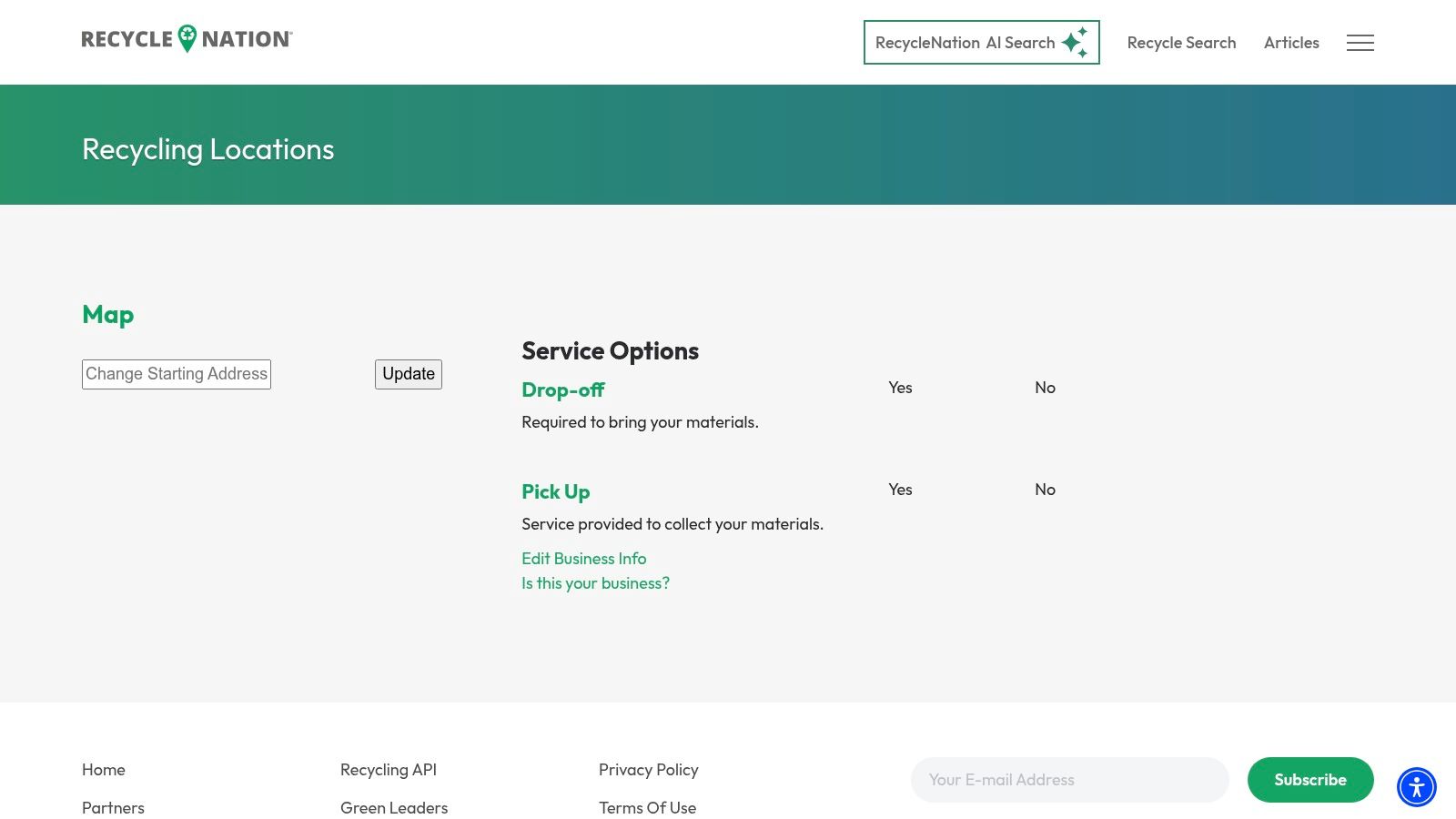
RecycleNation helped because it gave me a quick way to search by item and place, then pointed me toward drop-off and reuse options without sending me through five layers of city PDFs. On days when the mess in your house starts to feel tied to the mess in your head, that kind of speed matters. You get an answer, you make a plan, and the pile gets smaller.
What makes it different from the tool I use first is the feel of it. Earth911 is the one I open for weird, stubborn stuff. RecycleNation is the one I open when I want to keep a cleanup session going and do not want to lose steam.
It works well for a few common situations:
- Fast item searches: Helpful for everyday household objects and electronics.
- Reuse suggestions: Some items make more sense as donations or second-life goods than as trash.
- Plain-language guidance: Useful when you want a simple starting point instead of municipal jargon.
That reuse piece matters more than people admit. A lot of clutter is delayed decision-making in physical form. Keeping something forever because you are unsure what to do with it can weigh on you the same way an unanswered text does. Litter Caterpillars taught me that cleanup is rarely only about the object on the ground. It is also about the relief that comes after you finally act.
RecycleNation is not perfect in every ZIP code, and I still verify details before I drive anywhere. Still, if you are standing in your kitchen asking, “Can this go somewhere better than the trash?” it is a solid second check. If the item turns out to be battery-related, use a battery-specific Chicago guide instead, like this one on where to recycle batteries in Chicago.
3. Call2Recycle
Batteries are sneaky. They're small enough to disappear into a drawer, dangerous enough to cause problems, and annoying enough that people keep them for years. I've done that. Maybe you have too.
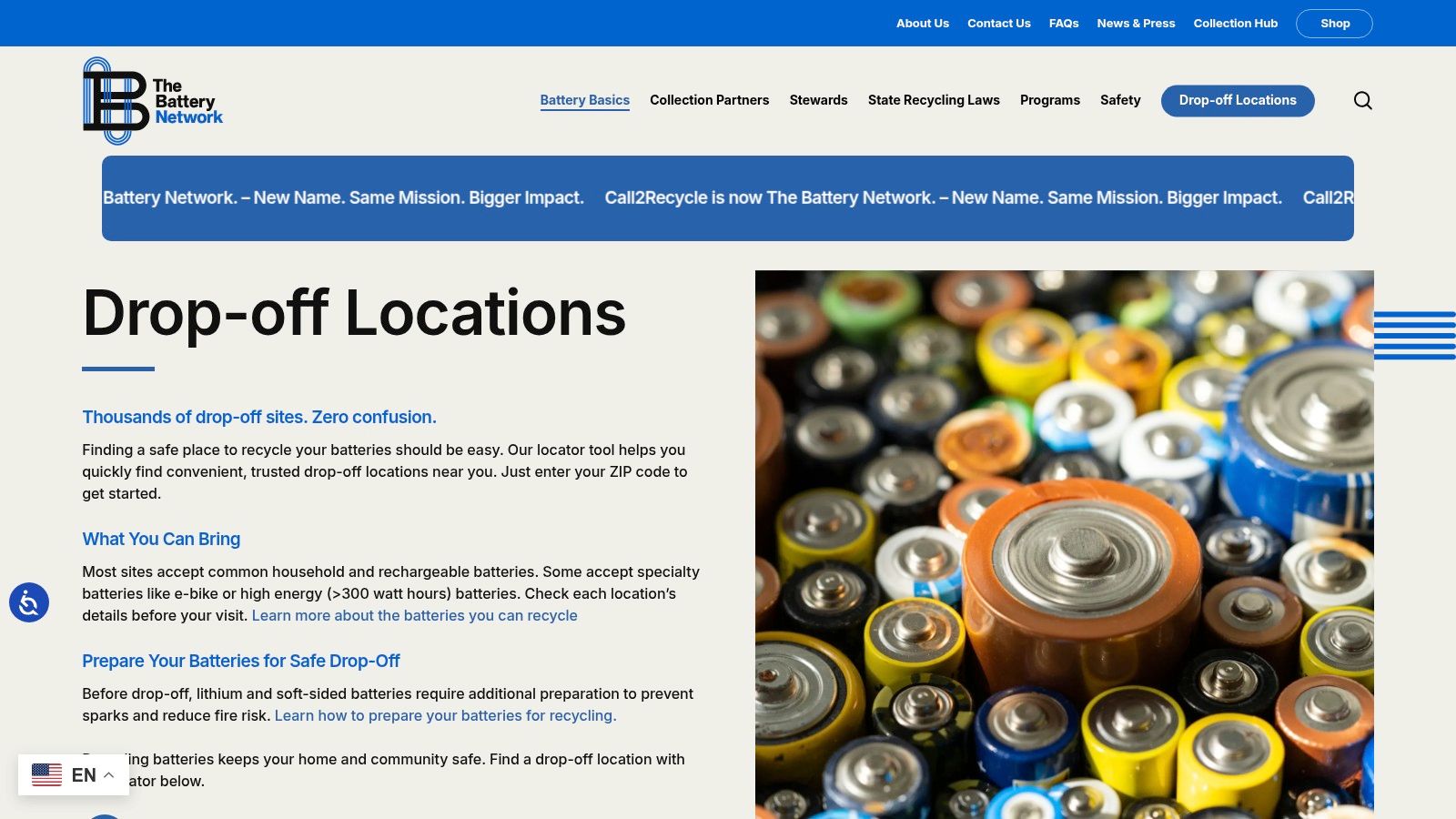
Call2Recycle is the tool I use when I want a clean answer for batteries and old cellphones.
The drawer full of guilt problem
A battery drawer is like a paused argument with yourself. You know you need to deal with it. You keep not dealing with it. Then one day the drawer won't close.
Call2Recycle cuts through that loop. Its locator helps you find drop-offs for many consumer batteries and phones, and it gives safety guidance for damaged or swollen batteries. That last part matters. A battery isn't a soda can. If it's bulging or leaking, you need instructions, not guesswork.
Take battery safety seriously. If a battery looks damaged, check the listing details and handling guidance before you move it around.
What I like most:
- Battery-specific guidance: It tells you more than a general recycling locator will.
- Retail drop-offs: Many collection points are places you already visit.
- Useful acceptance details: Not every location takes every battery type, so the fine print helps.
If you're in Chicago, I'd pair this with the local advice in Litter Caterpillars' battery recycling guide for Chicago. That mix works well: broad locator first, local reality second.
4. Best Buy Electronics & Appliances Recycling
My old laptop once sat in a closet like a time capsule from a harder year. Dead charger. Sticky keys. Too many memories on the hard drive. Getting rid of it felt less like throwing something away and more like closing a chapter I hadn't finished reading.
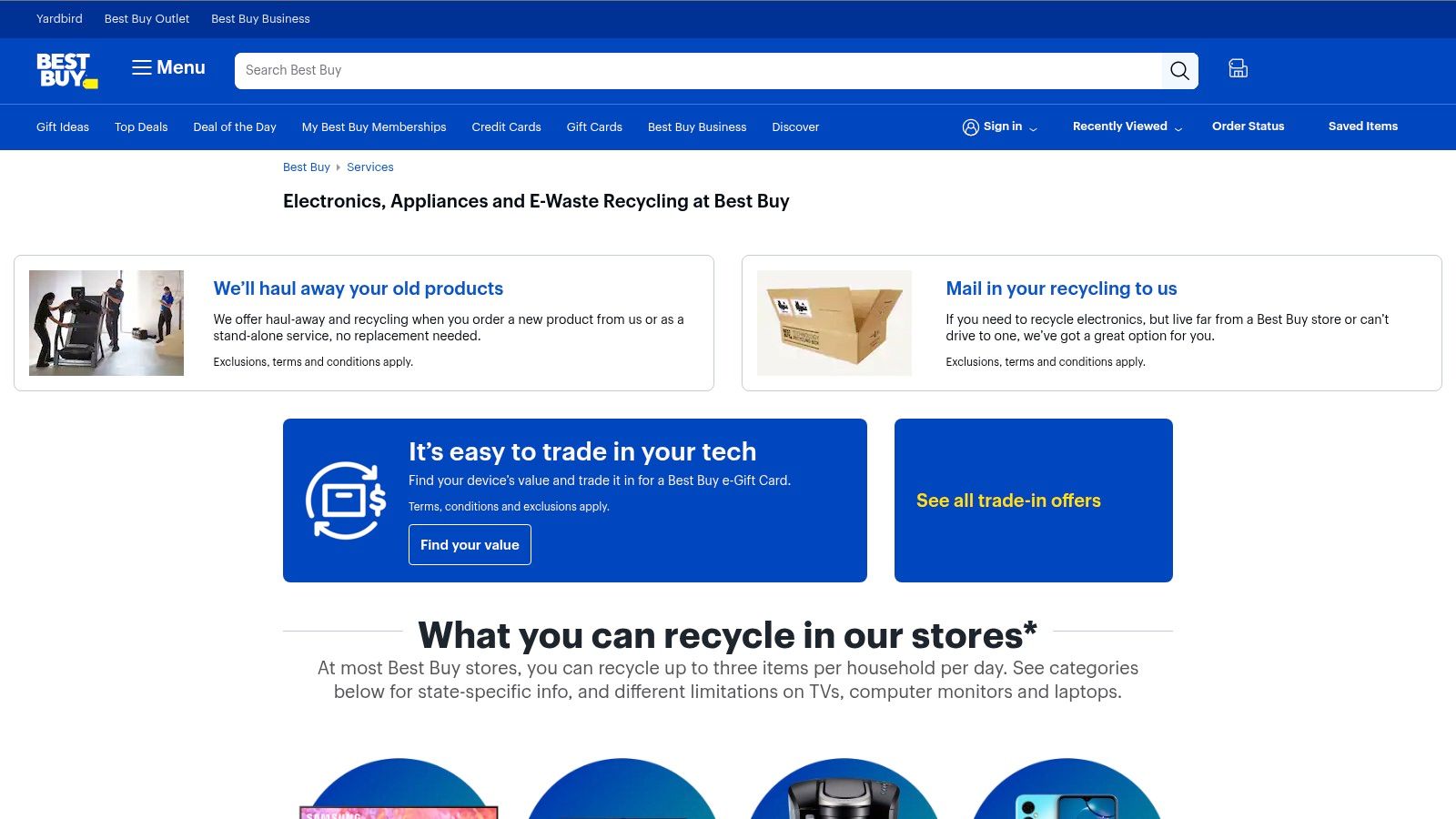
That's why I like Best Buy's electronics recycling program. It gives you a familiar place to bring phones, cables, computers, printers, and other electronics that don't belong in household trash.
Good for the pile of old tech
Best Buy works well when your problem isn't one item. It's a whole plastic tote of old tech. You can check accepted items online, look at state-specific details, and plan one trip instead of five.
A few practical upsides:
- Many small electronics are accepted in-store: That makes it easier to clear out drawers and shelves.
- State rules are posted online: Useful if you're dealing with items that may have limits or fees.
- Haul-away and mail-in options exist: Helpful for larger appliances or when you want less hassle.
There are limits, and some categories have special rules. That's normal with e-waste. The point is that Best Buy makes the process visible enough that you can act instead of procrastinate.
I always tell friends this. Before you recycle a computer or phone, back up what you want, sign out, and wipe it if the program asks you to. Recycling is easier when you're not also carrying fear about your personal data.
5. Lowe's In-Store Recycling Centers
One Saturday, I went to Lowe's for furnace filters and came home feeling lighter for a completely different reason. I had finally carried in the small junk that had been following me around the house for months. Two dead rechargeable batteries from a drill. An old cellphone from a breakup I didn't want to think about. A wad of plastic bags crammed under the sink.
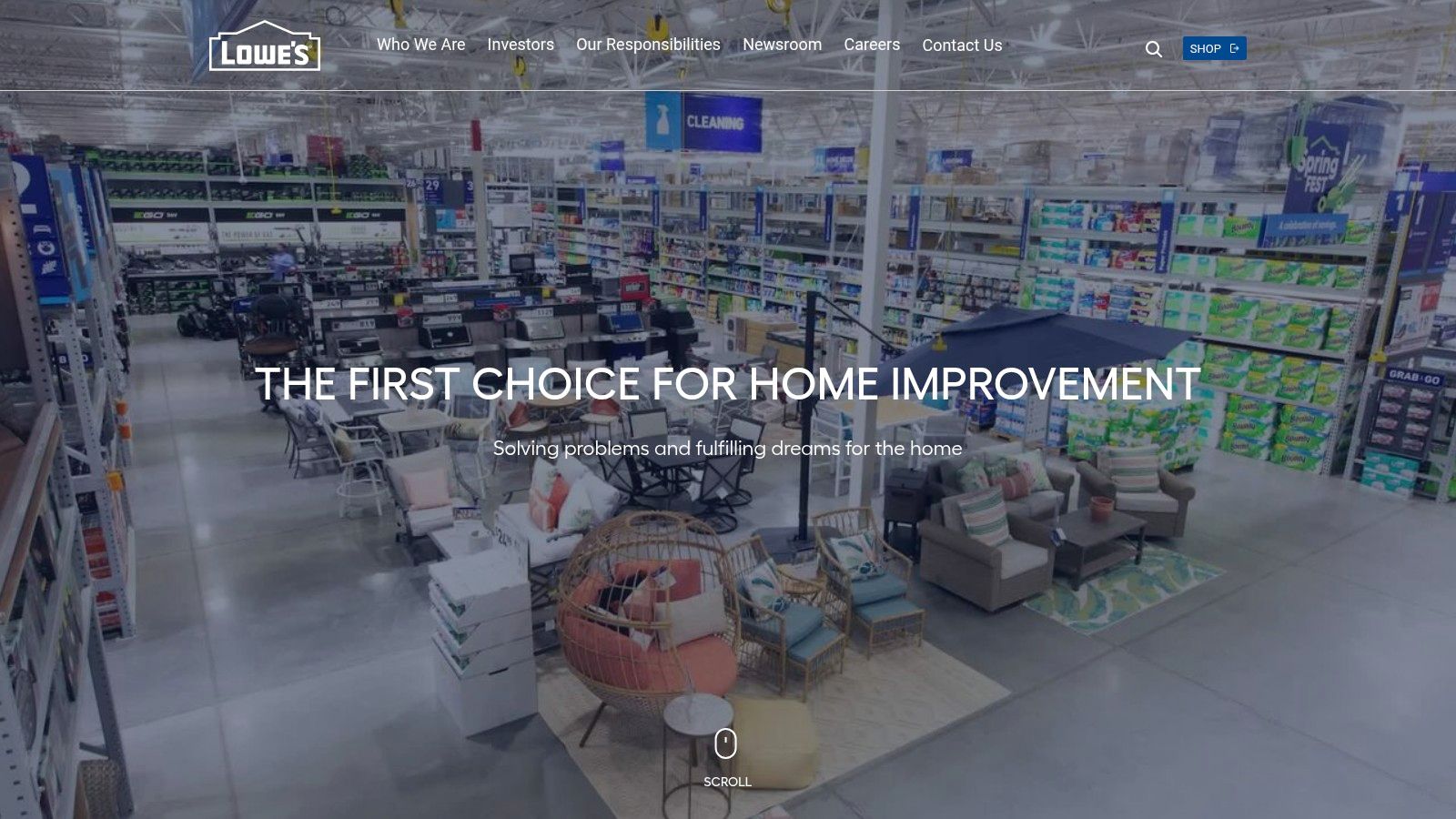
Lowe's works for that kind of cleanup. Many stores have front-of-store recycling centers for items such as rechargeable batteries, cellphones, CFL bulbs, and plastic shopping bags, though acceptance can vary by location. That matters because the hardest part of recycling is often not the item. It's the extra trip, the extra decision, the extra little burden you keep postponing.
Good for routine errands
Lowe's is useful for the stuff that breeds in corners and drawers. The battery that no longer holds a charge. The retired phone. The plastic bag pile that starts small and turns into its own weather system.
A few reasons it helps:
- Front-area bins are easy to find: You can usually deal with items before the rest of your shopping starts.
- It fits real life: Drop-offs work well when you are already out buying home supplies.
- Many accepted items are free to recycle: That removes one more excuse.
I like programs like this because they turn cleanup into a habit instead of a project. You do one errand, and while you are there, you clear one more little patch of mental clutter too.
If your garage mess also includes half-used paint, this Chicago paint disposal guide from Litter Caterpillars can help you sort that part out separately.
Call before you go. Store policies differ, and a quick check can save you a wasted trip.
6. The Home Depot CFL bulb recycling
A burned-out CFL has a strange energy. It looks harmless. It isn't something you want rolling around in a kitchen drawer. It asks for one more errand, and sometimes one more errand feels like the last straw.
The Home Depot's CFL recycling information gives people a simple option for intact household CFL bulbs at many stores.
A good answer for one specific annoying item
I respect focused tools. They don't try to solve everything. They solve the thing in your hand.
Home Depot is useful because:
- CFL collection is familiar: Many people already know where the store is.
- It's straightforward: Household CFLs are the main use case.
- It keeps risky items out of the trash: That's the whole point.
If you're also sorting through paint cans and other weird garage leftovers, pair this with Litter Caterpillars' Chicago paint disposal guide. Bulbs and paint tend to show up in the same “I'll deal with it later” zone of the house.
A lot of cleaning up is deciding that “later” has already cost you enough peace.
One note. Don't assume the store takes every lamp type. CFLs are the safest bet here. Check locally if you have tubes, LEDs, or broken bulbs.
7. TerraCycle Zero Waste Box
I once had a paper bag under the sink that felt like a confession. Used coffee pods. Foil snack pouches. Empty lip balm tubes. The odd little scraps of modern life that pile up when you're trying to do better and still can't find a place for the stuff nobody wants. Every time I saw that bag, I felt the same thing I've felt looking at a cluttered room after a hard month. I wasn't lazy. I was stuck.
That's why TerraCycle Zero Waste Box makes sense to me.
A paid fix for the leftovers that keep haunting the drawer
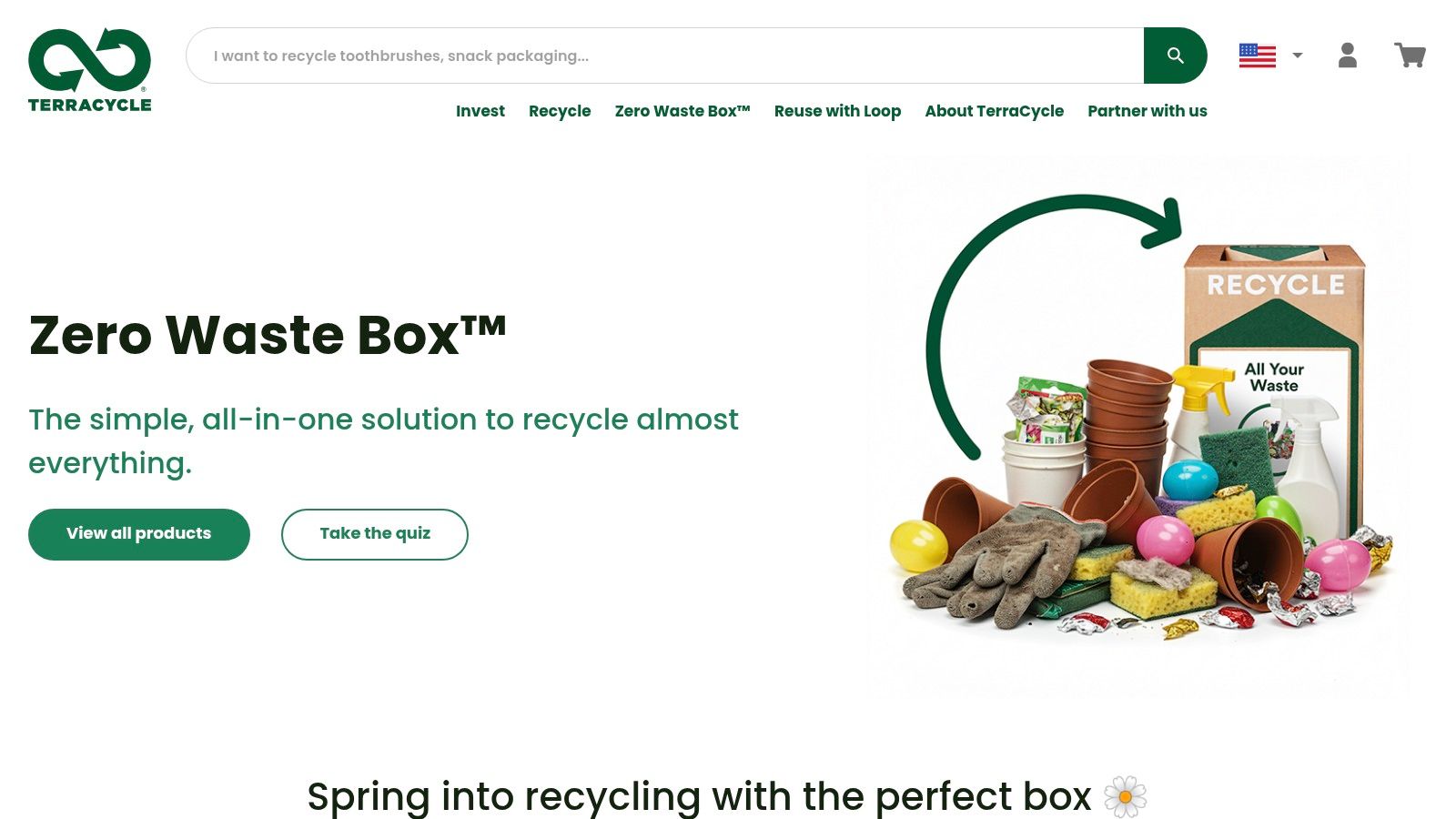
TerraCycle sells mail-in boxes for specific waste categories. You choose the type, fill the box with the accepted items, and send it back. It costs money, so this usually makes the most sense after you've already checked your local options and come up empty.
The value is clarity.
Curbside programs handle the obvious things. TerraCycle handles the stubborn leftovers, the mixed-material pieces that turn one junk drawer into three. If cleaning up your home is partly about getting your head back, a contained system like this can help because it gives the mess an endpoint instead of letting it keep breeding in corners.
I'd use it for situations like these:
- Recurring niche waste: Offices, shared kitchens, or busy households that go through the same hard-to-recycle items again and again
- Small items that scatter easily: Packaging pieces that would otherwise drift between countertops, tote bags, and random bins
- People who need a clear boundary: One labeled box can be easier to stick with than a vague promise to “figure it out later”
It works like paying for a specialist when the general fix failed. You probably would not use it for everyday bottles and cans. You use it for the category that keeps following you around the house, asking for a decision.
That matters more than it sounds. Sometimes the first sign that your life is turning around is simple. You stop stepping over the same mess. You give the hard stuff a place to go, and in the process, you prove to yourself that stuck is not the same as helpless.
8. Dell Reconnect with Goodwill
A few years ago, I found an old laptop under a stack of papers in a closet. Dead charger. Dust in the ports. A sticky note on top with a password I no longer used. It felt less like a device and more like a time capsule from a season when everything in my life was half-finished. My first instinct was simple. Get rid of it fast.
Then I remembered that computers are the kind of clutter that carry two kinds of weight. Physical mess on your shelf. Mental mess in your head.
Dell's electronics recycling page points people toward its Goodwill partnership in participating areas. I like that because it leaves room for reuse before recycling. That small shift matters. The Litter Caterpillars story is built on the same idea. Change starts when you stop treating every leftover thing as worthless and start handling it with purpose.
Better when donation is still possible
Dell Reconnect makes the most sense for computer equipment and related electronics that might still be useful, or at least deserve responsible handling. A Goodwill drop-off can feel more approachable than hunting down a specialty recycler across town, especially when you are already tired of looking at the box by the door.
Here's where it helps:
- Familiar drop-off locations: Goodwill is a place many people already know, which lowers the friction.
- Reuse before teardown: Working devices may get a second life instead of going straight to material recovery.
- A better pause point for old tech: Computers often hold personal files, old accounts, and forgotten to-do lists. Taking them to a program built around this category encourages more careful handling.
I'd still check local participation before loading up your trunk. Accepted items can vary by site, and not every location takes every piece of equipment.
That little bit of checking is part of the cleanup, too. You stop tossing things blindly. You make one clear decision, then another. A room gets lighter that way. So do you.
9. Ridwell
Convenience changes behavior. I know that about myself. If the right thing is too hard, I start negotiating with myself like a tired lawyer. “Maybe this plastic film is fine in the bin.” It usually isn't.
That's why Ridwell is interesting. In places where pickup is active, it gives people regular doorstep collection for some hard-to-recycle items. It also has some mail-in options for certain categories.
For people who need the path of least resistance
Ridwell is for the person who means well and misses drop-off day anyway. I say that with love, because I know that person. Doorstep pickup can turn a vague intention into a routine.
What I like here:
- Pickup removes the last-mile headache: You don't need to drive somewhere every time.
- Some transparency about partners: That helps people trust the process.
- Mail-in options expand access a bit: Useful if full service isn't in your area.
Chicago has a real access problem around recycling drop-offs. Some areas have public options, but many neighborhoods don't show up clearly in common search results, and far-away facilities can be hard for car-free residents to reach, as described in Recycle By City Chicago's drop-off locations notebook. That's why convenience matters so much. If recycling only works for people with time, money, and a trunk, it doesn't really work.
As of May 13, 2026, Ridwell pickup isn't active in Chicago. For readers elsewhere, though, it's worth checking.
10. City of Chicago HCCRF and Blue Cart drop-offs
If you live in Chicago, this is the one I want you to bookmark today. The City of Chicago Household Chemicals and Computer Recycling Facility page is where I'd send anyone dealing with household hazardous waste, e-waste, or that pile of “I don't think this belongs in the alley” items.
Chicago's city guidance also connects you to Blue Cart rules and local drop-off information. When you want the official answer for your own city, start there.
The Chicago answer when the item is risky
This is the place for chemicals, electronics, and messy household leftovers that retailers may not accept. I like city-run information for these items because guessing can go wrong fast.
Use it when you need:
- Local rules that match your address: City programs differ.
- Posted accepted-item guidance: Good for paint-related items, chemicals, and electronics.
- A real destination for problem waste: Better than letting dangerous stuff pile up.
The city-specific route matters because household access to recycling is uneven. One research gap summary on Chicago recycling access points out a “last-mile” problem. People may know recycling matters but still struggle to figure out which site takes which material, how to get there, or what to do if a drop-off is closed, as described by Chicago Environmentalists' recycling page analysis.
If you want a simpler local starting point, Litter Caterpillars' guide to recycling in Chicago pairs well with the city facility page.
Top 10 Recycling Resources Comparison
| Service | Core features ✨ | Accessibility/coverage 👥 | Safety & Quality ★ | Cost/value 💰 |
|---|---|---|---|---|
| Earth911 Recycling Search | Massive item+ZIP database; material-specific prep; ✨ broad search filters 🏆 | U.S.-wide; great for unusual items; good Chicago matches | ★★★★☆, clear contamination guidance | 💰 Free directory; call ahead advised |
| RecycleNation | Item-based locator; retailer integrations; ✨ fast interface | National backup to Earth911; solid for electronics | ★★★★☆, useful guides for tricky materials | 💰 Free |
| Call2Recycle | Battery-focused locator; safety for lithium & damaged cells ✨ 🏆 | Nationwide retail partners; common drop-offs | ★★★★★, strong safety & acceptance rules | 💰 Mostly free for consumers |
| Best Buy Electronics & Appliances Recycling | In-store drop-off, haul-away, prepaid boxes; ✨ one-stop tech option | Large U.S. retail footprint; state rules vary | ★★★★☆, industry-standard partners | 💰 Free for many small items; fees/limits for TVs |
| Lowe's In-Store Recycling Centers | Front-of-store bins for batteries, CFLs, bags; ✨ errands-friendly | Many stores; acceptance varies by location (call) | ★★★★☆, convenient but store-dependent | 💰 Usually free |
| The Home Depot – CFL Bulb Recycling | CFL collection bins; handling guidance; ✨ reduces mercury risk | Widely available where offered; other bulbs vary | ★★★★☆, focused safe handling for CFLs | 💰 Free for CFLs (check store) |
| TerraCycle Zero Waste Box | Prepaid, material-specific mail-in boxes; ✨ accepts very hard-to-recycle items 🏆 | Nationwide mail-in, ideal when local options fail | ★★★★☆, documented processing & partners | 💰 Paid service; box cost + shipping included |
| Dell Reconnect with Goodwill | Goodwill drop-offs for computers; reuse-first approach; ✨ data-security focus | Participating Goodwill locations nationwide | ★★★★☆, promotes reuse & secure handling | 💰 Typically free; supports Goodwill mission |
| Ridwell | Subscription doorstep pickups + mail-in bags; ✨ transparent partner reporting | Service areas limited; mail-in available nationwide; not active in Chicago 🛈 | ★★★★☆, clear end-destination reporting | 💰 Subscription-based (moderate–high) |
| City of Chicago – HCCRF & Blue Cart/Drop-offs | Official HHW & e-waste facility; city rules & maps; ✨ seasonal events 🏆 | Chicago residents: permanent HCCRF + neighborhood drop-offs | ★★★★★, official handling for hazardous items | 💰 Free for residents (proof may be required) |
Find Your Fence to Paint
A few years ago, I had a dead phone in one drawer, leaking batteries in another, and a half-used paint can in the garage that I kept pretending I would deal with "someday." The mess was small enough to ignore and loud enough to follow me around anyway. The day I finally sorted it, taped the battery terminals, and loaded the car, nothing dramatic happened. I just came home feeling lighter, like I had cleared more than a shelf.
That is what this whole where can i recycle question has come to mean for me. It starts with an object, but it usually points to a habit. One bottle on the curb. One charger in a junk drawer. One bin in the kitchen that keeps overflowing because you have not decided what belongs there. Cleaning up the world around you gives your mind somewhere solid to stand.
The hard part is not always caring. The hard part is figuring out where things go, especially when the system changes from one store, one city, or one item to the next. As noted earlier, recycling in the U.S. is uneven, and the gaps are real. A battery cannot go where a soup can goes. A paint can needs a different path than a laptop. Confusion is part of the situation, not proof that you are failing.
That is why the tools in this guide matter. Earth911 helps with the oddball items that never seem to fit anywhere. Call2Recycle gives the battery drawer a clear destination. Best Buy and Dell Reconnect with Goodwill help with old electronics that have been gathering dust because data, cords, and guilt got tangled together. If you live in Chicago, the HCCRF and Blue Cart drop-offs give the garage and under-sink cabinet a way back to order.
One honest next step is enough.
I keep thinking about the Litter Caterpillars story here. People do not transform because they found the perfect spreadsheet or memorized every local rule. They change because they start showing up for one patch of ground, one block, one Saturday morning, one bag of trash at a time. Service gives shape to effort. Repetition turns that effort into steadiness.
The wider problem is bigger than any one household. Circle Economy's 2025 report says only 6.9% of annual material throughput comes from recycled sources. That number can make the whole thing feel impossibly large. I read it a different way. It means your choice to sort, drop off, return, or safely handle one item is not trivial. It is one real act inside a real mess.
So pick your fence.
Rinse the jar. Bag the cables. Drop off the bulbs. Stop saving the broken thing out of vague optimism and send it where it can be handled well. You do not need a new identity before you begin. You need one task you can finish this week.
If you are in Chicago and want company while you build that habit, Litter Caterpillars is one local group doing that work in public, one cleanup at a time. Sometimes picking up litter on your block is how you remember you can bring order back to your room, your week, and your life.
Leave a Reply