
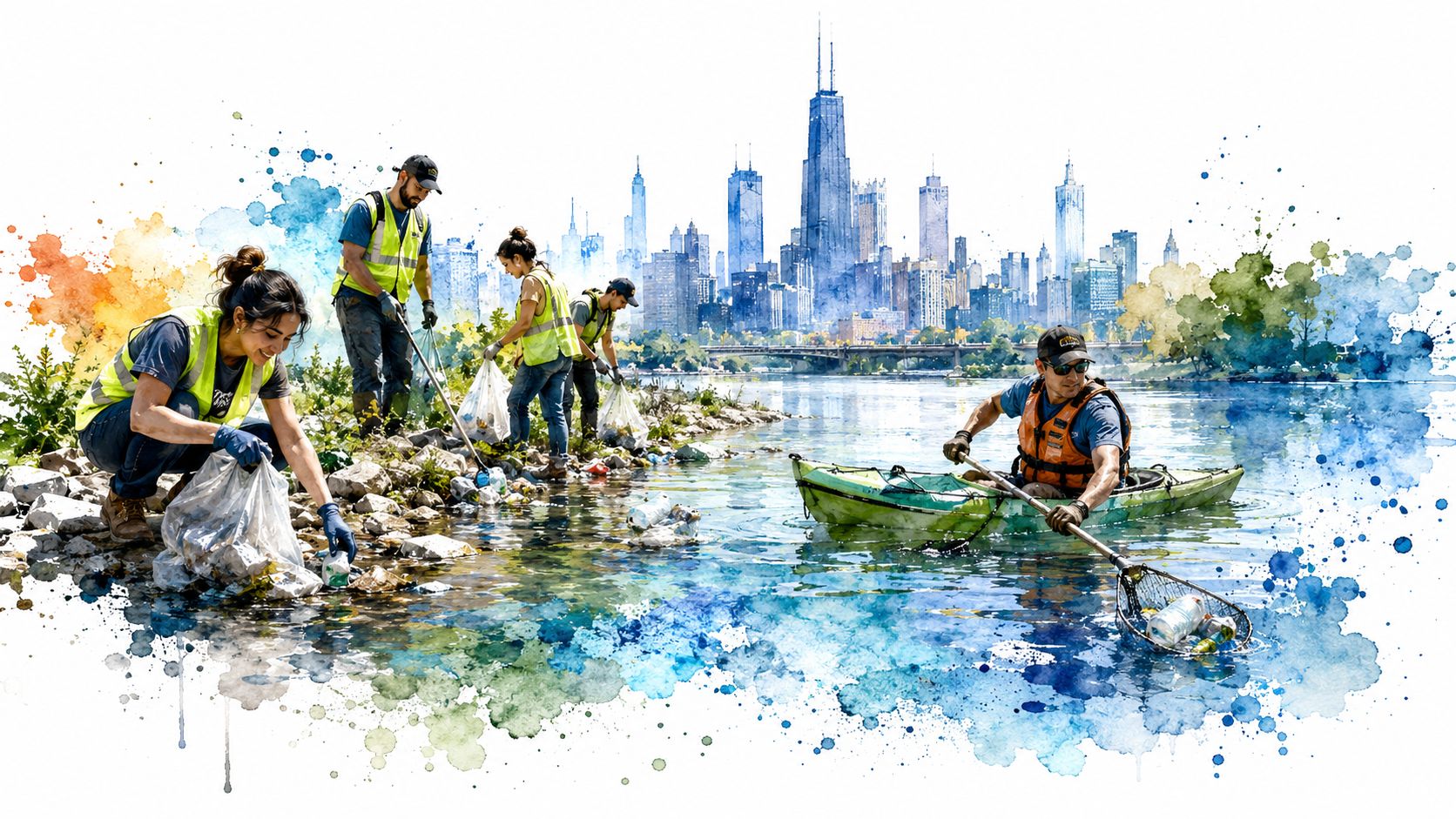
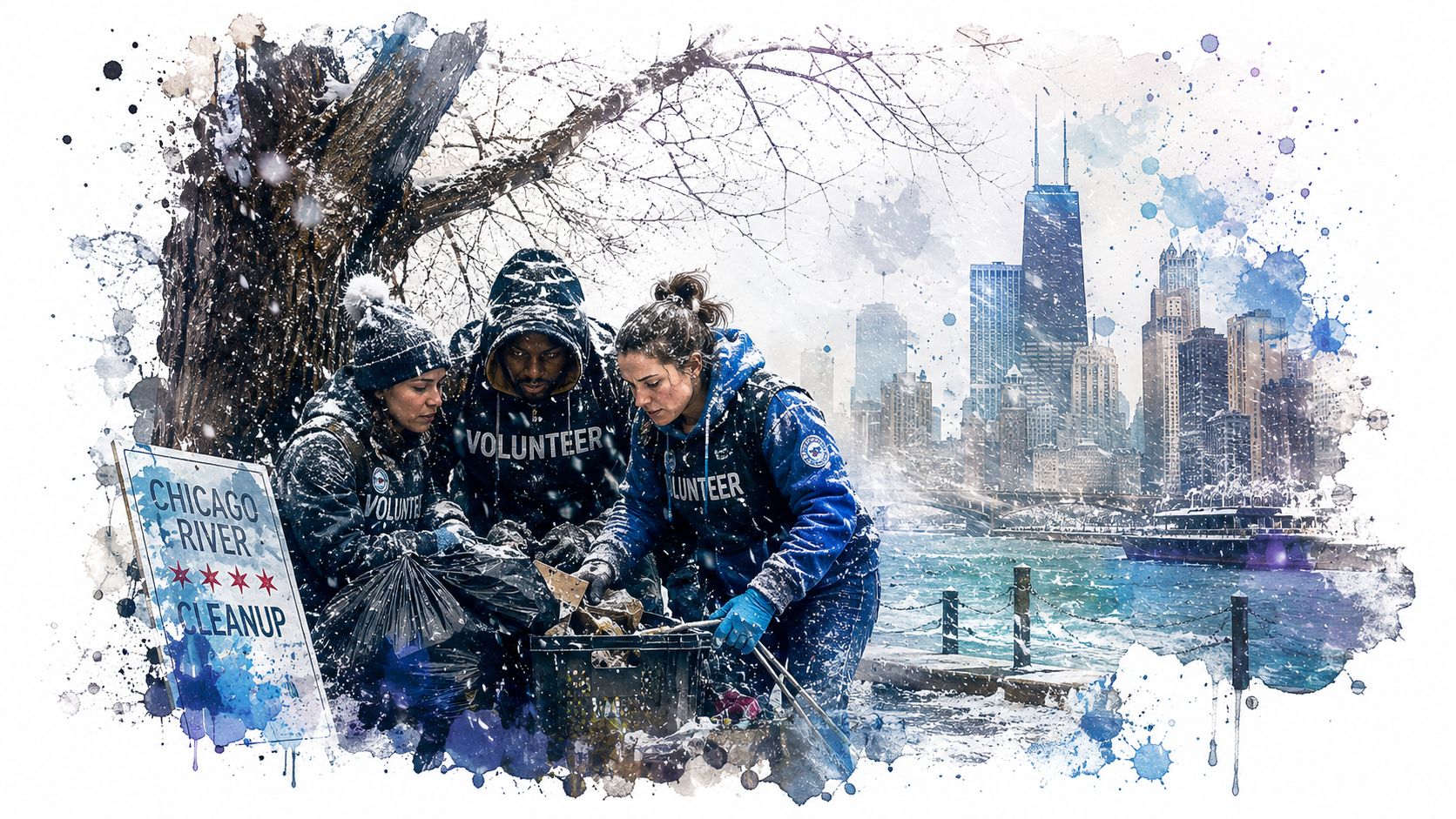
The first time I hauled trash off the Chicago River bank, a spring hail storm rolled in so hard it felt like somebody was throwing ice cubes at my face. Three of us crouched under a tree, wet through, while every Uber canceled one by one, and we laughed anyway because the river had finally found a way to humble us together.
That day taught me something I still believe. A Chicago River cleanup is never only about the trash in your bag, it's about the person who shows up beside you when the weather turns rude and the work gets real.
Why Showing Up Matters More Than You Think
The weird truth about river cleanup is that the messy part isn't the litter. It's your own excuses, your own comfort, your own habit of saying “next weekend” when the bag is already in your hand. When I think about that hail-storm day, I don't remember the trash pile as much as I remember who stayed cheerful, who helped, and who turned a miserable afternoon into a story we still tell.
What a rough cleanup day reveals
You learn fast that cleanup work filters people. The ones who arrive on a freezing Saturday morning and still smile usually bring that same energy to friendship, work, and life. That matters because a cleanup group isn't built on one heroic day, it's built on repeated small acts, the kind that make strangers recognizable and then familiar.
Practical rule: if someone only shows up when the weather is perfect, they're a visitor. If they show up in sleet, they're part of the crew.
The culture around the river gets better when people treat service like a habit instead of a performance. That's why weekend mornings work so well for groups that want steady, service-minded volunteers. You're not just collecting trash, you're building a circle of people who don't flinch when the work gets uncomfortable.
Why the best groups feel like a team
The strongest crews I've seen have a simple rhythm. They greet each other, they divide the load, and they laugh at the absurdity of pulling soda cups and snack wrappers out of cattails while their fingers go numb. That shared grit builds trust faster than small talk ever could.
Litter Caterpillars talks about bravery, kindness, and unity, and that language makes sense to me because service changes how you carry yourself. You stop asking, “How little can I do?” and start asking, “Who can I help stand up a little straighter today?”
Planning Your Cleanup From Permits to Site Selection
A good cleanup starts before the first glove goes on. I've watched eager crews waste half a morning because nobody checked who owned the bank, where people could enter, or whether the ground near the water would hold a boot. The Chicago Rivers Demonstration Program handbook says strong projects begin with an in-depth understanding of ownership, permits, bank condition, wildlife use, access, vegetation, and public safety What's Working on Working Rivers.
Start with the riverbank, not the trash bag
I always tell people to stand on the site first and look around like they're new to the city. Who controls this stretch of bank? Can volunteers safely reach the edge? Is the ground muddy, steep, fenced, or packed with roots? If you can't answer those questions, you don't have a cleanup site yet, you have a problem in search of a plan.
A smart organizer also maps where trash keeps coming from. Street runoff, storm drains, and access points often matter more than the single pile of litter you can see from the path. The city's guidance on cleanup work says debris washed from streets can enter the river, which is why street sweeping, source control, and proper trash disposal all belong in the same conversation Chicago River Agenda.
Practical rule: don't chase every piece of visible litter if the same runoff path keeps feeding the river tomorrow.
That mindset changes how you choose between a bank cleanup and a boat cleanup. Bank work is great for access points, embankments, and public-facing stretches. Boat work makes sense where litter gathers in the channel or where shore access is poor. I've seen crews get better results when they match the tool to the leak, instead of forcing one method onto every site.
Use a simple planning checklist
Before I invite volunteers, I want these questions answered.
- Permits and permission: Who approves the work, and what limits apply to the site?
- Access and exits: How do people get in safely, and how do they get out fast if weather shifts?
- Bank condition: Is the ground stable, slippery, or cluttered with hazards?
- Wildlife and vegetation: Are there nesting areas, sensitive plants, or protected habitat zones?
- Waste handling: Where does the collected trash go after the event?
If you want a practical planning template, I'd point you to Litter Caterpillars' volunteer event planning page, because the right prep makes the day feel calm instead of chaotic.
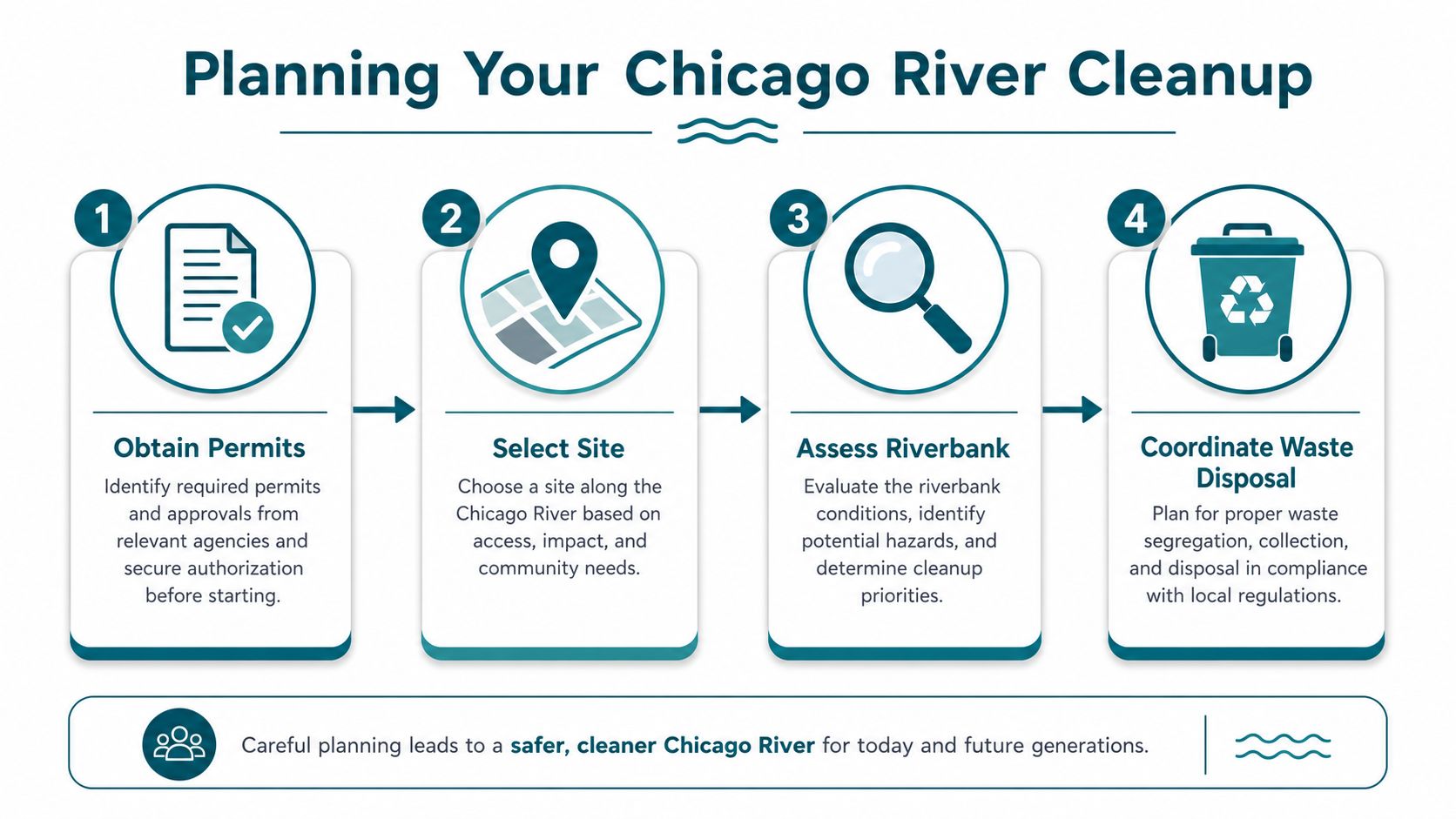
If you want the organizing side of cleanup to feel less like guesswork, use the same method every time. Pick the site, walk it, note the leaks, then choose the cleanup style that fits the river instead of the one that looks best in a group photo.
Safety Protocols for Bank and Boat Cleanups
I've cleaned the river in scorching heat, in damp cold, and in wind so sharp it made my ears hurt. The day always starts the same way for me. A small crowd gathers, gloves on, coffee in hand, and somebody asks where the worst trash will be hiding. Then I give the same answer, the spots that look ordinary until you bend down and find glass, metal, or something nobody wants to name out loud.
Safety comes first, then volunteer happiness, because once people feel rushed or exposed, the day goes sideways fast. That is why I never start an event without a briefing, even if everybody looks eager and ready to sprint. The point is to send people home tired, dirty, and proud, not limping back with a story nobody wants.
What to cover before anyone touches trash
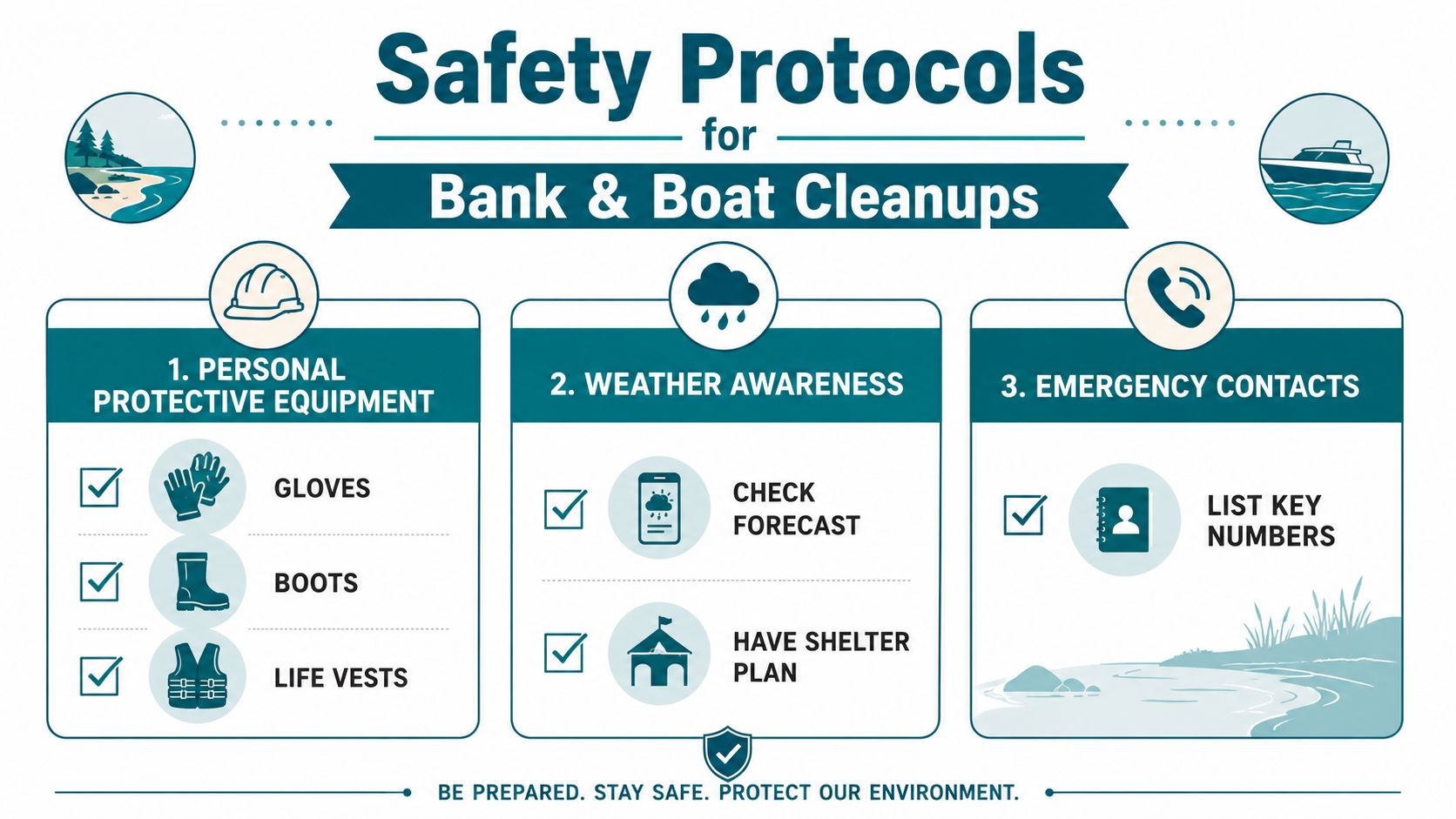
A good safety talk should be short, direct, and specific. Tell people where sharp objects are likely to hide, how to handle anything that looks like medical waste or chemical waste, and where to go if they need help. Put the emergency contacts in everyone's phone before the event starts, not after someone loses a shoe in mud.
For bank cleanups, I want gloves, sturdy boots, and a clear rule about staying away from unstable edges. Loose gravel, slick algae, hidden drop-offs, and half-buried rebar can turn a cheerful morning into a bad scene quickly. For boat cleanups, I want life vests, a calm operator, and an honest read on water conditions before launch. If weather changes, I'd rather stop early than pretend grit can cancel lightning, icy wind, or rising water.
If the forecast looks ugly and the site feels worse, call it early. Volunteers remember that you protected them.
Build a buddy system and respect the weather
I like cleanup crews to move in pairs. One person scans the ground, the other watches the surroundings. That simple habit cuts down on missed hazards and keeps nobody isolated if something goes wrong.
The same goes for temperature. On hot days, you need shade, water, and a pace that doesn't turn volunteers into fried extras in a riverbank movie. On bitter days, you need warm-up breaks and a hard line on frostbite risk. Volunteer-first groups get this right because they treat energy as fragile, not infinite.
If you're organizing with boats, I'd also look at Litter Caterpillars' urban kayaks page for another example of how people approach water-based work and access.
The best safety culture I've seen is calm, not dramatic. Nobody gets praised for pushing through a bad call. People get praised for saying, “Hold up, this doesn't feel right,” and saving the group from a stupid mistake.
Supplies, Disposal, and Partner Organizations
A cleanup starts to feel real the moment the gloves come out of the bin and the trash bags stop looking symbolic. I've seen crews stall because nobody brought a grabber, and I've seen crews finish strong because one neighbor showed up with a box of extra work gloves and a steady hand for the sharp stuff. Good supplies keep the day moving, and good disposal plans keep the river from becoming a temporary storage unit for everything we just pulled out.
What I pack and why it matters
For a typical crew, I want gloves, grabbers, heavy-duty bags, and a first aid kit at minimum. I also want a way to separate sharp trash from regular trash, because nobody enjoys fishing a broken bottle out of a sagging sack with their elbow. The city asks residents to report dumping through 311, which helps teams respond where the litter keeps coming from. For hazardous items, I send people to Chicago hazardous waste disposal guidance so they know what belongs in a cleanup bag and what needs a different route.
| Essential Cleanup Supplies and Sources | Quantity per 10 Volunteers | Where to Source |
|---|---|---|
| Work gloves | 10 to 12 pairs | Hardware stores, community donations |
| Grabbers | 4 to 6 | Cleanup supply vendors, borrowed gear |
| Heavy-duty bags | 15 to 20 | City supplies, bulk retailers |
| First aid kit | 1 | Pharmacy, outdoor store |
| Hand sanitizer | 2 bottles | Grocery store, pharmacy |
| Sharps container or rigid box | 1 | Medical supply source or approved disposal partner |
How disposal and partnership work together
The City of Chicago and the Metropolitan Water Reclamation District already run boats that clean the river and respond to citizen complaints. Their work matters because cleanup doesn't stop at the shoreline. It keeps moving through the system, from the street to the storm drain to the channel.
Friends of the Chicago River keeps that reality in view. The group says the Chicago and Calumet system still gets an average of 3,095 cubic yards of trash a year from the Metropolitan Water Reclamation District and the City of Chicago, and it cites the 2020 National Litter Study showing U.S. litter cleanup costs at $11.5 billion each year, with 80% of that cost paid by businesses, plus property values can drop by over 7% in communities with heavy litter Friends of the Chicago River.
That's why I like to think in partnerships, not just supplies. A local café can sponsor water. A neighborhood group can recruit hands. A city contact can help with disposal. A cleanup works better when each partner owns one piece of the job and nobody tries to carry the whole river alone.
The newer floating-trash systems and skimmer boats point in the same direction. City and MWRD boats have pulled about 3,400 cubic yards of debris over two years from the river, and that kind of output comes from routine, not luck.
Building a Volunteer Culture That Lasts
A cleanup group can't run on guilt. It runs on belonging. People come back when they feel seen, when the work feels meaningful, and when the room has enough warmth to make a cold morning worth it.
Identity beats obligation
I've watched groups grow faster when they give people a shared identity. Flags, theme songs, badges, and inside jokes sound silly until you see them work. They turn “I helped once” into “I'm one of us.”
That matters because service gets easier when it feels like home. Weekend morning events help with that, because they sort out people who want to give from people who want applause. The result is a crew that feels less like a sign-up sheet and more like a team.
People don't stay for the trash bags. They stay for the friend who remembers their name and saves them a pair of dry gloves.
Make joining easy, then protect the energy
I like simple entry points. Meetup helps people find the event. Instagram helps them see the culture before they arrive. An open group chat helps the first-timer ask, “Where do I park?” without feeling awkward. That low-friction welcome is how strangers become regulars.
A volunteer-first group also has to guard its tone. Don't pressure people for money. Don't make every conversation about output. Don't treat burnout like a badge of honor. When people trust that their energy won't get squeezed, they come back with friends.
Litter Caterpillars fits naturally for me as one option among many. It runs cleanup events, uses a volunteer-first approach, and builds social glue around the work, which is exactly what a lot of river cleanup efforts need when they want people to return week after week.
I've learned that a crew with good chemistry can survive bad weather, ugly debris, and long walks back to the car with soggy bags. A crew without that culture usually falls apart the first time the weather acts like Chicago.
Your Event Timeline and Day-Of Checklist
The best cleanup days feel smooth because somebody did the unglamorous prep early. I like a simple timeline that keeps people calm and gets the trash off the ground without turning the event into a circus.
A timeline you can actually use
- Two weeks before: lock the site, confirm permissions, recruit volunteers, and line up disposal.
- One day before: check the forecast, prep supplies, and message the team with the meeting spot.
- Day-of morning: do check-in, give the safety briefing, split people into zones, and hand out gear.
- Event wrap-up: count heads, bag the last load, confirm waste removal, and thank the crew.
A checklist that keeps the day on rails
Use this before every event.
- Permits and site access: confirmed
- Supplies: gloves, bags, grabbers, first aid kit, water
- Volunteer communication: meeting time, address, weather note
- Safety plan: buddy system, emergency contacts, hazard rules
- Weather watch: forecast checked one last time
- Disposal plan: pickup or drop-off confirmed
- Wrap-up plan: headcount, photos, partner updates
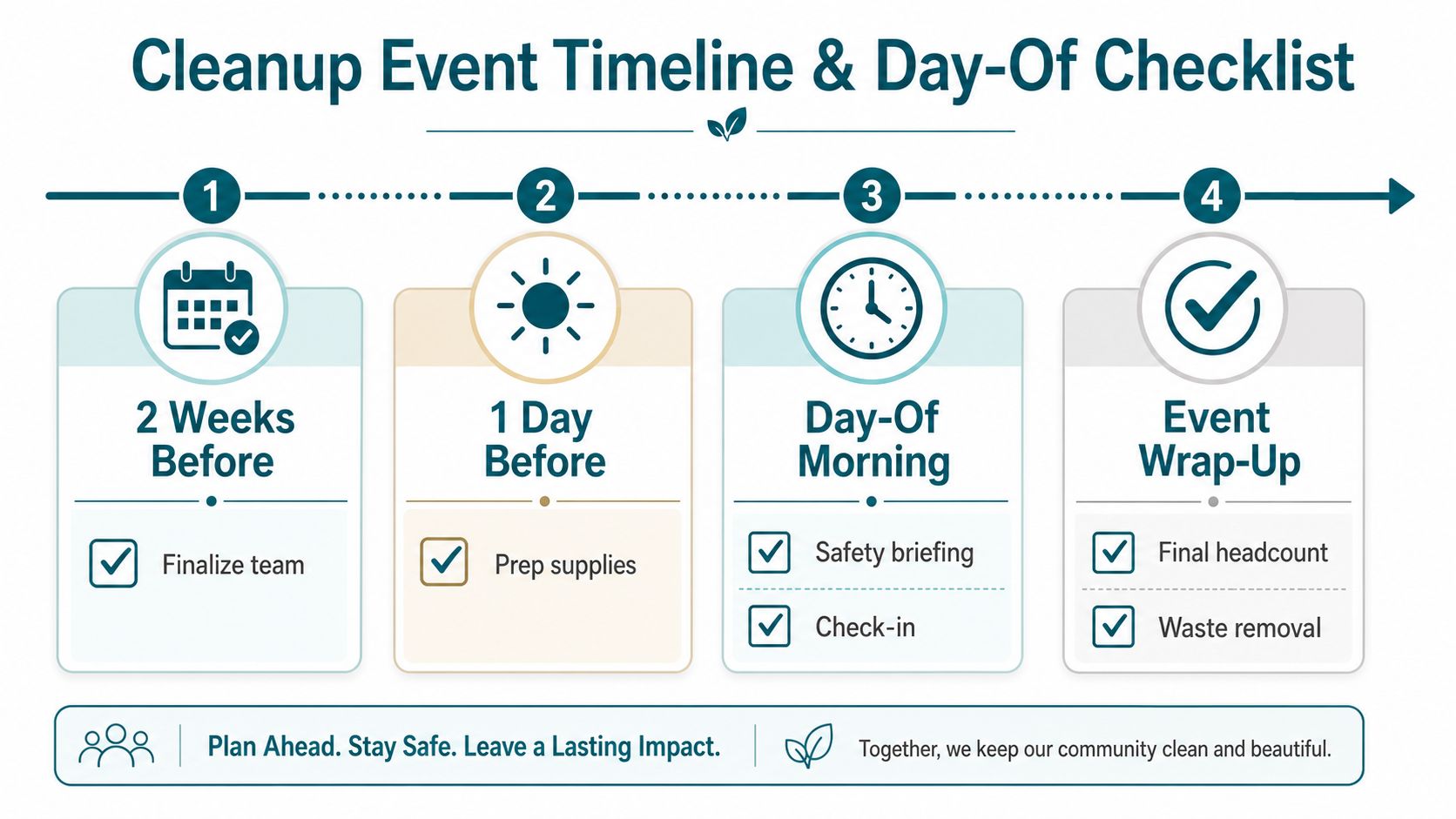
A good wrap-up matters because it gives people closure. Send the photos, thank the volunteers, and tell them what changed block by block. That little habit turns one Saturday into the next one, and that's how a cleanup becomes a habit instead of a one-off.
If you want to turn river cleanup into a real weekend rhythm, Litter Caterpillars runs volunteer-driven cleanup events in Chicago and keeps the focus on safety, friendship, and getting out there together. Visit the site, pick a date, and bring a friend who doesn't mind a little mud, because the river always has room for one more person willing to show up.
Leave a Reply