Tag: community service

  • Overcoming Personal Obstacles: Build Habits & Transform

    Overcoming Personal Obstacles: Build Habits & Transform

    I found the jam jar when I was looking for mustard. It sat in the back of my fridge like a tiny haunted object, sticky on the lid, old enough to belong to a different version of me.

    The Mess You Cannot Move

    That jar should've been easy to throw away. It weighed almost nothing. My hand could lift it without effort. But my mind couldn't.

    I knew where I got it. A trip to Michigan. A hopeful weekend. A version of me who bought nice jam and thought life was about to come together. So when I looked at that jar, I didn't see spoiled food. I saw a memory, a promise, and a quiet little accusation.

    Then there was the bag of nuts from the time I tried to become the kind of person who meal-prepped and drank more water. I failed at that too. So the trash wasn't trash. It was evidence.

    A nostalgic still life featuring a dusty jam jar, vintage letters, old photographs, and an antique pocket watch.

    When an object turns into a verdict

    I used to look around my room and feel embarrassed by how small the problem looked from the outside. A plate in the sink. Clothes on a chair. Mail on the floor. Nothing dramatic. Nothing movie-worthy.

    But inside my chest, it felt like I was trying to drag a boulder with fishing line.

    One piece of trash weighed less than a pound, but to me it felt like a 500-pound weight. That was the strange part. I could work, text people back, make jokes, and pretend I was fine. Then I'd freeze in front of a cardboard box or an expired condiment like I was staring down a wild animal.

    You can know something is small and still feel crushed by it.

    Maybe your obstacle isn't a messy room. Maybe it's an email you can't send. A conversation you keep postponing. A gym bag by the door that hasn't moved. A draft, a debt, a breakup, a pile of laundry, a half-finished application. Small things can pin you to the ground when they hook into shame.

    The breaking point

    My life got worse as my space got worse. I don't mean in some poetic, cinematic way. I mean in a plain, ugly way. I stayed in a long, chaotic relationship with someone selfish and always partying, and my own disorder gave that chaos a place to live.

    I let too much slide. I made excuses. I kept stepping around messes, literal and emotional, because touching them meant admitting they were real.

    If you're in that spot now, I want to say something simple. You're not lazy. You're not broken. You're carrying meaning, memory, fear, and self-judgment inside things that other people call easy.

    Before I changed anything, I had to admit that the obstacle was real. Not dramatic. Real.

    Pinpointing the Real Weight of Your Obstacles

    I couldn't start cleaning until I stopped calling my problem "being messy." That label was too cheap. It flattened everything.

    The room wasn't the issue. The stories in the room were.

    Read your mess like a diary

    When I finally got honest, I started asking a rough question about every object I couldn't deal with: What is this thing protecting me from?

    That old jam jar protected a memory. The health food wrappers protected an identity I wanted and couldn't keep. Old gifts protected dead relationships. Random paper piles protected me from deciding what still mattered and what didn't.

    If you want to get serious about overcoming personal obstacles, try this exercise with whatever "mess" you keep avoiding. I don't just mean physical clutter. I mean the thing in your life that keeps staring at you.

    Ask yourself:

    • What story attaches to this thing: Is it failure, guilt, nostalgia, fear, or unfinished hope?
    • What decision am I avoiding: Throwing something out often means admitting a season of life is over.
    • What identity do I lose if I let this go: Sometimes we keep junk because we still want proof that we once tried.
    • What feeling hits me first: Shame feels different from grief. Fear feels different from confusion.

    Write the answers down. Don't try to sound smart. Use ugly, honest language if that's what comes out.

    My clutter had roots

    When I dug into my own mess, I found two roots.

    The first was my chaotic relationship. I kept living in emotional noise, and clutter fit that life too well. Disorder outside matched disorder inside. Cleaning up felt like betrayal because it would've forced me to admit that my life had become something I didn't want.

    The second root was a fear of consistency. A single grand effort felt exciting. Quiet repetition felt terrifying. I could dream about becoming organized. I didn't trust myself to become a person who washed one dish, answered one message, showed up one Saturday at a time.

    Practical rule: If a task feels absurdly heavy, the weight is probably emotional, not practical.

    A quick sorting method

    You don't need a perfect journal routine for this. You need a rough sorting tool. I like three buckets.

    Bucket What it sounds like in your head What it usually means
    Past "I used to be different" grief, regret, nostalgia
    Present "I can't deal with this right now" overload, shame, fatigue
    Future "What if I fail again" fear, perfectionism, avoidance

    Pick one obstacle and sort it.

    If it's that untouched resume, maybe it sits in future because you fear rejection. If it's old clothes, maybe it sits in past because you miss who you were when you wore them. If it's the sink full of dishes, maybe it sits in present because your nervous system is already maxed out.

    Questions that cut deeper

    I had to stop asking, "Why am I like this?" That question is a trap. It turns you into a problem.

    These questions helped more:

    1. What does this obstacle let me postpone?
    2. What pain do I avoid by leaving it untouched?
    3. What small truth would I have to accept if I acted today?

    That last one hits hardest. Throwing away old junk sometimes means saying, "That chapter is dead." Sending the email means saying, "I want this enough to risk looking foolish." Making the appointment means saying, "I can't outrun this anymore."

    That is the actual weight. Once you can name it, the obstacle stops feeling like fog. It becomes something you can grab.

    The Tom Sawyer Method of Motivation

    I didn't beat my own mess by staring at it harder. I beat it sideways.

    I started picking up trash that belonged to strangers, and somehow that made it easier to face the junk in my own life. It sounds ridiculous until you've done it.

    Why other people's mess feels lighter

    When I went outside and picked up litter, the work felt clean in a way my own room never did. A bottle on the curb didn't carry my history. A fast food bag in the grass didn't know my failures. There was no emotional backstory. I saw trash, I grabbed it, and the block looked better.

    That simple loop did something important. It gave me evidence that I could act.

    The old Tom Sawyer story nails this. He got stuck painting a fence, then reframed the whole thing until other people wanted in. I don't care whether you love the story. I care about the trick inside it. The trick is this: when you change the frame, you change the energy.

    Helping other people can do that. Service turns self-improvement from a private courtroom into a visible task.
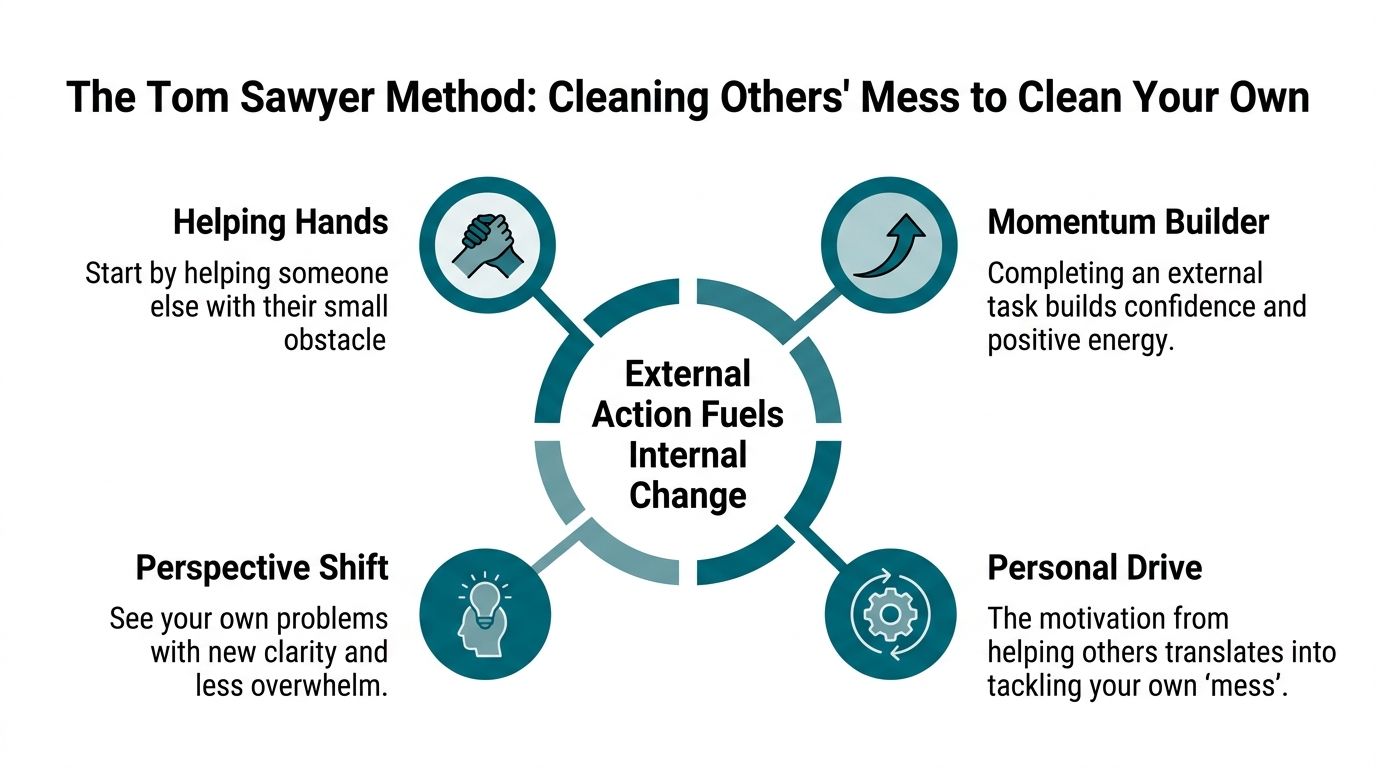
    A diagram explaining the Tom Sawyer method for overcoming personal obstacles through helping others with tasks.

    External action creates internal motion

    When you're stuck in your own head, introspection can become quicksand. You keep thinking, sorting, processing, analyzing. Hours pass. Nothing moves.

    External service breaks that spell.

    You don't need a giant mission. You need a concrete task that gets your body involved and points your attention outward. Pick up litter. Help a friend sort a closet. Walk an older neighbor's groceries upstairs. Sweep a shared hallway. Wipe down the break room at work without making a speech about it.

    Here's why this works:

    • The task is visible: You can see before and after with your own eyes.
    • The stakes are lower: You're not wrestling your whole identity. You're doing one useful thing.
    • Your body joins the process: Motion cuts through rumination.
    • You build trust fast: You keep a promise, even a small one.

    I learned a lot from reading about intrinsic motivation and what keeps action going from the inside. The part that mattered most to me was simple. Lasting drive usually grows better from meaning than from self-scolding.

    Do something useful before you feel ready. Readiness often shows up late.

    Find your fence to paint

    Your "fence" should be tangible, slightly uncomfortable, and easy to repeat. It should also help someone or improve a shared space.

    Try one of these:

    • For mental fog: Take a trash bag and clean one stretch of sidewalk near your home.
    • For loneliness: Join a recurring volunteer shift where people work side by side.
    • For procrastination: Help someone else finish a task with a clear endpoint.
    • For low self-trust: Pick one weekly service habit and protect it.

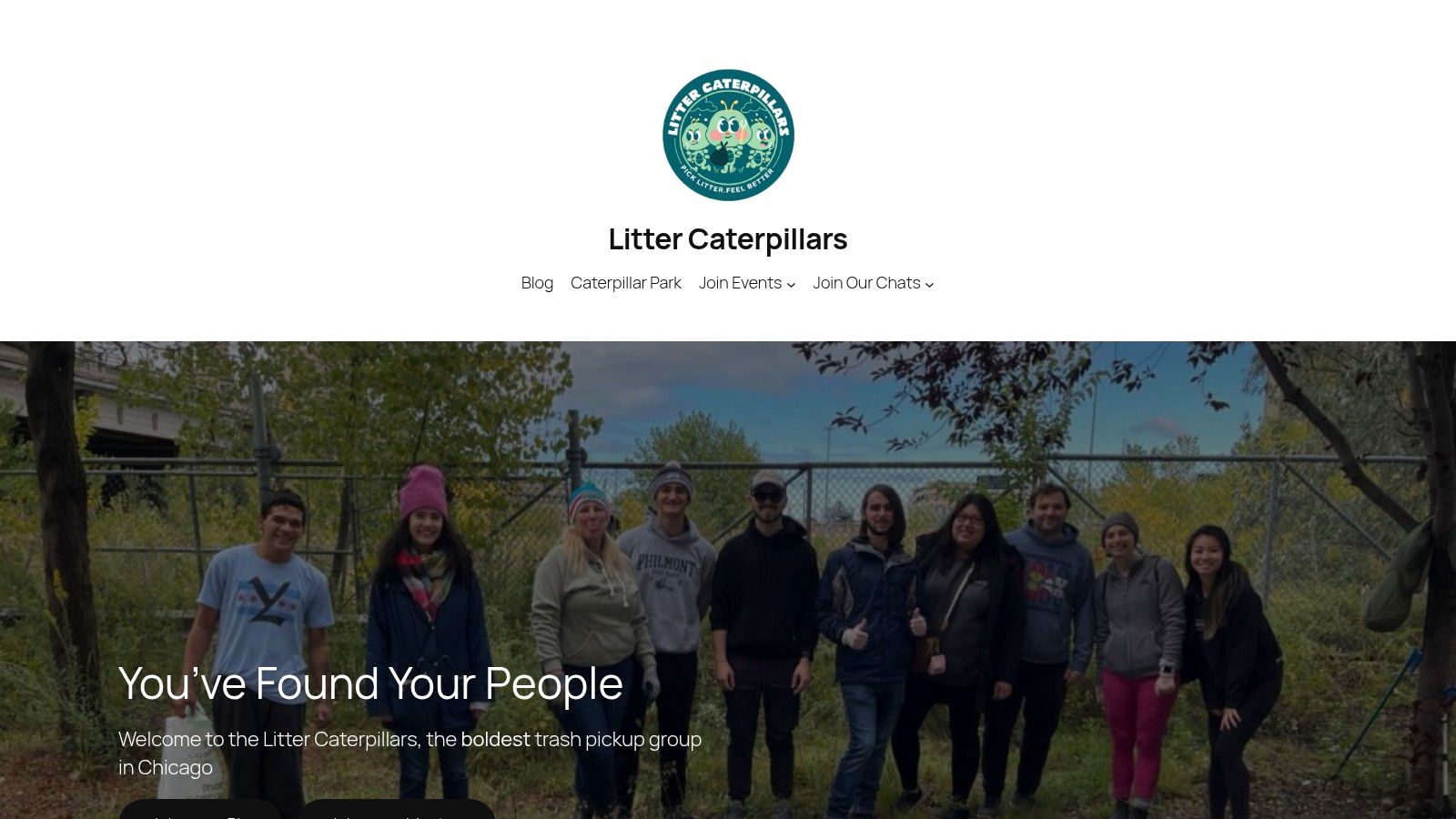
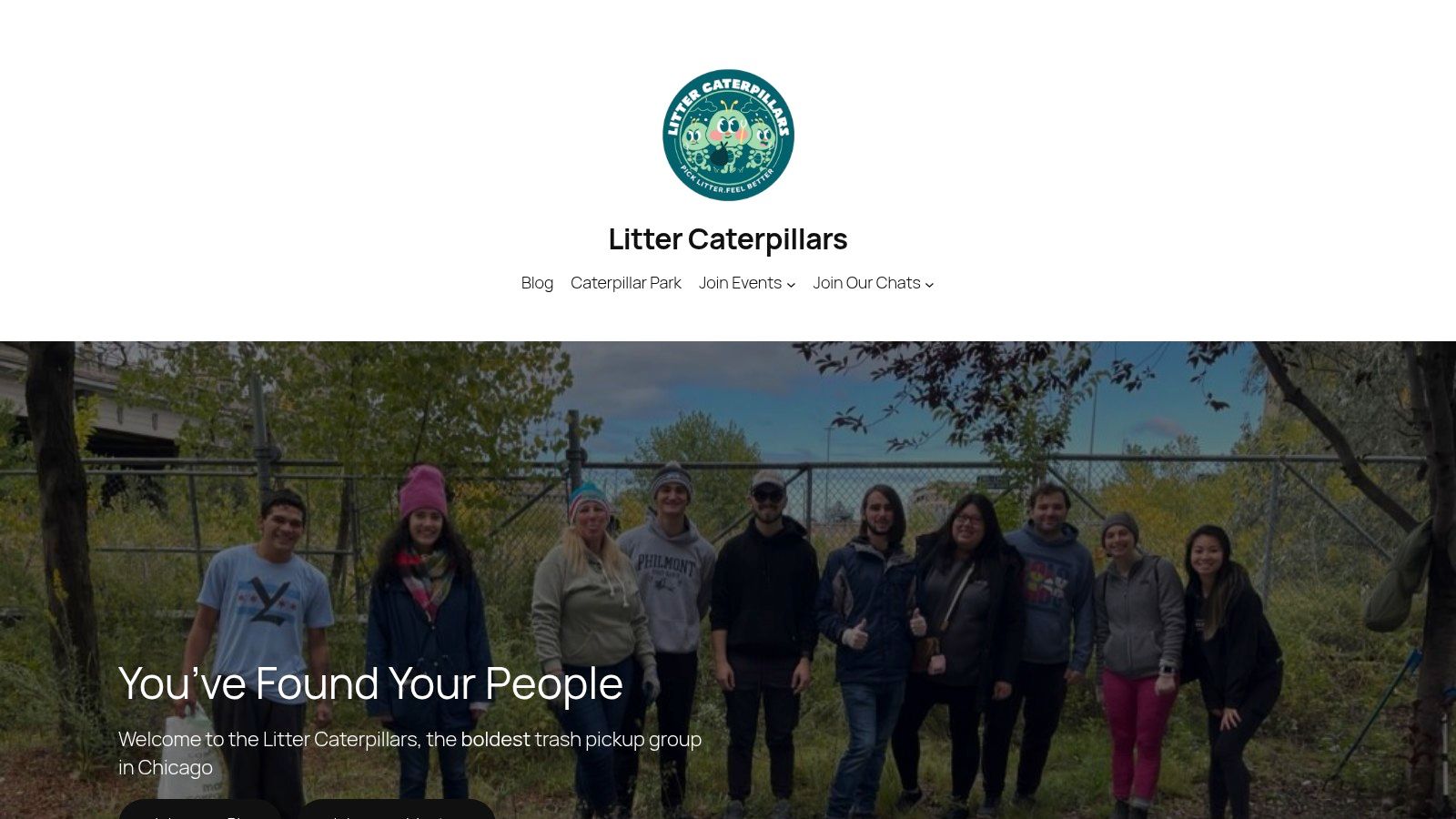
    I know one option firsthand. Litter Caterpillars runs volunteer trash pickups in Chicago on weekend mornings, which gives people a recurring, physical way to practice service, consistency, and courage in public. But the method matters more than the group name. If you're nowhere near Chicago, your version can be different.

    Why this strange route works

    Your brain loves proof. It doesn't care much about your speeches.

    If you tell yourself, "I'm changing," but your days stay the same, the words rot. If you spend one morning helping clean a block, carrying bags, talking to people, and making a place look better, you have proof. Small proof, yes. But proof has teeth.

    That is why I call this the Tom Sawyer method. Reframe the hard thing. Turn growth into service. Make the job visible. Let action pull your mind behind it.

    Creating Your Caterpillar Transformation Plan

    Big goals can make you freeze. "Get my life together" is too large to hold. Your brain hears that and looks for a place to hide.

    I had to shrink everything until it looked almost silly. That's when I could finally move.

    Start with one block

    A city doesn't get cleaned all at once. You do one block. Then another. Your life works the same way.
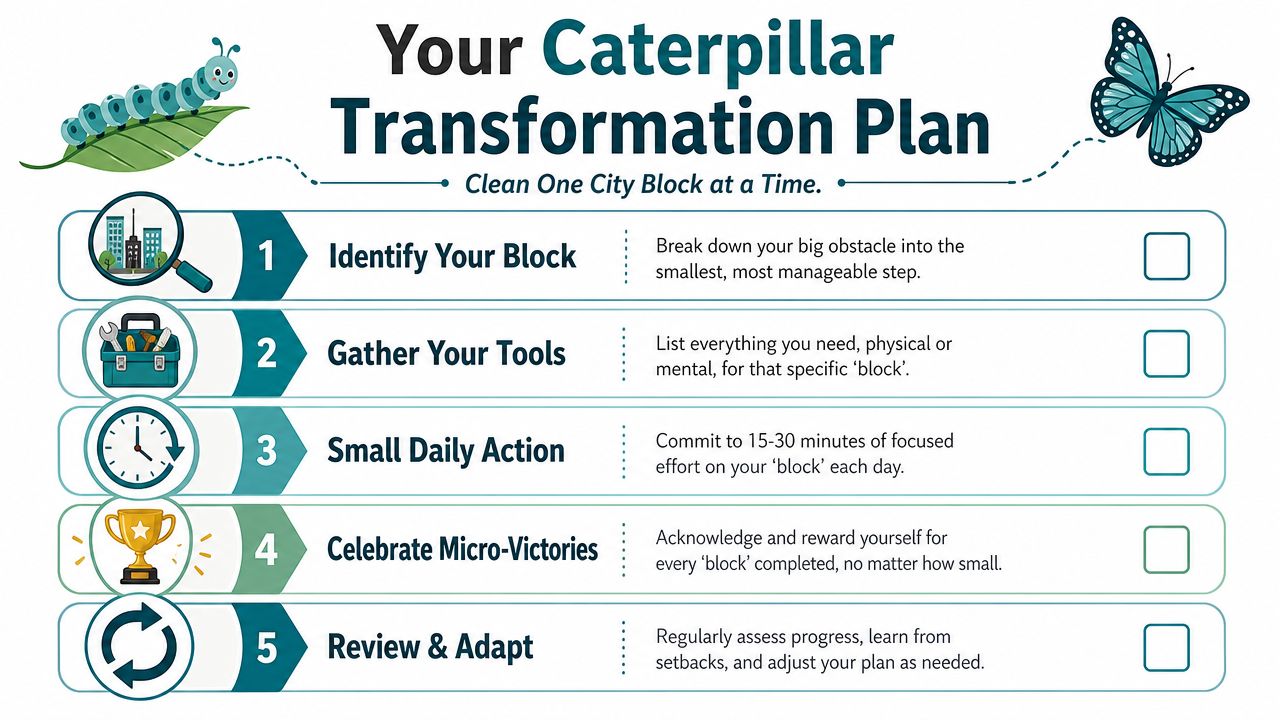
    A checklist infographic titled Your Caterpillar Transformation Plan illustrating five steps for overcoming personal obstacles effectively.

    When you think about overcoming personal obstacles, don't write down the grand identity shift. Write down the smallest version of it that still counts.

    Bad plan: become consistent.
    Better plan: show up for one hour this Saturday with gloves and a trash bag.
    Bad plan: fix my apartment.
    Better plan: clear the kitchen counter and throw away expired food.
    Bad plan: rebuild my social life.
    Better plan: text one reliable person and ask them to join me for a useful errand.

    Build a plan you can actually obey

    I use a simple framework. Keep it ugly and practical.

    1. Name the block
      Choose one obstacle that bothers you enough to matter and feels small enough to touch. One drawer. One phone call. One walk around the block with a bag.

    2. List the tools
      Put down what you need before the moment arrives. Trash bags. Gloves. Calendar reminder. Water bottle. Friend's number. Bus route. Shoes by the door.

    3. Set a tiny time box
      Give yourself a short container. If you feel ambitious, your ambition will betray you. Short is sticky.

    4. Choose a service angle
      Ask, "Who else benefits if I do this?" Shared benefit adds fuel. Cleaning your front step helps your neighbors. Calling your aunt helps her and gets you out of yourself. Returning library books helps the next person too.

    A grounded check: Make the task so small that your excuse sounds a little dramatic.

    A sample plan

    Here is what this can look like in real life.

    Part Example
    Obstacle I avoid my kitchen because it reminds me how scattered I feel
    Small block Throw away expired food and wash what is in the sink
    Tools Gloves, sponge, soap, trash bag, playlist
    Time box One short session on Saturday morning
    Service angle Clean one small patch outside my building after I finish
    Win condition I showed up and completed the block I chose

    The win condition matters. It should focus on showing up, not on becoming a new person overnight.

    Keep the bar low enough to repeat

    A lot of people wreck themselves by treating one good day like a personality transplant. They clean for hours, write a color-coded plan, buy containers, and then disappear for weeks.

    I've done that. It feels productive. It isn't.

    Repeatable action has a different texture. It's plain. It doesn't make a lot of noise. You almost feel unimpressed by it. That's usually a good sign.

    Use these guardrails:

    • Pick one recurring slot: Weekend morning works well because the day hasn't chewed you up yet.
    • Remove setup friction: Put supplies where your hand can find them fast.
    • Pair action with place: If you always start at the same corner, desk, or block, your body learns the route.
    • Track proof, not perfection: Write down "I showed up" every time you do it.

    When you miss a day

    You will miss days. I miss days. Everyone does.

    The trap is making the miss mean something huge. "See, I knew I wasn't disciplined." No. It means you missed a day.

    When you slip, don't redesign your whole life. Resume the block. That is it. Start so small that you can restart while annoyed, tired, or embarrassed.

    That's how a plan becomes real. It doesn't need to impress anyone. It needs to survive contact with your actual life.

    Finding Your People in the Hailstorm

    The first cleanup was absurd.

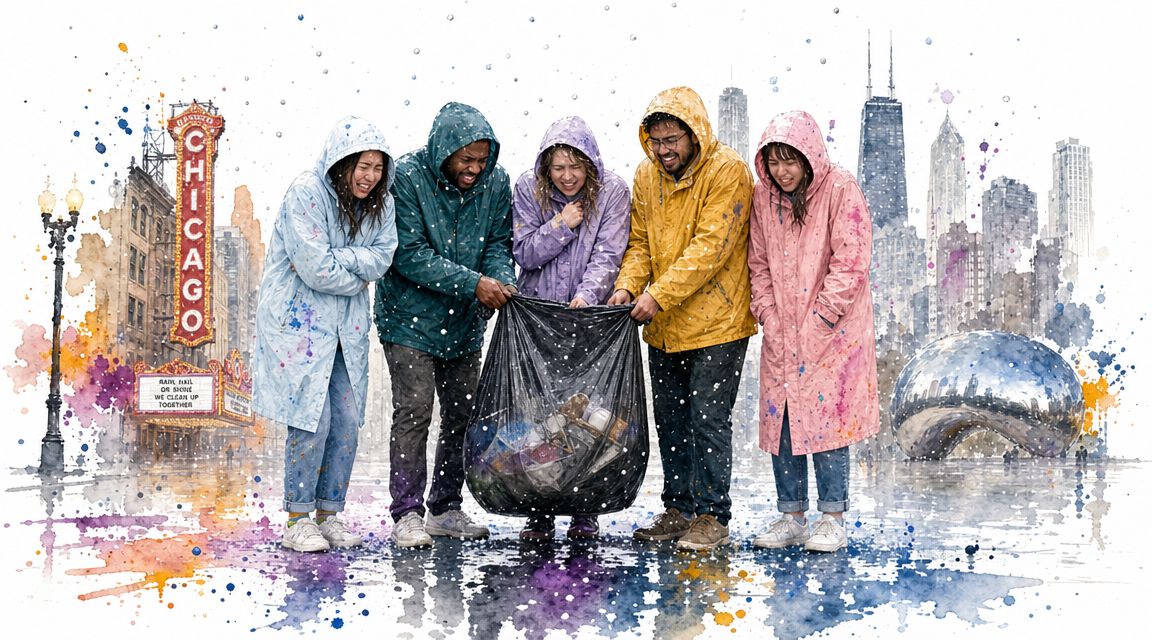
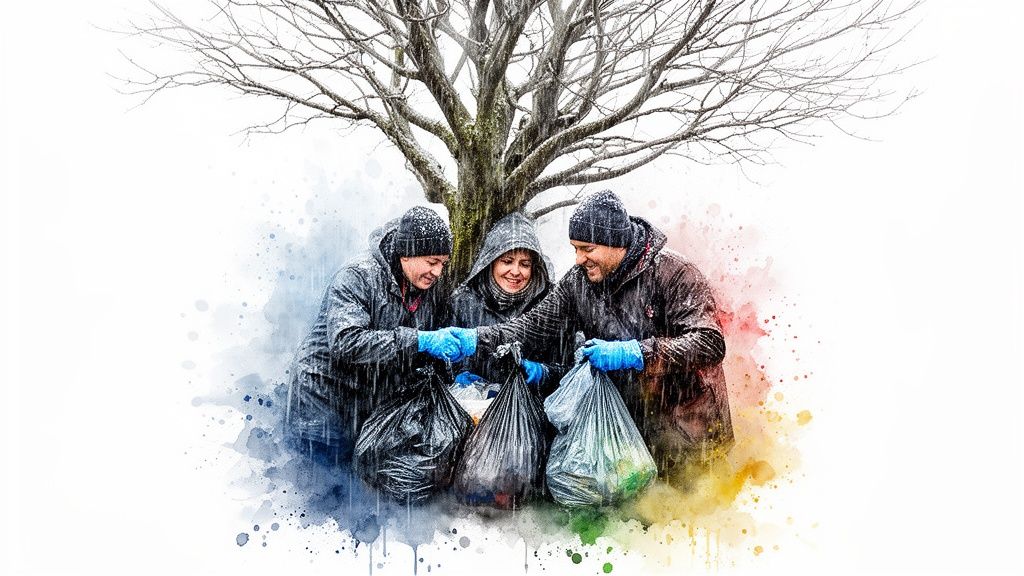
    There were only three of us. The sky turned ugly, then Chicago did what Chicago does. Hail. Cold wind. Wet hands. We huddled under a tree, shivering, while Uber after Uber canceled on us.
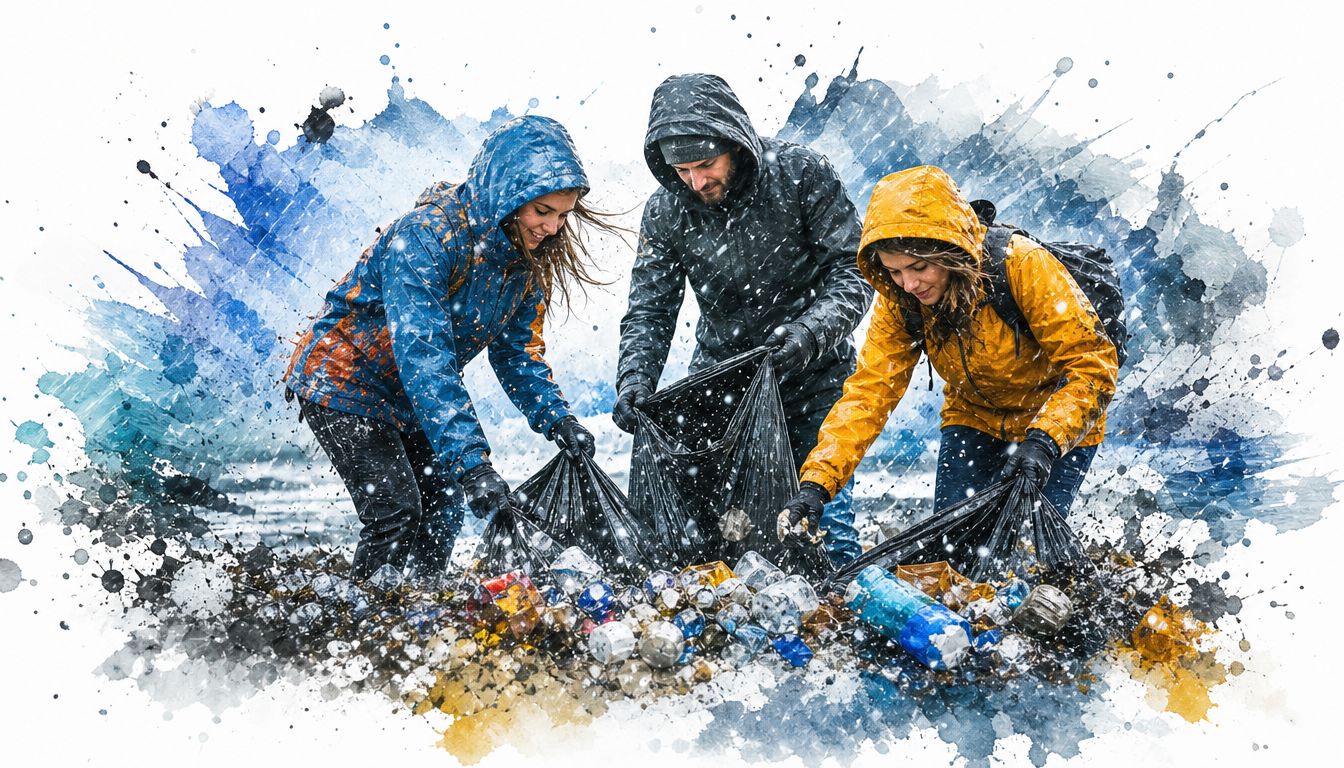
    Three volunteers in rain jackets collecting trash and plastic waste from a beach during snowy weather.

    I should've gone home angry. Instead, I felt weirdly alive.

    Shared hardship has a strange warmth

    When you do something difficult with other people, the day gets a pulse. You remember the details. The wet sleeves. The stupid jokes. The look on someone's face when the weather gets worse and they stay anyway.

    That kind of bond is different from casual hanging out. Talking over drinks is easy. Standing in bad weather with a trash grabber and a half-full bag tells you more about a person.

    I realized something under that tree. I didn't only need better habits. I needed better people around those habits. I needed givers. People who'd show up early, carry weight, laugh when plans got messy, and help without turning everything into a performance.

    Some friendships start with comfort. The durable ones often start with effort.

    How to find the people who stay

    You don't find solid people by making a perfect list of personality traits. You find them while doing useful things in conditions that aren't polished.

    That can mean service work, mutual aid, community gardening, park cleanups, food pantries, church kitchens, neighborhood builds, or any recurring task where people trade convenience for care.

    Look for these signs:

    • They arrive when it's inconvenient: Rain, cold, early mornings, awkward locations.
    • They don't need applause: They work without asking the room to clap.
    • They make hard things lighter: Not easier, lighter. Big difference.
    • They keep their word in small ways: That usually predicts the rest.

    I also think a lot of social anxiety softens when you stop treating social life like performance and start treating it like teamwork. If that's your knot, this piece on how service can help with social anxiety gets at something real. It's easier to talk when your hands have a job.

    Let the story get a little rough

    People chase smooth experiences and then wonder why their lives feel flat. A little weather helps. A little inconvenience gives the day a shape.

    This clip catches some of that spirit:

    I don't mean you should seek danger or ignore safety. I mean stop rejecting every situation that has friction. Friction is where people become memorable to each other.

    Build your circle on purpose

    After that rough first cleanup, I made a quiet promise to myself. I would engineer my social circle more carefully. Less chaos. Less selfishness. More people who like doing good work together.

    You can do that too.

    Try this simple filter:

    1. Go where useful work happens
    2. Return often enough for people to recognize you
    3. Notice who sticks around after the easy part
    4. Invite one person to do one more useful thing

    That last step matters. Community doesn't fall from the sky. Somebody has to text first. Somebody has to say, "Want to help me with this Saturday morning?"

    When people stand with you in the hail, they change your idea of what's possible. Hard days stop feeling like private punishment. They start feeling like story.

    Making Progress a Permanent Part of You

    At some point, progress stops being a project and starts becoming part of your character. That shift is quiet. No trumpet. No montage.

    You just notice that you are the kind of person who shows up.

    Bravery has a rougher texture than people admit

    I used to think bravery would feel clean and noble. It doesn't. Usually it feels awkward, underprepared, slightly embarrassed, and a little cold.

    That is fine.

    I learned to stop treating fear, failure, and suffering like signs to turn back. Sometimes they are just the price of entry. If you're serious about overcoming personal obstacles, you need a relationship with discomfort that isn't so dramatic. It can hurt and still be useful.

    Identity grows from repeated proof

    Pride matters here. I mean earned pride, the kind that comes from doing hard, kind things often enough that you start to believe your own record.

    Sports teams have flags, songs, colors, rituals. They understand something simple. People act differently when they feel part of something and when they feel proud of what they do. You don't need to become corny about it. But you do need to let yourself say, "Yes, this is who I am now."

    You are not just trying to be more reliable.
    You are reliable because you keep returning.

    You are not just trying to be brave.
    You practice brave things on ordinary mornings.

    If procrastination keeps pulling you backward, I like this practical take on how to overcome procrastination through action and repetition. The heart of it is familiar. You build momentum by doing, not by waiting for a cleaner mood.

    Keep this sentence nearby: I don't need a new life today. I need one honest action that matches the person I'm becoming.

    Keep your own receipts

    Make your progress visible to yourself.

    Use a notebook, a notes app, a wall calendar, or a scrap of paper by the door. Record the actions that matter. Showed up. Picked up a bag of trash. Cleaned the sink. Sent the text. Took the walk. Helped the neighbor. Returned after missing last week.

    These are receipts for your identity.

    Bad days will come. You'll feel flat. You'll slide. None of that cancels the person you are building. A rough week is weather. It isn't a verdict.

    What lasts is the pattern. You keep showing up, rain or shine, and eventually your life starts to trust you. That trust is hard to describe if you've lived without it. It feels like standing up straighter inside your own skin.

    And once you feel that, even briefly, you won't want to go back.


    If you want a practical way to get out of your head and into motion, Litter Caterpillars has weekly Chicago cleanup events built around service, friendship, and doing hard things together outdoors. Bring gloves if you have them. Bring yourself if you don't.
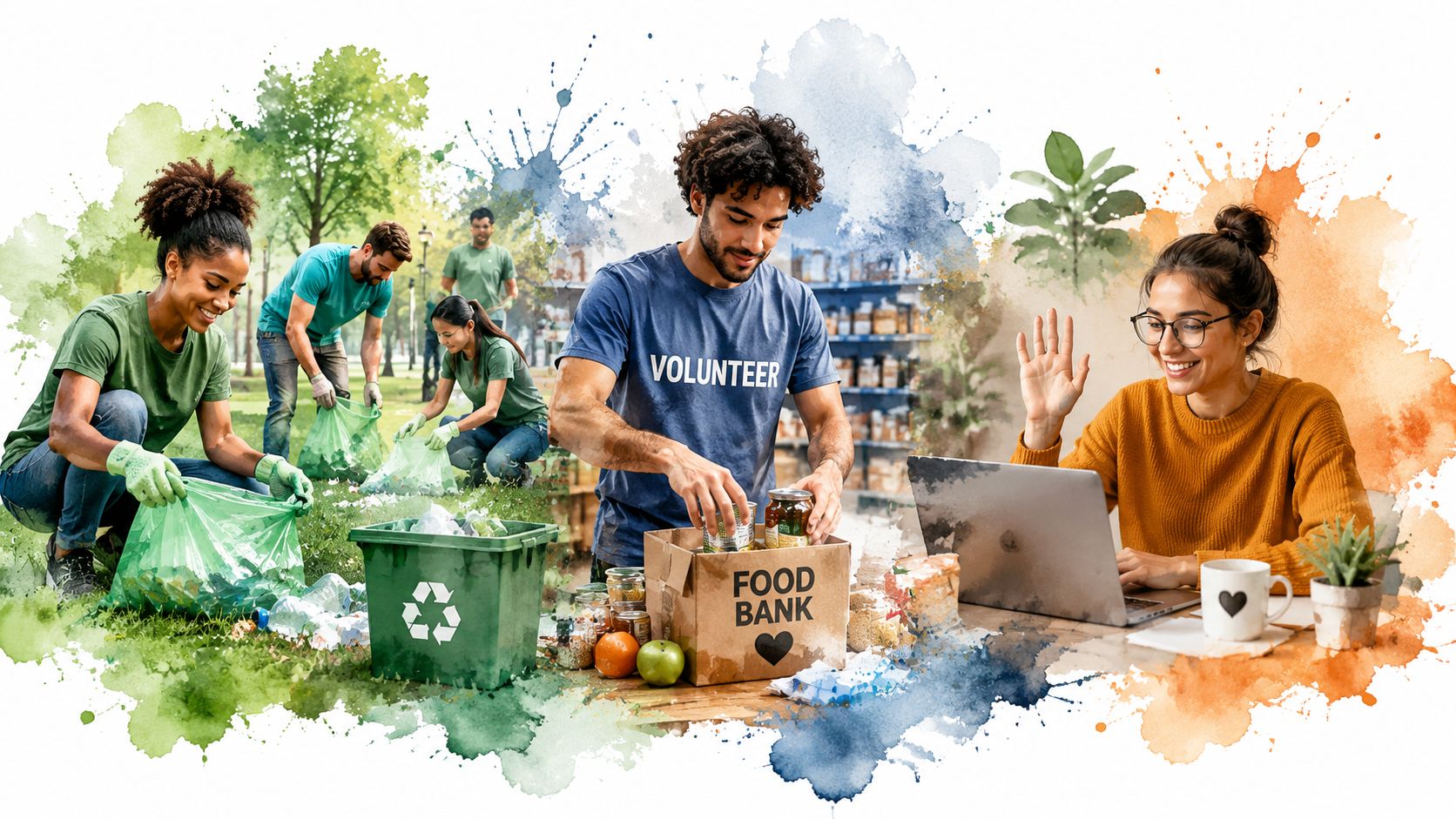
  • 10 Best Free Volunteer Opportunities to Join in 2026

    10 Best Free Volunteer Opportunities to Join in 2026

    My apartment used to look like a museum of stalled intentions. A jam jar from an old trip, a half-empty bag of nuts from a health kick I dropped, receipts I couldn't throw away. After a chaotic relationship ended, I got tired of living inside my own mental junk drawer, so I tried something odd: I started picking up trash outside.

    It felt easier to lift a stranger's bottle off the sidewalk than to face the stories in my own kitchen. But that small act gave me three things I'd been missing for years: cleanliness, consistency, and bravery. If you've ever wanted free volunteer opportunities that don't feel stiff or transactional, I want to show you the ones I'd tell a friend to try.

    1. Litter Caterpillars

    Litter Caterpillars

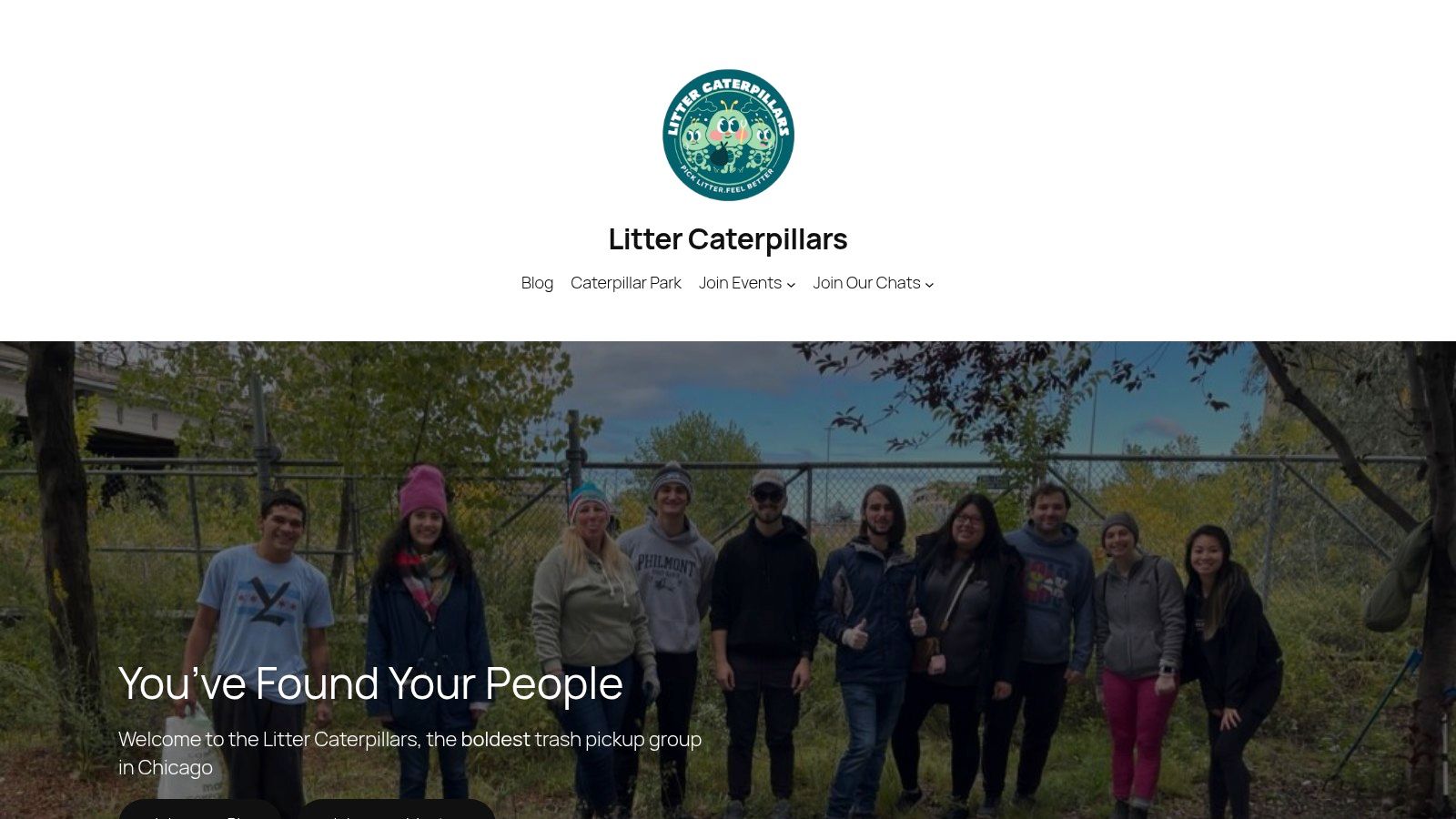
    The first time I joined a Litter Caterpillars cleanup, I was carrying more than a grabber and a trash bag. I was carrying the stale sadness of a life that felt cluttered from the inside out. For two hours, I stopped replaying old conversations and started noticing broken glass in the grass, fast-food wrappers snagged in a fence, and a neighbor who smiled and said thanks from her porch.

    That morning changed the scale of my problems. A whole block looked lighter by noon, and so did I.

    Litter Caterpillars is where I send you first if you want free volunteer opportunities that feel human, physical, and real. You show up, get the supplies you need, and spend a morning doing work you can see with your own eyes. There is something grounding about leaving a street cleaner than you found it. No résumé glow-up. No complicated onboarding. Just a clear task and a shared purpose.

    Why this one feels different

    What grabbed me was the group's attitude. They have cleaned in every ward of Chicago, as noted on the group's Meetup page. That told me they were serious about the whole city, not just the easy or photogenic corners.

    Their work has also stretched beyond curbside pickups. A Chicago Tribune report on Caterpillar Park in Englewood describes how the group helped turn an empty lot into a community park with gardens and native plants. I love that arc. Pick up one bottle. Return next week. Keep showing up. Eventually a neglected space starts to look cared for, and people do too.

    That is the hidden gift of a group like this. You come for trash pickup, but you leave with rhythm.

    What you'll like and what might bug you

    • Best fit: You want outdoor service, casual conversation, and visible results by the end of the shift.
    • Why people stay: Regular weekend meetups make it easier to build a habit and recognize familiar faces.
    • Possible downside: Early mornings, weather, and messy cleanup sites can be a tough match for some people.
    • Easy next step: If you want help choosing your first event, this guide on how to find volunteer work that fits your life makes the decision easier.

    I also appreciate the social contract here. Your time counts. You are useful the minute you arrive.

    If you're in Chicago and you want a starting point that feels bold, scrappy, and unexpectedly healing, Litter Caterpillars is a strong first yes.

    2. Idealist

    When I don't know exactly what kind of service I want, I use a big directory. Idealist is that kind of tool. It helps when your mood is vague but sincere, like, "I want to help this month, but I don't yet know if that means tutoring, cleanup, or remote work."

    Idealist now pulls from a bigger pool because it merged with VolunteerMatch in early 2025. That makes it a strong place to search if you want both skills-based roles and boots-on-the-ground options.

    When to use it

    I like Idealist when I want filters. You can search by location, remote or in-person work, cause area, and time commitment. You can also save searches and watch for new openings instead of starting from scratch every week.

    If you're still figuring out your lane, I'd pair it with this guide on how to find volunteer work. It helps turn "I should volunteer sometime" into "I'm signing up today."

    • What it does well: It has a huge range of listings.
    • What to watch for: Some postings get stale, and some groups want you to create an account before applying.
    • Best for: People who want options more than a single community.

    You can browse it at Idealist.

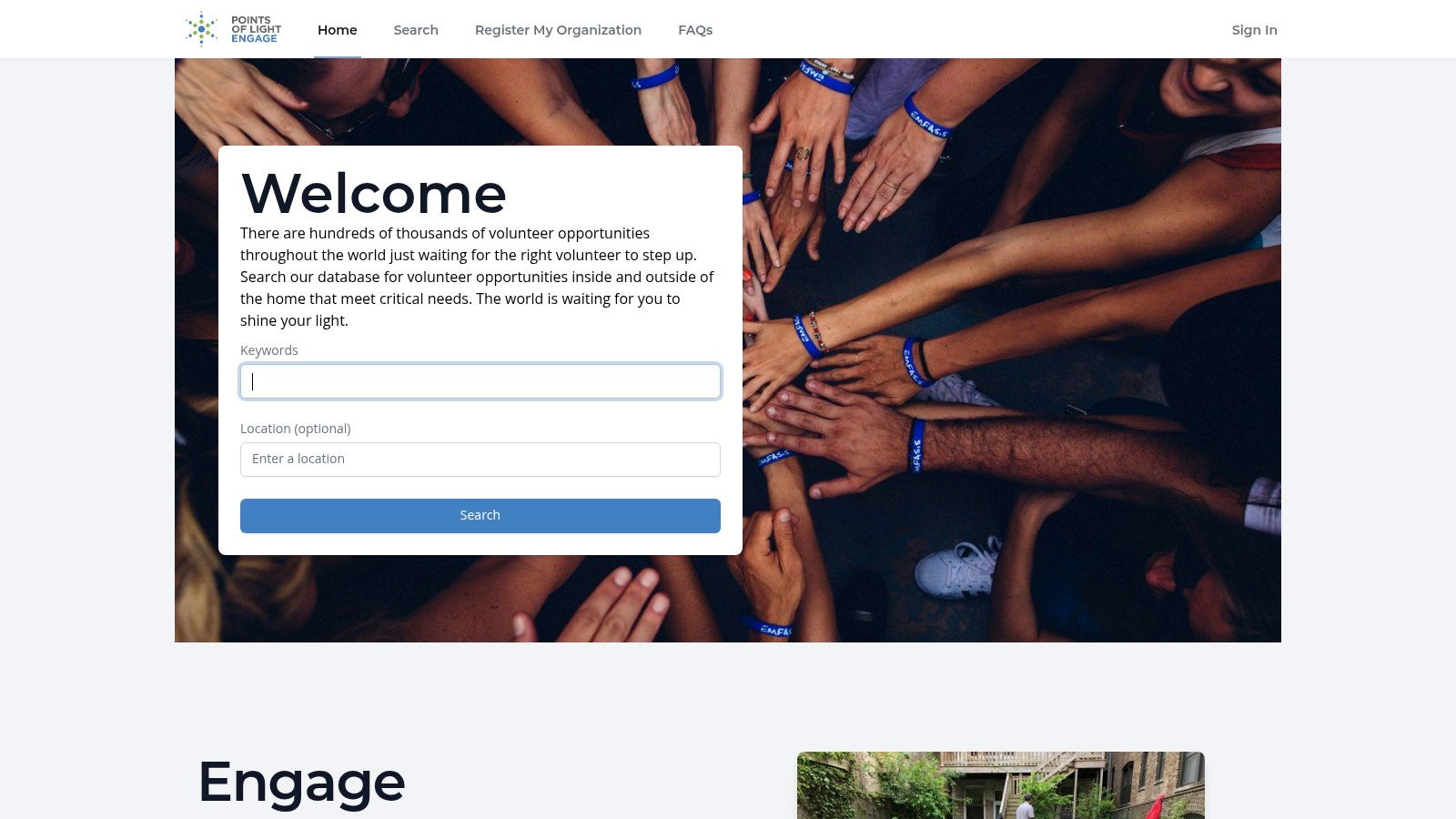
    3. Points of Light Engage

    Points of Light Engage (formerly All for Good)

    Points of Light Engage feels like the big train station of volunteer search. Lots of routes, lots of causes, lots of partner listings moving through one place. When I want to cast a wide net without opening ten tabs, I use Points of Light Engage.

    That broad view matters because formal volunteering got harder for many groups to sustain. The Council of Nonprofits summary on new volunteer data says the U.S. formal volunteering rate fell by over 23 percent, from 30 percent in 2019 to 23.2 percent in 2021, and nearly half of nonprofit respondents called volunteer recruitment a big problem.

    Why it's useful

    Points of Light Engage pulls listings from partner organizations and platforms, so you may find opportunities there that don't show up on a single local site. I also like it for comparing virtual and in-person roles side by side.

    Volunteer energy is fragile. A search tool should lower friction, not add more of it.

    That said, aggregator sites can get messy. You may hit duplicate listings, and some sign-ups send you to partner portals.

    • Good pick if: You want breadth and don't mind a little clicking.
    • Less ideal if: You hate redirects or repeated listings.
    • Best use: Search broadly first, then narrow by cause and distance.

    You can search at Points of Light Engage.

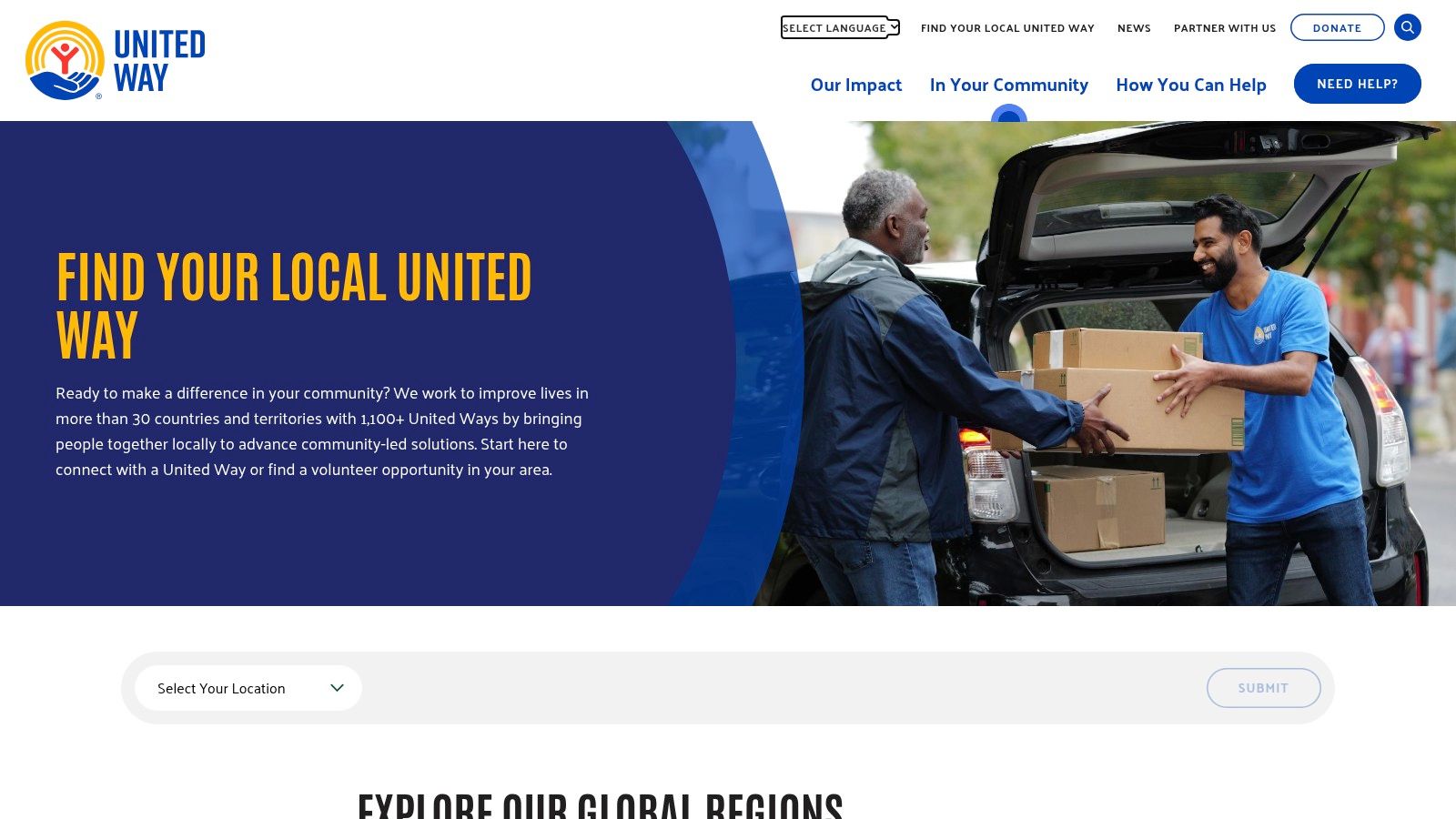
    4. United Way

    United Way (local volunteer portals)

    United Way is the friend I'd send to someone who says, "I want something reliable near me." Its local portals usually feel less chaotic than giant directories. You search, find a shift, and the role often sounds concrete: pantry sorting, event help, tutoring, admin support.

    I like that structure. Some weekends, I want the wild-card energy of a street cleanup. Other weekends, I want something scheduled and clear, like a shift with a start time, a room number, and a person expecting me.

    Where it shines

    United Way has local hubs, and those hubs often include short-shift options for individuals, families, and work groups. If you're trying to volunteer with a roommate, partner, or office team, that's handy.

    The trade-off is that local inventory changes by city and season. Some roles also need a background check or short orientation before you start.

    • Best fit: You want nearby roles with some structure.
    • Good for groups: Family volunteering and company volunteer days.
    • Watch for: Popular shifts can fill fast.

    Start at United Way's local finder.

    5. Keep America Beautiful

    If picking up litter gave me my footing back, then Keep America Beautiful speaks my language. This network focuses on cleanup and beautification, and that makes it one of the easiest entries into free volunteer opportunities if you like visible results.

    I always tell people this: some service feels like planting seeds you'll never see. Cleanup is different. You see the before and after with your own eyes. That's satisfying in a very direct way.

    Why cleanup people love it

    Keep America Beautiful connects volunteers to local affiliate events across the country. During seasonal pushes like the Great American Cleanup, it can be especially easy to find a date, sign up, and join a group.

    The catch is local variation. In some places, you'll find a full calendar. In others, the schedule thins out outside the busier season.

    If you struggle with motivation, choose work with an obvious finish line. A full trash bag is a finish line.

    I also like cleanup work because it changes how you consume. The Litter Free Chicago-Calumet River initiative recommends avoiding single-use plastics like water bottles, straws, and bags because they require enormous energy to produce and add to climate change. Once you pick those items up off the ground enough times, you stop seeing them as disposable.

    Find events through Keep America Beautiful's volunteer portal.

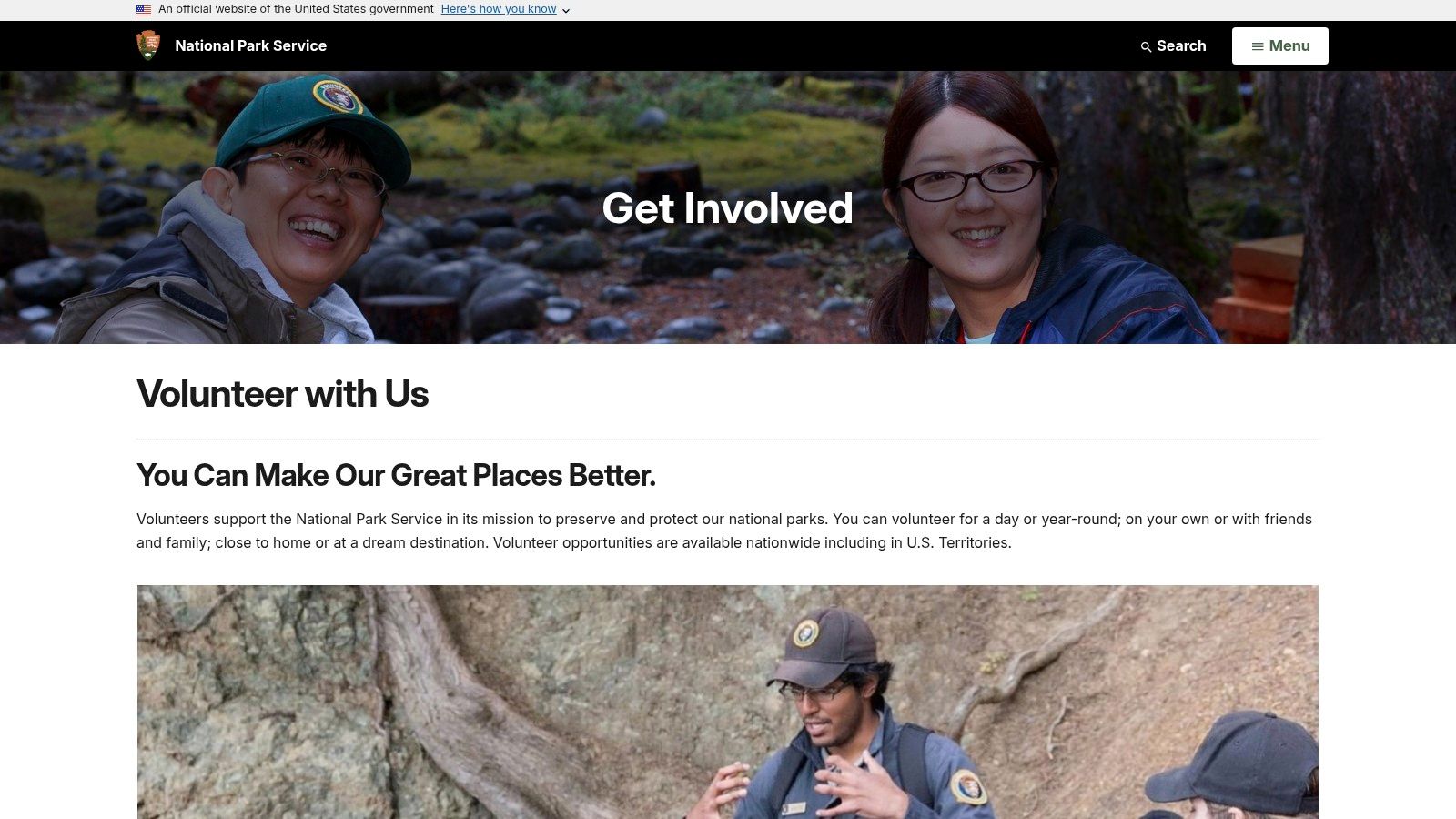
    6. National Park Service Volunteers-In-Parks

    National Park Service – Volunteers‑In‑Parks (VIP)

    The National Park Service Volunteers-In-Parks program is for the part of you that wants your service to feel like a field journal. Trails, habitat work, historic sites, visitor help, citizen science. It has the feeling of doing something useful while also stepping into a bigger physical world.

    I turn to this kind of volunteering when city life starts making me feel boxed in. A park shift changes the scale of the day. You stop staring at your phone and start paying attention to dirt, weather, and time.

    What to expect

    The range is wide. Some roles are beginner-friendly. Others need advance applications, training, or a set schedule. Travel can also be part of the equation, and lodging is usually on you.

    That makes this less spontaneous than a neighborhood cleanup, but more immersive if you're ready for it.

    • Great for: Outdoor people, history lovers, and anyone who wants structured conservation work.
    • Harder part: Planning ahead.
    • Best mindset: Treat it like a trip with a purpose.

    You can search openings through the National Park Service volunteer page.

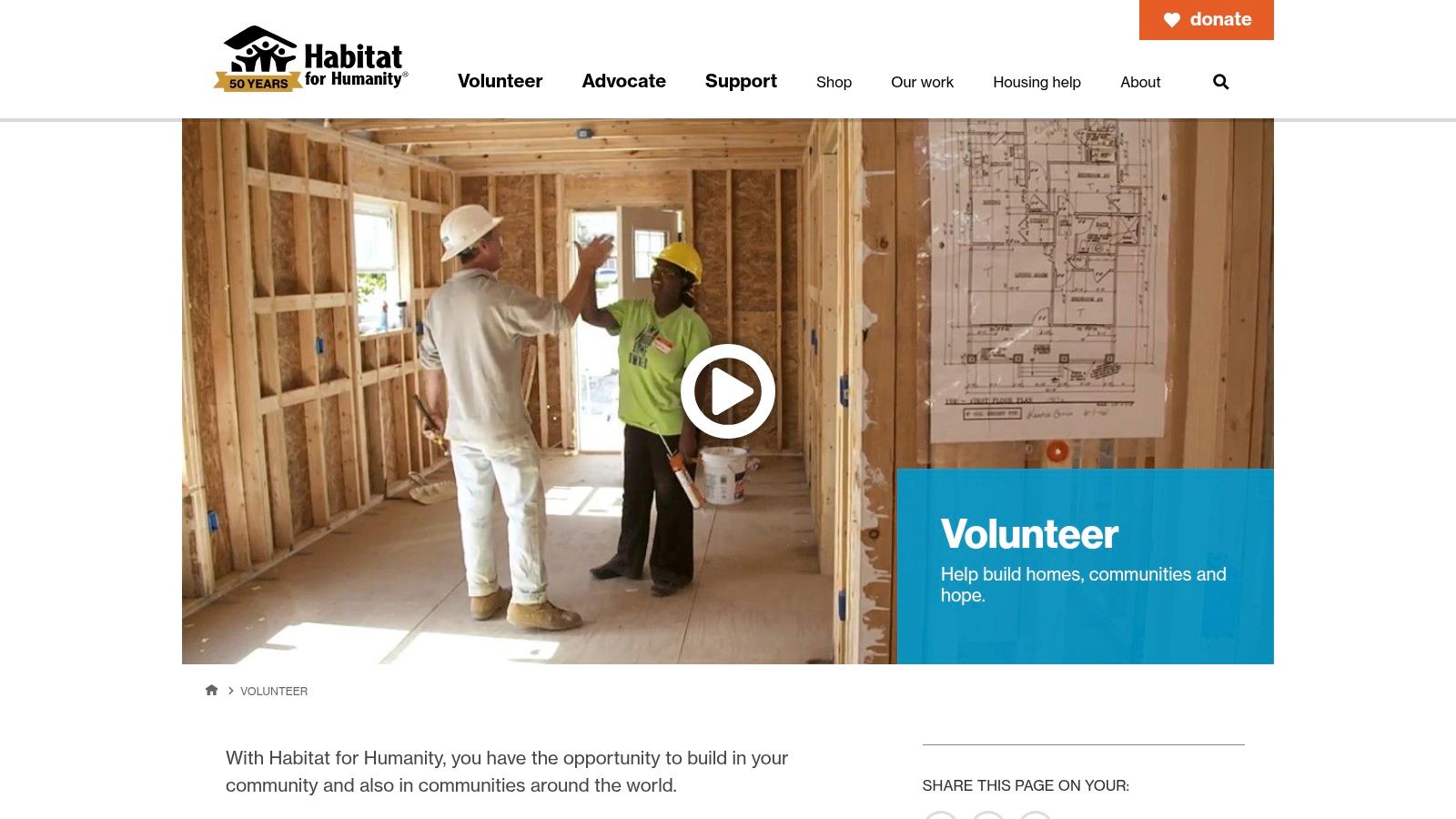
    7. Habitat for Humanity

    Habitat for Humanity

    Habitat for Humanity is for people who want to point at a wall, a window, or a repaired room and say, "I helped do that." I love that kind of service because it leaves behind a tangible memory. You're not guessing whether your effort mattered. You can plainly see the frame.

    You also don't need to arrive as a construction pro. Habitat trains volunteers on site and gives supervision and safety briefings through local affiliates.

    Why people keep coming back

    There's something sticky about shared labor. The Independent Sector page on the value of volunteer time says the presence of a regular volunteer raises the probability of a volunteer returning by 15 percent, moving from an average 10% return probability to 11%. I read that and nodded because it matches real life. Familiar faces pull you back.

    If you're helping a group recruit and keep people engaged, this page on volunteer recruitment strategies is worth your time too.

    • Best fit: You want a team environment and visible progress.
    • Know before you go: Some tasks are physical, and some shifts have age or safety limits.
    • Why it works: The site crew usually makes the day feel organized and social.

    Sign up through Habitat for Humanity.

    8. Feeding America

    Feeding America (food bank network)

    Feeding America is what I suggest when someone wants a practical first step. Food bank shifts are often easier to book than more specialized roles, and the work is easy to understand. Sort, pack, move, organize, distribute.

    That kind of rhythm is good for anxious brains. Your hands know what to do, so your mind gets a break.

    Why it's easy to start

    Feeding America lets you use your ZIP code to find nearby food banks and their volunteer calendars. A lot of local sites have short shifts, evening options, and weekend slots, which helps if you work standard hours.

    The work can be repetitive. That isn't always a downside. Repetition can calm you down, the way sweeping a floor can calm you down.

    • Great first volunteer stop: Simple tasks and low friction.
    • Good for groups: Friends, families, work teams.
    • Small catch: Some sites want a brief orientation and closed-toe shoes.

    Search near you at Feeding America volunteer opportunities.

    9. Team Rubicon

    Team Rubicon

    Team Rubicon is for the person who wants service with urgency. Disaster response has a different emotional texture from weekly neighborhood volunteering. It asks for readiness, training, and patience, then suddenly asks you to move.

    I admire that model because it respects preparation. You don't just drift into a serious field operation. You onboard, learn the basics, and wait for the right moment.

    Who should join

    If you like clear roles, field training, and strong camaraderie, Team Rubicon has that pull. Volunteers can get alerts for deployments and local events after onboarding and safety training.

    This path is less predictable than a weekly cleanup or pantry shift. Disasters don't run on your calendar. Some roles are also physically demanding and may require background checks and more training.

    Some people need a weekly routine. Other people need a mission that calls them when it's time.

    Visit Team Rubicon volunteer information.

    10. DoSomething.org

    DoSomething.org is the easiest recommendation on this list for younger volunteers, students, and people who want to start from home. If traditional volunteering feels like too many forms, too much logistics, or too much pressure, this is a softer runway.

    I like it because momentum matters more than drama at the beginning. A quick action you perform beats a grand plan you keep postponing.

    Best for building the habit

    DoSomething.org has campaigns, toolkits, and checklists around issues like the environment, mental health, civic engagement, and equity. Many actions are remote or DIY, so you can start from school, your room, or a local hangout spot.

    That flexibility can turn intention into routine. In the United States, nearly 51% of people age 16 and older engaged in civic help between September 2020 and 2021 when informal volunteering was included, according to the U.S. Census Bureau's civic life report. I think that's part of the appeal here. Help doesn't always begin with a formal badge or a clipboard.

    • Best fit: Teens, students, and young adults.
    • Why it works: Fast start, no cost, easy to share with friends.
    • Possible mismatch: If you only want traditional in-person shifts, the site may feel too campaign-driven.

    You can start at DoSomething.org.

    Top 10 Free Volunteer Resources Comparison

    The first time I tried to choose a place to volunteer, I did what a lot of us do. I opened too many tabs, compared too many options, and nearly talked myself out of starting.

    What helped was a simpler question. What kind of change did I need most right then?

    If you want what helped me at the beginning, start with Litter Caterpillars. It is local, visible, physical, and hard to romanticize. You show up, pick up trash, talk to strangers, and leave with a cleaner block and a quieter mind. That kind of service changed me because it was immediate. I could see the bag filling up while I was clearing out some mess in myself too.

    If you want a wider search, use the rest of this list by fit instead of by rank:

    • Choose Litter Caterpillars if you want direct, outdoor, community-level action and a group with personality.
    • Choose Idealist if you want the biggest range of searchable opportunities across causes.
    • Choose Points of Light Engage if you want one starting point that pulls together many partner options.
    • Choose United Way if you want trusted local coordination and shorter, organized shifts.
    • Choose Keep America Beautiful if litter cleanup and beautification are what pull you in.
    • Choose National Park Service Volunteers-In-Parks if you want conservation work in outdoor settings.
    • Choose Habitat for Humanity if you want to build or repair something tangible with your hands.
    • Choose Feeding America if you want repeatable shifts with immediate help for local families.
    • Choose Team Rubicon if you want structured disaster response and the commitment that comes with it.
    • Choose DoSomething.org if you want a low-pressure start, especially if you're young or beginning from home.

    That is the true comparison I wish someone had given me earlier. Less spreadsheet, more honest match.

    You do not need the perfect option. You need the one you will show up for.

    Your Turn to Start the Story

    My story started with one piece of trash and one decision. I didn't wake up transformed. I just got tired of waiting to feel ready, and I learned that action can come before clarity.

    That lesson is why I care about free volunteer opportunities so much. They remove one excuse. You don't need to buy your way into purpose. Around the world, informal volunteering is already the bigger share of service. The State of the World's Volunteerism Report 2022 says about 14.3% of the working-age population engages in informal volunteering, compared with 6.5% in formal volunteering, and that volunteer work adds up to about 61 million full-time equivalent workers. A lot of people are already helping in ordinary, direct ways.

    I also think people stay with service for human reasons, not abstract ones. The same U.S. Census Bureau page noted earlier says 35% of volunteers cite socializing as a primary motivation. That tracks with my own experience. I started because I needed to clean up my life, but I kept going because other people showed up too.

    Sometimes the first step is tiny. You sign up for a Saturday cleanup. You sort canned goods for two hours. You pack a toolkit from your laptop and do one action before bed. Those steps look small from the outside, but they can change the story you're telling yourself about who you are.

    I wouldn't overthink the perfect choice. Pick the one that matches your energy right now. If you're restless, choose a cleanup. If you want structure, choose United Way or Feeding America. If you want to build something with your hands, choose Habitat. If you want adventure, choose the parks or Team Rubicon. If you want a low-pressure start, choose DoSomething.org.

    Tom Sawyer made fence painting feel like a prize because he changed the frame around the work. Volunteering can do that too. What looked like a chore to me became an adventure, then a rhythm, then a lifeline.

    Start with one shift. Put it on your calendar. Let the story begin.


    If you want the kind of free volunteer opportunity that gets you outside, introduces you to good people, and lets you see the difference you made before lunch, join Litter Caterpillars. Show up on a weekend morning, pick up a bag, and give yourself a better story to live inside.

  • 7 Outdoor Volunteer Opportunities Near Me to Try in 2026

    7 Outdoor Volunteer Opportunities Near Me to Try in 2026

    I still remember staring at a half-frozen coffee cup on the curb and feeling weirdly relieved. Picking that up was easier than dealing with the mess in my own life. That's why outdoor volunteer opportunities near me stopped feeling like a search term and started feeling like a rope.

    “More Than Just Picking Up Trash”
    I get it. Sometimes life feels like a room that's just too messy to clean. Every little thing feels heavy. You want to make a change, but you don't know where to start. I've been there. The secret I found was that cleaning up someone else's mess is way easier than cleaning up my own. Getting outside, moving my body, and working with other people started a change in me. This isn't just about making a park look nice. It's about finding your strength, your people, and your own story of transformation, one piece of litter or one planted tree at a time.

    Making your search for outdoor volunteer opportunities simple, here are seven Chicago-area options I'd recommend to a friend, and each one gives you a different kind of day, a different kind of dirt under your nails, and a different story to take home.

    1. Litter Caterpillars

    Litter Caterpillars

    The first time I heard about Litter Caterpillars, what got me wasn't the cleanup itself. It was the honesty. A guy was struggling, started picking up trash, and found that one small act gave him something solid to hold onto. I know how real that is. Sometimes you don't need a grand plan. You need gloves, a bag, and a reason to get out the door.

    Litter Caterpillars turns that feeling into a weekly habit. You show up on a Chicago morning, meet strangers who are oddly cheerful about cold weather and dirty work, and head into blocks that have been ignored for too long. Then you watch the place change in your own hands. A sidewalk looks cared for again. An alley stops feeling abandoned. You go home tired, a little gross, and more alive than when you arrived.

    That's why this group sticks with people.

    Founded by Kevin Tao and powered by volunteers, Litter Caterpillars meets week after week, rain or shine, across Chicago. The group has worked in every ward, including corners of the city that rarely get the polished version of civic love. If you want the clearest explanation of why this kind of work matters, their piece on environmental stewardship in everyday language puts it well.

    Why it stays with you

    There's a weird magic in the group's rituals. Flags. Songs. Badges. On paper, it sounds playful. Out on a freezing morning, it gives people courage. Shared rituals turn a cleanup into a crew, and a crew makes it easier to do hard things.

    Kevin's story is a big part of the pull. He started by cleaning up outside because the inside of life felt harder to face. That hit me in the chest when I first learned it. Volunteering can start as service, but sometimes it becomes recovery, confidence, and proof that you can still change something.

    “Suffering and freezing makes things interesting.”

    I love that line because it refuses to dress this up. Some days are uncomfortable. Some sites are messy. You may be hauling bags through wind, heat, or slush. Then someone cracks a joke, you clear a stretch of street that looked hopeless an hour earlier, and suddenly the whole thing feels less like a chore and more like the kind of adventure that changes your posture.

    What you'll probably love, and what might test you

    • Best part: The impact is immediate. You can point to a block, lot, or alley and say, “I helped change that.”
    • Culture: Volunteers come first. Safety matters. The vibe is welcoming, informal, and built for people who want to help instead of perform helping.
    • Community: It's easy to return and get to know people, which matters more than you think when you're trying to build a better life, not just fill a Saturday.
    • Challenge: The work can be physical, and Chicago weather has zero interest in your comfort.
    • Less ideal for: Anyone looking for a polished, corporate-style volunteer program centered on fundraising.

    The stories that come out of this group are part of the appeal too. People don't just pick up litter and disappear. They end up cleaning unusual sites, showing up for neighborhoods that deserve better, and helping create projects big enough to retell later. If you want outdoor volunteer opportunities near me to mean more than a list of places to sign up, start here. Litter Caterpillars makes service feel like the first brave thing you do before the rest of your life catches up.

    2. Chicago Park District Natural Areas Community Stewardship Days

    Chicago Park District – Natural Areas Community Stewardship Days

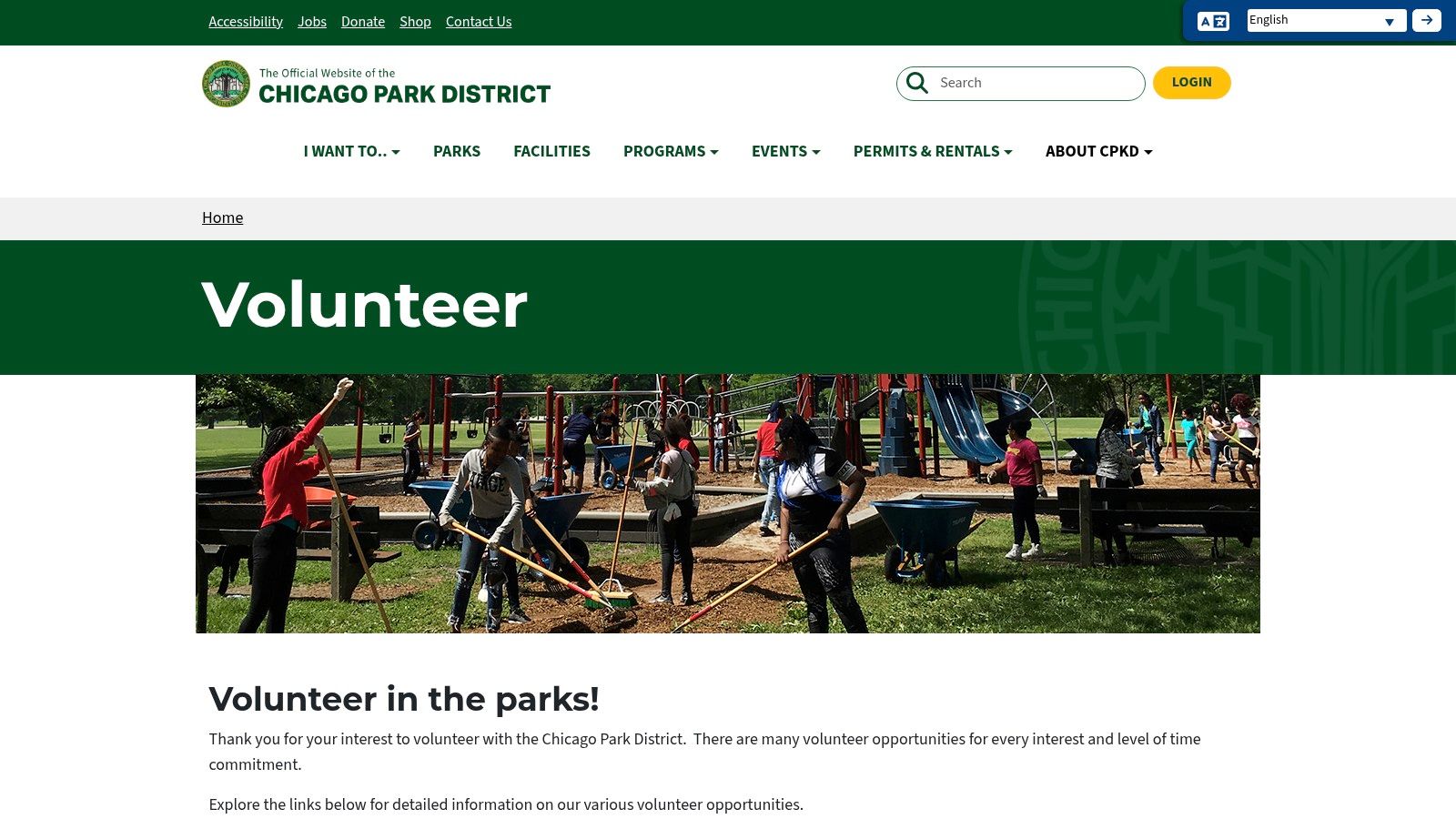
    Maybe you don't want a big identity shift on day one. Maybe you want to start close to home, in a park you already pass on your dog walk or your commute. That's where Chicago Park District volunteer opportunities make sense.

    These stewardship days focus on natural areas across the city. The work can include beach and dune care, prairie and woodland restoration, trail work, and seasonal cleanups. I like this option for people who want to test the waters without overcomplicating the search for outdoor volunteer opportunities near me.

    Start where you already are

    There's something powerful about helping in a place that already belongs to your weekly life. You stop seeing “the park” as background. You start noticing paths, weeds, shorelines, and the small signs that a place is either cared for or left to slide.

    If you want a better feel for the idea behind this kind of work, I'd read this plain-English take on environmental stewardship. It puts words to the instinct a lot of us already have when we pick up litter or pull invasive growth from a trail edge.

    Practical rule: Pick the site with the easiest commute first. Convenience is underrated. A short trip makes it easier to come back.

    Why you might choose it

    • Near-home access: It's easier to find neighborhood-based service.
    • Flexible rhythm: You can join once or come back regularly.
    • Good for groups: Families, friends, and coworkers can sign up together.
    • Tradeoff: Event timing changes by site, and some tasks depend on the season or the weather.

    This one feels like learning to cook with simple ingredients. Nothing flashy. Just repeated, local action until your hands know what to do.

    3. Friends of the Chicago River Volunteer Stewardship and Chicago River Day

    Friends of the Chicago River – Volunteer Stewardship & Chicago River Day

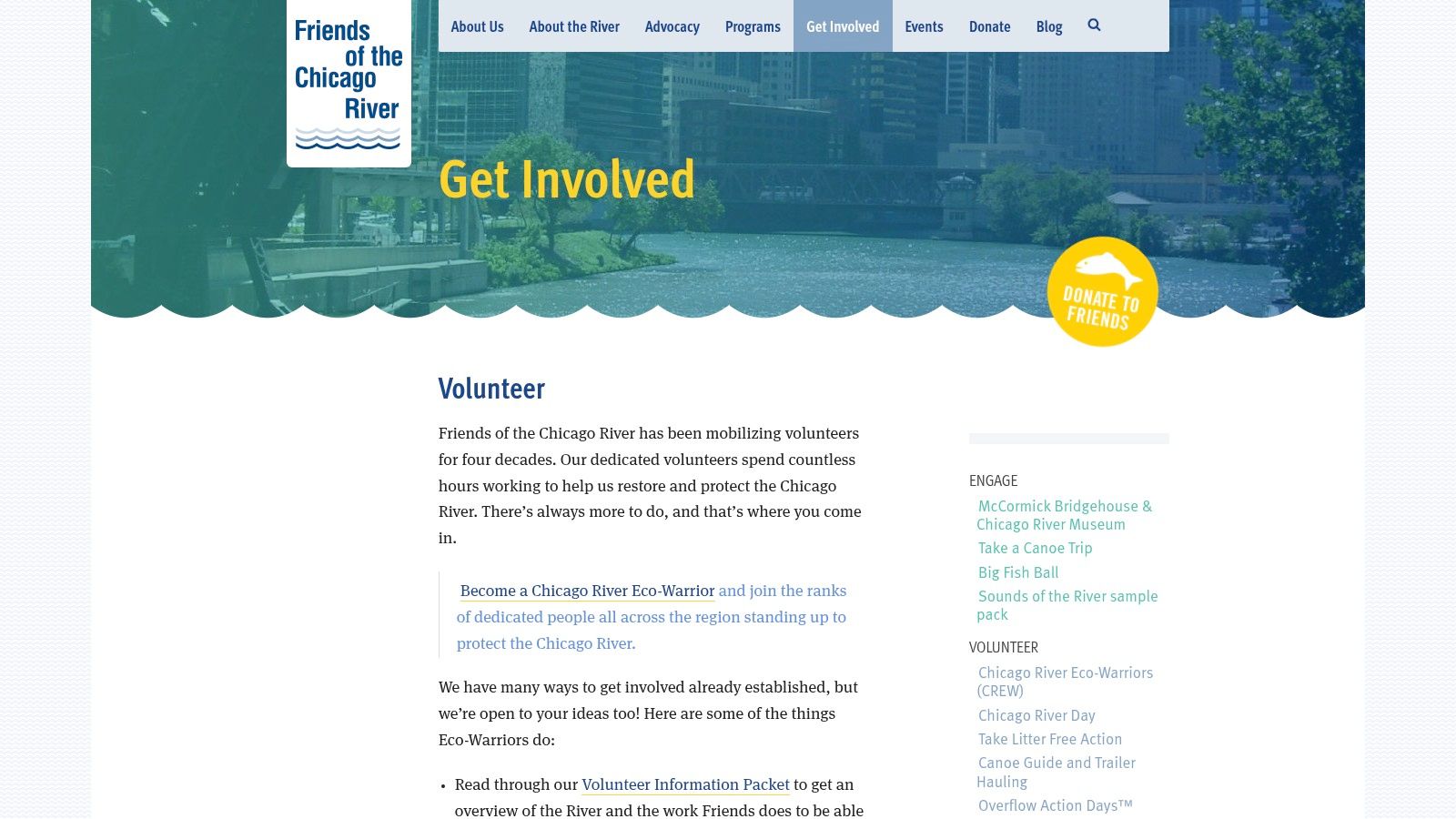
    The river has a way of making human neglect visible. Trash catches in reeds. Plastic snags against stone. You can't unsee it once you notice. That's why Friends of the Chicago River volunteer programs feel so direct.

    Their stewardship work includes habitat restoration, litter removal, and invasive species work along the Chicago-Calumet river system. If your brain likes the idea of cleaning a place where water, wildlife, and the city all crash into each other, this is a strong choice.

    River work feels immediate

    A river cleanup has a different emotional texture than a park cleanup. Water carries things. It also reveals things. You start thinking about what washes downstream and what gets stuck right where kids walk, birds feed, or plants try to grow.

    If that part of the work pulls you in, this piece on cleaning up a river is worth a read before your first event. It gives you a better sense of why river edges get messy so fast and why regular effort matters.

    One specific route into this world is the Chicago River Eco-Warriors Crew. Their Wildlife Monitor role lets volunteers monitor osprey nesting poles and submit fillable observation sheets monthly to [email protected], according to the CREW Wildlife Monitors page.

    Some days you haul trash. Some days you watch for life returning. Both feel good.

    Good fit for you if

    • You want water-focused work: Riverbanks make impact easy to see.
    • You like options: There are smaller stewardship days and the larger Chicago River Day event.
    • You appreciate guidance: Training and tools are provided on site.
    • You should know: Some sites may be farther from your neighborhood, and popular annual events can fill fast.

    I'd send first-timers here if they want a day that feels earthy and civic at the same time.

    4. Alliance for the Great Lakes Adopt-a-Beach

    The first time I joined a beach cleanup, a kid a few yards away held up a plastic fork like he'd found evidence at a crime scene. He looked at the water, looked at the fork, and just said, “Why is this here?”

    That question stays with you.

    A beach has a way of making the problem feel personal. You're standing where people come to breathe, to swim, to bring their families, and the trash is right there at your feet. That's why Alliance for the Great Lakes volunteer opportunities hit differently for me. The work is simple to understand, and the impact shows up fast.

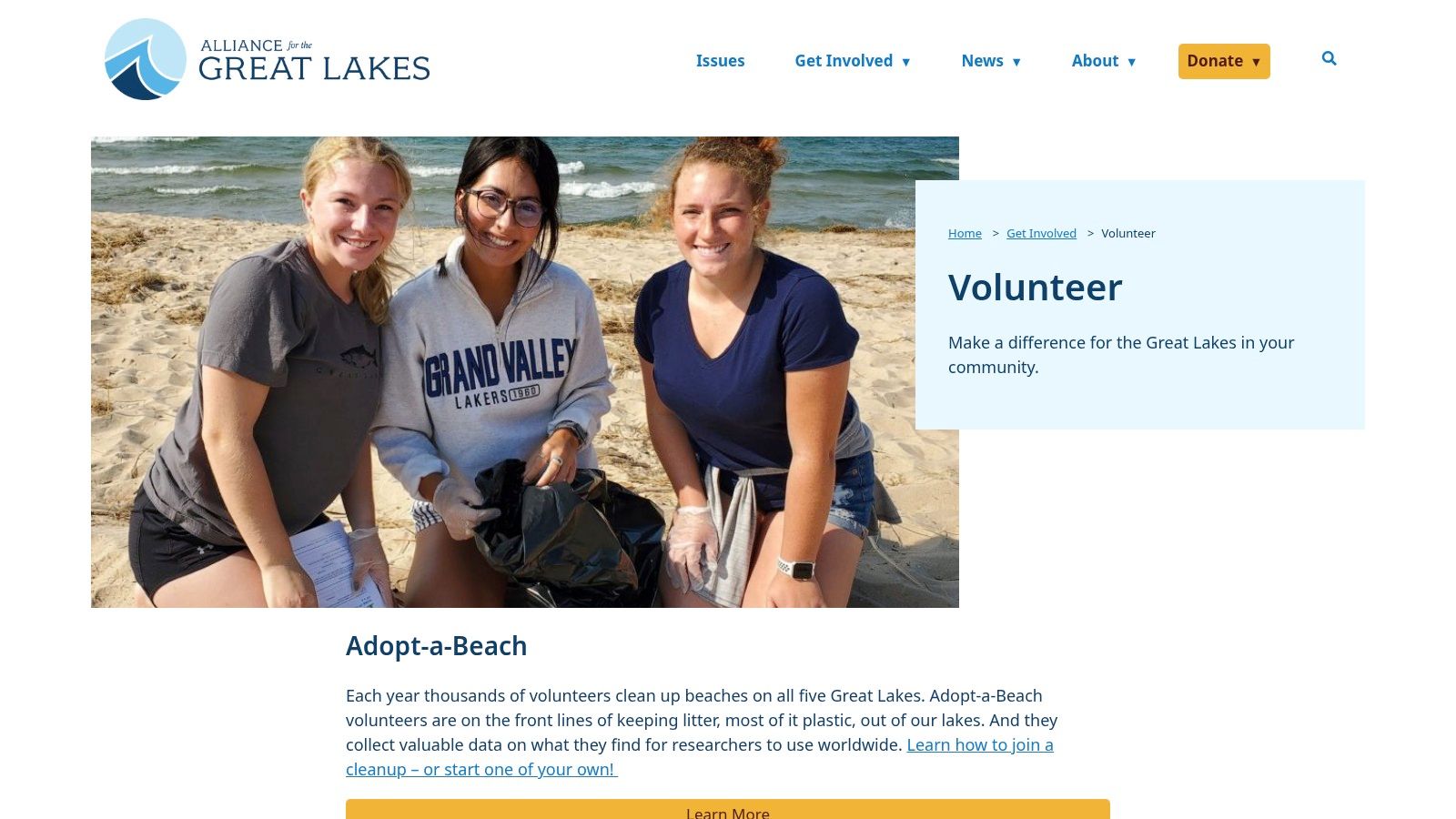
    Adopt-a-Beach gives you two ways in. You can join a cleanup that already exists, or you can lead one yourself. I love that setup because it meets you where you are. Some people need a low-pressure first step. Some people are ready to text three friends, pick a date, and become the reason a stretch of shoreline looks better by noon.

    That second path matters more than it sounds. A lot of us are waiting to feel qualified before we lead anything. Beach cleanups are a good place to get over that. You show up, learn the system, collect the trash, log what you found, and suddenly you're not just helping. You're becoming the kind of person who starts things.

    For people who want proof their morning mattered

    This program doesn't stop at filling bags. Volunteers also collect standardized litter data, which gives the cleanup a second life after you leave the sand. Your hands do the work. The record of what you found helps show patterns over time.

    The software side of volunteer work has grown with that need. The global volunteer management platforms market was valued at about USD 1.3 billion back in 2024 and is projected to reach USD 3.1 billion by 2033, according to DataHorizzon Research on volunteer management platforms. That makes sense to me. Groups need practical ways to organize people, track events, and keep volunteers coming back.

    Why this one sticks

    • Easy entry point: You can join a local cleanup without taking on a big commitment.
    • Room to grow: If you want more ownership, captain roles let you organize your own site.
    • Clear visual payoff: A dirty beach can look dramatically better in one morning.
    • A little more responsibility: Captaining means handling coordination and reporting, and the busiest months can fill up fast.

    If the Litter Caterpillars story speaks to you, this is one of those places where that spark can turn into courage. You don't have to arrive as an organizer. You can become one by starting here.

    5. Shedd Aquarium Action Days

    Sometimes you want a volunteer day that has a little more scaffolding. You want staff. You want orientation. You want somebody to tell you where the gloves are, what the plan is, and why this patch of shoreline matters. Shedd Aquarium volunteer programs are great for that.

    Action Days include beach and shoreline cleanups, habitat restoration, and citizen-science activities around the Great Lakes. For first-timers, that mix can feel reassuring. You get the outdoor work, but you also get a learning layer that helps the day stick in your mind.

    A good first chapter

    I often think of this option as hiking with a guide your first time on a new trail. Could you stumble through alone? Maybe. But a good guide changes your confidence. They name things. They answer the awkward questions. They make the whole experience less intimidating.

    That's what Shedd does well. If you're nervous about showing up alone, unsure what to wear, or worried you'll do something wrong, this kind of organized day smooths out the fear.

    Small truth: A lot of people don't need more motivation. They need a calmer first experience.

    Best for

    • Beginners: Staff-led events lower the friction.
    • Groups: Classes and companies usually like organized logistics.
    • Curious people: The educational part gives context to the physical work.
    • Limitation: Dates can be limited, events can fill, and some activities may have age requirements.

    I'd also point parents, teachers, and team leaders here. When you're bringing other people, order helps.

    6. Friends of the Forest Preserves Habitat Restoration Workdays

    Friends of the Forest Preserves – Habitat Restoration Workdays (Cook County)

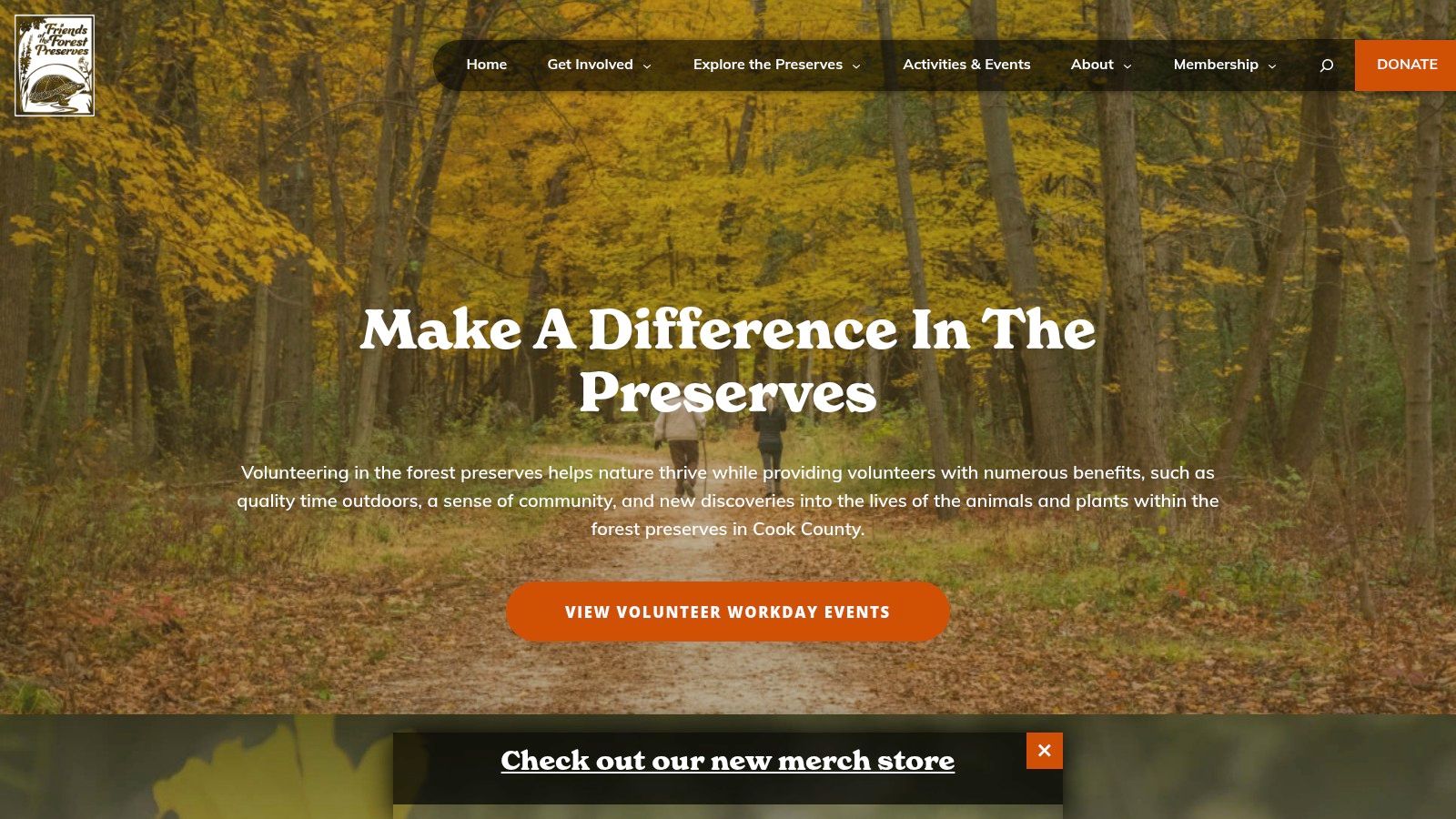
    If city volunteering feels like the shallow end of the pool, Friends of the Forest Preserves volunteer workdays offer an opportunity to swim farther out. These workdays place you in prairies, savannas, wetlands, and woodlands across Cook County. The tasks can include brush cutting, seed collection, trail maintenance, and litter removal.

    I like this option for people who want a routine. Forest work has a rhythm to it. You return to a site and start to recognize what changed since last time, what grew back, what got cleared, what still needs your hands.

    The routine is the point

    A lot of volunteer content treats service like a one-off date. Show up once, smile for a photo, go home. But regular work changes you differently. According to National Environmental Education Foundation guidance on finding outdoor volunteer opportunities, 78% of outdoor volunteers join single-day events, while only 12% take part in weekly recurring programs. That gap is real, and I think it matters.

    Weekly or recurring service gets under your skin in a good way. It becomes less like attending an event and more like becoming the sort of person who shows up.

    If you want language for the bigger project behind this work, this introduction to environmental restoration is useful without getting too academic.

    Why people stick with it

    • Year-round schedule: You can build a habit instead of chasing random dates.
    • Skill growth: Stewardship leaders provide training and tools.
    • Community: You start seeing familiar faces, which changes everything.
    • Tradeoff: Some sites take more travel, and weather exposure is part of the deal.

    This one is for the people who secretly want a harder thing because they know harder things wake them up.

    7. Urban Rivers Wild Mile Chicago Floating Park Volunteers

    Urban Rivers – Wild Mile Chicago (Floating Park) Volunteers

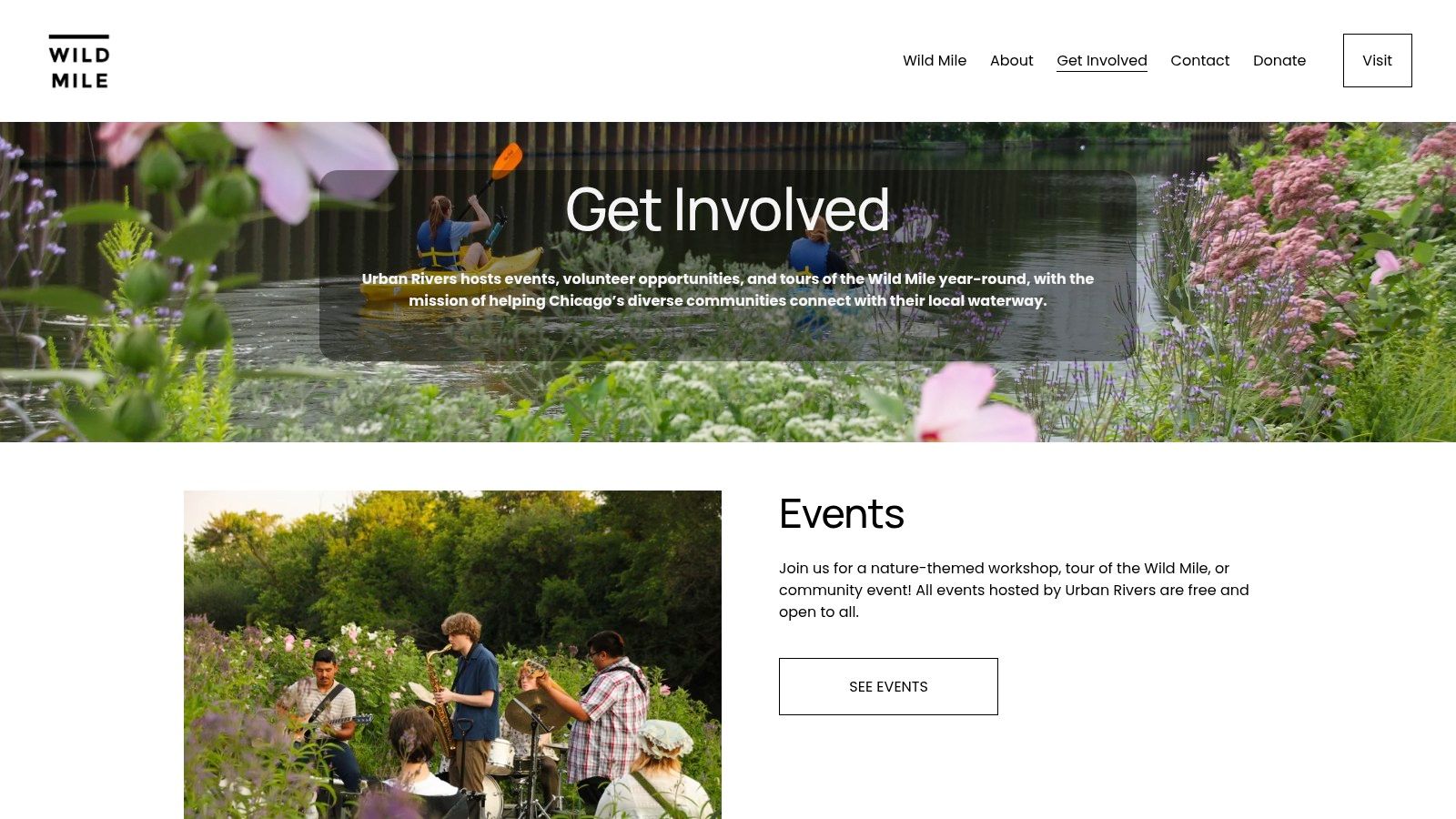
    If you want your volunteer day to feel a little strange in the best way, look at Urban Rivers and the Wild Mile volunteer page. This is floating-park work on the North Branch Canal. You may help maintain floating wetlands, care for shoreline and native plants, remove trash by foot or kayak, or support eco-tours and public events.

    I love that this one feels a little futuristic and handmade at the same time. It's a city project, but it doesn't feel corporate. It feels like a group of people looked at a hard urban edge and said, “We can make this weirder, greener, and more alive.”

    For people who want a memorable first story

    Some volunteer gigs are useful. This one is useful and cinematic. You can end the day having planted on floating habitat or worked beside the water in a place that doesn't look like the Chicago many envision initially.

    There are entry-level roles and leadership paths like Event Facilitator and River Rangers. That range matters if you want to start small and grow into more responsibility later.

    The Forest Preserves of Cook County also has broad outdoor options, including opportunities at nature centers and wooded areas, and even ways to volunteer with a friend instead of alone, according to the Forest Preserves volunteer page. I mention that because some people need a buddy system before they try a more unusual setting like on-water work.

    The Nature Conservancy in Illinois also has outdoor roles that include removing invasive species, collecting native plant seeds, monitoring birds, and tending community gardens, with a zip-code search to find nearby options, according to The Nature Conservancy in Illinois volunteer page. Garfield Park Conservatory has volunteer roles in beekeeping, gardening, composting, and family programs, and notes that most positions have a minimum time commitment while staying flexible for busy adults, according to the Garfield Park Conservatory volunteer page.

    Keep in mind

    • Cool factor: On-water and floating-park work is memorable.
    • Growth path: You can move into leadership if you want more.
    • Good fit: Great for people who like unusual urban nature projects.
    • Watchout: Some roles need comfort near water, and weather can change plans.

    7 Local Outdoor Volunteer Opportunities Comparison

    Program 🔄 Implementation Complexity ⚡ Resource Requirements 📊 Expected Outcomes 💡 Ideal Use Cases ⭐ Key Advantages
    Litter Caterpillars Low coordination overhead; volunteer-led weekly meets Basic cleanup gear; minimal travel; volunteer time Visible neighborhood cleanup; community projects (e.g., park) Residents, students, young professionals seeking social, hands-on work ⭐⭐⭐ Bold identity; strong volunteer retention; easy to join
    Chicago Park District – Natural Areas Stewardship Days Moderate: partner-run schedules vary by site Tools & on-site guidance provided; local travel Native habitat restoration across many parks Hyper-local volunteers, families, recurring stewards ⭐⭐ Neighborhood-scale impact; family/group-friendly
    Friends of the Chicago River – Stewardship & River Day Moderate: site coordination + annual large event Training and tools provided; possible travel to river sites Waterway cleanup, habitat restoration; watershed mobilization Volunteers focused on aquatic ecosystems or large events ⭐⭐⭐ Clear waterway impact; mix of small and large events
    Alliance for the Great Lakes – Adopt-a-Beach Moderate: captain-led or join-a-team options Cleanup supplies; optional data collection/reporting Shoreline litter removal + standardized data for advocacy Flexible volunteers; groups wanting policy-linked data ⭐⭐ Regional reach; data-driven advocacy; flexible scheduling
    Shedd Aquarium – Action Days Higher complexity: staff-led logistics and education Staff supervision, materials, possible age limits Educational restoration and citizen science outcomes First-time volunteers, school groups, corporate teams ⭐⭐ Strong orientation and safety; educational value
    Friends of the Forest Preserves – Habitat Workdays Moderate: recurring calendar with steward leadership Tools, training provided; may require driving Prairie/woodland restoration; year-round opportunities Regular volunteers wanting skills and routine ⭐⭐ Robust schedule; strong restoration community
    Urban Rivers – Wild Mile (Floating Park) Higher: project-based, some on-water coordination Specialized on-water gear; kayak comfort; training High‑visibility urban habitat creation; maintenance of floating wetlands Volunteers seeking unique, skills-building on-water work ⭐⭐⭐ Signature project impact; memorable skill-building experiences

    Your Adventure Starts Now

    The first time I showed up to something like this, I almost bailed. It was early, my shoes were wrong, and part of me still thought volunteering was the kind of thing good people did while the rest of us kept making excuses. Then I spent a morning outside with strangers, picking up trash and talking about life between handfuls of broken glass and coffee cups. I went home tired, muddy, and steadier than I'd felt in months.

    That's the part nobody says clearly enough. These outdoor volunteer opportunities near me gave me more than a cleaner trail or riverbank. They gave me a place to put my restlessness. They gave me proof that I could show up, do something hard, and leave a place better than I found it. For me, that was the start of becoming braver.

    A lot of people already help in informal ways, while fewer connect with organized groups. The same U.S. Census Bureau civic engagement summary notes both that gap and the estimated value of a volunteer hour. I don't bring that up to make kindness sound like bookkeeping. I bring it up because your time matters in both human and practical terms. A few hours on a cold Saturday can clean a shoreline, restore habitat, and change the story you tell yourself about who you are.

    Pick the one that feels alive to you.

    Maybe that's the quick, gritty satisfaction of a neighborhood cleanup. Maybe it's a Park District stewardship day close to home, where you can learn the ropes without feeling overwhelmed. Maybe the river pulls at you, or the lake, or the preserves, or that strange beautiful floating park that makes the city feel new again. Each one gives you a different way in. None of them ask you to arrive as some finished, flawless version of yourself.

    You just have to show up.

    That's why this list matters. It isn't a directory you skim and forget. It's a trailhead. The Litter Caterpillars story carries that spirit. One small act, repeated with other people, can grow into a habit, a community, even a new identity. You start by grabbing a picker or pulling invasive plants. Then one day you notice you've become the person who says yes to hard mornings, fresh air, and work that leaves something real behind.

    If your life feels cramped right now, go outside and help somewhere real. Let the weather be annoying. Let your legs ache. Let your phone stay in your pocket for a few hours.

    You may come home with dirty shoes and a clearer head. You may come home trusting yourself more. Sometimes that's where the whole adventure begins.

  • Service Learning Programs: A Practical Guide to Impact

    Service Learning Programs: A Practical Guide to Impact

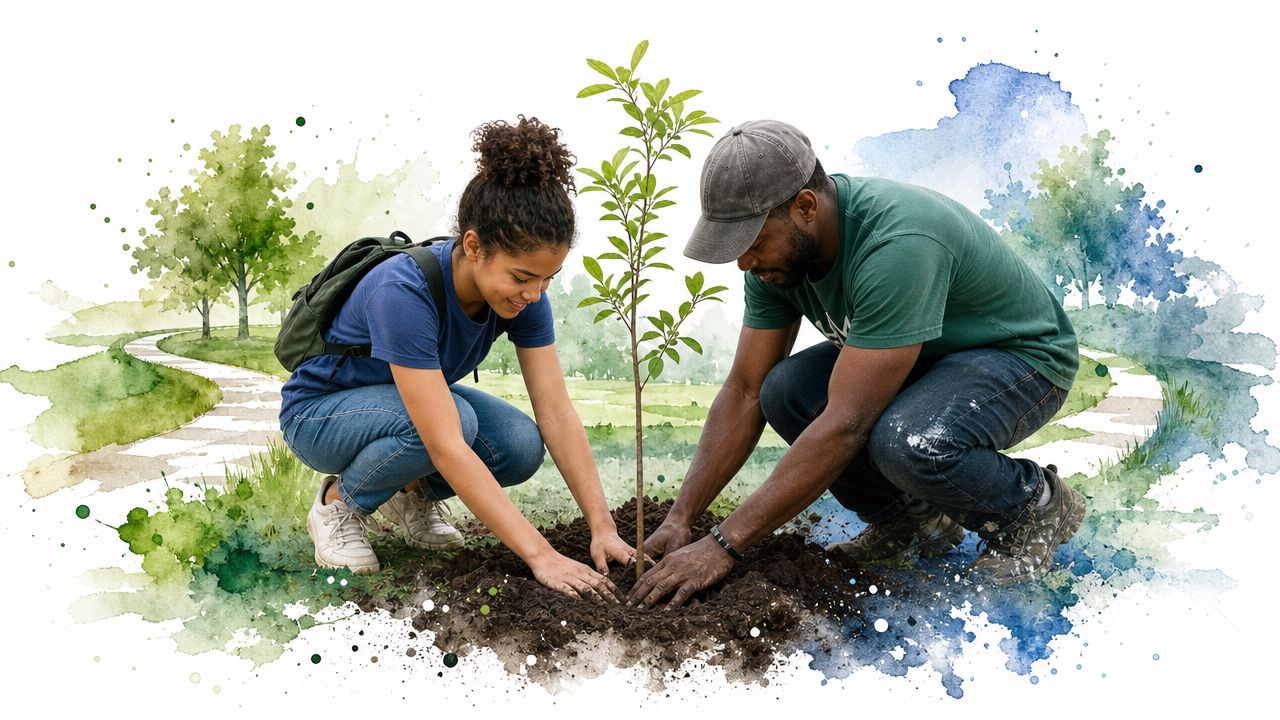
    I still remember staring at a moldy jar in my fridge like it was a boulder. I couldn't throw out my own trash, but one cold day I went outside and picked up litter in a park with other people, and somehow that felt easy.

    What Service Learning Really Means

    The first cleanup I joined did not feel noble. I was standing beside a chain-link fence behind a grocery store, pulling wet flyers out of weeds, trying not to think about the mess waiting for me back home. One of the volunteers handed me a spare trash bag and said, "Start with what's in front of you."

    I did.

    Ten minutes later, my head was quieter. An hour later, I had a strange new feeling. I could affect a place. I could leave something better than I found it. For someone who felt stuck in every other part of life, that mattered.

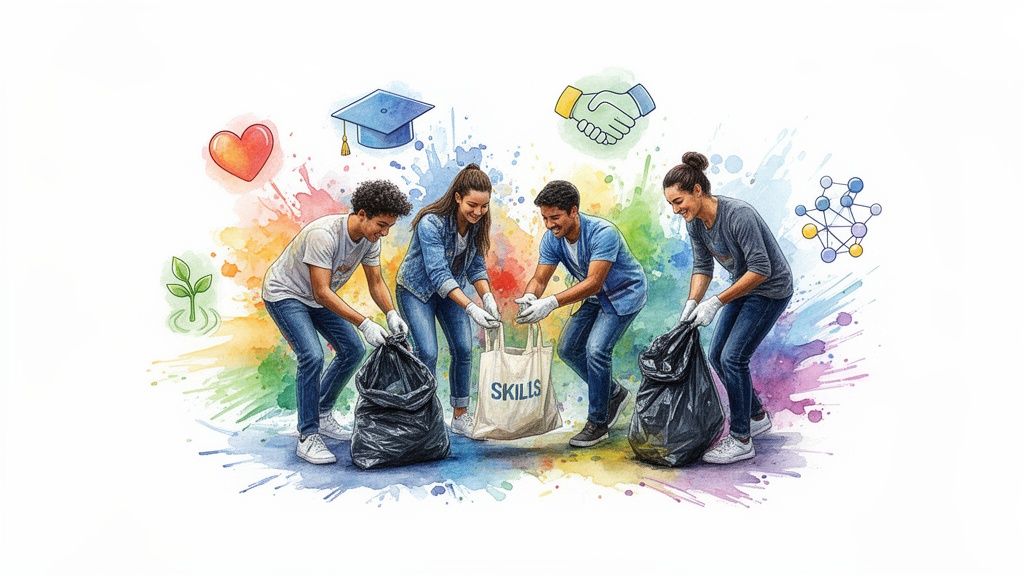
    That is what service learning programs can do at their best. They bring together useful work, intentional learning, and reflection, so the volunteer is changed by the act of showing up.

    The moment service becomes learning

    A one-time good deed can be generous. Service learning asks for a little more structure and a little more honesty. You serve because a community has an actual need. You connect that work to a question, a skill, or a subject you are trying to understand. Then you stop long enough to ask what happened, why it happened, and what it changed in you.

    I saw this click with one of our newer volunteers, a college student who joined because she needed hours for a class. On paper, she was there for credit. In practice, she spent a morning logging the kinds of trash we found near a bus stop, then used that pattern in a public health assignment about access, maintenance, and who carries the burden when public spaces are ignored. She came for a requirement. She left talking about bus infrastructure, city responsibility, and the neighbors she had met by name.

    That line between volunteerism and service learning matters. One gives you a task. The other gives you a task, a reason, and a chance to make meaning from it.

    You can study courage in theory. You understand it differently after you show up tired, embarrassed, uncertain, and still do the work.

    Service has a way of teaching from the inside. A cleanup can sharpen observation. A tutoring shift can expose your assumptions. A community garden can teach patience faster than any lecture ever will. If you want a wider view of how that everyday participation connects to public life, this guide to civic engagement in everyday life does a good job of putting language around it.

    Why it changes the volunteer

    The part people miss is how often service learning rebuilds the person doing it.

    You start small. You carry water. You sort gloves. You ask a resident where the illegal dumping usually happens. You notice that you are less afraid to speak to strangers than you were last month. You notice that you keep your commitment even when the weather is bad. You notice that your confidence is no longer built on self-talk alone. It is built on evidence.

    That is why I care so much about this model. It gives people a place to practice being useful before they feel impressive. It lets them belong before they feel fully ready. In a grassroots volunteer group, that sequence changes lives. People arrive isolated, scattered, or unsure of themselves. Then they find a role. Then they find rhythm. Then, somewhere along the way, they find each other.

    Service learning is not just about helping a neighborhood or meeting a class goal. It is also a way to become steadier, braver, and more connected by doing work that matters outside your own head.

    More Than Just Picking Up Trash

    One winter morning in Chicago, the wind hurt my face before we even started. The sidewalks were half buried, our gloves got stiff, and every normal part of my brain said, "Skip it. Nobody will know."

    But the group was there. So we worked.

    That day taught me more than a motivational book ever could. It taught me that consistency is a muscle. You build it by using it when conditions are bad, not when they're pleasant.

    Structure is what makes it stick

    Service learning has power when you repeat it, shape it, and think about it afterward. If you only do one dramatic event, you might get a memory. If you build a rhythm, you get growth.

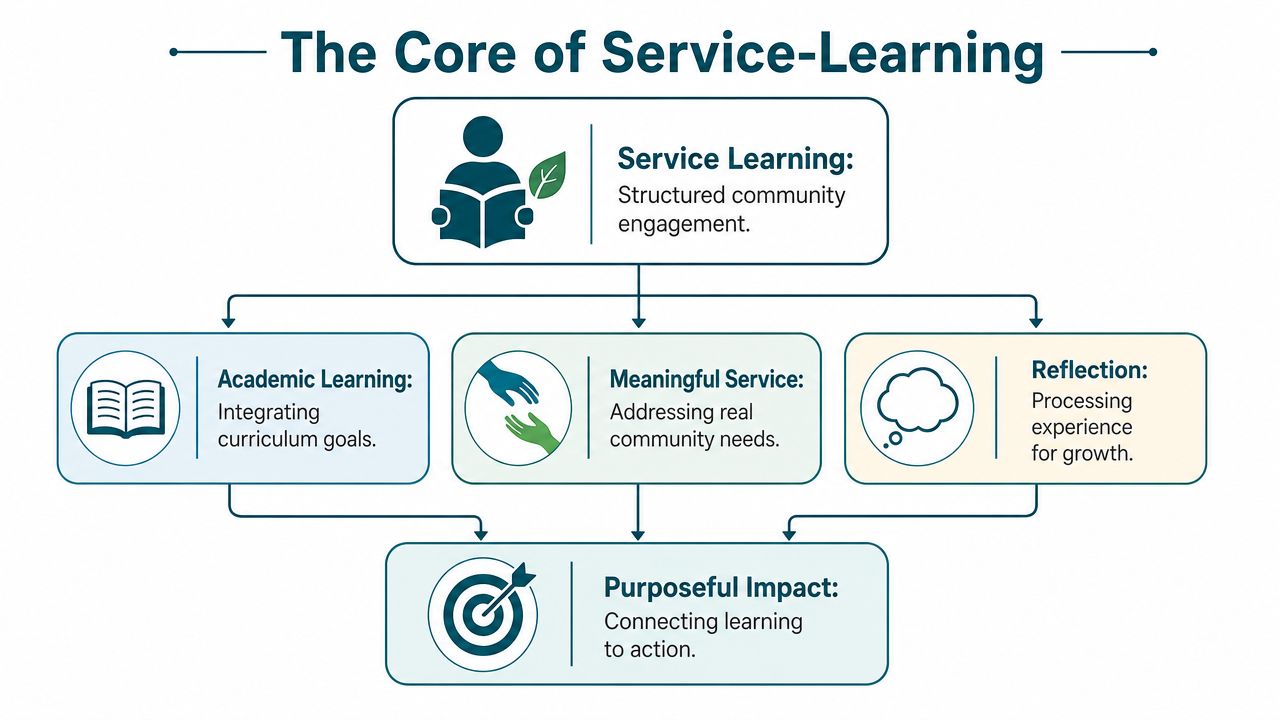
    A diagram illustrating the core components of service learning including academic, service, reflection, and purposeful impact.

    I like to think of it as four moving parts working together:

    • A real need: The problem has to exist in the world, not just on paper.
    • A learning goal: You need a question, skill, or subject you're trying to understand.
    • Repeated action: One-off effort can inspire you. Ongoing effort changes your habits.
    • Reflection: You stop and ask what happened, why it happened, and what it changed in you.

    When those parts line up, a trash pickup stops being "just picking up trash." A student can connect it to environmental science, public policy, writing, mapping, public health, or neighborhood history. A volunteer can connect it to discipline, fear, teamwork, and self-trust.

    What the evidence says

    This isn't only a feeling I have from being out there. A meta-analysis covering 11,837 students across 62 studies found that service-learning produced significant gains in self-esteem, self-efficacy, educational engagement, and academic achievement compared with control groups, according to the National Youth Leadership Council summary of service-learning research.

    That lands with me because the words match what I've seen in real life. People arrive shy. They don't know anybody. They worry they'll do it wrong. Then they spend a few mornings working alongside strangers, and their posture changes. They start greeting others first. They start volunteering for the less pleasant jobs. They trust themselves more.

    Practical rule: If you want service to teach something, give it a schedule, a purpose, and a debrief.

    There's academic upside too when programs are designed well, but I don't think the grade benefit is the whole story. The deeper story is this. When you ask someone to matter in a visible way, they often rise to meet that role.

    The lessons that don't fit neatly on a worksheet

    On hard cleanup days, I watch people learn things nobody can fake:

    Experience What you learn
    Cold weather turnout You can act before you feel ready
    Working with strangers You can belong without performing
    Finishing a dirty block Effort creates visible proof
    Returning next week Identity grows from repetition

    A lot of education stays trapped in abstraction. Service breaks that trap. You don't merely discuss responsibility. You carry it.

    Finding Your Service Learning Model

    The first time one of our volunteers, Marcus, brought his little sister to a cleanup, he kept apologizing for how quiet she was. She stayed near the supply table for the first half hour, twisting a pair of gloves in her hands. Then an older neighbor asked if she could help sort recyclables, and something shifted. By the end of the morning, she was directing people toward the right bags like she'd been part of the crew for months.

    That day reminded me that the model matters because it shapes who people get to become inside the work. Some people need a short, winnable first step. Others grow through repetition. Others come alive when the work is public, shared, and a little unpredictable.

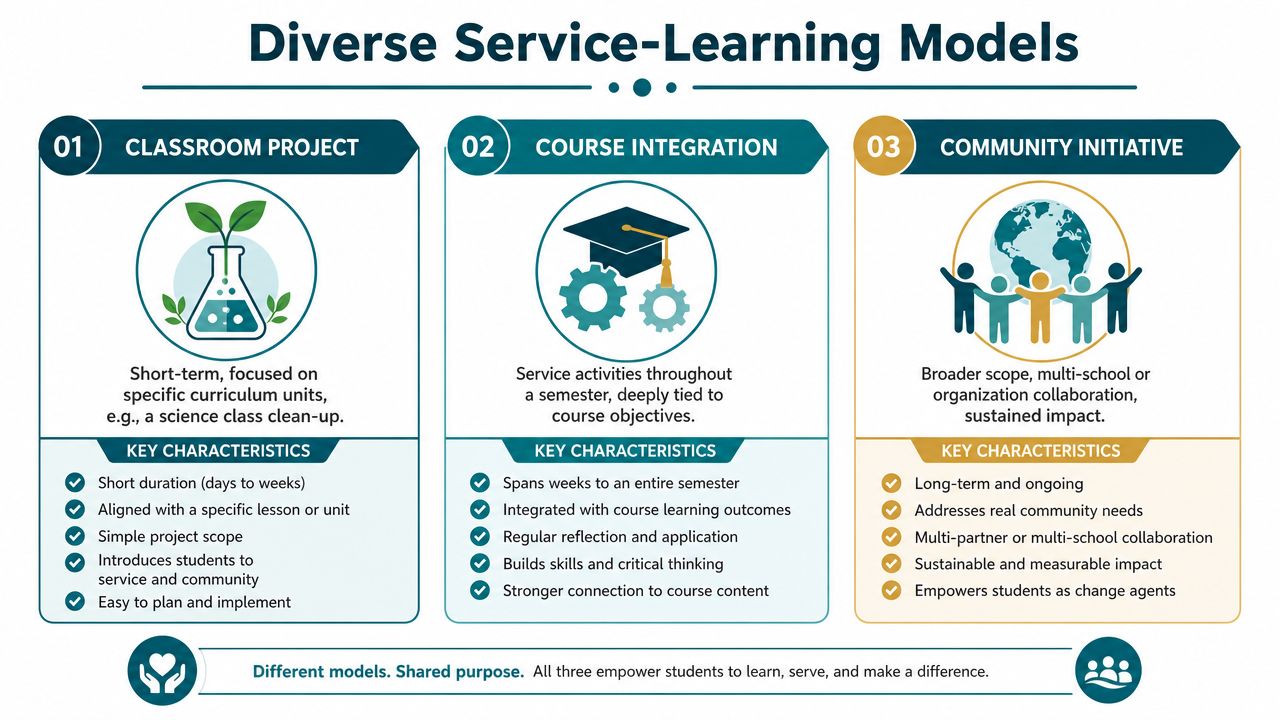
    Three models I see over and over

    An infographic illustrating three distinct service-learning models: classroom project, course integration, and community initiative with key characteristics.

    Here is the comparison I come back to when someone asks, "What should we start with?"

    Model What it looks like Where it shines
    Classroom project A single unit or short project tied to one subject Good for a first win and a clear beginning
    Course integration Service work spread across a term with reflection built in Good for confidence, consistency, and skill growth
    Community initiative A school or class works with an outside group on an ongoing local need Good for belonging, responsibility, and real-world problem solving

    Classroom project

    A science class testing creek water can learn a lot in a short span. Students gather samples, compare findings, and connect what they saw to lessons on pollution and public health. The experience is contained, which helps nervous participants try something new without feeling overwhelmed.

    I like this model for people who need proof that they can contribute. A short project gives them a finish line they can see. They leave with a memory of doing real work, and that memory often matters more than adults expect.

    Course integration

    This model changes people more slowly, and often more profoundly.

    A writing class might spend a full term helping a neighborhood group create flyers, interview residents, or draft event materials. The students do the work, talk about what felt awkward or difficult, then come back and try again the next week. That return matters. Confidence usually does not arrive in one dramatic moment. It grows through repetition, through small recoveries, through realizing you can improve after a shaky first attempt.

    I trust this model when the goal is identity. By the fifth or sixth round, people stop saying, "I helped out once." They start saying, "I'm part of this."

    Community initiative

    This one feels the most alive because the classroom is no longer the only place where learning happens. A civics class might join a neighborhood cleanup team, log where illegal dumping keeps showing up, and turn those observations into letters, public comments, or student presentations. A group could also study how an ongoing volunteer effort works by looking at a community cleanup project that combines service with local environmental learning.

    I have a soft spot for this model because it asks people to show up as neighbors, not just students. The work has rough edges. Plans change. Weather gets in the way. A partner needs something different than you expected. That friction teaches resilience fast. It also teaches humility, which is one of the least celebrated and most useful lessons service can offer.

    As noted earlier, schools have used service-learning for a long time. You do not need to treat it like a strange experiment. You need to choose a version that fits your people and the kind of growth you want to make possible.

    How I choose between them

    I usually ask three questions.

    • How much time do you really have? A short window calls for a smaller commitment with a clear endpoint.
    • How much uncertainty can your group handle? New volunteers often do better with structure before they take on a messier community partnership.
    • What do you want people to carry with them afterward? A one-time project can create pride. A longer model can build steadiness, trust, and a sense of belonging.

    Start with the model your group can sustain. A small success gives people courage. Then you can build from there.

    How to Start Your Own Program

    The first program I ever trusted was tiny. No fancy packet. No polished slogan. Just a real problem, a few people, and enough stubbornness to begin.

    Later, that same mindset helped turn an empty lot into a new idea for a neighborhood park. What looked impossible from far away became manageable when broken into steps. That's how I think you should start too.

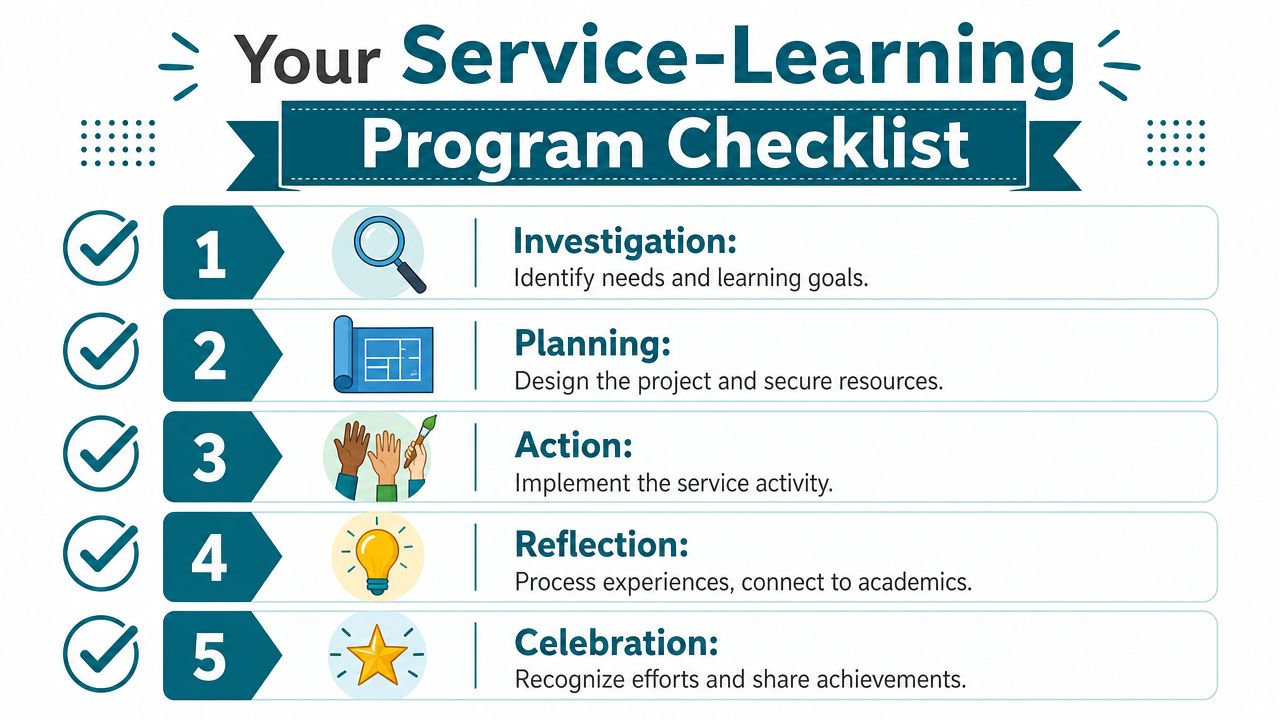
    Right before you sketch your own plan, it helps to see the cycle in one glance.

    A checklist of the five steps for a service-learning program displayed in a colorful, organized infographic.

    Start with the need in front of you

    High-quality service-learning follows a sequence of investigation, planning, action, reflection, demonstration, and celebration, according to the Service-Learning in Maine guide. I love that sequence because it sounds formal, but in practice it's very human.

    First, look around and ask what bothers you enough that you'll keep caring after the first burst of excitement fades. Maybe it's litter around a school. Maybe it's an empty lot. Maybe it's seniors who need help with technology, or younger students who need reading support.

    Write down two things side by side:

    • The community need
    • The learning goal

    If students clean a block, what are they learning? Observation? Data collection? Public speaking? Environmental science? Local government? Keep it plain.

    Make a plan you can actually survive

    Bad plans die from ambition. Good plans fit into real life.

    I keep planning simple:

    1. Pick the site: One block, one hallway, one garden bed, one riverbank.
    2. Set the time: Put it on a calendar people can keep.
    3. Gather tools: Gloves, bags, clipboards, water, first-aid basics.
    4. Think about safety: Permissions, weather, hazards, check-in points.
    5. Assign roles: Who leads, who photographs, who tracks observations, who handles cleanup supplies.

    If you want one concrete example of a grassroots project growing into something larger, look at the Green City Project from Litter Caterpillars. It shows how a local cleanup idea can connect service with visible place-making.

    A short video can help people grasp the flow before they join.

    Do the work, then talk about what it did to you

    Action is the part people romanticize. Reflection is the part that changes them.

    After the project, don't just ask, "Did we finish?" Ask better questions:

    • What surprised you
    • What felt awkward
    • What did you notice that you missed at first
    • What did this work teach you about the place
    • What did it teach you about yourself

    A good reflection question: What felt heavy before you began, and what felt lighter after you finished?

    For me, that question has come up again and again. An empty lot can feel like a symbol of neglect. Once people start touching it, clearing it, imagining it, it stops being dead space. It becomes a shared sentence waiting for the rest of the words.

    End by showing and celebrating

    Demonstration can be a class presentation, a photo board, a short essay, a map, or a community conversation. Celebration can be as simple as thanking people by name and sharing a snack.

    Don't skip that part. People need to feel completion. Service learning programs ask for effort, and effort deserves acknowledgment.

    Finding Partners and Measuring What Matters

    I've watched partnerships fail for one simple reason. One side wanted help. The other side wanted a photo.

    People can feel that imbalance right away.

    A school might approach a neighborhood group as if the group is just a convenient site for student experience. A community group might treat students like free labor. Both approaches break trust. Good partnerships feel more like a handshake than a transaction.

    Find partners who help shape the work

    Authentic service-learning is built on reciprocal partnerships where community members help define needs and solutions, with attention to measuring community benefit over time, as described in this guidance on community-based service-learning relationships.

    That means you should ask practical questions early:

    • What problem are we solving together
    • Who decided that this is the problem
    • What does success look like for each side
    • What burden are we creating for the partner
    • What will continue after the event ends

    This kind of relationship takes more listening than selling.

    Screenshot from https://www.littercaterpillars.com

    One useful way to think about this is through stories of actual change. The community service impact examples collected here show the kind of visible, place-based outcomes that help people understand what happened beyond attendance.

    Stop worshipping volunteer hours

    Hours are easy to count. They are not the whole truth.

    I care more about questions like these:

    Weak measure Better measure
    Hours logged What people learned and noticed
    Bags collected What changed in the space afterward
    Headcount Whether people came back
    Social posts Whether the partner felt helped

    I still track practical basics. You need some logistics. But if you only count hours, you miss the person who arrived withdrawn and left feeling useful. You miss the student who finally understood how policy shows up on a sidewalk. You miss the neighbor who said, "I thought nobody cared about this block."

    What to document: reflection journals, short group debriefs, before-and-after photos, partner feedback, and stories people tell unprompted a week later.

    Those details carry more truth than a spreadsheet by itself. They show whether the work was mutual and whether it stayed with people after the gloves came off.

    Your First Step to Making a Difference

    I keep coming back to that old story about Tom Sawyer painting the fence. He got handed a chore and turned it into something other people wanted to join. I don't love the manipulation part, but I do love the deeper lesson. Meaning changes effort.

    If service feels like punishment, you'll quit. If service feels like adventure, training, friendship, or proof that you can do hard things, you'll come back.

    That's one reason service learning programs can shape people. Reviews of the research have found stronger cognitive engagement, motivation, self-efficacy, collaborative skills, and resilience when people connect theory to practice in authentic settings, according to this review of service-learning impacts on students.

    Start smaller than your ego wants

    You don't need a perfect plan. You need one honest step.

    Try one of these:

    • Pick up one piece of trash on your walk home.
    • Ask one teacher or organizer what local need keeps getting ignored.
    • Join one service day and stay for the reflection part.
    • Invite one friend who wants community more than entertainment.
    • Write down one question about your neighborhood that only action can answer.

    That last one matters. Action gives you information that thought alone can't give.

    Let the work reshape you

    I started because I couldn't manage the mess in my own life. Service gave me a side door into change. It taught me consistency before I felt consistent. It taught me bravery before I felt brave. It gave me people to stand next to while I practiced becoming the sort of person I wanted to be.

    You might begin with a class project. You might begin with a campus cleanup. You might begin with a Saturday morning and a pair of gloves.

    That's enough.

    You don't have to feel ready to begin. You begin, and readiness catches up later.

    If you're waiting for some giant moment of certainty, you'll wait a long time. Start with one small act that is real. Then do it again. The person you become will meet you on the path.


    If you want a simple place to begin, Litter Caterpillars has weekly volunteer cleanups in Chicago that give you a concrete way to practice service, meet people, and see visible change block by block.

  • Top Environmental Volunteer Opportunities in 2026

    Top Environmental Volunteer Opportunities in 2026

    I once had a fridge full of old memories. A four-year-old jar of blueberry jam from a trip. A bag of nuts from a failed health kick. Each item felt like it weighed 500 pounds. I couldn't move them.

    Then I learned something weird. Cleaning up somebody else's mess is easier than cleaning your own. A bottle on the curb has no backstory. You grab it, drop it in a bag, and keep walking. If you're hunting for environmental volunteer opportunities, you might think this is about saving the planet. I think it can also help you save yourself.

    1. Litter Caterpillars

    Litter Caterpillars

    A friend once told me the hardest trash to pick up is the stuff with your name on it. Old boxes in the hallway. Clothes in the chair. The drawer you avoid opening. Kevin Tao, who started Litter Caterpillars, ran into that same wall. Cleaning his own mess felt heavy. Cleaning a sidewalk felt possible. He grabbed a bag, picked up what was in front of him, and built a habit out of that simple act.

    That origin story matters to me because it gets at something a lot of environmental volunteer opportunities miss. Sometimes you show up for the park or the block, and end up finding your nerve. You prove to yourself that you can face ugliness, do something about it, and leave a place better than you found it. That changes people.

    Litter Caterpillars has the feel of a real crew, not a nameless shift on a weekend calendar. You see it in the small stuff. Flags. Badges. A theme song. Group chats that make it easier to return the next week instead of talking yourself out of it. If you've ever arrived at a volunteer event alone and spent the first twenty minutes pretending to check your phone, you know why that matters.

    Why this one sticks with people

    The group meets weekly, and that rhythm does something powerful. One cleanup can give you a good morning. Repeating it can give you a new identity. You stop being someone who keeps meaning to help and become someone who shows up.

    I also respect the way the group treats volunteers. Safety comes first. Volunteer happiness comes second. There's no constant push to donate, no feeling that your body is useful only if your wallet follows. That sounds basic. It isn't.
    Picking up litter with other people can break a kind of paralysis. Your hands keep moving, your brain gets quieter, and the day opens up.

    The work is physical and visible. You walk, bend, lift, sort, and watch a block change in real time. By the end of a cleanup, you don't need a report to tell you whether your effort mattered. You can see the empty sidewalk, the cleared grass, the bags lined up at the curb.

    Best fit and tradeoffs

    • Best for brave beginners: A strong choice if you want environmental volunteer opportunities that feel social, active, and a little uncomfortable in the right way.
    • Best for building courage through repetition: Weekly meetups help you turn good intentions into a practice.
    • Best for finding community fast: The rituals and shared identity help solo volunteers stop feeling like outsiders.
    • Best for seeing more of Chicago: Cleanups pull you beyond your usual route and into neighborhoods you might never know otherwise.

    There is a tradeoff. This work asks something from your body, and the weather does not always cooperate. If you want indoor volunteering with predictable comfort, choose something else. If you want a grassroots group where service feels personal, a little gritty, and surprisingly life-giving, Litter Caterpillars stands out.

    2. Alliance for the Great Lakes Adopt-a-Beach

    Alliance for the Great Lakes, Adopt‑a‑Beach

    The first time you pick litter out of sand, you notice something fast. Beach trash is sneaky. It hides in seaweed, under driftwood, in that thin line where the water leaves things behind. You stop strolling and start scanning.

    That's why I like Alliance for the Great Lakes Adopt-a-Beach. It gives you a clean entry point into environmental volunteer opportunities, but it doesn't stop at “grab bag, fill bag, go home.” Volunteers can also collect litter data, which gives the work a sharper edge.

    What you actually do

    You can join scheduled cleanups, sign up to lead one, or move into an ambassador role that leans more into public education. That mix matters. Some people want pure hands-on work. Some want to talk with neighbors and explain why the mess keeps coming back.

    There's also a practical lesson here. Cleanup programs often work best when they pair removal with measurement and prevention, not just a one-off trash sweep. That's one reason this model feels solid to me.

    Practical rule: If you get energized by both action and evidence, choose a program that tracks what volunteers collect.

    A lot of environmental volunteer opportunities still bury the details people need. Is it one-time or recurring? Do you need training? Is it family-friendly? Programs like this make that matching process easier, which is exactly the kind of gap many volunteer seekers run into, as noted by The Nature Conservancy's volunteer guidance.

    Best fit and tradeoffs

    • Best for first-timers: Beach cleanups feel intuitive. You don't need much background to start.
    • Best for families and teams: The work is easy to understand and the setting is inviting.
    • Best for people who like structure: The data side gives the day more purpose.

    The downside is seasonality. Lakefront volunteering depends on weather, and popular events can fill up fast.

    3. Friends of the Chicago River Chicago River Day and Stewardship Workdays

    A river cleanup has a different mood from a sidewalk cleanup. The mess feels older. Tangled. Like the place has been carrying human neglect for a long time and is tired of it.

    That's why Friends of the Chicago River volunteer events pull people in. Chicago River Day gives you that big shared push, while the recurring stewardship workdays let you come back and do slower, steadier work. Trash removal, invasive control, native planting, trail care. It's all there.

    Why it works for people who need momentum

    Some of us need a flagship event on the calendar. We need a date, a crowd, a reason to commit. Then, once we've broken the seal, we can keep going. This group gets that. The big day draws you in. The follow-up work keeps you attached.

    I also like that the tasks vary. If you get bored doing the same thing every time, this helps. One day you're hauling litter. Another day you're working near native plants and learning the shape of the river system by touching the river system itself.

    Best fit and tradeoffs

    • Best for group energy: If you want a strong community feel, the citywide event is a good on-ramp.
    • Best for repeat volunteers: Stewardship days make it easy to return.
    • Best for people who learn by doing: You pick up local ecological knowledge without sitting through a lecture.

    The catch is that some tasks are more physical than people expect. River-edge work can mean uneven ground, tools, mud, and early registration.

    4. Shedd Aquarium Action Days

    Shedd Aquarium, Shedd Aquarium Action Days

    Some people want a low-friction first step. They don't want to decode ten pages of instructions. They want a date, a location, and a clear task. I get it. When motivation is fragile, friction kills it.

    Shedd Aquarium volunteer programs are strong for that reason. Action Days take volunteers into the community for cleanups and habitat work around Chicago, while deeper in-building roles exist for people who want a more serious ongoing commitment.

    Two paths, two very different experiences

    The outside Action Days are the easy door. Good for students, groups, and anybody who wants short-term service hours without overthinking it. You show up, do the work, and leave with that clean-body, clear-head feeling that outdoor service gives you.

    The in-aquarium roles are another animal. Those have application windows and more commitment, but they also open up a wider set of experiences. Neutral institutional programs often divide volunteer work into specific modules like aquarium care, trail maintenance, gardening, office support, tours, and outreach, as seen in the Smithsonian Environmental Research Center volunteer program. Shedd fits that more structured model.

    Some people need spontaneity. Some need a role. If you know which one you are, you'll choose better.

    Best fit and tradeoffs

    • Best for cautious starters: Action Days are simple and approachable.
    • Best for students: Short-term events work well if your schedule shifts a lot.
    • Best for growth-minded volunteers: You can start outside and aim for a deeper role later.

    The tradeoff is access. The in-building roles run on set windows, and competition can be real.

    5. Openlands TreeKeepers and TreePlanters Grants

    Openlands, TreeKeepers + TreePlanters Grants

    Picking up trash gives you a fast win. Caring for trees gives you a longer relationship.

    That's why Openlands TreeKeepers and TreePlanters hit a different nerve. This isn't just “come help for a morning.” This is “learn enough to take care of your own block better.” I love volunteer work that leaves you more capable than when you arrived.

    The skill-building option

    TreeKeepers trains residents to care for street and park trees. TreePlanters Grants help neighborhoods organize planting days with coaching and support. That means you're not just joining an event. You're learning how to become useful in a durable way.

    Environmental volunteer opportunities have widened far beyond simple cleanup work. Public programs now include trail clearing, wildlife surveys, water assessments, beach cleanups, education support, and stewardship agreements, as shown by the New York State Department of Environmental Conservation volunteer page. Openlands fits that broader skills-based style. You leave with knowledge, not just sore legs.

    Best fit and tradeoffs

    • Best for neighborhood builders: If you care about your exact street, this is a strong match.
    • Best for people who like training: Certification gives the work shape.
    • Best for future leaders: Organizing tree days forces you to talk to neighbors and take initiative.

    The downside is that scheduled courses can feel less spontaneous than a simple cleanup. If you're craving instant action this weekend, this may feel slower. If you want roots, that slowness is the point.

    6. Friends of the Forest Preserves Restoration Workdays

    Friends of the Forest Preserves (Cook County), Restoration Workdays

    Forest preserve workdays are for people who don't mind getting dirty in a less glamorous way. This isn't the cinematic beach cleanup. This is brush, mud, seeds, tools, and the strange satisfaction of pulling out what shouldn't be there so something better can grow.

    That's what I like about Friends of the Forest Preserves volunteer workdays. The work is concrete. Invasive removal, seed collecting, trail work, litter cleanup. You start to see restoration as active repair, not vague good intentions.

    What you learn with your hands

    If you've ever wondered what environmental restoration means on the ground, this guide to environmental restoration helps put language to what volunteers do in places like these.

    And there's a bigger reason to take this kind of role seriously in your own life. Many environmental programs now rely on specialized task design, training, registration, and role-based scheduling instead of generic signup pages. That's because tasks like habitat work, invasive removal, and data collection ask different things from different bodies and skill levels. You can see that pattern in many institutional volunteer programs, and it tends to make recurring service easier to sustain.

    I've found that hard manual work in a preserve clears my head faster than almost anything on a screen.

    Best fit and tradeoffs

    • Best for outdoorsy volunteers: If you'd rather be in prairie, woodland, or wetland than on a city sidewalk, go here.
    • Best for repeat learning: Returning to the same site lets you notice change over time.
    • Best for people who want depth: You start seeing ecology as a set of relationships, not scenery.

    The drawback is terrain and weather. Natural areas don't smooth themselves out for your convenience.

    7. Chicago Parks Foundation It's Your Park Day and Hosted Park Cleanups

    Chicago Parks Foundation, "It's Your Park Day" + Hosted Park Cleanups

    I've seen people hesitate over volunteering because they assume it has to be dramatic. A kayak on the river. A whole Saturday in the woods. Special knowledge. Then they spend two hours in a neighborhood park, filling bags, pulling weeds from a fence line, talking to a stranger who lives three blocks away, and something shifts.

    That's what makes Chicago Parks Foundation volunteer events different. The work happens in plain view, in the places where life is already unfolding. Dog walkers pass by. Kids cut across the field. Someone thanks you without stopping. You go home knowing you changed a patch of the city you will see again on Tuesday.

    I like that honesty.

    The founder story behind Litter Caterpillars carries that same lesson. You do not need a grand plan to begin repairing a mess. You start with what is in front of you. In a park cleanup, that might mean bottles under a bench or trash caught in shrubs after a windy week. The cleanup is literal, but the change in you is not just physical. You get less precious. Less avoidant. You stop waiting for the perfect role and become the kind of person who helps.

    Chicago Parks Foundation supports citywide volunteer days like It's Your Park Day and helps groups host their own cleanups with supplies and on site support. That makes it a strong fit if you want to bring classmates, coworkers, or neighbors into something useful without spending weeks organizing every detail yourself.

    There is a social courage to this kind of work, too. In a preserve, you can disappear into the task. In a neighborhood park, you are part of the public face of care. People see who showed up. Sometimes that is exactly what helps you grow. If you have been lonely, unsure, or stuck in your own head, shared work in a familiar place can crack that open fast.

    Best fit and tradeoffs

    • Best for people who want visible change: You can walk past the park later and see what your morning accomplished.
    • Best for new volunteers: The setting feels familiar, which lowers the friction of starting.
    • Best for groups that want simple logistics: Hosted cleanups can make turnout easier to manage.

    The drawback is that neighborhood events can feel less adventurous than river or forest work. If you only chase the dramatic version of service, you might miss the one that changes your actual daily life.

    7 Environmental Volunteer Opportunities, Quick Comparison

    Item Complexity 🔄 Resource requirements ⚡ Outcomes 📊 Ideal use cases 💡 Effectiveness ⭐
    Litter Caterpillars Low, volunteer‑run, informal weekly coordination Minimal, volunteer time, basic cleanup gear, social channels Visible neighborhood cleanup; civic engagement; created Caterpillar Park Regular weekend volunteers, social community building, adventurous cleanups ⭐⭐⭐
    Alliance for the Great Lakes, Adopt‑a‑Beach Moderate, standardized protocols and leader roles Moderate, training, data tools, seasonal site logistics Shoreline litter removal + research‑grade data for policy use Beach cleanups, data collection, family and team events ⭐⭐⭐
    Friends of the Chicago River, Chicago River Day + Stewardship Moderate, multi‑site event planning and recurring stewardship Low–Moderate, tools provided, some registration required River trash removal, native plantings, trail maintenance Group service days, first‑timers, visible riverfront impact ⭐⭐⭐
    Shedd Aquarium, Action Days Low, short‑term community events; in‑building roles require applications Low–Moderate, organized events; competitive application windows for deeper roles Short‑term service hours; pathways to aquarium volunteer roles Student groups, short service commitments, those seeking structured growth ⭐⭐
    Openlands, TreeKeepers + TreePlanters Moderate–High, training, certification, grant coordination Moderate, training time, organizing neighbors, possible fees Long‑term tree care, street greening, leadership development Residents seeking skills, long‑term stewardship, neighborhood plantings ⭐⭐⭐
    Friends of the Forest Preserves, Restoration Workdays Low–Moderate, scheduled workdays with staff support Low, tools/equipment provided; some physical effort required Habitat restoration, invasive removal, skills in ecology Hands‑on ecology volunteers, repeat stewardship, corporate groups ⭐⭐⭐
    Chicago Parks Foundation, "It's Your Park Day" Low, turnkey or staff‑led park cleanups Low, CPF supplies and optional on‑site leadership Quick neighborhood beautification with high local visibility Block clubs, company service days, school groups ⭐⭐

    Find Your People, Find Your Purpose

    A woman once showed up to a cleanup because her week had gone sideways. She did not come to save the planet. She came because she needed somewhere to put her hands. An hour later, she was laughing with strangers over a ridiculous haul of cups, wrappers, and one busted lawn chair dragged out of the weeds. By the end of the morning, she had done more than fill a trash bag. She had crossed the hardest line, the one between meaning to help and showing up.

    That pattern matters.

    You might start at the lake, cold wind in your face, picking bottle caps out of the sand. You might end up learning tree care until neighbors ask you what species is planted on the block. You might spend a Saturday knee-deep in mud near the river or pulling invasives in the forest preserves. The work changes with each group, but the deeper reward is strangely consistent. You leave more steady than you arrived.

    I have seen cleanup work do something subtle and tough at the same time. It shrinks the distance between your values and your schedule. It gives you a visible problem, a bag, a pair of gloves, and a few other people who decided their morning would count for something. In a life cluttered with abstract worries, that kind of direct action can reset you.

    The founder's story behind Litter Caterpillars carries that lesson all the way through this list. Cleaning up a block can become practice for cleaning up other parts of your life. You get less afraid of awkward introductions. You get better at doing small hard things. You start recognizing familiar faces. Then one day it stops feeling like volunteer work and starts feeling like your people.

    Fun helps, too.

    Not fake, forced fun. Real fun. Dirt on your shoes. Sore arms. A conversation that starts stiff and ends with plans for coffee. The small pride of looking back at a stretch of park or sidewalk and knowing it looks different because you were there.

    So pick the one that fits your life right now. Pick the beach, the river, the trees, the forest preserves, the park near your apartment, or the cleanup crew that first showed you service can make you braver.

    If you want a place to start this weekend, join Litter Caterpillars. As noted earlier, it offers a simple way to get outside, clean a block, meet good people, and build courage by doing something real.

  • 10 Bold Examples of Kindness in Action

    10 Bold Examples of Kindness in Action

    My first lesson in kindness came from a refrigerator I dreaded opening.

    Old jars stacked in the back felt heavier than they were. A half-used jam I should have tossed months earlier carried a memory, so I kept it. Then another bottle. Another bag. Before long, that fridge looked like a museum of postponed decisions, and my life felt the same. Every small mess asked for courage I did not think I had.

    So I borrowed courage somewhere public.

    I showed up to pick litter off a sidewalk before I had any clue how to clean up my own routines. That choice surprised me. Public mess felt simpler than private mess. A curb did not argue with me. A storm drain did not carry family history. I could put on gloves, grab a soaked fast-food bag, and finish one clear task from start to end. That was kindness in action for me at first. Not a big speech. A small act with dirt on it.

    Later, standing under a tree while hail smacked our jackets and three of us laughed through a ruined morning, I started to see the bigger pattern. Kindness is not only about being nice. It is about building systems that help people show up. Pick the right hour and you attract people who came to give. Rotate neighborhoods and the work stays fair. Give volunteers a name, a song, a reason to feel proud, and they return with friends. Small acts matter. The structure around them matters too.

    The American Psychiatric Association reported in its poll on small acts of kindness that many Americans had both given kindness recently and felt better after doing it. I believe that because I have felt it in my own body. Help someone else, and the knot in your chest can loosen a little.

    I have also learned that goodwill alone is flimsy. Communities get stronger when kindness has a schedule, a place to stand, and a little grit. If you want one simple example of what that can look like, these volunteer trash pickup events from Litter Caterpillars show how a straightforward invitation can turn strangers into teammates.

    Here are 10 examples that get past slogans and into the actual mechanics of helping.

    1. Community Litter Cleanup Events

    The first cleanup I joined that felt real had terrible weather. Three of us got caught in a springtime hail storm, huddled under a tree, and watched ride after ride get canceled. I should've hated it. Instead, I had fun.

    That's when I learned something weird and useful. Picking up other people's trash can be a training ground for your own life. You get movement, sunlight, conversation, and a visible result in about an hour.

    Why weekly beats occasional

    A cleanup works best when it's regular enough that people don't need to guess. Weekend mornings are especially good if you want people who came to give, not people who drifted in because they were bored the night before. That time filter matters more than most organizers think.

    If you want a model for joining one, Litter Caterpillars volunteer trash pickup events show how simple the invitation can be. Pick a place. Pick a time. Bring bags, grabbers, and a decent attitude.

    Practical rule: Start with the smallest version that still feels real. Three people on one block is enough.

    I also think rotating neighborhoods helps. It keeps the work fair, keeps the group curious, and stops the same volunteers from carrying the whole load in the same place every time. A cleanup can remove litter, sure, but it can also create that rare modern thing: a room without walls where strangers become teammates fast.

    2. Neighborhood Beautification Through Service

    Trash pickup is often the first chapter, not the whole story. A neglected space usually needs a sweep before it needs flowers, paint, or a bench. I like that order because it's honest. You deal with what's broken before you decorate.

    A split-screen illustration showing a person cleaning up trash and then gardening in the same space.

    I've seen people fall in love with a place only after they put sweat into it. A lot that looked forgotten starts to feel personal once you've hauled out debris, cut back weeds, and imagined what could go there next. That's how service turns into ownership.

    First clean, then build

    One of my favorite examples is when a group takes an empty or ignored patch of land and turns it into a small community place people want to stand in. That could mean planting, painting, setting up signs, or making the space feel watched over instead of abandoned.

    The trick is to ask local residents what they want before you start making decisions. A volunteer's vision can be energetic and still be wrong.

    • Start with removal: Get the trash, broken glass, and dead clutter out first.
    • Ask neighbors early: The people closest to the space should shape what comes next.
    • Create a maintenance rhythm: A beautiful place falls apart fast if nobody comes back.

    I like seeing this process in motion because it makes kindness visible. Cleanup changes the ground. Beautification changes the mood.

    If you want to watch that kind of transformation energy, this short video captures the spirit well.

    3. Building Social Circles and Intentional Community

    I don't think community happens by accident as often as people claim. Usually, somebody picked a time, a place, a tone, and a set of values. That's not fake. That's care.

    After a chaotic season in my own life, I became much more deliberate about who I spent time with. I wanted to be around people who'd wake up, show up, and help. A Saturday morning cleanup is a pretty strong filter for that.

    Filter for the people you want beside you

    A service group has a hidden gift. It lets you meet people while doing something useful, so the conversation has less pressure and more honesty. You're not trying to impress each other over drinks. You're carrying bags, joking about gross finds, and seeing who keeps their word.

    I like groups that create more than one place for connection. The event matters, but the follow-up matters too. A group chat, a social post, a repeat invite next week. That's where familiarity grows.

    If you're trying to build that kind of circle, these community building activities for adults give a practical starting point.

    Say what your group is for. People relax when they know the values in the room.

    I've found that friendship grows faster when people share why they're there. Not a polished speech. Just the truth. Maybe you're lonely. Maybe you're recovering from a hard breakup. Maybe you need a reason to get outside and stop spiraling. That's the stuff that turns a volunteer event into an actual community.

    4. Volunteer Pride and Identity Building

    A flag sounds silly until you're the one holding it. A badge sounds childish until someone earns one and suddenly stands taller. A theme song sounds over the top until the group starts smiling when it plays.

    Service work can disappear into the background if you let it. People get dirty, tired, and anonymous. I think that's a mistake. If athletes get jerseys and teams get logos, kind people can have symbols too.

    A diverse group of three young adults standing together, holding a flag and wearing pins with colorful handprints.

    Give service a uniform, even a playful one

    A visible identity helps volunteers feel like they belong to something concrete. It also gives first-timers a way to step into the mood of the group faster. You're not just "helping out." You're joining a crew.

    I love this because pride can support bravery. When someone wears a pin, carries a flag, or sings the goofy song with everybody else, they stop hovering on the edge and start participating fully.

    Try a few simple moves:

    • Use symbols with a story: A logo means more when people know where it came from.
    • Mark milestones: Badges, pins, or little traditions can reward consistency.
    • Make photos fun: Group pictures help people remember that service looked good on them.

    This isn't vanity. It's morale. People often need permission to feel proud of doing something decent in public.

    5. Reframing Difficult Tasks as Adventures

    Some jobs are ugly. Some weather is rude. Some days your gloves are soaked, your back hurts, and the alley smells like defeat. You can still decide what story you're living in.

    That hail storm cleanup changed me because it made suffering funny. Not fake-funny. Real funny. We were cold, stranded, and ridiculous, and that gave the day flavor. Hardship stopped feeling like proof that we'd made a bad choice. It felt like the plot thickening.

    Turn discomfort into story

    I think groups last longer when they talk about tough days like adventures instead of burdens. That doesn't mean ignoring safety. It means refusing to let inconvenience become the main character.

    You can build this attitude on purpose.

    • Tell the stories afterward: The worst weather often creates the best memories.
    • Keep inside jokes alive: Shared language bonds people fast.
    • Take photos on rough days: People love evidence that they did the hard thing.

    One reason this matters is emotional stamina. If every hard cleanup feels like a failure, people burn out. If a hard cleanup feels like a campfire story in progress, they come back with a grin.

    I've learned to ask a strange question before difficult service days: what will be funny about this later? That question has rescued me more than once.

    6. Cross-Neighborhood Equity and Inclusion

    Kindness gets shallow fast if it only goes where the sidewalks already look polished. I don't trust service that keeps choosing the easiest block.

    A stronger version of kindness in action moves across neighborhoods on purpose. It doesn't avoid places because people assume they're too far, too forgotten, or too uncomfortable. If a city belongs to all of us, the care should move that way too.

    Go where people feel skipped over

    I respect groups that make a rotation and stick to it. That kind of schedule tells residents, "You don't need to compete for our attention. We're coming." It also pushes volunteers to see more of their city than they normally would.

    This matters for the people serving too. You learn humility when you leave your comfort zone. You stop talking about neighborhoods like headlines and start connecting them to faces, blocks, and conversations.

    A youth-led kindness organization described in this Channel Kindness story has supported 5,068 people, donated 30,062 supplies, and helped 955 underserved families since April 2025. I take one lesson from that. Service can scale quickly when people protect the energy behind it and keep showing up where help is needed.

    Every neighborhood deserves attention. You don't need a trendy zip code to earn care.

    If you organize across a whole city, say the schedule out loud. Make the route public. Let people know you mean it.

    7. Protective Volunteer Energy and Donation Resistance

    I've seen volunteer groups make a simple mistake. They get people excited about helping, then turn around and squeeze them for money every chance they get. That changes the mood fast.

    Volunteer energy is fragile. If somebody gives up their morning, travels across town, works hard, and then feels like a wallet with legs, they'll disappear. I would too.

    Treat presence like the top contribution

    I prefer groups that make this plain from the start. Show up. Help out. Be safe. Have a good time. If somebody wants to support financially later, fine. But don't build the relationship on pressure.

    This matters even more when a group grows. A service model can move fast when people stay energized. One Atlanta kindness group has turned into a year-round effort documented on YouTube, and I think part of the lesson is consistency without draining the people who make it happen.

    A few habits help:

    • State the policy clearly: Tell volunteers they won't be pressured for donations.
    • Ask for time first: Service groups live or die on attendance and morale.
    • Find other support paths: Grants, in-kind supplies, and partnerships can carry costs.

    The emotional effect is bigger than it sounds. When people know they're welcome without opening their wallets, they relax. Relaxed people make friends. Friends come back.

    8. Addressing Root Causes Through Environmental Stewardship

    For me, environmental stewardship started as therapy in work clothes. I couldn't throw out my own emotional junk, so I started picking up literal junk off the street. That sounds backwards, but it worked.

    Cleaning a block doesn't magically solve grief, chaos, or shame. It does give your hands something honest to do while your mind catches up. Sometimes that's enough to begin.

    Outer order can train inner order

    The reason I care about this so much is personal. My apartment mess and my life mess fed each other. Once I started doing regular cleanup outside, I began to believe I could also create order inside my own routines.

    That's one reason I like the language in this guide to environmental stewardship. It treats care for shared spaces as active responsibility, not a vague attitude.

    The science on kindness also gave me language I didn't have before. A National Institutes of Health review on kindness and health reports that a meta-analysis of 27 experimental studies found a small-to-moderate positive effect on well-being for people practicing acts of kindness. That same review notes four meta-analyses covering 22, 21, 19, and 10 randomized controlled trials on kindness-based meditation, with reductions in depressive symptoms, anxiety, and stress, plus increases in compassion, self-compassion, and positive emotions.

    I don't read that and think, "Great, cleaning up is medicine." I read it and think, "No wonder this helped me." Kindness in action changes your environment, and sometimes your environment changes you back.

    9. Easy Participation Entry Points and Accessibility

    A lot of kind projects fail at the front door. The cause is good, but the signup is clunky, the instructions are vague, and nobody knows where to stand when they arrive. People won't say that out loud. They'll just never come.

    I like making participation stupidly easy. Clear time. Exact address. What to bring. What if it rains. Where the group chat lives. Whether a nervous first-timer can just walk up and join. That's the difference between a wish and a real invitation.

    Remove friction before you ask for courage

    The easier the logistics, the more energy people have left for service. That matters for shy people, busy people, new residents, students, and anyone who already feels awkward trying something alone.

    A simple structure works well:

    • Use multiple channels: Meetup, Instagram, and group chats catch different people.
    • Say exactly what happens: People show up more confidently when they know the plan.
    • Welcome walk-ups: Some people decide at the last minute and still become regulars.

    The emotional side matters too. When someone arrives, greet them fast. Hand them supplies. Give them one easy task. Introduce them to one friendly regular. That first five minutes can decide whether they come once or keep coming all season.

    Kindness in action isn't only the service itself. It's also the care you put into the doorway.

    10. Consistent Show-Up Culture and Reliability Building

    The strongest groups I know aren't glamorous. They're reliable.

    That sounds boring until you live inside it. A fixed day and time can change people. It teaches self-trust. It tells the neighborhood that somebody will be there. It gives lonely or drifting people a recurring place to land.

    Reliability is a form of kindness

    I love the feeling of not having to wonder. If cleanup is every week, rain or shine, then the decision gets easier. You stop renegotiating with yourself. You just go.

    That consistency can become a culture. People start telling stories about the snowy day, the hot day, the day only a few people came and it still counted. Those stories teach the group what it values.

    Try building that with a few simple habits:

    • Pick one recurring slot: Don't keep changing the day or time.
    • Celebrate attendance, not hype: A small crew that shows up is a win.
    • Let people rest without guilt: Reliability grows better when people feel free, not trapped.

    I've learned that a city starts to trust you when you keep your promises in ordinary weather and ugly weather alike. That's one of the purest forms of kindness in action I know.

    Kindness in Action, 10-Point Comparison

    Title 🔄 Implementation complexity ⚡ Resource requirements 📊 Expected outcomes 💡 Ideal use cases ⭐ Key advantages
    Community Litter Cleanup Events Low–Moderate: recurring logistics and volunteer coordination Low: volunteers, basic supplies, simple admin Visible cleaning, habit formation, local pride Rapidly mobilizing community volunteers for regular cleanup Immediate visible impact; low cost; accessible
    Neighborhood Beautification Through Service Moderate–High: multi‑phase planning, permits, maintenance High: materials, skilled volunteers, partner funding Long‑term public space transformation, increased value Revitalizing neglected lots, creating community spaces Lasting physical legacy; attracts investment
    Building Social Circles and Intentional Community Moderate: values‑based recruitment and facilitation Low material / High time: facilitation, leadership effort Deep friendships, higher retention, mutual support Creating trusted volunteer cohorts, reducing loneliness Authentic connections; sustained commitment
    Volunteer Pride and Identity Building Low–Moderate: branding and distribution systems Moderate: design, production, small budgets Improved retention, higher visibility, recruitment lift Boosting morale and social proof for volunteer groups Increases motivation and group identity
    Reframing Difficult Tasks as Adventures Low: narrative framing and cultural practice Low: storytelling, leaders modeling behavior Higher participation in hard conditions; resilience Tasks with unpleasant conditions or low appeal Turns toil into memorable bonding experiences
    Cross‑Neighborhood Equity and Inclusion High: complex scheduling, safety and outreach protocols Moderate–High: logistics, partnerships, training Equitable service coverage, trust in underserved areas City‑wide programs prioritizing underserved wards Ensures attention reaches forgotten communities
    Protective Volunteer Energy and Donation Resistance Moderate: policy design and alternative funding strategy Moderate: grant seeking, sponsor relations, admin Preserved volunteer morale; clearer volunteer motives Volunteer‑first organizations avoiding solicitation Protects volunteer motivation and trust
    Addressing Root Causes Through Environmental Stewardship High: integrates therapy, training, and facilitation Moderate–High: trained staff, support resources Personal transformation, habit change, wellbeing gains Programs linking service with mental‑health or behavior change Deeper meaning and longer‑term individual impact
    Easy Participation Entry Points and Accessibility Low: multi‑platform presence and clear logistics Low–Moderate: platform accounts, comms, coordination Increased signups, lower friction to join Onboarding newcomers; scaling casual participation Dramatically lowers barriers to entry
    Consistent Show‑Up Culture and Reliability Building Moderate: governance, leadership continuity, backup plans Moderate: core team, recognition systems, planning Sustained presence, neighborhood trust, habit formation Long‑term community presence and habit building Builds reliability identity and long‑term momentum

    Your Adventure Starts Now

    One Saturday morning, I almost stayed in the car.

    The alley smelled like old beer and rain. A torn fast-food bag was wrapped around a fence. Someone else had beaten us there and started filling a black trash bag by hand because they forgot a grabber. That was the moment I remembered what kindness looks like in real life. It is rarely polished. It usually starts with somebody doing the unglamorous job first.

    That kind of morning changed me more than any inspiring quote ever did. I did not begin with a grand plan. I began while my own life felt sloppy, while my apartment was cluttered, while I was still figuring out how to keep promises to myself. Picking up one block forced me to practice a better way of living in public. Then I saw the deeper lesson. Communities do not get stronger from good intentions alone. They get stronger because someone picks a time, brings extra gloves, makes the work feel welcoming, and comes back next week.

    That is the part people skip.

    Kindness in action is logistical. It has a calendar. It has backup supplies. It has little decisions that shape who shows up and whether they return. A Saturday cleanup at 9 a.m. attracts different people than a loose evening plan that starts whenever. A group name, a shared joke, even a dumb little theme song can turn service into identity. That sounds small until you watch volunteers stand taller because the work belongs to them now.

    I have seen the mood of a street change from one visible act. A person with a bag and gloves signals that this place is worth caring for. A neighbor notices. Someone waves. Someone asks when the group is coming back. Small public acts carry weight because they interrupt the story that nobody cares.

    The harder truth is that generosity needs protection. If the same reliable people do all the lifting, they burn out. If every gathering turns into a pitch for money, trust gets thin. If the work feels like punishment, people disappear. Good groups handle that head-on. They make it easy to join, they respect people's time, and they frame the ugly jobs as a shared mission people can be proud of.

    Start smaller than your excuses.

    Pick one block, one corner, one vacant lot, one bus stop you are tired of pretending not to see. Text one friend. Set a time. Bring one extra pair of gloves for the person who says yes at the last minute. If you live in Chicago, Litter Caterpillars is one practical place to begin. If you do not, the model still holds. Small crew. Clear task. Regular return. That is how strangers become dependable neighbors.

    Look at your street with fresh eyes. Where is the neglect. Who gets left out. What would make it easier for an older neighbor, a busy parent, or a shy newcomer to join you for twenty minutes.

    Go put your hands on the problem.

    Then make the work feel like something worth coming back to.

  • The Truth: Why Suffering Builds Character & How to Grow

    The Truth: Why Suffering Builds Character & How to Grow

    Three of us stood under a skinny tree in Chicago, getting pelted by hail while our ride-shares kept canceling. We were cold, wet, holding a half-full trash bag, and somehow I was having a great time.

    That Time Freezing in a Hailstorm Felt Fun

    I still remember the sound first. Hail hitting the sidewalk. Hail hitting the trash grabber. Hail hitting the hood of a parked car so hard it sounded like handfuls of gravel.

    There were only three of us that day. We had gone out to do something simple. Pick up trash. That was it. No grand plan. No deep philosophy. Just gloves, bags, and a weird amount of optimism for Chicago weather.

    Then the sky flipped.

    We ran under a tree that barely helped. My hands were stiff. My shoes were soaked. Every time we checked for a ride home, another one canceled. We stood there laughing the kind of laugh you do when things get so inconvenient that your brain gives up and turns it into a joke.

    A diverse group of friends in colorful raincoats carry a large trash bag through a rainy Chicago.

    Misery that tasted oddly good

    That was the day something clicked for me.

    I realized there are at least two kinds of suffering. One kind drains the color out of life. The other kind adds flavor to it. Same cold rain. Same chattering teeth. Totally different meaning.

    That little hailstorm felt alive. It gave the day a plot. If we had picked up trash in perfect weather and gone home easily, I probably would've forgotten it. Instead, I can still feel that moment in my body. I can still see us huddled together, still half proud, half ridiculous, trying to do one decent thing while the city threw ice at us.

    Some hard moments don't feel good while you're in them. They feel good because of what they turn you into afterward.

    I think that's why the phrase suffering builds character hangs around. People have tasted this feeling before. They know that chosen difficulty can wake them up. It can make friendship tighter. It can make a boring life feel like a story again.

    The question people usually skip

    But I also think people say that phrase too casually.

    They use it like a rubber stamp. Lost your job? Suffering builds character. Bad relationship? Suffering builds character. Burned out, anxious, falling apart? Suffering builds character.

    I don't buy that.

    Some pain is a forge. Some pain is a shredder. If we blur those together, we start calling damage growth. That's where people get stuck in places that are hurting them.

    What I learned under that tree wasn't that all pain is good. I learned that chosen hardship in the right setting can feel almost playful. It can pull out bravery you didn't know you had. It can bond people fast. It can make service feel less like punishment and more like adventure.

    Here's the difference I keep coming back to:

    • Shared pain often feels lighter than isolated pain.
    • Chosen discomfort feels different from chaos forced on you.
    • Meaningful effort lands differently than pointless misery.

    That day in the hail didn't answer the whole question. It just made me curious enough to stop repeating slogans and start paying attention.

    Why Hardship Can Remake Your Mind

    When I talk about growth through hardship, I think about the gym.

    You lift something heavy. The strain matters. The effort matters. But the growth doesn't happen because the dumbbell is magical. The growth happens because your body responds, adapts, and rebuilds.

    Your mind works a lot like that.

    An infographic illustrating how hardship acts as a catalyst for mental resilience, growth, and personal development.

    A hard event by itself doesn't hand you wisdom like a trophy. You still have to do something with it. You have to digest it. Name it. Fit it into a story you can live with.

    The story in your head changes the outcome

    That's the part people miss when they say suffering builds character as if hardship works automatically.

    Recent research on difficulty-as-improvement says something more careful. The belief that difficulty can mean improvement can sometimes support well-being and effortful engagement, but that depends on how people make meaning of hardship rather than on hardship itself, as described in this USC paper on difficulty-as-improvement in daily life.

    That makes sense to me.

    If I tell myself, "This is hard, so I must be growing," I might stay steady through a cold cleanup, a brutal workout, or a scary conversation. If I tell myself, "This is hard, so my life is falling apart," the exact same event can crush my spirit.

    The event matters. The interpretation matters too.

    Here's a useful way to consider this:

    Experience What hurts What can help
    Voluntary challenge Discomfort, fear, ego Purpose, recovery, supportive people
    Sudden loss or trauma Shock, confusion, overwhelm Safety, care, time, meaning-making
    Daily grind Fatigue, boredom, self-doubt Routine, community, intrinsic reasons

    If you want the inner engine for doing hard things, I like this piece on intrinsic motivation. It gets at a truth I've felt in my own life. You can endure a lot more when the reason comes from inside you.

    Hardship is raw material, not a guarantee

    I don't mean this in a cheesy way. I mean it like clay.

    Hardship gives you raw material. That's all. You can shape it into patience, humility, gratitude, and courage. Or it can harden into bitterness, fear, and numbness. Both outcomes are human.

    Practical rule: Ask, "What story am I building around this pain?" before you ask, "What is this pain doing to me?"

    Sometimes the healthiest story is, "This challenge is making me stronger." Sometimes the healthiest story is, "This situation is hurting me, and I need to leave."

    A short video can help put that mental shift into clearer language:

    That distinction matters more than the slogan. Pain doesn't shape you by default. You shape what pain becomes.

    When Suffering Just Plain Hurts

    I need to say this plainly. Some suffering doesn't build character. It just hurts.

    I've seen people cling to the phrase suffering builds character the way a drowning person clings to driftwood. They use it to justify staying in ugly relationships. They use it to excuse burnout. They use it to make themselves feel noble while they slowly come apart.

    That isn't wisdom. That's self-abandonment dressed up as grit.

    A comparative infographic illustrating the differences between productive challenges that foster growth and crushing weights that cause despair.

    A hard truth from real data

    It is at this point that the romance around suffering breaks down.

    A 2022 longitudinal study published in PMC followed 1,402 flight attendants and found that higher levels of suffering were linked to worse later health and well-being across 16 outcomes measured over time. In that sample, suffering was tied to negative changes in all but two outcomes, according to the PMC study on suffering and later health outcomes.

    I keep coming back to that because it cuts through the motivational poster version of pain.

    More suffering did not automatically turn into more growth. In that study, suffering tracked with decline across a lot of human experience. That doesn't mean growth never happens. It means we shouldn't pretend suffering is some automatic character machine.

    Productive challenge versus crushing weight

    I think about it like carrying groceries.

    One bag in each hand can make you stronger. You stand up straighter. Your grip improves. You get home feeling capable.

    Now imagine someone drops a refrigerator on your back and tells you this is good for your development.

    That's the difference.

    • Productive hardship has edges. You can feel strain, but you can still think, choose, and recover.
    • Damaging hardship floods your system. It leaves no room for reflection, joy, or repair.
    • Healthy struggle usually has purpose and limits.
    • Harmful struggle keeps eating your sleep, focus, body, or sense of self.

    If a challenge keeps shrinking your life, it isn't building your character. It's taking pieces of you.

    Signs you need to stop calling it growth

    I wish someone had told me earlier that walking away can be brave.

    If you need a reality check, ask yourself these questions:

    1. Do I still have agency?
      Can you make choices, set limits, and say no? If not, that's a warning sign.

    2. Can I recover after this?
      Good strain usually leaves room for rest. Harm doesn't.
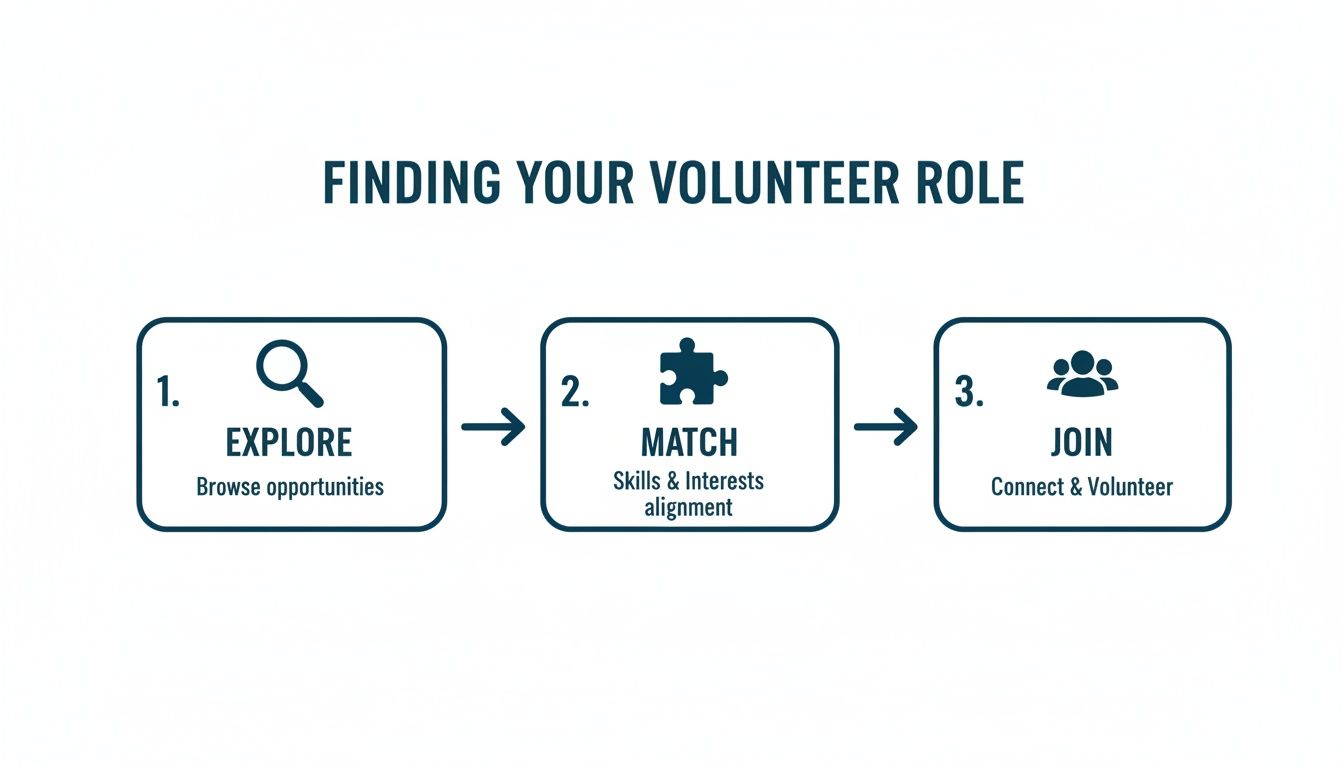
    3. Do I feel more like myself or less?
      Hard but healthy effort can deepen you. Ongoing damage can hollow you out.
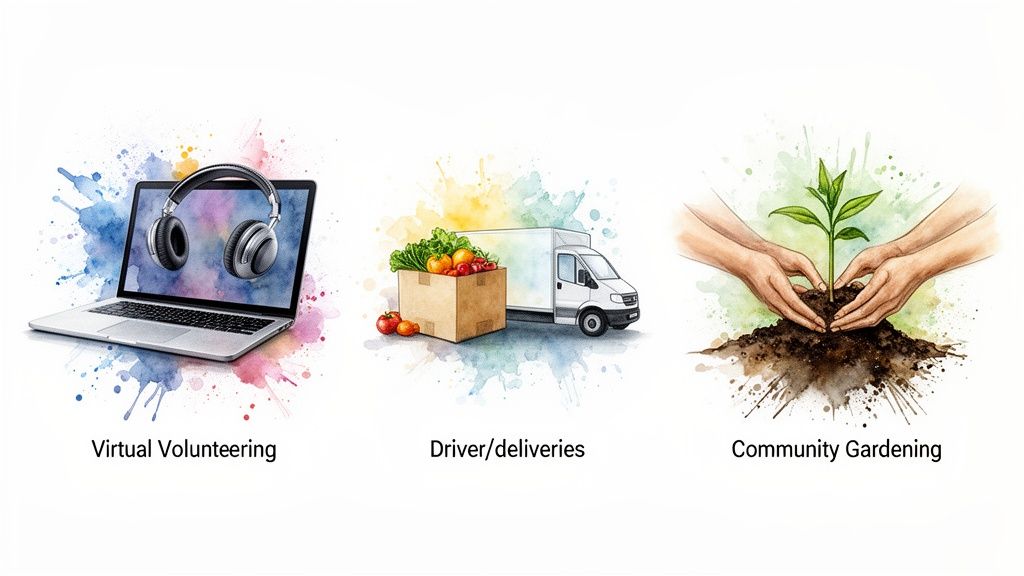
    4. Am I using the phrase to avoid change?
      Sometimes "this is building me" really means "I'm scared to leave."

    I don't glorify suffering anymore. I sort it. I ask what kind it is. I ask who chose it. I ask whether it has a purpose, a boundary, and a way back to rest.

    If the answer is no, then healing matters more than endurance.

    Finding Your Own Fence to Paint

    My apartment used to embarrass me.

    Not in a cute, messy-artist way. I mean real chaos. Old food. Piles of stuff. Random objects carrying weird emotional weight. Every piece of trash had a story attached to it, and because it had a story, I couldn't throw it out.

    The old jar in the fridge was from a trip I didn't want to forget. The bag of nuts on the shelf was from the week I tried to become a healthy person. The receipt on the counter reminded me of some day that felt important for no good reason. Tiny objects became concrete blocks.

    My room looked like my mind felt. Jammed. Avoidant. Heavy.

    The breakup that forced the issue

    After a long, chaotic relationship ended, I hit a wall. I knew I couldn't keep living the same way. I needed to become cleaner, steadier, braver. I needed better habits and better people around me.

    But trying to fix my own mess head-on felt impossible.

    That was the weird part. I could stare at one bag of garbage in my own place and feel stuck. Yet if I saw a fast-food wrapper blowing down the street, I wanted to grab it. My brain resisted personal cleanup and accepted public cleanup.

    So I leaned into that.

    I started cleaning up other people's messes because I couldn't yet handle my own.

    Why service was easier than self-repair

    It still sounds backwards when I say it out loud, but it's true. Community service gave me a side door into my own transformation.

    Picking up litter outside felt simple. The rules were clear. Trash goes in bag. Block gets cleaner. You move your body. You breathe outdoor air. You stand next to other people doing the same thing. There isn't much room for spiraling.

    My private mess had shame in it. Public mess had purpose.

    That's where the Tom Sawyer image always comes back for me. He got stuck painting a fence and turned it into a game people wanted in on. I don't think that story is about manipulation as much as mindset. The task didn't change. The frame changed.

    The same thing happened to me. Hard, dirty work stopped feeling like punishment and started feeling almost mischievous. We were doing something useful, but we were also reclaiming effort itself. We were saying, "This counts as fun."

    Work changes shape when you share it with people who are glad you showed up.

    There's a similar emotional thread in this piece on how to overcome social anxiety. Sometimes you don't heal by staring at yourself harder. Sometimes you heal by moving beside other people toward a simple goal.

    The fence painted me back

    The strange part is that this small act of service started changing things I never meant it to change.

    I got more consistent because other people were expecting me.

    I got braver because weather didn't care about my comfort.

    I got cleaner because once I'd spent a morning filling bags with litter, I had less tolerance for living in chaos myself.

    I got pickier about friendship too. Shared service filters people. Weekend mornings, bad weather, muddy gloves, low glamour. That setup draws a certain kind of person. It tends to pull in people who want to give more than they want to pose.

    The suffering in my old life felt random. It tossed me around.

    This new hardship felt chosen. Small, steady, almost humble. It didn't ask me to be dramatic. It just asked me to show up.

    That kind of suffering built more character in me than all the chaos ever did.

    How to Practice Productive Hardship

    You don't need to wait for life to throw a brick through your window. You can choose a harder, better path on purpose.

    I think that's the cleanest answer I've found. If you want growth, don't worship pain. Design productive hardship instead.

    An infographic titled How to Practice Productive Hardship featuring five tips for building resilience through voluntary challenges.

    What makes hardship productive

    For me, chosen hardship works best when it has three traits:

    • It's voluntary
      You picked it. That matters. Choice changes the whole texture of effort.

    • It has a purpose
      You're not suffering for vibes. You're building skill, courage, discipline, or service.

    • It has a recovery plan
      Hard effort without rest turns into stupidity fast.

    That could mean training for a race. Taking a public speaking class even though your stomach flips every time. Volunteering on cold mornings. Having one difficult conversation you've been postponing for months.

    One practical option is Care for Real, which gives people a way to serve through direct community support. Another option is a volunteer cleanup group like Litter Caterpillars, which organizes regular trash pickups in Chicago. The point isn't which banner you stand under. The point is choosing a form of effort that asks something real from you.

    A simple way to start this week

    If I were sitting across from you with coffee, I'd tell you to start smaller than your ego wants.

    Try one of these:

    1. Pick a weekly discomfort
      Commit to one thing that feels mildly inconvenient but clearly good. A dawn cleanup. A hard workout. A class that scares you.

    2. Tie it to service
      Self-improvement sticks better for me when somebody else benefits too. Service keeps pain from turning narcissistic.

    3. Keep the challenge boring enough to repeat
      You don't need an epic quest. You need something you can still do when you feel lazy.

    4. Reflect after, not during
      While you're in the middle of the hard thing, just do it. Later, ask what it taught you.

    Bravery, unity, consistency

    These are the three words I trust most.

    Bravery means you go anyway, even while your inner voice whines.

    Unity means you stop acting like growth is a solo sport. A friend beside you can turn dread into momentum.

    Consistency is where the identity change happens. Anybody can survive one dramatic day. Character grows when you repeat a modest hard thing until it becomes part of who you are.

    Choose a challenge that makes you a little uncomfortable and a little proud.

    The point of all this isn't to become a martyr. It isn't to collect suffering like merit badges. It is to train your soul gently, the way you train a muscle. Strain, rest, repeat. Enough challenge to wake you up. Enough meaning to keep you going.

    From Caterpillar to Something New

    So, does suffering build character?

    My answer is yes, sometimes. But only sometimes. And that one word matters.

    Unchosen, chaotic suffering can leave scars and confusion. It can shrink your world. It can hurt your health, your joy, your ability to trust yourself. I don't romanticize that anymore.

    Chosen hardship is different.

    When you choose a hard thing with a clear purpose, when you do it with good people, when you leave room for recovery, effort changes shape. Cold rain becomes a memory you laugh about. Service becomes training. Fear becomes proof that you're stretching into a larger self.

    Becoming through effort

    I like the caterpillar image because it gives me room to be unfinished.

    I'm not writing this as someone who mastered pain. I'm writing this as someone who has been shaped by two very different kinds of struggle. One kind left me lost. The other kind helped me become more honest, more useful, and more steady.

    That's what I want for you too.

    If you're in needless pain, I hope you stop calling it growth and get yourself somewhere safer.

    If you're hungry for growth, I hope you don't sit around waiting for tragedy to teach you. Pick your own fence to paint. Pick your own Saturday morning. Pick your own brave little task. Then keep showing up until the person doing it starts to change.

    We are all in some stage of becoming. That's the good news.

    You don't need perfect conditions. You just need a meaningful burden you can carry on purpose, with your eyes open, alongside other people, until your old skin doesn't fit anymore.


    If you want a hands-on way to practice service, friendship, and chosen challenge, take a look at Litter Caterpillars. It's a Chicago volunteer group that organizes regular neighborhood cleanups, and it's a simple way to turn a hard morning into something useful.

  • Your Guide to Chicago Food Bank Volunteer Opportunities

    Your Guide to Chicago Food Bank Volunteer Opportunities

    You feel that nudge, don't you? A quiet but persistent pulse telling you to do something real for Chicago. I know it well. Becoming a chicago food bank volunteer is one of the most direct ways I’ve found to answer that call, turning my time into a full table for a neighbor.

    Why This Work Actually Changes Everything

    I know that feeling. It’s a deep pull, a yearning to connect with your city beyond just living in it, to be a participant, not a spectator. It's the same energy that grabbed me and pulled me into community work years ago. This isn’t about checking off a "good deed" box; it's about answering an inner summons.

    When you sign up for a shift at a food bank, you make a conscious choice. You choose to be the reason a family gets to sit down together for a meal tonight. You become the hands that bridge a gap too wide for some to cross alone.

    A smiling volunteer gives a food box with fresh food to a happy mother and child with a city skyline.

    From One Person to a Citywide Movement

    Your single act of showing up is a stone tossed into Lake Michigan. The ripples spread, touching lives in neighborhoods you might never even visit, spreading outward in unseen waves of impact. You aren't just sorting cans. You aren’t just packing boxes. You are weaving resilience into the very fabric of our city.

    I remember my first shift. My stomach was a knot of nerves. I had no idea what to expect. But within minutes, I found myself shoulder-to-shoulder with strangers who felt like teammates, our focus narrowed to one simple, powerful goal. The energy was electric, a shared current running through us all.

    Your time is the fuel that powers Chicago’s fight against hunger. It’s not just about the food; it’s about you and me showing up for each other, proving this community takes care of its own.

    This collective effort creates a staggering impact. Think about the Greater Chicago Food Depository—every year, more than 25,000 volunteers like you and me put in nearly 100,000 hours of service. Our work gets over 7 million pounds of food repacked and out the door. That's millions of meals. You can read more about the vital role of volunteers on their site to see how it all adds up.

    Tying Your "Why" to the Work

    What really matters is the "why" that brought you here. Are you moved by a desire to fight injustice? Do you crave a real connection with people? Or is it just a simple, powerful urge to help?

    Hold onto that reason. It's the engine that transforms a few hours of your time into something monumental.

    • You're giving hope. For a family struggling, a box of groceries is a lifeline. It’s breathing room. It’s a moment of peace.
    • You're building community. When we serve together, we build trust. We tear down the invisible walls that separate us.
    • You're changing yourself. You will walk away different, with a clearer sense of your own power to make an impact.

    Becoming a Chicago food bank volunteer isn't just about what you give. It’s about who you become in the process. You are stepping up to be part of the solution, one shift at a time.

    Alright, you’re fired up and ready. But in a city as huge as Chicago, finding the right place can feel like searching for a specific face in a packed L train. It’s not just about finding an opening; it’s about finding your opening. Let’s find the spot where you don’t just show up, but where you truly belong.

    Think of it like choosing your spot at a Cubs game. Do you want to be in the bleachers, part of a massive, loud, energetic crowd? Or do you prefer a seat closer to the action, where you can see every play up close?

    The big players, like the massive Greater Chicago Food Depository, are the bleachers. They are incredible, well-oiled machines. I’ve volunteered at their repack shifts, and the sheer scale is mind-blowing—you’re part of a huge team making a dent in hunger on an industrial level. It's fast, loud, and you can physically see the pallets of food piling up around you.

    But the real heart of Chicago often beats on the side streets.

    Discovering Neighborhood Gems

    Tucked away in church basements and small storefronts, you'll find hundreds of local food pantries. These places serve their immediate blocks with a fierce, personal dedication. They know their neighbors by name. The St. Cyprian food pantry in Dunning is a perfect example of this.

    Volunteering at a smaller spot is a completely different vibe. It’s intimate. You’re not just packing a box; you might be having a real conversation with the person you’re helping. It’s less about the massive numbers and more about that direct, human connection. So, how do you find these hidden spots?

    • Go hyper-local with your search: I want you to forget generic terms. Try "food pantry near me" or "volunteer [your neighborhood] food bank." This will turn up places you walk by every day and never noticed.
    • Check the old-school spots: Look for flyers at your local library, coffee shop, or even your alderman’s office. I've found these places are still the central nervous system for community action.
    • Just walk around your block: Seriously. I have discovered some of the most dedicated, under-the-radar organizations just by being curious about a sign on a church door in my own neighborhood.

    Choosing where to be a Chicago food bank volunteer is a gut-check moment. Ask yourself: Do I want the energy of a huge team, or the quiet connection of a small one? There’s no wrong answer, only what’s right for you.

    Matching Your Vibe and Your Schedule

    Finding the right fit also means being brutally honest with yourself. Can you actually commit to a weekly shift every Tuesday morning, or is a one-off Saturday thing more your speed? Most places have online sign-up calendars where you can see every available slot. If you want to cast a wider net, our guide on the best volunteer opportunities in Chicago has even more ideas for you.

    Your personality matters, too. Some roles are all about being on your feet and interacting with people, while others are more focused and behind-the-scenes. I want you to think about what kind of work will leave you feeling energized, not drained.

    To give you a better idea, here's a quick breakdown of the most common jobs you'll find. Think about which one sounds less like work and more like you.

    Common Chicago Food Bank Volunteer Roles

    Volunteer Role Typical Tasks Best For You If…
    Warehouse Repacker I've sorted bulk food donations, packed boxes, and labeled cans. You love a fast-paced, physical task and the energy of a big team. Great for audiobook or podcast lovers.
    Pantry Distributor You'll greet guests, hand out groceries, and help people "shop" for their items. You're a people person who enjoys direct interaction and making others feel welcome and respected.
    Delivery Driver I've seen volunteers transport food from a central hub to smaller, local pantries across the city. You enjoy driving, know the city's streets, and prefer working more independently.

    The goal here isn't to just fill a slot—it's to find a role that lights you up. When you match what you’re good at with what the community needs, you’re not just helping out. You’re bringing your best self to the table, and that’s an impact that lasts.

    What Your First Volunteer Shift Will Really Be Like

    I get it. That little knot in your stomach before your first shift is real. You're probably wondering what it's actually going to be like. Will I know what to do? Will I just get in the way? I have been there, and I’m going to pull back the curtain for you.

    Forget any ideas about being thrown into chaos. These places are like a well-rehearsed play, and the shift supervisor is your director for the day. Their job is to get you up to speed and put you right where you're needed most.

    From Arrival to Action

    The moment you walk in, you’ll sign in, get a quick lay of the land, and meet the other folks you’ll be working alongside. The energy is usually upbeat and focused. We’re all there for the same reason—to get things done.

    You won't be left to figure things out on your own. The first few minutes are all about orientation. I’ll walk you through it: you’ll learn the basic rules (like how to safely lift boxes), get your specific task for the shift, and have a chance to ask any last-minute questions. It’s a smooth process, and you’re a key part of it for the next few hours.

    This simple path from finding an opportunity to joining the team on the floor is designed to be straightforward.

    A three-step process for finding a volunteer role: explore opportunities, match skills, and join.

    By making it easy for you to find a role that fits, you show up for your shift ready to make a real impact from the get-go.

    What You'll Actually Be Doing

    Your job for the day depends entirely on the immediate need. A typical chicago food bank volunteer shift could have you doing any number of things:

    • Repacking Bulk Foods: You might find yourself on an assembly line, transforming giant bags of rice, pasta, or oats into smaller, family-sized packages. I've done this many times; it's rhythmic and satisfying.
    • Sorting Donations: This is like a treasure hunt with a purpose. You’ll be checking expiration dates and sorting canned goods, fresh produce, and other groceries into the right bins.
    • Building Emergency Boxes: This is where you assemble pre-packed boxes with a variety of staple foods, getting them ready to ship out to local pantries like the one at Casa Catalina. You can learn more about their work here.

    The work is tangible. I love that you can physically see the results of your effort as the pile of unsorted donations shrinks and the pallets of ready-to-go boxes grow taller.

    You're not just moving food around a warehouse. You’re moving hope. Every single box you pack is a direct lifeline to a family, a senior, or a child in our city.

    This is especially true as food distribution evolves. For instance, I've watched initiatives like Chicago's Community Kitchens work to distribute up to 10,000 prepared meals every day. And now, 32 percent of all food distributed is fresh fruits and vegetables. Your hands-on work is what makes this push for healthier, more dignified food access a reality.

    The hours will fly by. Before you know it, the shift manager will call out the final tally—how many pounds of food you sorted or how many boxes you packed. It’s a moment of shared victory with people who were strangers just a few hours before. You’ll leave tired, but you’ll also leave full, knowing you didn’t just spend your time; you invested it.

    Think Outside the Box: More Ways to Fight Hunger

    Three illustrations showing virtual volunteering, food delivery, and community gardening activities.

    So, maybe the fast-paced warehouse shift just isn't your vibe. Or maybe your schedule is as unpredictable as Chicago weather in April. That’s more than okay. The most important thing you bring to this is your will to help.

    Fighting hunger is not a single-lane road; it's a giant highway with on-ramps everywhere. If packing boxes feels like a bad fit, I want you to know there are tons of other ways to be a chicago food bank volunteer. It's all about finding the role that just clicks for you.

    Your Skills Are a Superpower

    Seriously. Your professional talents are a secret weapon. Are you a wizard with spreadsheets? A creative genius with graphic design? A wordsmith who can tell a compelling story? I've seen firsthand how desperately food banks need these skills, and you can often contribute right from your own couch.

    It’s a different kind of impact, but it’s huge. Think about it:

    • Data Entry: You could be the person organizing volunteer lists or donation records from home, creating order from chaos.
    • Grant Writing: Your writing could be the very thing that secures thousands of dollars in funding for an organization.
    • Social Media: You could design a single post that brings in a flood of donations for a food drive.

    This is the behind-the-scenes work that keeps the whole operation moving. It’s like being the mission control for the rocket ship. While others are on the front lines, you're the one drawing the map that gets everyone where they need to go. You’re using your brain to tackle a massive problem.

    Hit the Road or Dig in the Dirt

    If you’d rather be out in the world but still want something different, there are some incredible options. Do you love driving and seeing the city? Volunteer drivers are the unsung heroes of this whole thing. I’ve heard stories from guys like Thomas LeClair, who’s put in hundreds of hours and says he meets the “most beautiful people” delivering food across Chicago. It's a way you can feel the real pulse of the city, one delivery at a time.

    Sometimes the most powerful work happens far from the main building. Your car can become a vehicle for hope. Your voice can become an engine for change.

    Or maybe you’re someone with a green thumb. I’ve seen urban farms and community gardens that supply fresh produce to food pantries, and they are always looking for help. Imagine spending a morning tending to basil and parsley, knowing it will end up on someone’s plate that very week.

    It all connects. When we take care of our communities—whether I’m delivering food or you’re beautifying a public space—we’re building a sense of pride and wellness that goes hand-in-hand with food security. You can even see how different acts of service add up by exploring other charities in Chicago and finding your fit. Every small act gets us closer to a stronger Chicago.

    From One Shift to Part of the Family

    You finish that first shift. You’re tired, your back might be a little sore, but you’re buzzing. It’s a good feeling—a real, earned sense of purpose.

    But that buzz from one shift? It’s just the ignition. The real magic happens when you decide to come back. That first time is a spark. Consistency is what builds the fire that keeps a community warm.

    Making It Your Thing

    I remember feeling that pull. That feeling that once wasn't enough. I needed to make my chicago food bank volunteer work a regular thing. The first real step was simple: I put it on my calendar. I treated it just like a doctor's appointment or a meeting with my boss.

    It became “my Tuesday morning shift.” It was no longer a question of if I was going, but when.

    This is how a good deed transforms into a habit of service. This is how you go from just helping out to being part of the bedrock of the organization. It's like a single drop of water, which does little, but a steady drip over time can carve stone. Your consistent effort has that same power.

    This isn't just a nice thought; it’s how massive change happens. Look at the Greater Chicago Food Depository. They went from distributing 500,000 pounds of food in their first year to 11.2 million pounds just four years later. That’s what a dedicated, volunteer-driven effort does. You can see how that grassroots fire started by learning about the Food Depository's early history.

    Finding Your People

    Then something else starts to happen. As you keep showing up, the faces you see every week stop being strangers. They become your crew.

    You start to learn their stories. You meet the retired firefighter who tends the hydroponic garden. You meet the flight attendant who’s a natural at guiding new volunteers. You meet the group of college friends who make packing produce boxes their weekly catch-up.

    You don't just find a place to volunteer; you find your tribe. You find the people who share your commitment to showing up for Chicago, and together, you become an unstoppable force.

    This is what keeps you coming back, even on those mornings when you’re tired or the weather sucks. You’re not just accountable to the mission anymore. You’re accountable to each other.

    Here’s how you make that happen:

    • Stick to the same shift. If you can, try to sign up for the same day and time. That's how I built connections with a core group of regulars.
    • Just be open. Ask people their names. Share a little about yourself. I’ve made some of my closest friends in this city just by starting a conversation over a pallet of potatoes.
    • Learn the ropes. Once you're a regular, people start to trust you with more. Maybe you’ll train newcomers or take the lead on a specific project. This is you, growing from a helper to a leader.

    Before you know it, volunteering stops being something you do. It becomes part of who you are. You start seeing Chicago not just as the place you live, but as the community you are actively building, one shift at a time.

    Got Questions? Let's Get Real.

    It's normal to have a million questions running through your head before your first shift. I’ve been there. You want to show up and do a good job, not get in the way. Let’s cut through the noise and get you some straight answers based on what I've seen and what I hear other first-timers ask all the time.

    Am I Too Young (or Old) for This?

    Every place is different, but most have a spot for you. Big operations like the Greater Chicago Food Depository are amazing—they often welcome volunteers as young as 11 as long as an adult is with them. I've seen it myself, and it's an incredible thing for a kid to witness that kind of impact firsthand.

    Smaller neighborhood pantries might need you to be 14 or 16 just because of the work or the size of their space. The golden rule is simple: just check the volunteer description before you sign up. They're always crystal clear about age.

    Can I Bring My Friends?

    Heck yes! Volunteering with your crew is one of the best ways I know to do it. It stops being a "shift" and starts being a bonding experience. I’ve seen corporate teams, high school clubs, and just groups of friends have an absolute blast sorting food and making a difference together.

    Most food banks love groups and have a separate sign-up for them. One piece of advice I can give you: plan ahead. Those group spots, especially on weekends or near the holidays, get snatched up months in advance.

    The most important skill you can bring to a Chicago food bank is a good attitude and a real willingness to help. I can teach you everything else you need to know in five minutes.

    Do I Need Any Special Skills?

    For 99% of the roles, you don't need any special skills. I'm serious. The work is designed for everyday people like you and me to show up and get it done. Your most powerful tool is your willingness to just be there and help.

    You'll get a quick orientation at the start that shows you exactly what to do, whether it's packing boxes or sorting produce. It's simple, satisfying work that adds up to something huge.

    What If I Have to Cancel?

    Life happens. Your kid gets sick, your boss moves a meeting, you just feel off. I get it, and so do the food banks. They rely on people like us, and they know that means being flexible.

    Most places have an online system where you can cancel your shift with a few clicks. When you do that, your spot opens up for someone else who's been waiting for a chance to help. The key is to give as much notice as you can—they plan their whole day around the number of volunteers they expect. Don't feel guilty, just be courteous and cancel as soon as you know.


    At Litter Caterpillars, we believe that showing up for your community—whether you’re packing food boxes or cleaning a park—is how you find your people and build a better Chicago. If you're looking for another way to serve, join us for a cleanup event and see the city change right before your eyes.

  • Care For Real: Why Showing Up Is The Only Thing That Matters

    Care For Real: Why Showing Up Is The Only Thing That Matters

    When I talk about care for real, I'm not picturing some caped crusader swooping in to save the day. It’s not about that at all. It’s about the quiet, consistent, often invisible work of just showing up. Especially when it’s hard.

    It’s you, looking at a mess—maybe it’s in your own life, maybe it’s the garbage strewn across your block—and deciding, right then and there, to do something about it. That simple, personal choice? It changes everything.

    Finding Purpose in the Mess

    My life was a dumpster fire. Seriously. My apartment looked like a tornado had a party in it, a perfect, chaotic mirror of the storm raging inside me after a brutal breakup.

    Every cluttered corner mocked me. Every pile of forgotten stuff screamed back at me, reflecting the emotional mess I’d become. I knew I had to build a new life from scratch, one founded on things I was starving for: consistency, real courage, and a tribe of people who actually showed up for each other. But I was paralyzed. It felt like trying to move a mountain of emotional junk, one tiny pebble at a time. It was just too much.

    Then, something clicked. I started thinking, what does it mean to care for real? It isn’t posting a cheesy quote on social media or just talking a big game about making a difference. It’s the opposite. It’s you, pulling on a pair of gloves on a freezing Saturday morning to clean up a mess you didn’t even make. It’s the gritty, unglamorous work nobody else wants to touch.

    To care for real is to dive headfirst into the difficult, the dirty, and the inconvenient, because that’s where you truly grow. It’s choosing service over your couch and real connection over being alone.

    This shift in perspective was my lifeline. I realized that tackling the physical clutter on the streets could be my way of starting to clear the clutter in my own heart. The act of cleaning became my metaphor for rebuilding my life. Every single piece of trash I picked up felt like a tiny victory against the chaos that had consumed me.

    That idea sparked Litter Caterpillars. I wanted to build a community around this one simple rule: show up, especially when it sucks. It's about creating a place where you can find purpose not by dodging the mess, but by wading right into it—together.

    It’s where you and I learn that the best connections aren’t made when life is easy. They’re forged in shared struggle and a common goal. This is how we begin to care, for real.

    Confronting The Overwhelming Mess Around Us

    Let’s get real. It’s so easy to feel completely powerless when you look at the sheer mountain of trash around us. The numbers are staggering, almost numbing.

    I see it every single day on the streets of Chicago, from the gorgeous lakefront to the quiet side streets in my neighborhood. It feels like an endless tide of wrappers, bottles, and plastic bags. It’s the kind of problem that makes you want to just throw your hands up and say, "What can I even do?"

    From Numbers to Neighbors

    The statistics paint a grim picture. The United States is a global champion in trash production. A 2025 report, the Global Waste Index, found that I, you, the average American, now churn out a mind-boggling 951 kilograms of municipal waste each year. Picture this: that's enough trash to fill almost three standard dumpsters every year—for just one person. You can see the full research on the world's biggest waste polluters on waste-management-world.com if you want the stark, unfiltered truth.

    We are just 4% of the world's population, yet we generate 12% of its garbage. This isn’t some abstract number; it’s a reality we live in, and honestly, it’s overwhelming.

    This is exactly where the idea to care for real becomes your superpower. It’s not about you trying to solve the entire global waste crisis by Sunday. That’s impossible. Thinking that way just leads you to burnout and giving up.

    Instead, you shrink the problem. Bring it down to a human scale. You look at the single city block right in front of your feet and decide, "This patch of ground matters. This is my home."

    This infographic shows you the mindset you need to turn that overwhelming feeling into action that actually means something.

    Infographic showing real care metrics: 95% consistency, 80% emergency response, and 10,000+ lives supported.

    These icons for consistency, bravery, and community aren't just feel-good graphics. They are the tools you and I use to transform a massive, terrifying problem into something we can physically touch and solve.

    Taking Back Your Power

    You seize your power not by trying to fix the whole world at once, but by taking direct, visible action in your own small corner of it. Caring for real is about turning those suffocating statistics into a specific problem you can physically solve, one piece of trash at a time. It’s your act of defiance against that feeling of helplessness.

    When you choose to pick up that first bottle, you’re not just cleaning a street. You are making a powerful statement that you refuse to be a bystander in your own community.

    This is the very essence of environmental stewardship. By focusing on what’s right in front of us, you and I create a ripple effect that builds momentum and inspires others to join. It’s a practical approach that turns a global crisis into a local mission. And that is where real change begins. If this idea clicks with you, you might be interested in our guide on what environmental stewardship truly means.

    How We Put Real Care Into Action

    Our very first cleanup was a trial by fire. Or, more accurately, a trial by ice.

    Picture this: just three of us, ambushed by one of those freak Chicago hailstorms that drops out of a perfectly blue sky. We were huddled under a pathetic, flimsy tree, soaked to the bone and shivering uncontrollably.

    And in that moment of pure misery, something happened. It hit me like a ton of bricks. Facing a stranger’s garbage—no matter how disgusting—was a thousand times easier than facing my own. That shared struggle, that freezing moment under the tree, wasn't just a bad day. It was the beginning of our story.

    This is the beating heart of the Litter Caterpillars philosophy. We show up in blizzards. We show up in brutal heatwaves. You and I believe the hard parts are what make the work real. It's not about being comfortable; it's about being committed. This is what it means to care for real.

    Three smiling volunteers in winter clothing and blue gloves pick up trash under a bare tree.

    Living Our Values Every Single Weekend

    Talk is cheap. Real care is showing up. It’s about building a system where our values aren't just pretty words on a website but are lived out by you and me, every single weekend, on the streets of Chicago.

    We protect our volunteers above all else. Your safety and happiness are my number one priority. I will never pressure you to do more than you're comfortable with or to come out when you can't. I will also never ask you for a dime. Your time and energy are the only currency that matters here.

    Real community isn’t a transaction. It’s built on a shared commitment to showing up for one another and for the city we all call home. It’s about creating a space where you feel valued, not just used.

    There's a reason we meet on weekend mornings. It’s like a natural filter. It brings out people like you who are wired to give—the ones who find genuine joy in service and want to kick off their weekend with a sense of purpose. We're building a community of givers, one tough but incredibly rewarding morning at a time. The bonds we forge are sealed in that shared effort. To see more on how this works, check out our community engagement strategies that build real connection.

    The Litter Caterpillars Philosophy

    Putting these ideas into practice is how we turn a simple cleanup into something more. It's how you find transformation in the trash. Here’s a breakdown of our core values and how we put them into practice every week.

    Our Value What It Means To Us How We Live It
    Bravery Embracing fear, failure, and suffering as your tools for growth. Cleaning in all weather—blizzards, rain, or heat. Taking pride in our work with flags and theme songs.
    Kindness Putting our volunteers' well-being first and building unity. Prioritizing your safety and happiness. Never asking for donations. Fostering real friendships between people like us.
    Service The act of giving transforms you, me, and our environment. Meeting every weekend morning to attract givers. Cleaning all 50 wards, especially neglected areas.

    This isn't just a mission statement. It’s a promise you and I make to ourselves, to each other, and to Chicago every time we grab a trash bag.

    Finding Beauty In The Unwanted

    Hands hold a plastic bottle from which a vibrant plant with flowers grows amidst colorful watercolor splashes, symbolizing growth and care.

    Do you remember that story about Tom Sawyer tricking his friends into painting a fence? A brilliant move. He took a mind-numbing chore and, with a spark of genius, turned it into a privilege—something so special that kids actually paid him for the chance to do the work.

    That’s exactly how I see what you and I do with trash.

    Picking up litter isn't some miserable punishment for living in a messy world. For us, it’s a huge opportunity to transform ourselves. Every bottle cap, every forgotten plastic bag, every crushed can is a chance for you to practice bravery, build real friendships, and find beauty where other people only see garbage. This is the heart of what it means to care for real.

    The Plastic Tide and Our Personal Stand

    This mindset really hits home when you think about plastic. It feels like an unstoppable, suffocating tide washing over our cities, parks, and oceans. While politicians and corporations debate policies and global agreements, you and I choose to take action. Right here. Right now.

    The global numbers are staggering, telling a story of deep inequality. The United States leads the world in plastic production per person, but other countries are drowning in waste with far fewer resources to fight back. Imagine Brazil—it generates over 10 million tons of plastic trash every year but only recycles a tiny 1.28%. The rest just clogs their land and oceans. For us Chicagoans, these global stats aren't abstract; we see the consequences firsthand in our own neighborhoods. You can dig deeper into the global plastic pollution numbers on worldpopulationreview.com.

    This is where our mission gets crystal clear. While the world debates, we believe real change starts with small, consistent work done by people like you who care enough to show up. We make a real dent in a problem that feels impossibly big.

    We are Litter Caterpillars because we know that through service, we can transform not just our city, but ourselves. We are finding profound growth in the grit.

    Finding Growth in the Grit

    Think of it like gardening. You can’t just toss seeds on the ground and hope for a miracle. You have to get your hands dirty.

    You pull weeds, you work the soil, you nurture the ground. It’s tough, messy work, but the reward is seeing something beautiful and alive grow from your effort. That's exactly what you and I are doing every single weekend.

    Here’s how we flip the script on what it means to clean up:

    • The Unwanted Becomes an Opportunity: A trashed-out park isn’t a sign of defeat; for us, it’s a blank canvas for our community to create something amazing.
    • A Chore Becomes a Connection: Picking up trash side-by-side with a stranger builds a bond way faster than small talk ever could. I've seen it happen.
    • Suffering Becomes a Story: Facing a challenge together—like cleaning in the pouring rain—doesn’t just build your resilience. It creates a shared memory, a story that makes our community stronger.

    We aren't just cleaning up. We are actively choosing to find value and potential in the things our society has thrown away. And in doing that, you and I discover a stronger, more connected version of ourselves.

    How You Can Start Caring For Real Today

    So, how do you take this big idea of "caring for real" and actually make it part of your life? It’s not about launching some massive city-wide movement overnight. It starts with one small, consistent action. Just one.

    The first step—and honestly, the most important one—is deciding to show up for something bigger than yourself. It's that choice you make to get off the sidelines and into the game.

    Maybe picking up litter isn't your thing, and that's totally cool. Maybe your heart sings when you're walking dogs at a local shelter. Or maybe it's as simple as spending an hour a week with an elderly neighbor who could use a friend. The what isn't nearly as important as the why and your commitment behind it.

    The Power of Consistent Action

    Something wild happens when you commit to showing up, week after week. It’s like you’ve turned on a homing beacon for other givers.

    Your consistency acts as a magnet. It naturally draws in people who share your values and that same itch to make a difference. These are the people who become your tribe. Your community.

    True belonging isn’t found in what you believe, but in what you do together. Consistent, shared action is the glue that builds the strongest communities.

    This is exactly why we do things at Litter Caterpillars that might look a little silly from the outside. We wave flags. We have a theme song. We celebrate our work with a ton of pride because I believe kind people deserve to feel powerful in the good they do. This is about more than just cleaning up trash; it's about building an identity around service.

    From Small Actions to Big Impact

    Your small, steady efforts ripple out in ways you can't even imagine. It’s easy to feel hopeless. Many developed countries bury over half their waste in landfills. But then you see places like Switzerland, which sends zero waste to landfills, or Estonia, which shot up to be a top-three performer globally.

    Estonia is the perfect story of how committed, small-scale actions can snowball into massive, nationwide change. You can see how different countries stack up at Sensoneo.com. By building a proud identity around service—the same way a sports team does—you and I prove we can redeem both our environment and ourselves.

    So, I’m inviting you to find your thing. Whatever it is that lights a fire in you, commit to it. Show up for it, even when you don't feel like it. And just watch how that one steady act of purpose starts to change not just your neighborhood, but everything inside of you, too.

    Ready to see what that feels like with us? We’ve got a great guide on how to get started with volunteer trash pickup.

    A Few Questions I Hear a Lot

    People often have questions before they join, and I get it. Here are some of the most common things people ask me about Litter Caterpillars and what it really means to show up for your community.

    Do I Have To Be Brave Or Physically Fit To Join

    Absolutely not. When I talk about bravery, I'm not talking about being some fearless superhero or a gym rat. Real bravery is just showing up, especially when you feel nervous or a little out of your element.

    Think of it this way: your bravery is a muscle. You build it over time, and you build it with us. Our cleanups are for everybody, no matter your fitness level. Some people go fast and fill a ton of bags. Others take it slow. Both are exactly what we need from you.

    The biggest thing you can give is just your presence. I put your safety and comfort first, always. You can contribute in whatever way feels right for you.

    What If I Can Only Volunteer Occasionally

    That’s totally fine. The whole point of caring for real is being authentic, not being perfect.

    Look, consistency is what forges those deep bonds in a community, but I know your life gets in the way. It's messy and unpredictable. Showing up even once is infinitely better than never showing up at all.

    There's zero pressure here from me. Every single person who comes out, even if it's just for an hour, makes a difference you can actually see on our streets. Just follow us online, see where we’ll be next, and come when you can. I'll be happy to have you.

    The real work isn't just cleaning the streets; it's about building a resilient, kind, and connected community, one person at a time, whenever you can show up.

    Is This Really Just About Picking Up Trash

    On the surface? Yeah, we pick up trash. But that’s just the beginning. The trash is just the excuse we use to do something much deeper.

    For me, it’s a form of active meditation, a way to clear your head while you clear the sidewalks. It’s a workout that gets you outside. It's an adventure into neighborhoods you've never seen before, showing you a side of the city you've never noticed.

    But more than anything, it's a hell of a filter for finding your people. When you decide to tackle a challenge together—even something as simple as cleaning a park—you build connections that go way deeper than anything you'd find at a bar.

    The trash is just the catalyst. The real change happens inside of you, and between us.


    Ready to see what it feels like to care for real? Join a Litter Caterpillars cleanup and find out what happens when you show up for your city, and for yourself. Find our next event at https://www.littercaterpillars.com.

  • 10 Life-Changing Benefits of Volunteering for Students in 2026

    10 Life-Changing Benefits of Volunteering for Students in 2026

    I get it. Your schedule is a beast. Juggling classes, staring down study guides, maybe even slinging coffee for cash, makes volunteering feel like a luxury you can't afford. I was there. My own life was a disaster zone, literally and figuratively. My apartment was a museum of things I'd failed at, and every piece of trash felt like it weighed a ton. I was stuck.

    Then I stumbled onto a secret. Cleaning up someone else's mess is a million times easier than cleaning up your own. It's like hitting the reset button on your own life. For me, that reset switch flipped in a Chicago hailstorm, picking up soggy napkins with a handful of friends. Sounds insane, right? But that single moment—that shared battle against the ridiculous—changed everything. It was the birth of Litter Caterpillars, and it showed me a truth I have to share with you.

    The real benefits of volunteering for students aren't just about fluffing up your resume or checking a box for service hours. It's about building a life that feels lighter. More connected. A life humming with purpose. It's realizing that by showing up for your community, you are, in the most profound way, showing up for yourself. Let’s dive into the 10 ways giving your time can completely rewire your world.

    1. Build a Real Professional Network (Without the Awkward Handshakes)

    Forget those stuffy networking nights where you nervously orbit a cheese plate and swap business cards like they're trading cards. Picture this instead: you're building a powerful connection with a software engineer while pulling a rusty bike frame out of a bush. This is one of the most incredible benefits of volunteering for students: authentic networking. It puts you shoulder-to-shoulder with established pros from every corner of Chicago, all focused on a goal you actually believe in.

    Diverse young volunteers with gloves and trash bags cleaning up a park area.

    You will meet people in tech, healthcare, the arts. Not because you're trying to sell them something, but because you're both dedicated to making the city better. I've personally watched students land amazing internships and find mentors for life just by striking up a conversation over a full trash bag. These aren't just flimsy business connections. They are real friendships, cemented by a shared mission. You're not just a student asking for a favor; you're a teammate making a real difference.

    How to Make it Happen

    • Show Up Consistently: Attend cleanups regularly. This is how you build deep roots with other volunteers. Familiar faces bloom into meaningful conversations.
    • Be Curious: Ask people about what they do and what lights them up. You'll be floored by who you meet.
    • Share Your Goals: Don't be shy about your own dreams. Volunteers genuinely want to lift each other up.
    • Take the Lead: Volunteer for a role like a ward coordinator. It raises your visibility and lets you work side-by-side with community leaders.

    This approach turns networking from a cringe-worthy chore into an adventure. You can find more about building your career through service at our young professional networking events.

    2. Develop Leadership and Responsibility Through Consistent Commitment

    True leadership isn't a title someone gives you; it's the reputation you earn by showing up when it's hard. It's proving you are the person people can count on, especially when the rain is pouring down or the task is gritty. This is where consistent volunteering forges a kind of responsibility that no classroom can teach. It’s one of the most powerful benefits of volunteering for students: building resilience through unwavering dedication.

    This is not a one-and-done event. It is a promise. At Litter Caterpillars, we've been cleaning up Chicago every single weekend for over three years. Rain. Shine. Blizzards. Negative wind chills. When you show up, week after week, you're not just a volunteer anymore; you're a pillar of a team. You build the kind of accountability that defines a true leader. I've seen students like Kevin Tao completely transform their own habits, building a three-year weekly tradition of service that has inspired hundreds of people. That is the kind of story that defines your character.

    How to Make it Happen

    • Start with Attendance: Your first mission is just to show up. Week in, week out. Consistency is the bedrock of trust and responsibility.
    • Lead a Ward: Once you're a familiar face, volunteer to be a ward coordinator. You'll manage logistics, guide others, and take direct ownership of your community's success.
    • Mentor Newcomers: Take a new volunteer under your wing. Guiding someone else is an incredible way to solidify your own leadership chops.
    • Embrace the Challenge: Don't duck out on the tough days. Leading a cleanup during a surprise downpour shows a level of commitment people never forget.

    This journey from participant to leader is at the very core of what we do. You can start building your own leadership legacy by joining one of our upcoming cleanup events.

    3. Improve Mental Health Through Outdoor Service and Community Connection

    The relentless drumbeat of exams, deadlines, and social pressure can seriously mess with your head. Volunteering offers a powerful way out. It's a cocktail of physical activity, sunlight, and genuine human connection. Getting outside and focusing on a simple, tangible mission—like cleaning a park—quiets the frantic buzzing in your brain. Think of it as active mindfulness. It grounds you in the present, pulling you away from academic stress and the endless scroll of digital isolation.

    Smiling woman on a park bench with a full trash bag, holding a coffee cup, surrounded by watercolor art.

    This benefit of volunteering for students is deeply personal for me. I've watched students use our weekend cleanups as their escape hatch, finding that a few hours of service does more for their mood than a whole day locked inside. Research from the University of Chicago even backs this up, confirming that outdoor volunteering can slash symptoms of depression and anxiety. You are not just cleaning a street; you are clearing your mind. Building your own resilience. The simple act of turning a trashed space into a beautiful one is a mirror for the personal growth you're experiencing inside.

    How to Make it Happen

    • Be Consistent: Try to attend cleanups for at least a month. You'll feel the mental health benefits multiply as it becomes a restorative habit.
    • Practice Mindfulness: Focus on the physical task. The sounds of the city, the fresh air, the feeling of making a visible difference. Let your worries dissolve.
    • Connect with Others: Don't be afraid to share what's on your mind. Real community is built on mutual support, and you'll find others who just get it.
    • Invite a Friend: If you know someone who's feeling isolated, invite them to join you. Sharing this experience can strengthen your bond and their well-being.

    Volunteering is this unique space where you get to care for your community and yourself at the exact same time. See how our community comes together at our next neighborhood cleanup event.

    4. Create Lasting Friendships and Find Your People

    College can feel like an island, and making friends who really get you isn't always easy. But imagine finding your tribe not in a chaotic dorm party, but while working together to bring a neglected park back to life. This is one of the most powerful benefits of volunteering for students: it blasts past superficial small talk and forges connections based on shared values and action. It’s about building a real community.

    Five diverse, joyful volunteers in blue shirts embracing, with colorful watercolor art splashes.

    At Litter Caterpillars, we're all about building friendships. Our inside jokes, our badges, and our consistent weekend cleanups create this incredible sense of belonging, like a sports team but with more trash bags. I have seen students who felt completely adrift find their closest friends here, bonding over a shared mission to serve all 50 Chicago wards. These are not flimsy connections. They are friendships forged in the trenches of shared purpose—and sometimes shared absurdity, like when our three co-founders bonded forever during that sudden hailstorm cleanup.

    How to Make it Happen

    • Pick a Ward and Stick With It: Show up at the same neighborhood cleanup consistently. Seeing the same faces week after week is the fastest way to turn strangers into friends.
    • Be Brave, Exchange Info: After a few cleanups, don't be shy. Suggest grabbing a coffee or swap social media handles to stay in touch.
    • Invite a Friend Along: Bringing a buddy can make the first time less intimidating, and the shared mission will strengthen your bond.
    • Get Involved Online: Jump into the group chats and follow the social media pages. Stay plugged into the community vibe between cleanups.

    This transforms the hunt for community from a stressful chore into a natural side effect of doing good. You can find more ideas for connection in our guide to community building activities for adults.

    5. Gain Real-World Environmental and Sustainability Impact

    Reading about climate change can leave you feeling powerless, like a tiny boat in a giant storm. You might wonder if anything you do even matters. When you volunteer with an organization like Litter Caterpillars, you get to see the immediate, undeniable results of your hard work. This is one of the most incredible benefits of volunteering for students: you witness environmental change with your own eyes, one filled trash bag at a time.

    Contrasting scenes: a polluted lot with trash on the left, and a planted tree, people, and trash bags with vibrant splatters on the right.

    This is not a theoretical discussion. This is direct action. You are physically removing garbage that chokes wildlife, reclaiming public spaces for people to enjoy, and stopping waste from clogging our city's arteries. I have seen our teams transform a neglected, trashed-out lot in Englewood into a beautiful community park. I’ve seen us collect literal tons of litter during a highway shutdown for a bike event. Your efforts create a measurable ecological impact and provide concrete proof that your actions are powerful.

    How to Make it Happen

    • Track Your Impact: Keep a personal log of bags you've filled or blocks you've cleared. Watching the numbers climb is insanely motivating.
    • Document Everything: Snap before-and-after photos of the areas you clean. This visual proof is gold for your portfolio or for sharing on social media to inspire others.
    • Understand the 'Why': Dig into local environmental issues. See how your cleanup work plugs into the bigger picture of urban sustainability.
    • Connect Your Actions: Realize that every piece of plastic you pick up helps protect local birds and improves water quality in our lake.

    This hands-on work transforms abstract environmental worries into a personal, winnable mission. You can explore a deeper understanding of these principles and learn more about what environmental stewardship means on our blog.

    6. Build Resilience and Overcome Fear Through Consistent Courage

    Academic pressure and life's sudden left turns can feel crushing. What if you could train your brain to see challenges not as walls, but as jungle gyms? This is another core benefit of volunteering for students: it builds real psychological armor. It’s about learning that fear, failure, and even suffering are not things to be dodged, but ingredients for a stronger, more interesting you.

    When you show up for a cleanup in a blizzard, with negative wind chills clawing at your face, you're doing more than just picking up trash. You are teaching yourself that you can handle discomfort. That you are tougher than you think. I will never forget our first hailstorm cleanup; that's when it hit me that suffering truly adds flavor to life and moves the plot forward. This mindset, forged in the crucible of Chicago weather, becomes a superpower you can use to ace exams, tackle tough projects, and face down any obstacle life throws at you.

    How to Make it Happen

    • Embrace Discomfort: Intentionally sign up for a cleanup on a day with "bad" weather. Consider it your resilience training ground.
    • Reframe Your Mindset: When you feel challenged, tell yourself, "This is making me stronger." Turn that negative inner voice into your personal hype man.
    • Share Your Fears: Be open with other volunteers about what scares you. Vulnerability is a superpower that builds incredible bonds and shows you you're not alone.
    • Transfer the Skill: Apply the same courage you used to face the freezing cold to that intimidating class presentation or that difficult conversation you've been avoiding.

    This is how you build an unbreakable spirit, one brave choice at a time. You can start practicing this unique form of courage at our next Litter Caterpillars cleanup event.

    7. Explore Chicago Neighborhoods and Discover Community Resources

    Your life as a student can easily become a bubble, trapped between campus and a few favorite haunts. Volunteering pops that bubble. It turns the entire city of Chicago into your living classroom. Imagine truly getting to know the diverse, vibrant soul of this city—from the murals of Pilsen to the lakefront trails of Rogers Park—not as a tourist, but as a community partner. This is a huge benefit of volunteering for students: it’s a ground-level education in urban geography and sociology.

    With Litter Caterpillars' mission to serve all 50 wards, you're not just cleaning a street; you are unlocking a new part of the city every single weekend. You will meet the small business owners who are the beating heart of their communities. You will learn from residents who have watched their neighborhoods change over decades. You will discover incredible local nonprofits you never knew existed. I have seen students find their favorite taco spot in Englewood after a cleanup or connect with a community garden in Humboldt Park that sparks a whole new passion. This is how you weave yourself into the real fabric of the city.

    How to Make it Happen

    • Be a Neighborhood Explorer: Intentionally sign up for cleanups in wards you've never even heard of. Make a goal to volunteer in a new corner of the city each month.
    • Talk to Locals: Ask long-time residents about their neighborhood’s story and what makes it special. Their memories offer insights you'll never find in a guidebook.
    • Support Local Businesses: After your cleanup, grab a coffee or a bite to eat at a neighborhood spot. It's a fantastic way to support the community you just served.
    • Document Your Journey: Take photos and jot down notes about what you discover in each neighborhood. It will deepen your love for Chicago’s incredible diversity.

    This transforms your service into an urban adventure, making you not just a student in Chicago, but a true Chicagoan. Ready to start exploring? Check out our upcoming city-wide cleanup events.

    8. Develop Practical Skills in Project Management and Event Coordination

    Your resume says you have "leadership skills," but what does that even mean? Volunteering is your chance to prove it. Forget abstract classroom theories; this is where you can manage a real project from start to finish. It’s one of the most practical benefits of volunteering for students because it gives you a low-stakes place to gain high-stakes professional skills. You are not just picking up trash; you are coordinating logistics, managing people, and executing a plan that gets real results.

    Imagine telling a future employer you organized a 50-person cleanup event across three different neighborhoods. You had to manage supplies, communicate schedules, pivot when the weather suddenly changed, and make sure everyone had a great experience. That is project management. When I see students step up to lead a ward cleanup, they are learning how to allocate resources, motivate a team, and track outcomes—skills that are directly transferable to any career path you can imagine.

    How to Make it Happen

    • Ask for Responsibility: Raise your hand to be a ward coordinator or help plan a special event. Leadership roles are often just waiting for someone to ask.
    • Document Everything: Create supply checklists, draft communication templates for volunteers, and track key metrics like attendance or bags collected. This is how you build your project portfolio.
    • Shadow an Expert: Learn from experienced coordinators. Watch how they handle curveballs and manage group dynamics before you take the lead yourself.
    • Master the Tools: Get comfortable using platforms like Meetup or group chats to manage RSVPs, send out updates, and keep your team fired up.

    This kind of hands-on experience is worth a thousand lines on a resume. You can start building these skills today by signing up to help lead a local cleanup at our volunteer opportunities page.

    9. Build Confidence and Self-Trust Through Demonstrated Accomplishment

    Classes and exams often test what you know in theory, which can leave you wondering what you're actually capable of in the real world. This is where volunteering offers one of its most life-changing benefits for students: it builds rock-solid confidence through tangible results. You are not just studying theories of social change; you are making change happen, one filled trash bag at a time. It’s about proving to yourself, through undeniable action, that you can make a real impact.

    When you see a park go from neglected to beautiful because of your work, that visual proof is electric. Our founder, Kevin Tao, started out feeling swamped by even the smallest tasks, but consistent, focused action turned that doubt into a city-wide movement. Each cleanup you do provides concrete evidence of your competence and your contribution. This feeling of self-efficacy doesn't stay in the park; it follows you into your exams, your interviews, and your future career challenges, reminding you that you are a person who can overcome obstacles and create real results.

    How to Make it Happen

    • Track Your Impact: Keep a running tally of your attendance or the number of bags you help fill. Seeing those numbers grow over months is undeniable proof of your dedication.
    • Take Before-and-After Photos: Document the spaces you help transform. Visually seeing the change you created is a massive confidence booster.
    • Celebrate Small Wins: Acknowledge every achievement. Filling your first bag. Making a new friend. Leading a small group. Each one is a brick in the foundation of your self-trust.
    • Journal Your Journey: Write down how you feel before and after a cleanup. Notice your own evolution from feeling nervous at your first event to feeling like a seasoned community leader.

    This process turns volunteering into a powerful personal development tool, transforming you just as you transform our neighborhoods. You can start your own transformation story at our next community cleanup event.

    10. Learn Kindness, Unity, and Service-Oriented Values Through Practice

    You can read about values like kindness and unity in a book, but you can only truly learn them by living them. This is where volunteering becomes more than a resume booster; it becomes a character-building forge. It is your chance to actively practice service-oriented values in a community that lives and breathes them, transforming who you are from the inside out. This is one of the most profound benefits of volunteering for students: it’s a workout for your integrity.

    At Litter Caterpillars, I see this magic happen every single weekend. Our "volunteer-first" philosophy means we put your safety and happiness above everything else, rejecting the typical donation-based model to keep the focus purely on service. This culture is deliberate. By showing up on a Saturday morning, you are choosing to be part of a group that values community over comfort. You are internalizing principles not through lectures, but through repeated choices—like deciding to help a new volunteer or working together to clear a tough spot. These small actions build a foundation of character that will guide your decisions for the rest of your life.

    How to Make it Happen

    • Notice Values in Action: Pay attention to how people treat each other. See how decisions are made. Ask yourself what principles are guiding this group.
    • Discuss What You See: Talk with other volunteers about the values you observe. These conversations make your own commitment deeper.
    • Reflect on Your Growth: After each event, take a moment. Think about how your own choices reflected values like kindness or teamwork.
    • Bring Values Elsewhere: Apply the service-oriented mindset you're building to your studies, your friendships, and your future career.

    This is not passive learning; it is an active process of becoming a more compassionate and community-minded person. You can start building your character with us at our next neighborhood cleanup event.

    10-Point Student Volunteering Benefits Comparison

    Program 🔄 Implementation complexity ⚡ Resource requirements 📊 Expected outcomes ⭐ Ideal use cases 💡 Key tips
    Build Professional Network and Career Connections Low–Medium: recurring meetups + informal outreach Low: weekly time, basic social tools New professional contacts, mentorships, internship leads Students seeking internships, career connections Attend consistently, share goals, connect on socials
    Develop Leadership and Responsibility Through Consistent Commitment Medium–High: sustained commitment, coordination roles Medium: time, coordination skills, minimal admin tools Verifiable leadership experience, project ownership Applicants needing leadership evidence, résumé builders Start with steady attendance, volunteer as ward coordinator
    Improve Mental Health Through Outdoor Service and Community Connection Low: simple to join but needs routine Low: time, outdoor attire, travel to sites Reduced anxiety/isolation, improved routine and resilience Students needing routine, mood support, social contact Commit 4–8 weeks, practice mindfulness, bring a friend
    Create Lasting Friendships and Find Your People Low: social engagement through repeat attendance Low: time, participation in events Deepened friendships, sense of belonging Students seeking authentic social networks Attend same ward regularly, exchange contacts, join events
    Gain Real-World Environmental and Sustainability Impact Medium: scalable logistics for measurable projects Medium–High: supplies, coordination, data tracking Tangible cleanup results, park creation, local ecological benefits Environmental coursework, civic engagement, advocacy Track metrics, take before/after photos, partner with orgs
    Build Resilience and Overcome Fear Through Consistent Courage Medium: repeated exposure to discomfort required Low: time, willingness to face challenging conditions Increased grit, growth mindset, greater tolerance for adversity Personal development, resilience training Start with a challenging cleanup, reframe discomfort as growth
    Explore Chicago Neighborhoods and Discover Community Resources Medium: travel logistics across wards Medium: time, transport, basic research Geographic knowledge, community contacts, resource discovery Urban studies, local internships, community research Research wards beforehand, talk with residents, take notes
    Develop Practical Skills in Project Management and Event Coordination High: complex logistics, multi-ward planning Medium: tools, communication platforms, leadership time Project management experience, logistics and budgeting skills Students pursuing nonprofit/business/administration roles Volunteer for coordinator roles, document processes, track metrics
    Build Confidence and Self-Trust Through Demonstrated Accomplishment Low–Medium: consistent participation and reflection Low: time, tracking tools (simple log/journal) Improved self-efficacy, reduced imposter syndrome Those building self-confidence, preparing applications Log attendance and outcomes, celebrate small wins, journal progress
    Learn Kindness, Unity, and Service-Oriented Values Through Practice Low: cultural immersion via repeated service Low: time, engagement in community norms Internalized service values, stronger ethical habits Character development, values-based leadership Discuss values with peers, reflect, model behaviors consistently

    Ready to Start Your Transformation? Here’s Your First Step.

    You’ve reached the end of this list. But you’re really standing at a new beginning. We’ve journeyed through ten powerful benefits of volunteering for students, blowing past the simple resume boost. We've seen how picking up a single piece of litter can be the first move in building a professional network, developing unshakeable confidence, and finding friendships that feel like coming home.

    This isn't just a theory. It's your map. Think of your life as a tangled ball of yarn. Each thread is a different part of you: your career dreams, your hunger for connection, your need for purpose, your mental health. Volunteering is the act of gently pulling on just one of those threads. As you pull, you find it’s connected to all the others. And slowly, the entire knot begins to loosen, revealing a clear, strong line.

    Your Path from Insight to Impact

    The journey from reading this article to changing your life is paved with one simple action: showing up. The gap between the person you are right now and the person you want to become isn't some giant chasm you have to leap across. It's just a series of small, doable steps.

    • You learned that consistent commitment builds leadership. Your first step is to sign up for just one event. Forget next month. Just focus on this weekend.
    • You saw how service forges real friendships. Your first step is to smile and say "hello" to the person working next to you.
    • You discovered that small actions build self-trust. Your first step is to pick up one bag of trash and feel that immediate rush of a job well done.

    This is the real secret behind the benefits of volunteering for students. The transformation isn't a lightning strike. It is the gentle, persistent growth that comes from planting a seed and actually tending to it. We are the Litter Caterpillars because we believe in this process of metamorphosis. We aren't perfect people. We are just people trying to grow. To become something more. Through service, you learn to trust yourself, forgive your past mistakes, and build a life defined not by your plans, but by your purpose.

    It all starts with that first courageous step. You don't have to have it all figured out. You don't have to be the most outgoing person there. You just have to be willing. Your future self is waiting for you to take this chance. Let’s get to work.


    Ready to take that first step and experience the benefits of volunteering firsthand? Join Litter Caterpillars at our next Chicago cleanup. Find an event and connect with a community dedicated to transformation by visiting our website at Litter Caterpillars.