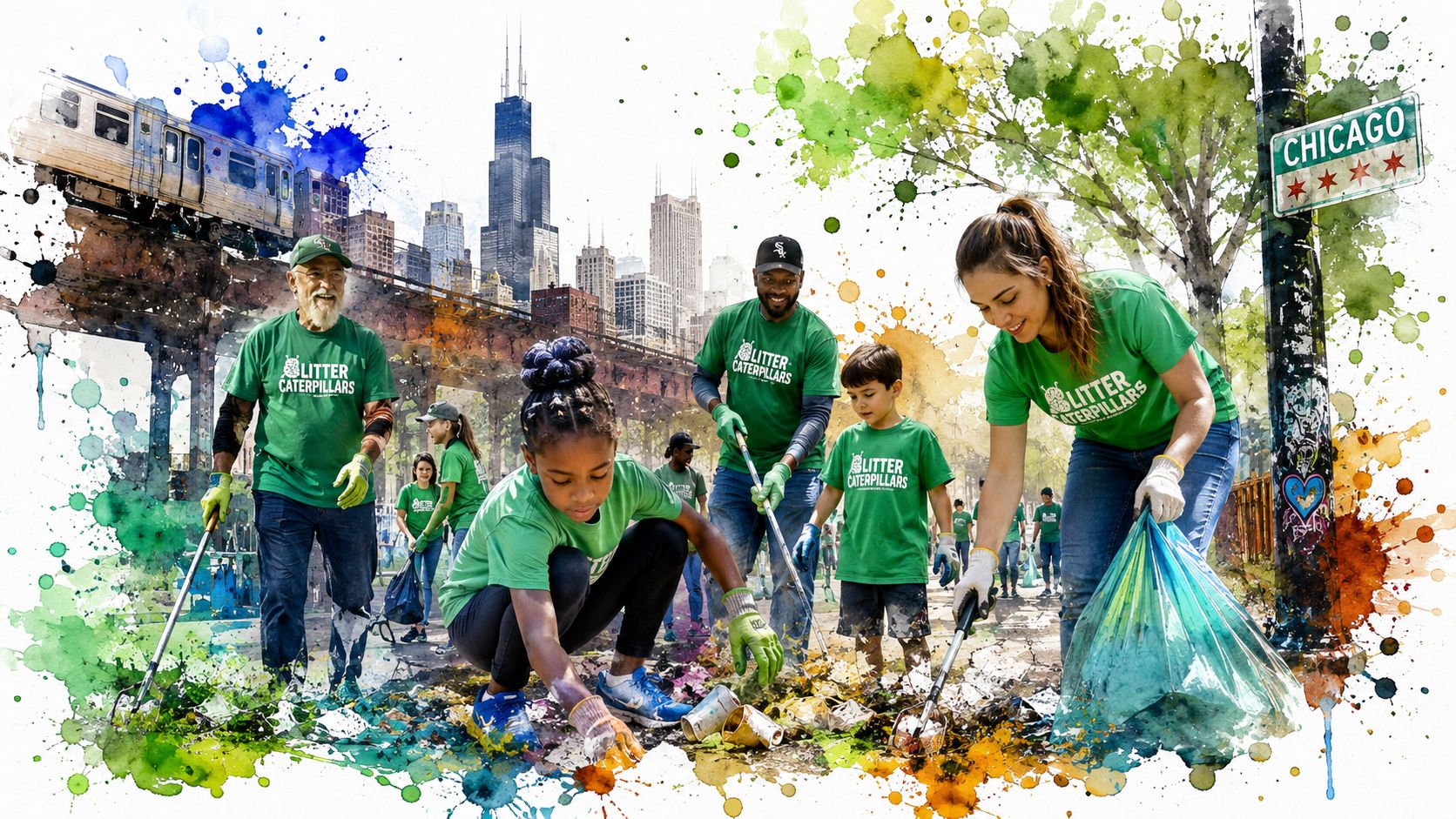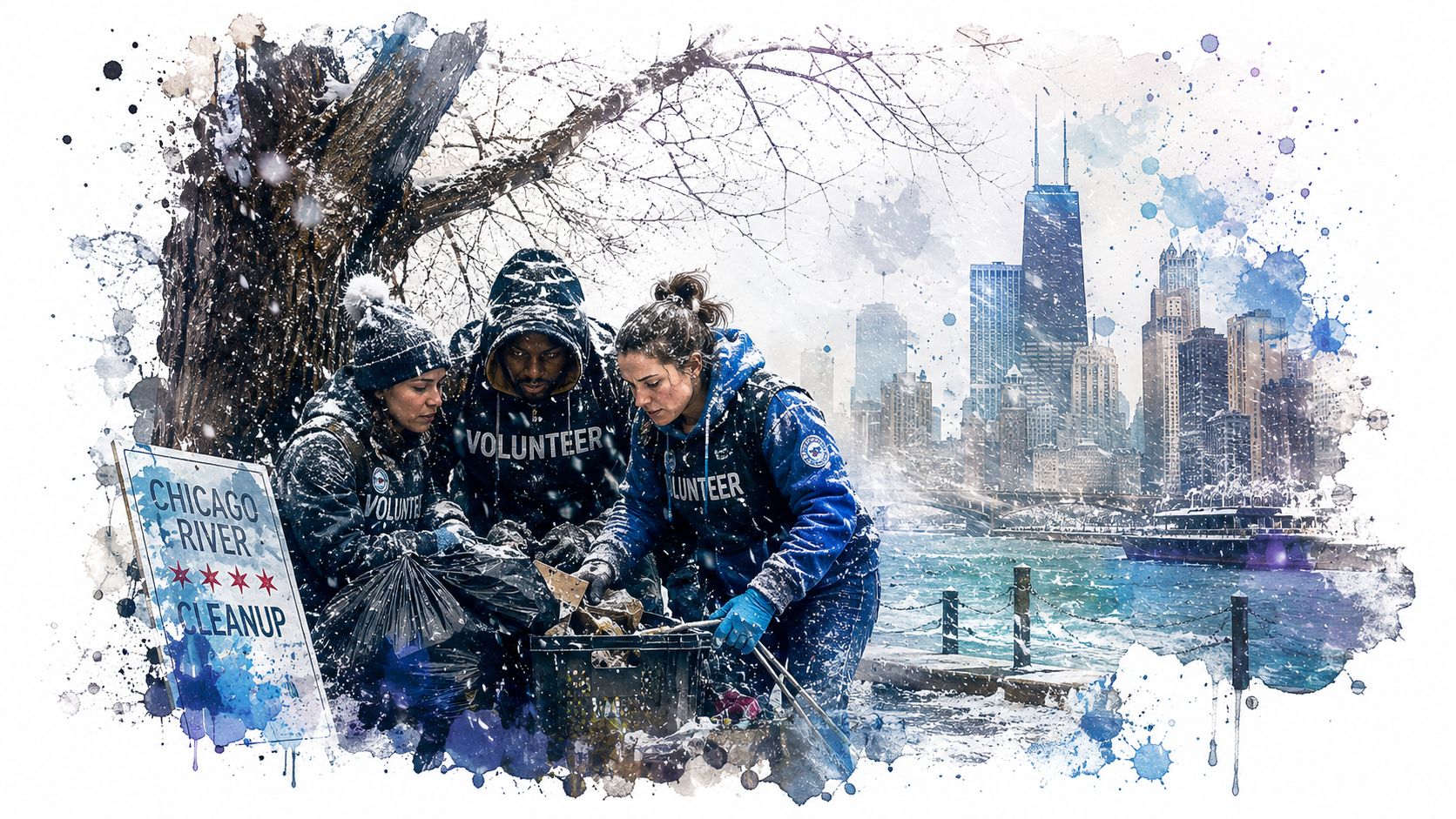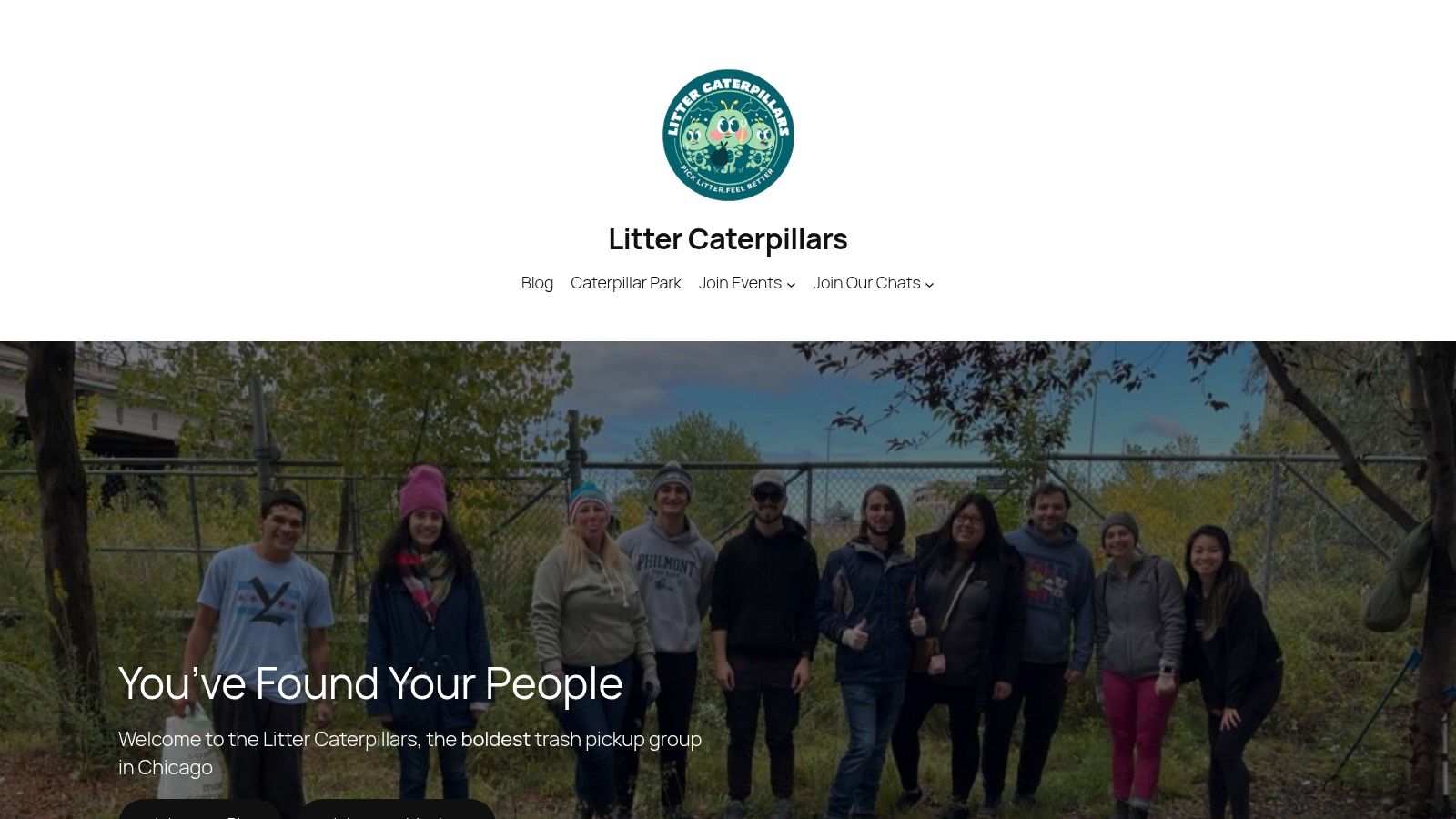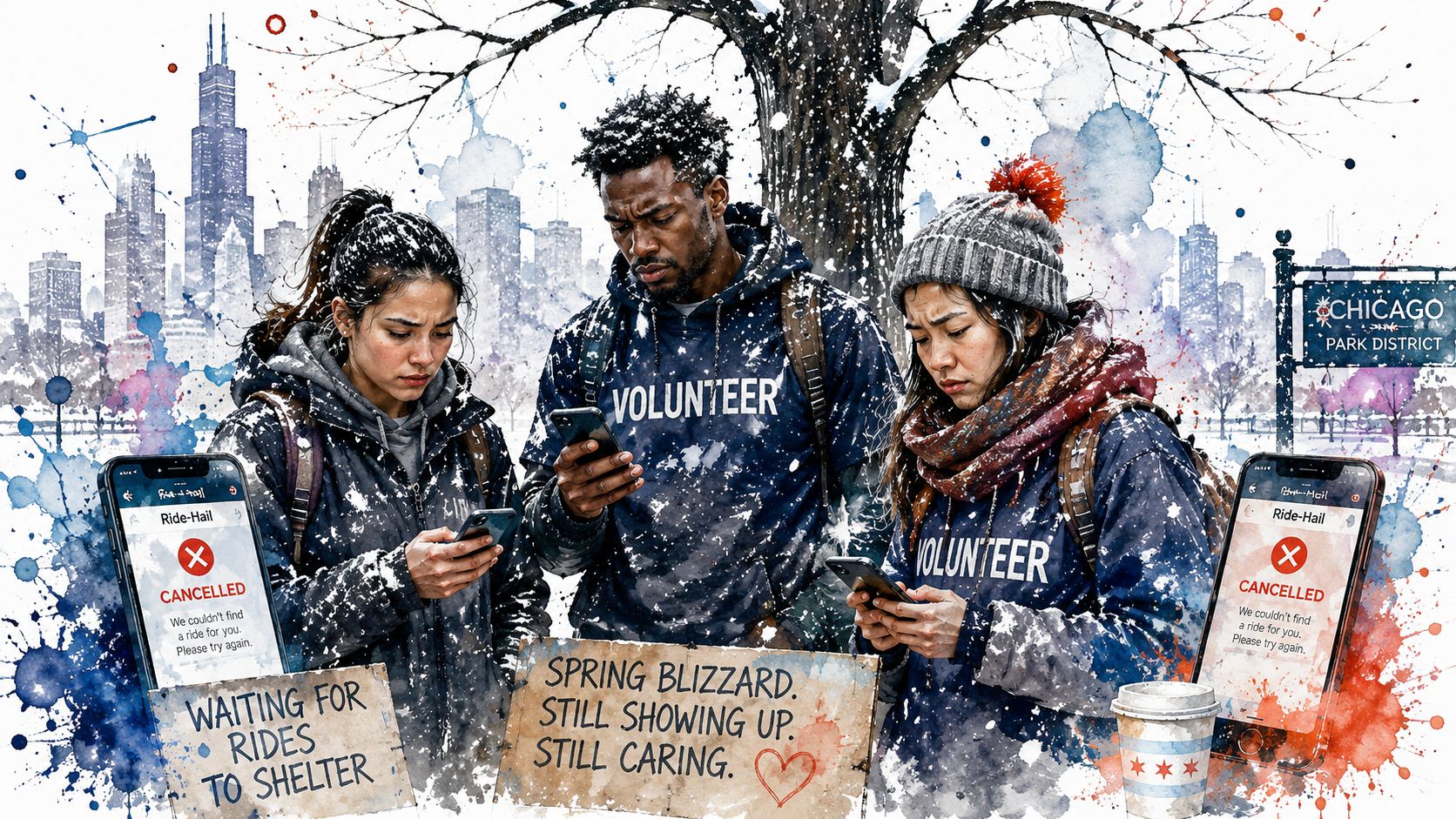
The first Litter Caterpillars cleanup had three people, one Chicago hailstorm, and an Uber app that kept canceling. We huddled under a tree, shivering, and somehow decided this was a good way to spend Saturday morning.
How a Volunteer Cleanup Group Became a Leadership Lab
I started with a problem I understood too well. I couldn't clean my own fridge. Every old jar and forgotten bag carried a story, so each piece of clutter felt impossible to move. As my apartment became messier, my life followed.
Then a long, chaotic relationship ended. I wanted a different circle around me, so I made a decision that sounded simple and felt risky: I would build my social life around people who gave more than they took. I would practice cleanliness, consistency, and bravery in public, with other people watching.
That first cleanup tested the idea immediately. Three of us picked up litter, then the weather turned violent. Hail came down, Chicago-style. We crouched beneath a tree while every Uber we tried canceled. We were cold, annoyed, and stuck together.
The first leadership lesson: people learn how to lead while solving the problem in front of them.
We learned that cleaning another person's mess felt easier than cleaning our own. We also learned that discomfort can give a group a story. The storm became part of our identity, and our logo grew from that first miserable adventure. A name, a flag, a theme song, or a badge can turn a random Saturday into a shared chapter.

Since then, the crew has picked up trash every week, through rain, blizzards, wind chills, heat, and ordinary sunny mornings. We've worked across Chicago's 50 wards, cleaned a highway during a bike-event shutdown, and turned an empty lot in Englewood into Caterpillar Park after winning it at auction.
Those projects mattered because they gave people real jobs to do. Someone checked the route. Someone watched the tools. Someone welcomed newcomers. Someone made sure the last bag reached the pickup point. Community leadership development happened through handoffs, decisions, and small acts of care.
If you're starting a group, borrow the simple formula. Pick one task people can finish, repeat it at a predictable time, and give the group a small identity marker. When you plan your first gathering, practical ideas to boost guest participation at events can help you turn attendance into connection.
The curriculum came later. The storm came first.
Why Identity Beats Curriculum in Community Leadership Development
Most leadership guides begin with a syllabus. They list communication skills, conflict management, meeting design, and strategic planning. I understand the appeal, but a volunteer usually decides whether to return before they care about any of those topics.
They return because they felt welcome. They return because the work made sense. They return because someone handed them a grabber, learned their name, and made the morning feel like it belonged to them.
At Litter Caterpillars, we use flags, songs, stickers, badges, and a weekend ritual. Those objects may look playful, yet they answer a serious question: Who are we when the work gets inconvenient? A shared identity gives volunteers a reason to keep moving when the sidewalk is wet and the trash is gross.
Build the flag before the syllabus
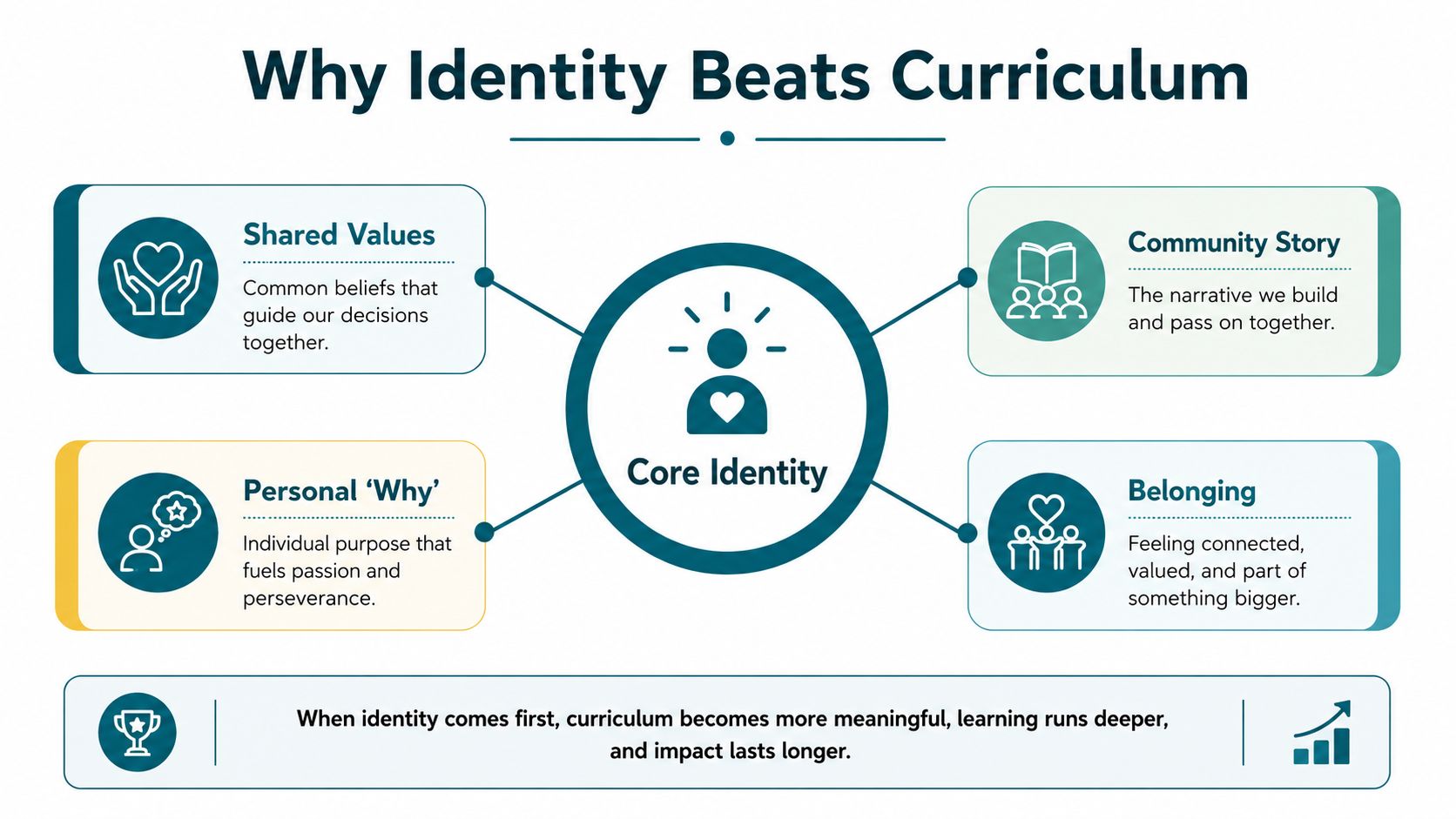
Start with four pieces:
- Shared values: Choose words people can act on, like bravery, kindness, and unity.
- Community story: Tell people why the group exists, using a real beginning rather than polished branding.
- Personal why: Ask each volunteer what they want to repair, learn, protect, or discover.
- Belonging: Give people a visible way to say, “I'm part of this.”
Sports teams have understood this for a long time. A jersey helps strangers recognize one another before they know one another. A volunteer group can use the same basic idea without copying the language or machinery of professional sports.
The crew model also changes how people learn. A classroom might explain route planning for an hour. A crew captain can teach route planning while three volunteers decide which block to clean first, where to place full bags, and how to avoid splitting the group. The lesson sticks because the decision has consequences in the same moment.
That approach matches research on volunteer leadership. In one study of professional women who reported leadership growth through volunteering, 83% said volunteering acquired, improved, or developed their leadership skills, while 78% reported communication improvement, 63% reported problem-solving improvement, and 53% reported coaching or mentoring gains (volunteer leadership study).
The numbers don't prove that a logo can replace training. They show why service work can become a leadership practice when people take responsibility together. Give volunteers a reason to belong, then let the work teach them what belonging requires.
Designing a Leadership Curriculum That Actually Sticks
A long training day makes volunteers tired before they get a chance to practice. I prefer short modules, each attached to a task that someone can complete during the same event.
Use four learning pillars:
Safety
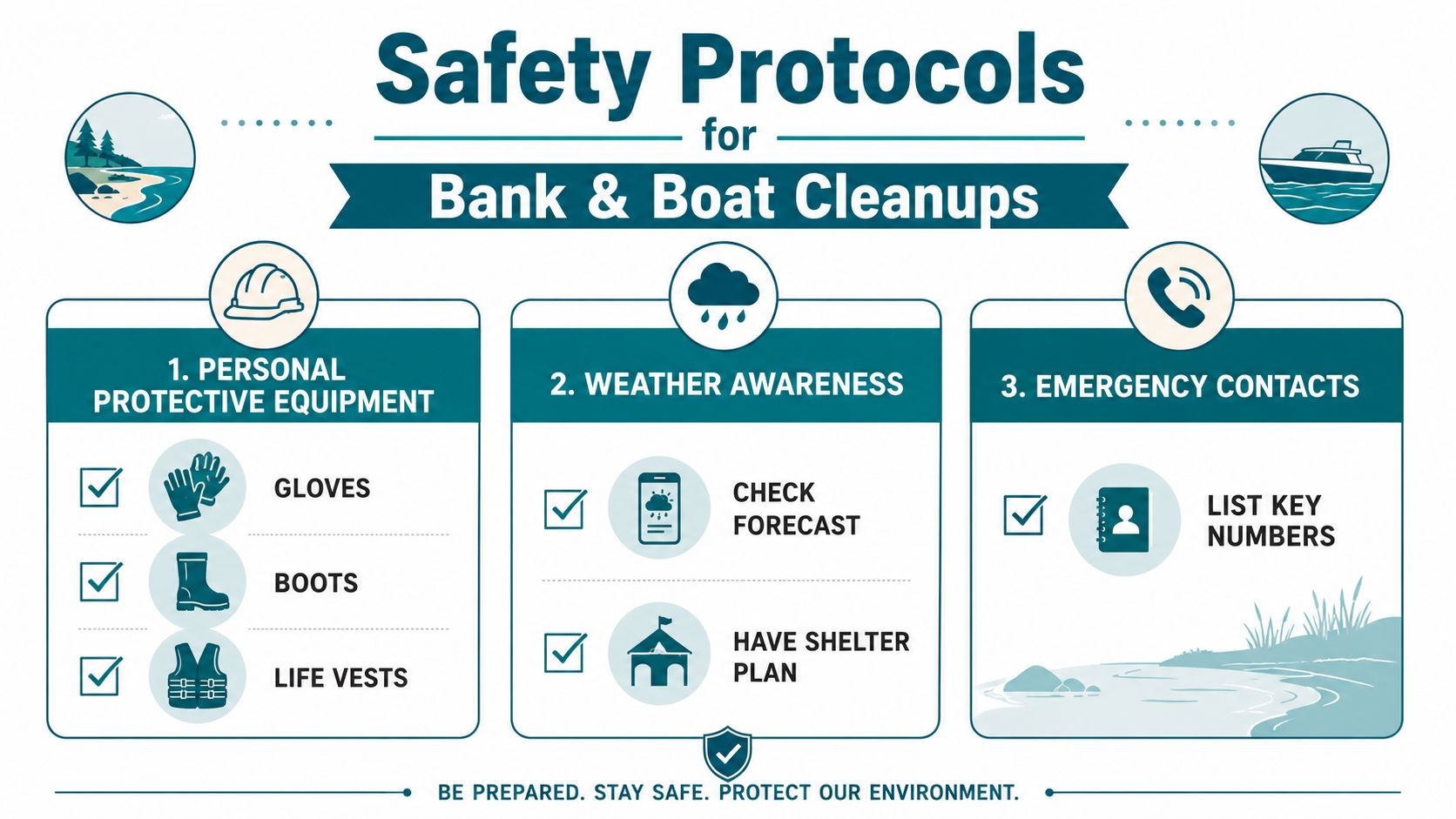
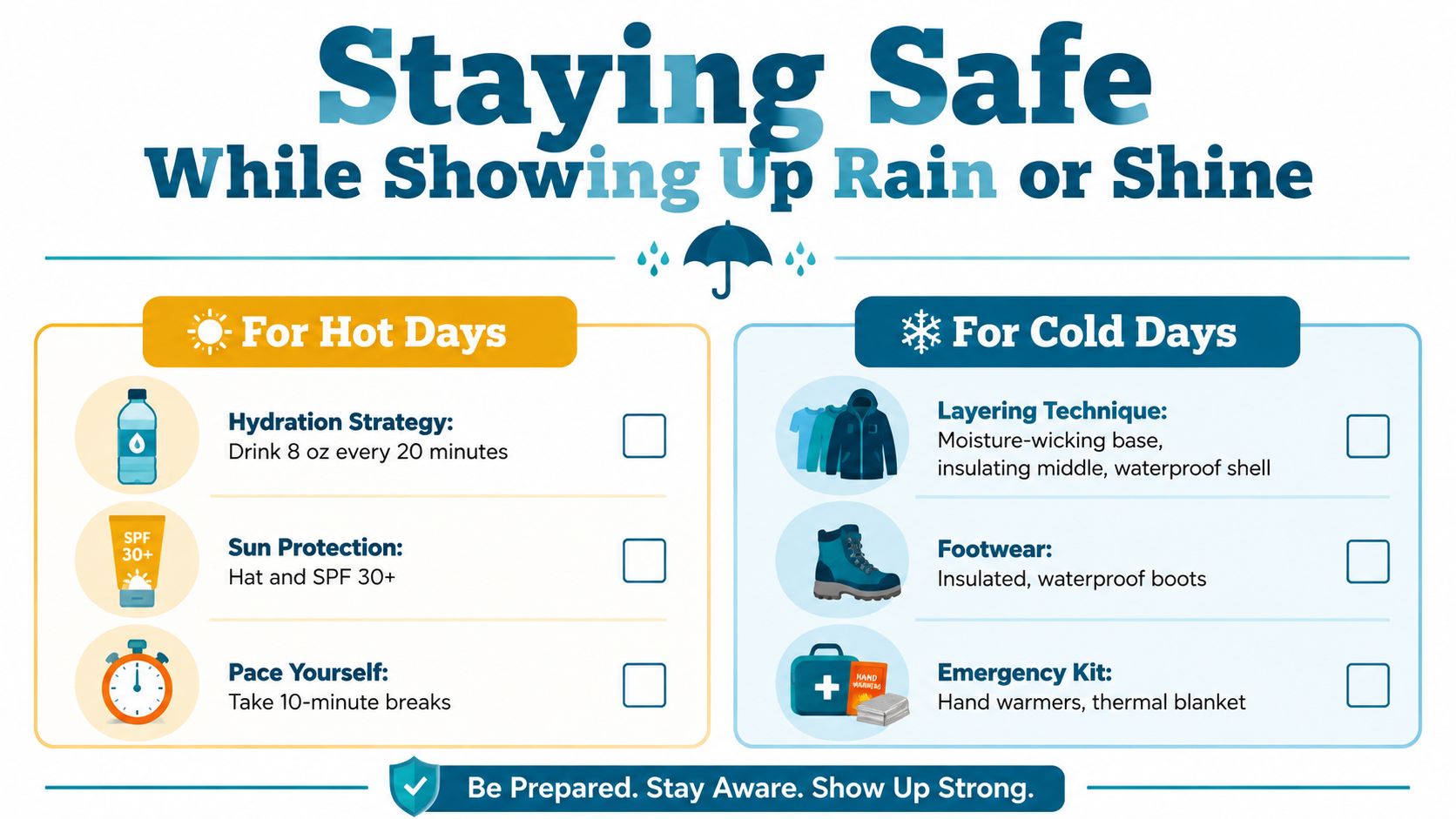
Give a brief safety talk before anyone grabs a tool. Cover gloves, sharp objects, traffic, weather, hydration, and the point where a volunteer should stop and ask for help.
Then assign one person as the safety watcher. That person doesn't become a boss. They scan the work area, remind people about hazards, and speak up early.
Route planning
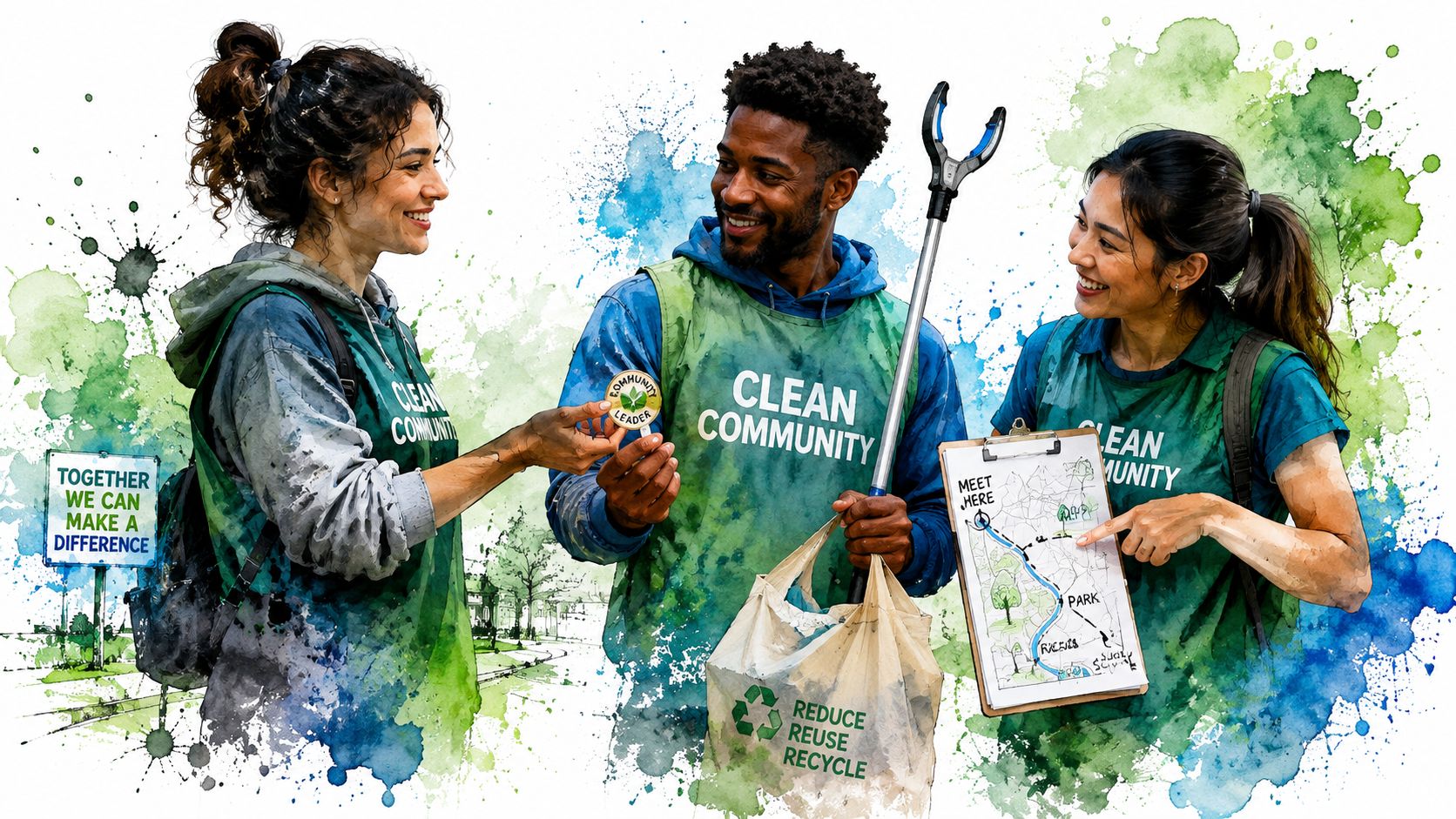
Show the group how to choose a starting point, divide the area, and set a meeting place for full bags. Let a new volunteer draw the route on a phone map or paper sheet while an experienced person asks questions.
The task teaches judgment. A route that looks short can cross busy streets or leave one person isolated. Volunteers learn to notice those details by making the plan themselves.
Tool care
Teach people how to carry grabbers, use bags without overfilling them, and return equipment after the event. A volunteer can lead the tool count at the end, then record anything damaged or missing.
That small responsibility creates trust. People learn that leadership includes the boring objects everyone needs next week.
Group care
Ask captains to welcome newcomers, pair people thoughtfully, and watch for anyone standing alone. Group care includes checking energy, making introductions, and ending on time.
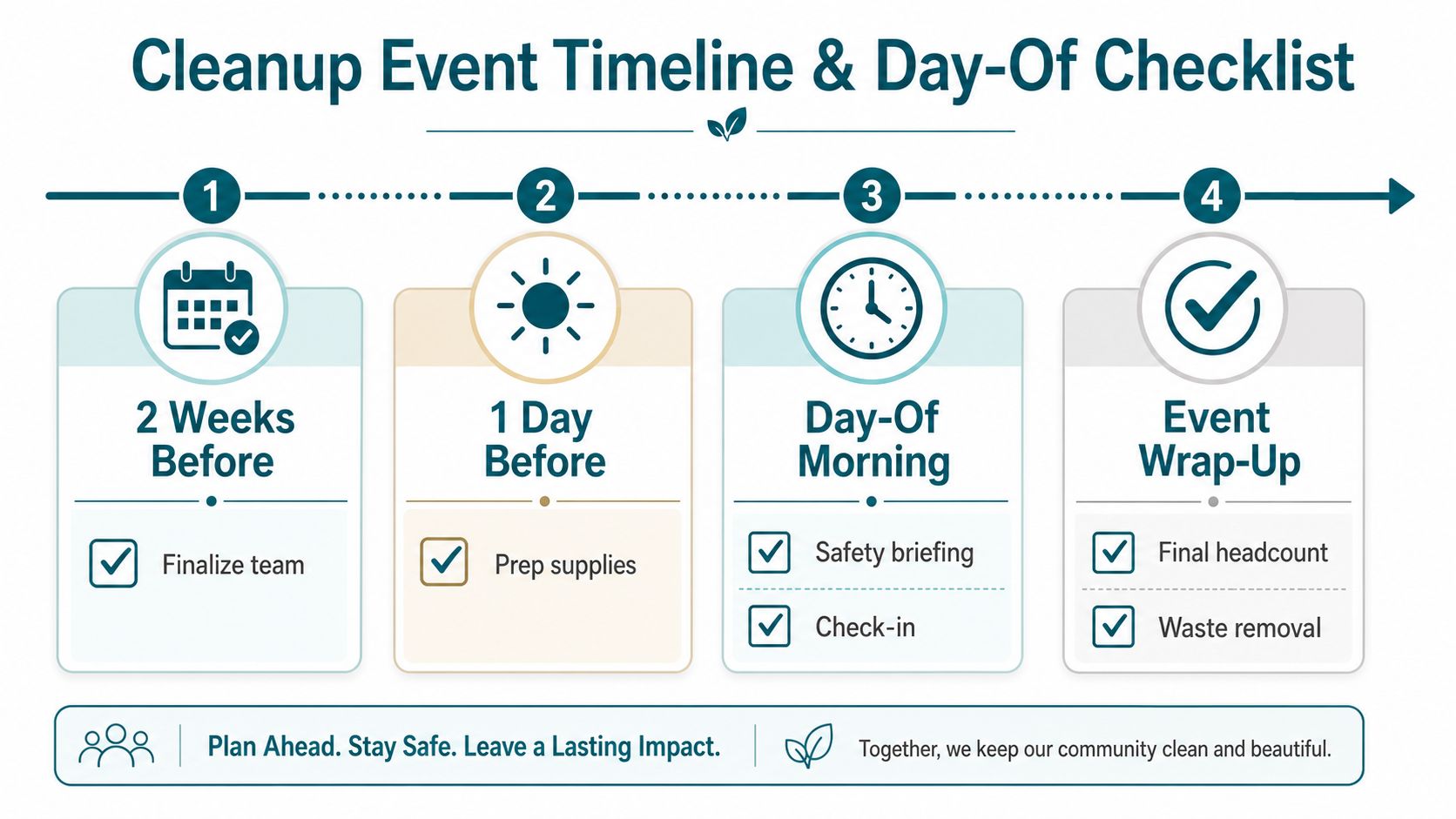
A 15-minute pre-event briefing can follow this order:
- Welcome everyone and name the route.
- Explain the safety concern for that location.
- Assign tools, pairs, and the first task.
- Tell volunteers when and where the group will regroup.
- Ask for questions before moving out.
A post-event debrief can stay just as short. Ask what worked, what created friction, and who handled a responsibility well. Record one adjustment for the next event.
Once a month, post one reflection prompt in the group chat: “What did you do this month that you couldn't do when you first joined?” Volunteers can answer in a sentence. Captains can respond with a specific observation.
Research on volunteer leadership training supports this rhythm. Guidance recommends shorter, sequenced instruction rather than one overloaded session, and it describes a four-step evaluation cycle: define behaviors, design and test the instrument, gather feedback in several formats, then analyze and summarize the results for stakeholders (training volunteers and assessing leadership abilities).
Training should feel like a warm-up before the work. If volunteers practice the skill right away, you can see what they understand and help without turning the morning into school.
Recruiting, Onboarding, and Badging Your First Crew
Recruiting people takes a post. Keeping them takes a good first hour.
We use Meetup, Instagram, and open group chats because each channel lets a newcomer see the group before making a large commitment. The invitation should sound like a person wrote it:
“We're meeting Saturday morning to clean three blocks near the park. Bring shoes you can get dirty. We'll provide the tools, introduce you around, and finish with coffee.”
That message answers the questions people often keep to themselves. Where do I go? What should I bring? Will anyone talk to me? What happens if I'm new?
Make the first hour easy to enter
Give the newcomer a name tag. Introduce them to one person who already knows the group. Explain the task without assuming they know cleanup vocabulary. Pair them with a patient volunteer, then check in before the group leaves the first block.
End with a visible completion point. Take a group photo, give the volunteer a sticker or badge, and tell them when the next event happens. A small token can help someone remember that they finished something with you.
For a fuller recruiting process, use this guide to finding volunteers. Keep the first request modest. You don't need a newcomer to run a route, manage a chat, and recruit friends on day one.
Create a role ladder so leadership feels earned rather than mysterious:
- Caterpillar: Learns the tools, route, and group norms.
- Crew Captain: Leads a small team, gives the briefing, and checks the closeout.
- Ward Lead: Plans recurring work in a neighborhood and coaches captains.
A no-show doesn't need a dramatic response. Send a friendly message, leave the door open, and avoid building the whole event around one person's promise. People have jobs, illness, family duties, and bad mornings. A reliable system absorbs absence without turning it into a personal conflict.
Use inclusion as an operating habit
Leadership inclusiveness predicts volunteer retention more strongly than leadership integrity or volunteer satisfaction in one mixed-method nonprofit study (study on leadership inclusiveness and retention). That finding matches what I see on a sidewalk. People stay when captains ask what they think, make room for new ideas, and let them take a real turn.
Volunteers also need communication between events. Research involving nonprofit leaders linked communication practices to 63% of the importance of volunteer retention during the COVID-19 pandemic, based on a survey of 696 nonprofit leaders with a 10.6% response rate (research on volunteer retention and communication). You don't need a complicated platform. A clear reminder, a quick thank-you, and a direct answer can keep the group connected.
Volunteer-First Policies That Protect Your Group
Policies look dull until someone slips on broken glass or feels pressured to donate. I write the rules before the group gets busy, then use them when a decision feels awkward.
Our four rules are simple:
- Safety comes first.
- Happiness comes second.
- Donations are never required.
- Friendships deserve active support.
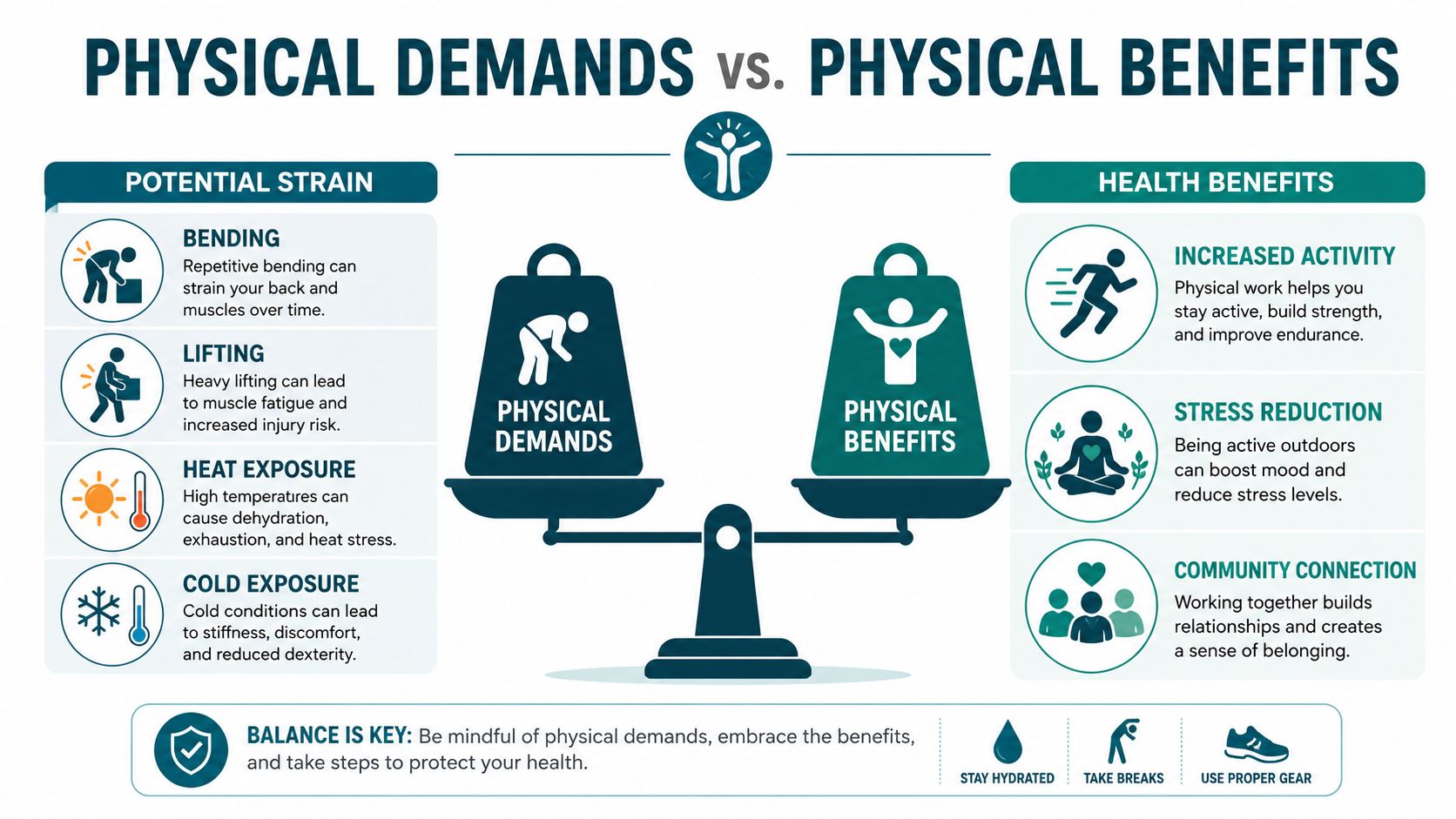
Safety means canceling or changing an event when heat, ice, hail, traffic, or another hazard makes the work unreasonable. It means carrying first-aid supplies, keeping emergency contacts available, explaining boundaries, and giving volunteers permission to stop.
Happiness doesn't mean every task feels easy. Cleanup can smell bad, take longer than planned, and leave you muddy. It means leaders notice when the group has had enough, avoid humiliating mistakes, and let people leave without guilt.
Protect the volunteer relationship
Never make a volunteer feel like an unpaid donor. A nonprofit can explain its needs, but leaders shouldn't corner people for money during a service event. Don't turn every cleanup into a sponsor parade, either. Too many logos and sales messages can make a neighbor feel like an audience instead of a participant.
Friendship needs structure. Keep time before and after the cleanup for conversation. Use group chats for practical updates and personal connection. Place people in pairs or small teams so newcomers don't spend the morning alone.
Volunteer retention research found three practical themes: collaborative relationships, team-based motivation, and strategic, frequent communication (dissertation on volunteer retention). Those habits cost little, yet they shape whether a person sees the group as a place where they belong.
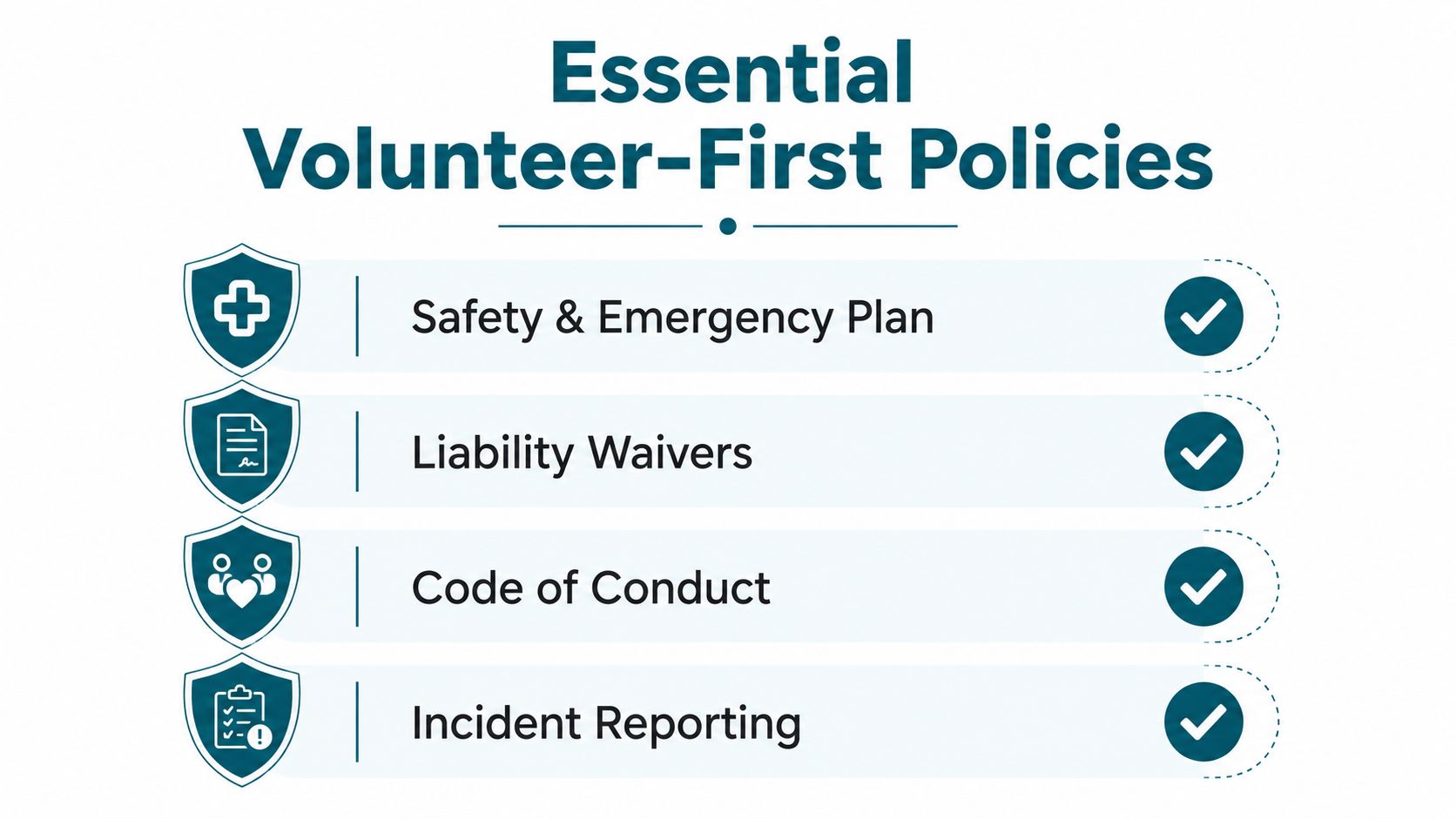
Keep legal and administrative questions separate from the social promise. Depending on your structure and location, you may need waivers, insurance, incident records, and a clear code of conduct. You can review one practical discussion of volunteer liability insurance before your first public event.
Avoid common nonprofit traps
- Pressure for cash: Don't imply that attendance creates a donation obligation.
- Unclear sponsorships: Tell volunteers what a partner provides and what the partner expects.
- Missing incident records: Write down what happened, who responded, and what you changed.
- Loose safety boundaries: Define tasks volunteers shouldn't handle, including dangerous materials or traffic exposure.
Research on volunteer engagement found the median retention rate rose from 60% in 2019 to 2020 to 70% in 2020 to 2021, which shows how much operating conditions can affect whether volunteers stay (State of Volunteer Engagement report). Your policies won't remove every hard week. They give the group a way to handle one without blaming the people who showed up.
Measuring Impact Without Killing the Joy
I don't want a volunteer standing beside a pile of trash, tapping a spreadsheet while the rest of us enjoy the morning. Measurement should help us learn, thank people, and hand responsibility to new leaders.
Use a 360-degree cycle:
- Define the behavior. Choose something visible, like greeting newcomers or checking tools.
- Design the instrument. Keep the survey or checklist short, then test it with one captain.
- Gather several views. Combine surveys, focus groups, observations, and interviews.
- Summarize for the group. Share what you learned and name the next adjustment.
This method avoids relying on self-report alone. A volunteer may say they felt confident, while an observation shows they still skipped the safety briefing. Both pieces matter.
Track a small set of useful signals
For a small crew, I would track bags collected, volunteers retained for 90 days, and new leaders promoted. Those measures connect the physical work to the people system. They also leave room for stories, which numbers can't capture.
| Metric | What it measures | How to track it |
|---|---|---|
| Bags collected | Completed cleanup work | Record the count at closeout |
| Volunteers retained for 90 days | Return and continued participation | Review attendance records |
| New leaders promoted | Movement into greater responsibility | Record badge or role changes |
Use a short reflection after events. Ask volunteers what they tried, where they needed help, and what they want to lead next. A captain can observe one behavior during the cleanup and write two sentences afterward.
At the end of a season, interview a few volunteers. Ask what brought them back, what made them hesitate, and what responsibility they would accept. Keep the conversation human.
A recognition system can support this work. Research using longitudinal administrative data found that awards tied to recognition of volunteer contributions connected with retention in the following year, while training showed a gender interaction in which trained men were more likely to stay than women (research on recognition, training, and volunteer turnover). Recognition shouldn't become a contest. A handwritten note or a badge for a specific action can tell someone that you saw their effort.
If you need a broader worksheet for the process, use this guide to measure community impact. You can also borrow ideas from Cobra DTF customer loyalty tips, especially the parts about remembering people's preferences and giving them clear reasons to return. Translate those ideas into volunteer language, then keep the focus on service.
Succession, Sustainability, and a 90-Day Starter Plan
For a while, I thought I could lead every cleanup forever. I answered every message, planned every route, carried every supply, and stepped into every awkward conversation. Then I noticed the truth. If the group stopped whenever I was tired, the group depended on my personality instead of its practices.
Succession begins when someone else can run the morning without asking permission for every small choice. It needs documented roles, shadowing, feedback, and a clear transfer of trust.
Research on community leadership development points to a gap between graduation and real power. Programs can train participants while failing to connect them with projects, coalitions, mentors, and coordinated community resources (research on connecting leadership graduates to community action). A certificate doesn't clean a block. A person needs a place to practice.
Days 1 through 30
Build the identity and write down the basic operating rules.
- Choose the name, values, meeting time, and first route.
- Create a group chat and a simple event checklist.
- Ask every volunteer what responsibility they might try.
- Give one person ownership of welcome, one of safety, and one of tools.
Keep the first month small enough that you can notice people. You're watching for care, follow-through, and curiosity.
Days 31 through 60
Install the short training modules and let volunteers shadow current leaders.
- Have a new volunteer lead one part of the safety briefing.
- Let another volunteer plan the route and explain the choice.
- Ask a third person to close the event and count tools.
- Give feedback while the memory remains fresh.
A community development reflection describes the challenge of replacing founding directors when newer leaders know theory but struggle to translate it into local practice (reflection on succession and local leadership). Local knowledge matters. So does a chance to use it.
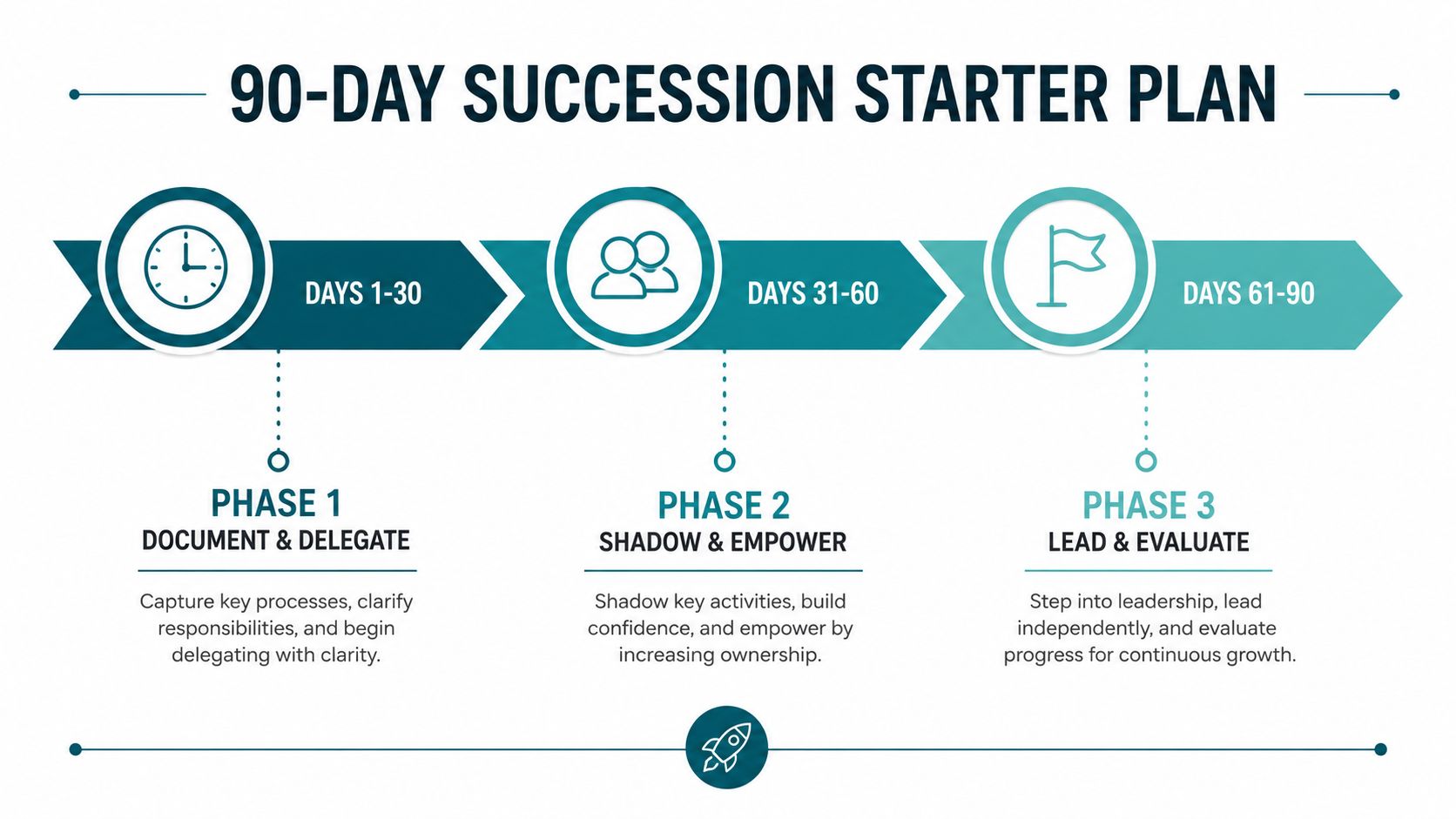
Days 61 through 90
Let new leaders run events while you stay nearby.
- Choose the first Crew Captain and Ward Lead.
- Give each person a written responsibility and decision boundary.
- Watch the event without taking over.
- Hold a debrief and revise the checklist.
The U.S. Census and AmeriCorps have estimated that over 30% of American adults volunteered through an organization in a given year, and those hours generated about $167 billion in economic value (research on volunteering and leader development). That scale makes volunteer work a real place for people to practice coordination, accountability, communication, and service leadership outside formal management jobs.
Ask yourself three questions at the end of the 90 days. Who can welcome a stranger? Who can make a safe decision under pressure? Who can transfer the role without making it about themselves?
That is the succession test. Your group should leave the founder's hands while keeping its warmth, local memory, and practical rhythm.
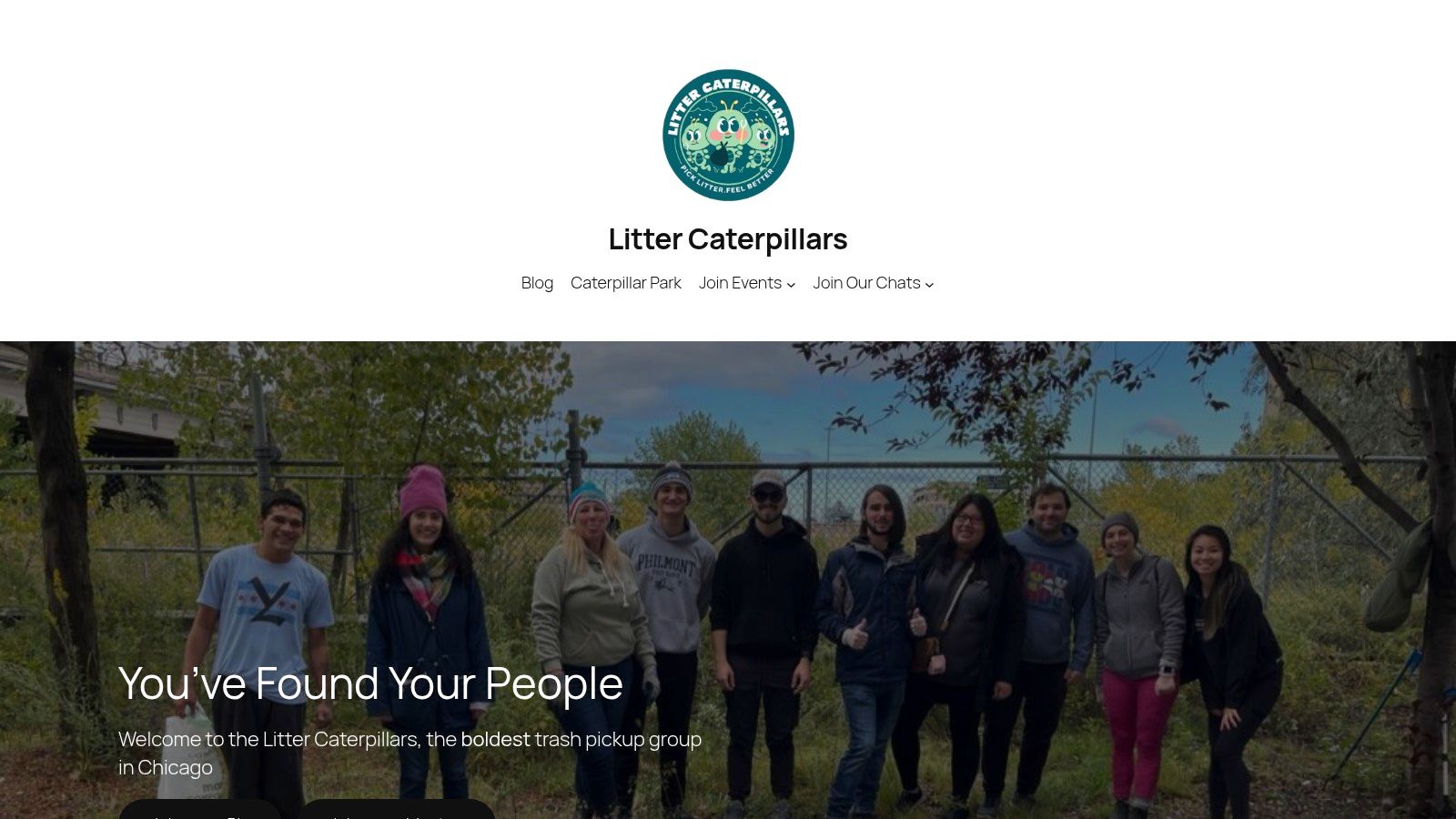
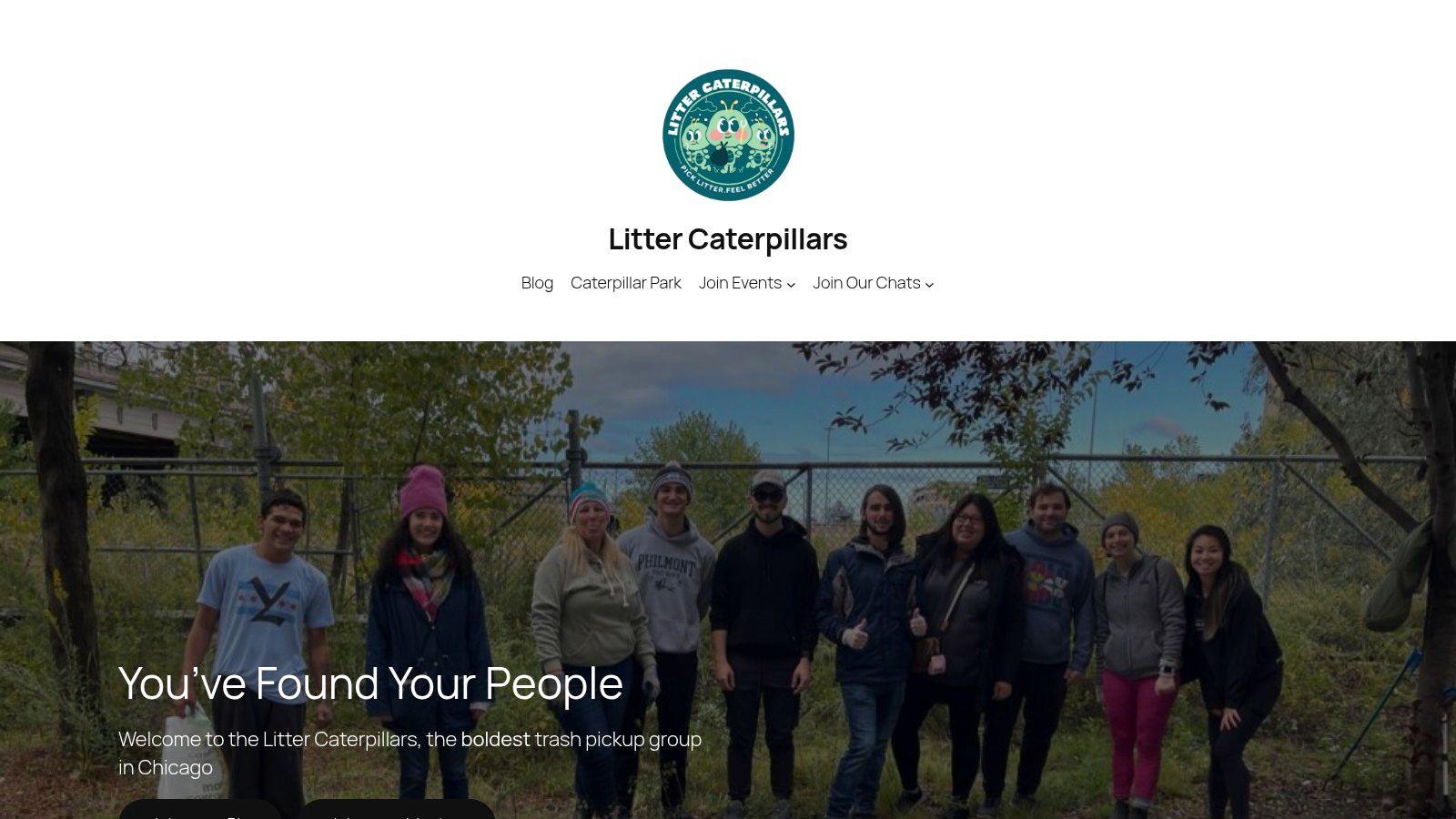
Litter Caterpillars gives Chicago volunteers a recurring way to pick up trash, meet neighbors, and practice leadership through real cleanup roles. Visit Litter Caterpillars to join an event or use the group's volunteer-driven model as a starting point for your own neighborhood crew.