
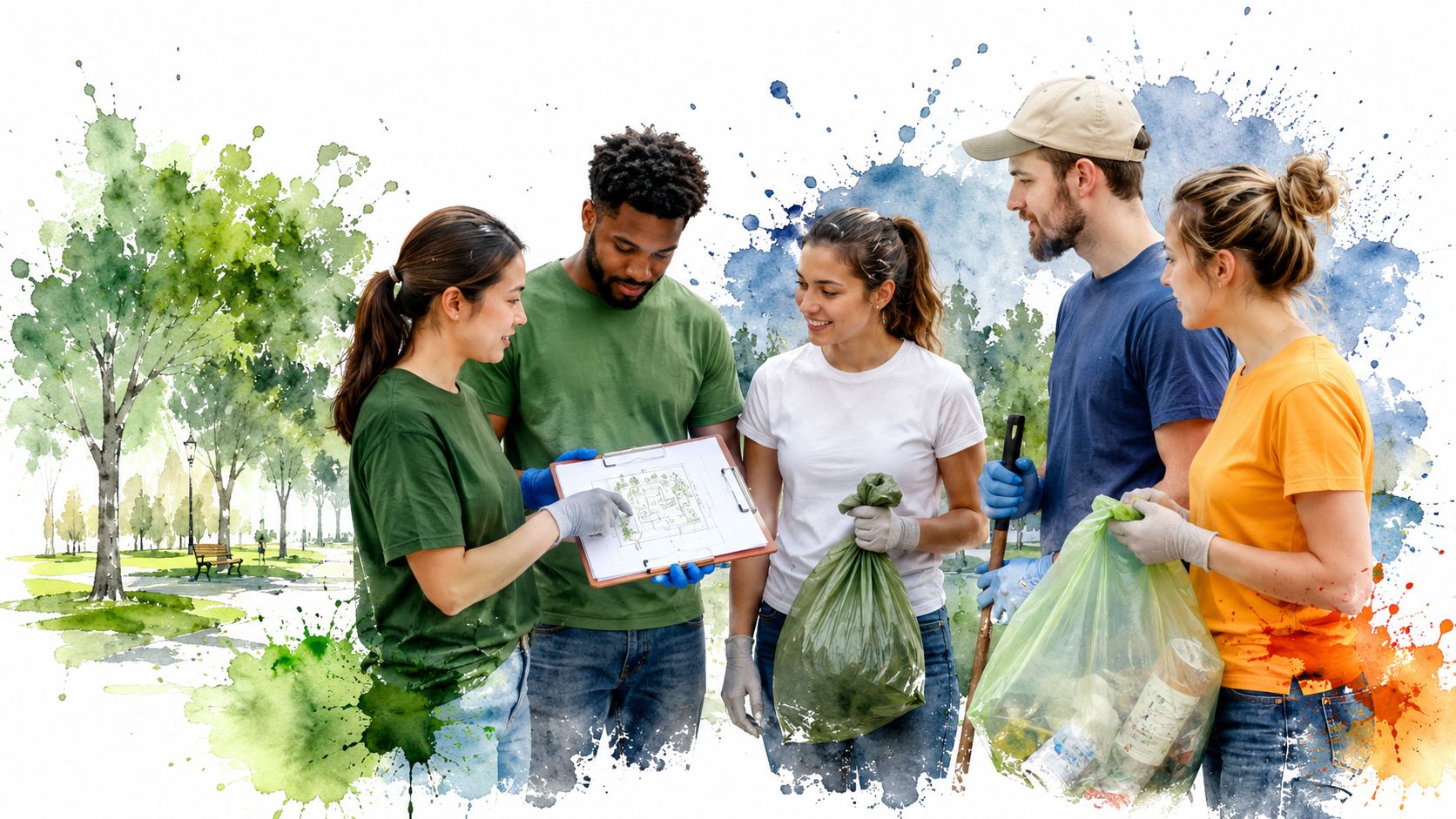
Three of us showed up for that first Chicago pickup with gloves, trash bags, and too much optimism. The sky flipped from spring to hail to blizzard, Ubers kept canceling, and we ended up huddled under a tree like a bad weather cartoon.
The First Pickup That Started Everything
I remember looking at the street, the slush, and the mess on the curb and thinking one weird thing at once. Cleaning other people's trash was easier than cleaning up my own life, and somehow it was also more fun.
That first outing taught me what most volunteer event planning guides miss. People do come for the task, but they come back for how the task feels, who they met, and whether the day had a pulse. If your event feels like a chore with a clipboard, people vanish. If it feels like a small crew with a shared mission, a little chaos, and a good reason to laugh, they return next week.
I didn't know the terms for any of that then. I just knew I wanted a group where people could show up, do something real, and leave with a story worth telling. In Chicago, that story might involve hail, wind, heat, or a bike lane closed at the last second. That's fine. The plan only works if it can hold a little weather and a little personality.
Volunteer event planning gets better when you stop treating it like a one-time cleanup and start treating it like a hangout people respect. The trash matters. The people matter more. The best events I've run have had both pieces in the right order.
Define the Event Before You Recruit Anyone
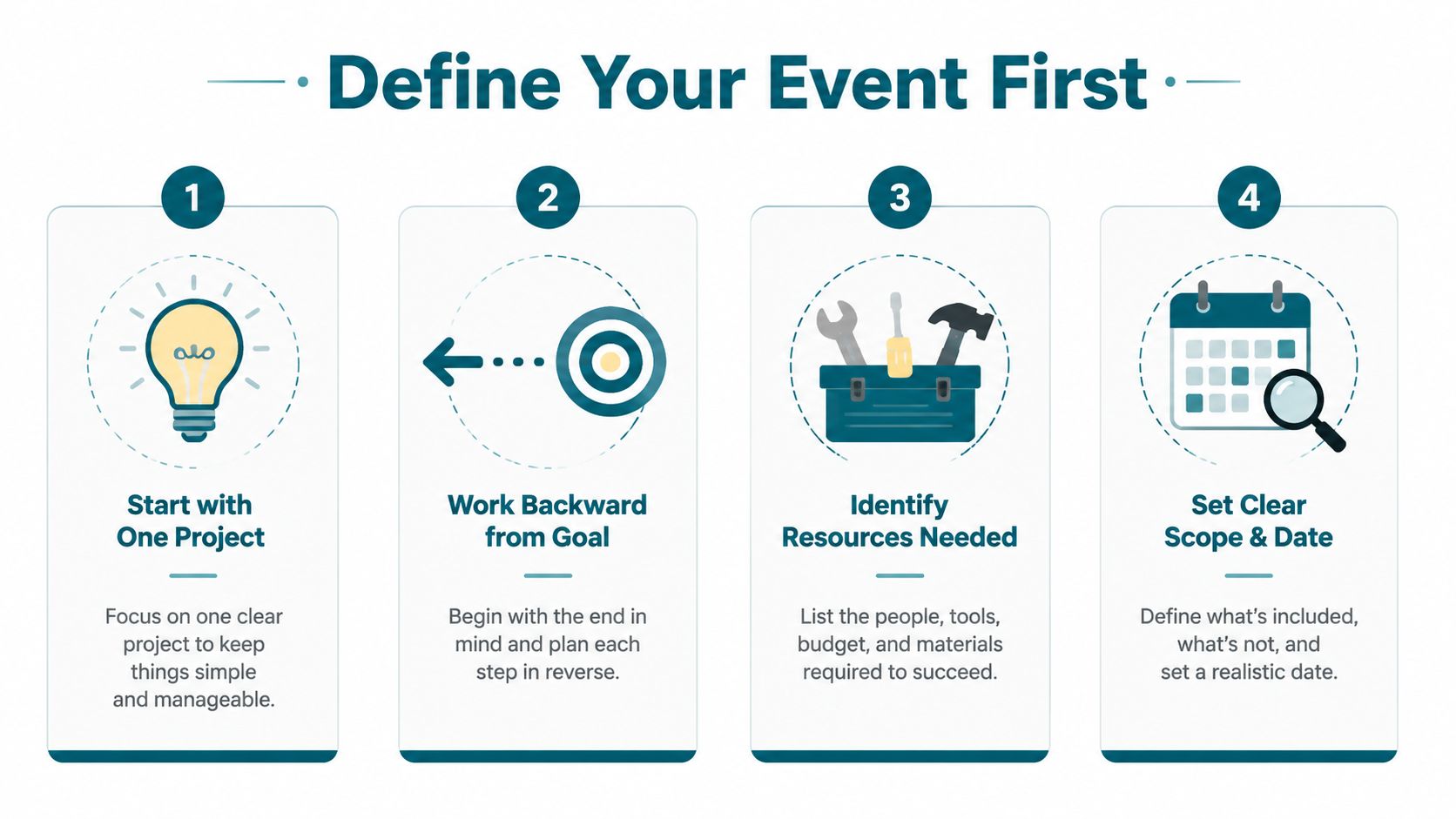
Start with one project, not a pile of them. That rule saves you from vague planning, and it keeps the event easy to explain when someone asks what you're doing, where you're doing it, and why they should care.
Pick the scope first
For a neighborhood cleanup, I start with a block, a park edge, or a route I can describe in one breath. Then I write the purpose in plain language, like cleaning litter from a specific stretch, helping a partner site, or testing a new volunteer route. After that, I choose the date and time around the people I want to recruit, the neighborhood's access, and how much daylight I can count on.
A one-page brief is enough if it answers the basics. What is the project, where does it happen, who is coming, what do they need, and what permission do I need before anyone touches the site? The UK government's voluntary-event guide pushes planners to define the purpose, size, safety and access needs, budget, publicity, day-of schedule, and cleanup before anything else, and that sequence keeps me from recruiting into a foggy plan. I've found that same order works when I'm emailing a park office, a business group, or an alderman's office, because nobody wants a soft answer about scope.
Practical rule: lock the event before you ask for help. Volunteers forgive a lot, but they don't forgive confusion.
Build the timeline with slack
The planning calendar needs room for real life. A simple event-volunteer checklist recommends adding a 15 to 20 percent time buffer, and that fits the way cleanup events go, with weather shifts, last-minute cancellations, and gear delays. I use that buffer whenever I know the site has road access, tricky parking, or a partner who needs extra lead time.
If you want a reference point for what a cleaner signup flow looks like, I also keep a plain internal guide on how to find volunteers, because recruitment works better when the event brief and the outreach message are built together. The brief tells people what they're walking into, and the message tells them why the day is worth their Saturday morning.
Fill the page in under an hour
If I can't write the event brief fast, the scope is too wide. I want a short document that names the goal, the site, the minimum permissions, the rough headcount, the budget, and the backup date logic. That is enough to move forward and still flexible enough to survive a rainy forecast.
The trick is simple. Decide what the event is, then decide who needs to know, then ask for volunteers. When I reverse that order, I get no-shows, mixed expectations, and extra cleanup on the back end.
Recruit Volunteers and Design Real Roles
A signup sheet is not a plan. It's a pile of names with no shape, and that's where volunteer events start to wobble.
Give every person a job that feels real
I recruit where people already gather, on Meetup, Instagram, neighborhood Facebook pages, university service boards, corporate volunteer leads, and group chats that already have trust. Then I write the post like a person, not a flyer. I say what the cleanup is, where we're meeting, what kind of shoes people should wear, and what kind of energy the group has. If the post sounds like a county form, it attracts nobody.
Then I split the work into roles. A check-in lead greets people and confirms names. A supplies lead hands out bags, gloves, and grabbers. A route lead keeps people moving through the block or park zone. A safety lead watches road edges, weather, and strain. A photo and storytelling lead gets consent and captures what the day looked like. A social lead keeps the chat alive before and after the event. Each role needs a backup, because one sick text can leave a hole.
Keep the roles small enough that a new volunteer can say yes without guessing what the day will feel like.
Match the role to the person
Some people walk in talking to everybody. Put them near check-in, the welcome loop, or the route lead slot. Detail-oriented people do well on supplies or roster work. Calm, steady communicators work as team leads because they can answer questions without turning every question into a lecture.
| Role | Core Responsibility | Time Commitment | Who Fits |
|---|---|---|---|
| Check-In Lead | Greet arrivals and confirm names | Arrive early, stay through the opening huddle | Friendly, fast with names |
| Supplies Lead | Hand out gear and track extras | Early setup and end-of-day count | Organized, practical |
| Route Lead | Keep the cleanup moving through assigned zones | Full event block | Clear communicator, good at pacing |
| Safety Lead | Watch weather, road edges, and buddy checks | Full event block | Calm, observant, steady under pressure |
| Photo and Storytelling Lead | Capture moments and note consent | Flexible, part of the day | Social, quick with a phone |
| Social Lead | Run the chat and reminders before and after | Before, during, after | Responsive, warm, consistent |
| Backup Lead | Step in if a lead drops out | On call | Reliable, nearby, easy to brief |
I keep a waitlist, too. If someone cancels, I don't leave the hole open and hope. I move the next person in and send a short message that tells them where to show up and who will meet them. Recruiting is a pipeline, not a post, and follow-up messages are part of the job.
The best recruiting language sounds like an invitation, not a pitch. It should tell people they'll do something useful, meet people who care, and leave without getting trapped in a huge commitment. That's how you get first-timers to say yes.
Build a Safety and Weather Plan You Will Actually Use
Chicago weather has taught me not to trust optimism. I've cleaned in snow, heat, wind, rain, and the kind of cold that makes a phone battery give up before the volunteer does.
Write the weather rules before the day
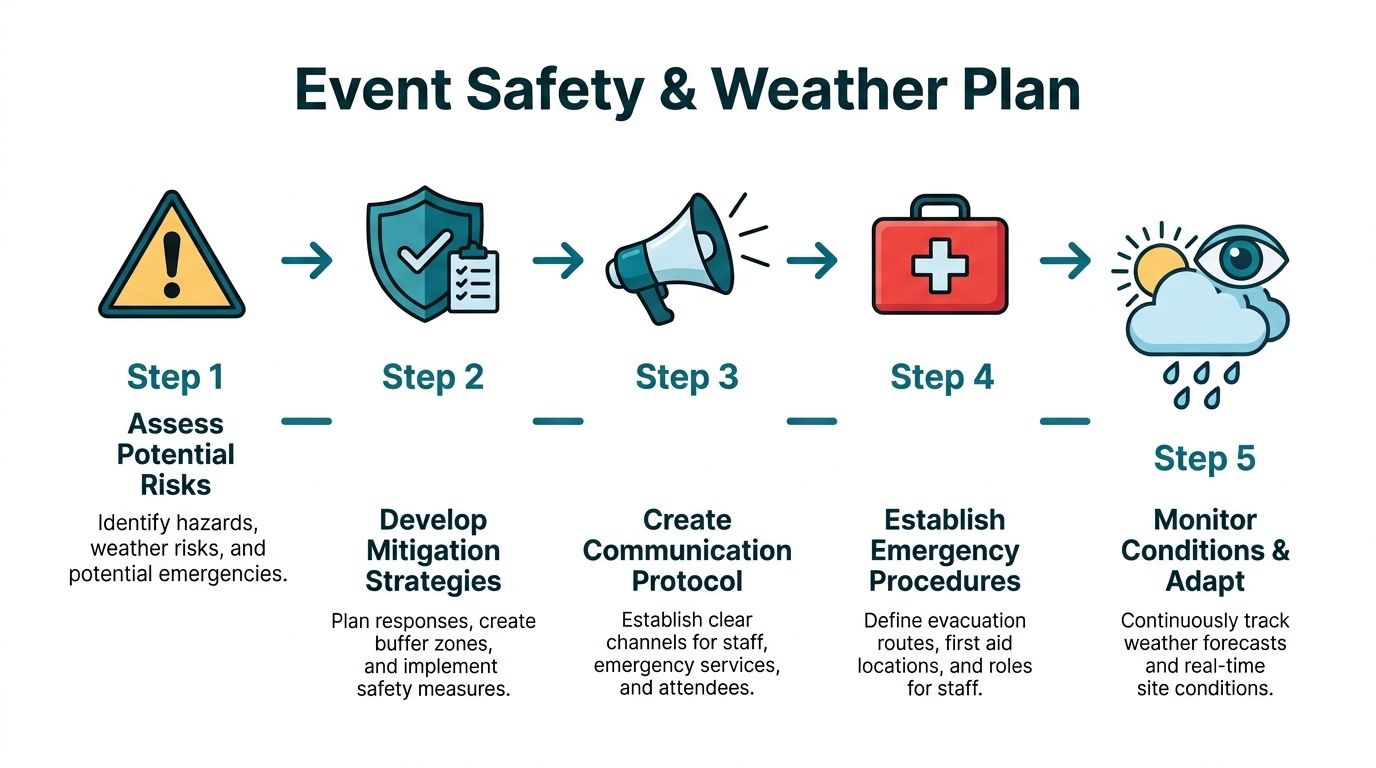
A safety plan works when it is short enough to read at 6 a.m. I split mine into three parts. First, I write the weather thresholds for heat, cold, lightning, and rain. Second, I list the on-site rules for hydration, gloves, eye protection, sunscreen, and buddy checks. Third, I write the cancellation or pivot rule so nobody has to improvise when the forecast turns ugly.
That matters even more for outdoor cleanup work near roads. If anyone steps onto a shoulder, I want cones, a spotter, clear permissions, and bright gear. During one highway shoulder cleanup tied to a bike-event shutdown, reflective vests and cones did more to keep people safe than any speech I could've given. The point was simple, the edge was dangerous, and everyone knew it.
If you want a wider planning reference, the volunteer liability insurance guidance is a useful place to think through risk, because insurance, permissions, and a written safety plan belong in the same conversation.
Use the weather to make the fallback, not to make the decision later
One snowy cleanup ended with us huddled under a tree, cold and laughing while the cars kept sliding past. That day taught me to build a pivot into the plan, so I can move a crew to a covered park, switch to an indoor service task with a partner nonprofit, or defer to a new date with a message that goes out fast.
The same logic helps in summer. On a hot day, gloves and water stop being optional. People tire sooner, tempers get shorter, and the day gets sloppy if I pretend the heat is a small thing. I'd rather shorten the route, add shade breaks, and keep the group moving than watch people fade halfway through.
Keep the rules visible
A one-page safety sheet at check-in solves more problems than a long speech. I want people to know where to meet, what to do if someone gets hurt, who carries the first aid kit, and who makes the call if the sky turns. That sheet keeps me from repeating the same instructions ten times.
The best weather plan is the one you can use without thinking too hard. If it feels fancy, it will fail when the wind picks up.
Run the Day With a Simple Operating System
The event day gets easier when I treat it like a small operating system instead of a scramble.
Use a clean sequence from arrival to closeout
I ask the lead team to arrive 15 minutes early for gear check and setup. The check-in table gets a printed roster, name tags, and a visible place to stand so new people don't wander around wondering if they're late. Then I open with a short huddle, a route map, a safety reminder, and a clear answer to the two questions every volunteer has, where do I go and what do I do now.
The event itself runs in short shifts, and I keep them at no more than three hours when I can, because people stay sharper when the work block feels human. That schedule also gives me room for a water break, a snack pause, and a quick correction if a route gets messy or a bag pile grows too fast. DAV's guidance on short shifts fits what I've seen in the field, because nobody volunteers for a cleanup to get trapped all day with no structure.
The day ends with a closing huddle, a fast feedback question, a group photo if people want one, and a clear handoff of supplies. That closing rhythm matters more than people think, because it tells everyone the day had a beginning, a middle, and a clean finish.
Keep one channel, one map, one table
I use one group chat for the day so updates don't scatter. I print a map with zone assignments so people can move without checking their phone every two minutes. I keep one check-in table visible so nobody has to guess where to start.
For a basic scheduling setup, I keep a simple system in free volunteer scheduling software, because any tool is better than a dozen text threads when people are arriving at different times.
Opening huddle script: “I'm [name]. We're cleaning [site]. Your role is [role]. Stay in your zone, wear your gear, check in with your buddy, and come to me if you see a hazard or get hurt.”
Avoid the failures that sink cleanup days
The worst day-of failures are easy to spot. No check-in table, no printed roster, and no backup lead will turn a decent morning into a mess. I also watch for vague route calls, because people need a clear start point more than they need a motivational speech.
A clean operating system keeps volunteers calm. Calm volunteers work longer, ask better questions, and leave with enough energy to come back.
Turn First-Timers Into a Crew That Comes Back
The bags are only part of the work. A cleanup becomes a group when people leave with a reason to return, and that usually comes down to how they were treated after the trash was picked up.
Make the follow-up feel immediate and human
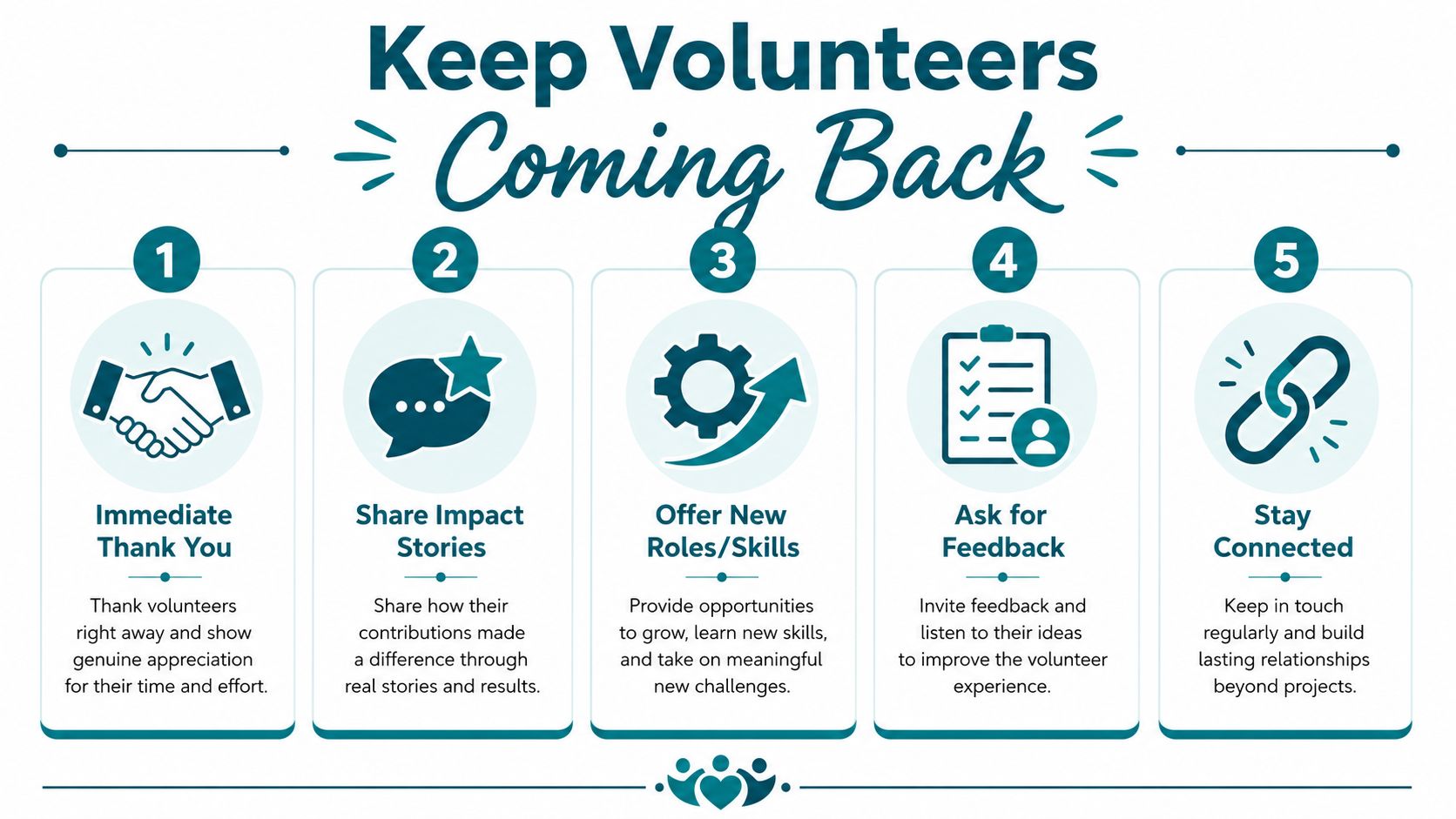
I send a same-day thank-you in the chat while the day still feels fresh. On Monday, I post a recap photo and tag everyone who said yes to being tagged. Then I send a one-question survey that asks what was clear, what was confusing, and what would have made the day easier. Short surveys get replies because they respect people's time.
Small rituals help here too. A flag, a badge, a theme song, or one weekly habit people recognize right away gives the crew a shared marker to come back to. That is not decoration. It gives people an identity they can carry home, and identity is what kept me showing up when the weather got ugly and my mood did the same.
Build the social layer on purpose
Group chats, planning threads, and quick meetups are the social scaffolding that holds the work together. They let first-timers hear from regulars before the event, and they give new people a low-pressure place to ask what to wear, where to park, and whether they need to bring anything. Public recognition helps here too, as long as it never turns into a donation ask.
| Retention habit | What I do | What it changes |
|---|---|---|
| Same-day thank-you | Send a message right after cleanup | People feel seen before the day fades |
| Monday recap | Post photos and tag opt-ins | The event stays alive in memory |
| Quick survey | Ask one useful question | I learn what confused people |
| Small ritual | Use a badge, flag, or theme song | People start to feel like part of a crew |
| Ongoing chat | Keep one open thread | New volunteers have a place to return |
What holds true across volunteer programs is simple. People do not volunteer once and disappear for no reason. They return when the day feels social, clear, and worth repeating. If sponsors ask for metrics, I track recurring participation and referral rate, even if I do it in a simple spreadsheet.
Make belonging visible
People come back when they feel known. A volunteer who gets a thank-you, a photo tag, and a place in the chat is much more likely to become a regular than someone who only gets a sign-up link and silence afterward.
That is the part most guides skip. The cleanup is real, but the crew is the reason the cleanup survives winter.
Your Pre-Event Checklist and a Call to Show Up
I keep my pre-event check simple enough to screenshot.
| Category | Check Before Event Day |
|---|---|
| Scope and date | One project, one site, one time |
| Permissions | Park, business, or city contact confirmed |
| Roles and backups | Every role filled, backup names set |
| Supplies and gear | Bags, gloves, grabbers, name tags, water |
| Safety and weather | Heat, cold, rain, lightning, and pivot rule written |
| Communication | One chat, one roster, one map |
| Check-in system | Table, printed list, clear arrival spot |
| Follow-up plan | Thank-you, recap, survey, next invite |
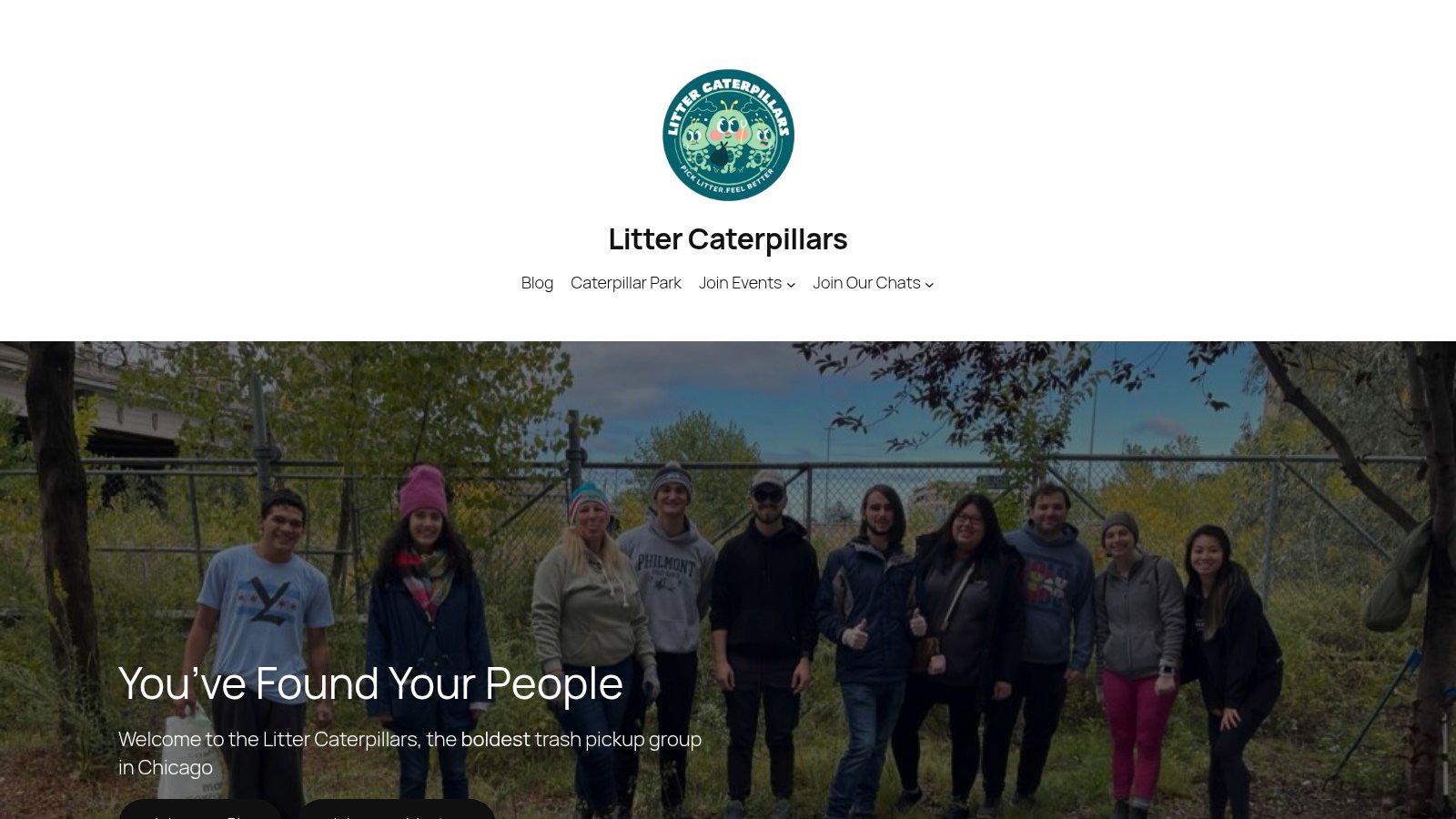
If you want a real Chicago example of this playbook in action, Litter Caterpillars uses weekly weekend morning cleanups, open group chats, Meetup, and Instagram to help people plug in and stay connected. Pick one project, pick one date, recruit eight people, and run it. Then fix the next one based on what happened.
If you want a living example of volunteer event planning that puts people first, visit Litter Caterpillars. You'll see how a cleanup group can mix safety, structure, and friendship without turning the day into a boring form. If you're in Chicago and want a place to start, that's where I'd send you.
Leave a Reply